
Police bust illegal abalone poaching ring

The Minister of Forestry, Fisheries and the Environment, Dr Dion George, has welcomed the seizure of abalone worth an estimated R5 million and the arrest of nine people at Robben Island. 

The swift and coordinated efforts of enforcement officials from the Department of Forestry, Fisheries and the Environment (DFFE), the South African Police Service (SAPS), the City of Cape Town Marine Unit, and other enforcement agencies disrupted a large-scale illegal abalone poaching operation on Monday and Tuesday.

On 22 September 2025, DFFE Fishery Control Officers together with the other law enforcement officers intercepted a truck with dried abalone near Rawsonville in the Western Cape. 

The truck was transporting 13 341 dried abalone with a weight of approximately 840 kilograms with an estimated value of R5 million.

A day later, law enforcement officers discovered an abalone poaching operation, which involved approximately 20 divers. 

Despite the difficulties posed by rough terrain and the strategic concealment tactics used by the divers, enforcement teams were assisted by the SAPS drone unit and managed to apprehend nine suspects and recover diving equipment and gear.

“These arrests, and other recent ones, are indicative of our ongoing conservation efforts supported by stronger, tactical law enforcement. 

“Criminal syndicates must know that South Africans do not tolerate lawlessness and the misuse of our natural assets – those who exploit our natural resources will face the full consequences of the law,” the Minister said on Thursday.

George has called on the public to join hands in the fight against illegal activity by reporting any suspicious activities to the relevant DFFE authorities on 086 111 2468 | [email protected] or any other law enforcement authority.

"I also extend my heartfelt gratitude to every officer and partner involved in these operations. Their hard work and sacrifice are crucial in safeguarding South Africa’s marine biodiversity,” he said.
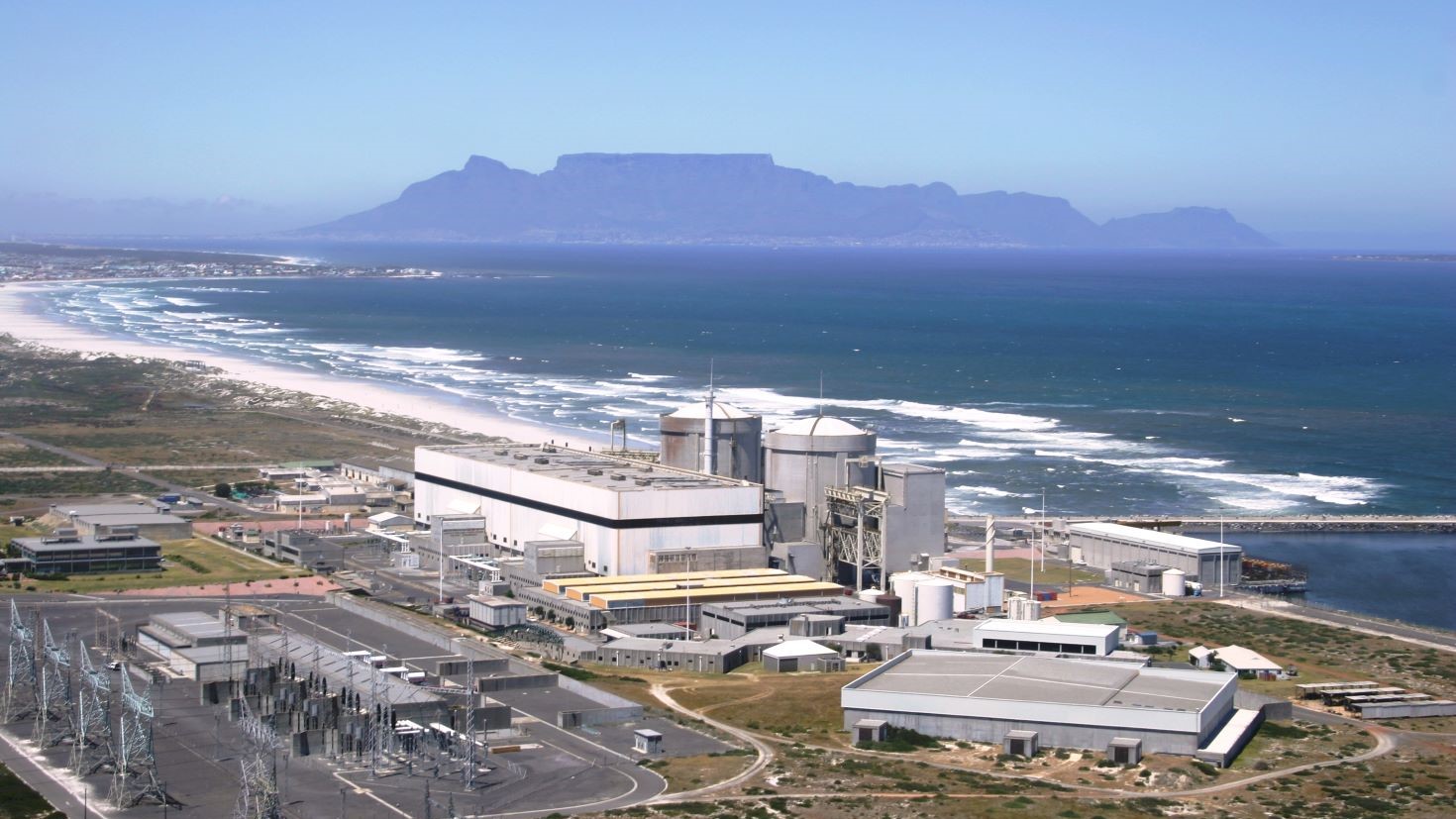
Koeberg operating within safety standards – Eskom

Eskom has rejected recent commentary suggesting that it is ‘flying blind’ at the Koeberg Nuclear Power Station, while confirming that the power station operates in line with safety standards.

In a statement on Wednesday, the power utility asserted that the commentary was inaccurate and misleading.

Eskom confirmed that all safety-critical systems are fully functional, carefully monitored, and continuously improved, in line with strict nuclear safety standards.

“Eskom operates Koeberg with a 'safety first' mindset, under the strict oversight of the National Nuclear Regulator and in full alignment with international nuclear safety conventions. 

“Assertions that safety tests have been skipped or that Eskom is operating 'blind' are not only inaccurate -- they undermine the rigorous engineering and regulatory processes that govern nuclear operations."

Koeberg’s containment buildings, the massive concrete domes designed to prevent any release of radiation in the event of an incident, have undergone rigorous structural assessments. 

These included:
-Concrete core sampling and mechanical testing conducted by reputable and independent institutions, in line with international nuclear safety standards, confirmed that the material properties remain sound and well within safety margins.
-The results of the Integrated Leak Rate Test (ILRT) that was recently concluded on Unit 1 further validate the structural integrity of the containment buildings and the data that is being used.
-The results of various tests and data analyses confirm that both containment structures at Koeberg are fit for continued operation for at least the next 20 years. Monitoring systems, such as strain gauges and crack detectors, continuously track structural behaviour over time, enabling early detection of any anomalies and supporting proactive, preventative maintenance.
-The existing containment monitoring instrumentation was fully refurbished and restored during the 2023 and 2024 maintenance cycles. In 2025, Eskom installed Vibrating Wire Strain Gauges (VWSGs) and optical fibre sensors to enhance the precision, redundancy, and reliability of structural monitoring. These upgrades are part of Eskom’s proactive approach to safety, not a response to any immediate risk.

According to Eskom, the Integrated Leak Rate Test (ILRT) is a cornerstone of nuclear safety. It pressurises the containment to accident condition pressure to verify that the containment building is leak tight and capable of containing radioactive release in the unlikely event of an accident. 

The ILRT for Unit 1 was successfully completed during Outage 127 in 2025, and the ILRT for Unit 2 is scheduled for Outage 227, in line with the 10-year testing cycle required by international standards.

“The 10-year interval that Eskom has adopted is in line with the standard practice at most nuclear power plants in France. In the United States, the Nuclear Regulatory Commission (NRC) has endorsed a risk-informed methodology that allows licensees to apply for a permanent, performance-based extension of the ILRT surveillance interval from 10 to 15 years. 

“Therefore, the 10-year interval Eskom has adopted aligns with best practices worldwide, and there is currently no performance-based data that requires Eskom to adjust the ILRT interval to every five years,” Eskom said.

Koeberg remains one of the most closely monitored and well-maintained nuclear facilities on the continent. 

“Eskom will continue to invest in its safety systems, infrastructure, and personnel to ensure that Koeberg remains a reliable, secure, and compliant source of energy for South Africa.

“Eskom assures the public that the containment buildings of both Unit 1 and Unit 2 at Koeberg Nuclear Power Station are safe and fully capable of performing their intended design function.” 

Cape Town prepares hero’s welcome for Proteas

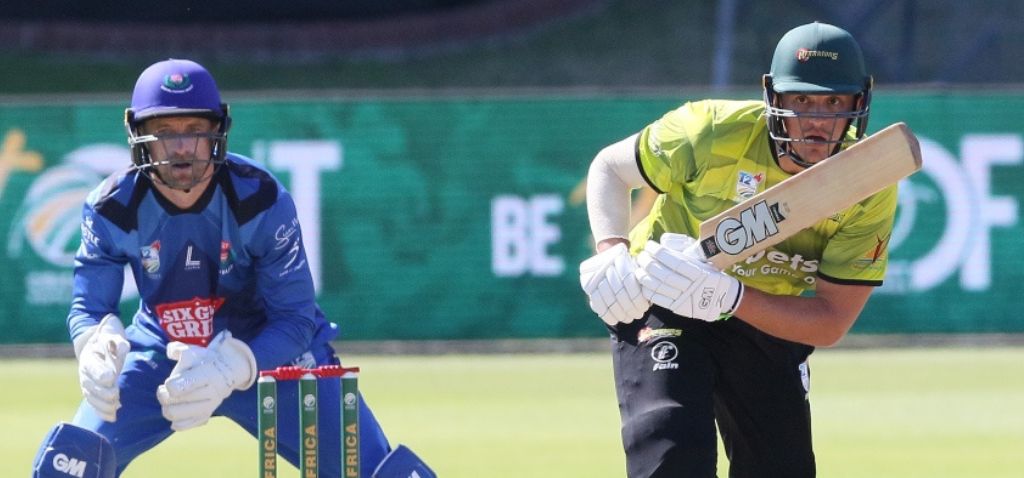
The ICC World Test Champions Proteas are bringing their Mace Tour to Cape Town this week. In collaboration with Cricket South Africa, the City of Cape Town is putting together a fitting celebration to honour the test champions in the Mother City.

Proteas Captain Temba Bavuma and his team will lead the celebration for the Cape Town leg of the victory parade on Friday, 26 September 2025.

The procession around the streets of the Cape Town CBD will be preceded by some entertainment on the iconic Grand Parade, in front of the City Hall.

The team will also host a fan meet and greet session before getting on the bus for the parade.

‘The Proteas have had an amazing year that has brought so much pride to the nation. They are returning from two successful tours in which they’ve won the ODI series against Australia and England.

This is an opportunity for us to celebrate their success, especially the ICC World Test Champions victory, South Africa’s first ICC title in over 20 years.  Cape Town is honoured to host the victory parade and our City teams are working with Cricket South Africa on a route that will ensure residents and visitors can celebrate with the team.

"We urge those who will be in the CBD to line up the streets, and businesses to allow employees to step out so we can fill the streets, celebrate together, and give the Proteas the hero’s welcome they deserve,’ said Mayoral Committee Member for Safety and Security, Alderman JP Smith.

The Mace Parade proceedings will start on the Grand Parade in front of the City Hall from 11:00.

The team bus will depart for the parade at 13:00 via Darling Street and will move through the following roads:
Adderley Street 
Wale Street
Long Street
Buitensingel
Loop Street
Strand Street
Back on Adderly Street (past the Cape Town Station)
                                                                                                                                                                
Residents and motorists are alerted to temporary and rolling road closures for the parade in the CBD between 11:00 until 16:00.
error:
Scroll to Top