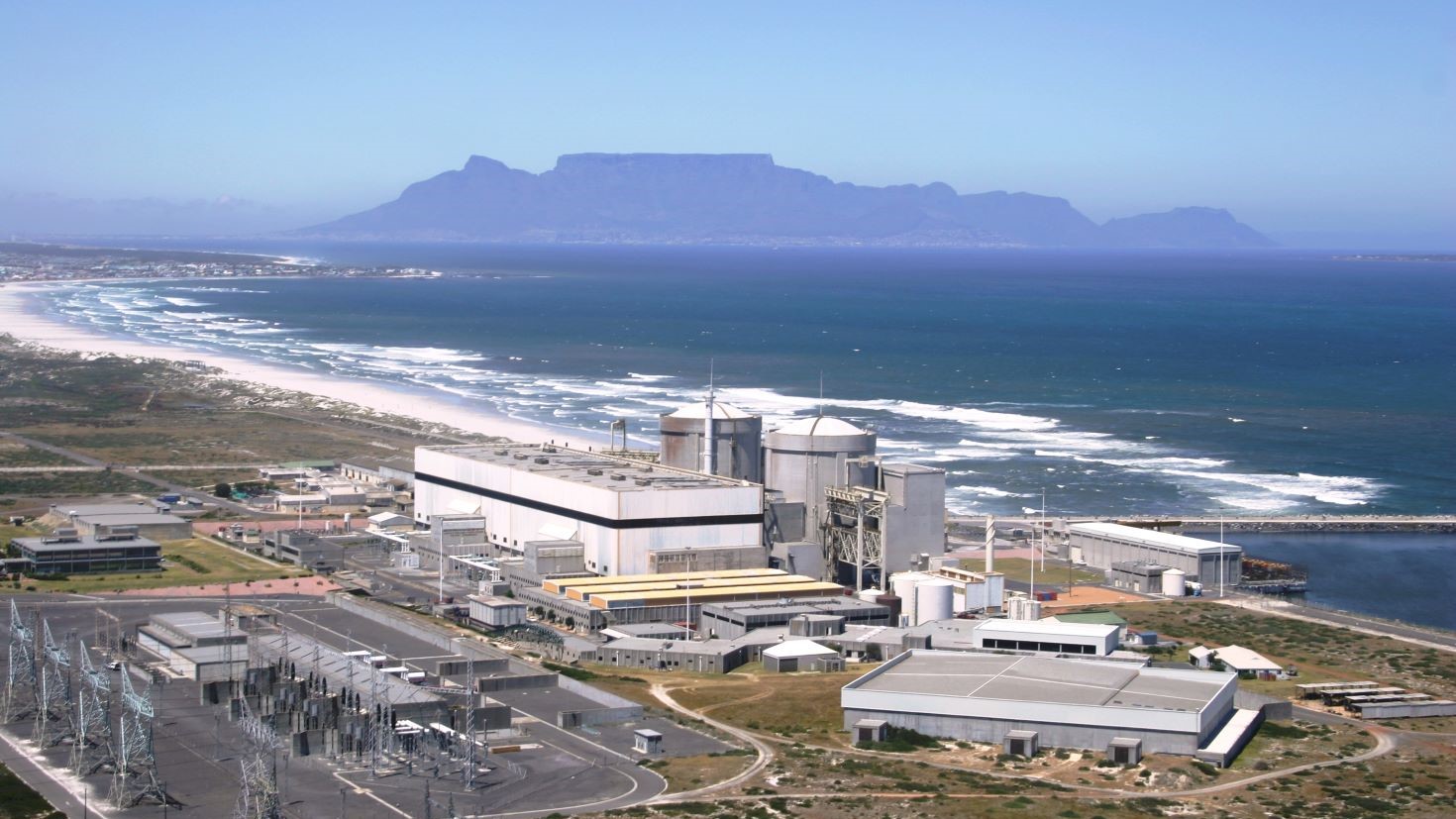
Eskom has successfully reconnected Unit 1 at the Koeberg Nuclear Power Station to the national grid at 01:36 on 29 October 2025, adding 930 megawatts of power and marking a major milestone for the country’s energy security.
The unit was brought online following its first major scheduled maintenance outage since new steam generators were installed. Fuel loading began in early September, followed by a series of commissioning activities before successful synchronisation with the grid.
Both Koeberg units are now operating. Unit 1 is still ramping up, while Unit 2 is generating 941 megawatts. Once Unit 1 reaches full capacity, the two units will supply over 1 860 megawatts - roughly five percent of Eskom’s total electricity output. Koeberg remains home to the largest nuclear generating units on the African continent.
To safeguard grid stability, maintenance outages at Koeberg are staggered every 16 to 18 months to ensure the units are never offline simultaneously. Unit 2 has been operating at full capacity for 234 consecutive days, maintaining a 99.88% energy availability factor, and is awaiting the National Nuclear Regulator’s decision on a 20-year Long-Term Operation licence on 9 November.
Eskom says the milestone demonstrates its commitment to the safe and reliable operation of South Africa’s only nuclear power plant, which supplies clean and cost-effective baseload electricity around the clock. The maintenance programme included comprehensive inspections, safety checks, and the statutory 10-year Integrated Leak Rate Test to confirm the containment building’s integrity and compliance with international safety standards.
“Our teams have demonstrated exceptional technical expertise and commitment. Koeberg remains a cornerstone of South Africa’s energy mix, and this achievement underscores Eskom’s continued focus on nuclear safety and operational excellence,” said Bheki Nxumalo, Eskom’s Group Executive for Generation.
In July 2024, following the completion of the Steam Generator Replacement Programme, the National Nuclear Regulator extended Eskom’s licence to operate Unit 1 until July 2044. This ensures the continued delivery of over 930 megawatts of dependable, clean baseload power for at least two more decades.
Eskom says the return of Unit 1 supports the objectives of South Africa’s Integrated Resource Plan, which prioritises nuclear power as a key component of the country’s long-term clean energy strategy.
The unit was brought online following its first major scheduled maintenance outage since new steam generators were installed. Fuel loading began in early September, followed by a series of commissioning activities before successful synchronisation with the grid.
Both Koeberg units are now operating. Unit 1 is still ramping up, while Unit 2 is generating 941 megawatts. Once Unit 1 reaches full capacity, the two units will supply over 1 860 megawatts - roughly five percent of Eskom’s total electricity output. Koeberg remains home to the largest nuclear generating units on the African continent.
To safeguard grid stability, maintenance outages at Koeberg are staggered every 16 to 18 months to ensure the units are never offline simultaneously. Unit 2 has been operating at full capacity for 234 consecutive days, maintaining a 99.88% energy availability factor, and is awaiting the National Nuclear Regulator’s decision on a 20-year Long-Term Operation licence on 9 November.
Eskom says the milestone demonstrates its commitment to the safe and reliable operation of South Africa’s only nuclear power plant, which supplies clean and cost-effective baseload electricity around the clock. The maintenance programme included comprehensive inspections, safety checks, and the statutory 10-year Integrated Leak Rate Test to confirm the containment building’s integrity and compliance with international safety standards.
“Our teams have demonstrated exceptional technical expertise and commitment. Koeberg remains a cornerstone of South Africa’s energy mix, and this achievement underscores Eskom’s continued focus on nuclear safety and operational excellence,” said Bheki Nxumalo, Eskom’s Group Executive for Generation.
In July 2024, following the completion of the Steam Generator Replacement Programme, the National Nuclear Regulator extended Eskom’s licence to operate Unit 1 until July 2044. This ensures the continued delivery of over 930 megawatts of dependable, clean baseload power for at least two more decades.
Eskom says the return of Unit 1 supports the objectives of South Africa’s Integrated Resource Plan, which prioritises nuclear power as a key component of the country’s long-term clean energy strategy.