
Cape Town becomes the first South African city to have a Chief Heat Officer – a champion to drive heat awareness communication and interventions as Cape Town becomes hotter, with more extreme heat-related events unfolding as the climate changes. As Africans, used to hot temperatures, we often minimise the dangers of extreme heat events, especially as it pertains to the most vulnerable in our city and outdoor workers.
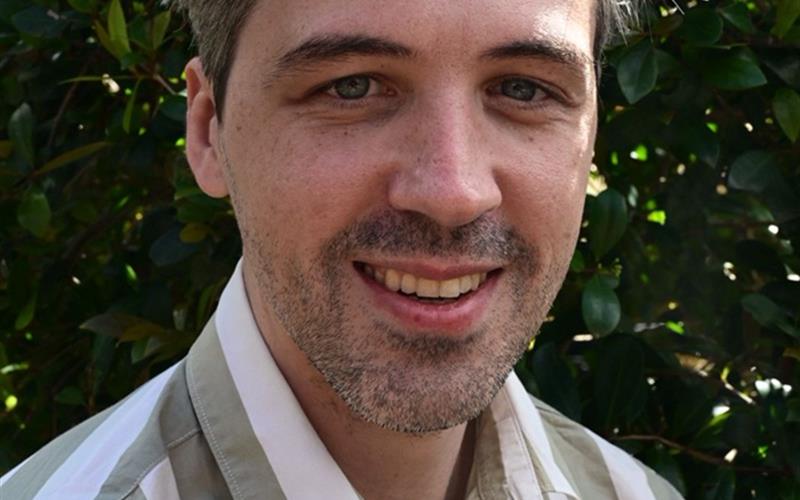
Cape Town’s first Chief Heat Officer, Albert Ferreira, who is the City’s Manager for Resilience and Climate Change has been selected to champion awareness around heat and extreme heat events expected to increase in frequency due to climate change.
In the hottest months, many areas in Cape Town experience temperatures hotter than 35°C and being heat smart is becoming increasingly important.
The City introduced its first Beat the Heat programme during summer 2024 focusing on vulnerable communities located in regions often experiencing summer temperatures hotter than 35° C such as Atlantis, Mamre, Dunoon, Joe Slovo and Sir Lowry’s Pass Village.
However, the highest temperature recorded for 2024 was 44,6° C at the Royal Yacht Club in the Foreshore area - the current highest temperature on record for Cape Town.
The Beat-the-Heat programme has been developed as part of the City’s Heat Action Plan and it is being implemented by a number of departments including Risk and Resilience, Environmental Management and Disaster Risk Management.
‘The City’s Climate Change Action Plan addresses various climate hazards including droughts, fire, flooding, surges, storms and heat waves facing the city. The specific focus on extreme heat as a growing public health and urban planning challenge highlights the need to treat it with the same urgency as other climate hazards,’ said Ferreira.
The City became a member of the international City Champions for Heat Action (CCHA) initiative in 2024 to amplify awareness of Cape Town’s heat risks and advance the City’s heat response work with global partners. Cape Town is one of three African cities to join the CCHA, with full membership to date consisting of Freetown, Kisumu County, Athens, Melbourne, Dhaka North, Monterrey, Santiago and Miami-Dade County.
‘Albert’s appointment comes as part of this international membership and he joins the other Chief Heat Officers located across the world. They aim to unify their city governments’ responses to extreme heat through internal activism, accelerating existing heat protection efforts and initiating new work to reduce the risks and impacts of extreme heat especially for heat-vulnerable communities in their cities,’ said Gareth Morgan, Executive Director for Future Planning and Resilience.
The United Nations (UN) Secretary-General (SG) issued a call to action on extreme heat on 25 July 2024 asking the international community to address the risks associated with extreme heat and act on four critical areas, being caring for vulnerable groups, protecting workers, boosting resilience of economies and societies. Facilitated by CCHA and the Climate Resilience Centre, Cape Town Mayor Geordin Hill-Lewis along with other CCHA Mayors endorsed a letter to the UN SG to support the Call to Action on Extreme Heat.

Key tips to Beat the Heat include:
-Drink plenty of water. Use water in spray bottles to cool down. Carry a wet cloth/face towel to wipe the face and neck when hot, and submerge feet in cold water to help regulate blood flow that will help to cool the body.
-Seek shelter and shade in covered public spaces such as shopping malls and libraries.
-Protective clothing: Wear a wide-brim hat, lightweight, loose clothing and take cool showers or baths.
-Limit outdoor activity to earlier or later in the day where possible.
-Take action at the first sign of a heat-related illness like muscle cramps, heavy sweating, nausea, vomiting, dizziness, fainting, confusion, a fast pulse and high body temperature. Seek emergency medical assistance immediately.
-Make sure to check on family and friends who fall within the high risk groups and help spread heat awareness in your social, professional and family groups. If you have a chronic illness, ask your doctor to advise on specific heat-related impacts and how your medication can be affected.
Cape Town’s first Chief Heat Officer, Albert Ferreira, who is the City’s Manager for Resilience and Climate Change has been selected to champion awareness around heat and extreme heat events expected to increase in frequency due to climate change.
In the hottest months, many areas in Cape Town experience temperatures hotter than 35°C and being heat smart is becoming increasingly important.
The City introduced its first Beat the Heat programme during summer 2024 focusing on vulnerable communities located in regions often experiencing summer temperatures hotter than 35° C such as Atlantis, Mamre, Dunoon, Joe Slovo and Sir Lowry’s Pass Village.
However, the highest temperature recorded for 2024 was 44,6° C at the Royal Yacht Club in the Foreshore area - the current highest temperature on record for Cape Town.
The Beat-the-Heat programme has been developed as part of the City’s Heat Action Plan and it is being implemented by a number of departments including Risk and Resilience, Environmental Management and Disaster Risk Management.
‘The City’s Climate Change Action Plan addresses various climate hazards including droughts, fire, flooding, surges, storms and heat waves facing the city. The specific focus on extreme heat as a growing public health and urban planning challenge highlights the need to treat it with the same urgency as other climate hazards,’ said Ferreira.
The City became a member of the international City Champions for Heat Action (CCHA) initiative in 2024 to amplify awareness of Cape Town’s heat risks and advance the City’s heat response work with global partners. Cape Town is one of three African cities to join the CCHA, with full membership to date consisting of Freetown, Kisumu County, Athens, Melbourne, Dhaka North, Monterrey, Santiago and Miami-Dade County.
‘Albert’s appointment comes as part of this international membership and he joins the other Chief Heat Officers located across the world. They aim to unify their city governments’ responses to extreme heat through internal activism, accelerating existing heat protection efforts and initiating new work to reduce the risks and impacts of extreme heat especially for heat-vulnerable communities in their cities,’ said Gareth Morgan, Executive Director for Future Planning and Resilience.
The United Nations (UN) Secretary-General (SG) issued a call to action on extreme heat on 25 July 2024 asking the international community to address the risks associated with extreme heat and act on four critical areas, being caring for vulnerable groups, protecting workers, boosting resilience of economies and societies. Facilitated by CCHA and the Climate Resilience Centre, Cape Town Mayor Geordin Hill-Lewis along with other CCHA Mayors endorsed a letter to the UN SG to support the Call to Action on Extreme Heat.
Key tips to Beat the Heat include:
-Drink plenty of water. Use water in spray bottles to cool down. Carry a wet cloth/face towel to wipe the face and neck when hot, and submerge feet in cold water to help regulate blood flow that will help to cool the body.
-Seek shelter and shade in covered public spaces such as shopping malls and libraries.
-Protective clothing: Wear a wide-brim hat, lightweight, loose clothing and take cool showers or baths.
-Limit outdoor activity to earlier or later in the day where possible.
-Take action at the first sign of a heat-related illness like muscle cramps, heavy sweating, nausea, vomiting, dizziness, fainting, confusion, a fast pulse and high body temperature. Seek emergency medical assistance immediately.
-Make sure to check on family and friends who fall within the high risk groups and help spread heat awareness in your social, professional and family groups. If you have a chronic illness, ask your doctor to advise on specific heat-related impacts and how your medication can be affected.