In a landmark moment for South Africa’s monetary policy agenda, government has decided to reduce South Africa’s inflation target to 3%, with a 1 percentage point tolerance band.
This will reduce the cost of living and borrowing costs for households, businesses and government, supporting higher long-term economic growth and job creation.
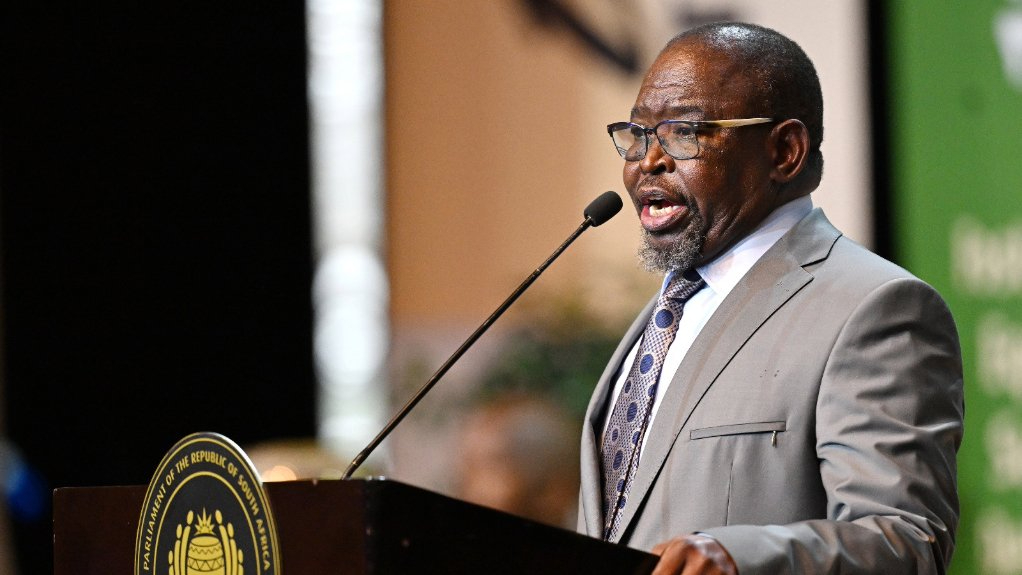
Presenting the Medium-Term Budget Policy Statement (MTBPS) at a sitting of the National Assembly at the Good Hope Chamber in Parliament, Minister Enoch Godongwana said the 1 percentage point band provides flexibility to accommodate any unexpected inflationary shocks.
“This decision follows agreement between the Governor of the South African Reserve Bank and my consultations with the President and Cabinet. This new target immediately replaces the previous target range of between 3% and 6% and will be implemented over the next two years,” Minister of Finance Enoch Godongwana said on Wednesday.
This is in line with South Africa’s approach to inflation targeting, which has always been a flexible one, looking beyond short-run deviations in inflation.
“The Reserve Bank will pursue the target on a continuous basis and clearly communicate any deviations from the target. Over time, the lower target will decrease inflation expectations and inflation, creating room for lower interest rates.
“The short-term fiscal costs of a lower target, which include lower nominal Gross Domestic Product and revenue growth, will make achieving fiscal targets more challenging.
“Yet the long-term benefits of taking this step far outweigh these costs. We remain committed to ensuring that our macroeconomic policies serve the best interests of all South Africans,” the Minister said.
A lower target aligns the country with international best practice and makes the cost of borrowing cheaper by reducing the inflation risk premium that investors demand to lend to South Africa.
The Minister of Finance and the Governor of the Reserve Bank will closely coordinate policy settings to maximise the economic benefits of the new target and enhance fiscal and monetary policy alignment.
This will reduce the cost of living and borrowing costs for households, businesses and government, supporting higher long-term economic growth and job creation.
Presenting the Medium-Term Budget Policy Statement (MTBPS) at a sitting of the National Assembly at the Good Hope Chamber in Parliament, Minister Enoch Godongwana said the 1 percentage point band provides flexibility to accommodate any unexpected inflationary shocks.
“This decision follows agreement between the Governor of the South African Reserve Bank and my consultations with the President and Cabinet. This new target immediately replaces the previous target range of between 3% and 6% and will be implemented over the next two years,” Minister of Finance Enoch Godongwana said on Wednesday.
This is in line with South Africa’s approach to inflation targeting, which has always been a flexible one, looking beyond short-run deviations in inflation.
“The Reserve Bank will pursue the target on a continuous basis and clearly communicate any deviations from the target. Over time, the lower target will decrease inflation expectations and inflation, creating room for lower interest rates.
“The short-term fiscal costs of a lower target, which include lower nominal Gross Domestic Product and revenue growth, will make achieving fiscal targets more challenging.
“Yet the long-term benefits of taking this step far outweigh these costs. We remain committed to ensuring that our macroeconomic policies serve the best interests of all South Africans,” the Minister said.
A lower target aligns the country with international best practice and makes the cost of borrowing cheaper by reducing the inflation risk premium that investors demand to lend to South Africa.
The Minister of Finance and the Governor of the Reserve Bank will closely coordinate policy settings to maximise the economic benefits of the new target and enhance fiscal and monetary policy alignment.