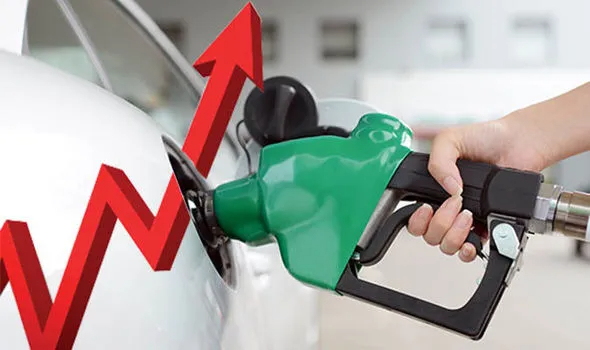
South African drivers should brace for a prolonged period of higher fuel costs, with petrol and diesel prices expected to rise by record levels in April. The expected hike reflects a combination of higher fuel levies, under-recovery of fuel costs, a weaker rand/dollar exchange rate, and a surge in global oil prices linked to the conflict in the Middle East. Given that fuel is one of the highest variable costs of owning a car, the expected increase is an important reminder for drivers to review their car related costs and driving habits.
Says Ernest North, cofounder of Naked Insurance: “The conflict in the Middle East has caused a shock to oil supply and sent prices soaring. Prices may increase further if the war intensifies, and even if it ends soon, it may still take time for oil prices to normalise. Apart from higher prices at the pump, the increase in oil prices could also cause prices of other goods to rise and may prompt the Reserve Bank to increase interest rates. Against this backdrop, it is wise for motorists to review their car-related costs.”
What the expected increase could mean in real terms
Using estimated April prices currently being reported*, together with a benchmark fuel efficiency of 15 km per litre and average monthly travel of 1,000 km, here’s how the increase could hit your pocket:
Petrol 95 Unleaded inland:
• March price: R20.30/litre = R1,353/month
• Expected April price: R26.33/litre = R1,755/month
• Increase: about R402 more per month
• Annual impact: about R4,824 more per year
Diesel with 0,05% sulphur inland (wholesale):
• March price: R18.53/litre = R1,235/month
• Expected April price: R28.88/litre = R1,925/month
• Increase: about R690 more per month
• Annual impact: about R8,280 more per year
The bad news is that oil prices are expected to remain volatile and could climb further for as long as the instability in the Middle East continues. The table below illustrates how future increases could affect your monthly petrol costs, assuming fuel efficiency of 15 km per litre:

Says North: “The reality is that if fuel prices continue to spike, we may re-enter a period of high inflation, which will affect the cost of car ownership in many ways. Drivers should be aware that they may face higher interest rates for car loan repayments, and steeper maintenance and repair costs. South Africans may also see prices of clothing, food and other essentials rise due to the higher fuel cost.”
North recommends calculating the full cost of car ownership carefully, especially if you are in the market for a new car. “You need to look beyond the purchase price or monthly car repayment. Insurance, fuel, unexpected repairs and routine services and maintenance also need to be considered. In today’s context, it makes sense to budget cautiously rather than splashing out on the latest and best model you can afford. Leave some room in your budget for additional fuel price increases, higher insurance costs and rising maintenance costs.”
“We expect to see many South Africans look at fuel-efficient cars rather than petrol-guzzling SUVs if fuel prices keep rising,” says North. “The current environment could also boost interest in electric vehicles. While electric vehicles are still expensive in South Africa, there are more budget-friendly models from emerging brands reaching the market. In addition, there are attractively priced hybrids that are a good fit for people who do a lot of driving.”
Practical tips: How to reduce fuel and car ownership costs
Naked Insurance suggests a few practical ways motorists can save money on fuel and car ownership without buying a new car:
• Drive less where possible: Combine trips, plan errands efficiently and avoid unnecessary short journeys.
• Carpool or lift-share: Share trips with colleagues and friends to split fuel costs.
• Use public transport if possible: Options like the Gautrain may save you some time and money.
• Work from home when you can: Even one or two days a week can meaningfully cut monthly fuel spend.
• Adopt smoother driving habits: Avoid hard acceleration and braking, stick to steady speeds and use cruise control on highways where appropriate.
• Keep your car well maintained: Regular servicing, clean air filters, and properly inflated tyres improve fuel efficiency and prevent bigger repair costs later.
• Choose the right time to drive: Avoid peak traffic where possible. Stop-start driving burns more fuel.
• Increase insurance excess (carefully): A higher excess can lower monthly insurance premiums, but only if you can comfortably afford that amount in the event of a claim.
• Use CoverPause: Naked customers can use the app to turn off accident cover on days that you don’t drive, and save up to 50% of your premium.
• Consider becoming a single-car household: If feasible, selling a second vehicle can eliminate fuel, insurance, and maintenance costs entirely.
Says Ernest North, cofounder of Naked Insurance: “The conflict in the Middle East has caused a shock to oil supply and sent prices soaring. Prices may increase further if the war intensifies, and even if it ends soon, it may still take time for oil prices to normalise. Apart from higher prices at the pump, the increase in oil prices could also cause prices of other goods to rise and may prompt the Reserve Bank to increase interest rates. Against this backdrop, it is wise for motorists to review their car-related costs.”
What the expected increase could mean in real terms
Using estimated April prices currently being reported*, together with a benchmark fuel efficiency of 15 km per litre and average monthly travel of 1,000 km, here’s how the increase could hit your pocket:
Petrol 95 Unleaded inland:
• March price: R20.30/litre = R1,353/month
• Expected April price: R26.33/litre = R1,755/month
• Increase: about R402 more per month
• Annual impact: about R4,824 more per year
Diesel with 0,05% sulphur inland (wholesale):
• March price: R18.53/litre = R1,235/month
• Expected April price: R28.88/litre = R1,925/month
• Increase: about R690 more per month
• Annual impact: about R8,280 more per year
The bad news is that oil prices are expected to remain volatile and could climb further for as long as the instability in the Middle East continues. The table below illustrates how future increases could affect your monthly petrol costs, assuming fuel efficiency of 15 km per litre:
Says North: “The reality is that if fuel prices continue to spike, we may re-enter a period of high inflation, which will affect the cost of car ownership in many ways. Drivers should be aware that they may face higher interest rates for car loan repayments, and steeper maintenance and repair costs. South Africans may also see prices of clothing, food and other essentials rise due to the higher fuel cost.”
North recommends calculating the full cost of car ownership carefully, especially if you are in the market for a new car. “You need to look beyond the purchase price or monthly car repayment. Insurance, fuel, unexpected repairs and routine services and maintenance also need to be considered. In today’s context, it makes sense to budget cautiously rather than splashing out on the latest and best model you can afford. Leave some room in your budget for additional fuel price increases, higher insurance costs and rising maintenance costs.”
“We expect to see many South Africans look at fuel-efficient cars rather than petrol-guzzling SUVs if fuel prices keep rising,” says North. “The current environment could also boost interest in electric vehicles. While electric vehicles are still expensive in South Africa, there are more budget-friendly models from emerging brands reaching the market. In addition, there are attractively priced hybrids that are a good fit for people who do a lot of driving.”
Practical tips: How to reduce fuel and car ownership costs
Naked Insurance suggests a few practical ways motorists can save money on fuel and car ownership without buying a new car:
• Drive less where possible: Combine trips, plan errands efficiently and avoid unnecessary short journeys.
• Carpool or lift-share: Share trips with colleagues and friends to split fuel costs.
• Use public transport if possible: Options like the Gautrain may save you some time and money.
• Work from home when you can: Even one or two days a week can meaningfully cut monthly fuel spend.
• Adopt smoother driving habits: Avoid hard acceleration and braking, stick to steady speeds and use cruise control on highways where appropriate.
• Keep your car well maintained: Regular servicing, clean air filters, and properly inflated tyres improve fuel efficiency and prevent bigger repair costs later.
• Choose the right time to drive: Avoid peak traffic where possible. Stop-start driving burns more fuel.
• Increase insurance excess (carefully): A higher excess can lower monthly insurance premiums, but only if you can comfortably afford that amount in the event of a claim.
• Use CoverPause: Naked customers can use the app to turn off accident cover on days that you don’t drive, and save up to 50% of your premium.
• Consider becoming a single-car household: If feasible, selling a second vehicle can eliminate fuel, insurance, and maintenance costs entirely.