Ceres records the highest 24-hour rainfall since 1955

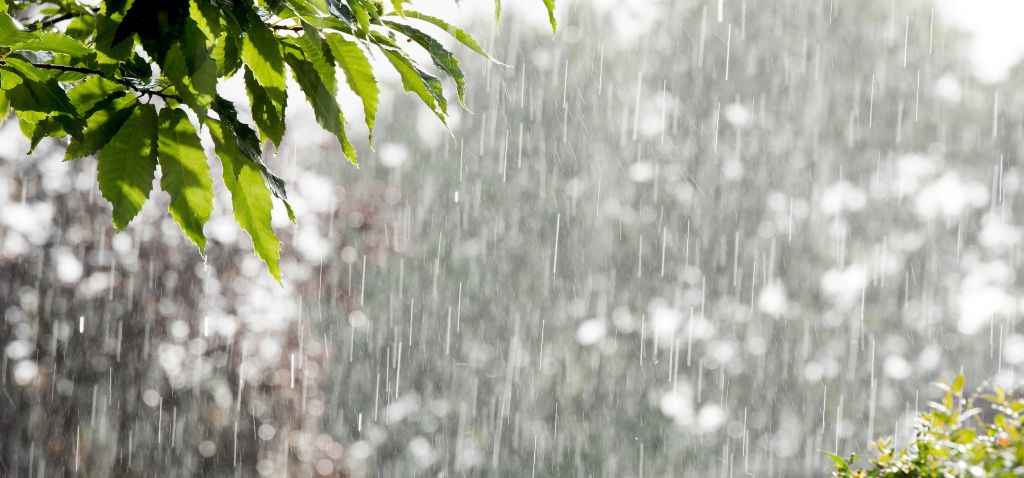
The South African Weather Service (SAWS) has confirmed that exceptionally high rainfall totals have been recorded at the Ceres Automatic Weather Station (AWS), highlighting a notably active start to the winter rainfall season over parts of the south-western interior in the Western Cape.

“Climatologically, May marks the transition into the Western Cape winter rainfall season. However, the magnitude of rainfall observed during May 2026 was significantly above normal,” the weather service said on Tuesday.

Rainfall observations extracted on 22 May 2026 indicate that the Ceres AWS has already accumulated a monthly total of 507,0 mm for May to date. 

“This amount far exceeds rainfall totals recorded during the preceding months of 2026. The most significant rainfall event occurred between 10 and 12 May 2026, when two persistent and intense cold fronts affected Ceres and much of the Western Cape,” SAWS said.

During these three days, the station recorded 69,4 mm on 10 May, an exceptional 333,2 mm on 11 May and 75,6 mm on 12 May.
According to the weather service, the May 2026 rainfall total recorded at the Ceres AWS was exceptionally high when compared to the station’s long-term climatological monthly averages.

The station recorded 507,0 mm during May 2026 (to date), while the long-term average rainfall for May is approximately 80,4 mm. 

This means that rainfall during May 2026 was more than six times the average monthly rainfall normally expected for this time of year.

The rainfall total also exceeded the climatological monthly averages for the peak winter rainfall months, including the June average of 245,2 mm, the July average of 182,0 mm and the August average of 120,0 mm.

While the substantial rainfall contributed positively to dam levels, groundwater recharge, river flows, and agricultural water availability, the excessive rainfall over this short period had adverse impacts on communities.  

“Much of the impact associated with these extraordinary rainfall amounts was experienced across the Witzenberg, Breede Valley and Langeberg Municipalities, largely due to the Breede River catchment system originating in the Skurweberg Mountains near Ceres. 

“The river flows through Mitchell’s Pass into the Breede River Valley and continues through major agricultural and wine-producing towns such as Worcester, Robertson and Swellendam before reaching the Indian Ocean at its estuary in Witsand. As a result, heavy runoff and rising river levels contributed to widespread impacts across parts of the catchment,” SAWS said. 
Live crocodiles seized from Gauteng residence

On Monday, 25 May 2026, a coordinated operation involving Tshwane K9, the Gauteng Department of Environment, the Vereeniging Stock Theft and Endangered Species Unit, the Johannesburg Wildlife Veterinary Hospital, and the Springs SPCA was carried out at a residence in Springs following information that two tortoises and two crocodiles were being kept without the required permits.

A search warrant, approved by the Springs Magistrate’s Court, was obtained to allow authorities to enter and search the property. The joint team arrived at around 10:00 to execute the warrant. The property owner was not present, and officials were escorted inside by an alleged manager of the owner’s company

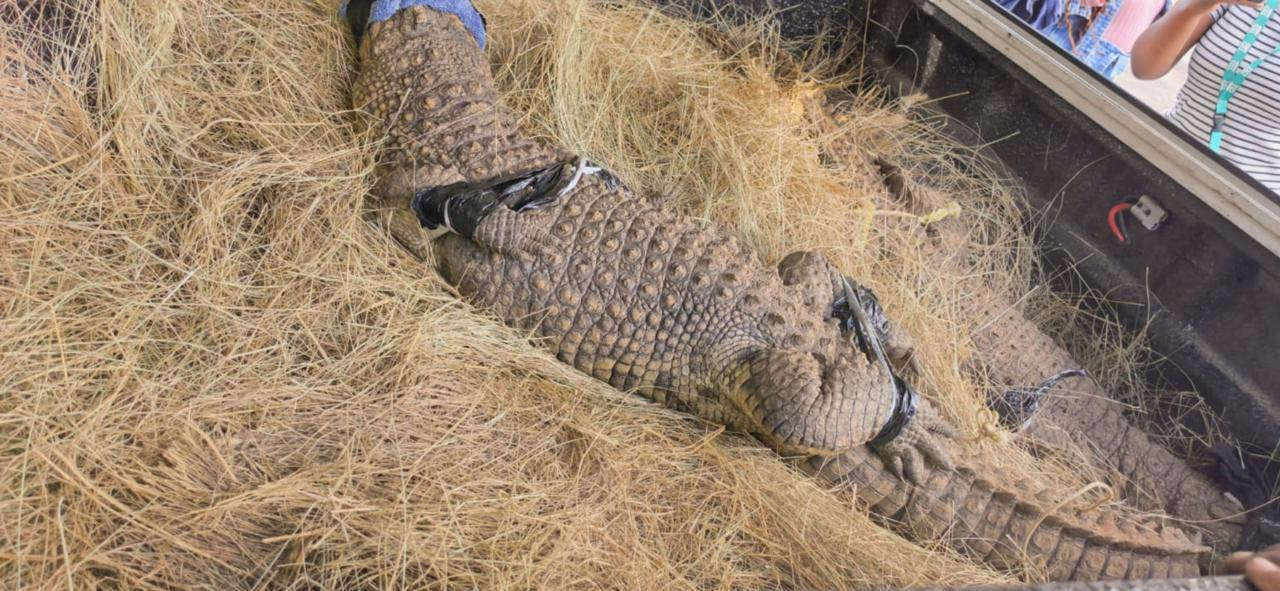
During the search, officers discovered a black steel enclosure measuring approximately 5.6 metres by 1.8 metres, containing two Nile crocodiles and a small blue splash pool. The crocodiles measured 1.48 metres and 1.7 metres respectively and were reportedly kept at the property for more than two years. No tortoises were found.

The crocodiles were confiscated and transferred to the Johannesburg Wildlife Veterinary Hospital for medical care and housing.
A case has been opened at SAPS Springs for alleged contravention of the National Environmental Management: Biodiversity Act relating to the unlawful keeping of protected species without a permit. Investigations are ongoing.

Authorities have urged members of the public who intend to keep exotic animals or wildlife to ensure they are aware of the legal requirements and permit regulations governing such species.

Lights will stay on in Joburg following Eskom, CoJ agreement

Electricity and Energy Minister, Dr Kgosientsho Ramokgopa, says an agreement has been reached between Eskom, the City of Johannesburg (CoJ) and its power utility, City Power, to keep the lights on in the city.

About a week ago, Eskom issued a notice of intent to reduce, interrupt and/or terminate electricity supply to certain bulk supply points in the city due to the R5.2 billion owed by the City and City Power (CP) to Eskom. 

“I’m delighted to say that we have found a path to resolve this problem,” the Minister said, following a meeting with all stakeholders, including Joburg Mayor Dada Morero and Eskom Group Chief Executive Dan Marokane.

Some two years ago, the two parties had reached an Electricity Supply Agreement to address the debt issue. 

“The City… experienced a number of challenges leading up to the end of last year and the beginning of this year, and they were unable to keep up with the provisions of that agreement. Eskom… then issued a notice of either interruption, disruption or discontinuation of bulk electricity supply to the City of Johannesburg.

“What we have agreed to… reaffirms the provisions of the existing agreement, which says we need to keep up with the current account and find a way of servicing the debt that has now grown,” Ramokgopa said.

The Minister said Eskom, the City and City Power will “work out a partnership” because of the sheer magnitude of the City and the residents who are paying for services.

“Johannesburg is just too big to fail. It is the powerhouse of the South African economy and the epicentre of the financial markets in the country and across the continent. As opposed to dealing with Johannesburg at arm’s length…we have accepted that we need to provide some degree of support to City Power. 

“There are a lot of customers who are paying and I think it would be particularly unfair for those customers to be collateral damage, so we need to find a solution,” Ramokgopa said. 

Western Cape Government to Support Nearly 6 000 Homeless People Through 35 Night-Shelters

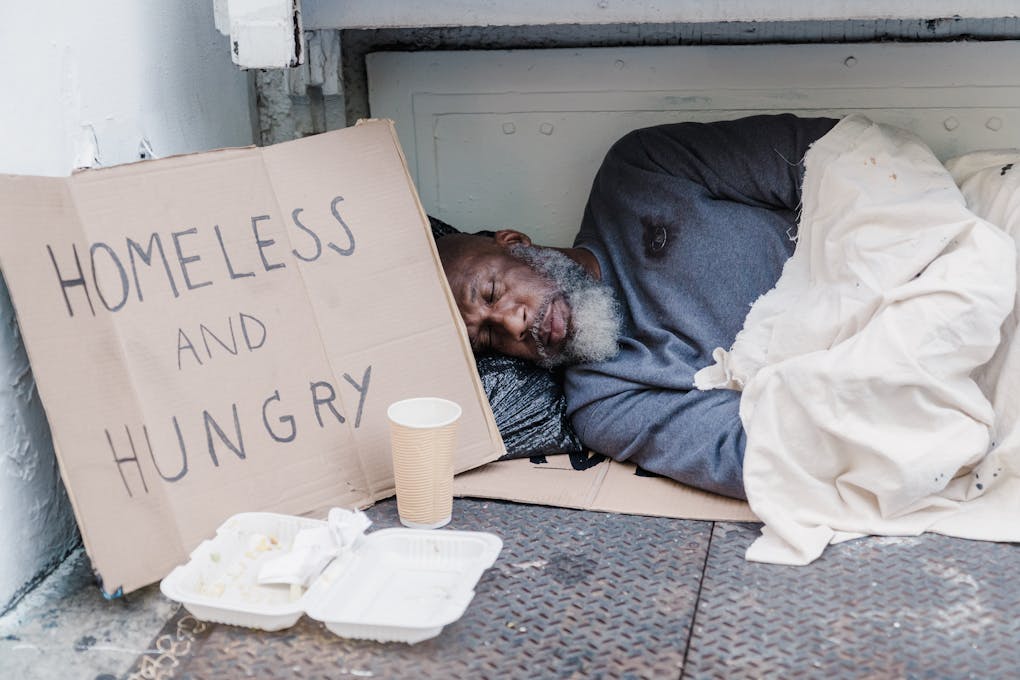
The Western Cape Government has expanded its homelessness support programme, funding 2 610 bed spaces across 35 night-shelters that will collectively assist approximately 6 000 people annually through a rotational shelter model.

The Democratic Alliance (DA) in the Western Cape has welcomed the intervention, which forms part of the province’s winter readiness programme aimed at supporting vulnerable residents during colder months. The programme provides temporary accommodation as well as access to meals, psychosocial support, and reintegration services.

For the 2026/27 financial year, the Western Cape Department of Social Development has allocated R36.8 million to homelessness services.

Support provided through the shelters includes temporary accommodation, daily meals and additional food assistance, counselling and psychosocial support, skills development and income-generating initiatives, family reunification and reintegration services, as well as essential items such as blankets, mattresses, and toiletries. Additional operational support is also provided during winter.

The DA has also highlighted the ongoing work of the DA-led City of Cape Town in addressing homelessness through coordinated social programmes and partnerships with non-governmental and community organisations. The city recently joined the global Vanguard Cities network, which focuses on reducing homelessness, and continues to expand programmes aimed at moving people off the streets into support services.

DA Western Cape Spokesperson on Social Development, Wendy Kaizer-Philander, said homelessness remains a significant social challenge, particularly during winter when vulnerable individuals are exposed to harsh weather conditions.

She said the provincial government and City of Cape Town are prioritising interventions that provide immediate relief while also supporting longer-term reintegration and stability for affected individuals.

Tourism sustains jobs, drives international arrivals

Tourism Minister Patricia de Lille says tourism sustained 954,000 direct jobs in the economy in 2024, meaning tourism now supports 1 in every 18 jobs in South Africa and for every 13 international tourists who arrive, one job is supported. 

“South Africa welcomed a record 10.5 million international arrivals in 2025. In the first quarter of 2026 alone, more than 2.9 million inbound travellers were welcomed - representing 12.6% growth compared to the same period last year,” the Minister said.

Delivering her department’s Budget Vote in Cape Town on Tuesday, De Lille said domestic spend reached R111.6 billion, outweighing international spend of R102.2 billion, reinforcing domestic tourism as the bedrock of the sector. 

Government and industry have jointly adopted the Tourism Growth Partnership Plan, which the Minister described as a working compact between the public and private sectors with measurable targets, shared accountability and clear implementation plans, not another strategy document gathering dust on shelves. 

“Together, government and industry are pursuing National Development Plan (NDP) 2030 goals, including increasing domestic tourism spend to R139.4 billion, increasing international tourist spend to R115.2 billion, growing international tourist arrivals to 15 million, increasing annual domestic trips to 45.1 million, increasing direct employment to 1 million and increasing indirect and induced employment to 1.5 million,” De Lille said.

De Lille said the Electronic Travel Authorisation system is now live in China, India, Indonesia and Mexico - travellers from these source markets can receive visa outcomes digitally within 24 hours from their homes and cellphones. 

“Once fully rolled out, the ETA system is expected to increase arrivals in a way that could create between 80 000 and 100 000 jobs,” the Minister said.

The Minister said new air routes have been launched between Johannesburg and Perth, Cape Town and Mauritius and that soon Madrid and Johannesburg through Air Europa will be launched.

“The Department continues working through the Inter-Ministerial Committee on Visas with the Department of Home Affairs to further expand visa reforms and air access, recognising that if tourists cannot get to South Africa easily, they will simply go elsewhere,” the minister said.

De Lille said the Kgodumodumo Dinosaur Interpretation Centre, a R120 million project developed together with the European Union, has already attracted more than 90 000 visitors since its launch last year, where the world's oldest dinosaur embryo was discovered.

“A Tourism Infrastructure Facilitation Unit has been established to remove barriers for investors. The second Tourism Infrastructure Investment Summit will be hosted in Gauteng in October 2026, following the inaugural Cape Town summit, where eight projects worth R1 billion were unveiled and three have already secured funding,” De Lille said.

De Lille said the South African National Convention Bureau secured 66 international and regional conferences expected to contribute over R1.2 billion to the economy between 2025 and 2030, with events scheduled across Bela-Bela, Cape Town, Durban, Grabouw, Hermanus, Johannesburg, Makhanda, Mbombela, Polokwane, Skukuza, Sun City and Tshwane,  demonstrating geographic spread of business events.

The Department of Tourism has been allocated R2.54 billion for 2026/27, with R1.278 billion transferred to South African Tourism for destination marketing and sector growth.
error: eRadio is protected !
Scroll to Top