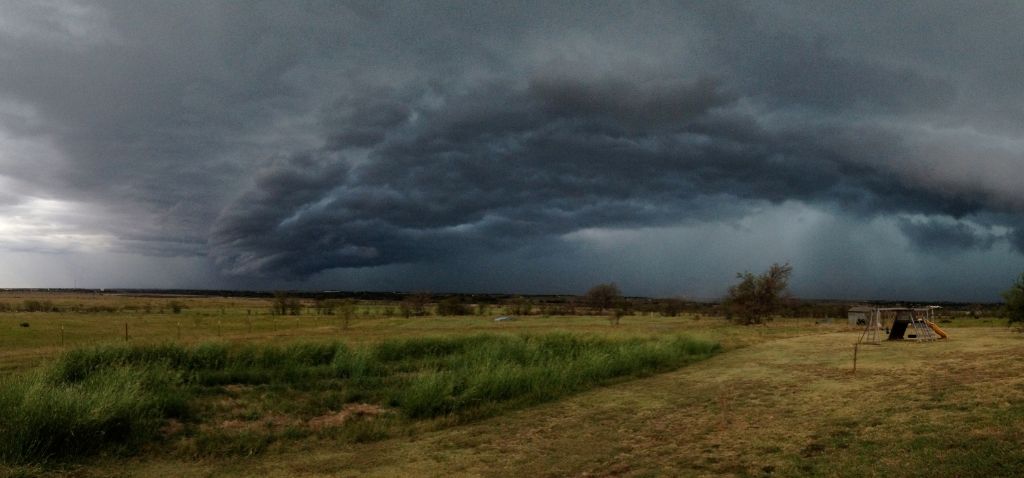
Hlabisa urges caution amid severe weather warnings

Cooperative Governance and Traditional Affairs (CoGTA) Minister Velenkosini Hlabisa has urged communities to exercise extra caution following severe weather warnings issued by the South African Weather Service (SAWS) in parts of the Eastern Cape and Western Cape.

According to SAWS, the weather system is expected to bring widespread bitterly cold, wet and windy conditions across several provinces, with flooding anticipated in parts of the Eastern and Western Cape from 3 to 4 June 2026.

Light snowfall is also anticipated over the higher-lying mountains of the cape provinces and the Drakensberg mountain range.

In response to the warning, the Minister said the National Disaster Management Centre (NDMC) is working closely with provincial and local disaster management centres to monitor the situation and coordinate response measures where necessary.

To strengthen preparedness and ensure a coordinated response, the following measures have been implemented:

• Provincial Disaster Management Joint Operations Centres (JOCs) have been activated in the Eastern Cape and Western Cape.
• Municipal Disaster Management JOCs have been activated in affected districts and metropolitan municipalities.
• South African Search and Rescue teams have been placed on standby.
• The National Joint Flood Coordinating Committee (NJFCC), including the South African Police Service (SAPS) and the South African National Defence Force (SANDF), has been activated to ensure intergovernmental coordination.
• Temporary Mass Care Centres have been identified to accommodate affected residents should the need arise.

The NDMC will continue to monitor developments and provide updates as the situation evolves.

“Members of the public are strongly encouraged to regularly monitor official weather forecasts and warnings issued by SAWS, as these will be updated continuously based on changing weather conditions and potential impacts. 

“The public is also advised to remain vigilant against unauthorised or unverified information and to refrain from sharing such content,” Hlabisa said.

The public is therefore advised to:
• Monitor official weather updates and warnings issued by the South African Weather Service.
• Avoid unnecessary travel during periods of heavy rainfall and flooding.
• Never attempt to cross flooded roads, bridges, or swollen rivers.
• Secure loose outdoor objects that may be displaced by strong winds.
• Exercise extreme caution along coastal areas and avoid fishing or recreational activities at sea during the warning period.
• Ensure adequate shelter, warmth, food, and protection for livestock and pets.

Hlabisa emphasised that preparedness and vigilance remain critical in reducing the impact of severe weather events and safeguarding lives, property, and livelihoods.

Two arrested in Mozambique for murder of Mossel Bay couple in Kruger National Park

The Minister of Forestry, Fisheries and the Environment, Willie Aucamp, has confirmed the arrest of two suspects in Mozambique in connection with the brutal murder of two South African tourists.

The bodies of Dina and Ernst Marais were discovered nearly two weeks ago near a river area in the northern section of the Kruger National Park after a search operation was launched when the couple failed to return to their camp.

The suspects reportedly confessed to the crimes, and the vehicle belonging to Mr and Mrs Marais has been recovered.

“South Africa will now start the formal extradition process to get the suspects to South Africa to stand trial for this heinous crime,” the Minister said on Wednesday.

Aucamp has called on law enforcement to ensure the suspects are brought back to the country to account for their crimes. 

“I have engaged with my colleagues in the Departments of International Relations and Cooperation (DIRCO) and Justice to emphasise the importance of securing the suspects’ return to South Africa to face the full might of the law. We said that these criminals would be apprehended, and that is exactly what has happened,” he said.

Aucamp expressed his appreciation to the dedicated personnel at the South African National Parks (SANParks), South African Police Service (SAPS), Mozambican authorities, and conservation partners for their exceptional commitment and cooperation, which were instrumental in achieving this outcome.

The arrests are the result of effective cross-border cooperation between the following entities:
-Serviço Nacional de Investigação Criminal (SERNIC), Mozambique’s agency responsible for investigating serious and organised crime; 
-The Wildlife Justice Commission (WJC); and 
-Kruger National Park Ranger Services, led by the Regional Ranger for the Nxanatseni (Far North) Region, together with rangers from the Pafuri Section. 

The Minister reiterated that criminal activity will not be tolerated in South Africa’s national parks and called on communities and law enforcement agencies to continue working together to safeguard these protected areas.

“While the Marais family has suffered a devastating loss, I hope that these arrests will provide some measure of comfort to them as they continue to navigate this difficult journey,” Aucamp said.

Steenhuisen moves to allow introduction of avian influenza vaccinations

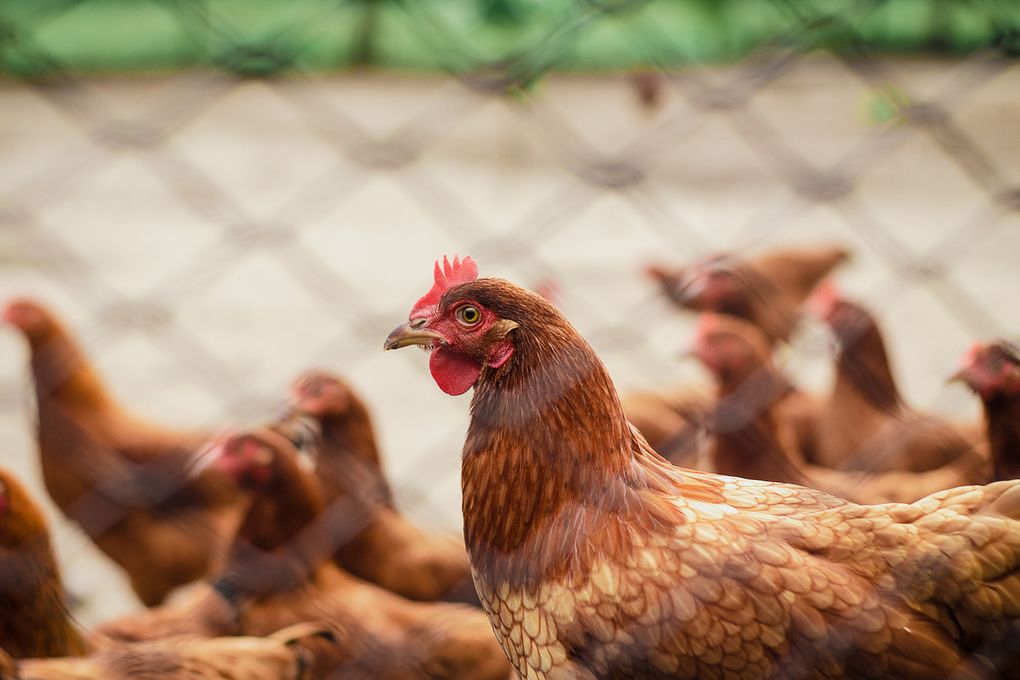
Agriculture Minister John Steenhuisen has stepped in to amend the Animal Diseases Regulations (R.2026 of 1986) to allow the introduction of highly pathogenic avian influenza (HPAI) vaccinations against the disease in the country.

The move is aimed at providing the poultry sector with a sustainable way forward in combating bird flu.

The decision follows a formal objection submitted by the South African Poultry Association (SAPA) under Section 23 of the Animal Diseases Act, 1984 (Act No. 35 of 1984).

SAPA highlighted a breakdown in the department’s Directorate: Animal Health, reporting continuous failure to provide a practical or affordable solution to HPAI and prevent any potential crisis. Poultry producers argued that the department kept them stuck in an outdated system that forced the mass culling of birds, leaving them without any modern legal tools to protect their flocks.

After reviewing the findings of a Section 23 Investigation Committee, Steenhuisen said he had accepted recommendations aimed at breaking what he described as an administrative deadlock and modernising the country's disease-control strategy.

The Minister said the report provides an opportunity to move away from the traditional “stamping-out” model, which legally requires the destruction of both healthy and sick birds, towards a state-regulated vaccination defence plan designed to strengthen disease prevention and control.

“Our poultry farmers need direct support, and we are changing policy to give them a legal mechanism to protect their livelihoods. The old regulations forced the industry to destroy flocks unnecessarily, which harmed agricultural businesses and raised food prices for consumers.

“By changing this policy, we are giving producers the legal right to use verified scientific tools to protect their farms, protect agricultural jobs, and secure affordable food for the public,” the Minister said.

New Framework for disease management

The formalisation of an HPAI Vaccination Framework under the Animal Diseases Act, 1984 (Act No. 35 of 1984) will change how poultry operations run in South Africa:

•    Farmers will use a combination of vaccination, biosecurity, and testing, which stops the requirement for widespread bird culling and lowers financial losses;
•    The department will amend the Animal Diseases Regulations (R.2026) or issue a formal Section 9 control measure, to establish a clear legal framework on how poultry farming entities must manage an HPAI outbreak once identified on their farms. The objective of this measure is to eliminate mixed enforcement rules that created confusion and weakened the capacity to quickly eradicate the disease;
•    The new rules will balance disease control requirements so that both big commercial operations and smallholder farmers can have the space in line with the new regulations to efficiently and effectively deal with HPAI outbreaks on their farms;
•    The department’s role will be to set up and run national surveillance systems for HPAI, laboratory testing, and ensuring that farming entities adhere to regulations when there are outbreaks on their farms;
•    The department will also focus on maintaining international trade standards to ensure market access.

The Minister has instructed the department to immediately implement interim control measures in place while the policy shift is being formalised through the appropriate statutory instruments to ensure an orderly transition for the sector and provided a deadline for the publishing of the gazette.

Western Cape Government Prepares for Midweek Storm

Anton Bredell, Western Cape Minister of Local Government, Environmental Affairs and Development Planning, said that the Provincial Disaster Management Centre had been briefed by the South African Weather Service (SAWS) on a cut-off low-pressure system expected to affect the Central Karoo and eastern parts of the Garden Route today (3 June) and tomorrow (4 June 2026).

“We are urging residents, businesses, farmers and municipalities to prepare for severe weather conditions expected across the province,” Minister Bredell said.

According to SAWS, the cut-off low-pressure system is expected to bring heavy rainfall, strong winds, very cold conditions and rough seas, with the Garden Route and parts of the Central Karoo likely to be most severely affected. The municipalities of Bitou, Knysna and George can expect accumulated rainfall of up to 200 mm. In the Karoo, the Beaufort West Municipality can anticipate between 60 mm and 80 mm of rainfall over the two-day period.

The expected heavy rainfall, combined with the impacts of the severe storms that affected the same regions during May, has contributed to the high Impact-Based Warnings issued by SAWS today. A Level 8 warning has been issued for the eastern parts of the Garden Route, while a Level 4 warning has been issued for the Central Karoo, including Laingsburg and Swellendam.

“Such significant rainfall on already saturated ground increases the risk of flooding in low-lying areas, informal settlements, roads and river catchments. Given the recent rainfall across the province and already saturated catchment areas, there is an elevated risk of rising river levels, dam spillages, infrastructure damage and disruptions to essential services. Rural and farming communities may become isolated if roads are flooded or damaged.

“Along the coast, rough sea conditions and wave heights of up to five metres are expected, posing a risk to small vessels and coastal activities.”

Provincial and municipal disaster management structures have been activated and are monitoring developments closely.

Emergency services remain on high alert, municipalities are implementing local readiness plans, humanitarian support partners have been mobilised, and health and rescue services stand ready to respond should the need arise.

Residents in affected areas are encouraged to take precautionary measures before the storm arrives. Farmers and rural communities are advised to prepare for possible isolation by ensuring sufficient supplies for people and livestock, securing equipment and infrastructure, and moving livestock away from flood-prone areas where necessary.

“Please avoid crossing flooded roads, bridges and rivers, remain indoors where it is safe to do so, keep emergency contact numbers readily available, and follow instructions issued by local authorities and emergency services,” Minister Bredell said.

All government facilities and services, including schools, will operate as normal. If this changes, updates will be communicated, based on ongoing assessments of local conditions and risks. Residents are encouraged to monitor updates through official Western Cape Government communication platforms, municipal communication channels and SAWS weather alerts.

Minister publishes National Elephant Heritage Strategy

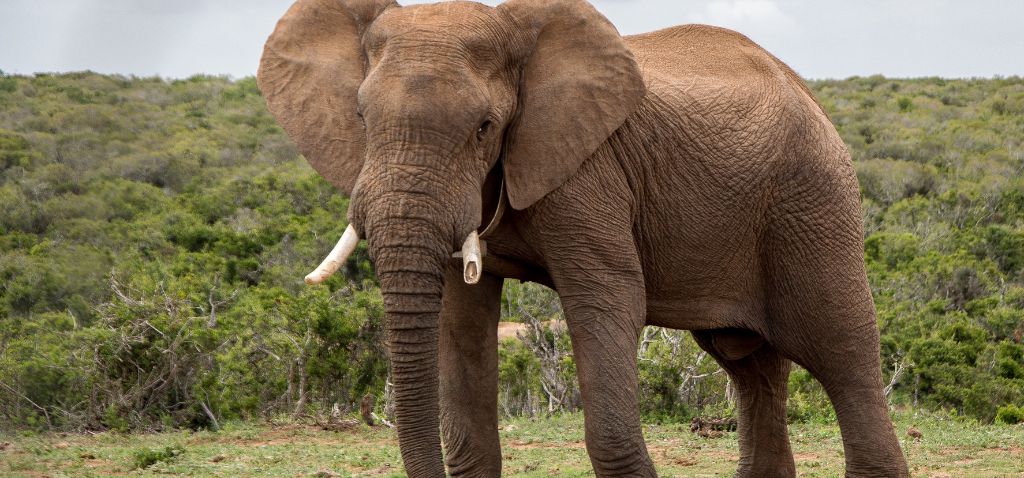
Minister of Forestry, Fisheries and the Environment Willie Aucamp has announced the publication of South Africa's National Elephant Heritage Strategy in the Government Gazette, paving the way for its implementation as a national framework for elephant conservation and management.

The strategy provides a coherent, evidence-based approach to the conservation and management of the African elephant in South Africa and is aligned with national biodiversity targets and policy mandates.

According to the Department of Forestry, Fisheries and the Environment (DFFE), African elephants are currently listed nationally as "least concern", reflecting a widespread and stable population that faces a low risk of extinction within South Africa.

The strategy was developed through a partnership between the DFFE, the South African National Biodiversity Institute (SANBI) and South African National Parks (SANParks). 

The initiative was aimed at creating a unified framework to guide elephant conservation and management across the country.

In line with the Kunming-Montreal Global Biodiversity Framework, the strategy was developed using a whole-of-society approach that incorporated input from stakeholders across South Africa. 

As part of the process, a National Elephant Indaba was convened to discuss challenges related to human-elephant conflict and to develop a coordinated national response informed by scientific evidence.

The National Elephant Heritage Strategy is intended to guide the development, revision and implementation of several key mechanisms and tools, including the Elephant Norms and Standards, the National Elephant Research Strategy, the Non-Detrimental Finding for Elephants, the Elephant Red-list Assessment, reserve-level Elephant Management Plans and the National Elephant Meta-Population Plan.

The department said the strategy adopts an integrated socio-ecological framework aimed at strengthening adaptive management, improving stakeholder engagement and enhancing sustainable benefit-sharing opportunities associated with elephants and their habitats.

The strategy will also serve as South Africa's National Elephant Action Plan for the implementation of the African Elephant Action Plan (AEAP). 

Government said the framework aligns with the country's international obligations and will support engagement with other elephant range states while demonstrating South Africa's contribution to achieving the objectives of the AEAP.

Electronic copies of the Government Notice for the National Elephant Heritage Strategy are available here.
error: eRadio is protected !
Scroll to Top