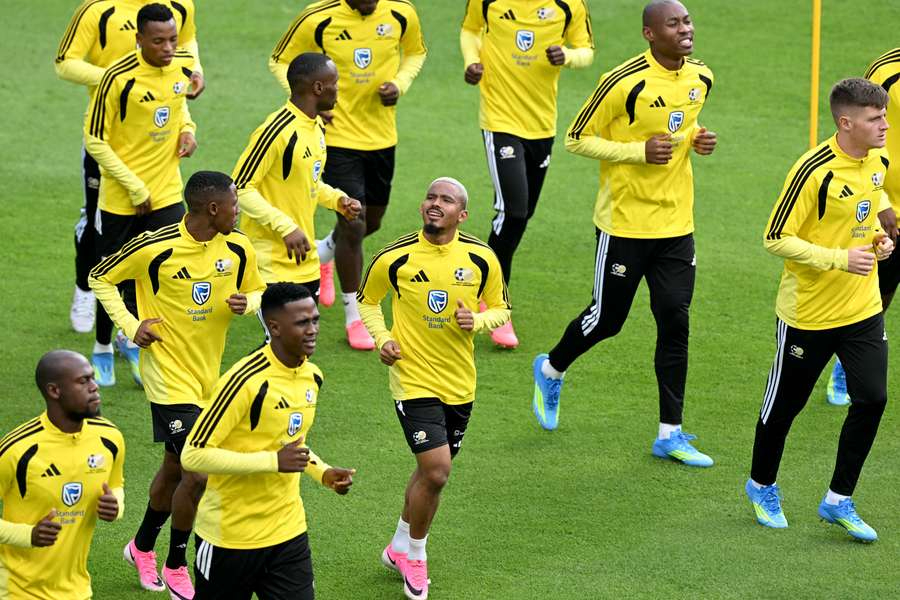
With just hours to go to the opening match of the FIFA World Cup, Gauteng MEC of Education, Sport, Arts, Culture and Recreation, Lebogang Maile has wished Bafana Bafana well for the tournament.
“Tonight, the hopes and dreams of millions of South Africans will travel across the Atlantic to Mexico City, where our beloved Bafana Bafana will take on the host nation, Mexico, at the iconic Estadio Azteca, with kickoff scheduled for 9pm South African time.
“As Gauteng and the entire country rally behind our national team, we wish Coach Hugo Broos and his squad strength, courage and success as they begin their journey on the world’s biggest football stage,” the MEC said.
He added that the quality and resilience of the squad is a testament to the strength of South African football. Thursday’s game marks exactly 16 years since South Africa, as host nation, opened the first World Cup on African soil against Mexico in Johannesburg.
The MEC paid tribute to the Premier Soccer League, whose professionalism and competitiveness continue to produce world-class talent as well as the countless township football coaches, volunteers and community football structures that identified, trained, nurtured and inspired many of the players who now proudly wear the green and gold of the nation.
“As they step onto the famous turf of Estadio Azteca, our players must remember that they carry more than a football badge on their chests - they carry the history, hopes and aspirations of a nation. They follow in the footsteps of the heroes of 1996 Africa Cup of Nations, whose triumph helped unite South Africans in the early years of our democracy and demonstrated the power of sport to bring our people together.”
He added that the tournament comes in the month that South Africa marks the 50th anniversary of the 1976 Soweto Uprising where the country unites to honour the courageous generation which changed the course of history.
“The youth of 1976 ignited a new consciousness in the struggle for freedom and justice. Bafana Bafana has an opportunity to honour their legacy by displaying the same determination, bravery and patriotism that defined that historic generation.
“I have every confidence that our national team possesses the talent, discipline and fighting spirit required to overcome any challenge. Let them play with pride, belief and the knowledge that an entire nation stands firmly behind them.
“Go out there, make South Africa proud, and begin this World Cup with a victory worthy of our history and our future,” he said.
Government has called on the nation to rally behind the senior men’s team as they chase World Cup glory. In addition, Deputy Minister of Sport, Arts and Culture (DSAC), Peace Mabe, in partnership with Honor, will join fans and attend the first world cup watch party event at the Mall of Africa tonight.
“Tonight, the hopes and dreams of millions of South Africans will travel across the Atlantic to Mexico City, where our beloved Bafana Bafana will take on the host nation, Mexico, at the iconic Estadio Azteca, with kickoff scheduled for 9pm South African time.
“As Gauteng and the entire country rally behind our national team, we wish Coach Hugo Broos and his squad strength, courage and success as they begin their journey on the world’s biggest football stage,” the MEC said.
He added that the quality and resilience of the squad is a testament to the strength of South African football. Thursday’s game marks exactly 16 years since South Africa, as host nation, opened the first World Cup on African soil against Mexico in Johannesburg.
The MEC paid tribute to the Premier Soccer League, whose professionalism and competitiveness continue to produce world-class talent as well as the countless township football coaches, volunteers and community football structures that identified, trained, nurtured and inspired many of the players who now proudly wear the green and gold of the nation.
“As they step onto the famous turf of Estadio Azteca, our players must remember that they carry more than a football badge on their chests - they carry the history, hopes and aspirations of a nation. They follow in the footsteps of the heroes of 1996 Africa Cup of Nations, whose triumph helped unite South Africans in the early years of our democracy and demonstrated the power of sport to bring our people together.”
He added that the tournament comes in the month that South Africa marks the 50th anniversary of the 1976 Soweto Uprising where the country unites to honour the courageous generation which changed the course of history.
“The youth of 1976 ignited a new consciousness in the struggle for freedom and justice. Bafana Bafana has an opportunity to honour their legacy by displaying the same determination, bravery and patriotism that defined that historic generation.
“I have every confidence that our national team possesses the talent, discipline and fighting spirit required to overcome any challenge. Let them play with pride, belief and the knowledge that an entire nation stands firmly behind them.
“Go out there, make South Africa proud, and begin this World Cup with a victory worthy of our history and our future,” he said.
Government has called on the nation to rally behind the senior men’s team as they chase World Cup glory. In addition, Deputy Minister of Sport, Arts and Culture (DSAC), Peace Mabe, in partnership with Honor, will join fans and attend the first world cup watch party event at the Mall of Africa tonight.