eRadio SA has officially entered a new era with the launch of its refreshed brand identity, upgraded website and a significantly enhanced listening experience.
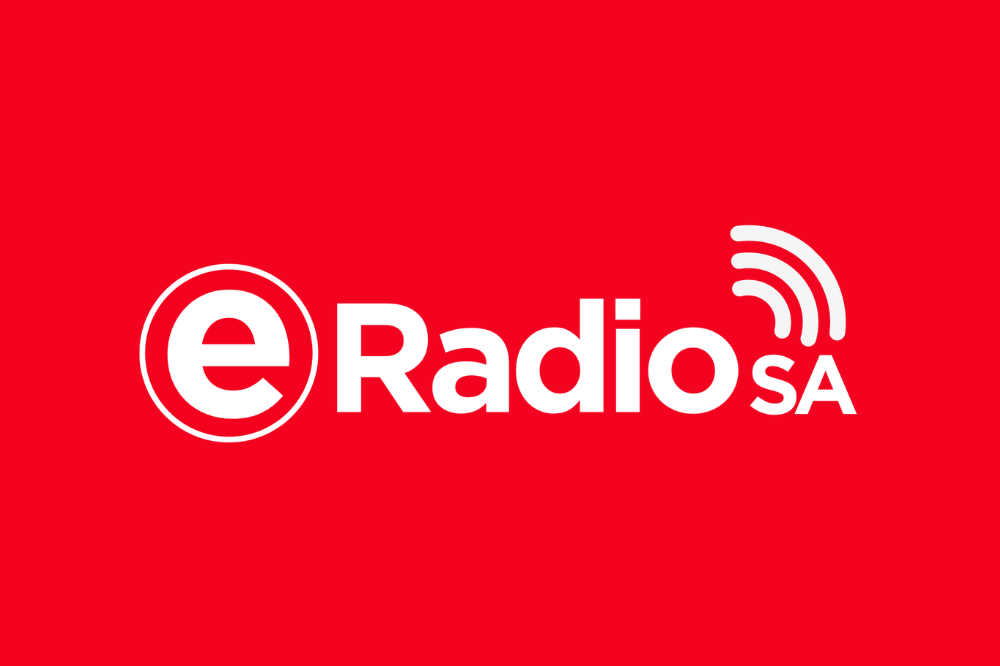
The station's transformation includes a modern new logo, refreshed imaging, an updated sound and a completely redesigned website. The station's primary brand colour is now vivid red with versions in white and also blue. The flexible and simplistic new logo is also not too far removed from its predecessor, just brighter. Behind the scenes, eRadio SA has also invested in upgraded servers and a new playout system to deliver greater reliability and a smoother, higher-quality broadcast for listeners.
The refresh extends beyond the station's appearance. eRadio SA has expanded its music library to offer greater variety while maintaining the familiar format listeners have come to enjoy.
Newsreader Precious Sisulu joins the station, delivering concise, no-nonsense bulletins that focus on the stories that matter. Listeners can expect local, national and international news, along with technology, weather and sport, without unnecessary clutter. More presenters are also undergoing training and will switch on the microphone once they're up to standard.
The station has also introduced two internationally recognised voice-over artists to give eRadio SA's new station IDs a fresh, world-class sound.
Despite embracing the latest advances in artificial intelligence and broadcast technology, eRadio SA says it remains committed to keeping people at the heart of everything it does.
Founder and Managing Director Eon Engelbrecht said the rebrand reflects the station's ongoing commitment to innovation while staying true to what listeners value most.
"This is far more than just a new logo or a new website. We've invested heavily in the technology that powers eRadio, from upgraded servers to a new playout system, allowing us to deliver a more reliable, better-sounding station with even more music variety. At the same time, we're embracing the latest AI tools where they genuinely improve the listener experience, while ensuring the human element remains at the heart of our programming."
Engelbrecht added that eRadio SA has also tackled one of the biggest frustrations many listeners have with traditional radio.
"Advertising remains our primary source of income, but we've always believed there's a smarter way to do it. By placing our commercial breaks at the top of the hour, we reduce interruptions throughout our programming and create a more enjoyable listening experience. It's a unique approach that benefits both our listeners and our advertisers."
The station's refreshed sound, new website and enhanced programming form part of eRadio SA's vision to deliver a cleaner, more engaging and more modern digital radio experience for audiences across South Africa and around the world.
Listeners can listen on the eRadio SA website or on their favourite app by using the new tune-in guide: https://eradiosa.com/tune-in-guide/
Stay tuned!
About eRadio SA:
eRadio SA is a South African digital radio station offering a diverse music mix, concise news coverage and engaging programming. Broadcasting online 24 hours a day, the station combines innovative technology with a people-first approach to deliver a modern radio experience for today's connected audience.
The station's transformation includes a modern new logo, refreshed imaging, an updated sound and a completely redesigned website. The station's primary brand colour is now vivid red with versions in white and also blue. The flexible and simplistic new logo is also not too far removed from its predecessor, just brighter. Behind the scenes, eRadio SA has also invested in upgraded servers and a new playout system to deliver greater reliability and a smoother, higher-quality broadcast for listeners.
The refresh extends beyond the station's appearance. eRadio SA has expanded its music library to offer greater variety while maintaining the familiar format listeners have come to enjoy.
Newsreader Precious Sisulu joins the station, delivering concise, no-nonsense bulletins that focus on the stories that matter. Listeners can expect local, national and international news, along with technology, weather and sport, without unnecessary clutter. More presenters are also undergoing training and will switch on the microphone once they're up to standard.
The station has also introduced two internationally recognised voice-over artists to give eRadio SA's new station IDs a fresh, world-class sound.
Despite embracing the latest advances in artificial intelligence and broadcast technology, eRadio SA says it remains committed to keeping people at the heart of everything it does.
Founder and Managing Director Eon Engelbrecht said the rebrand reflects the station's ongoing commitment to innovation while staying true to what listeners value most.
"This is far more than just a new logo or a new website. We've invested heavily in the technology that powers eRadio, from upgraded servers to a new playout system, allowing us to deliver a more reliable, better-sounding station with even more music variety. At the same time, we're embracing the latest AI tools where they genuinely improve the listener experience, while ensuring the human element remains at the heart of our programming."
Engelbrecht added that eRadio SA has also tackled one of the biggest frustrations many listeners have with traditional radio.
"Advertising remains our primary source of income, but we've always believed there's a smarter way to do it. By placing our commercial breaks at the top of the hour, we reduce interruptions throughout our programming and create a more enjoyable listening experience. It's a unique approach that benefits both our listeners and our advertisers."
The station's refreshed sound, new website and enhanced programming form part of eRadio SA's vision to deliver a cleaner, more engaging and more modern digital radio experience for audiences across South Africa and around the world.
Listeners can listen on the eRadio SA website or on their favourite app by using the new tune-in guide: https://eradiosa.com/tune-in-guide/
Stay tuned!
About eRadio SA:
eRadio SA is a South African digital radio station offering a diverse music mix, concise news coverage and engaging programming. Broadcasting online 24 hours a day, the station combines innovative technology with a people-first approach to deliver a modern radio experience for today's connected audience.