
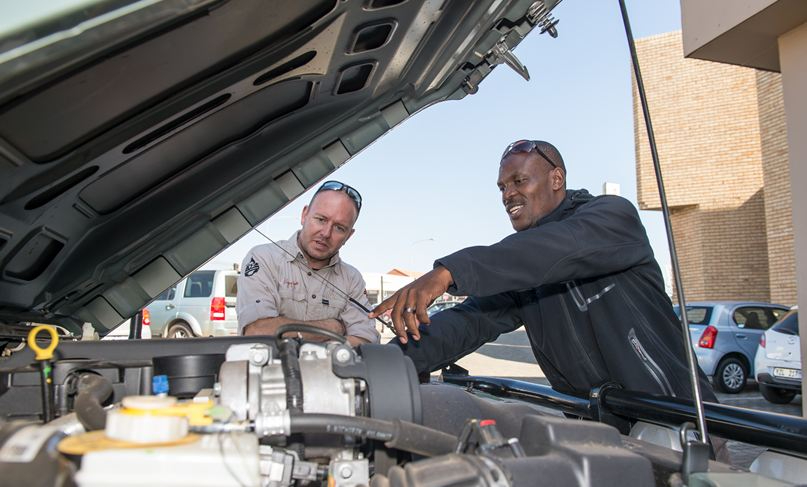
South Africans are holding onto their vehicles for longer than ever before and, in today’s difficult economic climate, replacing a vehicle is simply not an option for many households. According to research by the Automobile Association (AA), more than 90% of South Africans say economic pressures are forcing them to keep their vehicles longer, with many cars remaining on the road well beyond the 10-year mark. This stat was confirmed by We Buy Cars who also confirmed the majority of the cars sold are 10 years and older.
For the Motor Industry Workshop Association (MIWA), a proud association of the Retail Motor Industry Organisation (RMI), this trend highlights a growing need for motorists to become far more proactive about vehicle maintenance and safety.
“Modern vehicles are built to last much longer than in the past, but longevity is entirely dependent on proper maintenance,” says Dewald Ranft, National Chairman of MIWA. “The reality is that many South Africans are delaying servicing or ignoring minor issues because of financial pressure, but postponing maintenance often leads to far more expensive repairs later on.”
Ranft says the international trend of consumers keeping vehicles for longer is equally relevant in South Africa, where rising living costs, high interest rates, fuel prices and increased insurance costs continue to place pressure on household budgets.
International reports have shown that with proper care and regular servicing, modern vehicles can comfortably exceed 200 000 km and remain reliable for well over a decade. However, this requires motorists to stay disciplined when it comes to preventative maintenance.
“There is a huge difference between ‘keeping a car longer’ and ‘maintaining a car properly for longer’,” says Ranft. “Skipping oil changes, ignoring warning lights or postponing tyre replacements may save money temporarily, but the long-term financial consequences can be severe.”
Ranft says one of the biggest mistakes motorists make is waiting for something to break before taking action.
“Your vehicle gives you warning signs long before a major failure occurs. Strange noises, vibrations, fluid leaks, excessive smoke, poor fuel consumption or dashboard warning lights should never be ignored.”
He says regular servicing remains the single most effective way to extend a vehicle’s lifespan and preserve its resale value.
“Preventative maintenance is always cheaper than major repairs. A relatively inexpensive service can identify wear-and-tear issues early before they become catastrophic failures.”
MIWA advises motorists to focus on several critical maintenance areas if they want to keep their vehicles reliable for longer:
• Stick to the manufacturer’s recommended service schedule
• Replace oil and filters regularly
• Check tyre pressure and wheel alignment frequently
• Monitor brake wear and suspension components
• Pay attention to cooling systems and battery condition
• Attend to warning lights immediately
• Use quality parts, oils and fluids
• Have the vehicle inspected regularly by a reputable accredited workshop
Ranft says road conditions in South Africa are adding further strain to aging vehicles.
“Poor road surfaces, potholes and increasing traffic congestion are accelerating wear and tear on suspension systems, tyres, steering components and brakes. This makes routine inspections even more important.”
He also warns against using inferior replacement parts purely to reduce costs.
“Quality components fitted by qualified technicians ultimately saves money over the longer term.”
Another growing concern is that many motorists no longer have maintenance plans once their vehicles are out of warranty.
“Many vehicle owners are now paying out of pocket for repairs and servicing, which makes budgeting for maintenance critically important,” says Ranft. “Your car should be viewed as a long-term asset that requires ongoing care and planning.”
Ranft says motorists should also not underestimate the safety implications of neglected maintenance.
“A poorly maintained vehicle places not only the driver at risk, but also passengers and other road users. Worn brakes, damaged tyres or neglected suspension components can have deadly consequences, particularly during long-distance travel or adverse weather conditions.”
He says accredited workshops play an increasingly important role in helping motorists manage the longer ownership cycle.
“A good workshop should partner with the customer and help them prioritise maintenance requirements. Not every repair needs to happen immediately, but motorists need honest guidance on what is urgent, what can wait and how to plan financially.”
Ultimately, says Ranft, keeping a vehicle longer is entirely achievable but only if maintenance becomes a priority rather than an afterthought.
For the Motor Industry Workshop Association (MIWA), a proud association of the Retail Motor Industry Organisation (RMI), this trend highlights a growing need for motorists to become far more proactive about vehicle maintenance and safety.
“Modern vehicles are built to last much longer than in the past, but longevity is entirely dependent on proper maintenance,” says Dewald Ranft, National Chairman of MIWA. “The reality is that many South Africans are delaying servicing or ignoring minor issues because of financial pressure, but postponing maintenance often leads to far more expensive repairs later on.”
Ranft says the international trend of consumers keeping vehicles for longer is equally relevant in South Africa, where rising living costs, high interest rates, fuel prices and increased insurance costs continue to place pressure on household budgets.
International reports have shown that with proper care and regular servicing, modern vehicles can comfortably exceed 200 000 km and remain reliable for well over a decade. However, this requires motorists to stay disciplined when it comes to preventative maintenance.
“There is a huge difference between ‘keeping a car longer’ and ‘maintaining a car properly for longer’,” says Ranft. “Skipping oil changes, ignoring warning lights or postponing tyre replacements may save money temporarily, but the long-term financial consequences can be severe.”
Ranft says one of the biggest mistakes motorists make is waiting for something to break before taking action.
“Your vehicle gives you warning signs long before a major failure occurs. Strange noises, vibrations, fluid leaks, excessive smoke, poor fuel consumption or dashboard warning lights should never be ignored.”
He says regular servicing remains the single most effective way to extend a vehicle’s lifespan and preserve its resale value.
“Preventative maintenance is always cheaper than major repairs. A relatively inexpensive service can identify wear-and-tear issues early before they become catastrophic failures.”
MIWA advises motorists to focus on several critical maintenance areas if they want to keep their vehicles reliable for longer:
• Stick to the manufacturer’s recommended service schedule
• Replace oil and filters regularly
• Check tyre pressure and wheel alignment frequently
• Monitor brake wear and suspension components
• Pay attention to cooling systems and battery condition
• Attend to warning lights immediately
• Use quality parts, oils and fluids
• Have the vehicle inspected regularly by a reputable accredited workshop
Ranft says road conditions in South Africa are adding further strain to aging vehicles.
“Poor road surfaces, potholes and increasing traffic congestion are accelerating wear and tear on suspension systems, tyres, steering components and brakes. This makes routine inspections even more important.”
He also warns against using inferior replacement parts purely to reduce costs.
“Quality components fitted by qualified technicians ultimately saves money over the longer term.”
Another growing concern is that many motorists no longer have maintenance plans once their vehicles are out of warranty.
“Many vehicle owners are now paying out of pocket for repairs and servicing, which makes budgeting for maintenance critically important,” says Ranft. “Your car should be viewed as a long-term asset that requires ongoing care and planning.”
Ranft says motorists should also not underestimate the safety implications of neglected maintenance.
“A poorly maintained vehicle places not only the driver at risk, but also passengers and other road users. Worn brakes, damaged tyres or neglected suspension components can have deadly consequences, particularly during long-distance travel or adverse weather conditions.”
He says accredited workshops play an increasingly important role in helping motorists manage the longer ownership cycle.
“A good workshop should partner with the customer and help them prioritise maintenance requirements. Not every repair needs to happen immediately, but motorists need honest guidance on what is urgent, what can wait and how to plan financially.”
Ultimately, says Ranft, keeping a vehicle longer is entirely achievable but only if maintenance becomes a priority rather than an afterthought.