Register to vote using online platforms now

South Africans do not have to wait for the upcoming voter registration weekend to confirm their status on the voters’ roll ahead of the 2026 Local Government Elections.

The Electoral Commission has encouraged citizens to use its online platform to check and update their details.

While the first voter registration weekend is scheduled for 20 - 21 June, the Commission said voters can already verify and update their registration details online, including their residential address, to ensure they are correctly assigned to a voting station and able to participate without delays on election day.

The online voter registration portal can be accessed HERE

Citizens can also use the portal to apply for a special vote and check their special vote applications status.

The commission unveiled its new election logo and tagline: “Get Up. Show Up. Vote” on 1 April 2026, signaling what it described as an advanced stage of readiness for the polls. 

The campaign is aimed at driving participation, particularly among young voters, while promoting a sense of shared responsibility in shaping the country’s future.

IEC chairperson Mosotho Moepya said the call to action was designed to resonate with citizens in a simple and emotionally engaging way, encouraging them to see voting as part of a broader national effort. 

He described the logo as a symbol of inclusive civic activism and national pride that belongs to all South Africans.

Moepya called on political parties, government bodies and civil society to work together to strengthen democracy, stressing that collaboration is essential to the success of the electoral process. 

The date for the Local Government Elections is yet to be announced by government. 

Kruger at 100: A South African conversation story

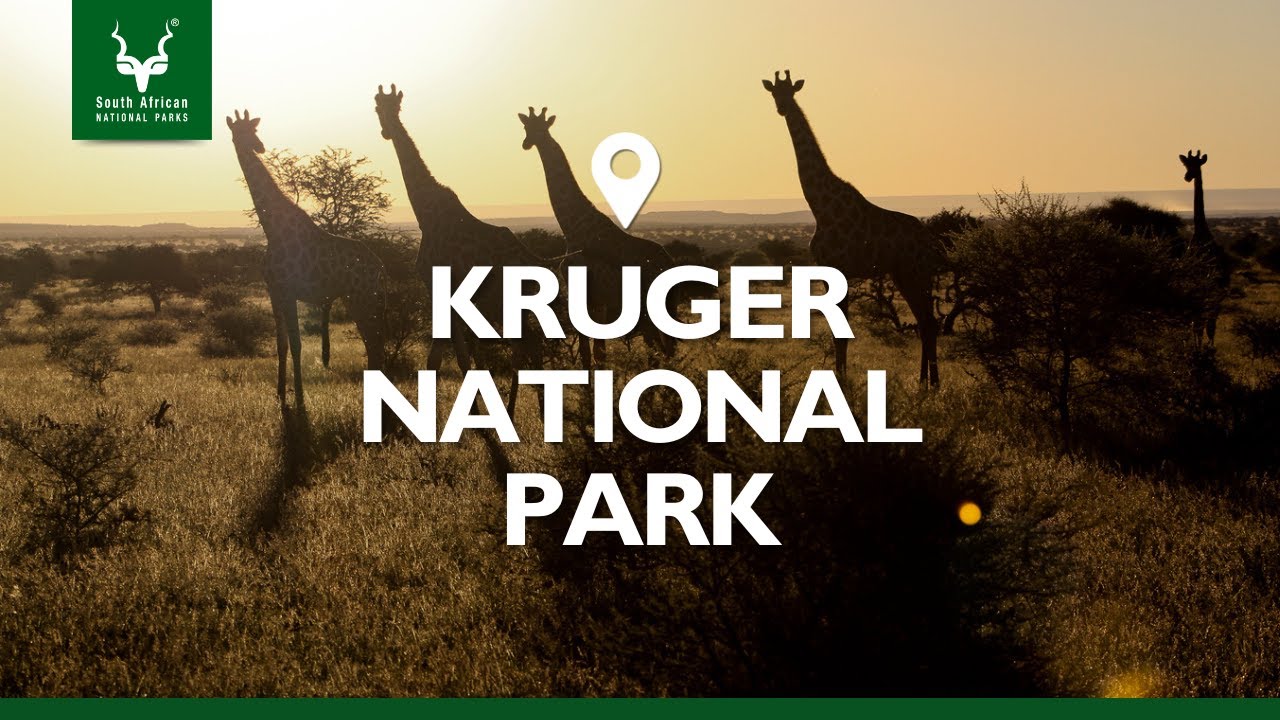
For many South Africans, the Kruger National Park (KNP), affectionally known as Kruger to many, has been our window into the wild.  Every visit to this iconic national treasure is an opportunity to interact with nature and possibly view the Big 5.

On 31 May 2026, the Kruger National Park reaches a historic milestone, marking 100 years of conservation excellence and wildlife protection since its establishment in 1926.

Today the Kruger attracts nearly two million visitors annually and has retained its standing as a top African safari destination. It has become a must visit destination for locals and visitors alike.
    
Most visitors are South African residents who account for about 80% of visits.  However, there has been a steady growth in travellers from neighbouring Southern African Development Community (SADC) countries, who mostly come as day visitors.

Of course, in a country such as ours, a destination like the Kruger National Park does not exist in isolation. Over the years, the Kruger has balanced its conservation mandate and our nation’s societal challenges.

The park has become a major economic driver, contributing millions to the economy and supporting extensive local employment. Tourism revenue stands at over R800 million, and accommodation revenue continues to perform strongly.  

The centenary of this South African landmark is an opportunity for all of us to relive the wonder and splendour of nature. It is a reminder that humans can co-exist with animals and nature, and that our very survival as a species is linked to that of our planet and its fragile ecosystems.

The Kruger is home to 147 mammal species; including all of the iconic Big Five, and boasts more than 500 bird species, and a variety of reptiles, amphibians and plants. It is an integral part of the Great Limpopo Transfrontier Park, which encompasses wildlife areas in Mozambique and Zimbabwe.

The KNP is a story of hope, it is an enduring part of the South African narrative, and like any good story there are many twists and turns. The Kruger is a living monument of the fragile balance between humans and nature.  

Severe weather which has become a constant in many provinces in South Africa is now part of the story of Kruger. Climate change is shifting rainfall patterns and drying waterholes, putting pressure on the park and its inhabitants.  

The story of Kruger is also about the communities adjacent to the park and their rightful quest for greater economic inclusion and cultural recognition. Therefore, a vital part of the centenary is to connect staff, surrounding communities, and visitors in honouring the park's rich history while looking forward to the next century of biodiversity conservation.

It is also true that ensuring a sustainable future for the park and adjacent communities will require renewed thinking on how to ensure greater investment in community-led tourism, along with anti-poaching operations.  

Often hailed as the jewel in our majestic wildlife offerings, the Kruger must continue to be a sanctuary that is open and welcoming to all. Every person who visits must leave with memories for a lifetime, a deep desire to protect our natural landscape and return to visit it time and time again.  
 
The centenary celebration stands as a magnificent part of South Africa’s story. It is a profound reminder that even in an ever-changing world, there is room for nature and humans to both co-exist and thrive. 

Article by: Niko Allie, Deputy Director at the Government Communication and Information System.

Why Tyre Safety Matters During Holiday Travel

With so many holidays and long weekends, many people take to the roads during holidays to visit family, return home or take a short break. The roads are often busy during these times, and from the recent Easter break to the long weekends still to come, many drivers will continue spending more time behind the wheel.

But with more travel comes a shared concern, road safety. Many drivers know the feeling of hitting a pothole, driving on a rough road or worrying about getting a puncture far from help. In some cases, tyres can even burst suddenly, especially during long-distance trips.

The recent Easter period is a good example, with many people travelling long distances using both highways and gravel roads to reach their destinations. Road conditions are not always ideal.

Potholes, uneven surfaces and loose stones can damage tyres, especially when vehicles are fully loaded for long trips. Driving over long distances also increases pressure and heat, and if tyres are worn or underinflated, the risk of a sudden tyre burst increases. As the only part of the vehicle that touches the road, tyres play a key role in how a car brakes, turns and stays in control, and these kinds of journeys can be tough on the tyres.

Amaury Vadon, Vice President for Sales in Africa, India & the Middle East and Commercial Director Sub-Saharan Africa at Michelin, says regular tyre checks are an important part of responsible driving. “Before a trip, many motorists focus on planning their route and packing for the journey, but tyres are often overlooked,” he says. “Taking a few minutes to check tyre pressure and tread depth before travelling can help improve safety for drivers, passengers and other road users.”

Simple checks before you travel can help prevent many common tyre problems. Based on its tyre safety guidance, Michelin encourages drivers to make a few simple checks part of their routine before any journey.

Here are some simple safety checks drivers can follow:
• Check tyre wear and condition – Ensure tyres are not unevenly worn or too pronounced, as this can affect grip and safety.
• Check tyre pressure – Ensure all four tyres and the spare are correctly inflated before travelling. 
 Check your vehicle – In addition to tyres, check engine oil, brake fluid, brake pads, coolant levels, lights and windscreen wipers to ensure everything is in good working condition. 
• Ensure passenger safety – All passengers must wear seatbelts and should not obstruct the driver’s view. Ensure children are secured in approved child seats. 
• Drive responsibly – Ensure the driver is well-rested, avoid alcohol before and during the trip, and take regular breaks to prevent fatigue. For a detailed road-trip checklist and tips, visit the Michelin “Tips and advice” website. 

Not all tyres are built the same. Strong, durable tyres can handle rough roads better and last longer, even under pressure from long-distance travel. Holidays will always bring people together, and travel will always be part of that.

While road conditions may not always be in your control, taking care of your tyres can help you stay safe on every journey.

Winter is here – have you checked your vehicle lights?

It may only be late April, but the shift in seasons is already being felt. Mornings are darker, evenings are closing in sooner, and there’s a definite chill in the air - all clear signs that winter is on its way.

With reduced daylight hours and visibility becoming more challenging, ensuring your vehicle’s lights are in full working order is not just important - it’s essential.

“Visibility is one of the most critical factors in road safety,” says Dewald Ranft, Chairman of the Motor Industry Workshop Association (MIWA), a proud association of the Retail Motor Industry Organisation (RMI). “Many accidents could be avoided if motorists simply ensured their vehicle lights were functioning properly and used correctly.”

Winter driving conditions often mean travelling in low light, whether early in the morning or later in the evening. Add to that the ongoing challenge of faulty or non-operational street lighting in some areas, and the risks increase significantly. Recent heavy rainfall in many parts of the country has further compounded the situation, with a rise in potholes making already difficult driving conditions even more hazardous.

The good news is that checking your vehicle lights is quick, simple, and inexpensive.

“Lights are not just about seeing the road ahead - they are about being seen by other road users,” says Ranft. “A regular check should form part of every motorist’s routine vehicle maintenance.”

Ranft recommends asking someone to assist with a quick inspection:
-Start at the front of the vehicle and check your headlights, switching between brights and dims. Then test your indicators, ensuring all signal lights, including those on side mirrors or panels, are working correctly.
-Move to the rear of the vehicle. Check your tail lights, brake lights (by pressing the brake pedal), and indicators. Don’t forget to test your reverse lights by engaging reverse gear, and ensure your number plate light is functioning.

“If you notice any issues, visit an accredited MIWA workshop. In most cases, bulbs can be replaced while you wait,” advises Ranft. “It’s also worth discussing higher-quality or longer-lasting bulbs with your technician, particularly if you do a lot of driving in low-light conditions.”

Beyond maintenance, responsible usage of lights is equally important. “It is  more important than ever for drivers to be visible, alert, and predictable on the road. Motorists should also adjust their driving behaviour,  reduce speed, increase following distances, and remain cautious of potholes and sudden obstacles, especially in low-light or wet conditions.”

“As motorists, we all share the responsibility for road safety. A simple check and correct use of your lights can make a significant difference. Let’s all do our part to ensure everyone arrives safely,” he concludes.

Load shedding free winter on the cards for SA

Eskom projects that no load shedding will be implemented this coming winter season.

The power utility presented the State of the System at a media briefing on Wednesday, to share its 2026 Winter Outlook.

“Eskom enters the 2026 winter season with a resilient power system, projecting a winter period of continued energy stability from 1 April to 31 August 2026. This positive outlook follows the successful conclusion of the summer period, during which the national grid operated with ongoing sustained reliability.

“With the Generation Recovery Plan firmly embedded in day‑to‑day operations, Eskom has moved beyond short‑term recovery into a phase of stability and sustained energy security, ensuring that homes, businesses and industries remain powered through the peak winter months,” Eskom said in a statement.

Eskom Group Chief Executive Dan Marokane added that the power utility now has a stable platform to “operate and grow from”.

“This enables us to integrate renewable energy sources as per the 2025 Integrated Resource Plan for the maintenance of energy security in the future.

“Eskom is consciously assessing the new capacity build rate across all required technologies as this, along with other socio-economic conditions, will be vital in determining the transition of the coal fired power stations,” Marokane said.

The power utility’s diesel consumption – once relied upon to power expensive open cycle gas turbines – is also on the downturn, reducing by some R26.9 billion.

Eskom’s Group Executive for Generation, Bheki Nxumalo, reflected that cost savings such as those were hard to embed when the generation fleet was unstable.

“These savings are a result of strengthened maintenance discipline and project delivery. Every megawatt we return contributes toward economic growth.

“The restoration of a consistent baseload electricity supply has enabled Eskom to be in a position to support industries in distress, particularly the ferrochrome industry, and play a meaningful role in preventing job losses.

“The country has invested in Eskom, and we are continuously working to restore this national asset to full health; it is a resource that all citizens have supported,” Nxumalo said.

Other year‑on‑year improvements in system performance include:

-Energy Availability Factor (EAF) improved by ~10.8%:  The EAF has improved from 54.55% in Financial Year (FY) 2023 to ~65.35% in FY2026, a gain of ~10.8%, reflecting stronger generation reliability and power system stability. EAF reached or exceeded 70% on more than 83 occasions during FY26.
-Unplanned losses, reduced by ~7.1GW: Unplanned Capacity Loss Factor (UCLF), measuring unplanned losses, reduced by ~7.1GW, declining from 16.5GW to ~9.1GW as at 31 March 2026, a reduction exceeding one‑and‑a‑half times the capacity of Kusile Power Station.
-Planned maintenance increased, averaging 5.4GW:  Planned maintenance increased from an average of 4.7GW in FY2023 to peaks of around 8.0GW, with an annual average of 5.4GW in FY2026, strengthening long‑term plant reliability while temporarily reducing available capacity.

“Together, these improvements supported a period, as of [Wednesday], of 341 consecutive days without load shedding,” Eskom said.

Tackling load reduction
Eskom noted that it is working closely with the Department of Electricity and Energy (DEE) and other relevant stakeholders to “accelerate the elimination of load reduction”.

Load reduction is implemented by the power utility to protect infrastructure from overloading and destruction where there are illegal connections.

Eskom said its elimination programme is already yielding results, with the Northern Cape and Western Cape now fully removed from load reduction schedules.

“Nationally, more than 340 000 customers who previously faced load reduction are no longer experiencing it, ensuring continuous supply during the winter period.

“A key part of the programme is the installation of more than 600 000 smart meters, which improve network visibility, support better load management and help stabilise local electricity networks.

“In addition, 2119 customers have been connected through distributed energy resources to strengthen the electricity supply in areas where network limitations previously contributed to load reduction,” the power utility explained.

The programme is expected to be concluded by next year.

“By September 2026, Eskom expects that about 60% of feeders currently affected by load reduction, 573 out of 971, will be removed from load reduction, with the remaining feeders addressed progressively by 2027,” Eskom said. 

How to opt out of Spam Calls

The Gauteng Office of Consumer Affairs has encouraged consumers to register on the national Opt-Out Registry to block unsolicited telemarketing calls, SMSs and emails from businesses.

The call follows amendments to the regulations of the Consumer Protection Act, which were gazetted on 15 April 2026 and are aimed at strengthening consumer protection against unwanted direct marketing.

Under the amended regulations, the responsibility now shifts to businesses to prevent unwanted marketing communications, rather than placing the burden on consumers to unsubscribe from each company individually.

By registering a pre-emptive block on the National Consumer Commission Opt-Out Registry, consumers will be able to legally stop all registered direct marketers from contacting them.

Acting Chief Director of the Gauteng Office of Consumer Affairs, Milly Viljoen, said the amendments come at a critical time as many consumers face high levels of debt and increasing living costs.

She said consumers need to be aware of their rights under the new regulations, which include the right to refuse direct marketing by registering on the system.

“All direct marketing businesses must register on the system and renew their registration annually. Businesses must respect consumers’ opt-out choices and refrain from contacting them,” Viljoen said.

She added that companies are now expected to clean up their marketing databases and ensure that consumers’ personal information is not used without consent.

“These amendments matter because too many consumers are still being harassed by spam calls and messages, often after asking to be removed. These new rules aim to shift the burden onto businesses to comply — and not for consumers to chase them,” she said.

Consumers have been advised to register their opt-out request either for a specific company or for the entire industry once the system becomes available.

The registration will be a once-off step offering ongoing protection, although consumers should ensure their details remain updated if circumstances change.

Consumers are also encouraged to report businesses that continue contacting them after an opt-out request and to be cautious about where they share their personal information.

The amendments will take effect from July 2026, when direct marketing businesses must register and the system becomes available to consumers.

According to the Consumer Protection Act, non-compliant businesses could face fines of up to R1 million or 10% of annual turnover, whichever amount is higher.

More FMD vaccines arrive in South Africa

The Minister of Agriculture John Steenhuisen has announced the arrival of two million doses of Foot and Mouth Disease (FMD) vaccine in South Africa, marking a significant step in the country’s efforts to control the spread of the disease.

The vaccines, sourced from Dollvet in Turkey, represent the first tranche of a six million doses order secured through local agents Dunevax. Distribution to provinces is expected to begin within the next few days.

Building on this progress, the Minister said an order for an additional five million doses from Biogénesis Bagó in Argentina has been placed with Onderstepoort Biological Products (OBP).

He said the consignment of vaccines will arrive in the country in two batches, 3.5 million and 1.5 million doses, pending approval from the South African Health Products Regulatory Authority (SAHPRA) under a Section 21 application.

In a statement issued on Wednesday, Steenhuisen said the department has secured all matched vaccines currently available on the international market to ensure access to a steady supply.

“We will push forward to make sure that we achieve our goal - vaccinate the national herd to achieve World Organisation of Animal Health (WOAH) recognition of FMD-free status with vaccination. This will allow us to access international markets for South African red meat that have been closed for decades due to FMD,” Steenhuisen said.

Strategic vaccine allocation
In order to effectively manage the vaccine rollout, the Minister said the Department of Agriculture is implementing a scientific, targeted allocation strategy based on animal risk and population figures.
Under this approach, the latest batch of vaccines will be distributed as follows: 

The Eastern Cape has been allocated 135 400 doses; Free State 182 400 doses; Gauteng 124 800 doses; KwaZulu Natal 192 000 doses; Mpumalanga 144 000 doses; North West 182 400 doses; Western Cape 150 000 doses; Northern Cape 100 000 doses; and Limpopo 150 000 doses.

Additional allocations have been set aside for key agricultural sectors to ensure the continuity of our food supply chain, including 100 000 doses for the dairy industry, 150 000 for feedlots, and 150 000 for the pig industry. A further 239 000 doses will be reserved for immediate emergency deployment where required.

The Minister said strengthened surveillance and faster reporting systems, which allows the department to capture data from provinces more quickly, are critical to these efforts.

“We continue to work closely with the private sector and industry bodies to ensure that our vaccination drive remains efficient and reaches every corner of our country,” Steenhuisen said.

Since February 2026, South Africa has received four million FMD vaccine doses, including 2.5 million from Biogénesis Bagó and 1.5 million from Dollvet. 

This is in addition to the 2 million vaccine doses imported in the last quarter of 2025. This has ensured the vaccination of more than 2.1 million animals nationwide.

On 10 April 2026, Minister Steenhuisen officially announced the intention to publish the Routine Vaccination Scheme for Foot and Mouth Disease (RVS-FMD) under Section 10 of the Animal Diseases Act, 1984 (Act No. 35 of 1984).

The department said the deadline for comments was 17 April 2026, and the submissions that have been received are currently being evaluated and consolidated, following which the final scheme will be published.

Global context
FMD outbreaks remain a global concern and are not unique to South Africa. Recent cases have been reported in parts of Europe, the Middle East, and the Asia-Pacific region, including in Greece, China, Cyprus, Israel, and most recently Germany.

The SAT1 topotype 3 strain currently affecting South Africa has also been detected in several countries, including Turkey, Azerbaijan, Lebanon, Israel, Cyprus, and Syria between late 2025 and early 2026.

Garden Route Named the World’s Best Road Trip

The Garden Route has been ranked the number one road trip in the world by Autotrader, achieving a score of 90.6 out of 100.

The global study assessed leading road trips based on factors such as road quality, scenery, weather conditions, visibility, temperature, and overall driving experience. The Garden Route emerged as the top performer.

At the centre of this route is the Garden Route National Park, which spans key sections along the journey and offers a range of nature-based experiences.

The Wilderness Section, located along the N2, is known for its calm waterways, birdlife, forest cabins, and outdoor activities such as canoeing and mountain biking.

The Knysna Section offers access to estuarine and forest environments, with activities including visits to the Thesen Island area to see the endangered Knysna seahorse, as well as forest trails in Diepwalle and scenic viewpoints.

The Tsitsikamma Section features rugged coastal scenery at Storms River Mouth, with accommodation options, camping sites, and access to the famous suspension bridge.

The Garden Route National Park remains a key part of this internationally recognised route, offering diverse landscapes where forests, rivers, mountains, and coastline meet.

Visitors are encouraged to experience this globally recognised journey and the national park that forms part of it.

Knysna Municipality condemns attack on traffic warden

The Knysna Municipality has strongly condemned an attack on traffic warden Ernest Nqoko, affectionately known as “Smiley,” who was injured during a road rage incident on Tuesday afternoon (21 April 2026).

Nqoko was struck by a vehicle while directing peak-hour traffic at the George Rex intersection. The incident was followed by an altercation between him and the driver, causing significant traffic disruption and distress among commuters.

Executive Mayor Thando Matika denounced the incident, saying violence against municipal staff will not be tolerated. He praised Nqoko’s dedication, describing him as a familiar and positive presence to motorists along the N2.

Matika also expressed concern that this marks the fifth time Nqoko has been struck while on duty, calling the situation both devastating and traumatic.

A case has been opened with the South African Police Service, and investigations are underway.

Authorities have urged road users to remain patient and respectful, especially during busy traffic periods, and have appealed to anyone with information to contact Knysna SAPS.

Parliament approves government spending budget

The National Assembly has passed the Division of Revenue Bill and the Special Appropriation Bill, which were tabled by the Minister of Finance in February, as part of the national Budget. 

The Division of Revenue Bill sets out how government funds are shared across national, provincial and local government, with a strong focus on improving the capacity of municipalities to deliver services where people live. 

The Bill aims to ensure that public money is used to provide basic services, support economic growth and job creation, and keep government debt under control.

As part of this effort, government is investing R12.8 billion over the medium term to expand Early Childhood Development (ECD) programmes. 

At the same time, R800 million in 2026/27 is being redirected to protect key priorities, including R446 million for the National School Nutrition Programme, R13 million for learners with severe to profound intellectual disabilities, and R342 million to progressively equalise the salaries of Grade R educators. 

A further R175 million has been allocated to implement the e-Cares system to improve data collection and strengthen the management of Early Childhood Development (ECD) services.

Additional funding shifts include R109 million for agriculture to modernise systems such as e-certification and animal traceability, ensuring the sector becomes more efficient and competitive.

Following extensive engagement with the National Treasury, the Parliament Budget Office and other stakeholders, the Standing Committee on Appropriations welcomed the proposed allocations. 

However, the Committee stressed that their success will depend on strong governance, effective oversight and responsible spending.

“The Committee has recommended that the Minister of Finance ensure the National Treasury presents a clear plan to stabilise the public service wage bill so that rising personnel costs do not crowd out spending on critical services and infrastructure. 

“It has also called for a full cost-benefit analysis on the use of implementing agents, such as the Development Bank of Southern Africa, to deliver infrastructure projects on behalf of municipalities. National Treasury is required to report back to Parliament on these matters twice a year,” Parliament said.

The Special Appropriation Bill provides an additional R13.5 billion for the 2025/26 financial year to address urgent and unforeseen spending needs. 

This mechanism allows government to respond quickly to pressing national priorities without waiting for the next budget cycle.

This funding will support Parliament and key departments, namely Home Affairs, National Treasury, Transport and Communications and Digital Technologies. 

A significant portion is allocated to the Passenger Rail Agency of South Africa (PRASA), an entity of the Department of Transport, to procure new locomotives, repair trains, and improve commuter rail services - helping millions of South Africans travel safely and affordably.

Funding has also been allocated to Sentech to help resolve its ongoing dispute with the South African Broadcasting Corporation over approximately R1.6 billion in unpaid fees, while also supporting the long-term financial sustainability of the entity.

The Committee further welcomed the allocation of R2.081 billion for the rebuilding of Parliament and R1.116 billion for the Electoral Commission of South Africa to support the 2026 local government elections. 

This election funding is recognised as a necessary, once-off constitutional cost to ensure free, fair and credible elections.

Both Bills will now be referred to the National Council of Provinces for concurrence.
error: eRadio is protected !
Scroll to Top