Gauteng Health urges vigilance as Malaria cases increase

The Gauteng Department of Health has urged residents to remain vigilant and seek immediate medical attention if they experience Malaria-like symptoms.

This after the department reported an uptick in cases of the potentially life-threatening disease in the province.

“Recent surveillance data indicate a worrying rise in both malaria infections and fatalities, underscoring the urgent need for strengthened surveillance, early detection and prompt treatment to prevent loss of life.

“The department urges residents to remain vigilant and seek immediate medical attention if they develop symptoms such as fever, chills, headache and fatigue, particularly if they have recently travelled to malaria-endemic areas such as Limpopo, Mpumalanga, Mozambique, Zimbabwe and Malawi.

“Preventive measures, including the use of insect repellent and wearing protective clothing, remain essential to reduce the risk of infection,” the department said in a statement.

The department noted that between January and December 2025, some 666 cases of malaria were recorded with seven deaths occurring as a result.

“During the first quarter of 2026 [January to March], the department has already recorded 414 confirmed cases and 11 deaths. This represents a significant increase compared with the same period in 2025, which recorded 230 cases and one death.

“This upward trend signals heightened transmission risk, particularly in the early months of the year after the festive season, when many residents travel to malaria-endemic regions, increasing their exposure and risk of infection upon their return,” the department noted.

Malaria is transmitted by the bite of an infected mosquito and while preventable and treatable, delay in diagnosis and treatment can lead to severe illness and death.

“As the global community prepares to observe World Malaria Day on 25 April 2026, the DoH urges residents to take proactive steps to protect themselves and their families.

“The department continues to closely monitor the situation and is strengthening public health interventions to control the spread of malaria and reduce mortality across the province,” the statement said.

Cold, wet and windy weather expected to continue across SA

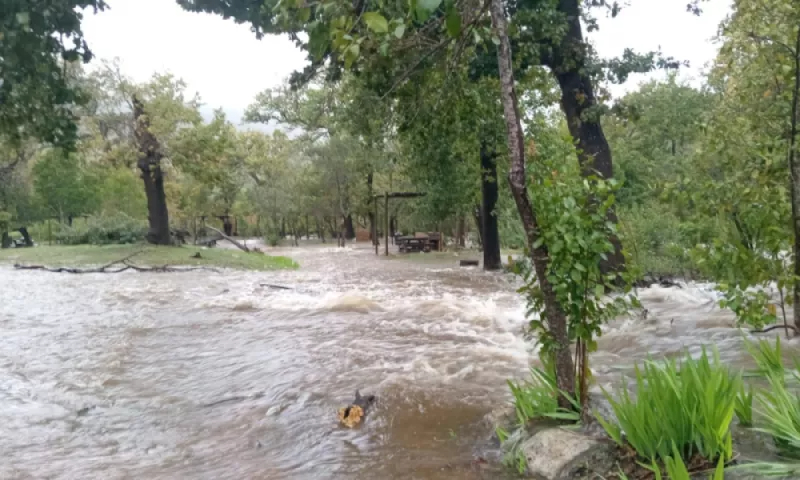
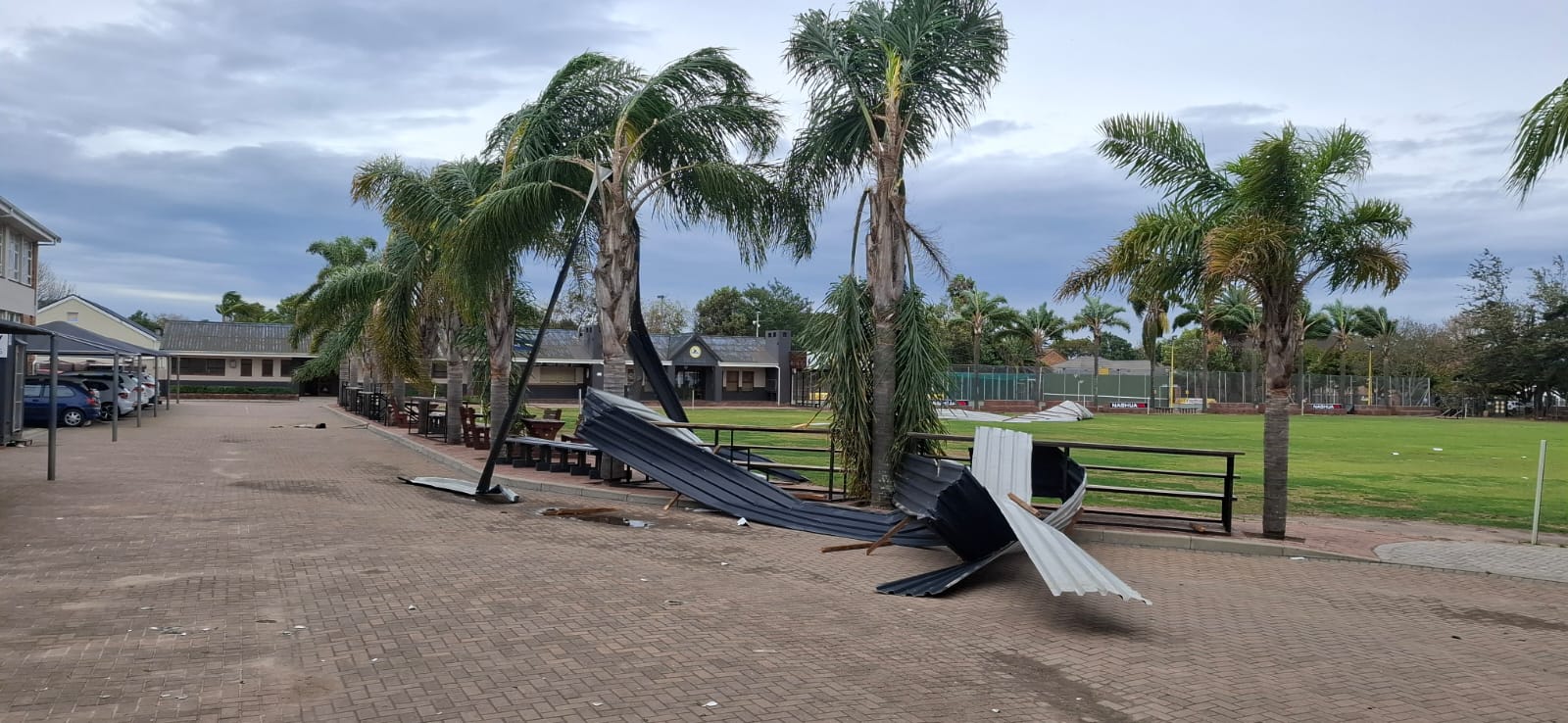
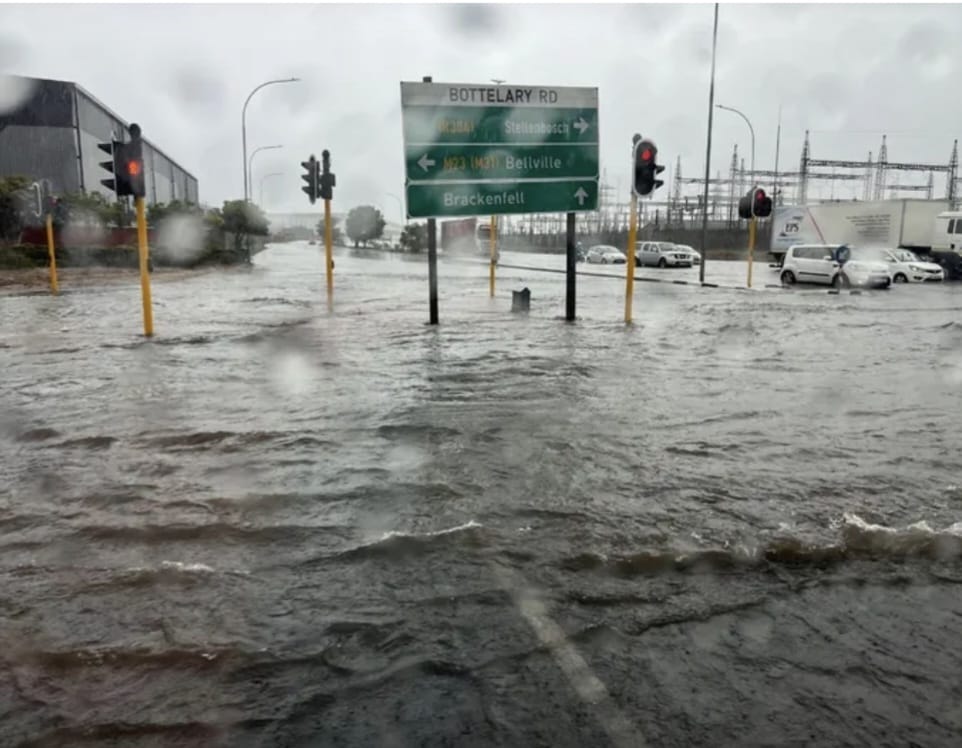
Cold, wet and windy conditions are expected to continue across large parts of South Africa, with the Western and Northern Cape provinces likely to experience the most severe weather.

Weather forecasters Lehlohonolo Thobela and Tokelo Chiloane said the adverse conditions are expected to continue affecting much of the country through Monday, 20 April 2026.

The forecasters attributed the change in weather to the passage of two consecutive cold fronts making landfall over the western parts of South Africa.

“Initially, these systems are expected to impact the Western Cape and Northern Cape, before spreading eastwards across the central and eastern interior over the weekend,” the forecasters said in a statement.

The weather service predicted that by Sunday, 19 April 2026, cold, wet and windy conditions will have spread to the eastern and southern parts of the country, including the southern and eastern coastline of South Africa.

“Moreover, marine conditions are expected to markedly deteriorate, with wave heights along the coastline forecast to reach between 4 and 5 metres from Sunday into Monday, potentially impacting coastal and beach activities.”

Furthermore, daytime maximum temperatures are expected to drop significantly, with some high lying areas in the western interior and adjacent regions possibly experiencing daytime temperatures between 10°C and 12°C.

“These conditions, combined with strong winds, will result in a pronounced wind chill effect. By contrast, the northern extremities of the country are expected to remain relatively warm during this period,” the forecasters said.

Cold, wet and windy conditions may result in a significant wind chill factor, making temperatures feel colder than measured; localised flooding of low-lying areas and poor drainage systems may occur in region experiencing persistent rainfall; disruptions to outdoor and beachfront activities are possible due to strong winds and rough seas and reduced visibility and slippery roads may impact travel conditions.

The weather service has advised the public to take the following precautionary measures, including:
•    Dress warmly and ensure adequate heating in homes.
•    Use heating devices safely to avoid fire hazards.
•    Exercise caution when travelling on wet and slippery roads.
•    Avoid unnecessary travel during periods of heavy rainfall.
•    Secure loose outdoor objects that may be affected by strong winds.
•    Stay away from the coastline during rough sea conditions.
•    Continuously monitor official weather updates and warnings issued by SAWS.

Members of the public and stakeholders are strongly urged to continuously monitor official SAWS forecasts and warnings. These warnings will be updated regularly as the likelihood and severity of impacts become clearer.

Members of the public are also advised to treat unauthorised or unverified information sources with caution and to refrain from distributing such information further. 

Government publishes revised plan for rhino conservation

The Minister of Forestry, Fisheries and the Environment, Willie Aucamp, has announced the publication of the revised Black and White Rhino Biodiversity Management Plan (BMP) in the Government Gazette -- marking an important step forward for rhino conservation in South Africa.

“The Black and White Rhino BMP provides a holistic strategic framework and detailed action plan to strengthen rhino conservation in South Africa, while also supporting collaboration with relevant range states,” the Minister said on Thursday.

The new BMP builds on earlier policy instruments, namely the Black Rhinoceros BMP (2013) and the White Rhinoceros BMP (2015). 

By consolidating these into a single integrated management framework, the revised plan brings together previous policy and planning efforts into one comprehensive tool.

“This integrated approach is intended to support a whole-of-society effort to safeguard rhino populations, recognizing that successful conservation depends on collaboration between government, conservation authorities, private landowners, communities, and other stakeholders – in the interest of both South Africa’s rhinos and its people,” he said.

The notice was published in terms of sections 43(1)(b) and (c), and 43(3)(a) and (b) of the National Environmental Management: Biodiversity Act, 2004 (Act No. 10 of 2004).

Within this framework, the Minister has, in the interim, assigned responsibility for implementing the Black and White Rhino BMP to the Department of Forestry, Fisheries and the Environment (DFFE). 

Implementation of the plan will be overseen by the Department until the National Rhino Conservation Coordination Committee is formally established.

“This multi-stakeholder coordinating committee, which will be established under the chairmanship of the DFFE, will play a central role in facilitating the implementation of the BMP and strengthening collaboration across the rhino conservation sector,” Aucamp said.

Cape Town’s first electric bus to arrive in August

Cape Town's Urban Mobility Directorate will take delivery of its first electric bus in August 2026, with another 13 e-buses to arrive between October and December this year. The City intends to roll-out the electric bus fleet along the MyCiTi routes that operate in the metro-south east, including the new routes that will form part of Phase 2A.

All-in-all, the City will take delivery of 30 low-floor electric buses between August 2026 and June 2027.

The first bus will arrive in August at the latest, if all goes as planned, and another 13 by December 2026, and the balance thereafter. These are 12-metre Volvo BZRLE electric buses and the first where the bus bodies are manufactured locally, in Johannesburg.

‘The delivery of the electric bus fleet cannot be more timeous, given the volatility of the energy markets and uncertain geopolitical environment. Apart from lowering our carbon emissions, an electric bus fleet could offer multiple other benefits, especially as far as maintenance and operational costs are concerned.

Some countries operating e-buses have noted a reduction of up to 70% in operating costs and we will be conducting research soon to determine what type of savings Cape Town can look forward to,’ said the City’s Mayoral Committee for Urban Mobility, Councillor Rob Quintas.

The City, together with the University of Cape Town, will in coming months undertake research to test and understand how electric buses will operate as part of the City’s MyCiTi bus fleet. The electric bus (e-bus) research is funded by the City of Cape Town and through a grant from the Urban Electric Mobility Initiative (UEMI).

The e-buses will be tested on existing MyCiTi routes for a period of about 12 months to determine how the buses perform on different route profiles; how long the batteries last once charged; and the impact of passenger numbers, the route profile and climate on the battery discharging; how long it takes to charge the batteries; and so forth.

‘The research will help us understand how the electric buses will perform in our local context, and what challenges we need to consider before we roll-out the e-bus fleet in 2027. This information will assist us with planning and preparations, such as the training of the bus drivers, maintenance requirements, passenger loads, fault reporting, and so forth,’ said Councillor Quintas.

If all goes as planned, the first e-buses will start operating by 1 July 2027 between Mitchells Plain and Khayelitsha, Wynberg and Claremont, as well as the Cape Town CBD.

The acquisition of more electric buses remains a priority, but will depend on the availability of budget from the National Government.

SAPS urges public to verify requests for money sent via “cash send” services

The South African Police Service (SAPS) cautions members of the public to remain vigilant when receiving requests from friends or family members asking for financial assistance, particularly when they are instructed to send money through  cash send or similar services.

It has come to the attention of SAPS that criminals are increasingly gaining unauthorised access to individuals’ cell phone numbers and messaging platforms. Once access is obtained, these perpetrators impersonate the victim and contact people on their contact list, often claiming to be in an emergency and urgently requesting money.

In many cases, victims are persuaded to transfer funds through cash send services, which are difficult to trace or reverse once the transaction has been completed.

Members of the community are strongly advised not to act on such requests without first verifying their authenticity. It is recommended that individuals contact the person directly by making a voice call or using an alternative, trusted method of communication to confirm whether the request is legitimate.

The public is further encouraged to:

•           Be cautious of urgent or emotional messages requesting money.
•           Avoid sending money to unknown or unverified recipients.

SAPS reiterates the importance of awareness and vigilance in preventing these types of scams. Working together, communities can reduce the risk of falling victim to such criminal activities.

SAWS warns of two cold fronts

The South African Weather Service (SAWS) has warned of two cold fronts, with good rainfall amounts expected to affect the Western Cape and Northern Cape from Friday until Monday.

The cold fronts will result in a significant drop in the daytime temperatures. 

“Maximum temperatures may be between 10-12°C in places over the southern high-lying areas of the Namakwa (Northern Cape) as well as over the Central Karoo and western part of the Cape Winelands Districts (Western Cape).

“General windy conditions will accompany the cold and wet conditions. Additionally, wave heights are expected to be between 4.0 and 5.0m along the coast from Sunday into Monday,” the weather service advised.

The combination of cold, wet and windy conditions may result in a wind chill factor; thus, temperatures may feel colder than the measured values.

They may be localised disruptions to beachfront activities.

Julius Malema jailed for 5 years

Julius Malema was sentenced to 5 years imprisonment today.

The case stems from an incident in 2018, when the Economic Freedom Fighters leader was filmed discharging a rifle into the air during a rally. The footage, which circulated widely at the time, led to charges being brought against him under South Africa’s firearms legislation.

Prosecutors have argued that the act amounted to the unlawful discharge of a firearm, while the defence has maintained that Malema did not act illegally.

The matter has been repeatedly delayed over the years due to various legal challenges and procedural issues, contributing to its lengthy timeline.

Julius Malema set to learn his fate today

Julius Malema is expected to learn his fate today, bringing to a head an eight-year legal battle that has drawn significant public and political attention.

The case stems from an incident in 2018, when the Economic Freedom Fighters leader was filmed discharging a rifle into the air during a rally. The footage, which circulated widely at the time, led to charges being brought against him under South Africa’s firearms legislation.

Prosecutors have argued that the act amounted to the unlawful discharge of a firearm, while the defence has maintained that Malema did not act illegally.

The matter has been repeatedly delayed over the years due to various legal challenges and procedural issues, contributing to its lengthy timeline.

Today’s expected judgment is likely to have broader implications, not only for Malema personally, but also in terms of how public figures are held accountable under firearm laws.

Meanwhile, Malema’s former bodyguard, Adriaan Snyman, is pursuing a separate legal battle against the state. Snyman is suing for R20 million in damages after he was acquitted of charges linked to the same incident.

He claims the prosecution was unjustified and has had lasting personal and professional consequences.

Both developments mark a significant moment in a case that has remained in the spotlight for nearly a decade, with today’s outcome expected to clarify the legal standing of those involved.

Failing municipalities are choking local economic growth, says President

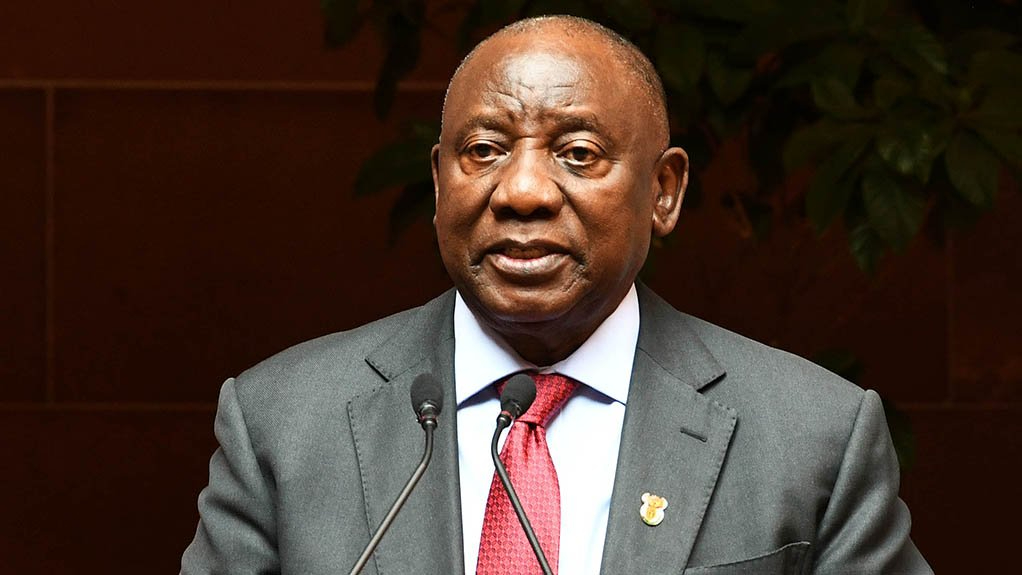
President Cyril Ramaphosa has called for urgent reforms to unlock local economies, warning that poor governance at municipal level is undermining service delivery and stifling economic growth.

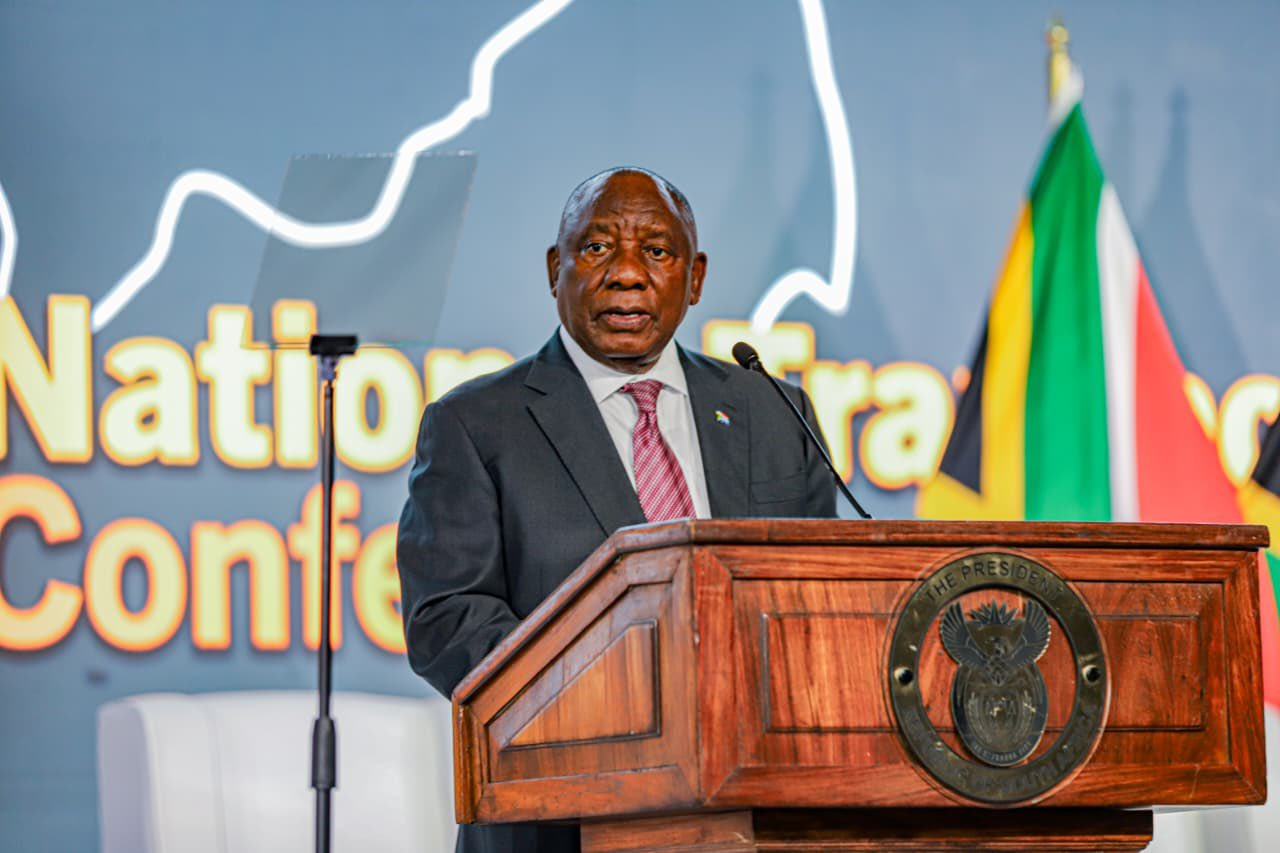
Delivering the keynote address at the 2026 National Local Economic Development (LED) Summit at the Birchwood Conference Centre on Wednesday, President Ramaphosa said persistent failures in local government are directly affecting economic opportunity.

“The Auditor-General’s report on local government highlights persistent weaknesses that directly undermine service delivery and constrain local economic development,” he said.

He listed key shortcomings, including “weak financial management and revenue collection, failure to maintain infrastructure, ineffective supply chain management, irregular and wasteful expenditure, and weak consequence management”.

These failures, he said, are felt daily by citizens and businesses.

“These challenges translate into unreliable electricity, water insecurity, poor roads, poor service delivery and unsafe trading environments.” 

President Ramaphosa stressed that governance reform is non-negotiable if municipalities are to play their role in economic development.

“Without fixing governance, we cannot fix service delivery and without fixing service delivery, we cannot unlock local economic development. The task of this summit is to shift the discussion from the problems to the solutions,” the President said. 

He raised concern over the chronic underinvestment in infrastructure maintenance, noting that municipalities are falling far below required benchmarks.

“National Treasury Guidelines require municipalities to budget 8% of the carrying value of property, plant and equipment. Many municipalities are budgeting less than 1%,” he said. 

The President called for improved revenue collection and greater use of private investment to address infrastructure backlogs, saying municipalities must take the lead in resolving service delivery constraints. 
“As my contribution to the deliberations of the summit, there are four sets of actions that I would like to put forward. The first of these is to unblock service delivery constraints at local government level, especially with regards to basic infrastructure,” he said. 

He emphasised that reliable energy, water and transport systems are essential to economic growth. 
“Energy security, water provision, roads and rail lines are the foundation of growth. We have made much progress in tackling load shedding and improving the efficiency of our logistics sector. This summit must now translate national progress into local success,” the President said. 

President Ramaphosa added that municipalities must ensure conducive conditions for businesses to operate. 

“Municipalities must be the frontline in unblocking infrastructure constraints, ensuring that the local industrial park has the power it needs… and that township businesses have streetlighting to trade safely beyond daylight hours,” the President said. 

Don’t wait! Late online applications for Grade R, 1 and 8 close on 17 May 2026

Western Cape Education MEC David Maynier says the on-time application window for Grade R, 1 and 8 placements in 2027 has officially closed, with strong response from parents across the province.

A total of 166,144 learners were successfully registered before the deadline at midnight on 14 April 2026.

Maynier thanked parents for applying on time, saying it helps the department plan effectively to secure school placements for learners.

Parents who missed the deadline can still submit late applications online until 17 May 2026. However, these will only be considered after all on-time applications have been processed.

Schools will now begin reviewing applications in line with their admissions policies. Outcomes will be released online from 28 May 2026, and parents will have until 15 June 2026 to confirm their chosen school.

Parents who receive multiple offers but fail to make a selection by the deadline will automatically be placed at their top-ranked school choice.

Meanwhile, parents needing to transfer children in Grades 2 to 7 or 9 to 12 due to relocation can apply between 3 and 17 August 2026.

The department has urged parents to keep their contact details updated to ensure they receive application outcomes and further communication.

Maynier also thanked parents, school management teams and education officials for their efforts in ensuring a smooth admissions process.
error: eRadio is protected !
Scroll to Top