Industry council appointed to strengthen Foot-and-Mouth disease (FMD) response

Agriculture Minister John Steenhuisen has formally appointed the Foot-and-Mouth disease (FMD) Industry Coordination Council to support the implementation of South Africa’s national strategy to contain and control the disease.

The appointment follows last week’s announcement of the national FMD strategy to contain and control foot-and-mouth disease.

The council aims to ensure that the industry plays an active and coordinated role in supporting the phased rollout of the FMD strategy, including vaccine distribution, traceability systems and disease-control readiness.

Steenhuisen said the council will engage directly with him and its input will be taken seriously.

“Government cannot do this alone. We need the full strength of the private sector, farmers and veterinarians collaborating with us. We now have a roadmap and I am accountable for its delivery. If we stay focused and work together, I believe we can restore FMD-free status in less than 10 years,” the Minister said in a statement.

The council will form one part of a triangular partnership comprising the:
•    Department of Agriculture - responsible for policy, regulatory support and resourcing;
•    Technical and Scientific Task Team - offering scientific, veterinary and epidemiological expertise, and
•    FMD Industry Coordination Council - providing operational insight, strategic guidance and unified industry input.

To ensure a coordinated approach with industry, Steenhuisen has issued a directive assigning the council the role of aligning industry efforts with national FMD control measures.

This includes establishing and operating an industry coordination mechanism to mobilise sector actions; consolidating industry situational information; coordinating industry communication, and supporting implementation readiness for traceability and audit-ready record-keeping required for animal movement compliance and compartmentalised operations.

The council will also facilitate non-statutory logistical support, including training, awareness initiatives and implementation monitoring, and will engage regularly with both the department and the Technical and Scientific Task Team to ensure alignment between policy, implementation and veterinary oversight.

The council’s members have committed to a collective outcome that serves both the industry and national interests.

The members are Johann Kotzé, Bennie van Zyl, Theo Boshoff, Frikkie Maré, Fanie Ferreira, Marlene Louw, Bongani Msimang, Kobus Bester and Dewald Olivier.

The council has begun its work this week, with its first formal meeting focused on aligning priorities and consolidating industry input. Weekly engagements will follow to maintain momentum, support structured monitoring and ensure consistent progress.

Steenhuisen said the regular meetings will strengthen the council’s ability to present coherent, unified recommendations to government and the Technical and Scientific Task Team.

The council has also requested an urgent meeting with the Technical and Scientific Task Team to review the national plan and ensure operational alignment across industry and government structures, a step seen as critical to refining the roadmap ahead of intensified implementation.

“With aligned structures, consistent communication and disciplined collaboration, South Africa is better positioned to restore its FMD-free status and strengthen the resilience of the livestock sector,” the Minister said.

The council has welcomed the Minister’s commitment and willingness to work closely with industry, noting this engagement reflects a coordinated, accountable and technically informed approach to implementation.

Call for urgent action to improve scholar transport safety

President Cyril Ramaphosa has called for urgent and coordinated action to improve scholar transport safety following a tragic accident that claimed the lives of pupils travelling to school in Vanderbijlpark earlier this week. 

Speaking to the media on the sidelines of the 2026 Basic Education Sector Lekgotla in Ekurhuleni, Gauteng, on Wednesday, the President said the loss of young lives has deeply affected the nation. 

“We are immensely and deeply pained, and I'm glad that the Minister [of Basic Education] went to visit the families of the children. There's nothing as painful as having to deal with the death of your prized possession -- your child. [They] are still young, and you have to bury [them],” he said. 

President Ramaphosa said the visit by Basic Education Minister Siviwe Gwarube was important to convey all of government’s compassion for the affected families. 

He said the tragedy had once again brought into sharp focus the challenges around scholar transport.
The President reflected on how other countries manage learner transport and contrasted it with South Africa’s current system.

“In other countries, there are these wonderful buses that are clearly written 'school bus', where a number of children get in and they travel, not at breakneck speeds. The drivers are well trained, and we have inherited a system where there has been no real public transport for children to attend school. The taxi system then integrated itself in transporting children, and it's been good, because we have been able to transport children to school,” President Ramaphosa said. 

He said government needs to engage closely with all role players to improve safety.

President Ramaphosa highlighted government’s efforts to expand scholar transport, particularly in rural areas and townships.

“One of the things we've done is to offer scholar transport to children in the rural areas and in the townships... I used to walk five kilometres every day to go to school and today we try to make the burden of going to school lighter on our children,” the President said. 

He said while progress has been made, risks remain.

“I'm going to be directing the Minister and... all other [relevant Ministers] to look at how we can save the lives of our children.

“Our children are the future, and they are the most prized possession that we have as a nation,” he said. 
While delivering his address earlier at the Lekgotla, President Ramaphosa said the tragedy underscored the need for urgent action to ensure learner safety.

“We cannot accept that young lives are put at risk as they seek the growth and enrichment that an education provides. We cannot let this tragedy pass. We need to act now and we need to act together to ensure that scholar transport is safe and reliable,” the President said. 

National disaster declaration
Responding to questions on the classification of a National Disaster following severe weather and widespread flooding, President Ramaphosa said government systems have been activated.

He said government’s integrated approach enabled a swift response.

“With the integration that I have enforced and engendered, we're able to get government departments working together. As soon as something like this happens, we get together various departments, and they... come up with plans.

“They are discussed, adopted, activated and money is made available. We then do remedial work to deal with the disaster damage,” President Ramaphosa said. 

World Economic Forum 
On his absence from the World Economic Forum taking place in Davos, the President said domestic priorities, including preparations for the Cabinet Lekgotla and the State of the Nation Address, had taken precedence, but South Africa was well represented.

"I have a very strong team. The Ministers of Finance, Trade, Industry and Competition, Tourism and Electricity are all there. They are a solid team,” the President said.

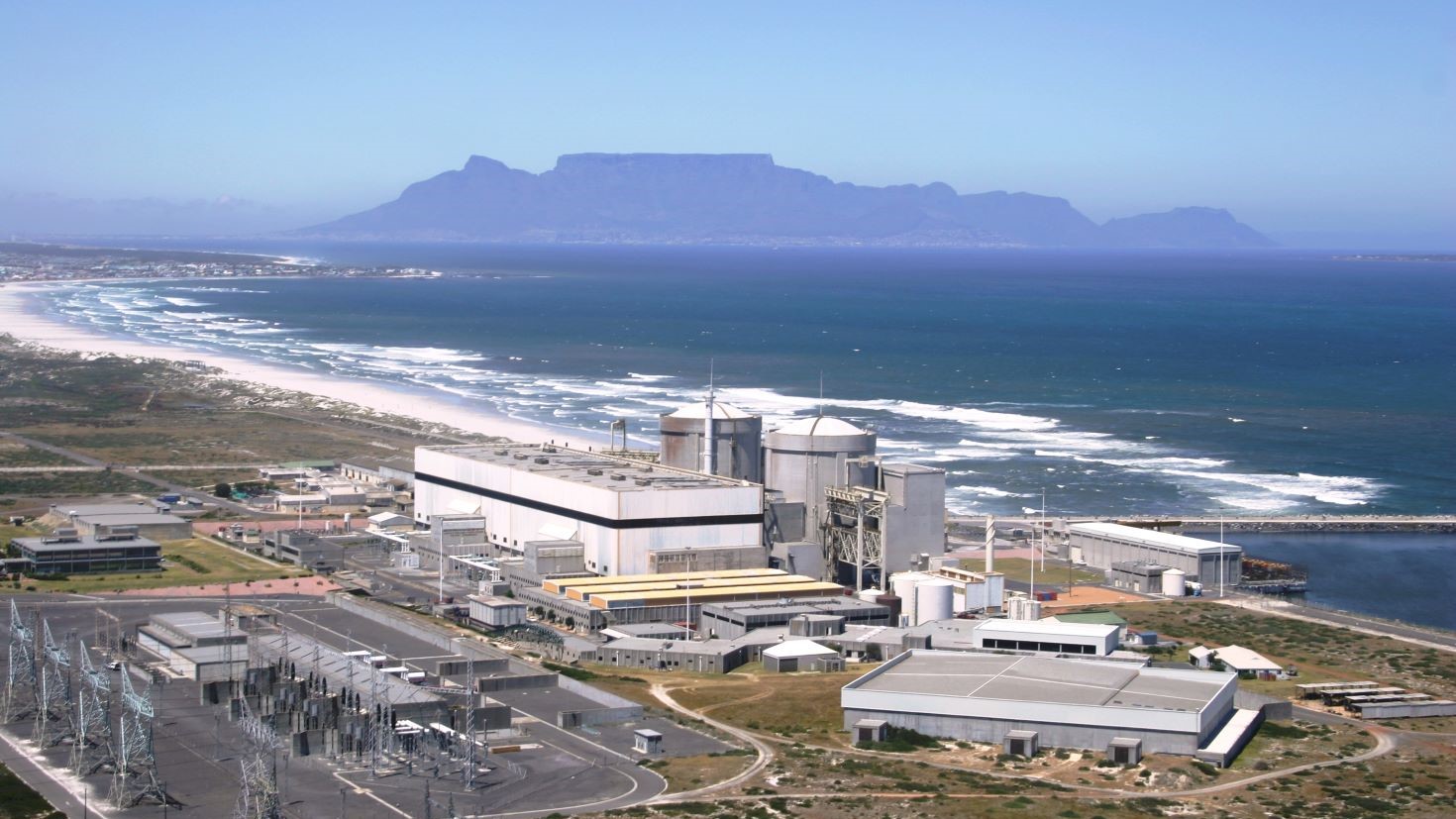
Koeberg Nuclear Power Station operating safely, says Eskom

Eskom has moved to assure the public and stakeholders that Koeberg Nuclear Power Station continues to operate safely and securely.

This after the power utility reduced the station’s two units from full power to 100MW each following a fault on the 132kV transmission lines Pinotage transmission substation near Stellenbosch.

“Eskom confirms that this was an expected response under such circumstances, designed to protect the integrity of the power station and the national grid.

“Eskom further confirms that both nuclear reactors were not affected by this incident. The National Nuclear Regulator has been duly informed of the incident,” the power utility said.

The reduction did not impact the stability of the power system.

“Importantly, there is no risk of loadshedding due to adequate national generation reserves and the National Transmission Company South Africa has given approval for Koeberg Nuclear Power Station to begin increasing the power output of both units.

“Eskom assures the public and stakeholders that Koeberg Nuclear Power Station continues to operate safely and securely, and that all necessary regulatory and operational protocols are being followed,” Eskom said.

Public called to share ideas for 2026 Budget

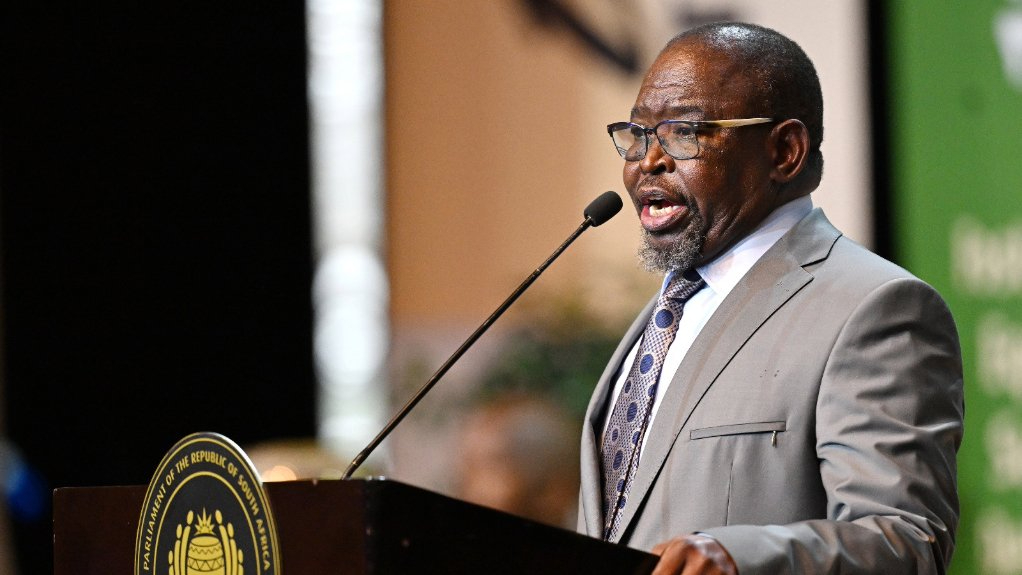
The Minister of Finance, Enoch Godongwana, has encouraged South Africans to share their suggestions on the 2026 Budget. 

The National Budget seeks to maintain a balance between South Africa’s fiscal framework, fund the priorities of the seventh administration, while mitigating the funding requirements impact on the poor and the middle-income household.

It aims to strike a balance between growing the economy and supporting the vulnerable amid limited resources. 

The Minister will deliver the National Budget Speech on 25 February 2026, where he will outline all the financial, economic and social commitments government will prioritise in its planned expenditure.

People may submit views on government spending priorities; addressing a large budget deficit; stabilising State-owned entity finances; energy and water investments; tax policies; debt sustainability; municipal finances and any other economy-related topics.

“Minister Godongwana looks forward to your contributions,” National Treasury said on Tuesday.
Submissions can be sent to National Treasury using this link for Budget Tips.

The public is advised to keep contributions concise and to the point, not longer than 300 words.

SAPS urges parents, scholar transport drivers and motorists to prioritise children’s safety

As schools reopen, the SAPS urges parents, scholar transport drivers and motorists to put the safety of our children first. Too many young lives are lost every year due to road accidents involving scholar transport. This can and must be prevented.

Scholar transport drivers are urged to:
1. Ensure vehicles are roadworthy, licensed and in good mechanical condition
2. Obey speed limits and all traffic laws at all times
3. Never overload vehicles or allow learners to stand
4. Ensure all learners are seated before moving
5. Avoid using a cellphone while driving
6. Do not drive under the influence of alcohol or any substance
7. Pick up and drop off learners at safe, visible points
8. Always drive patiently and defensively

Parents and guardians are urged to:
1. Use only registered and trusted scholar transport services
2. Check that the vehicle is roadworthy and not overloaded
3. Teach children to sit properly and not distract the driver
4. Ensure children arrive on time to avoid speeding and rushing
5. Report reckless or unsafe driving to the authorities
6. Make sure younger children are fetched and dropped off safely
7. Always trust your instincts or guy feeling
8. If driver looks intoxicated or sleepy do not take a risk with your child life
9. If vehicle is already fully, try an alternative mode of transportation. Do not take a risk with your child’s life

Learners are advised to:
1. Always remain seated while the vehicle is moving
2. Fasten seatbelts where available
3. Do not shout, fight or distract the driver
4. Get in and out of the vehicle only when it has stopped safely

The SAPS, together with traffic authorities, will continue to conduct roadblocks and stop-and-search operations to ensure compliance and keep our children safe.

Let’s work together to protect our children. Arrive alive. Every child matters.

Fire and Drought inflict trauma on the Garden Route

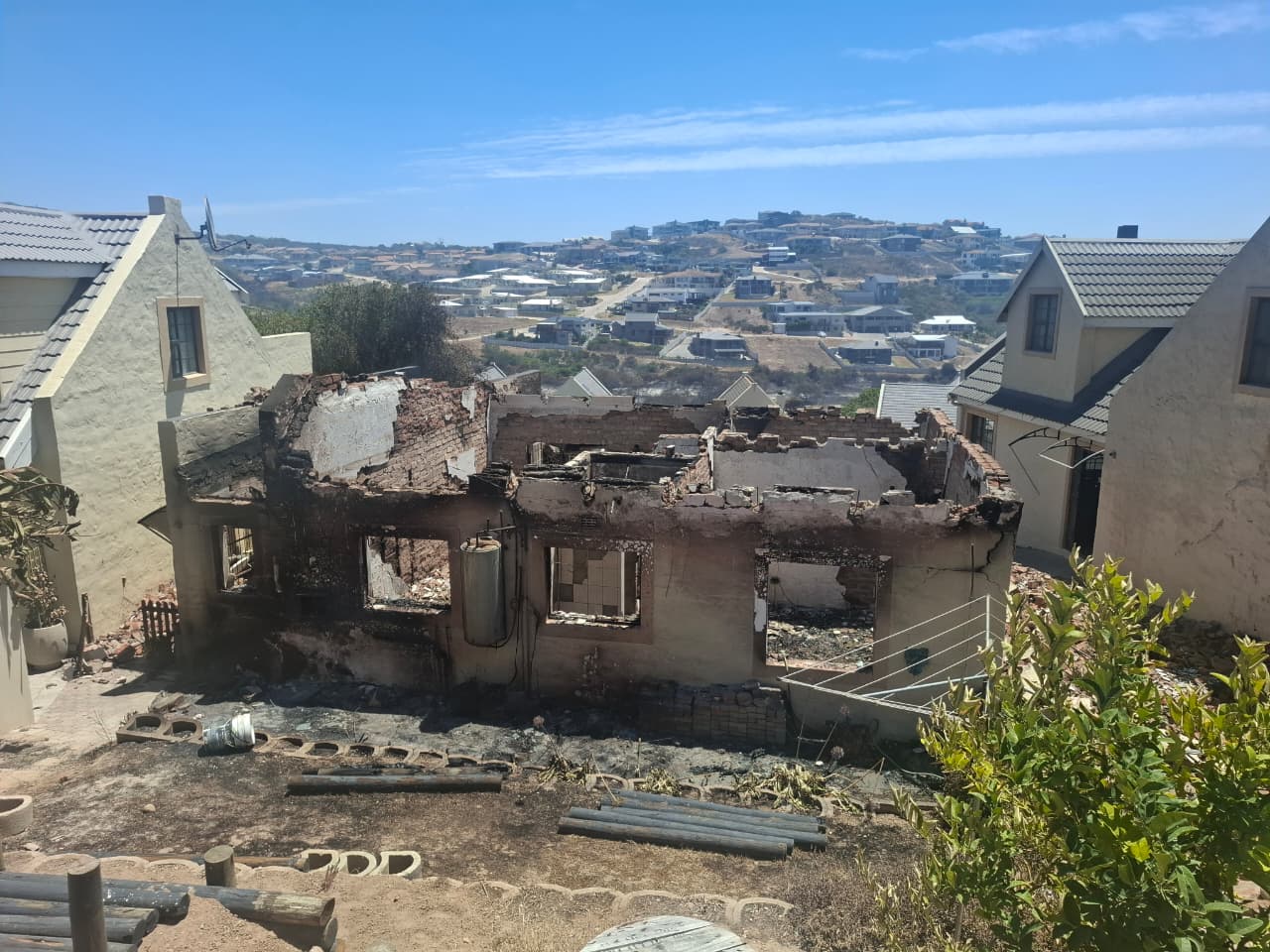
The Garden Route environment has once again been placed under immense strain as widespread wildfires, fuelled by prolonged drought and relentless winds raged across large parts of the region in recent weeks.

Multiple fires between Mossel Bay and Gqeberha pushed communities to the brink, with only the dedication and expertise of highly trained firefighting teams preventing catastrophic loss of life and property.

“Only committed and well-equipped firefighting expertise saved the day,” says Cobus Meiring of the Garden Route Environmental Forum (GREF). “The scale and intensity of these fires underline just how vulnerable the region has become under current climatic conditions.”

Beyond the physical damage, the psychological toll on communities living under constant threat of fire is profound. This stress is compounded by the ongoing drought, with water restrictions firmly in place across the Garden Route and Knysna reportedly on the verge of running out of water.

Fire and drought are intrinsically linked in this region, as painfully demonstrated during the 2017 Knysna disaster, when the town faced near-total water depletion while simultaneously dealing with the aftermath of South Africa’s most devastating fire event.

Although the recent fires were predicted months in advance due to extremely dry conditions and persistent winds, the ferocity and reach of the blazes left many residents shocked. With several dry months still ahead, the likelihood of further fire incidents remains high.

The financial cost of fighting multiple large-scale fires is staggering, while the physical and emotional strain placed on firefighters and disaster management personnel working around the clock cannot be quantified.

The Garden Route’s firefighting and disaster management capacity is widely regarded as world-class, built on years of planning, training, and constant preparedness. These efforts deserve recognition and sincere appreciation.

Despite early warnings and repeated calls for landowners to implement fire breaks and clear Invasive Alien Plants to reduce fuel loads, many properties, particularly along the urban edge were ill-prepared for the fires that followed.

Climate change is no longer a distant threat but a present reality. Authorities are doing what they can with limited resources, but adaptation to this new normal requires a collective effort.

Residents are urged to heed early warnings, reduce risk proactively, and take responsibility for safeguarding their properties and communities.

The Garden Route Environmental Forum serves as a public platform for environmental managers and a climate change think tank.

Picture: Aftermath of the wildfire that occurred early January 2026 in Mossel Bay: Source: Mossel Bay Municipality

Basic Education Minister saddened by fatal scholar transport accident

Basic Education Minister Siviwe Gwarube has expressed deep sadness following a tragic motor vehicle accident that occurred this morning, involving a vehicle transporting learners to school, in which several learners lost their lives.

The Minister extended her heartfelt condolences to the families, friends, classmates and school communities of the learners who perished in the devastating incident. She conveyed her wishes for strength and comfort to all those affected during this profoundly difficult time.

In a statement on Monday, the Minister said she was personally informed by the Gauteng MEC for Education, Matome Chiloane, that he is attending to the matter together with relevant authorities and emergency services. The MEC will continue to keep the Minister informed as further details become available.

“The Department of Basic Education stands ready to provide psychosocial support to affected learners, educators and families, in collaboration with the Gauteng Department of Education,” the statement read. 

As investigations into the cause of the accident continue, the Minister has urged motorists to exercise extreme caution, particularly during peak school transport hours. She reiterated the importance of ensuring the safety and roadworthiness of all vehicles used to transport learners. 

The department said that further updates will be communicated as information is confirmed.

Kruger National Park reopens, applies quota system for visitors

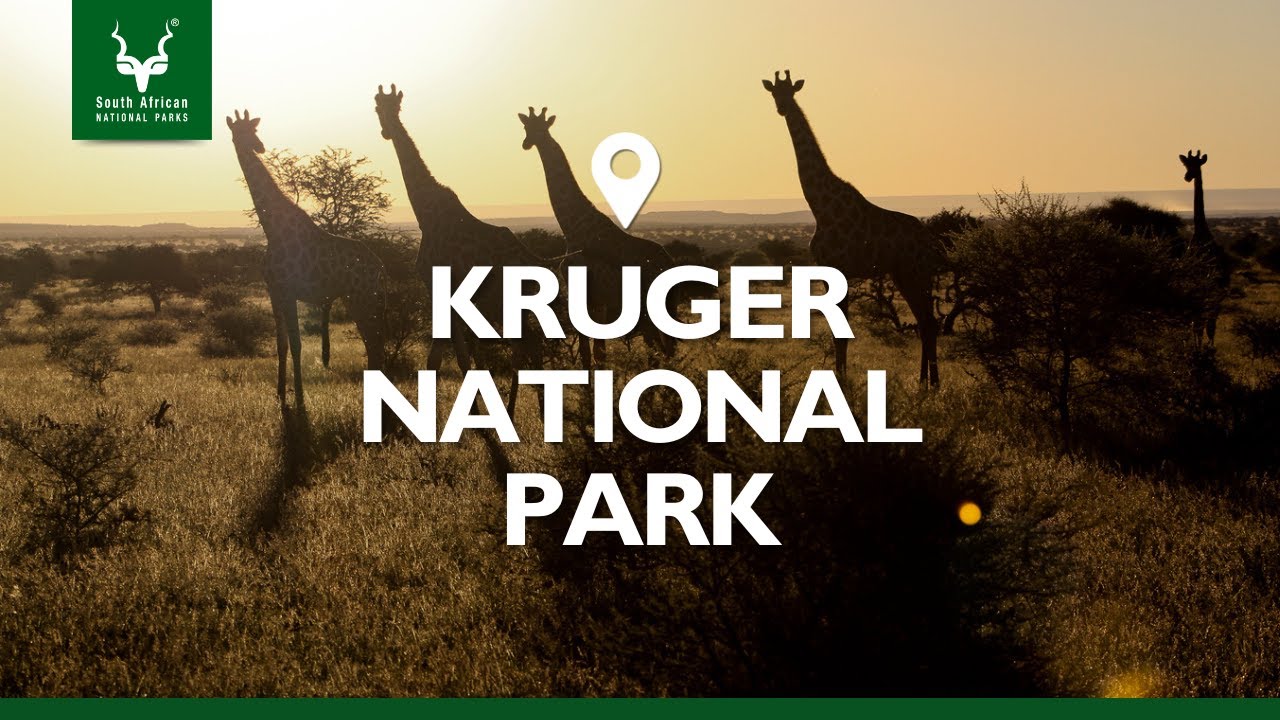
The Kruger National Park (KNP) has implemented a gate quota system with immediate effect in the interest of visitor safety and effective traffic management, after heavy rains.

Last week’s persistent heavy rainfall across Limpopo and Mpumalanga caused river levels to rise significantly, with overflows reported in the Crocodile, Sabie, Letaba, Sand, Luvuvhu and Limpopo rivers.

According to the KNP, Sunday night’s increased rainfall caused further damage to park infrastructure.

“A gate quota system will apply at the following open gates: Malelane Gate, Numbi Gate and Paul Kruger Gate and all Open Safari Vehicles (OSVs) will form part of these gate quotas. Guests are requested to ensure that their vehicles have fuel, as the filling stations at camps might be affected by the persistent rain,” the KNP said on Monday.

Essential delivery vehicles, airport transfers (with proof of a valid flight ticket) and officials will be allowed entry through Paul Kruger Gate only.

The Skukuza to Phabeni Gate route is currently closed due to flooding, as a stream has cut off access along the S1 road. Phabeni Gate is therefore inaccessible via Skukuza at this stage.

“Orpen Gate will remain closed until further notice due to safety concerns. The northern part of the KNP remains inaccessible and as a result, all gates in the north are closed.

“The South African National Parks (SANParks) continues to monitor weather conditions and the status of roads and infrastructure closely. Further updates will be communicated as the situation evolves,” the KNP said.

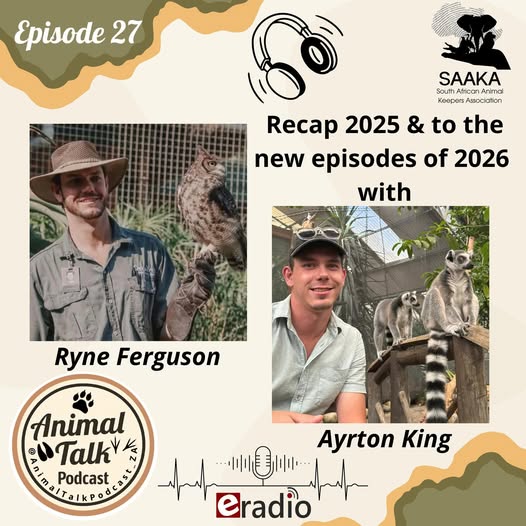
Animal Talk Podcast joins eRadio line-up this Weekend

Animal lovers and conservation enthusiasts have something new to tune into as the Animal Talk Podcast makes its radio debut on eRadio this Saturday at 10am.

The weekly programme brings engaging conversations about animals, conservation, animal behaviour and welfare to a broader audience, combining expert insight with accessible storytelling. Listeners can expect discussions ranging from behind-the-scenes experiences in zoological facilities to broader issues affecting wildlife and animal care in South Africa and beyond.

The show is hosted by two respected figures in the animal care and conservation space, Ryne Ferguson and Ayrton King, whose combined experience spans decades and multiple continents.

Ferguson, President of the South African Association of Animal Keepers (SAAKA), has more than 23 years of experience working and volunteering in zoological facilities across the globe. His career has allowed him to work with a wide range of species while collaborating with specialists in wildlife conservation, animal behaviour and education.

Specialising in animal behaviour management and conservation, Ferguson is committed to promoting high standards of animal welfare, public safety and professional development within the animal care sector. He is also the founder and original host of the Animal Talk Podcast, using the platform to connect the public with the people working closest to animals.

King is an Aquarist Level 2 at the Two Oceans Aquarium, where his journey into marine life began as a high school volunteer. Since completing Matric, he has spent more than eight years caring for penguins, freshwater fish and amphibians. He currently manages the Aquarium’s second-largest exhibit, home to stingrays, sea turtles and a variety of tropical and subtropical marine species.

His expertise also includes coral displays and the breeding and maintenance of several jellyfish species, some of which have never before been exhibited anywhere in the world. With a strong interest in animal behaviour and enrichment, King also leads animal training initiatives and serves as a principal communications diver, delivering live educational presentations to the public during stingray feeds.

Together, Ferguson and King bring a blend of experience, enthusiasm and practical knowledge to the airwaves, offering listeners a deeper understanding of animals and the people who care for them.

The Animal Talk Podcast airs on eRadio every Saturday at 10am, adding a fresh, informative voice to the station’s weekend programming. You can also listen to previous episodes and subscribe here on Spotify.

Deputy Minister Singh visits fire-stricken areas in the Western Cape

The Deputy Minister of Forestry, Fisheries and the Environment, Narend Singh, has visited fire-affected areas in the Wemmershoek region, near Franschhoek, to assess the situation firsthand and engage team members on the ground.

This comes after a wildfire that originated in the Langrug area on 7 January 2026 burned over 17 000 hectares, amid challenging conditions of high temperatures, strong winds, and rugged mountainous terrain. 

“This blaze is part of a broader wave of wildfires that have tested our collective response across the province. Recent updates from the Cape Winelands District Municipality (CWDM) Fire Services indicate significant progress,” the Deputy Minister said.

During his visit he observed that the suppression objectives for the remaining active fire lines were largely achieved, with strong advances made particularly along the fire line above Mont Rochelle. 

Ground teams continue to work in accessible areas such as above Fisantekraal, while closely monitoring inaccessible sections above Stettynskloof Dam. 

“Mop-up operations and vigilance against flare-ups remain ongoing in contained zones. This incident and the many such other fire incidents around the country, underscores the severe impact of climate-driven extreme weather on our ecosystems, biodiversity, and communities, including threats to farmland, vineyards, and livelihoods in this iconic Winelands region,” Singh said.

The Department of Forestry, Fisheries and the Environment said it remains fully committed to supporting provincial and local authorities through the department's Working on Fire programme, which supports integrated wildfire management operations across South Africa.

The department said it stands in solidarity with the affected communities and will work together to ensure recovery and sustainability for the Franschhoek and broader Western Cape region.

“I extend my deepest appreciation and gratitude to all the role players who have demonstrated extraordinary commitment and collaboration. Your tireless efforts, coordination, and bravery in the face of difficult conditions have been instrumental in protecting lives, property, and our natural heritage,” Singh said. 
error:
Scroll to Top