Holiday rides, rising danger: Expert warns SA e-hailing users ahead of festive spike

With festive season celebrations around the corner, thousands of South Africans will be leaning on e-hailing services like Uber and Bolt to get home safely after year-end parties and family gatherings. But as usage soars, so do the risks, from accidents to assaults, hijackings, and harassment.

According to recent reports, the country has seen a 20% rise in crimes linked to e-hailing operators since last year, with multiple fatal attacks on drivers in Gauteng alone, including 13 drivers killed in two weeks in August 2025. Studies also show that 43% of female e-hailing drivers have experienced sexual harassment on duty, and 72% of all drivers report threats from traditional taxi operators.

“E-hailing has become part of our social fabric, especially during the holidays,” says Kirstie Haslam, Partner at DSC Attorneys. “But the very convenience that makes it so popular also creates a sense of false security. When something goes wrong, passengers are often unsure of their rights or how to protect themselves legally.”

Accidents happen, here’s what to do immediately

If your e-hailing vehicle is involved in a collision, Haslam says your safety comes first but your actions in the moments after can make or break a future personal injury claim.

“Check yourself and others for injuries, call emergency services, and make sure the incident is logged through the e-hailing app,” she advises. “Take clear photos of the scene, vehicle registration, the driver’s ID visible on the app, and any injuries. If you’re taken to hospital, insist on getting a medical report, it’s crucial for any future compensation claim.”

Even as a passenger, you may be eligible to claim from the Road Accident Fund (RAF) or the driver’s insurance if you suffer injury due to negligence, speeding, or unroadworthy vehicles.

“If the driver, another motorist, or a pedestrian caused the crash, you can pursue a claim through the RAF preferably via a personal injury attorney who is experienced in these type of claims,” says Haslam.

However, she notes that there would only be recourse against the RAF in the case of a pedestrian accident if the collision was caused by joint negligence on the part of the pedestrian and the driver. If the pedestrian is the sole cause, there is no recourse. 

When things turn violent
The festive season also brings a rise in violent crime involving e-hailing rides, from passengers being robbed enroute to drivers being hijacked or assaulted. Haslam says it’s critical to act quickly and document everything.

“If you’re robbed or assaulted, report the incident to both the police and the e-hailing platform immediately,” she says. “Ask for a case number and save all communication with the platform, this can support a civil claim later. If you sustain injuries, take photos, get medical attention, and speak to a lawyer as soon as possible.”

Victims may be able to claim compensation if negligence can be shown for instance, if the platform failed to vet or suspend a driver with prior complaints, or if safety procedures were ignored.

“We’ve seen cases where victims were left severely traumatised and out of pocket after an incident,” says Haslam. “Platforms have a duty of care to protect both riders and drivers and when that duty fails, the law can hold them accountable.”

Five festive safety tips for e-hailing users
1.    Share your trip: Always send your live location and driver details to a friend or family member.
2.    Check the car and driver: Confirm registration, make, model, and photo match before entering.
3.    Avoid isolated pickups: Stick to well-lit areas with CCTV or security presence.
4.    Don’t reveal personal details: Keep conversations polite but guarded, no addresses or plans.
5.    Trust your instincts: If something feels off, cancel the ride before getting in and report it through the app.

A growing industry, growing accountability
While e-hailing platforms promote safety features like GPS tracking and emergency buttons, critics argue that response times and follow-up accountability remain inconsistent.

“Technology can help, but it’s not a shield,” says Haslam. “Increased festive travel, late-night rides, alcohol use, and driver fatigue all raise the risk. The best protection is vigilance and knowing that if something does go wrong, you have legal recourse.”

The call comes as South Africa braces for another dangerous holiday period: over 1 500 people died on the roads last festive season, and more than 7 400 motorists were arrested at nearly 1 000 national roadblocks for drunk driving, speeding, and bribery attempts.

“Those numbers are a warning,” Haslam concludes. “Whether you’re behind the wheel or in the back seat, your safety depends on awareness and awareness starts before you get into the car.”


Third escape from police cells in under a month – DA demands accountability

The Democratic Alliance has raised concern after another detainee escaped from police custody in the Western Cape — the third such incident in less than a month. The party confirmed that 17-year-old Ryan Manuel fled from the Bellville SAPS holding cells before court proceedings began.

This latest case follows the recent escape of a convicted rapist from Helderstroom Maximum Prison and the still-unexplained incidents reported at police facilities in Wynberg and Strand.

According to the DA, the recurring breaches point to serious failures in cell-block security and overall discipline within the South African Police Service. The party argues that dangerous suspects are repeatedly walking out of SAPS facilities while the Provincial Police Commissioner, Lieutenant General Thembisile Patekile, has offered no public explanation.

The DA also claims that the Commissioner has not responded to letters or reports requested by Parliament’s Select Committee on Security and Justice, despite being copied in official correspondence.
The party says this lack of engagement undermines parliamentary oversight at a time when crime levels on the Cape Flats remain high.

The incidents have prompted questions about whether the escapes may involve internal complicity, how a minor was able to flee a high-security court holding area, and why no suspensions or consequences have followed the string of security breaches.

Concerns have also been raised over disciplinary processes within SAPS, with the DA alleging that dismissals of officers found guilty of misconduct are being overturned. The party argues that this has contributed to a culture of impunity within the service.

The DA has now formally requested that Lt Gen Patekile be summoned before Parliament before the end of the year to provide clarity on the Wynberg, Strand and Bellville incidents, explain what led to the breakdown in security, and outline what measures are being introduced to prevent further breaches.

The party says communities affected by violent crime need answers and assurances that detainees will remain securely in custody.

Festive Lights 2025: Cape Town ready to host 80 000+ crowd for free open-air concert

The City of Cape Town’s flagship event, the Festive Lights Switch-On, is taking place on Sunday, 30 November 2025 on the Grand Parade. The City would like to advise concertgoers, residents and motorists on logistics for the event.

The City is preparing to host upwards of 80 000 people for the free open-air concert to officially usher in the festive season.

Multi-award-winning music producer DJ Zinhle will headline a concert line-up that also includes GoodLuck, Kurt Darren, Tarryn Lamb, Karabo Mogane, Early B & Justin Vega, DJ Masoodah and Heavenly Quartez.

Emo Adams, Loukmaan Adams, Alistair Izobell, Jody Abrahams and Fancy Galada, along with the Street Stylers dancers, will come together for tribute performance that celebrates Cape Town’s rich cultural legacy and its people’s enduring spirit of hope.

The six-hour event will also include the official switch-on of the lights on Darling and Adderley Streets, as well as a video mapping projection on City Hall. 

‘The Festive Lights Switch-On is an event that scores of people across the city look forward to every year. Months of planning go into making sure everyone can enjoy the show in a safe, welcoming, and well-organised environment. Our teams, in collaboration with service providers, work tirelessly across every detail from production and logistics to safety, security and transport management to ensure we deliver an excellent show for the around 80 000 residents and visitors who will join us for the evening.

‘The City’s safety and security personnel will be keeping a close eye on the event from the ground, with some help from an eye in the sky. As always, we’re ready to respond swiftly to ensure the event runs smoothly from start to finish,’ said Mayoral Committee Member for Safety and Security, Alderman JP Smith.

Important safety guidelines 

The open-air concert, hosted by Joe Barber, Bubblegum & Boere Jules, and Carl Wastie as MCs, will kick off at 16:00 and will run until 22:00. 

The festival footprint will be open from 13:00 with access through 13 chutes on Adderley, Castle, Lower Plein, Shortmarket, Longmarket, Hout and Church streets. 

Patrons will be searched while going through the chutes and they are reminded that alcohol, illegal substances, fireworks, and weapons are not allowed at the event. They will be confiscated, and patrons in possession of the items will be turned away.

Umbrellas, gazebos, gas spray cans or any other corrosive materials are also prohibited. 

Parents and guardians attending with minors are encouraged to make use of the KID SMART Project, which will be onsite on the Grand Parade with its monitoring system to help reunite any lost children with their parents. 

Children will be kitted out with a temporary ‘SMART’ bracelet on arrival at the event, with contact details of their parents. This is not compulsory, but the City encourages parents and guardians to make use of this free service.
 
Water points will be available inside the event footprint, including four on the Grand Parade, one on Upper Adderley Street and one on Lower Adderley Street.

Transport Management 

Motorists and residents are advised that roads in the vicinity of City Hall will be impacted during build up, event day and post the event. 
Darling Street will be impacted from Tuesday, 25 November until Tuesday 02 December as crews prepare to construct the stage in front of City Hall. 
Darling, Adderley, Longmarket Streets and several others in the immediate area will be closed to traffic from 05:00 on Sunday, 30 November until 05:00 on Monday 1 December. 

The full list of road closures is available here

Due to the road closures on 30 November, service on several MyCiTi routes will be impacted, including Route 106, which will deviate via Strand Street. The bus will therefore miss the Groote Kerk stop in both directions.

A comprehensive list of service deviations will be available on the MyCiTi website.


For more information on this and other events in Cape Town, visit: www.eventsincapetown.com

SA hosts successful G20 Summit

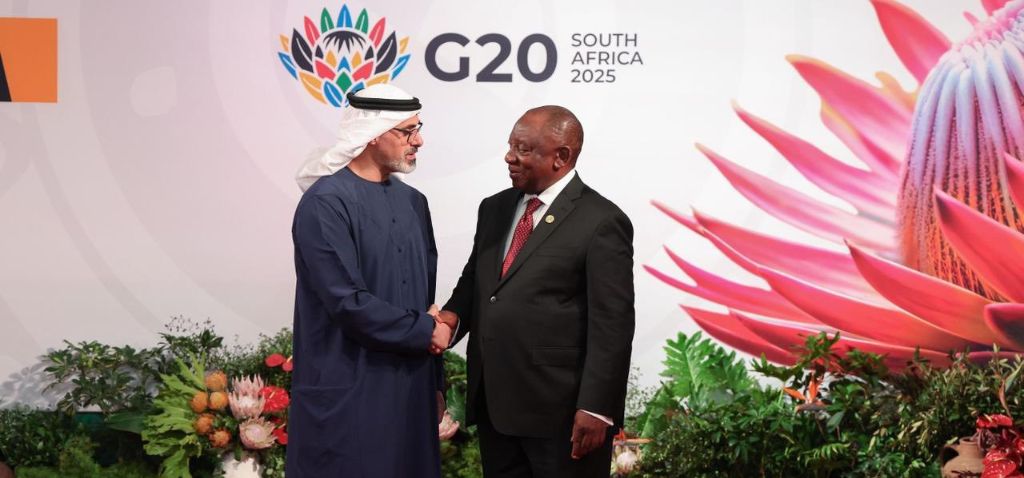
President Cyril Ramaphosa on Sunday brought the curtain down on the first-ever G20 Summit hosted on African soil, delivering a powerful, unifying message before striking the gavel that symbolically closed one of the most significant moments in South Africa’s democratic history.

The closing session at the Johannesburg Expo Centre was charged with emotion, triumph and global solidarity. 

As the President delivered his final remarks, the atmosphere inside the plenary hall and media centre shifted from formality to history unfolding in real time.

“Let us move forward together, demonstrating to the world that we have the capacity to confront and overcome the world’s challenges. Through partnerships across society, and by remembering our common humanity, we can create a more secure, a more just and a more prosperous world. Together, we can ensure that no one is left behind,” the President said. 

He then raised the gavel, looked across the room filled with world leaders and declared: “I now say that this gavel of this G20 Summit formally closes this summit and now moves on to the next president of the G20, which is the United States… The summit is therefore closed.”

The room erupted into applause, while the media centre broke into song as government officials and journalists celebrated a successfully delivered G20 Summit. And in true South African fashion, no historic moment is ever complete without a song.

Journalists from across the world joined in celebrating a summit many thought would be overshadowed by political tensions and geopolitical boycotts. Instead, South Africa delivered a world-class event - well-managed, secure, and grounded in a vision of development that placed Africa at its centre.

A moment of brotherhood on the global stage
Immediately after closing the summit, President Ramaphosa embraced his “friend and comrade”, Brazilian President Luiz Inácio Lula da Silva, the leader from whom he took the G20 reins last year. The two shared an emotional moment, a testament to a journey that began with serious challenges but ended with global acclaim.

Other Heads of State followed, hugging and congratulating President Ramaphosa for what many described as a seamlessly executed and deeply meaningful G20 Presidency.

One could see the pride on their faces, a collective acknowledgment that South Africa had not only delivered but had lifted the bar for what a G20 Summit on the African continent could look like.

A Presidency that defied the odds
South Africa’s G20 year was not without turbulence. From the outset, the Presidency faced global political fractures, most notably a boycott by the United States at key moments of the preparatory process. Yet, even with these complications, President Ramaphosa steered a Presidency defined by unity, consensus and developmental ambition.

This week, South Africa achieved what many thought was impossible -- securing a Leaders’ Declaration supported across the G20, reaffirming multilateral cooperation at a time when global diplomacy is under immense strain.

“The G20 South Africa Summit Leaders’ Declaration is more than words – it is a commitment to concrete actions that will improve the lives of people in every part of the world. Our agreement on a declaration during this summit demonstrates the value of the G20 as a forum that can facilitate joint action on issues of shared concern.
 
“More than that, it reaffirms our renewed commitment to multilateral cooperation and our recognition that our shared goals outweigh our differences," the President said. 
 
Africa at the heart of the G20
In his closing remarks, President Ramaphosa reminded the world that hosting the G20 on African soil was a reorientation of global priorities. 

The greatest opportunity for prosperity in the 21st century lies in Africa,” he said, framing the continent as a driving force for future growth, innovation, mineral beneficiation, climate resilience and energy transition.  

Over the year, South Africa championed action on poverty and inequality, increased climate finance for developing economies, reform of multilateral development banks, support for debt-laden low- and middle-income countries, investment in disaster risk reduction, the G20 Critical Minerals Framework and acceleration towards the Sustainable Development Goals. 

South Africa also completed the G20@20 Review, a first-of-its-kind reflection on two decades of the G20’s evolution, offering recommendations to ensure the forum remains fit for purpose in a rapidly changing world.

“At the heart of our Presidency lies a conviction that the G20 must act boldly, and act together, to create an environment of inclusive growth, reduced inequality and sustainable development,” he said. 

A legacy of solidarity, justice and shared prosperity
President Ramaphosa concluded his Presidency with a message that captured the spirit of the African-hosted G20. 

“Together, we must accelerate progress towards the 2030 Sustainable Development Goals and the Pact for the Future. We have laid the foundation of solidarity. Now we must build the walls of justice and the roof of prosperity,” he said.

As he closed the summit and acknowledged the United States as the next G20 President, the significance of the moment was undeniable.

South Africa did not merely host a G20 Summit, it reshaped the character of the forum, reclaimed its developmental focus, and re-centred its agenda around the priorities of Africa and the Global South. 

Instead of ending amid political tension or diplomatic strain, the summit closed with scenes of unity, warm embraces between leaders, broad smiles, celebratory singing in the media centre, and a shared acknowledgement that South Africa had delivered a successful and historic event.

It was the first G20 Summit to be held on African soil, a Presidency that weathered geopolitical challenges and defied expectations, and ultimately, a closing moment that will stand as one of the defining images of South Africa’s year at the helm of the G20.

Foot-and-Mouth Disease outbreak under control in Western Cape

The Western Cape Department of Agriculture confirms that the recent Foot-and-Mouth Disease (FMD) outbreak detected at a feedlot in Gouda, in the Cape Winelands, on 6 November 2025, is being successfully managed and contained. Swift and decisive action by veterinary authorities, in collaboration with industry partners and law enforcement, has ensured that the outbreak remains confined to the index property, with no evidence of further spread.

Immediate Response and Containment
The affected farm in Gouda remains under strict quarantine. All cattle on the property have been vaccinated, tagged, and branded in accordance with the Animal Diseases Act, 1984. Clinical inspections and laboratory tests confirm that no new clinical signs have been observed since 14 November 2025, an indication that the outbreak is under control.

Inspections conducted on farms in Velddrif and Bredasdorp revealed no clinical signs of FMD; laboratory tests from Velddrif returned negative results, while results from Bredasdorp are pending. All properties within a 10 km radius of the Gouda farm have been placed under monitored quarantine, and samples from these farms have been submitted for testing. Three farms displayed suspicious lesions, but all were subsequently confirmed negative.

Ongoing Surveillance and Enforcement
Veterinary teams are tracing farms associated with the implicated transport company over the past 30 days. Enforcement operations remain active across the province to ensure full compliance with emergency biosecurity protocols. Should any additional cases be detected, containment zones, vaccination, and quarantine measures will be introduced in line with national policy.

Industry Cooperation and Next Steps
Preparations are underway to register a designated abattoir for the controlled slaughter of affected animals, enabling the lifting of quarantine measures once depopulation is complete. Investigations into the source of the outbreak are ongoing, and legal consequences will follow for any breaches of movement protocols.

Call for Compliance
Farmers and livestock owners are strongly urged to halt all movement of cloven-hoofed animals until further notice. All livestock movements into or within the Western Cape must be reported via the Animal Movement App: https://tinyurl.com/AnimalMovementApp. Movements must be supported by:
• An owner’s declaration confirming origin and health status
• A recipient’s declaration confirming 28 days of isolation on arrival

The department underscores its zero-tolerance approach to non-compliance. Legal action will be taken against any breaches of gazetted movement protocols and the Animal Diseases Act. Collective vigilance and accountability across the sector are essential to safeguarding the province’s livestock economy.
Minister Ivan Meyer commends the rapid response and collaboration between veterinary services, law enforcement, and industry stakeholders.

“I want to assure the people of the Western Cape that this outbreak is under control. Our veterinary teams acted swiftly and decisively to contain the disease, and we are confident that the measures in place are working. Accountability is a non-negotiable. Those who flouted the law will face consequences. Together, we will protect our province’s livestock economy and maintain the integrity of our agricultural sector, which is vital to our economy and growth for the Western Cape Government's Growth for Jobs Strategy.”

Ports of entry remain incident-free ahead of G20 Summit

With one day to go before the commencement of the G20 Leaders’ Summit, operations across all designated ports of entry remained stable and incident-free over the past 24 hours, said the Border Management Authority’s (BMA).

This is as various Heads of State and Government as well as high-level delegations continue to arrive for the G20 Leaders’ Summit at the weekend.

The BMA has so far facilitated the arrivals of Her Excellency, Ms Ursula von der Leyen, the President of the European Union, His Excellency Antony Albanese, the Prime Minister of the Commonwealth of Australia, His Excellency Dato Seri Anwar Ibrahim, the President of Malaysia, the President of the European Council, Mr António Costa, Prime Minister of Vietnam, His Excellency Pham Minh Chinh, the People's Republic of China Premier, Li Qiang and His Excellency Keir Starmer, the Prime Minister of the United Kingdom, amongst others. 

According to the BMA, more arrivals are expected today (21 November 2025).

Commissioner of the BMA, Dr Michael Masiapato, said that in the past week under intensified operational deployments, BMA officials successfully facilitated the arrival of delegates, Government officials, and technical teams for the G20 Sherpa meeting, the G20 Social Summit and the B20 Summit. 

“Despite the heightened security environment, increased traveller volumes and the complex coordination required across multiple ports of entry, all arrivals were processed efficiently,” Masiapato said.

He added that systems across key points of entry are fully operational, supported by BMA information and communication technology (ICT) technicians deployed strategically at OR Tambo International Airport, Lanseria International Airport and Waterkloof Air Force Base. 

“The dedicated G20 processing counters at these facilities are fully staffed to manage the increased volumes associated with summit arrivals.

“Enhanced security measures remain firmly in place. Strict access control protocols have been implemented across all operational zones within both inner and outer perimeters. The South African Police Service (SAPS) continues to conduct routine security sweeps, attending to unattended luggage and parcels in line with international security protocols at the priority areas within the airports. 

“To reinforce operational readiness, the BMA has deployed additional personnel from its back-office functions, while Regional Commanders and Executives are on the ground providing leadership and oversight during the arrival period,” he explained. 

High-visibility patrols and crime-prevention measures are being implemented to ensure full compliance with operational standards and to maintain proper command and control. Searches at designated screening points continue as part of the BMA’s layered security approach.

Masiapato said all BMA officials at land ports of entry identified as contingency support points for ground transport remain in close coordination with their respective regional and international counterparts.

Patrols within all port corridors have been intensified to guarantee the free flow of traffic and prevent any potential traffic bottlenecks.

“The BMA remains committed to ensuring that South Africa hosts a safe, efficient, and world-class G20 Summit by guaranteeing secure border operations and uninterrupted facilitation at all times,” Masiapato said.

For Operation HI -TIVISE – Report suspicious activities on 0801 229 019, or via the BMA website platform on www.bma.gov.za 

At a briefing on Wednesday, Transport Minister Barbara Creecy said the country was ready for the hosting of the Summit.

“The aviation sector has completed all critical preparations to meet the rigorous standards expected for this historic event,” said Creecy. 

How the Western Cape Government is tackling GBV

On Tuesday, 18 November 2025, in the run-up to the 16 Days of Activism for No Violence Against Women and Children, Premier Alan Winde met with members of the Western Cape Government and City of Cape Town’s Law Enforcement Advancement Plan (LEAP) and the South African Police Service (SAPS) in Delft to hear about the successes and challenges of their joint safety initiatives. 

Currently, 130 LEAP officers work closely with their police service colleagues daily in the Delft area.

“This is not an ‘us and them’ issue. We are all in this together in preventing and fighting crime.” This was what Delft Police Station Commander Brigadier Celani Sihlali had to say to Premier Winde ahead of a safety walkabout in the area.

“I agree with Brig Sihlali and other safety stakeholders that the only way we will effectively beat back crime is through partnerships. This scourge impacts us all, as well as our economy. We must forge even stronger collaboration across our government as well as with municipalities and civil society. We are utilising all the resources we have at our disposal to deal decisively with violent prevention. Every single person in this province deserves to feel safe. Increasing safety helps our economy grow, with more jobs available, which is the most effective way to reduce poverty and crime,” the Premier said. 

Violence Prevention Unit
Earlier in the day, the Premier and provincial Minister of Police Oversight and Community Safety, Anroux Marais, met with Violence Prevention Unit (VPU) Coordinators at Khayelitsha District Hospital. They shared their progress in building local partnerships to strengthen violence prevention interventions with young children.

At the gathering, Premier Winde stressed, “Violence prevention is a long-term investment because we have got to change the way people behave. It is not a quick fix. We need to stay the course and showcase more of this work being done at the grassroots level to give hope and opportunities to the children at risk of getting involved in crime and violence.” 

The key to improving safety is both reducing violence now and preventing it in the future. Housed within the Western Cape Department of Health and Wellness, the VPU plays a central role in the Western Cape Safety Plan. 

To support the province’s efforts to reduce violence, the VPU analyses real-time trauma data from healthcare facilities to identify patterns and hotspots where patients present with violence-related injuries.

This evidence is then shared across government departments, offering clearer insight into when, where, and how violence occurs, to enable targeted and coordinated crime-reduction interventions by our safety partners. 

To strengthen violence prevention strategies in the long term, the department has recently expanded its Planet Youth programme – a whole-of-society approach that strengthens the social protective factors young people need to make healthy and positive choices. To date, the department has surveyed more than 49 000 learners in 123 schools to hear directly from them about their realities, pressures, and needs.

Working closely with communities, parents, and local partners, the provincial Department of Health and Wellness is now co-creating practical solutions that support young people and help create safer, more nurturing environments for them to grow and thrive.

Minister Marais noted, “Safer communities are our shared responsibility. While strong policing and collaboration between the SAPS and other law enforcement agencies like LEAP matter, they alone cannot defeat entrenched crime and gangsterism. We all need to work together: Government, residents, and civil society.”

GBV Ambassadors and SWIMS app
The Premier then engaged with Western Cape Department of Social Development (DSD) officials at its Metro East Region offices in Khayelitsha, where 91 mobile phones were handed over to social workers to be used as part of the Social Work Integrated Management System (SWIMS) application. The innovative SWIMS application, launched in April 2024, helps to reduce the administrative burden on social workers.

Premier Winde and Jaco Londt, Western Cape Minister of Social Development, also listened to feedback from local Gender-Based Violence (GBV) Ambassadors.

The Western Cape Government’s GBV Ambassador initiative is steadily being implemented across the province, with more than 600 dedicated women and men already working in the programme to expand the provincial government’s capacity to address this plague. In a meeting with Khayelitsha GBV Ambassadors, the Premier and Minister Londt thanked them. “You and all our GBV Ambassadors have truly stepped up to help those in need and help us as government to create a more caring society,” the Premier told the group.

In Delft, Premier Winde and Minister Londt met with another group of GBV Ambassadors and expressed their deep appreciation for all they do for the community.

Minister Londt stated, “The Western Cape’s greatest asset is its residents. The more residents who stand up and say they want to make a positive difference, the greater chance we have of achieving a safe, peaceful, and thriving society for all. This is exactly what the Western Cape Department of Social Development’s GBV Ambassadors are doing daily. They are taking a stand against abuse and violence, doing their part to support victims and raise awareness about this scourge. Thank you to the Premier for acknowledging the amazing work of these volunteers who strengthen our hand as a department in linking more survivors to support services.”

GBV Ambassador Soeraya Davids said she has seen the difference the programme is making in encouraging more survivors to come forward, “The moment the community sees us wearing the sash or the badge that DSD gave us, it gives people the confidence to talk to us because they know us. They know now where to go or who to speak to. People can rely on us because we’re taking their hand, and we don’t just take them to the next step, but we take them to the last step.”

Earlier in the week, the Premier handed over donations of sanitary pads to the Victim Empowerment Room at the Bishop Lavis Police station. This was a small reminder that dignity comes in all forms. Sergeant Sheldon Daniels, who works closely with the facility, highlighted the impact of the service, saying, “Some survivors come here in tears and leave with a smile.” 

The work of the Victim Empowerment Room is strengthened by dedicated volunteers who make themselves available at any hour of the day to ensure survivors receive immediate support. Trauma counsellor Debbie Abraham reflected on the emotional resilience the work demands“You must have a heart for people. You want to give up sometimes, but I know I cannot give up. I must keep doing what I can to help my community and GBV survivors.”

The Premier calls on all community members, institutions, and partners to stand together in the fight against GBV, support survivors, and work together to end the cycle of violence.

National shutdown
The Western Cape Government notes the call for a national shutdown on Friday, 21 November, to protest the intolerably high levels of violence against women and children in South Africa.

We share the anger of all law-abiding South Africans who are taking a stand against this issue. This initiative serves as a powerful reminder of the urgent need to address gender-based violence and honour the many lives affected by this scourge across South Africa. 
 

Garden Route District Municipality assisting with water for Sedgefield residents

The Disaster Management team of the Garden Route District Municipality (GRDM) commenced with the provision of water to the residents of Sedgefield.

“This assistance followed a request received from the Municipal Manager of Knysna. However, a truck incident on the Kaaiman’s Pass caused a delay in our response efforts yesterday, but today we were able to deliver water to the affected areas,” said Gerhard Otto, Manager for Disaster Management at GRDM.

With the water treatment plant in Sedgefield that is currently unable to remove the salt from the water, support from the GRDM will continue until the water shortage experienced by the residents of Sedgefield has been resolved. Otto, explained: “The water treatment works needs to operate outside of its design parameters and therefore process controllers are struggling to produce water for domestic use that meets normal approved salinity standards”.

GRDM Executive Mayor Marais Kruger said: “The GRDM values its strong relationships with local government stakeholders in the Garden Route and will continue its efforts to support Knysna in ensuring the delivery of essential services to the residents of Sedgefield.”

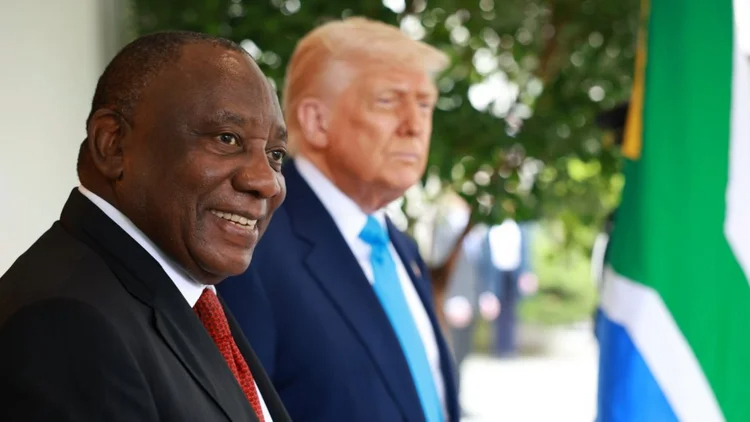
President notes US “change of mind” on G20 Summit

President Cyril Ramaphosa says South Africa has received notice from the United States indicating a possible change of approach regarding its participation in the G20 Leaders’ Summit, describing the development as a “very positive” sign.

Speaking during a press briefing following his trilateral meeting with European Council President António Costa and European Commission President Ursula von der Leyen, President Ramaphosa confirmed that discussions with Washington were ongoing.

“We have received notice from the United States, a notice which we are still in discussions with them over about a change of mind about participating in one shape, form or other in the Summit,” he said on Thursday evening.

President Ramaphosa noted that the message from the US came just hours before the start of the Leaders’ Summit, prompting urgent engagement to understand the implications and practicalities of its potential participation.

“This comes really at the late hour before the Summit begins, and so therefore we do need to engage in those types of discussions to see how practical it is and what it finally really means,” he said. 

Despite the timing, the President struck an optimistic tone, saying South Africa viewed the shift as encouraging. 

“In a way, we see this as a positive sign, very positive because, as I've often said, boycott politics never work. It's always best to be inside the tent than being outside of the tent,” the President said. 

He emphasised the importance of the US presence in global governance structures, saying its engagement strengthens multilateral cooperation.

“The tent is G20, all countries are here and the United States being biggest economy in the world needs to be here. So, it's pleasing to hear that there is a change of approach, and so we are still discussing how that will manifest,” he said. 

President Ramaphosa is expected to continue high-level engagements with global partners ahead of the commencement of the G20 Leaders’ Summit at the weekend.

Earlier in the day the President said the G20 process is moving ahead decisively with or without the United States after US President Donald Trump threatened to block the adoption of any joint declaration under South Africa’s G20 Presidency. 

Speaking to members of the media as he left the G20 Social Summit to address the B20 gathering, President Ramaphosa expressed confidence that negotiations were nearing completion, despite the United States objections.

He further told journalists he was encouraged by the progress made across multiple G20 tracks, praising the engagements he had held throughout the day.

Repo rate reduced to 6.75%

The South African Reserve Bank (SARB) Monetary Policy Committee (MPC) has decided to reduce the policy rate by 25 basis points, to 6.75%, with effect from 20 November 2025.

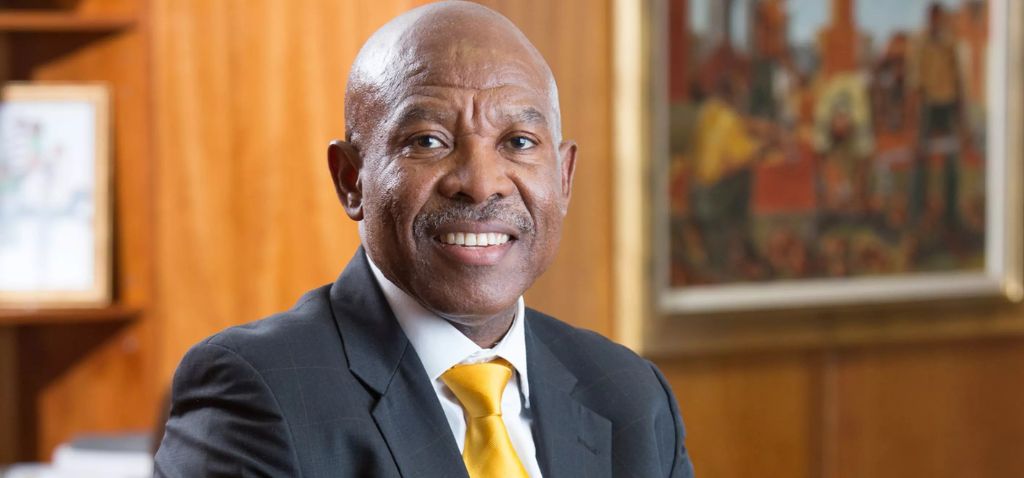
Delivering the last MPC statement of the year on Thursday, SARB Governor Lesetja Kganyago said the decision to reduce the policy rate was unanimous. 

“Members agreed there was scope now to make the policy stance less restrictive, in the context of an improved inflation outlook. The risks to the growth outlook are assessed as balanced. Inflation has accelerated somewhat over the past few months, reaching 3.6% for October. This is higher than the 3% average for the first half of the year. 

“The uptick is mainly due to non-core items: meat, vegetables, and fuel. We continue to see this pressure as temporary, with inflation heading lower again from the beginning of next year. Indeed, recent outcomes have undershot our forecasts slightly,” the Governor said.

Due to a stronger rand, and a lower oil price assumption, there is a small downward revision to the inflation outlook, for both 2025 and 2026.

“For inflation expectations, we do not have an update from our usual survey this meeting, but market rates and surveys of analysts both show further progress towards the 3% objective. 

“Core goods prices are benefitting from exchange rate strength. Food price inflation seems to have peaked, although we have a small upward revision to this forecast, mainly from beef prices. 

“Services inflation is unchanged from the last meeting: the announced medical aid increases are lower than last year’s; at the same time, housing inflation has accelerated, which warrants ongoing scrutiny,” Kganyago said.

The MPC assessed the risks to the inflation outlook as balanced.

“The Quarterly Projection Model continues to forecast gradual rate cuts as inflation subsides. As before, this rate path remains a broad policy guide. Our decisions will continue to be taken on a meeting-by-meeting basis, with careful attention to the outlook, data outcomes, and the balance of risks to the forecast.

“Domestic growth is looking better than last year. The second quarter data surprised on the upside and the third quarter indicators are looking broadly positive. Household consumption has also been rising but investment continues to disappoint,” he said.

For this meeting, the MPC considered two risk scenarios.

“The first scenario featured a US dollar rebound, recognising that while the rand has appreciated this year, this partly reflects broad dollar weakness, not just rand strength. In this scenario, the rand depreciates back to its 2023 levels against the dollar, rather than holding on to its recent gains, as in our baseline.

“The second scenario was based on higher administered prices, linked to a rapid correction of the R54 billion electricity pricing error disclosed a few months back. The scenario also had inflation expectations staying higher for longer, in response,” the Governor said.

Both scenarios featured tighter monetary policy, with rates coming down more slowly compared to the baseline. 

The administered price scenario in particular shows that if price setters take on board the 3% target, South Africa will have space to get to lower rates faster.

At its second last meeting of the year in September, the central bank kept the repo rate unchanged at 10.5%.

At the tabling of the Medium Term Budget Policy Statement (MTBPS) earlier this month, National Treasury announced a new inflation target for South Africa of 3% with a 1 percentage point tolerance band. The announcement followed agreement between the Governor and the Minister of Finance Enoch Godongwana.

Godongwana had further consulted with the President and Cabinet on the decision.

The new target immediately replaces the previous target range of between 3 and 6%, and will be implemented over the next two years.
error:
Scroll to Top