Climate Change Conference 2025 to take place in Namibia

The Secretariat of the Climate Change and Futures in Africa Conference Series 2025 has announced that the upcoming conference will take place in Windhoek, Namibia, from 29 October to 1 November 2025. 

The conference will be convened under the theme: ‘Risk in Time and Space’, highlighting the variability of disaster risks over time and space.

According to the Human Sciences Research Council (HSRC), this year’s edition will place special emphasis on community-based participatory research (CBPR), an approach that empowers local communities to engage actively in risk assessment, decision-making, and the development of adaptive strategies. 

“By focusing on local knowledge and participation, CBPR offers powerful pathways for addressing the complex challenges posed by climate change and disaster risks,” the secretariat said in a statement. 

The Windhoek 2025 Conference will bring together experts in climate change, disaster risk reduction, policymakers, practitioners, and community-based participatory research from around the world to share insights, exchange knowledge, and explore innovative solutions. 

The programme will feature interactive panel discussions, workshops, and breakout sessions designed to encourage dialogue and practical solutions to the complex challenges posed by climate change and disaster risks across disciplines and regions.

Participants will engage with case studies and research findings from Southern Africa and other climate-vulnerable regions, offering critical perspectives on the real-world impacts of climate change. 

More than 100 delegates are expected to attend, representing countries including Namibia, South Africa, Canada, Mozambique, Zambia, Zimbabwe, Botswana, Kenya, Algeria, Japan, Greece, and Germany.

The conference aims to strengthen networks and partnerships that transcend geographical and disciplinary boundaries, promoting inclusive and forward-looking approaches to disaster risk management. 

Through collaborative efforts, this year’s conference seeks to contribute to the development of resilient, adaptive communities capable of navigating the evolving landscape of global climate challenges.

Discussions will explore themes such as risk analysis fundamentals, risk assessment, disaster risk management, risk perception, communication, governance, risk mitigation in sectoral policies, monitoring and coping with real risk problems, and risk and ethics.

The event will be officially opened by the Prime Minister of Namibia, Dr Elijah Ngurare, alongside the Deputy Minister of Education, Innovation, Youth, Sports, Arts and Culture, Dino Ballotti.

The third edition of the Climate Change and Futures in Africa Conference Series is being organised collaboratively by the HSRC and several partners. 

These include the National Commission on Research, Science and Technology of Namibia, the Department of Science, Technology and Innovation, the National Research Foundation, the South African Agency for Science and Technology Advancement, Santam South Africa, the Department of Cooperative Governance, the University of Fort Hare, Walter Sisulu University, Midlands State University, the University of the Free State, Future Earth, and the Africa Institute of South Africa, along with Zimbabwe’s National University of Science and Technology.

It’s official: The Outeniqua Choo Tjoe is really coming back!

In a landmark moment for South Africa’s tourism and heritage rail sector, Transnet Rail Infrastructure Manager (TRIM) and the Outeniqua Choo Tjoe Company have signed a 25-year concession agreement to operate and manage the iconic Outeniqua Choo Tjoe heritage railway line.

This long-term concession marks a significant milestone in the revival of the much-loved steam train service, which last operated in 2006 and has remained a symbol of South Africa’s rich railway history.
 
The agreement enables the restoration, operation, and development of the line between George and Knysna, creating a new era of heritage tourism along the world-renowned Garden Route.

“The Outeniqua Choo Tjoe is more than just a railway; it is a national treasure. This partnership ensures its return as a world-class heritage experience that will bring significant social, cultural, and economic value to the region,” Transnet Group Chief Executive Michelle Phillips said on Monday.

She made these remarks during the signing ceremony for the agreement in George, Western Cape.
Phillips hailed the agreement as “a model for public-private collaboration in the preservation and activation of strategic heritage infrastructure”.

The Outeniqua Choo Tjoe is South Africa’s last remaining full-sized, narrow-gauge steam train to have operated a regular service and is fondly remembered by local and international passengers for its spectacular route along the Garden Route coastline.

This concession forms part of Transnet’s broader strategy to unlock value from non-core assets through partnerships that preserve heritage, boost regional tourism, and promote inclusive economic growth.

The Outeniqua Choo Tjoe Company Chief Executive Officer, Alan McVitty, expressed enthusiasm for the project’s potential.

“We are honoured to partner with Transnet on this visionary journey. Our goal is to breathe new life into the Choo Tjoe, preserving its charm while delivering a safe, memorable, and economically impactful rail experience for locals and visitors alike,” McVitty said.

Photo credit: Ian Fleming

Eastern Cape police raise funds for cancer patients

As part of efforts to raise funds for cancer survivors, Eastern Cape police officers have participated in a Shavathon event.

The Alexandria officers have either shaved their heads or  spray painted their heads to raise funds for cancer survivors.

The well-attended event was held at the Dutch Reformed Church, Voortrekker Street in Alexandria last week.

“The members were also joined by several stakeholders, including the local Community Police Forum (CPF) coming together to make a bold statement against the dreaded disease. 

“The proceeds that were collected on the day were donated to PALCARE, which is a local non-profit organisation (NPO) that provides home-based hospice and palliative care to those with life-threatening and life-limiting illnesses,” the South African Police Service (SAPS) said in a statement on Sunday.

Brigadier Asogran Naidoo praised the police for participating in the event. 

"Your role in the event highlighted compassion and dedication to serving the communities beyond traditional policing. 

“This event highlights the ongoing efforts of the South African Police Service to strengthen community-police relations and to promote a 'community-first' approach to policing,” Naidoo said. 

Eskom maintains over 98% electricity supply reliability

During the current financial year, Eskom has ensured a consistent electricity supply for over 98% of the time due to the ongoing technical improvements achieved under the power utility’s Generation Recovery Plan.

As a result of this work, the power system continues to be stable, resilient and reliable with the plan yielding sustained grid stability and on-going efficiencies.

The country has gone 161 consecutive days without loadshedding, with only 26 hours recorded between 1 April and 23 October 2025.

“Generation performance has improved significantly, with the Energy Availability Factor (EAF) having reached 70% and surpassing this level more than 24 times since August 2025.

“From 1 to 23 October 2025, the Unplanned Capability Loss Factor (UCLF)—which measures the percentage of generation capacity lost due to unplanned outages—reduced to 22.85%, reflecting a 2.81% improvement compared to 25.66% during the same period last year,” Eskom said on Friday.

The Planned Capacity Loss Factor (PCLF), which accounts for planned maintenance, increased to 12.55%, up from 12.51% recorded the previous year. 

The increased planned maintenance is aligned with Eskom’s maintenance schedule and ongoing efforts to improve and maintain plant reliability and operational consistency.

During the period between 10 and 23 October 2025, Eskom recorded an average of 9 954MW in unplanned outages—an improvement from 11 155MW during the same period last year. 

“This year-on-year reduction of 1 201MW in breakdowns reflects the growing reliability and resilience of the generation fleet.

“From 1 to 23 October 2025, the EAF stood at 64.28%, an improvement from the 61.44% recorded during the same period last year. This shows an improvement of 2.84% because of reduced unplanned outages and additional generation capacity,” the power utility said.

From 1 April to 23 October 2025, diesel expenditure remained consistently below budget, reflecting reduced reliance on the country’s diesel-powered Open-Cycle Gas Turbine (OCGT) fleet, with the year-to-date load factor further decreasing to 6.06%. 

According to Eskom, this trend highlights ongoing efficiency improvements, a significant reduction in dependence on diesel generation, and a sustained shift toward more cost-effective primary generation sources.

To further strengthen grid stability, Eskom is planning to return a total of 1 715MW of generation capacity to service ahead of the evening peak on Monday, 27 October 2025, and throughout the coming week.

Eskom published the Summer Outlook on 5 September 2025, covering the period 1 September 2025 to 31 March 2026, which forecasts no loadshedding due to the structural progress in plant performance as a result of the ongoing implementation of the Generation Recovery Plan. 

SA exits FATF Greylist after successful reform efforts

South Africa has officially exited the Financial Action Task Force (FATF) greylist after successfully implementing key reforms to combat money laundering and the financing of terrorism.

The decision to delist South Africa was taken at the conclusion of meetings of the FATF Plenary that took place over 22-24 October 2025 in Paris, France.

After South Africa was listed on the FATF greylist in February 2023, government worked tirelessly to address all the deficiencies that were identified by the FATF and which were reflected in the 22 Action Items in the Action Plan agreed between South Africa and the FATF.

The FATF is an intergovernmental organisation and finance watchdog that was established to combat money laundering, terrorist and proliferation financing, as well as other threats to the integrity of the international financial system. 

It sets global standards for anti-money laundering and counter-terrorism financing, promotes the effective implementation of these standards, and conducts mutual evaluations of member countries to assess their compliance with the FATF Recommendations.

“Over the past 32 months, South Africa has engaged with a team of reviewers assigned by the FATF to assess progress against the Action Plan. This culminated in an on-site visit at the end of July 2025, when the assessors came to the country to confirm the sustainability of the reforms that had been reported to them,” National Treasury said on Friday.

This concluded with a meeting with Deputy Minister of Finance, Dr David Masondo, and Deputy Minister of Justice and Constitutional Development, Andries Nel, who assured the FATF of the South African Government’s political commitment to continue to sustainably improving the country’s Anti-Money Laundering and the Combating the Financing of Terrorism (AML/CFT) system.

“South Africa’s progress in addressing the AML/CFT deficiencies and exiting the FATF greylist represents a major policy and institutional achievement for the people of South Africa, particularly following the weakening of key law enforcement and other institutions during the state capture era. 

“However, while exiting the greylist is an important milestone and a demonstration of South Africa’s commitment to rebuilding the rule of law, it is only start of a broader process to continue to strengthen key institutions, improve enforcement and governance processes, and ensure that such improvements are sustainable and that our systems become increasingly effective in combating money laundering, terrorism financing and proliferation financing. 

“Neither government agencies nor regulated entities in the private sector can afford to become complacent and stop improving. Instead, through public-private collaboration, they must continue to strengthen the AML/CFT system,” National Treasury emphasised.

The FATF requires countries that have exited the greylist to demonstrate continued commitment through measurable outcomes, including successful investigations, prosecutions, and sanctions as they relate to AML/CFT.

These actions will form the basis of the next FATF Mutual Evaluation for South Africa, which is expected to commence in the first half of 2026 and conclude in October 2027.

“To prevent being placed back on the greylist, it is important that systems of monitoring and enforcement work more efficiently and effectively, and that there are no gaps, by the time of the Mutual Evaluation.

Preparations, in this regard, have already begun and we remain confident that South Africa will be able to sustain the progress made,” National Treasury said.

The department has congratulated Nigeria, Mozambique and Burkina Faso, which were also delisted from the FATF greylist this week.

Qhawekazi Mazaleni crowned Miss South Africa 2025

Government has congratulated Qhawekazi Mazaleni, who was crowned this year’s Miss South Africa at a prestigious ceremony held at the SunBet Arena in Menlyn, Pretoria East.

 At just 24 years old, the Eastern Cape-born beauty and youth ambassador has brought pride to the nation through her remarkable achievement.

“Government wishes Mazaleni well as she undertakes her reign and continues to inspire young women to pursue their dreams and contribute positively to society.

“Warm congratulations are also extended to Luyanda Zuma, the first runner-up, and Karabo Mareka, the second runner-up, for their remarkable performances in this year’s competition,” the Government Communication and Information System (GCIS) said on Sunday.

Mazaleni won the coveted title on Saturday night after competing against nine women during the finale, which showcased South African beauty, culture, and purpose-driven vision.

“Beauty pageants, such as Miss South Africa, play an important role in uplifting the youth by promoting confidence, leadership, and social responsibility, while providing a platform for young women to advocate for change and make a meaningful impact in their communities. We say Halala!” GCIS said. 

Cape Town International Airport and George Airport Record Steady Passenger Growth

Cape Town International Airport (CTIA) continues to show steady passenger growth, with both its international and domestic terminals performing well in September 2025.

According to the latest figures, the international terminal handled over 224 600 two-way passengers last month — similar to the same period in 2024. Overall, international passenger traffic for the year is up 5%, reaching 2.3 million passengers so far in 2025.

The domestic terminal processed more than 653 000 two-way passengers in September, representing a 1% year-on-year increase. Year-to-date, domestic passenger growth remains strong at 7%, with over 5.6 million passengers processed since the start of the year.

The upcoming IATA Winter Season (November 2025 – March 2026) is expected to boost air connectivity further. CTIA will see 11% year-on-year growth in international seat capacity, 12 route expansions, and one new routeSouth African Airways’ Cape Town–Mauritius service, set to launch on 9 December.

Meanwhile, George Airport also recorded continued growth. In September, the airport handled over 72 500 two-way passengers, a 3% increase compared to 2024. Its year-to-date figures show 14% growth, with 654 549 passengers processed so far this year.

In addition, the Western Cape’s air cargo sector is performing exceptionally well. Trade volumes reached 7 700 metric tonnes in July, up 54% year-on-year.

The total air cargo volume for 2025 now exceeds 56 000 metric tonnes, reflecting 56% growth. Exports made up 56% of July’s trade, with strong performances in temperature and climate-controlled goods (59%), while Food & Beverages and Clothing & Accessories each accounted for 9% of imports.

With new routes, growing passenger volumes, and booming cargo trade, Cape Town International and George airports continue to strengthen their roles as key aviation hubs in the Western Cape.

WC Police seize drugs worth R39 000

The distribution of drugs in the community was dealt a blow when police members arrested a suspect for the possession of drugs in Wynberg last night. The members followed up information about drugs that is in a vehicle in Main Road, Wynberg and operationalised the information.

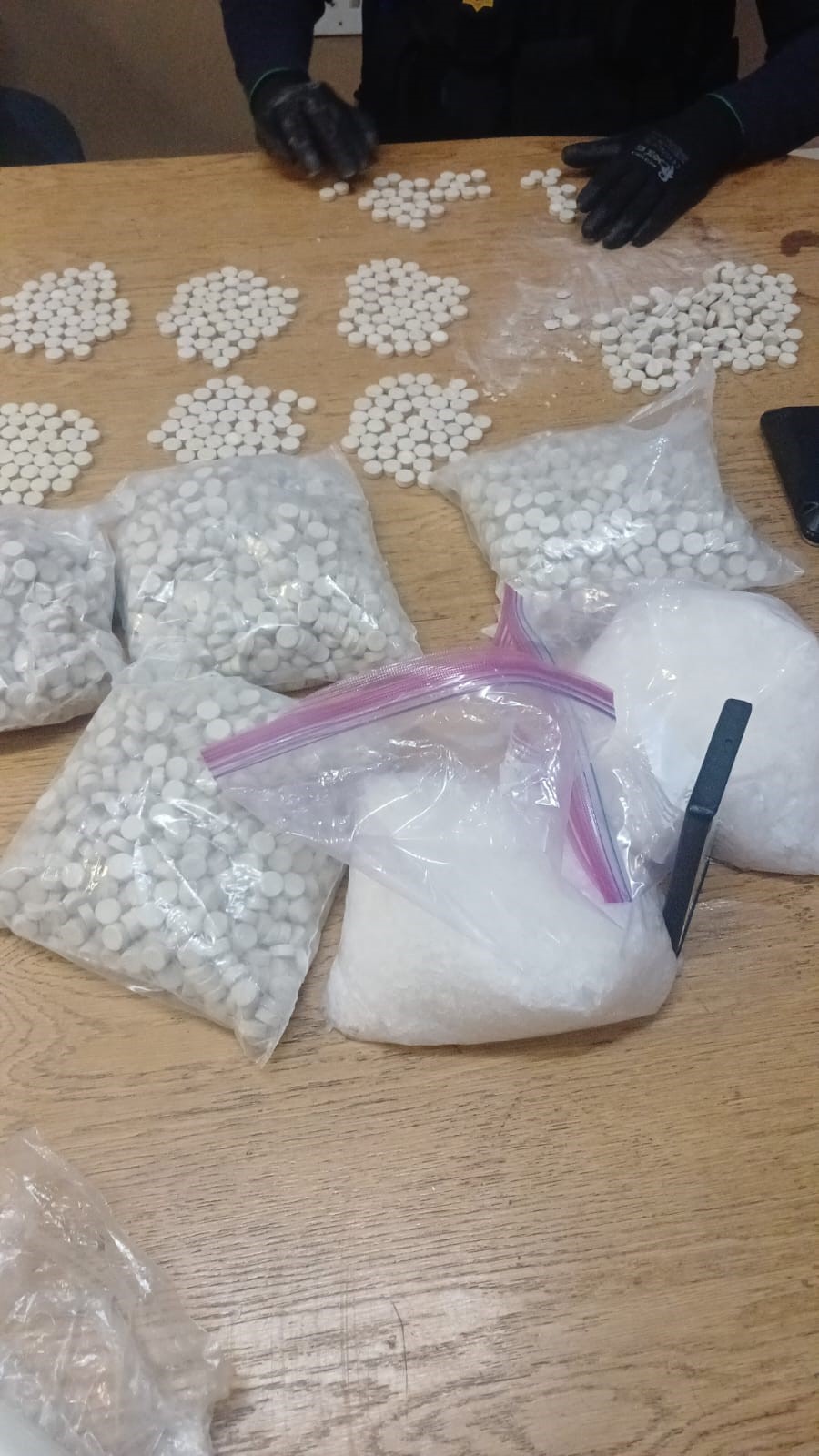
The vehicle fitting the description was searched at Grand Central where the members found 4258 mandrax tablets and two one-kilogram bags containing crystal meth. They arrested an adult male for the possession of drugs. The estimated street value of the drugs is R39 000

In an unrelated matter, members of the Tactical Response Team searched a premises in Samson Street, Belhar, where they found a large amount of dagga, comprising of sweets, brownies, gummies, lollipops, and containers containing dagga. A 32-year-old male was arrested for the possession of dagga.

The suspects will appear in the Wynberg and Bellville Magistrates’ Courts today.

Summer season likely to bring above average rainfall

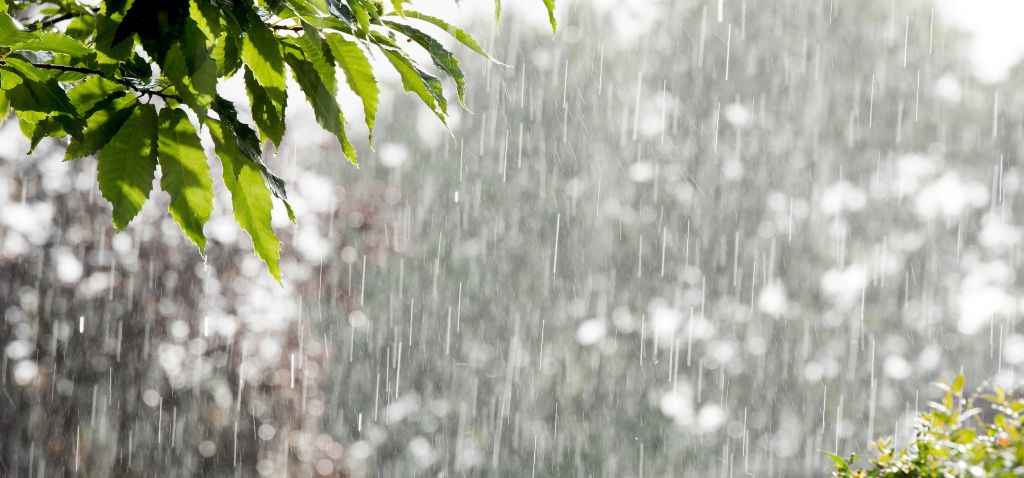
The South African Weather Service’s (SAWS) seasonal forecast reveals that the forthcoming summer season will mostly be hotter than normal with rainfall patterns that is likely to favor above-normal rainfall over the summer rainfall areas. These conditions could pose public health risks and the occurrence of natural disasters, especially flooding.

The EL Niño-Southern Oscillation (ENSO) is in a neutral state, with rapid cooling experienced in the last month which could result in a weak La Niña event within the next month if current predictions hold true.

For South Africa, this translates into generally favourable rainfall conditions for the summer rainfall areas in the North-Eastern parts of the country, and as mentioned above, is expected to increase the likelihood of flooding during summer.

Predictions indicate that the North West, parts of the Free State, KwaZulu-Natal, and parts of the Eastern Cape, will receive above normal rainfall which will likely benefit water reservoirs. However, measures such as establishing proper drainage systems, must be taken to safeguard against floods.

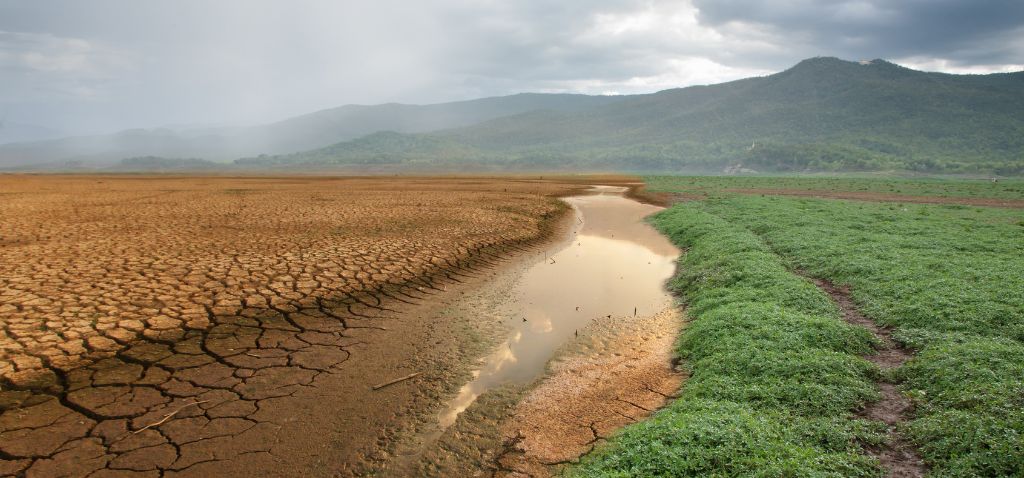
Without proactive measures in anticipation of impending above average rainfall, we are likely to see drownings, injuries and hypothermia. Unfortunately for parts of Mpumalanga and Limpopo Provinces, predictions indicate below average rainfall patterns which could exacerbate existing drought conditions in these areas. Farmers are encouraged to implement soil and water conservation measures, proper harvesting and storage techniques and proper drainage systems to mitigate these impacts.

In addition to the rainfall, the seasonal forecast anticipates above normal minimum and maximum temperatures across the country, with exceptions in the southwestern coastal areas which will be below normal.

The latter impacts cities mostly in the Northen Cape and parts of the Western Cape, while the increased minimum and maximum temperatures will be the status quo throughout the rest of the country. This means that measures must be taken to mitigate the risk of heat-related illnesses which cause harm to human health and accelerate the growth of foodborne pathogens.

Though summer is a welcome respite from winter, the SAWS would like to remind fellow South Africans that increased warming across the globe requires that everyone proactive measures to protect themselves on hot days and avoid exposure to flood prone areas where drainage is insufficient.

SA Harvest expands greenhouse network to build climate-resilient communities

SA Harvest has announced a significant milestone in its long-term strategy to build a climate- resilient, community-driven food system: the completion of three greenhouses in Cape Town, Gqeberha, and rural Eastern Cape.

These projects form the backbone of a replicable model for systemic sustainability - one that integrates nutrition, education, and economic inclusion into local food ecosystems.

Launched as part of SA Harvest’s mission to move beyond food rescue and tackle the root causes of hunger, the greenhouse initiative demonstrates how localised production can foster food sovereignty in structurally food-insecure communities.

The greenhouses utilise Fresh Life Produce’s African Grower vertical hybrid-hydroponic growing system, which was designed to enable individuals across South Africa to cultivate their own vegetables on minimal land and thereby to foster self-sufficiency. Taking the concept a step further, each of SA Harvest’s greenhouses is strategically positioned alongside an Early Childhood Development (ECD) centre, enabling measurable nutritional outcomes, early education integration, and community ownership.

The pilot site at Tehillah Community Collaborative’s ECD in Elsie’s River, Cape Town, which was made possible through a generous grant from the Maria Marina Foundation, has flourished since inception.

“This project has been characterised by abundant harvest, community engagement, and data-led impact tracking, demonstrating what’s possible when infrastructure and dignity align,” says Ozzy Nel, COO of SA Harvest. “It’s a proof of concept for how food production can be embedded in early learning and long term development.”

The second greenhouse, completed in partnership with Missionvale Care Centre in Gqeberha, extends this model into the Eastern Cape. Missionvale has been a key beneficiary since July 2024, preparing meals and distributing food with SA Harvest.
The greenhouse at Missionvale has since become a valuable case study in adaptive design, and lessons learned have shaped improvements to future builds, including enhanced climate resilience features.

Commenting on how the greenhouse has impacted on the community, Missionvale Care Centre’s Linda van Oudheusden, says, “The greenhouse has had an immediate impact on 50 chronically ill patients who now receive fresh vegetables essential for taking their medication. You can’t take treatment on an empty stomach. Beyond that, we’ve trained seven unemployed youth in vertical farming - a skill they’ll carry for life - and we hope to grow the project into a sustainable income stream for the centre. In these tough economic times, it’s vital that we are part of the solution. Our enormous gratitude to SA Harvest and the SA Growers Association for this initiative, which has included specialised training for all our people. It’s an incredible journey with SA Harvest that is making a positive difference all over the country.”

“This initiative isn’t just about growing food - it’s about building systems that endure disruption,” says Nel. “What began in Cape Town is now evolving into a nationally relevant model of resilience.”

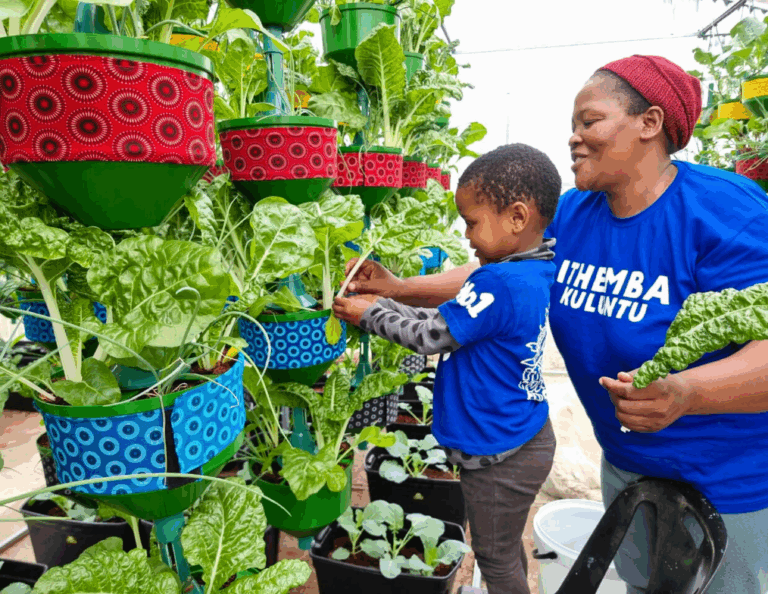
That evolution continues with SA Harvest’s third greenhouse at iThemba Kuluntu, a grassroots organisation in Pondoland led by community leaders TJ and Anke Hannemann. Through SA Harvest’s long-standing relationship with FNB, whose ECD initiatives have positively impacted over 1,200 centres and over 72,000 children, iThemba Kuluntu now hosts a fully equipped ECD centre where more than 40 women have been trained as early childhood practitioners.

Additional funding from philanthropists Vinny and Charlene Lingham, through The Lingham Foundation, will enable the build of a new community centre, further embedding local development. iThemba Kuluntu will also serve as SA Harvest’s official feeding partner in the Pondoland region.

The greenhouse brought together insights from both Tehillah and Missionvale: climate-smart design, integrated nutrition support, deep local ownership, and sustainability embedded into every layer.

“What sets these greenhouses apart isn’t just the fresh produce they deliver - it’s the learning they enable,” says Ozzy Nel, COO of SA Harvest. “We’re helping young people understand the value of nutrition and where their food comes from - laying the foundation for long-term change. At iThemba Kuluntu, for example, we’ve added solar and water tanks to power the ECD centre in an area that’s extremely remote. And we’ve learnt a lot along the way; for example, rather than utilising traditional tunnel structures for the greenhouses, we designed them with a pitched steel frame to harvest rainwater and a polycarbonate roof that’s incredibly durable.”

These projects are part of SA Harvest’s broader mission to transform South Africa’s food system - from a fragmented supply chain of waste and hunger to a regenerative, circular model that works for both people and planet. By rescuing surplus food and distributing it through a tech- enabled logistics network to over 240 vetted community partners at no cost, SA Harvest is proving that food security is not a charitable act, but a systems challenge with a systems solution.

Since 2019, SA Harvest has rescued more than 24 million kilograms of food, prevented over 38 100 345 kilograms of CO₂e emissions, and delivered upwards of 94 million meals. The greenhouse initiative represents the next frontier in that mission: rooted in resilience, driven by data, and grounded in community.

For more information, visit www.saharvest.org

About SA Harvest
SA Harvest is South Africa's fastest-growing food rescue organisation, transforming food security and environmental sustainability through strategic supply-chain innovation. To date, SA Harvest has distributed over 94 million meals, significantly reducing greenhouse gas emissions, food waste, and plastic pollution by diverting surplus food away from landfills. Join SA Harvest’s mission at www.saharvest.org
error:
Scroll to Top