
An extensive sea, air, and shoreline search for missing local kite-boarder Graham Howes, 38, from Bloubergstrand ended in tragedy after his body was recovered.
Howes, an experienced kite-boarder, was reported missing after he was last seen around 1pm on Sunday offshore of Eden on the Bay. He was wearing a black wetsuit and riding a blue and black kite-board with a white sail featuring red writing. Family reported him missing after he failed to return as expected by late afternoon.
"During Monday morning the kite-surf sail and kite-surf board were located and recovered at sea where later in the day the body of Graham Howes was located and recovered at sea in the search area by the crew of a local motor yacht that had also joined in the extensive search efforts. The body of the deceased man has been taken into the care of Police and Government Health Forensic Pathology Services," the NSRI reports.
The search effort by the NSRI has drawn support from the Blouberg and Melkbosstrand communities, including coast watchers, neighbourhood watches, and fellow kite-boarders. Authorities involved include the CoCT Water Rescue Network, Police Water Policing and Diving Services, Police Sea Borderline Control, and CoCT Law Enforcement. Environmental officers at Robben Island, Telkom Maritime Radio Services, the Maritime Rescue Coordination Centre, and Transnet National Ports Authority also assisted.
"The extensive efforts by all involved in this incredible effort that has helped the family with closure is commended," Craig Lambinon of the NSRI said in a statement.
Category: News
More than 40 000 streetlight repairs in CT

Over winter when inclement weather often increases the risk of electricity streetlight outages in particular, and electricity faults in general, the City’s energy teams attended to more than 41 000 streetlight requests.
Over the same period between May and August, teams completed more than 130 600 total electricity-related service requests.
Over the warmer months, except where there are periods of extreme wind speeds, weather-related service requests typically decrease but often damage from vandalism, theft and illegal connections increase.
'We’re finishing up our winter wrap of electricity-related service requests. Our work is concluding on a strong note with more than 8 602 streetlight requests resolved in August alone and just under 30 000 overall electricity-related requests resolved.
Over the winter period City energy teams attended to more than 41 000 streetlight requests and over the same period, teams completed more than 130 600 total electricity-related service requests. Over the warmer months, except where there are periods of extreme wind speeds, weather-related faults typically decrease but often damage from vandalism, theft and illegal connections remain a challenge.
‘Damage from vandalism, theft and illegal connections remain our biggest threat to our mission of safer and brighter communities. We will also continue to visit areas across the metro to drive our Protect Your Power campaign message. A lot of our electrical infrastructure such as cables, streetlights, transformers, kiosks, substations and others, are in our neighbourhoods and if we all stand together to report suspicious activity immediately, we can bring to justice those behind these infrastructure crimes. Damage from vandalism, theft, and illegal connections is often extensive, leading to longer repair times as entire grids and power infrastructure may be affected or require replacement.
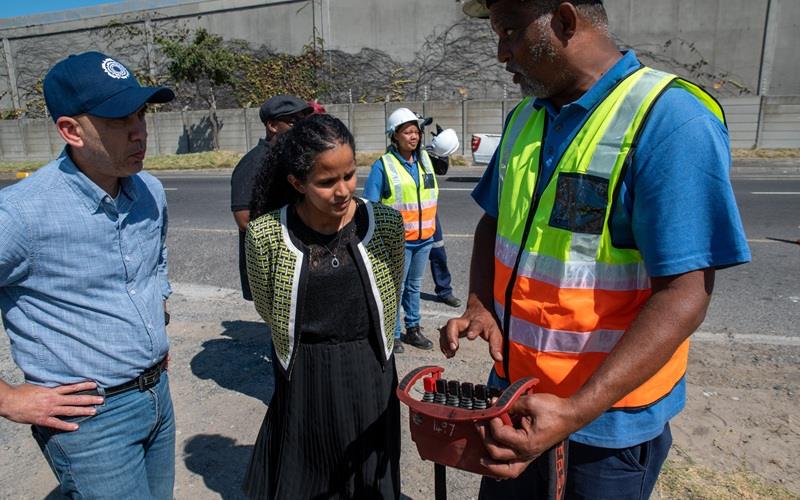
‘Our energy and law enforcement teams continue to be visible in all hotpot areas and we ask our residents to alert us to any suspicious activities in their neighbourhoods so that law enforcement agencies can respond swiftly and the criminals can be brought to book,' said the City’s Mayoral Committee Member for Energy, Alderman Xanthea Limberg.
The City maintains more than 245 000 streetlights across the metro.
Over the same period between May and August, teams completed more than 130 600 total electricity-related service requests.
Over the warmer months, except where there are periods of extreme wind speeds, weather-related service requests typically decrease but often damage from vandalism, theft and illegal connections increase.
'We’re finishing up our winter wrap of electricity-related service requests. Our work is concluding on a strong note with more than 8 602 streetlight requests resolved in August alone and just under 30 000 overall electricity-related requests resolved.
Over the winter period City energy teams attended to more than 41 000 streetlight requests and over the same period, teams completed more than 130 600 total electricity-related service requests. Over the warmer months, except where there are periods of extreme wind speeds, weather-related faults typically decrease but often damage from vandalism, theft and illegal connections remain a challenge.
‘Damage from vandalism, theft and illegal connections remain our biggest threat to our mission of safer and brighter communities. We will also continue to visit areas across the metro to drive our Protect Your Power campaign message. A lot of our electrical infrastructure such as cables, streetlights, transformers, kiosks, substations and others, are in our neighbourhoods and if we all stand together to report suspicious activity immediately, we can bring to justice those behind these infrastructure crimes. Damage from vandalism, theft, and illegal connections is often extensive, leading to longer repair times as entire grids and power infrastructure may be affected or require replacement.
‘Our energy and law enforcement teams continue to be visible in all hotpot areas and we ask our residents to alert us to any suspicious activities in their neighbourhoods so that law enforcement agencies can respond swiftly and the criminals can be brought to book,' said the City’s Mayoral Committee Member for Energy, Alderman Xanthea Limberg.
The City maintains more than 245 000 streetlights across the metro.

Good News! Eskom forecasts loadshedding-free Summer

South Africans can look forward to a load shedding-free summer season with Eskom announcing that it does not forecast the implementation of the rolling power cuts from this month to the end of March next year.
This after the power utility supplied electricity to South Africans for 97% of the winter period with only 26 hours of load shedding recorded over four evenings during that period.
“Eskom’s Summer Outlook for 1 September 2025 to 31 March 2026, forecasts no load shedding – a recovery from last summer’s 13 days of load shedding, when electricity was supplied 96% of the time due to delayed unit returns from planned maintenance.
“This summer represents an even greater improvement compared with the 176 days of load shedding during the 2023/24 summer, when electricity was available only 17% of the time,” the power utility said in a statement on Friday.
Compared to last summer, approximately 4000MW (Megawatt) of extra capacity has been added to meet demand.
Eskom Chief Group Executive, Dan Marokane, praised staff at the power utility for their efforts to ensure that the lights are kept on.
“This positive projected load shedding-free Summer Outlook is the result of the progress achieved through the expertise and dedication of the Eskom Guardians over the past three years and the associated support from the government-led initiatives.
“It shows that our strategy is delivering on our commitment to energy security, supporting the country’s socio-economic programmes, and positioning Eskom as an investable, sustainable company ready to compete in the marketplace.
“The structural shift in the performance of the generation fleet has, at the same time, delivered cost efficiencies, with savings in diesel spend of approximately R16 billion in the last financial year alone. We are currently increasing our focus and capacity to drive further efficiencies across Eskom,” Marokane said.
Speaking during a media briefing at Megawatt Park on Friday, Energy and Electricity Minister Kgosientsho Ramokgopa said: “We are no longer within touching distance…we are touching it, the end of load shedding. We are close to that.
“We are very bullish about the outlook. This comes from the fact that these [Eskom] men and women have done a remarkable job of turning this organisation around,” he said.
He added that although the light at the end of the tunnel shines brightly, there are “other fronts” that are appearing including load reduction.
“There are households that are experiencing load reduction. We have just finalised and are polishing our strategy on ending load reduction. We know that from an Eskom side, it accounts for 549MW. If you put that into context, is that we are generating far more than what the demand.
“I am making that point to drive home the point that load reduction is not load shedding in another guise. It is a downstream isolated infrastructure challenge as a result of non-technical losses and the overload on the network.
“We are finalising that. I’ll be announcing that to the country in the next two weeks on how we are ending load reduction,” Ramokgopa said.
This after the power utility supplied electricity to South Africans for 97% of the winter period with only 26 hours of load shedding recorded over four evenings during that period.
“Eskom’s Summer Outlook for 1 September 2025 to 31 March 2026, forecasts no load shedding – a recovery from last summer’s 13 days of load shedding, when electricity was supplied 96% of the time due to delayed unit returns from planned maintenance.
“This summer represents an even greater improvement compared with the 176 days of load shedding during the 2023/24 summer, when electricity was available only 17% of the time,” the power utility said in a statement on Friday.
Compared to last summer, approximately 4000MW (Megawatt) of extra capacity has been added to meet demand.
Eskom Chief Group Executive, Dan Marokane, praised staff at the power utility for their efforts to ensure that the lights are kept on.
“This positive projected load shedding-free Summer Outlook is the result of the progress achieved through the expertise and dedication of the Eskom Guardians over the past three years and the associated support from the government-led initiatives.
“It shows that our strategy is delivering on our commitment to energy security, supporting the country’s socio-economic programmes, and positioning Eskom as an investable, sustainable company ready to compete in the marketplace.
“The structural shift in the performance of the generation fleet has, at the same time, delivered cost efficiencies, with savings in diesel spend of approximately R16 billion in the last financial year alone. We are currently increasing our focus and capacity to drive further efficiencies across Eskom,” Marokane said.
Speaking during a media briefing at Megawatt Park on Friday, Energy and Electricity Minister Kgosientsho Ramokgopa said: “We are no longer within touching distance…we are touching it, the end of load shedding. We are close to that.
“We are very bullish about the outlook. This comes from the fact that these [Eskom] men and women have done a remarkable job of turning this organisation around,” he said.
He added that although the light at the end of the tunnel shines brightly, there are “other fronts” that are appearing including load reduction.
“There are households that are experiencing load reduction. We have just finalised and are polishing our strategy on ending load reduction. We know that from an Eskom side, it accounts for 549MW. If you put that into context, is that we are generating far more than what the demand.
“I am making that point to drive home the point that load reduction is not load shedding in another guise. It is a downstream isolated infrastructure challenge as a result of non-technical losses and the overload on the network.
“We are finalising that. I’ll be announcing that to the country in the next two weeks on how we are ending load reduction,” Ramokgopa said.
SARS makes R56m cocaine bust in KZN

The South African Revenue Service (SARS) has made a cocaine bust of some R56 million after a vessel was intercepted off the east coast of Durban.
According to the revenue service, the bust was as a result of a collaborative intelligence-driven operation.
“A Customs Marine Patrol vessel intercepted a cargo ship near the Fairway Bouy at outer anchorage approximately 4 nautical miles off the east coast of Durban and escorted it to its berth in the harbour.
Customs enforcement officers boarded the vessel and located a number of containers identified prior to the arrival of the vessel as posing a potential risk for smuggling.
“The inspection resulted in the discovery of 25 large bricks of suspected cocaine hidden in the refrigeration units of several containers. A field drug test was conducted and positively identified the goods as cocaine of a very high quality suitable for further dilution and expansion into larger volumes for illicit distribution,” SARS said.
The goods have been seized and handed over to the South African Police Service (SAPS) for “further safe keeping, investigation and prosecution”.
SARS Commissioner Edward Kieswetter said the bust came is as a result of collaboration with Brazilian counterparts.
“It is such collaboration that communicates concrete cooperation within BRICS countries that deal a heavy blow against organised crime syndicates. This achievement also signals that the efforts by all law enforcement agencies in our county are taking on the challenge of protecting our borders,” Kieswetter said.
According to the revenue service, the bust was as a result of a collaborative intelligence-driven operation.
“A Customs Marine Patrol vessel intercepted a cargo ship near the Fairway Bouy at outer anchorage approximately 4 nautical miles off the east coast of Durban and escorted it to its berth in the harbour.
Customs enforcement officers boarded the vessel and located a number of containers identified prior to the arrival of the vessel as posing a potential risk for smuggling.
“The inspection resulted in the discovery of 25 large bricks of suspected cocaine hidden in the refrigeration units of several containers. A field drug test was conducted and positively identified the goods as cocaine of a very high quality suitable for further dilution and expansion into larger volumes for illicit distribution,” SARS said.
The goods have been seized and handed over to the South African Police Service (SAPS) for “further safe keeping, investigation and prosecution”.
SARS Commissioner Edward Kieswetter said the bust came is as a result of collaboration with Brazilian counterparts.
“It is such collaboration that communicates concrete cooperation within BRICS countries that deal a heavy blow against organised crime syndicates. This achievement also signals that the efforts by all law enforcement agencies in our county are taking on the challenge of protecting our borders,” Kieswetter said.
Police recover R3 million worth of copper cable belonging to Transnet

Transnet has welcomed the arrest of five suspects for allegedly being in possession of copper cable worth approximately R3 million at an unregistered scrapyard in Gauteng.
The arrest followed an intelligence-driven operation by a multidisciplinary team, which led them to a scrapyard in De Deur.
The team discovered large quantities of copper cable and seized homemade stoves, reportedly used to burn the copper. Preliminary investigations further established that the copper cable belonged to Transnet.
The five suspects will soon appear before the Vanderbijlpark Magistrate's Court on charges of possession of stolen infrastructure, dealing with second hand goods without a license and contravening the Immigration Act
In a seperate incident, 21 individuals suspected of critical infrastructure theft with an estimated value of about R350 000 were arrested on Monday at a Transnet depot in Swartkops, Gqeberha.
The suspects were found in possession of several bags filled with copper bus bars, transformers, electrical switches, copper cables and electrical cables.
When Transnet security personnel at the depot spotted trespassers on the premises, they alerted the South African Police Service (SAPS).
The Transnet Group Chief Executive, Michelle Phillips, applauded these arrests as a demonstration of the success of the collaboration between Transnet security personnel and law enforcement agencies.
“Our work is beginning to make serious inroads in dismantling the destructive criminal syndicates targeting essential infrastructure. We will continue to focus on fighting crimes which are responsible for the destruction of our essential infrastructure,” Phillips said on Thursday.
Meanwhile, Transnet also welcomed the successful conviction and sentencing of three cable theft criminals.
These convicts were prosecuted and sentenced by the Molteno Regional Court in the Eastern Cape on 27 August 2025, for theft of copper cables, possession of stolen copper, and contravention of the Immigration Act.
The case was linked to an incident that occurred in December 2021, when police and Transnet Rail Infrastructure Manager (TRIM) security received intelligence-driven information regarding vehicles transporting stolen copper cable theft in the Stormberg area.
The court handed down sentences of 15 years of jail time for the theft and possession of copper cables and a further three months imprisonment for breach of the Immigration Act to each of the suspects.
The investigation was led by the Komani-based Serious Organised Crime Investigation (SOCI) of the Hawks.
Transnet said these successes illustrate the impact of collaboration with SAPS, the National Prosecuting Authority (NPA), State Security Agency (SSA), Eskom, Passenger Rail Agency of South Africa (PRASA), and other state entities, including the Department of Justice and Constitutional Development.
The arrest followed an intelligence-driven operation by a multidisciplinary team, which led them to a scrapyard in De Deur.
The team discovered large quantities of copper cable and seized homemade stoves, reportedly used to burn the copper. Preliminary investigations further established that the copper cable belonged to Transnet.
The five suspects will soon appear before the Vanderbijlpark Magistrate's Court on charges of possession of stolen infrastructure, dealing with second hand goods without a license and contravening the Immigration Act
In a seperate incident, 21 individuals suspected of critical infrastructure theft with an estimated value of about R350 000 were arrested on Monday at a Transnet depot in Swartkops, Gqeberha.
The suspects were found in possession of several bags filled with copper bus bars, transformers, electrical switches, copper cables and electrical cables.
When Transnet security personnel at the depot spotted trespassers on the premises, they alerted the South African Police Service (SAPS).
The Transnet Group Chief Executive, Michelle Phillips, applauded these arrests as a demonstration of the success of the collaboration between Transnet security personnel and law enforcement agencies.
“Our work is beginning to make serious inroads in dismantling the destructive criminal syndicates targeting essential infrastructure. We will continue to focus on fighting crimes which are responsible for the destruction of our essential infrastructure,” Phillips said on Thursday.
Meanwhile, Transnet also welcomed the successful conviction and sentencing of three cable theft criminals.
These convicts were prosecuted and sentenced by the Molteno Regional Court in the Eastern Cape on 27 August 2025, for theft of copper cables, possession of stolen copper, and contravention of the Immigration Act.
The case was linked to an incident that occurred in December 2021, when police and Transnet Rail Infrastructure Manager (TRIM) security received intelligence-driven information regarding vehicles transporting stolen copper cable theft in the Stormberg area.
The court handed down sentences of 15 years of jail time for the theft and possession of copper cables and a further three months imprisonment for breach of the Immigration Act to each of the suspects.
The investigation was led by the Komani-based Serious Organised Crime Investigation (SOCI) of the Hawks.
Transnet said these successes illustrate the impact of collaboration with SAPS, the National Prosecuting Authority (NPA), State Security Agency (SSA), Eskom, Passenger Rail Agency of South Africa (PRASA), and other state entities, including the Department of Justice and Constitutional Development.
Humpback Whale Freed After 4-Hour Rescue Operation Off Gqeberha

A dramatic rescue unfolded off the coast of Cape Recife when a humpback whale, entangled in fishing rope, was freed after a complex four-hour operation involving the National Sea Rescue Institute (NSRI) and the South African Whale Disentanglement Network (SAWDN).
The alarm was raised on Tuesday morning when the fishing vessel Louisa-Claire reported the sighting of a whale trapped in rope and anchored to the seabed about 15 nautical miles south of Cape Recife. The vessel remained on the scene to guide rescuers.
NSRI Gqeberha dispatched two rescue craft, Bay Guardian and Eddie Beaumont II, carrying trained SAWDN volunteers, specialised disentanglement gear, and cutting equipment. On arrival, rescuers found the whale’s fluke and caudal peduncle wrapped tightly in rope, with a buoy trailing behind.
The operation was complicated by the presence of several other humpback whales, believed to be companions of the distressed animal, which repeatedly swam close to the rescue craft. At one stage, five orcas also appeared, but were chased away by the humpback whales.
“Despite extremely difficult conditions and equipment losses during the operation, our team managed to make several cuts to the entangled ropes until the whale was fully freed. The animal remained strong and healthy throughout and swam off once the last line was removed," Kevin Warren, NSRI Gqeberha coxswain, said.
All recovered rope and buoys were secured for disposal.
The NSRI praised the skipper and crew of the Louisa-Claire for their quick action and vital assistance.
The alarm was raised on Tuesday morning when the fishing vessel Louisa-Claire reported the sighting of a whale trapped in rope and anchored to the seabed about 15 nautical miles south of Cape Recife. The vessel remained on the scene to guide rescuers.
NSRI Gqeberha dispatched two rescue craft, Bay Guardian and Eddie Beaumont II, carrying trained SAWDN volunteers, specialised disentanglement gear, and cutting equipment. On arrival, rescuers found the whale’s fluke and caudal peduncle wrapped tightly in rope, with a buoy trailing behind.
The operation was complicated by the presence of several other humpback whales, believed to be companions of the distressed animal, which repeatedly swam close to the rescue craft. At one stage, five orcas also appeared, but were chased away by the humpback whales.
“Despite extremely difficult conditions and equipment losses during the operation, our team managed to make several cuts to the entangled ropes until the whale was fully freed. The animal remained strong and healthy throughout and swam off once the last line was removed," Kevin Warren, NSRI Gqeberha coxswain, said.
All recovered rope and buoys were secured for disposal.
The NSRI praised the skipper and crew of the Louisa-Claire for their quick action and vital assistance.
Red flags as motorists ignore red lights

Cape Town - In the past financial year, the Traffic Service recorded a 49% increase in motorists caught on camera, disregarding red lights. Other categories linked to driver behaviour too showed concerning increases.
'Road safety starts with decisions made by road users. If you speed, there is a chance that you can lose control of your vehicle. An overloaded vehicle or not wearing seatbelts puts occupants at risk. Ignore a red light and there is a chance you can cause a collision or hit a pedestrian.
Similarly, jaywalking or walking while inebriated can put pedestrians in harm's way. Despite these very real risks, and the thousands of incidents on our roads every month, the annual traffic statistics continue to point in the wrong direction,' said Mayoral Committee Member for Safety and Security, Alderman JP Smith.
The Traffic Service recorded more than 2,7 million offences between July 2024 and June 2025.
Speeding remains a common thread (1 840 601 offences), but traffic officers also recorded an increase in transgressions in a number of other categories, including:
49% increase in motorists 'jumping' red lights
30,3% increase in driving offences
15,1% increase in overloading
Officers also made 2 272 arrests - 1 638 for drunk driving (72%), 259 for reckless and negligent driving (11%) and 375 (17%) for various other transgressions including murder, possession of stolen goods, providing false information and robbery.
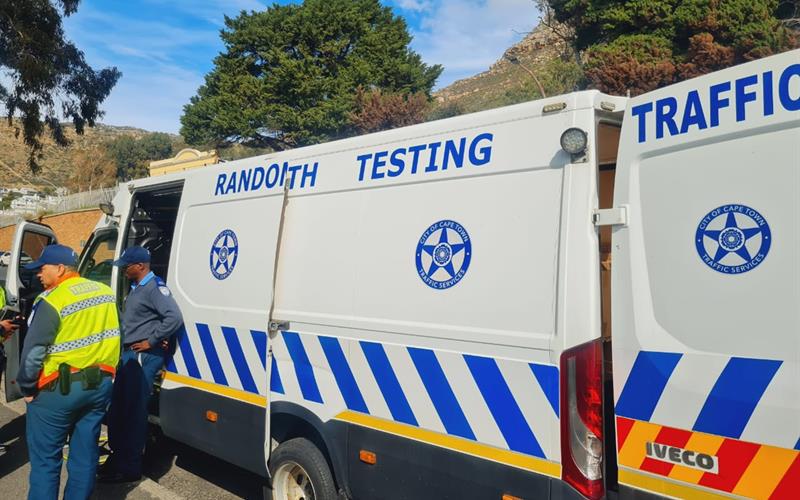
The Traffic Service pound recorded 12 224 impoundments in the last year, between City and Provincial Traffic Services, of minibus taxis, e-hailing vehicles, amaphela and buses.'Traffic enforcement is a highly contentious and emotive issue, and the biggest critics are often the biggest culprits.
The argument about soft targets is old and frankly disrespectful to anyone who has experienced the tragic consequences that flow from the many transgressions on our roads. The fact is that too many people are far too comfortable breaking the law, until they are held to account or until their actions cause harm to themselves or others.
Our enforcement services are doing the work, as the millions of transgressions attest, but we have limited resources, and if we're honest, much of what we deal with is the result of a lack of personal accountability,’ said Alderman Smith.
In the past year, the Traffic Service has towed away 952 vehicles - a 61,4% increase compared to the previous year.
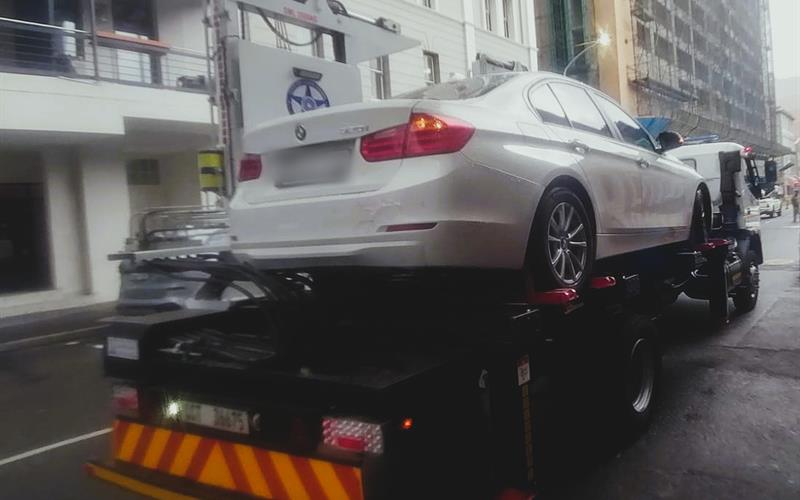
Vehicles can be towed and impounded for parking illegally, causing an obstruction to the safe passage of other road users, or if it has been abandoned, i.e. left on a public road in a manner that creates a danger or obstruction to traffic, or if it's left in a metered parking space, parking ground, or garage for a continuous period of seven days or more.
The towing fleet includes the vertical lift truck that was launched earlier this year.
The truck has already notched up nearly 50 tows in its first few months.
'Road safety starts with decisions made by road users. If you speed, there is a chance that you can lose control of your vehicle. An overloaded vehicle or not wearing seatbelts puts occupants at risk. Ignore a red light and there is a chance you can cause a collision or hit a pedestrian.
Similarly, jaywalking or walking while inebriated can put pedestrians in harm's way. Despite these very real risks, and the thousands of incidents on our roads every month, the annual traffic statistics continue to point in the wrong direction,' said Mayoral Committee Member for Safety and Security, Alderman JP Smith.
The Traffic Service recorded more than 2,7 million offences between July 2024 and June 2025.
Speeding remains a common thread (1 840 601 offences), but traffic officers also recorded an increase in transgressions in a number of other categories, including:
49% increase in motorists 'jumping' red lights
30,3% increase in driving offences
15,1% increase in overloading
Officers also made 2 272 arrests - 1 638 for drunk driving (72%), 259 for reckless and negligent driving (11%) and 375 (17%) for various other transgressions including murder, possession of stolen goods, providing false information and robbery.
The Traffic Service pound recorded 12 224 impoundments in the last year, between City and Provincial Traffic Services, of minibus taxis, e-hailing vehicles, amaphela and buses.'Traffic enforcement is a highly contentious and emotive issue, and the biggest critics are often the biggest culprits.
The argument about soft targets is old and frankly disrespectful to anyone who has experienced the tragic consequences that flow from the many transgressions on our roads. The fact is that too many people are far too comfortable breaking the law, until they are held to account or until their actions cause harm to themselves or others.
Our enforcement services are doing the work, as the millions of transgressions attest, but we have limited resources, and if we're honest, much of what we deal with is the result of a lack of personal accountability,’ said Alderman Smith.
In the past year, the Traffic Service has towed away 952 vehicles - a 61,4% increase compared to the previous year.
Vehicles can be towed and impounded for parking illegally, causing an obstruction to the safe passage of other road users, or if it has been abandoned, i.e. left on a public road in a manner that creates a danger or obstruction to traffic, or if it's left in a metered parking space, parking ground, or garage for a continuous period of seven days or more.
The towing fleet includes the vertical lift truck that was launched earlier this year.
The truck has already notched up nearly 50 tows in its first few months.
Good news for petrol and diesel users

All grades of petrol and diesel will be cheaper from tomorrow (Wednesday 3 September 2025), with the wholesale price of diesel dropping by 56c or 57c per litre, depending on sulphur content.
The drop does not undo the combined increases of July and August, but diesel remains cheaper than a year ago, contributing to the country’s current low inflation levels.
The wholesale price of diesel will be R18.61 per litre at the coast and R19.44 in Gauteng.
Petrol prices will fall by 4c per litre, with 95-octane petrol at R20.72 at the coast and R21.55 in Gauteng.
The retail price of paraffin decreases by 49c per litre, and LP gas drops by R1.32 per kilogram.
Lower international fuel prices drove the changes, with the slightly stronger rand adding 2c per litre.
The drop does not undo the combined increases of July and August, but diesel remains cheaper than a year ago, contributing to the country’s current low inflation levels.
The wholesale price of diesel will be R18.61 per litre at the coast and R19.44 in Gauteng.
Petrol prices will fall by 4c per litre, with 95-octane petrol at R20.72 at the coast and R21.55 in Gauteng.
The retail price of paraffin decreases by 49c per litre, and LP gas drops by R1.32 per kilogram.
Lower international fuel prices drove the changes, with the slightly stronger rand adding 2c per litre.

SANParks reopens hiking trail on Table Mountain
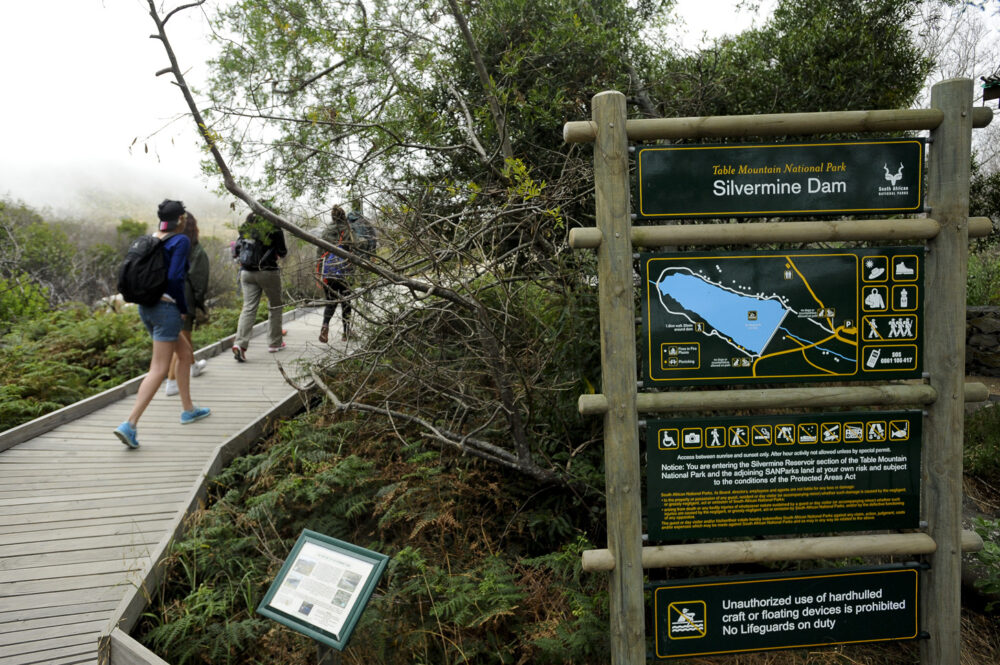
The South African National Parks (SANParks) has announced the second phase of the reopening of Silvermine Gate 1 and most of the trails in the Silvermine area on Table Mountain today.
This follows the successful reopening of Silvermine Gate 2 and areas of Tokai on 1 July after the fire in late April 2025 that affected approximately 2 800 hectares in the area.
Located in the central section of the Table Mountain National Park, Silvermine offers some of the best hikes in the park with beautiful fynbos landscapes.
“Upper Tokai will also reopen on 1 September 2025, including Levels 4 and 5, which were previously closed in July due to unstable terrain during the rainy season. However, a section of the road from the Silvermine boom gate to the junction of Level 4 and 5 will remain inaccessible to cyclists, as rehabilitation efforts are still ongoing,” SANParks said.
The Donkey Trail from Silvermine to Upper Tokai and the Level 1 and 2 Jeep tracks for horseback riders will remain closed until further notice due to severe rain damage.
Silvermine Gate 1, located on the western side of Ou Kaapse Weg, which includes the Silvermine Dam, the Elephant’s Eye trail and the Silvermine Riverwalk, will be officially open to the public.
“Maintenance work will continue in certain areas, including the construction of new ablution facilities.
Visitors will be able to make use of the ablution facilities located at the entrance gate and near the western side of the dam until the burnt facilities near the dam parking can be reconstructed. The uThango braai area will remain closed and is expected to reopen in December 2025, pending ongoing restoration of the infrastructure.
“Although some trails may seem visually unaffected, access is being restricted in specific areas to ensure user safety and support ecological restoration efforts. Public safety is our top priority,” SANParks said.
Therefore, all trail users are urged to strictly adhere to signage, area closures, and instructions from rangers.
Visitors must remain vigilant and stick to designated paths at all times.
“To ensure the safe reopening of these areas, SANParks is conducting Safety Awareness Campaigns as it welcomes visitors back. SANParks appreciates the public’s patience and cooperation as we work towards safely restoring access to these important areas.”
This follows the successful reopening of Silvermine Gate 2 and areas of Tokai on 1 July after the fire in late April 2025 that affected approximately 2 800 hectares in the area.
Located in the central section of the Table Mountain National Park, Silvermine offers some of the best hikes in the park with beautiful fynbos landscapes.
“Upper Tokai will also reopen on 1 September 2025, including Levels 4 and 5, which were previously closed in July due to unstable terrain during the rainy season. However, a section of the road from the Silvermine boom gate to the junction of Level 4 and 5 will remain inaccessible to cyclists, as rehabilitation efforts are still ongoing,” SANParks said.
The Donkey Trail from Silvermine to Upper Tokai and the Level 1 and 2 Jeep tracks for horseback riders will remain closed until further notice due to severe rain damage.
Silvermine Gate 1, located on the western side of Ou Kaapse Weg, which includes the Silvermine Dam, the Elephant’s Eye trail and the Silvermine Riverwalk, will be officially open to the public.
“Maintenance work will continue in certain areas, including the construction of new ablution facilities.
Visitors will be able to make use of the ablution facilities located at the entrance gate and near the western side of the dam until the burnt facilities near the dam parking can be reconstructed. The uThango braai area will remain closed and is expected to reopen in December 2025, pending ongoing restoration of the infrastructure.
“Although some trails may seem visually unaffected, access is being restricted in specific areas to ensure user safety and support ecological restoration efforts. Public safety is our top priority,” SANParks said.
Therefore, all trail users are urged to strictly adhere to signage, area closures, and instructions from rangers.
Visitors must remain vigilant and stick to designated paths at all times.
“To ensure the safe reopening of these areas, SANParks is conducting Safety Awareness Campaigns as it welcomes visitors back. SANParks appreciates the public’s patience and cooperation as we work towards safely restoring access to these important areas.”
eRadio Turns 5 and Celebrates with Exciting Birthday Competition

eRadio is proudly celebrating its 5th birthday, marking five years of being on air and online since its launch on 1 September 2020 by media entrepreneur, Eon Engelbrecht.
To mark the milestone, the station boasts a brand new website and has refreshed its line-up with more of what listeners love – including a bigger dose of 80s hits, a sprinkle of Afrikaans music, the addition of Afrikaans news, and an even wider variety of music to keep audiences entertained.
As part of the celebrations, eRadio is giving fans the chance to win exciting prizes through a special birthday competition. Staying true to the theme of “five,” prizes will range from R555 to a grand prize of R5 555.
“Reaching five years is a huge milestone for us, and we’re grateful to every listener and advertiser who has been part of the journey,” says Engelbrecht. “This competition is our way of giving back and celebrating together.”
For more information about the competition and how to enter, visit the eRadio Facebook Page.
To mark the milestone, the station boasts a brand new website and has refreshed its line-up with more of what listeners love – including a bigger dose of 80s hits, a sprinkle of Afrikaans music, the addition of Afrikaans news, and an even wider variety of music to keep audiences entertained.
As part of the celebrations, eRadio is giving fans the chance to win exciting prizes through a special birthday competition. Staying true to the theme of “five,” prizes will range from R555 to a grand prize of R5 555.
“Reaching five years is a huge milestone for us, and we’re grateful to every listener and advertiser who has been part of the journey,” says Engelbrecht. “This competition is our way of giving back and celebrating together.”
For more information about the competition and how to enter, visit the eRadio Facebook Page.
Competition Rules
eRadio SA competitions are open to all South Africans, unless otherwise stated. Competitions are not open to employees, agencies, prize sponsors or contractors of eRadio SA or any person directly or indirectly involved in the radio station or running of the competition, or their immediate family members.
By entering eRadio SA competitions, entrants agree to adhere to competition rules and regulations, details of which entrants declare themselves conversant with.
Entrants must be at least 18 years old, unless they have consent from their legal guardian.
Entrants may not enter on behalf of any other person.
Business entities (i.e companies) may not enter the competition. Only valid PERSONAL Facebook profiles may enter the competition.
Only ONE entry per person will be allowed. Multiple comments in the competition's comment section will NOT give you more entries.
No person may enter the same or any other competition hosted partly or in whole by eRadio within six months of winning the same or any other competition hosted by eRadio SA.
Winners use and accept prizes at their own risk. eRadio SA and prize sponsors cannot be held responsible for ANY accident, injury, or loss of property experienced as a result of winning, accepting and/or utilizing prizes won.
Prizes not collected/claimed within 3 months of being won will be disposed of at eRadio's discretion.
Entries after the competition closing time (30 September 2025) at 23:59 (SAST) will NOT be considered.
eRadio SA will not be held responsible for any late or missing entries as a result of network problems or any other technical problems that may arise on the Facebook (META) social media platform before or after closing time.
eRadio SA will not be held responsible for any loss or damage that may occur if a participant falls victim to an online scam where a fraudster is impersonating the radio station or competition. The ONLY way to enter this competition is via the official eRadio Facebook Page and original post. Please do not click on any other links as these may be scams.
eRadio SA will NEVER ask you for financial information or other personal details to enter.
eRadio SA may disqualify a transgressor for entry into any eRadio SA competitions, for a period deemed appropriate by Management.
eRadio SA reserves the right to verify your identity by requesting your South African Identification Document (ID).
eRadio SA and the prize sponsors reserve the right to cancel the competition at any time, if deemed necessary in their opinion, and if circumstances arise outside of their control and shall not be liable in anyway whatsoever to entrants in such event for any cause or action whatsoever.
Winners may be required to have their details (name, surname and location) disclosed and appear online.
eRadio SA reserves the right to alter rules or prizes at their own discretion. Such altered rules and prizes shall become effective immediately after being altered or on such date as may be determined by eRadio SA. No entrant shall have any recourse against eRadio SA as a result of the alterations of the rules or prizes.
eRadio SA will make every reasonable effort to deliver the prize described in the promotion's publicity, but cannot accept responsibility if the prize differs in whole or part from that advertised. Similarly, prize values quoted may differ from the actual value of the prize.
eRadio SA and the prize sponsors and establishments cannot guarantee certain dates for bookings. All bookings are subject to availability.
Winners are responsible for collecting their prizes and use their own transport to do so.
Prizes other than cash are not transferable, cannot be deferred or exchanged for cash and are not negotiable.
The announcement of a winner on air or social media does not constitute a ruling by station management that the winner has complied with the rules above.
eRadio SA may disqualify the entrant after the announcement should any rule transgressions be discovered.
Any violation or attempt to violate any of the above rules will result in the immediate disqualification of the entrant.
The judges' decision is final and no correspondence will be entered into.
Please allow 2-3 weeks for delivery/ arranging of prizes.*
eRadio SA competitions are open to all South Africans, unless otherwise stated. Competitions are not open to employees, agencies, prize sponsors or contractors of eRadio SA or any person directly or indirectly involved in the radio station or running of the competition, or their immediate family members.
By entering eRadio SA competitions, entrants agree to adhere to competition rules and regulations, details of which entrants declare themselves conversant with.
Entrants must be at least 18 years old, unless they have consent from their legal guardian.
Entrants may not enter on behalf of any other person.
Business entities (i.e companies) may not enter the competition. Only valid PERSONAL Facebook profiles may enter the competition.
Only ONE entry per person will be allowed. Multiple comments in the competition's comment section will NOT give you more entries.
No person may enter the same or any other competition hosted partly or in whole by eRadio within six months of winning the same or any other competition hosted by eRadio SA.
Winners use and accept prizes at their own risk. eRadio SA and prize sponsors cannot be held responsible for ANY accident, injury, or loss of property experienced as a result of winning, accepting and/or utilizing prizes won.
Prizes not collected/claimed within 3 months of being won will be disposed of at eRadio's discretion.
Entries after the competition closing time (30 September 2025) at 23:59 (SAST) will NOT be considered.
eRadio SA will not be held responsible for any late or missing entries as a result of network problems or any other technical problems that may arise on the Facebook (META) social media platform before or after closing time.
eRadio SA will not be held responsible for any loss or damage that may occur if a participant falls victim to an online scam where a fraudster is impersonating the radio station or competition. The ONLY way to enter this competition is via the official eRadio Facebook Page and original post. Please do not click on any other links as these may be scams.
eRadio SA will NEVER ask you for financial information or other personal details to enter.
eRadio SA may disqualify a transgressor for entry into any eRadio SA competitions, for a period deemed appropriate by Management.
eRadio SA reserves the right to verify your identity by requesting your South African Identification Document (ID).
eRadio SA and the prize sponsors reserve the right to cancel the competition at any time, if deemed necessary in their opinion, and if circumstances arise outside of their control and shall not be liable in anyway whatsoever to entrants in such event for any cause or action whatsoever.
Winners may be required to have their details (name, surname and location) disclosed and appear online.
eRadio SA reserves the right to alter rules or prizes at their own discretion. Such altered rules and prizes shall become effective immediately after being altered or on such date as may be determined by eRadio SA. No entrant shall have any recourse against eRadio SA as a result of the alterations of the rules or prizes.
eRadio SA will make every reasonable effort to deliver the prize described in the promotion's publicity, but cannot accept responsibility if the prize differs in whole or part from that advertised. Similarly, prize values quoted may differ from the actual value of the prize.
eRadio SA and the prize sponsors and establishments cannot guarantee certain dates for bookings. All bookings are subject to availability.
Winners are responsible for collecting their prizes and use their own transport to do so.
Prizes other than cash are not transferable, cannot be deferred or exchanged for cash and are not negotiable.
The announcement of a winner on air or social media does not constitute a ruling by station management that the winner has complied with the rules above.
eRadio SA may disqualify the entrant after the announcement should any rule transgressions be discovered.
Any violation or attempt to violate any of the above rules will result in the immediate disqualification of the entrant.
The judges' decision is final and no correspondence will be entered into.
Please allow 2-3 weeks for delivery/ arranging of prizes.*