As thousands of South Africans prepare to hit the road for the festive season, ensuring your vehicle is ready for the journey is one of the most important steps you can take to protect your family. Whether you’re driving to the coast, visiting relatives upcountry, or moving between holiday gatherings, long-distance trips place extra pressure on your car – and many of the breakdowns that occur on South African roads every Festive Season are entirely preventable.
According to Bhavish Vallabhjee, Product Manager at Engen, a few simple checks can mean the difference between a stress-free trip and hours stranded on the roadside. “You don’t need to be a technical expert to keep your car safe,” he says. “With a bit of preparation and the right products, you can avoid most mechanical issues that typically occur during the December rush.”
1. Start with Your Tyres
Tyres are one of the most common causes of holiday breakdowns, yet they remain one of the most overlooked components. Vallabhjee explains that tyre pressure changes significantly when a vehicle is fully loaded or towing, which is why it’s essential to check the manufacturer’s recommended pressure before you leave. Drivers should also take a moment to inspect tread depth, look for cracking or uneven wear, and ensure their spare tyre is in good condition and that they have the locknut key if the vehicle uses anti-theft wheel nuts. Rotating tyres at each service also extends their lifespan and promotes even wear.
2. Don’t Neglect the Heart of Your Engine: Your Oil
Engine oil is vital to your car’s health. As Vallabhjee puts it, “Oil doesn’t just lubricate – it cools and cleans your engine. Running low or using the wrong grade can cause severe and costly damage.” Before heading off on a long trip, motorists should check their oil levels and top up if necessary, then recheck after a few hundred kilometres. Oil should be replaced annually or at the service intervals recommended by the manufacturer, and it’s crucial to use the correct grade specified for the vehicle.
3. Why the Right Oil Matters
Not all engine oils are created equal. Vallabhjee emphasises that South Africa’s environment – with its heat, dust and varied terrain – places unique demands on vehicles. “Engen Xtreme oils are formulated specifically for local conditions,” he says. “Whether you drive an older model, a taxi or a modern vehicle, there’s an Engen Xtreme product suited to your engine.” He urges motorists to request their preferred oil brand when servicing their vehicles.
4. Check All Fluids – Not Just Oil
Several other fluids play a crucial role in vehicle safety and reliability. Coolant prevents overheating (especially important in hot, dry regions), brake fluid enables safe stopping distances, power steering fluid ensures smooth and responsive steering, and windscreen washer fluid improves visibility by removing insects and road grime. Vallabhjee recommends adding a small amount of liquid soap or specialised cleaner to the wash water to help clear stubborn debris from the windscreen.
5. Make the Most of Your Forecourt Stop
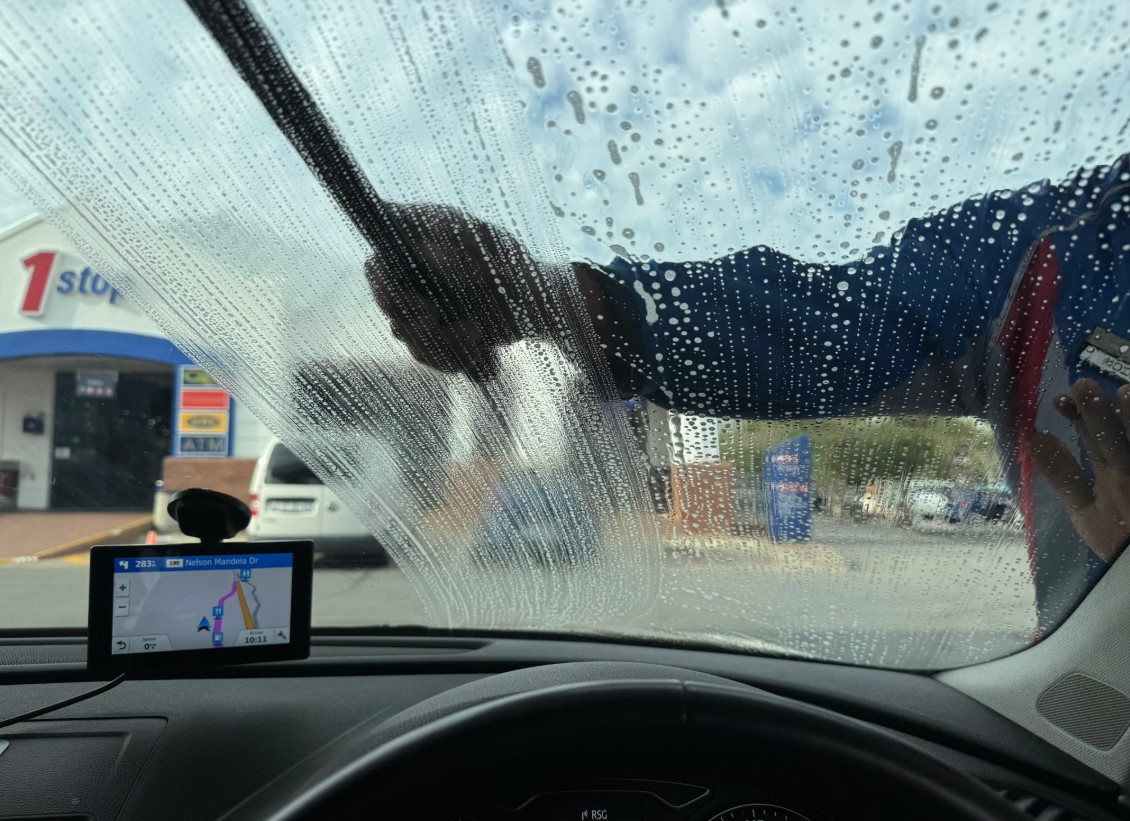
A quick stop at a service station can prevent major problems later. Engen forecourt staff are trained to help motorists with tyre pressure checks, wiper inspections, window cleaning, oil top-ups and windscreen wash refills. “Engen service stations are equipped to assist with these basic checks,” says Vallabhjee. “Take the time. It improves safety and could save you money in the long run.” He also reminds drivers to look after themselves: stay hydrated, take regular breaks, and grab a Brazmata coffee or snack to remain alert.
6. Fuel Matters Too
High-quality fuels can make a noticeable difference in performance, especially on long trips. Vallabhjee notes that products such as Engen Primax Unleaded and Engen’s ultra-low sulphur diesel (10 ppm) help keep engines clean, protect injectors and improve fuel efficiency over time.
7. Plan Your Route – and Know Help Is Close
With the country’s largest service station footprint, Engen ensures that help is never far away. Vallabhjee points out that many of Engen’s 1 040+ forecourts can be found on all major routes and in most towns across South Africa, offering motorists peace of mind during long journeys.
8. A Small Habit That Makes a Big Difference
If he had to offer just one rule, Vallabhjee says it would be this: “Stop at an Engen service station before and during your trip. Let the team run through the key checks – it gives you peace of mind and keeps your family safe.”
Drive Safe, South Africa
As we head into the busiest travel season of the year, a few minutes of preparation can prevent mechanical failures, reduce roadside emergencies and save you from costly repairs. Safe cars save lives.
Take your time, check your vehicle, and enjoy a smooth journey this festive season.
Source: Arrive Alive
According to Bhavish Vallabhjee, Product Manager at Engen, a few simple checks can mean the difference between a stress-free trip and hours stranded on the roadside. “You don’t need to be a technical expert to keep your car safe,” he says. “With a bit of preparation and the right products, you can avoid most mechanical issues that typically occur during the December rush.”
1. Start with Your Tyres
Tyres are one of the most common causes of holiday breakdowns, yet they remain one of the most overlooked components. Vallabhjee explains that tyre pressure changes significantly when a vehicle is fully loaded or towing, which is why it’s essential to check the manufacturer’s recommended pressure before you leave. Drivers should also take a moment to inspect tread depth, look for cracking or uneven wear, and ensure their spare tyre is in good condition and that they have the locknut key if the vehicle uses anti-theft wheel nuts. Rotating tyres at each service also extends their lifespan and promotes even wear.
2. Don’t Neglect the Heart of Your Engine: Your Oil
Engine oil is vital to your car’s health. As Vallabhjee puts it, “Oil doesn’t just lubricate – it cools and cleans your engine. Running low or using the wrong grade can cause severe and costly damage.” Before heading off on a long trip, motorists should check their oil levels and top up if necessary, then recheck after a few hundred kilometres. Oil should be replaced annually or at the service intervals recommended by the manufacturer, and it’s crucial to use the correct grade specified for the vehicle.
3. Why the Right Oil Matters
Not all engine oils are created equal. Vallabhjee emphasises that South Africa’s environment – with its heat, dust and varied terrain – places unique demands on vehicles. “Engen Xtreme oils are formulated specifically for local conditions,” he says. “Whether you drive an older model, a taxi or a modern vehicle, there’s an Engen Xtreme product suited to your engine.” He urges motorists to request their preferred oil brand when servicing their vehicles.
4. Check All Fluids – Not Just Oil
Several other fluids play a crucial role in vehicle safety and reliability. Coolant prevents overheating (especially important in hot, dry regions), brake fluid enables safe stopping distances, power steering fluid ensures smooth and responsive steering, and windscreen washer fluid improves visibility by removing insects and road grime. Vallabhjee recommends adding a small amount of liquid soap or specialised cleaner to the wash water to help clear stubborn debris from the windscreen.
5. Make the Most of Your Forecourt Stop
A quick stop at a service station can prevent major problems later. Engen forecourt staff are trained to help motorists with tyre pressure checks, wiper inspections, window cleaning, oil top-ups and windscreen wash refills. “Engen service stations are equipped to assist with these basic checks,” says Vallabhjee. “Take the time. It improves safety and could save you money in the long run.” He also reminds drivers to look after themselves: stay hydrated, take regular breaks, and grab a Brazmata coffee or snack to remain alert.
6. Fuel Matters Too
High-quality fuels can make a noticeable difference in performance, especially on long trips. Vallabhjee notes that products such as Engen Primax Unleaded and Engen’s ultra-low sulphur diesel (10 ppm) help keep engines clean, protect injectors and improve fuel efficiency over time.
7. Plan Your Route – and Know Help Is Close
With the country’s largest service station footprint, Engen ensures that help is never far away. Vallabhjee points out that many of Engen’s 1 040+ forecourts can be found on all major routes and in most towns across South Africa, offering motorists peace of mind during long journeys.
8. A Small Habit That Makes a Big Difference
If he had to offer just one rule, Vallabhjee says it would be this: “Stop at an Engen service station before and during your trip. Let the team run through the key checks – it gives you peace of mind and keeps your family safe.”
Drive Safe, South Africa
As we head into the busiest travel season of the year, a few minutes of preparation can prevent mechanical failures, reduce roadside emergencies and save you from costly repairs. Safe cars save lives.
Take your time, check your vehicle, and enjoy a smooth journey this festive season.
Source: Arrive Alive