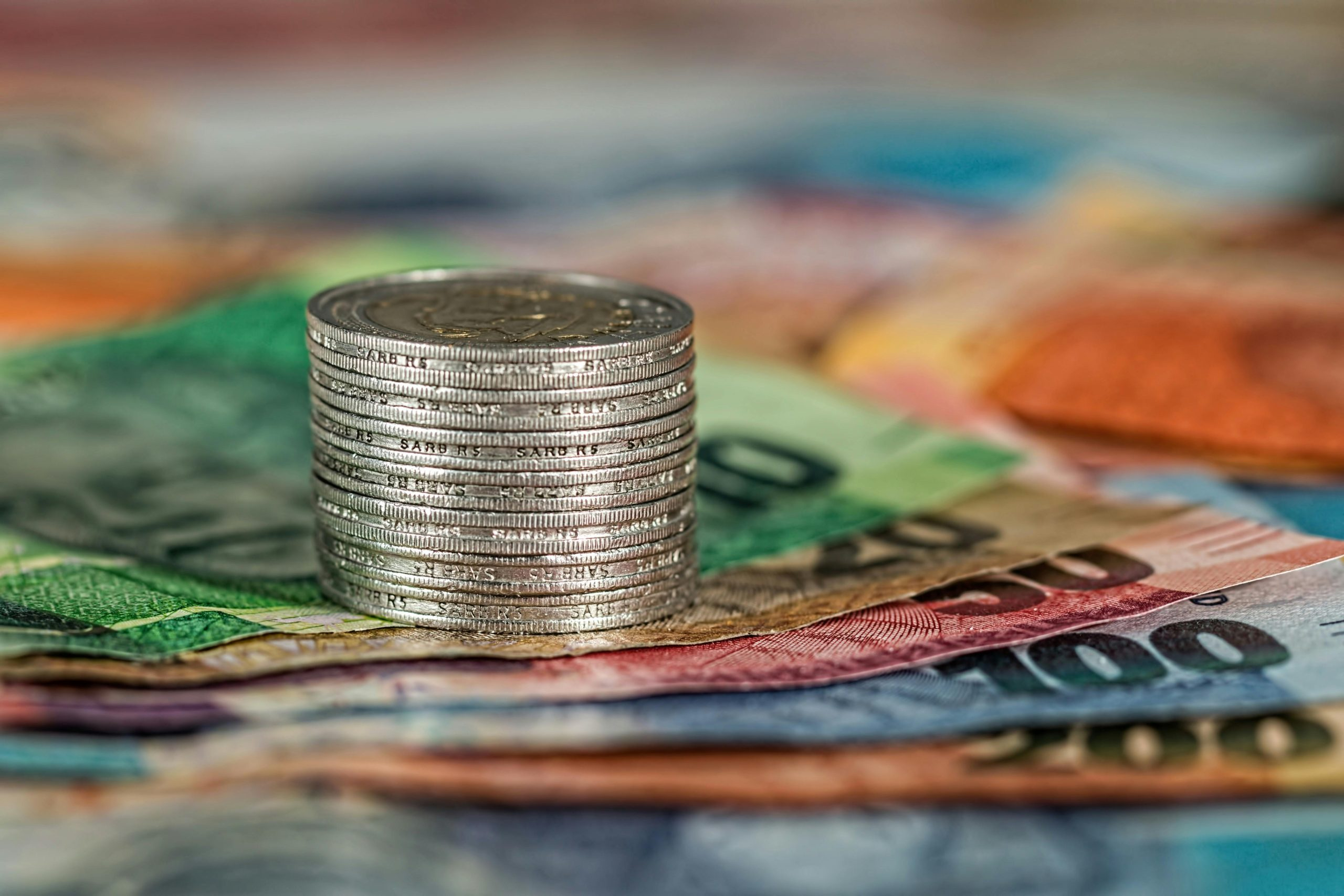
The South African Reserve Bank (SARB) has kept the repo rate unchanged at 6.75%, citing heightened global uncertainty following the outbreak of conflict in the Middle East and its impact on inflation and growth.
With just a few weeks into the outbreak of conflict in the Middle East, Reserve Bank Governor Lesetja Kganyago noted that leading central banks have generally kept rates unchanged, as they wait for more information.
“The fact is, we are still only a few weeks into this crisis. The coming months will be crucial for assessing the longer-term inflation consequences. Given current forecasts, we see inflation risks to the upside.
“Against this backdrop, the committee decided to keep the policy rate unchanged, at 6.75%. The decision was unanimous,” Kganyago said on Thursday during a media briefing in Pretoria.
He added that the ongoing Middle East conflict was a clear instance of a supply shock, which raises prices while weakening demand.
“The standard response to a supply shock is to look through first-round effects, which are unavoidable and cannot be stopped by interest rate changes. At the same time, central banks should be alert to second-round effects, where an initial shock triggers broad price increases. Getting policy right means ensuring that the price response to supply shocks is transitory, and not persistent,” the Governor said.
Looking at South Africa’s latest data, the economy grew further in the fourth quarter of 2025, with output rising by 1.1% for the year as a whole.
“This is better than recent years but still well below longer-run averages. We have been encouraged by green shoots such as rising confidence and stronger investment, but the ongoing war could interrupt the growth recovery.
“For the time being, our growth projections are largely unchanged. There have been data revisions which lowered 2025 growth, making 2026 look a bit stronger in comparison.
“This offsets some of the impact from the current shock. We still have growth rising to around 2% over the next few years, but we now see downside risks to the outlook,” Kganyago said.
Moving to prices, inflation was 3.0% for February, with core inflation also at 3.0%, which is in line with the SARB target.
“Higher energy prices will raise inflation in the near term. We expect headline will soon accelerate to around 4%, with fuel inflation over 18% for the second quarter. Our baseline forecast then has a gradual unwinding of the shock, taking inflation back to 3% late next year,” he said.
Given global uncertainty, the Reserve Bank looked at two alternatives, both with more adverse assumptions than its baseline.
“The first scenario assumes that the conflict lasts another two months or so, with oil prices averaging nearly US$100 per barrel for this period and the rand about 5% weaker against the dollar. The second, more extreme scenario has the war lasting over a year, with oil prices staying above US$100 per barrel and the rand 10% weaker,” the Governor said.
In both scenarios, inflation is higher, exceeding 4% in the first version and 5% in the second.
“Both call for higher interest rates this year, with one hike in the first scenario and several more in the other.
“Inflation then slows as oil prices start easing and the policy response takes effect. In the first scenario we are back to target during 2027. In the second scenario this only happens in 2028. In both cases, growth is weaker initially, but there is some catch-up later,” Kganyago said.
He mentioned that South Africa has made important macroeconomic progress recently, with a lower inflation target, improved fiscal prospects and steadier growth.
“Prudent monetary policy will help sustain these gains, despite difficult global conditions. Further support would come from reaching a prudent public debt level, lowering administered price inflation, and continuing structural reforms that raise potential growth,” the Governor said.
With just a few weeks into the outbreak of conflict in the Middle East, Reserve Bank Governor Lesetja Kganyago noted that leading central banks have generally kept rates unchanged, as they wait for more information.
“The fact is, we are still only a few weeks into this crisis. The coming months will be crucial for assessing the longer-term inflation consequences. Given current forecasts, we see inflation risks to the upside.
“Against this backdrop, the committee decided to keep the policy rate unchanged, at 6.75%. The decision was unanimous,” Kganyago said on Thursday during a media briefing in Pretoria.
He added that the ongoing Middle East conflict was a clear instance of a supply shock, which raises prices while weakening demand.
“The standard response to a supply shock is to look through first-round effects, which are unavoidable and cannot be stopped by interest rate changes. At the same time, central banks should be alert to second-round effects, where an initial shock triggers broad price increases. Getting policy right means ensuring that the price response to supply shocks is transitory, and not persistent,” the Governor said.
Looking at South Africa’s latest data, the economy grew further in the fourth quarter of 2025, with output rising by 1.1% for the year as a whole.
“This is better than recent years but still well below longer-run averages. We have been encouraged by green shoots such as rising confidence and stronger investment, but the ongoing war could interrupt the growth recovery.
“For the time being, our growth projections are largely unchanged. There have been data revisions which lowered 2025 growth, making 2026 look a bit stronger in comparison.
“This offsets some of the impact from the current shock. We still have growth rising to around 2% over the next few years, but we now see downside risks to the outlook,” Kganyago said.
Moving to prices, inflation was 3.0% for February, with core inflation also at 3.0%, which is in line with the SARB target.
“Higher energy prices will raise inflation in the near term. We expect headline will soon accelerate to around 4%, with fuel inflation over 18% for the second quarter. Our baseline forecast then has a gradual unwinding of the shock, taking inflation back to 3% late next year,” he said.
Given global uncertainty, the Reserve Bank looked at two alternatives, both with more adverse assumptions than its baseline.
“The first scenario assumes that the conflict lasts another two months or so, with oil prices averaging nearly US$100 per barrel for this period and the rand about 5% weaker against the dollar. The second, more extreme scenario has the war lasting over a year, with oil prices staying above US$100 per barrel and the rand 10% weaker,” the Governor said.
In both scenarios, inflation is higher, exceeding 4% in the first version and 5% in the second.
“Both call for higher interest rates this year, with one hike in the first scenario and several more in the other.
“Inflation then slows as oil prices start easing and the policy response takes effect. In the first scenario we are back to target during 2027. In the second scenario this only happens in 2028. In both cases, growth is weaker initially, but there is some catch-up later,” Kganyago said.
He mentioned that South Africa has made important macroeconomic progress recently, with a lower inflation target, improved fiscal prospects and steadier growth.
“Prudent monetary policy will help sustain these gains, despite difficult global conditions. Further support would come from reaching a prudent public debt level, lowering administered price inflation, and continuing structural reforms that raise potential growth,” the Governor said.