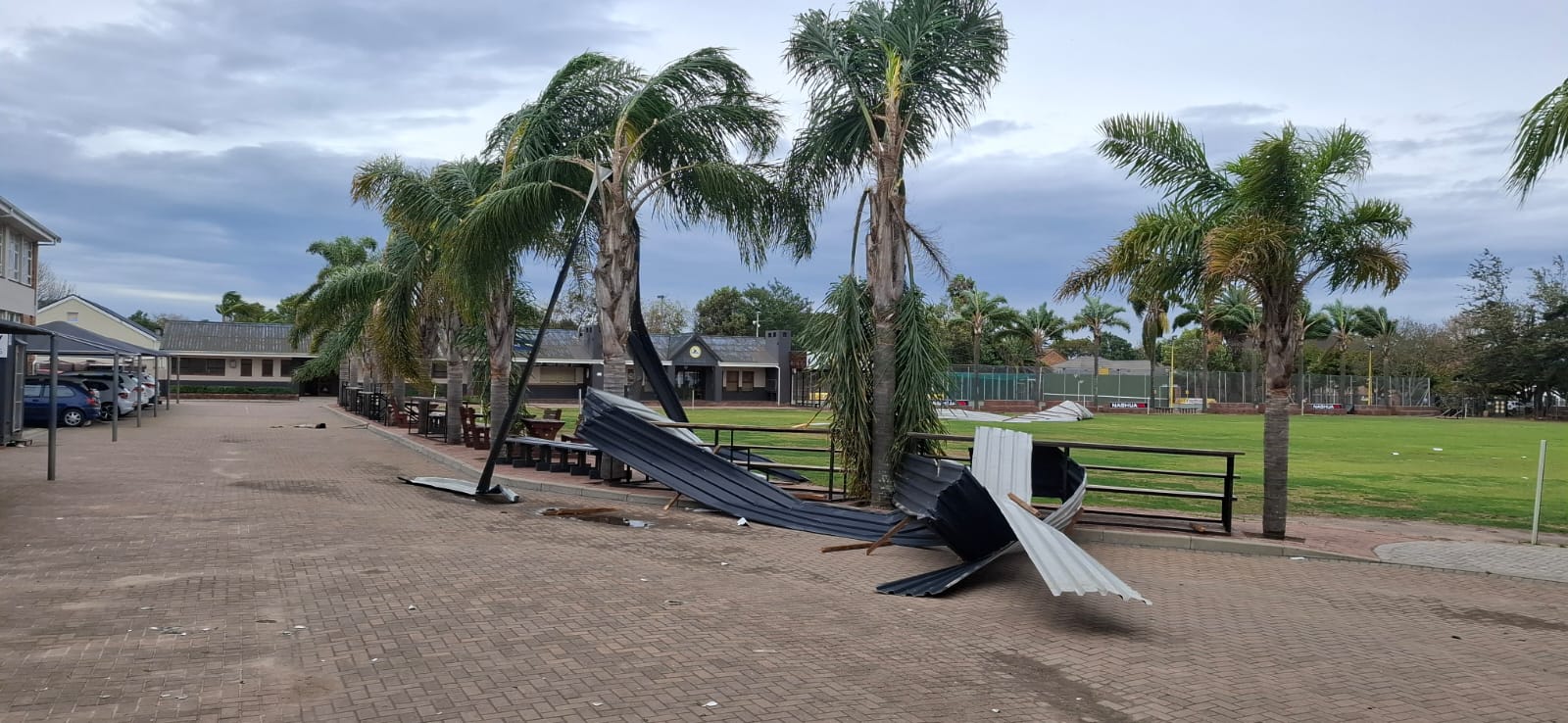
The Western Cape Department of Infrastructure (DOI) is in full recovery mode amid two powerful cold fronts affecting large parts of the province. The first was between 5 and 7 May and again from 10 May 2026. Multiple roads have been severely impacted, with many having to be temporarily closed.
Roads teams are working under incredibly difficult conditions, such as flooded routes, washed-away sections, fallen trees, debris and rockfalls. These conditions demand an immediate, coordinated response.
From the moment the first front arrived, the DOI roads teams were out in the field alongside colleagues from the Provincial Disaster Management Centre, municipalities, emergency services, Eskom and regional Joint Operations Centres. The priority was clear: keep people safe.
That meant closing roads where conditions turned dangerous, monitoring high-risk routes, clearing debris, and supporting broader disaster response efforts. The DOI Communication Team kept residents, freight operators, emergency responders and municipalities updated as conditions shifted rapidly.
In Region 2 (Garden Route and Central Karoo) teams have now moved into recovery mode. They assess damage, clearing affected areas and restoring access, with a particular focus on isolated and cut-off communities. Several roads have already been reopened. Engineers are conducting detailed assessments on routes where more serious damage such as washaways and infrastructure failures requires further intervention.
"We understand the frustration when roads can't be fixed straight away. But after major flood events, we have to prioritise communities that are completely cut off, roads with no alternative route, key economic and high-traffic corridors, and ensure that emergency vehicles can get through," said Provincial Minister of Infrastructure, Mr. Tertuis Simmers.
The Minister explained that post-flood recovery moves through three distinct phases: first, restoring basic safe access for people and emergency vehicles; then temporary repairs to stabilise and partially reopen routes; and finally permanent repairs once engineering assessments, approvals and funding processes are in place.
"Our teams have been out there day and night, in cold, wet and often dangerous conditions because they know communities depend on these roads. What they've done over the past week deserves real recognition. I'm proud of every one of them," the Minister continued.
The department asks the public to support recovery operations by avoiding or limiting unnecessary travel in affected areas, obeying road closure signage and being patient while repairs continue. The Minister emphasised that residents must not take unnecessary risks.
Roads teams are working under incredibly difficult conditions, such as flooded routes, washed-away sections, fallen trees, debris and rockfalls. These conditions demand an immediate, coordinated response.
From the moment the first front arrived, the DOI roads teams were out in the field alongside colleagues from the Provincial Disaster Management Centre, municipalities, emergency services, Eskom and regional Joint Operations Centres. The priority was clear: keep people safe.
That meant closing roads where conditions turned dangerous, monitoring high-risk routes, clearing debris, and supporting broader disaster response efforts. The DOI Communication Team kept residents, freight operators, emergency responders and municipalities updated as conditions shifted rapidly.
In Region 2 (Garden Route and Central Karoo) teams have now moved into recovery mode. They assess damage, clearing affected areas and restoring access, with a particular focus on isolated and cut-off communities. Several roads have already been reopened. Engineers are conducting detailed assessments on routes where more serious damage such as washaways and infrastructure failures requires further intervention.
"We understand the frustration when roads can't be fixed straight away. But after major flood events, we have to prioritise communities that are completely cut off, roads with no alternative route, key economic and high-traffic corridors, and ensure that emergency vehicles can get through," said Provincial Minister of Infrastructure, Mr. Tertuis Simmers.
The Minister explained that post-flood recovery moves through three distinct phases: first, restoring basic safe access for people and emergency vehicles; then temporary repairs to stabilise and partially reopen routes; and finally permanent repairs once engineering assessments, approvals and funding processes are in place.
"Our teams have been out there day and night, in cold, wet and often dangerous conditions because they know communities depend on these roads. What they've done over the past week deserves real recognition. I'm proud of every one of them," the Minister continued.
The department asks the public to support recovery operations by avoiding or limiting unnecessary travel in affected areas, obeying road closure signage and being patient while repairs continue. The Minister emphasised that residents must not take unnecessary risks.