Petrol price increases, diesel on a downturn

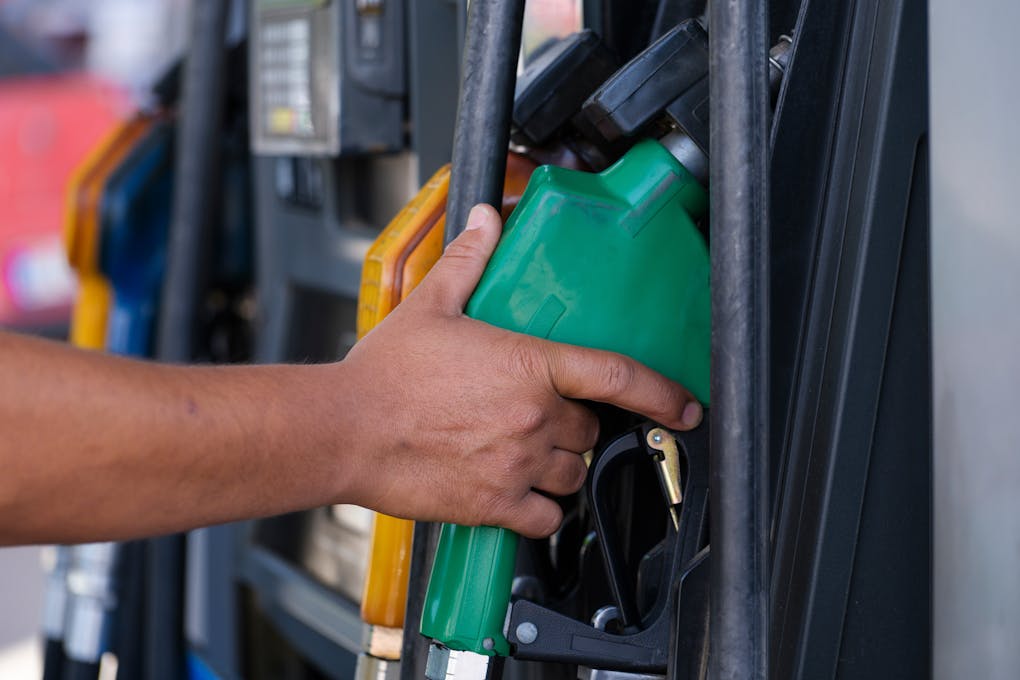
The Department of Petroleum and Mineral Resources (DMPR) has announced that petrol will increase by R1.43 this Wednesday, while the prices of diesel, paraffin and LP gas will decrease.

The adjusted prices for this month are as follows:

Petrol 93 (ULP & LRP): R1.43 increase.
Petrol 95 (ULP &LRP): R1.43 increase.
Diesel (0.05% sulphur): R3.24 decrease.
Diesel (0.005% sulphur): R2.61 decrease.
Illuminating Paraffin (wholesale): R5.96 decrease.
Single Maximum National Retail Price for Illuminating Paraffin: R7.95 decrease.
Maximum Retail Price of LP Gas: 17c per kg decrease and 20c per kg decrease in the Western Cape.

“The average Brent Crude oil price increased from 101 US Dollars (USD) to 104.59 USD during the period under review. This is due to the continued tension between the US and Iran, the closure of the Strait of Hormuz.

“The prices of middle distillates [diesel and paraffin] decreased more than petrol prices because of lower seasonal demand as the northern hemisphere moves into summer.

“The prices of Propane and Butane remained the same during the period under review, however, the freight costs decreased,” the DMPR explained.

During the period under review, the Rand strengthened against the USD from R16.65 to R16.52 per USD, leading to “slightly lower contributions to the Basic Fuel Prices of petrol, diesel and Illuminating Paraffin by 12.07 c/l, 14.81 c/l and 14.55 c/l, respectively”.

The general fuel levy has been reduced by some R1.50 per litre for petrol and R1.96 per litre for diesel, also effective from Wednesday. 
Kruger National Park celebrates 100 years

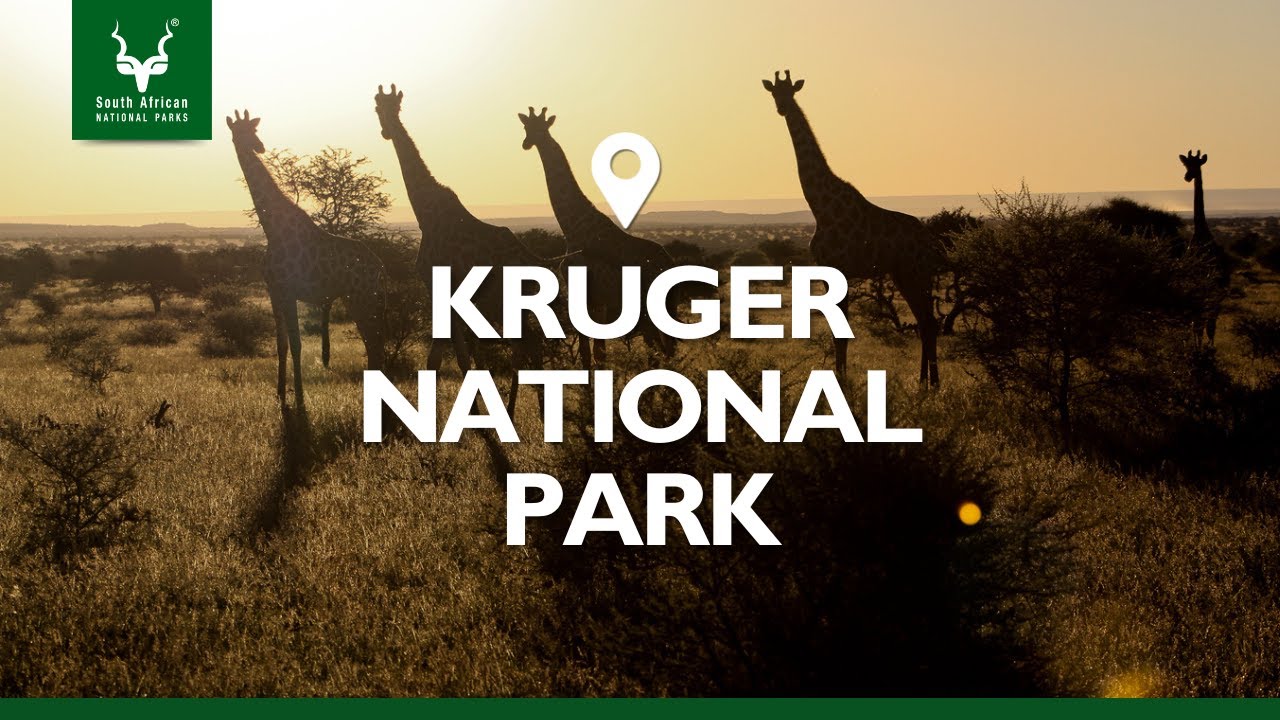
Minister of Forestry, Fisheries and the Environment, Willie Aucamp, has called on South Africans to embrace their shared responsibility as custodians of the Kruger National Park (KNP).

The Minister delivered remarks at the KNP Centenary Commemoration held at the park’s Skukuza Rest Camp in Mpumalanga.

Aucamp reflected on the recent flooding that affected the park.

“What these floods taught us is the resilience of the Kruger family. Over 100 years, lots of successes, lots of failures, lots of hardships [and] lots of triumphs. But we’ve always come through and we will do that for 100s of years to come.

“Our responsibility is to raise this generation…so that they can accept this stewardship and can take this pattern and go forward. So that our grandchildren, our great grandchildren and theirs will still be able – in 100 to 200 years’ time from now – to sit alongside the Sabie River, to watch a herd of elephants going through this Sabie River, to listen to the roar of a lion at night, to play a game in the car [and] see who is the best of the siblings. I hope that that legacy can continue,” Aucamp said.

The Minister committed that the KNP will not only endure but also claim its place as the world’s leading conservation destination.

“This event calls not only for reflection and celebration but it also demands clarity. Clarity about where we come from and where we are going.

“The Kruger National Park stands today as one of the most recognised conservation landscapes in the world,” he urged.

Aucump acknowledged the park’s pioneers and workers for their contribution to its establishment and continued existence.

“The Kruger National Park reflects foresight at a time when such foresight was rare. It reflects decades of scientific progress, of institutional commitment and the sustained efforts of generations. We are clear that the future of conservation in South Africa lies with inclusive stewardship, a responsibility that we all have got to take on.

“I realise that we are walking in the footsteps of giants. We truly are. Their vision, their perseverance and their deeper abiding love for nature gave us the Kruger National Park.

“They dreamt beyond their time of a landscape where elephants roam, where lions rule, and where the ancient rhythms of the wild echo through the bush for generations to come. As a united people, that legacy now rests in our hands,” the Minister said.

Public warned not to eat wild shellfish from Saldanha Bay

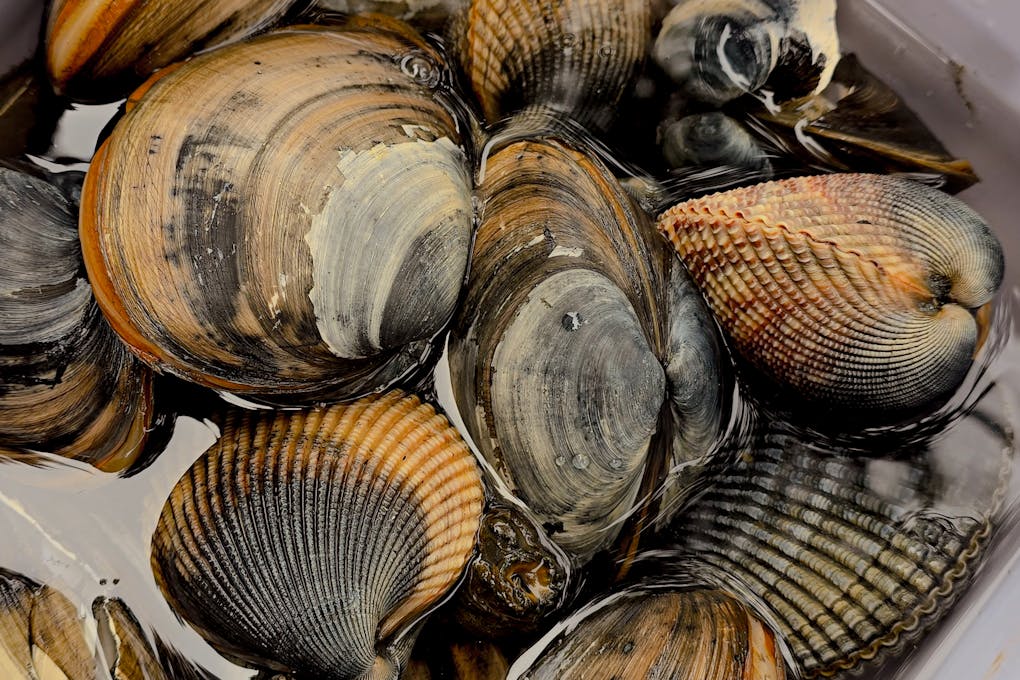
The Department of Forestry, Fisheries and the Environment (DFFE) has warned the public not to collect or eat any wild shellfish from Saldanha Bay and nearby coastal areas until further notice.

According to a recent monitoring report, mussels and oysters from Saldanha Bay farms contained very high levels of Paralytic Shellfish Toxins (PST) — more than 15 times the legal safety limit.

Officials also detected high levels of the toxin-producing phytoplankton Alexandrium catenella, a sign of a serious harmful algal bloom.

As a result, harvesting areas in Saldanha Bay have been closed for shellfish meant for human consumption.

It is not yet clear how far the risk extends along the West Coast, and toxin levels may differ from one area to another.
Eating contaminated shellfish, such as mussels, can cause paralytic shellfish poisoning — a serious illness that can be life-threatening.

The public is strongly advised not to harvest or eat any wild shellfish from Saldanha Bay and surrounding coastal areas until further notice.

Over 80% Western Cape storm-affected communities reconnected

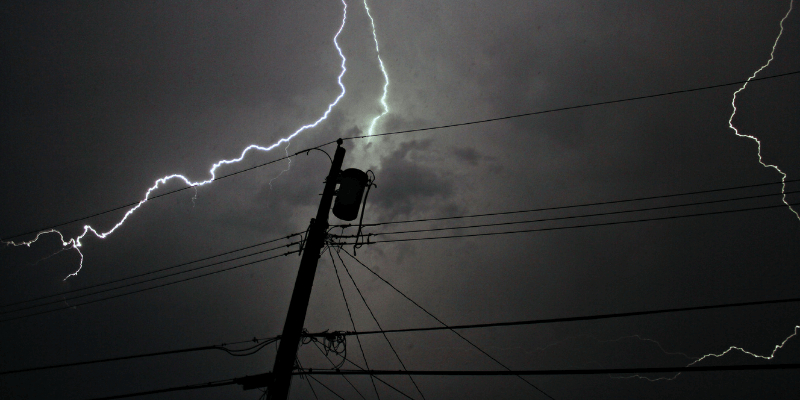
Electricity has been restored to 84% of communities affected by severe weather that damaged parts of the Western Cape last month.

Western Cape Premier Alan Winde concluded a four-day assessment of some of the province’s hardest-hit areas this week.

The assessment covered extensive damage to infrastructure, including roads, bridges and farming communities across the West Coast, Cape Winelands, Overberg, and Garden Route Districts.

“The scale of the devastation is immense. Despite this, our officials are hard at work repairing damaged infrastructure as quickly as possible,” Winde reported on Thursday.

The Premier noted that steady progress has been made, highlighting the reopening of the Vredendal Bridge to one-way traffic ahead of schedule.

He commended those involved in this project, and the many others currently underway across the province, for their commitment and hard work.

During the assessment visits, Winde was joined by several provincial MECs, including disaster management officials, mayors, municipal managers, and representatives from NGOs.

The delegation visited Malmesbury, Klawer Bridge, Vredendal Bridge, Clanwilliam Dam, Citrusdal, Algeria, Piketberg, Gouda, Op-Die-Berg, Ceres, Rawsonville, Worcester, McGregor Bridge and Red Bridge.

The Premier said electricity restoration remains a key focus for the provincial government, noting that he chairs daily meetings with Eskom Western Cape leadership to monitor progress.

He reported that Deputy Minister of Electricity and Energy Samantha Graham-Maré has also attended the daily briefings and assured the province of regular public updates.

According to Eskom’s latest estimates released on 28 May 2026, several affected areas are expected to be reconnected over the coming weeks.

In the Cape Winelands, power restoration is expected by 29 May for Hexrivier and Villiersdorp, while Chavonnes farms and Badsberg farms are expected to be restored by 5 June. 

Boskloof and Romansrivier are expected to be restored by 26 June.

In the Garden Route, Gouna is expected to be restored by 31 May, while Herbertsdale and Jakkeslvlei are scheduled for 10 June. 

Areas including Askop, Buffelsnek, Brackenhill, Fisanthoek, Harkerville and Klein Bavaria are expected to be restored by 25 June, while Garden of Eden is expected to be restored by 25 July.

In the Overberg, the utility estimated that Hemel-en-Aarde, Riviersonderend farms, Papiesvlei and Stanford farms will be restored by 29 May, while Buffelsjagsrivier is expected by 5 June.

On the West Coast, Algeria, Citrusdal farms and Du Pont are expected to be restored by 5 June, while Noordhoek farms are estimated for 12 June.

"We fully appreciate and understand the frustrations of residents who have had to endure extended periods of power outages. We apologise for any inconvenience and will always endeavour to keep affected communities abreast of developments as we receive updates from Eskom and other stakeholders. We know that this is a frustrating and unbearable situation," Winde said.

While the devastation is vast, Winde said stories of hope and collaboration keep the provincial government moving forward.

"I met with several of our healthcare workers in the Op-Die-Berg area who were left stranded by the heavy rain and flooding. 

“Officials at a local school, Skurweberg Senior Secondary, thought nothing of giving them shelter and food, as they waited for the worst of the weather to pass.

“I am also blown away by how residents, business owners and farmers have stepped in to help. Whether it is offering equipment to assist Eskom teams or feeding disaster management officials and those most in need, this is what makes the Western Cape the extraordinary region that it is,” the Premier said.

Infrastructure MEC Tertuis Simmers said recovery teams are working around the clock to meet critical targets.

“Our absolute priority remains safely reconnecting communities, and we are pushing hard to meet critical targets. The McGregor Bridge will be repaired by early June as rock fill and asphalt layers wrap up,” Simmers said.

He added that structural assessments are underway at the Klawer Bridge to confirm a temporary pedestrian access date by 29 May, while slope stabilisation work on the Cango Caves Road is progressing well, with debris clearance targeted for 5 June, before final safety checks.
error: eRadio is protected !
Scroll to Top