South Africans ‘deserve’ financially sound municipalities – Godongwana

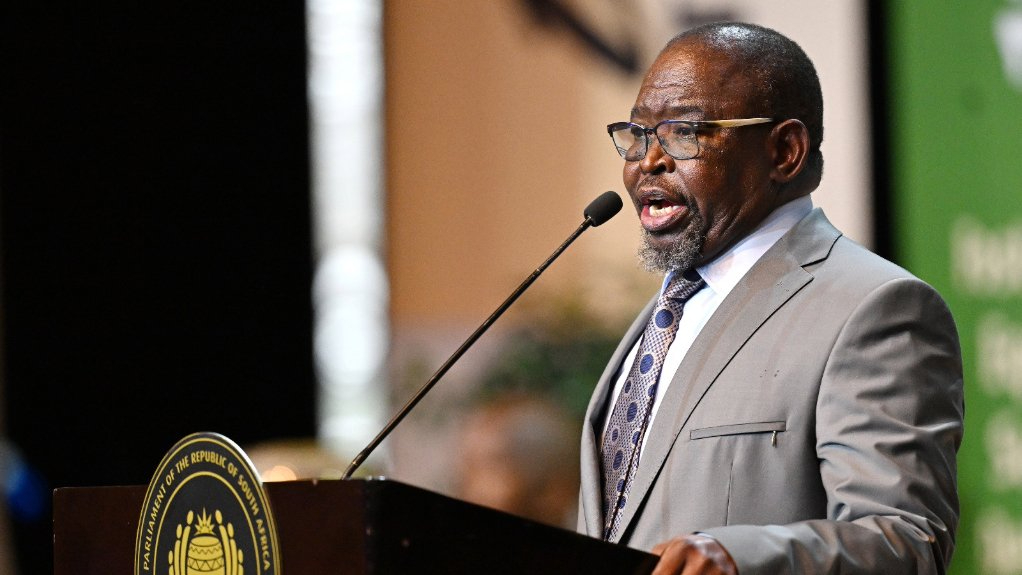
Finance Minister Enoch Godongwana has reiterated that temporarily withholding July 2026 equitable shares from municipalities is instrumental to ensure compliance with the law and improving service delivery.

The Minister was speaking to  SAnews on the sidelines of a media briefing on Friday, following the announcement that 69 municipalities have had their July 2026 equitable shares withheld due to non-compliance.

The move was taken after municipalities continued to:
•    Adopt unfunded budgets;
•    Accumulate Unauthorised, Irregular, Fruitless and Wasteful Expenditure (UIFWE);
•    Fail to meet statutory obligations to Eskom, water boards, SARS, the Auditor-General, and pension funds.

“We have been doing it every year but on a smaller scale. Of this size, we’ve last done it in 2016. Every year, we’re fighting with municipalities. Sometimes we take money from one municipality to another, we say to a municipality: you are not performing and we will take your equitable share.

“It’s precisely this that will enhance service delivery because we are forcing municipalities to perform. It’s going to improve and enhance,” he said.

Godongwana explained to SAnews the steps that municipalities can take to have their shares released.

“Depending on what the offence is. If your offense is that you have an unfunded budget, you’ve got to sit with the Treasury officials and develop steps for transforming that budget in the long term to become a funded budget. Once we have got an agreement…you’ll be off the list.

“If you have not paid creditors, we need an indication of a payment schedule where you make a commitment that over time, you are going to pay your relevant creditors.

“The third offense is…fruitless and wasteful expenditure. The Auditor General has made a decision. At a municipal level…they’ve got MPAC [Municipal Public Accounts Committee]. MPAC sits looks at the decision of the AG and make a recommendation to the council. The council must sit…and say here are the recommendations, we are approving it and there must be consequence management, if necessary,” he said.

Some municipalities have already satisfied Treasury requirements and will have their equitable share, or part thereof, released next week.

The Minister emphasised that for government reforms to truly take root, all state institutions must fully participate.

“Reforms must be accompanied by making sure that people are performing. If you have reforms and you don’t have willing partners to participate, the reforms are not going to effective,” Godongwana said.

In a press statement, Treasury described the municipal finance picture as “sobering”, noting that: 

•    Since 2021–22, municipalities have incurred R24.12 billion in fruitless and wasteful expenditure. 
•    They have accumulated R145.21 billion in irregular expenditure, with R40.14 billion in 2024–25 alone. 
•    They have disclosed R118.13 billion in unauthorised expenditure, more than half of which was on non-cash budget items.

“This threatens the financial sustainability of bulk suppliers, undermines statutory bodies, and disrupts service delivery. Non-payment of service providers results in penalties, interest charges, and service interruptions.

“Weak governance and failure to process UIFWE [Unauthorised, Irregular, Fruitless and Wasteful Expenditure] through Municipal Public Accounts Committees erode accountability and public trust.

“South Africans deserve municipalities that are financially sound, accountable, and capable of delivering services. By invoking the Constitution, we are signalling seriousness about governance, fiscal responsibility, and the rule of law,” Godongwana said. 
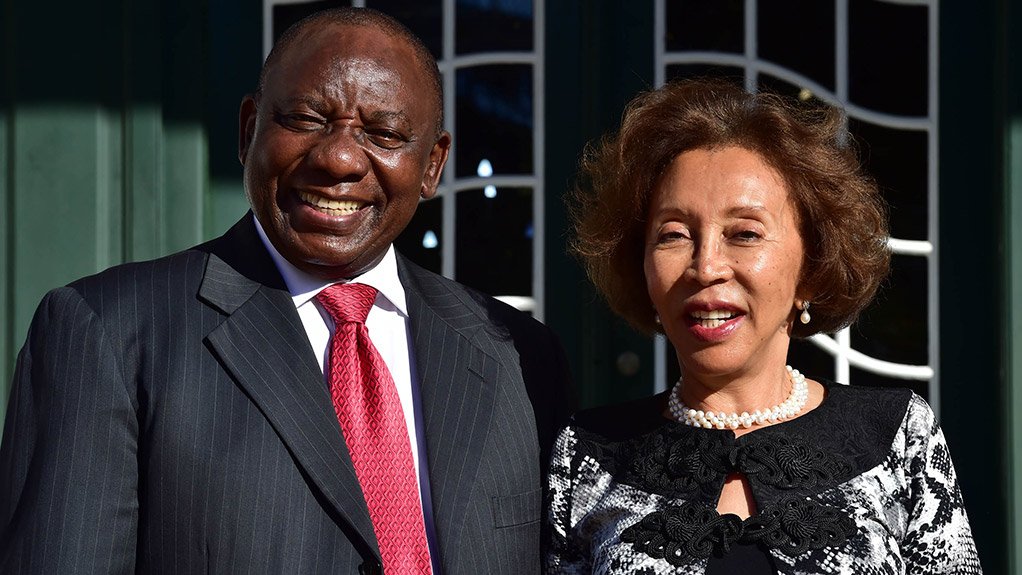
President Ramaphosa to undertake Official Visit to France

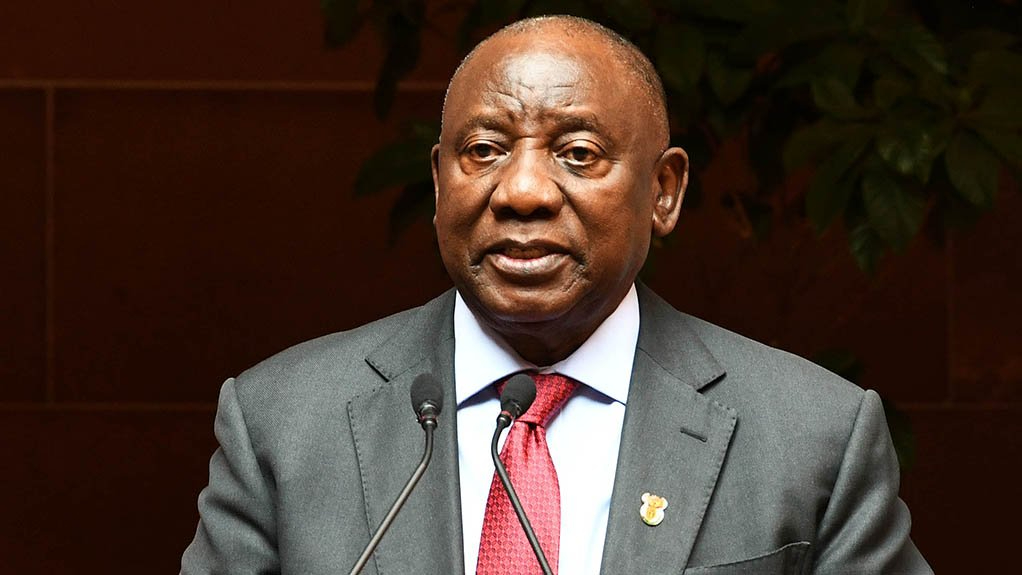
President Cyril Ramaphosa will undertake an Official Visit to France from 10-12 July, where he is expected to hold bilateral talks with French President Emmanuel Macron.

President Ramaphosa will also participate in high-level education discussions at UNESCO, engage French business leaders, and attend the 110th Commemoration of the Battle of Delville Wood.

The visit will include discussions between President Ramaphosa and President Macron, as well as bilateral engagements between senior members of the South African and French governments aimed at strengthening the longstanding partnership between the two countries.

On Friday, the President will, at the invitation of UNESCO Director-General Professor Khaled El-Enany, co-chair the Leaders' Meeting of the UNESCO High-Level Steering Committee (HLSC) on Sustainable Development Goal 4 (SDG 4) on Quality Education.

South Africa's appointment as Co-Chair of the High-Level Steering Committee underscores the country's growing leadership role in global education governance and reflects the international community's confidence in South Africa's contribution to advancing inclusive, equitable and quality education for all.

The meeting is expected to provide strategic political direction on strengthening resilient education systems and endorse priorities for the global education agenda for 2026–2027.

Discussions will focus on strengthening the teaching profession, advancing foundational and lifelong learning, promoting inclusive digital transformation, and ensuring sustainable financing for education.

Following the meeting, President Ramaphosa will participate in the Transforming Education Summit +4 (TES+4) Stocktake, convened by UNESCO and the United Nations to assess global progress made since the 2022 Transforming Education Summit and identify priority actions required to accelerate the achievement of SDG 4 by 2030.

According to the Presidency, the President's participation will reinforce South Africa's commitment to strengthening education systems, promoting skills development, expanding opportunities for young people, and ensuring policy coherence between South Africa's G20 Presidency priorities and the global education agenda.

President Ramaphosa will also meet President Macron on Friday before attending a dinner hosted by the French leader. On Saturday, he is scheduled to hold discussions with French business leaders.

The Presidency said relations between South Africa and France remain comprehensive and productive, underpinned by cooperation across sectors including energy, science and technology, defence, trade and investment, arts and culture, tourism, higher education and training, and health.

France is one of South Africa's key economic partners. In 2025, direct bilateral trade between the two countries grew by 7.7% to approximately $2.719 billion, with South African exports to France increasing by 42.2% to about $790 million. 

French companies have also invested more than $7 billion in South Africa since 2003, creating nearly 16 000 jobs across sectors such as renewable energy, business services, transport, communications and information technology.

On Sunday, President Ramaphosa will travel to Longueval in northern France to attend the 110th Commemoration of the Battle of Delville Wood at the South African National Memorial.

The commemoration honours the courage and sacrifice of South African soldiers who fought during the Battle of Delville Wood in July 1916, one of the most significant battles involving South African forces during the First World War.

The ceremony will include the laying of wreaths in remembrance of those who lost their lives in service of their country, as well as the unveiling of a UNESCO plaque recognising the historical significance of the memorial.

President Ramaphosa will be accompanied by First Lady, Dr Tshepo Motsepe, Minister of International Relations and Cooperation, Ronald Lamola, Minister of Defence and Military Veterans, Angie Motshekga, Minister of Public Works and Infrastructure, Dean MacPherson, Minister of Sport, Arts and Culture, Gayton McKenzie, Minister of Higher Education and Training, Buti Manamela, and senior government officials.

Health practitioners warn on continued dispensing of dangerous weight loss drugs

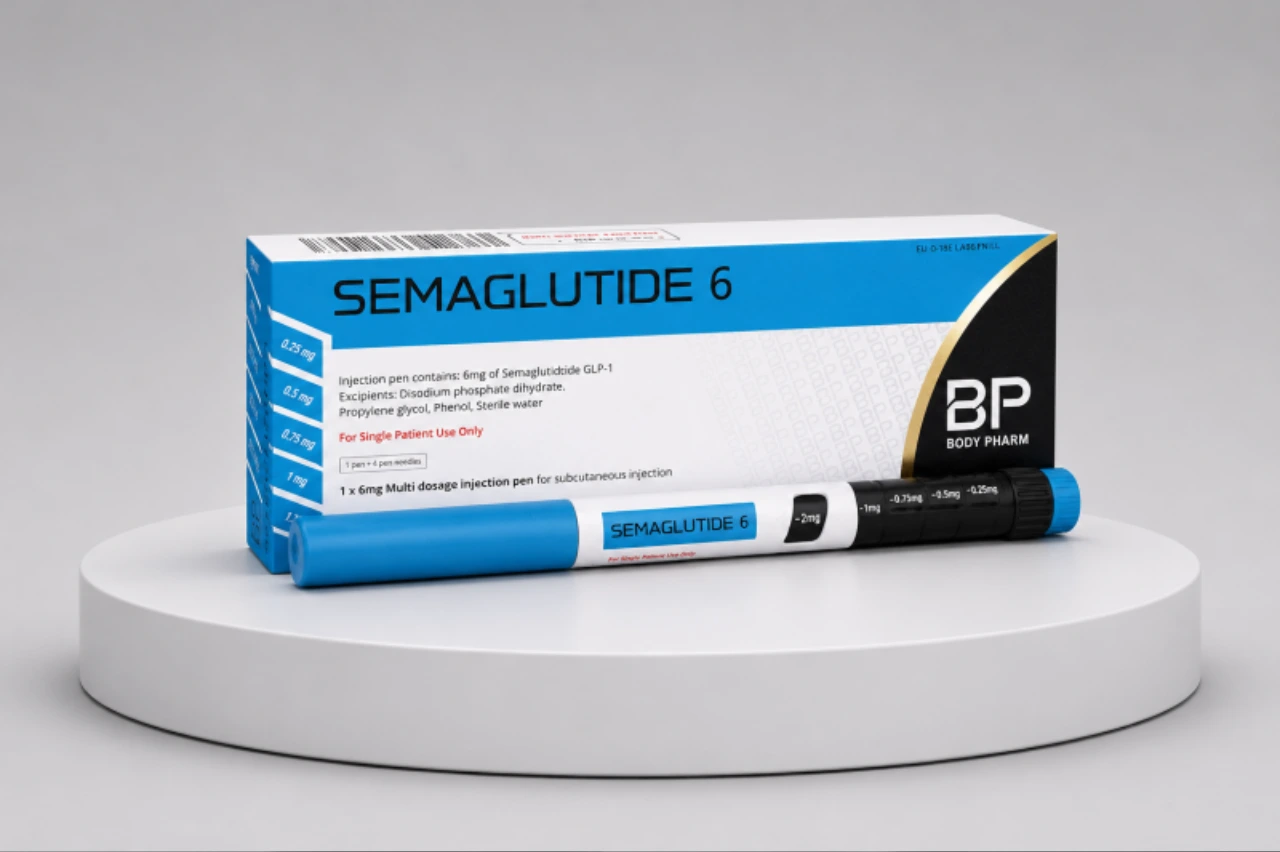
Health regulators have warned against the use or dispensing of recalled drugs Semaglutide and Tirzepatide.

The two medications are aimed at treating diabetes but are being used for weight loss purposes.

“The South African Pharmacy Council, Health Professions Council of South Africa and the South African Health Products Regulatory Authority hereby warn the public, pharmacies and dispensing medical practitioners against any continued use, prescription and/or dispensing of iDEXIS Semaglutide, iDEXIS Tirzepatide, and iDEXIS Semaglutide/Tirzepatide recalled by SAHPRA in June 2026.

“The continued use, prescription and dispensing of these products pose a severe risk to patients’ safety and/or users. Any healthcare professional found to have dispensed, prescribed or kept stock of the recalled products will face disciplinary action in accordance with applicable legislation, including the Medicines and Related Substances Act, 101 of 1965,” the authorities warned in a statement.

The authorities added that any professional prescribing or dispensing the medications will “knowingly be endangering the health of the public”.

BMW recalls nearly 11,000 vehicles in South Africa over starter motor defect

The National Consumer Commission (NCC) has announced a product recall involving 10,961 BMW vehicles sold in South Africa from 2016 onwards due to a defect that could lead to engine starting failures and, in rare cases, overheating and smoke.

The recall affects selected BMW 3 Series, 4 Series, 5 Series, 7 Series, X3 and X4 models fitted with a Pinion Starter.

According to BMW South Africa, a production-related defect may cause excessive wear of the starter motor's solenoid switch after repeated engine starts. This can gradually reduce the engine's ability to start and, in some cases, prevent it from starting altogether.

The company also warned that a short circuit in the solenoid switch cannot be ruled out. If this occurs, it could cause localised overheating at the starter motor, with smoke potentially becoming visible or noticeable while driving or after the vehicle has been parked.

As a precaution, BMW recommends that affected vehicles should not be left unattended immediately after the engine has been started.

Owners are also advised not to use the Remote Engine Start function through the My BMW App or the remote-control key until the necessary repairs have been completed.

Consumers with affected vehicles are urged to contact their nearest authorised BMW dealership to arrange an inspection and repair. BMW says all corrective work related to the recall will be carried out free of charge.

International Firearm Destruction Day: SAPS destroys over 11 000 firearms

Police Deputy Minister Polly Boshielo on Thursday led the destruction of 11 859 firearms and firearm parts as the South African Police Service (SAPS) marked International Firearm Destruction Day, a United Nations campaign observed annually on 9 July.

The destruction process included 9 596 handguns, 1 102 rifles, 798 shotguns, 33 combination firearms and 330 firearm parts, bringing the total number of firearms destroyed by SAPS over the past seven years to 317 811.

The Deputy Minister Boshielo was joined by the Divisional Commissioner for Visible Policing and Operations, Lieutenant General Maropeng Mamotheti, the Sedibeng District Commissioner, Major General Nkhensani Mukhwevho, the Acting Component Head for Firearm, Liquor and Second-Hand Goods, Brigadier Nonhlanhla Sikhakhane and the Section Head for Firearm Compliance and Enforcement, Brigadier (Dr) Simon Bopape.

The majority of the destroyed firearms were confiscated during various policing operations, including Operation Shanela. 

Of those destroyed, 157 firearms were linked to finalised cases involving crimes committed against women and children, while three firearms were linked to cash-in-transit robberies. Other firearms were voluntarily surrendered or handed in during firearm amnesty periods.

The provincial breakdown of firearms destroyed is as follows:
- Gauteng: 3 863
- KwaZulu-Natal: 2 047
- Western Cape: 2 037
- Eastern Cape: 1 500
- Free State: 800
- Mpumalanga: 500
- Northern Cape: 419
- Limpopo: 371
- North West: 322

In addition to these firearms, SAPS also destroyed 4 089 blank guns, airguns and homemade firearms as part of ongoing efforts to eliminate both conventional and improvised weapons from circulation. 

Although often regarded as less lethal, these weapons can be modified to fire live ammunition and are frequently used in the commission of crime.

Boshielo said the destruction of firearms forfeited to the State ensures they can never re-enter circulation and reflects government's unwavering commitment to reducing violent crime.

"It is pleasing to note that we are also destroying firearms today that were used in incidents of gender-based violence. Firearms are destroying our families and our communities. Today's destruction demonstrates government's commitment to detecting and permanently removing illegal firearms and ammunition from our country," she said. 

The SAPS continues to seize no fewer than 100 illegal firearms every week through tracing operations, stop-and-searches and targeted crime-combating initiatives.  During last week's nationwide Shanela II operations alone, police confiscated 121 unlicensed firearms and 2 584 rounds of ammunition.

All firearms destroyed were audited and subjected to ballistic testing to determine whether they had been used in the commission of other crimes, including firearms surrendered during amnesty periods.

Madlanga Commission granted reporting deadline extension

President Cyril Ramaphosa has extended the reporting deadline of the Commission of Inquiry into Criminality, Political Interference, and Corruption in the Criminal Justice System, known as the Madlanga Commission.

The Commission will now submit its final report on Monday, 16 November 2026, instead of the end of August.

“The extension granted by the President sets an evidence deadline of Friday, 2 October 2026, and a reporting deadline of Monday, 16 November 2026, to enable the Commission to close off topics it has opened up in the course of hearings to date.

“The extension allows the Commission to hear evidence on all of the matters listed in its terms of reference. Without an extension, the Commission will have to leave large parts of its work unfinished,” the Presidency explained in a statement.

The Commission was established to investigate allegations made by KwaZulu-Natal Provincial Commissioner Lieutenant-General Nhlanhla Mkhwanazi on 6 July 2025 relating to criminality, political interference and corruption within the criminal justice system.

Two interim reports have already been submitted to President Ramaphosa.

“President Ramaphosa once again expresses his deepest appreciation for the work conducted by Commission as well as for the manner in which law enforcement agencies are following up testimony emerging from Commission hearings,” the statement read. 
error:
Scroll to Top