Gauteng discontinues 100 unroadworthy minibuses

More than 100 minibuses were discontinued for failing to meet the basic roadworthiness requirements during stop and search operations carried out by the Gauteng Transport Inspectorate (GTI) in collaboration with the Road Traffic Management Corporation (RTMC).

“We will not allow profit to be placed above people’s lives. Any vehicle that threatens the safety of our commuters or road users has no place on Gauteng roads. Our message is clear: comply or face the full might of the law,” Gauteng MEC for Roads and Transport Kedibone Diale-Tlabela said on Monday.

The intensified law enforcement operations were conducted between 01 and 07 February 2026 across key public and scholar transport corridors in Johannesburg, Ekurhuleni and Tshwane. 

“Inspections revealed major mechanical defects that posed a direct threat to passenger safety and other road users. These included faulty braking systems, worn tyres, non-functioning headlights, brake lights and indicators, as well as cracked windscreens,” the provincial Department of Roads and Transport said.

In addition to the discontinuations, the officers focused on non-compliant operators. 

This resulted in more than 500 manual infringement notices issued, while a further 667 electronic infringement notices were processed using GTI’s advanced e-Force enforcement devices. 

They further issued 151 discontinue notices to motorists found operating in violation of traffic regulations.

Non-compliance offences identified during the operations included 108 minibus taxi operators driving without valid driving licences and 52 minibuses operating without valid licence discs.

Beyond traffic-related offences, the operations also addressed broader criminal activity, resulting in 11 arrests for driving under the influence (DUI).

Good News: Poaching declines by 16%

South Africa’s anti-poaching and anti-trafficking efforts have yielded a 16% overall decline in rhino poaching last year when compared to 2024. 

This is according to the Minister of Forestry, Fisheries and the Environment, Willie Aucamp, who attributes the decline to dedication and tactical, swift coordination. 

“From January to December 2025, 352 rhinos were poached in South Africa, with 266 being killed on State property and 86 on privately owned parks, reserves or farms. This was a decrease of 68 in comparison to 420 rhinos poached in 2024,” the Minister said on Tuesday in a statement. 

Mpumalanga was the hardest hit province, with 178 rhinos lost during the reporting period. This was a notable increase from the 92 that were lost in 2024. 

Most of the rhinos lost in Mpumalanga were in the Kruger National Park, which reported a total of 175 poached rhino last year. 

This is an increase of 87 animals, which is more than the 88 reported in the Kruger National Park in 2024. 
Rhino poaching numbers in the Hluhluwe-iMfolozi Park in KwaZulu-Natal (KZN) dropped from 198 in 2024 to 63 in 2025.

Ezemvelo KZN Wildlife attributed a significant reduction in poaching due to closer collaboration with rhino owners through the Integrated Wildlife Zones (IWZ) Programme, as well as sustained support from key conservation partners, including World Wildlife Fund (WWF), Save the Rhino International, Wildlife ACT, and Peace Parks Foundation (PPF). 

“While Ezemvelo recognises that the strategic dehorning programme implemented in 2024 served as a critical catalyst in stabilising rhino poaching pressures and enabled urgent, targeted interventions, analysis of the 2025 outcomes confirms that multiple complementary interventions were central to the reduction in poaching incidents,” Aucamp said.

Key among these were enhanced detection and early-warning capability, achieved through the deployment and integration of advanced camera technologies and sensors.

The decline in rhino poaching has also been attributed to the implementation of the Integrity Implementation Plan, which included the successful polygraphing of all park law-enforcement personnel, reinforcing organisational integrity and public confidence.

“As we closely monitor implementation of the National Integrated Strategy to Combat Wildlife Trafficking (NISCWT), we continue to see some very good convictions in relation to rhino-related cases, with lengthy direct imprisonment terms, in respect of cases related to rhino crimes,” the Minister said.

The key efforts of the Director of Public Prosecutions (DPP) Environmental Working Group, which includes key prosecutors from around the country, are leading to more cases being handled together. 

This means that those accused are being prosecuted for multiple cases at once, giving the court a complete picture of the criminal activities carried out by the groups involved, and allowing for a focus on organised crime and money laundering aspects of these cases. 

“South Africa continues to strengthen its international collaboration to curbing rhino poaching and wildlife trafficking. These efforts led to the country receiving the Asia Environmental Enforcement Recognition of Excellence Award late last year, which celebrates excellence in enforcement by government officials, institutions and teams combatting transboundary environmental crimes. 

“Working together with the South African anti-poaching and anti-trafficking organisations, we remain committed to a balanced, intelligence-driven, and partnership-based approach to rhino protection, recognising that sustained success requires constant adaptation, integrity, and cooperation across all sectors,” Aucamp said.

SA Weather Service monitors tropical storm Gezani

The South African Weather Service (SAWS) is closely monitoring a moderate tropical storm named Gezani, currently located over the south-west Indian Ocean to the east of Madagascar.

At present, there is no indication of any direct threat to South Africa.

“Gezani is currently moving westward under favourable environmental conditions, and forecast guidance indicates that landfall over eastern Madagascar is likely on Tuesday. 

“As the system approaches Madagascar, environmental conditions may support further intensification, and Gezani could strengthen into a tropical cyclone, or possibly an intense tropical cyclone, before landfall,” SAWS said.

Following landfall, the system is expected to weaken while tracking south-westward across Madagascar.
“Gezani is then forecast to enter the Mozambique Channel late on Wednesday, 11 February 2026, where environmental conditions may once again become favourable for re-intensification.

“Some forecast scenarios suggest a possible approach toward the Mozambique coast later in the week; however, uncertainty remains regarding the exact track and intensity during this phase,” the weather service said.

The SAWS advises vessels operating in or transiting through the south-west Indian Ocean and the Mozambique Channel, as well as offshore marine operations to exercise caution, as rough seas, strong winds, and hazardous marine conditions are expected in the vicinity of the storm.

The name Gezani, contributed by South Africa, marks the seventh named system of the 2025/26 south-west Indian Ocean cyclone season. 

The SAWS will continue to monitor the system closely and will issue updates as new information becomes available. 

The public and relevant authorities are urged to follow official weather warnings and advisories from reliable sources. 

NERSA announces electricity price hike

Despite a court challenge and over 2,000 submissions from stakeholders attempting to block it, Eskom will go ahead with an additional R54 billion in charges to electricity users due to earlier errors by the energy regulator, NERSA.

NERSA confirmed over the past weekend that the extra amount will stand. As a result, South African consumers will see their electricity bills rise by an average of 8.76% this year, higher than the 5.36% increase NERSA had initially projected more than a year ago.

The new rates will take effect on 1 April for Eskom customers and on 1 July for those receiving electricity through municipalities. The adjustment follows a recalculation of Eskom’s revenue to correct previous mistakes made by NERSA.

Next year, the tariff increase is set at 8.83%, up from the originally planned 6.19%, as the additional R54 billion in revenue will be phased in over several years. Another R19.7 billion will be carried forward for future tariff hikes.

Western Cape Sets Aside R100m to Tackle Foot-and-Mouth Disease

On Sunday, 8 February 2026, Premier Alan Winde, and provincial Minister of Agriculture, Economic Development and Tourism, Dr Ivan Meyer, provided an update on the coordinated efforts to address the national Foot-and-Mouth disease outbreak in the Western Cape.

“We are acting swiftly with all stakeholders to get ahead of this outbreak. The Western Cape Government will set aside R100 million to procure enough vaccine doses to protect livestock,” stressed Premier Winde.

24/7 border controls have been in place since Wednesday, with consideration being given to complete border closures and a permit system for cross-border trade. In outbreak areas, animal movement is prohibited.

A 21-point plan is being urgently implemented. The plan includes:

-Movement control, including 24/7 border controls and a permit system.
-Monitoring, surveillance, and traceability, through on-the-ground rapid response from veterinary services.
-Protocols such as communication, by-law enforcement, and contingency plans.
-Recovery involving cleaning operations and monitoring quarantine areas.

"We are awaiting confirmation from national Minister of Agriculture, John Steenhuisen, to implement a border permit system and procure vaccines as a provincial government", Winde said.

A number of confirmed and suspected outbreaks in the province are at various stages of management and control. 

Since the confirmed Gouda outbreak in November 2025, the disease has been successfully resolved through strong cooperation between various role players. All animals on the infected farm were slaughtered after a suitable abattoir was approved, and the farm is currently undergoing cleaning and disinfection.

On Wednesday, 4 February 2026, a private veterinarian from Wellington informed his local state veterinarian of a suspected FMD case in the Mbekweni area, following a report from the owner of the cattle. The premises were visited immediately, and samples were flown to Pretoria by an Animal Health Technician on the same day. The farmer and surrounding cattle owners were placed under provisional quarantine, pending laboratory results.

FMD was confirmed on the morning of Friday, 6 February 2026. Animal health officials immediately commenced vaccination of the affected cattle, as well as cattle belonging to surrounding owners.

An investigation is currently underway to determine the extent of the outbreak and to establish what control measures will be required to prevent further spread.

Suspected cases have been reported and inspected in George, Mossel Bay, Mfuleni, Makhaza, and Kalkfontein. Blood samples have been collected and sent to the laboratory, and the Department will commence vaccination in the area with immediate effect.

“The Western Cape Government is taking the necessary action to slow the spread of FMD and vaccinate herds. Our focus is on protecting a critical multi-billion Rand industry which employs 50,000 residents,” said Premier Winde.

FMD is a controlled disease, and any suspicion of the disease must be reported immediately to the nearest state veterinarian. The disease is highly contagious and can spread through direct contact with infected animals, as well as via vehicles, equipment, clothing and feed. Farmers are therefore urged to purchase animals only from trusted sources, restrict access to their animals, and clean and disinfect any equipment, vehicles, footwear and clothing that may have had contact with other livestock - in line with good biosecurity practices.

FMD affects cloven-hoofed animals, including cattle, sheep, goats and pigs, and causes painful sores in the mouth and around the hooves. The disease does not affect humans.

Movement of livestock to and within the Western Cape must also be reported using the web application here

This enables Western Cape Veterinary Services to identify high-risk movements.

Information packs have been made available to animal and farm owners, auctions and livestock transporters to ensure awareness of responsibilities and applicable regulations. These are available here

Breakthrough in Foot and Mouth Disease fight

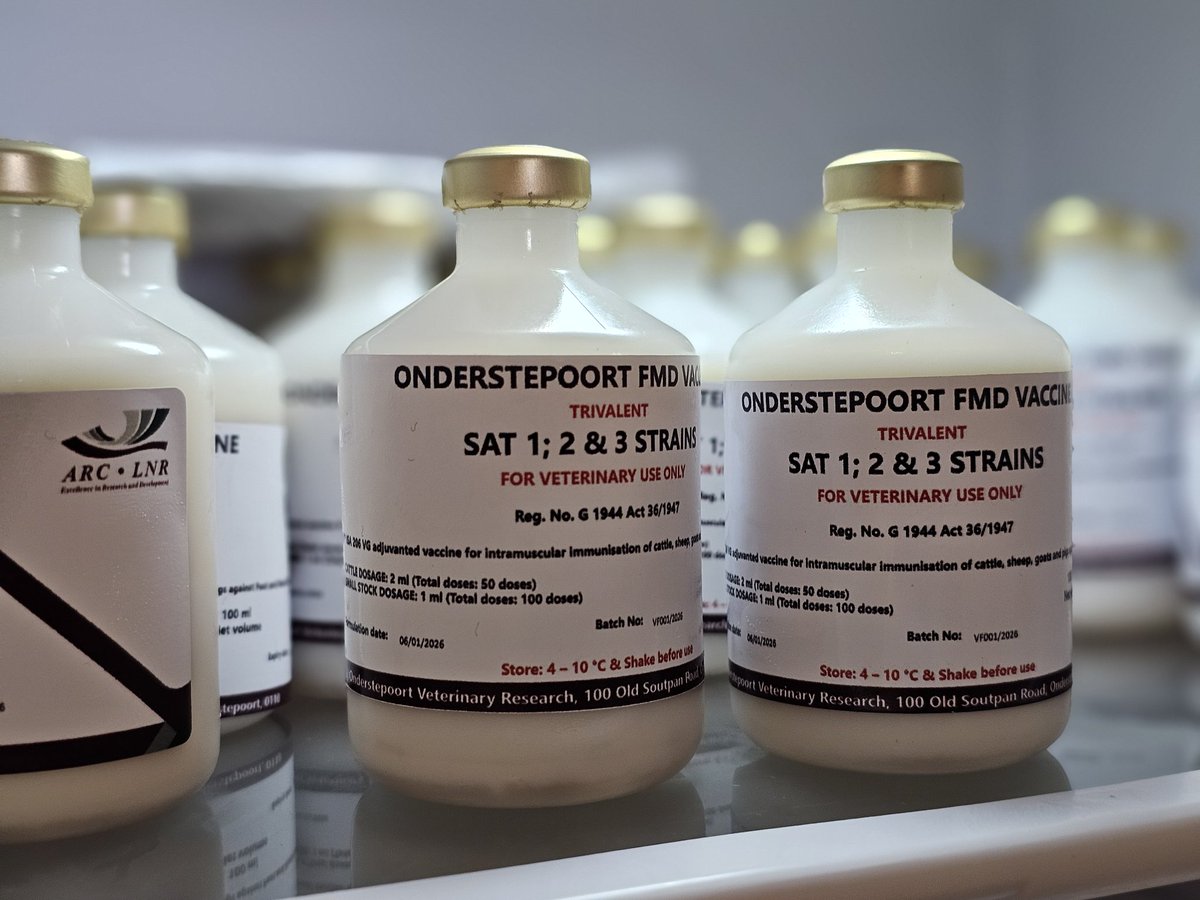
South Africa’s fight against Foot and Mouth Disease (FMD) has received a boost with the first batch of locally produced vaccines in over 20 years set to reach farmers soon.

This as the country has resumed local FMD vaccine production.

“This milestone signals a shift from reactionary disease chasing to a proactive, science led war on FMD. The goal is to reclaim South Africa’s FMD free status from the World Organisation for Animal Health (WOAH), using locally produced vaccines through collaboration between government, the Agricultural Research Council (ARC), and Onderstepoort Biological Products (OBP), “the Ministry of Agriculture said.

This as the Minister of Agriculture, John Steenhuisen, visited the ARC Onderstepoort Veterinary Research facility to witness the finalisation of the first batch of locally produced Foot and Mouth Disease vaccines on Friday. President and CEO of the ARC, Dr Litha Magingxa, handed over the first batch of locally produced vaccines.

The visit followed the completion and registration of the vaccines by ARC scientists and technical experts, developed using local infrastructure and expertise. 

The vaccine is registered as a stock remedy under Act 36 of 1947 and complies with the required quality, safety, and efficacy standards.

Minister Steenhuisen acknowledged the severe emotional and financial toll the current FMD outbreaks have taken on the agricultural community. 

“To our farmers who have watched their livelihoods disappear before their eyes, I hear you, and I feel the weight of this hardship with you. This has been a long, exhausting road, but I want you to know that help is not just coming; it is here.

“My Department and I will stop at nothing to ensure this disease is completely eradicated from our farms and communities. While the path to full recovery will take time, specifically through our focused ten-year strategy, we are finally moving from defence to offence. Please do not lose faith; we are building a system that will protect your herds for generations to come,” he said.

Ageing technology and infrastructure, which were non-compliant with international Good Manufacturing Practice standards, led to South Africa ceasing production of the vaccine in 2005.
However, after nearly two decades of research and modernisation, the ARC has successfully produced its first 12 900 doses using modern bioreactor technology.

The breakthrough involved identifying circulating regional strains and ensuring the vaccines provide high potency, long-lasting immunity that meets strict international biosafety standards. 

Between 2010 and 2018, the ARC started research within the existing facility, with the objective to:
1.    Identify new candidate vaccine strains appropriate for use within the  Southern African Development Community (SADC) region.
2.    Adapt the strains to in vitro cultivation in bioreactors, in large quantities, to improve product yields compared to previous production techniques.
3.    Determine the strains’ capacity to elicit protective immunity, both immunologically and clinically. 
4.     Determine the potency of the vaccine and the strength and longevity of immunity, which informs the vaccination schedule in the field.

The process was “very intensive” and required compliance with strict biosafety and biosecurity, safety, and good manufacturing practices, as well as regulatory compliance in terms of the Fertilizers, Farm Feeds, Agricultural Remedies and Stock Remedies Act, 1947 (Act No. 36 of 1947). 

“The 12 900 doses were produced at a pilot scale as proof of production concept for the new virus strains and production technology developed,” said the department.

Distribution 
The initial distribution of this batch is as follows: 
Free State (2 300 doses), 
Eastern Cape (2 600 doses), 
North West (2 000 doses), 
Gauteng (2 000 doses), 
Limpopo (2 000 doses) and 
Mpumalanga (2 000 doses).
From March 2026, the ARC will be able to supply 20 000 doses per week of its monovalent SAT 1, SAT 2, or SAT 3 vaccine, and subsequently 200 000 monovalent doses per week from 2027.

Securing the vaccine pipeline 
To bridge the gap while local production scales up, the Department of Agriculture has clarified its procurement strategy to ensure a steady supply.

“From the outset, it is important to clarify misinformation regarding vaccine imports by private companies. Minister Steenhuisen and the Department confirm they have no objection to the use of designated agents, such as Design Biologix for Argentina’s Biogénesis Bagó and Dunevax for Turkey’s Dollvet. 

“The priority is the consistent arrival of vaccines, not the specific procurement channel. The Department maintains that claims proposing a vaccine free for all are short sighted and reckless and fly in the face of established international and local precedent for disease control.”

The Ministry added that the department has already seen the serious risks posed by illegally imported vaccines in KwaZulu-Natal. 

“It should again be stressed that the Department welcomes assistance from the private sector in eradicating this disease. The private sector, industry bodies, and others have been included at every step, from the initial FMD lekgotla to the Ministerial Task Team and the FMD Industry Coordination Council.” 

The department has furthermore committed to working with private veterinarians and animal health technicians as the vaccine rollout proceeds. 

In order to regain FMD-free status with vaccination from the World Organisation for Animal Health, South Africa must prove there has been no virus transmission for at least twelve months. It said that this requires a strictly controlled vaccination rollout, official surveillance, strict movement controls, and systematic vaccination coverage that can be documented and verified.

“Without centralised monitoring and state-led control over the process, the country will fail to achieve this goal, causing long-term damage to agricultural exports and negating the entire vaccination strategy.” 

Through the Botswana Vaccine Institute (BVI), South Africa has already acquired, monitored, and administered two million vaccines to date. 

The BVI has confirmed the supply of 700 000 doses of FMD vaccine by the end of February 2026. This will be followed by monthly supplies of 700 000 doses in April, May, and June.

Biogénesis Bagó of Argentina will soon supply one million doses, with a further five million doses expected in March 2026. 

The 1.5 million-dose Dollvet vaccine from Turkey is expected to arrive in the country in the third week of February 2026, followed by a second supply of five million doses in March 2026. 

Disaster Updates and Scientific Rigor In line with WOAH agreements for FMD reference laboratories, local FMD strains have been sent to the Pirbright Institute in the United Kingdom for matching against circulating viruses. 
Additionally, the Department has finalised a memorandum to declare a National State of Disaster, which will be tabled soon in Cabinet. 

“This will unlock emergency funding for mass vaccination across affected provinces,” said the Ministry.

Minister Tau on a working visit to China

Trade, Industry and Competition Minister Parks Tau has undertaken a working visit to China.

The trip, which ends on Saturday, comes at a time when South Africa is pursuing an objective of market diversification and export growth. 

The purpose of the trip is to sign the China-Africa Economic Partnership Agreement (CAEPA), which will see South African exports getting duty free access to the Chinese Market and attract investment into South Africa.

Tau will also take the opportunity to meet with various Chinese companies that have an interest in investing in South Africa.

China has been South Africa's major trading partner for more than 15 years. 

“South Africa and China have a strong bilateral relationship that has been elevated to an all-round strategic cooperative partnership as formalised during President Cyril Ramaphosa's official visit to China in September 2024,” the Department of Trade, Industry and Competition said in a statement. 

Have your say on draft Cannabis Regulations

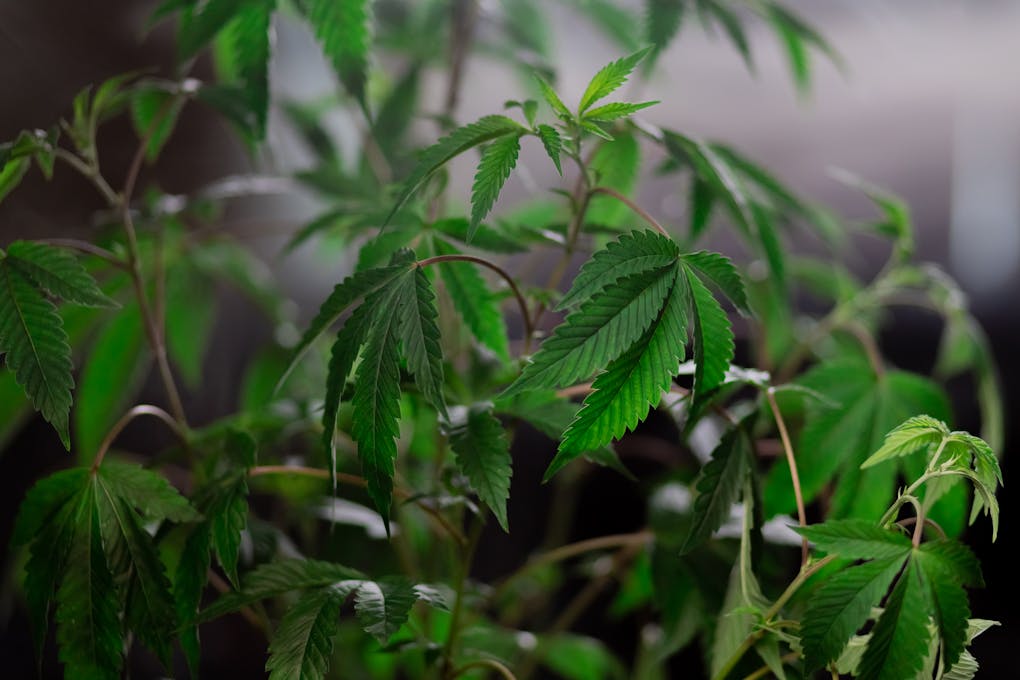
The Department of Justice and Constitutional Development (DJCOD) has called for public comments on the draft regulations in terms of the Cannabis for Private Purposes Act, 2024.

“Copies of the draft regulations are available on the Department of Justice and Constitutional Development website and in the Government Gazette. Members of the public and interested stakeholders are invited to submit written comments to the Department by 5 March 2026.

“All submissions received will be carefully considered before the regulations are finalised. Once finalised, the proposed limits will be submitted to Parliament for approval prior to coming into effect,” the DJCOD said on Tuesday.

The department explained that the draft regulations propose the “upper limits for the possession and cultivation of cannabis for private use and form part of the ongoing process to implement the Act”.

“In developing the draft regulations, the Minister considered a range of factors, including what may reasonably constitute private use, the number of cannabis plants required to support such use, and relevant international benchmarks.

“The draft regulations also set out administrative and technical processes relating to the expungement of qualifying criminal records,” the DJCOD said.

Constitutional question
Some eight years ago, the Constitutional Court delivered a judgement which found that it is not reasonable and justifiable to criminalise the private use of cannabis by an adult in “an open and democratic society founded on human dignity, equality, and freedom”.

The court also declared that the relevant legislative provisions related to this were constitutionally invalid and South Africa’s law-making body, Parliament, was ordered to effect the necessary amendments.
Subsequently, Parliament gave effect to the judgement by enacting the Cannabis for Private Purposes Act, 2024.

“The Act provides a regulatory framework for the use, possession, cultivation and transportation of cannabis for private purposes and makes provision for the expungement of criminal records for persons previously convicted of certain cannabis-related offences.

“While the Constitutional Court did not prescribe specific limits on the quantity of cannabis that may be possessed or cultivated for private use, it left this determination to Parliament,” the department explained.

The judgement by the Constitutional Court paved the way for decriminalisation of the use or possession of cannabis for private use by adults.

Scope 
However, this does not extend to the buying or selling of cannabis.

“Matters relating to the commercial cultivation, buying or selling of cannabis or cannabis products, as well as the recognition of traditional growers, fall outside the scope of the Act and are being addressed by other government departments, including those responsible for Trade, Industry and Competition, Agriculture, and Health,” the department said.

The judgement also does not extend to persons who are under the age of 18.

“The use of cannabis by children remains prohibited, primarily due to medical concerns regarding its impact on the developing brain.

“While the Constitutional Court found in the Centre for Child Law v Director of Public Prosecutions, Johannesburg (CCT 210/21) judgement that criminalising a child for the use or possession of cannabis was not in the child’s best interests, the Act places clear responsibility on adults and criminalises conduct where an adult permits a child to use or possess cannabis or supplies cannabis to a child.

“The draft regulations and the Cannabis for Private Purposes Act are confined to implementing the Constitutional Court decision on the private use of cannabis,” the department emphasised.

Warning Issued for Severe Thunderstorms in Garden Route

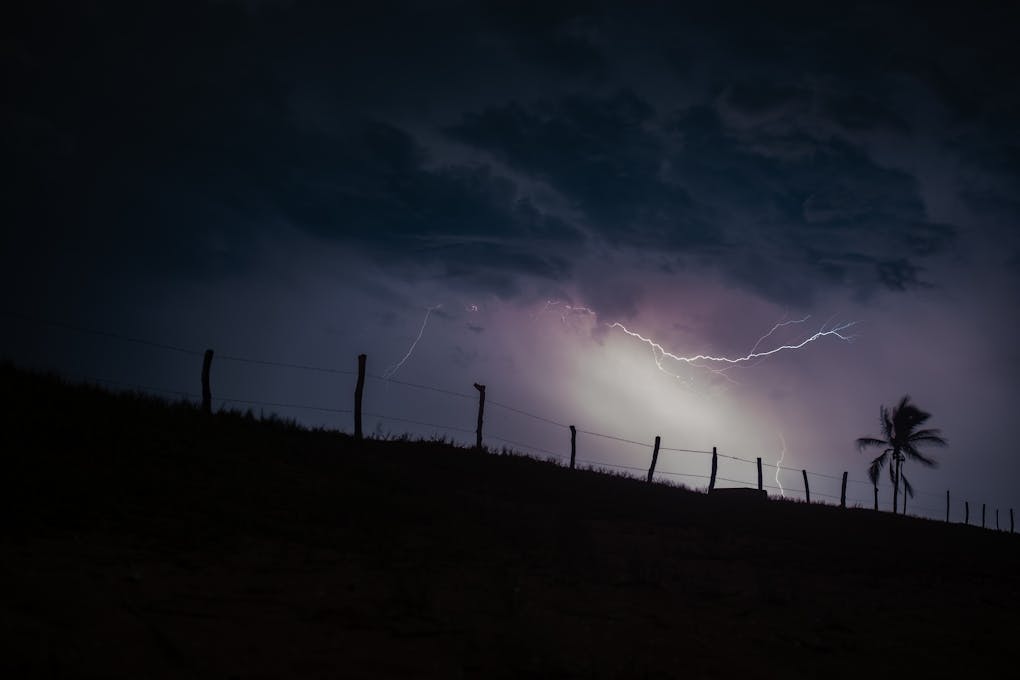
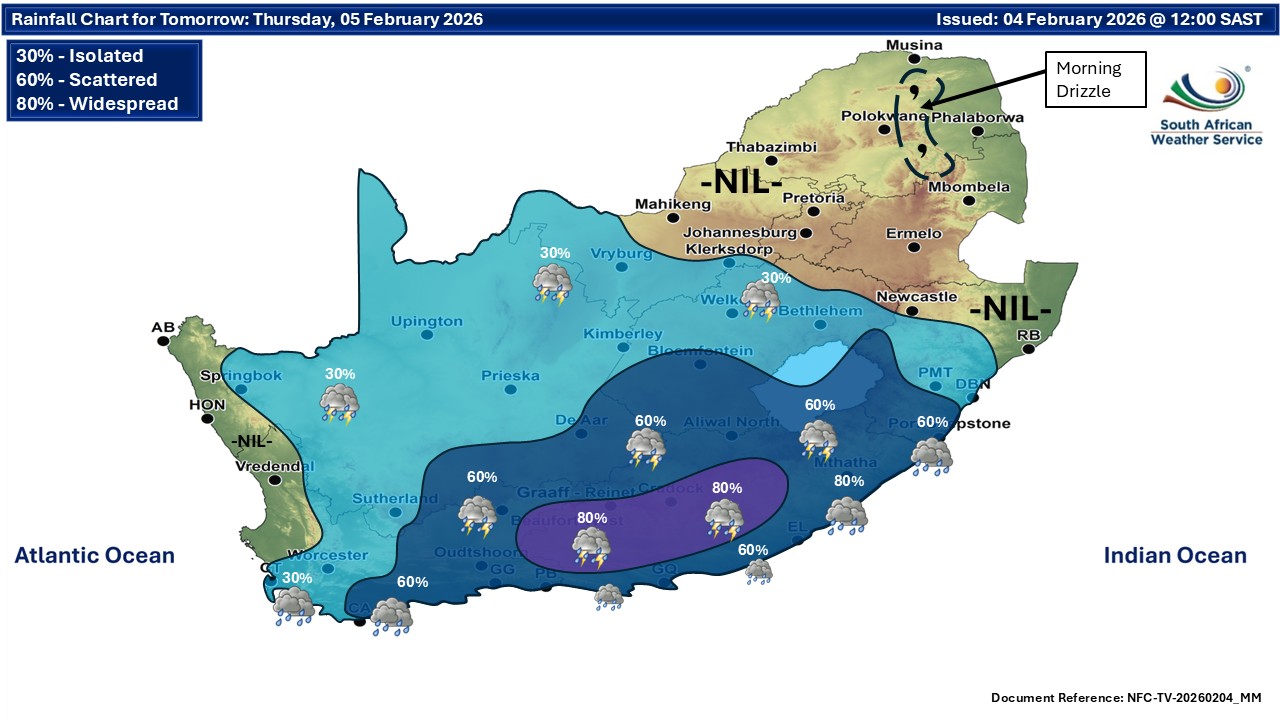
An impact-based Yellow Level 2 warning has been issued by the SA Weather Service (SAWS) for severe thunderstorms, expected to affect parts of the Western Cape.

According to the warning, heavy downpours could lead to localised flooding of susceptible roads, low-lying areas and bridges. Damaging winds, excessive lightning and hail are also expected, which may result in damage to infrastructure and settlements.

The Garden Route district is forecast to experience these conditions today, Thursday 5 February 2026.

Residents in the affected areas are urged to exercise caution, avoid flooded roads and remain alert to rapidly changing weather conditions.

World Cancer Day highlights global fight against cancer

World Cancer Day is marked annually on 4 February to raise awareness about cancer and to encourage action aimed at prevention, early detection, treatment and care. The day was established in 2000 at the World Summit Against Cancer for the New Millennium in Paris and has since been led by the Union for International Cancer Control, uniting communities across the globe in the fight against the disease.

The aim of World Cancer Day is to promote research, improve education and mobilise individuals, organisations and governments to make meaningful progress in addressing cancer. Supporters are working together to reimagine a world where everyone has access to cancer prevention, treatment and care that meets their specific needs.

Each year, hundreds of activities take place worldwide, bringing together communities, schools, businesses, hospitals and organisations through events held in public spaces, workplaces, healthcare facilities and online platforms.

Cancer occurs when changes in normal cells lead to uncontrolled and abnormal growth, forming a tumour. If left untreated, these tumours can spread to surrounding tissue or other parts of the body through the bloodstream and lymphatic system, affecting vital organs and normal body functions.

According to the World Health Organization and the International Agency for Research on Cancer, cancer remains the second leading cause of death globally. About one in five people will develop cancer during their lifetime, while approximately one in nine men and one in twelve women will die from the disease.

The global cancer burden is expected to rise sharply in the coming decades. More than 35 million new cancer cases are predicted by 2050, representing a 77 percent increase from the estimated 20 million cases recorded in 2022. In that year alone, cancer claimed 9.7 million lives worldwide.

Lung cancer remains the most commonly diagnosed cancer, accounting for 2.5 million new cases globally. Female breast cancer ranks second, followed by colorectal, prostate and stomach cancers. Lung cancer is also the leading cause of cancer-related deaths, followed by colorectal, liver, breast and stomach cancers.

Experts estimate that over 40 percent of cancer deaths worldwide are linked to preventable risk factors such as tobacco use, alcohol consumption and high body mass index. While individuals are often blamed for these risks, public health experts stress the importance of creating healthier environments and addressing the commercial factors that drive harmful consumption.

The World Health Organization estimates that an additional 3.7 million lives could be saved each year through effective prevention strategies, including vaccination, early detection and timely treatment, particularly for common cancers such as breast, cervical, colorectal and prostate cancer.

Cancer continues to have a disproportionate impact on low- and middle-income countries, where about 70 percent of cancer deaths occur. These countries often lack access to adequate screening, treatment and support services. This inequality is especially evident in breast cancer outcomes, where survival rates are significantly higher in countries with strong healthcare systems.

Beyond its human toll, cancer also places a heavy economic burden on societies. The total global cost of cancer is estimated at 1.16 trillion US dollars, driven by healthcare expenses, lost productivity, reduced quality of life and premature death.

World Cancer Day serves as a reminder that while the global cancer burden is growing, millions of lives can be saved through prevention, early detection and equitable access to care.

error: eRadio is protected !
Scroll to Top