Full Speech: John Steenhuisen steps down as DA Leader

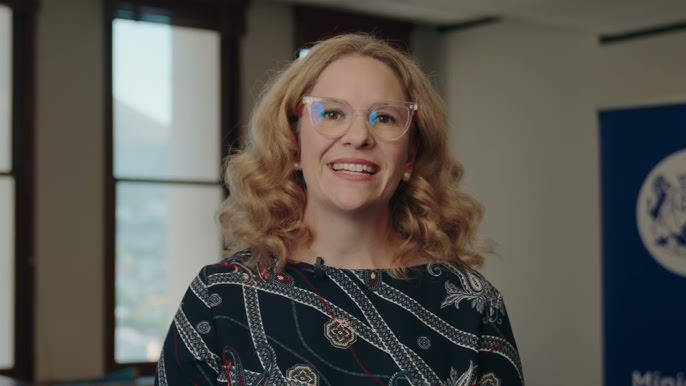
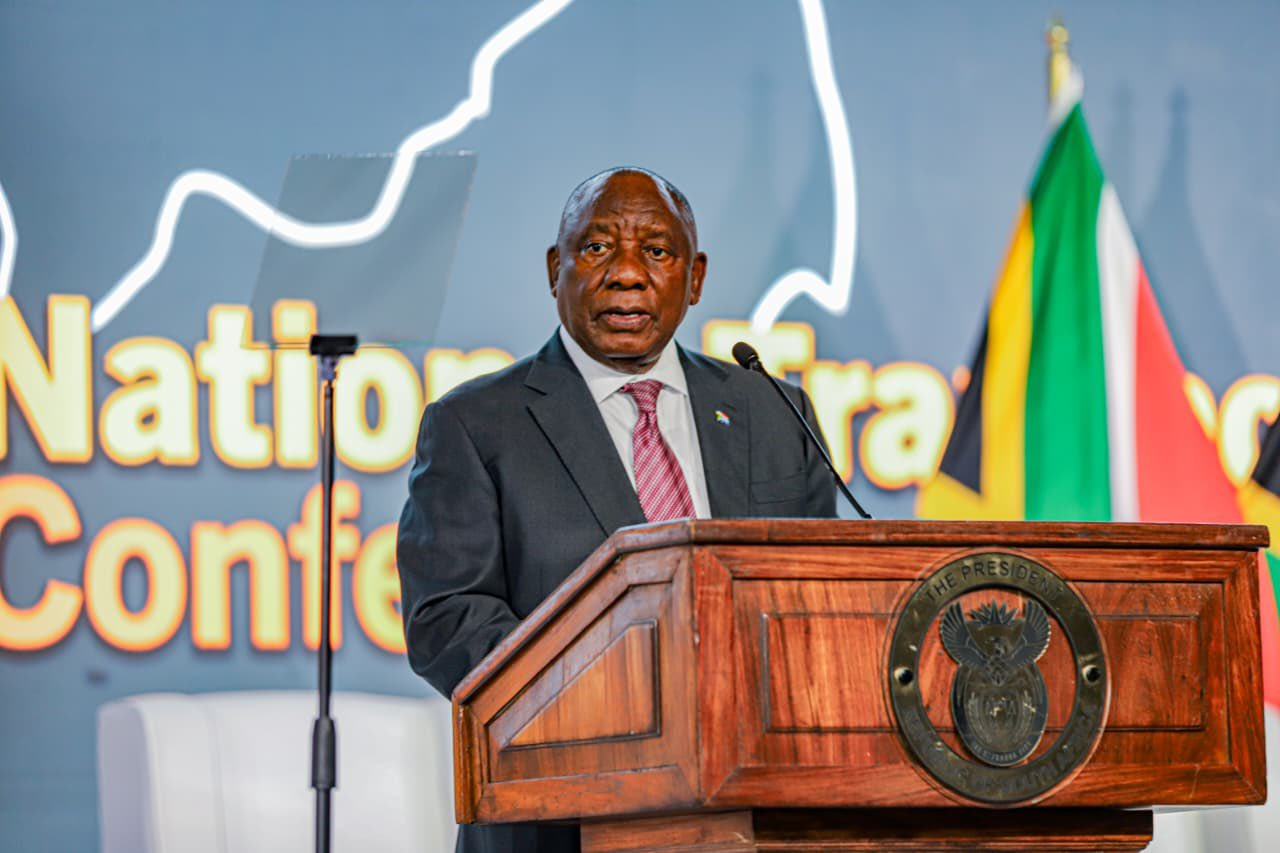
The following speech was delivered in eThekwini today by the Leader of the Democratic Alliance, John Steenhuisen.

Ladies and gentlemen,

I am joined here today by my beautiful family, some of my closest friends, and some of my dearest colleagues. I want to particularly acknowledge those who were there in the beginning, Rosemary Harrison, who’s mother and father ran every one of my campaigns for council right here in Durban North Ward 36.

A few weeks ago, I climbed up the steps to the Union Buildings for the umpteenth time since the Democratic Alliance entered national government 19 months ago.

But instead of rushing straight to the next meeting, I felt a sudden urge to stop at the top.

I turned around and looked out over the green lawns and the skyline of Pretoria.

For a long moment, I just stood there, thinking about the enormous meaning behind this seemingly small activity of walking up the steps.

Not long ago, it was unthinkable that the leader of the DA would ever walk up the steps to the Union Buildings.

For 30 years under democracy, and for many decades before that, the DA and its predecessors fought to one day carry our vision of building an open, opportunity society for all into national government.

The DA strove for this goal because it was only by gaining access to the levers of national power that we could ever hope to build a more prosperous, fair and successful country.

But to actually get there, a leader was required who would do the hard work of converting the DA from a party of mere opposition, into a governing force strong enough to bend the arc of history – away from a South Africa marked by joblessness, decline and despair, in a new direction towards economic growth, rising prosperity, and renewed hope in the future.

Very few people believed we would ever get there.

Far too many people were comfortable with the DA being a perpetual opposition, smirking and pointing fingers while South Africa declined.

And yet, once we got the DA back on track following my election as Federal Leader in 2019, we set out to achieve exactly this in the 2024 general election: to enter national government for the first time.

In April 2023, following my re-election as Federal Leader with a decisive mandate of 83% from Federal Congress delegates, I announced that the DA was ready to take this Moonshot.

That we were going to shed our image as a party that only shouted at others from the comfort of the side-lines, and mature into a party that gets stuck in to fix the country we all love.

In an address that reshaped the DA’s approach to coalition government – and that would go on to reshape South Africa a little over a year later – I announced that my party would move towards a more collaborative form of politics that sought to unite those who want to build up our country, while isolating those who seek to break it.

At the time, I also warned that if the DA was unable to mature and rise to the demands of a coalition country, it would be responsible for selling South Africa out to the populist Doomsday Coalition.

A little over a year later, on the 3rd of July 2024, the DA achieved our Moonshot.

After the ANC lost its majority for the first time since 1994, and after the emergence of Jacob Zuma’s MK Party made our mission even more urgent, the DA successfully negotiated the formation of the Government of National Unity with President Cyril Ramaphosa.

DA members were sworn in as Ministers, Deputy Ministers, Deputy Speaker, Chairpersons and Portfolio Committee Chairs in the National Assembly and National Council of Provinces, as well as MECs and Deputy Speaker in KwaZulu-Natal – in addition to retaining outright control of the Western Cape.

This outcome, which included the Democratic Alliance’s ascension to national power, constituted the single greatest achievement in the history of our party.

Against all the odds, a party that once languished at 1.7% of the national vote, that was subsequently seen as little more than a regional party and regarded as too arrogant and oppositional to play any national role, now carried the hopes and dreams of our 3.5 million voters into national government for the first time ever.

That we were able to get back to growth after the previous leader walked off the job –
That we had the strategic foresight to reposition the party in anticipation of the coalition era –
That we were able to negotiate our way into becoming a leading partner in South Africa’s first-ever democratically-elected national multiparty government –
And that we have since leveraged our influence in government to set South Africa on a fundamentally better path –
Is an achievement that will go down in history.

In the long story of the DA and its predecessors, dating back at least to 1959, there is only one leadership era that will ever be remembered for marshalling our party across the Rubicon, into national government.
Only one.
And it is this one.

A little over a year-and-a-half later, the people of South Africa are beginning to experience the full impact of this breakthrough.

The GNU has more than doubled economic growth during its first calendar year in office.

The DA made a major contribution to this through our victory against a proposed VAT increase last year, in favour of deeper and faster economic reform.

South Africa recently got its first credit rating upgrade in twenty years, and we have been removed from the Financial Action Task Force’s grey list.

Growth projections are improving across the board, and unemployment has started to tick down.

Of course, we have much more to do, but there is no doubt that South Africa’s economy is on the up, after more than a decade of rapid decline.

For the first time in many years, life is getting better for the people of South Africa, thanks to the work of the Democratic Alliance at municipal, provincial, and – crucially – national level.

Through the GNU, we have opened major agricultural export markets in the last 18 months, and we are working scientifically and with determination to end the worst foot-and-mouth outbreak in our country’s history.

Systemic reform is underway at Home Affairs, where a department that was once synonymous with failure is rapidly becoming a world leader in efficiency and secure digital service delivery.

Basic Education is reforming our school curriculum, while the Department of Communications and Digital Technologies is unlocking equity equivalent investments to massively expand digital inclusion.

Public Works and Infrastructure is driving a construction boom across our economy.

Forestry, Fisheries and the Environment is now working to unlock sustainable economic growth for rural and fishing communities, while rebuilding the Kruger National Park following devastating floods.

South Africa today is a profoundly better country than it was on the eve of the 2024 general elections.

A major part of the reason is because I delivered on my pledge to turn the DA into a party of national government, which enabled the talented colleagues who lead these Cabinet portfolios to demonstrate that the DA truly delivers for all.

In fact, one of the things I am most proud of is the pool of talent I actively nurtured in the DA.

Whether it is Siviwe Gwarube, Ashor Sarupen, Leon Schreiber, Dean Macpherson, Solly Malatsi, Mimmy Gondwe or Sello Seitlolo as Ministers and Deputy Ministers, or Geordin Hill-Lewis and Cilliers Brink as mayors of metropolitan cities – these talented young leaders and many others like them, became household names during my tenure because I worked to empower them at every turn.

Rather than insecurely fearing competition, the mark of a true leader is to foster talent wherever it can be found.

Because, as these excellent young leaders continue to shine in the DA for many years to come, it will always reflect on the leader who first believed in them.

I am also particularly proud of how the DA is increasingly seen as a political home for all the people of South Africa.

At the start of my leadership term, many commentators underestimated my commitment to ensuring that the party broadens its appeal beyond its traditional base.

But the Moonshot that catapulted the DA into the GNU was predicated on my commitment to reshape this party into one that transcends the boundaries or race, ethnicity and class to serve all the people of our beautiful country.

I believe the key reason why the DA is now polling at historically high levels, and winning by-elections in areas where it traditionally struggled, is because the party’s work in the GNU has proven that we care about all South Africans, from all backgrounds.

Whether it is empowering emerging farmers and fishers, issuing Smart IDs to people in villages and rural areas, or delivering better education in township schools – no one can deny that the DA is now delivering for all.

I also feel it is important to remind my fellow Democrats that the progress we have experienced since 2019 did not happen automatically or by osmosis.

Although decisions like the formation of the Moonshot Pact and entering the GNU were proven correct, we must not gloss over the fact that some people opposed these bold moves at the time I pushed for them.

I say this as a reminder to all of us that the threat of the populist Doomsday Coalition ultimately entering government has not disappeared.

Just look at what happened in this province in December last year, when the MK Party came within a single vote of toppling the Government of Provincial Unity.

In the wake of losing the motion of no confidence they had instituted against the GPU, they inflicted violence and destruction in the chamber of the legislature, including by assaulting the Speaker.

Make no mistake about it: the scenes we saw on that day, is what awaits all of South Africa if we ever allow the MK-EFF Doomsday Coalition into power.

As the DA, but also other GNU partners, hold internal elections over the coming months, it is paramount that we all continue to put South Africa ahead of factional and personal agendas.

It would be a tragedy too great to contemplate for internal party manoeuvring to plunge the GNU and our country into chaos.

We have come too far, and we still have too far to go, to allow anyone to derail the progress we are making.

My fellow South Africans,

When I stood at the top of those steps at the Union Buildings a few weeks ago, I was reminded of another set of steps I ascended for the first time 27 years ago.

They were the steps to the Durban City Council, where I was elected as the youngest ever councillor in 1999.

If someone had told that bright-eyed and bushy-tailed young man that he would, just over two decades later, be the person to lead the DA into national government, he would not have believed you.

And as I stood there looking out over South Africa’s capital city, I realised: it is mission accomplished for me.

I have delivered everything that I promised my party when I was first elected as Federal Leader back in 2019.

I proudly picked up the party’s banner when its internal polling was down to just 16% and after the media declared the “Death of the DA.”

Built on the simple message that I believed there was nothing wrong with the DA that couldn’t be fixed by what is right with the DA, I worked hard with others who love the DA to not only resurrect the party’s fortunes but also carried it to new heights.

Previous chapters of the DA’s history were marked by the party becoming the official opposition and entering provincial government in the Western Cape.

My term will be remembered for leading the DA into national government and putting South Africa on a new path to prosperity.

Don’t get me wrong: this is not the end of the road for the DA, or for myself.

The way I see it, there is an important next mission that beckons for the party.

That is to build upon my legacy and the DA’s success in the GNU, in order to turn our party into the biggest in South Africa, so that we can lead future coalition governments at local, provincial and national level.

But, ladies and gentlemen, that is a mission for the next DA leader.

Because I now have another mission, and it is urgent.

For the rest of this term of office, I will focus all my time and energy as Minister of Agriculture on defeating the most devastating foot-and-mouth disease outbreak our country has ever seen, and to pursue mass vaccination to ensure that this is the last mass outbreak of FMD our country ever sees.

After leading the DA into the GNU, my next chapter must be to eradicate this devastating disease from our shores once and for all.

That is not a part-time job.

It would not be fair to the incredible farmers of South Africa for me to split my time between battling the worst FMD outbreak ever on the one hand, while also running an internal campaign for the next three months and then leading a local government election campaign, on the other hand.

So, to my colleagues and friends in the DA,

It has been the honour of a lifetime to lead our party to the top of the Union Building steps. And I want to thank every public representative, every staff member and every activist. For three elective congresses I placed my trust in you and you in me.

I told you we would land our Moonshot and keep out the Doomsday Coalition.

And today, I simply say: mission accomplished.

From right here in Durban – not far from where I first climbed the steps to the council chambers 27 years ago – I today announce that I will not seek re-election for a third term as DA Federal Leader at the party’s upcoming Federal Congress.

I do so with a full heart, knowing that I have accomplished my DA Moonshot mission, and that my work in government now requires me to similarly pour my heart and soul into defeating foot-and-mouth disease.


I also do so in the knowledge that I hand over the reins to a fundamentally healthier party than the one I inherited.

Instead of 16%, the DA is now consistently polling at 30%, and is within striking distance of becoming the biggest political party in South Africa.

The next duly-elected DA leader can rely on my full support, and will be given the space to lead the party as they see fit.

For the true test of whether you love a thing, is the ability to let it go when the time is right.

I have loved leading the DA, which is why today I let it go with a smile on my face, and triumphant peace in my heart.

The DA I inherited was reading its own obituary, in a country that was in rapid decline.

The DA I leave behind, co-governs a country that is firmly on the up.

It is now up to the next generation of leadership to ensure that the DA continues to do so with ever-growing confidence for many more years to come, so that we can deliver the country of our dreams to all of our children.

I love my party and I love my country, and I will continue to work every day to ensure the success of both.

Thank you.

Ten Drownings in a Week: NSRI Urges Water Safety After Tragic Week

Over seven days, from Sunday 25 January to Sunday 1 February, the National Sea Rescue Institute (NSRI) responded to over thirty rescue incidents across South Africa. Sadly, at least ten people have drowned or are missing, many of them teenagers.

Thirty-nine people were rescued from the water during the same period. These included a mass rescue at Kleinmond Main Beach involving nine people swept out by rip currents, as well as individual and group rescues along the coast in Gordons Bay, Wilderness, Hout Bay, and East London. 

“This has been an extremely difficult week,” said Brett Ayres, NSRI Chief Operating Officer. “Our crews responded to multiple drownings and non-fatal drownings across the country. Each of these tragedies is a stark reminder that water activities are never without risk.”

The drownings occurred across a wide geographic area - from KZN to the Eastern Cape and the Western Cape - and involved both coastal and inland waters.

Among the fatalities, a concerning pattern has emerged:

-Teenagers between the ages of 14 and 16 made up a significant portion of those reported missing or deceased.
-Many incidents occurred during a full moon spring tide, which contributes to stronger rip currents and more powerful tidal flows.
-One fatal drowning occurred in a dam on Table Mountain, and another at the Kanana Dam near Rustenburg.

“We are seeing the same risk factors repeating: young people swimming in unguarded areas, rip currents not recognised, and well-meaning bystander rescuers also getting into difficulty,” said Andrew Ingram, NSRI Communications Manager.

“Rip currents are fast, narrow channels of water that pull swimmers away from the shore,” explained Ingram. They’re hard to spot and incredibly dangerous - especially when combined with a spring tide, which we experienced last week.”

However, not all drownings occurred at the ocean. “The two drownings in dams are a painful reminder that inland water can be just as hazardous, even when it appears shallow and calm,” added Ingram.

Despite the tragedies, NSRI and emergency responders and members of the public using Pink Buoys successfully rescued 39 people during this period:

-Nine people, including teenagers and parents, were rescued in a mass rescue at Kleinmond Main Beach using NSRI Pink Rescue Buoys.
-A 47-year-old woman was rescued after being swept off rocks near Gordons Bay.
-Two seafarers were medically evacuated from a ship off Richards Bay.
-Multiple kayakers and small craft operators were assisted after mechanical failures or capsizes.

“These rescues highlight how critical flotation devices, early calls for help, and coordinated responses are in saving lives,” said Ingram. “Good Samaritans, lifeguards, and our volunteer crews all played key roles in preventing more tragedy.”

In the wake of this devastating week, the NSRI urges the public to follow these water safety principles:

-Drinking alcohol before swimming or taking part in a water-related activity puts your life at risk.
-Choose to swim at beaches where lifeguards are on duty, and stay between the flags.
-Supervise children closely at all times - especially teens, who remain at high risk.
-Float if caught in a rip current. Don’t panic - swim out of the current parallel to the shore.
-Never attempt a rescue without taking something that floats with you, and call for help before entering the water.
-Treat inland waters with extreme caution. Fresh water has less buoyancy than salt water and needs more energy to stay afloat.
-Download the NSRI SafeTrx App for safer boating and paddling.

“Summer is far from over,” said Ayres. “As we continue to enjoy our coastline and inland waters, we must remember that safety is everyone's responsibility. These incidents are tragic. We urge the public to remain vigilant, informed, and prepared.”

For emergency assistance, call NSRI’s Emergency Operations Centre on 087 094 9774 or dial 112 from any mobile phone.

Steenhuisen could step down as DA leader – reports

DA leader John Steenhuisen is reportedly not making himself available to serve a second term as party leader. He is expected to address the media tomorrow in Durban.

Steenhuisen has been under heavy pressure since December following a fallout with former Environment Minister Dion George. Their relationship reportedly deteriorated after Steenhuisen asked President Cyril Ramaphosa to remove George from his ministerial post. It is also alleged that the dispute relates to George’s refusal to accept a deputy minister position.

However, the DA’s federal chairperson, Helen Zille, has denied that there is tension within the party.

Steenhuisen is currently facing criticism from South African farmers in his role as Agriculture Minister, with many unhappy about his handling of the foot-and-mouth disease crisis.

SA new vehicle market entered 2026 with sustained momentum

The Automotive Business Council reports that the South African new vehicle market entered 2026 with sustained momentum, confirming that the positive trajectory established during 2025 has carried decisively into the new year.

Aggregate domestic new vehicle sales in January 2026, at 50,073, reflected an increase of 3,479 units, or a gain of 7,5%, compared to the 46,594 vehicles sold in January 2025. Export sales increased to 24,568 units, representing a gain of 136 units, or 0,6%, compared to the 24,432 vehicles exported in January 2025.

naamsa notes that the January 2026 performance reflects not merely a carry-over or base effect, but a material improvement in underlying demand conditions, supported by moderating inflation, stable macroeconomic variables, and a resilient consumer base.

Overall, out of the total reported industry sales of 50,073 vehicles, an estimated 42,753 units, or 85,4%, represented dealer sales, an estimated 10,9% represented sales to the vehicle rental industry, 2,1% to industry corporate fleets, and 1,6% to government sales.

The January 2026 new passenger car market at 37,190 units recorded an increase of 2,480 units, or 7,1%, compared to the 34,710 new cars sold in January 2025. Car rental sales accounted for 13,3%, of new passenger vehicles sold during the month. Domestic sales of new light commercial vehicles (bakkies and mini-buses) at 10,996 units during January 2026 recorded an 11,0% increase compared to the 9,903 units sold in January 2025.

naamsa noted light commercial vehicles demand continues to track broader conditions in the goods-producing sectors of the economy, which remain constrained but show signs of gradual stabilisation.

Sales in the medium and heavy commercial vehicle segments reflected a weak performance in January 2026. Medium commercial vehicle sales at 542 units represented a 5,9% year-on-year decrease in 2026, while heavy trucks and buses at 1,345 units reflected a 4,3% decrease compared to January 2025.

Fleet replacement decisions remain closely linked to infrastructure investment trends, logistics performance, electricity costs, and confidence in the broader investment outlook.

January 2026 vehicle export sales at 24,568 units reflected a year-on-year increase of 136 units, or 0,6%, compared to the 24,432 vehicles exported in the corresponding month last year. The export performance was supported by currency stability and easing imported input cost pressures; however, naamsa cautioned that the export outlook is increasingly shaped by heightened protectionism across several of South Africa’s key export markets.

naamsa reflects that the proliferation of trade-restrictive measures and evolving industrial policies in advanced economies continue to test South Africa’s automotive export competitiveness and market access conditions.

Furthermore, deepening trade and industrial arrangements between Western and Eastern economies - including preferential trade agreements, regional content rules, and strategic supply chain realignments- are expected to pose upward risks to South Africa’s vehicle export competitiveness and market share in certain traditional export destinations. These developments underscore the growing importance of cost competitiveness, and policy certainty in sustaining South Africa’s export performance over the medium to long term.

From a macro-economic perspective, naamsa highlights that the new vehicle market continues to benefit from a materially improved inflation and monetary policy environment. Headline consumer price inflation remains well anchored within the South African Reserve Bank’s [SARB] target range, with long-term inflation expectations at multi-year lows. The SARB has reiterated its objective of achieving a permanent inflation settlement at 3% by 2026, providing a critical anchor for pricing, investment, and long-term financing decisions.

Although the Monetary Policy Committee [MPC] maintained the repo rate at 6.75% at its January 2026 meeting, the split decision signalled growing confidence that the easing cycle has been delayed rather than derailed. Market expectations of a 25-basis point interest rate cut as early as March 2026, with a potential terminal rate of approximately 6.25% by year-end, continue to support improved affordability and buyer sentiment in the new vehicle market. In addition, the Rand’s appreciation to multi-year best levels against the US dollar has materially reduced imported inflation pressures, particularly for durable and semi-durable goods. This has contributed to moderating new vehicle price increases and has further supported real household purchasing power.

Looking ahead, naamsa emphasises that the industry awaits with pressing anticipation the finalisation of the comprehensive review of South Africa’s automotive policy framework, which is crucial for the sector’s long-term competitiveness, investment attractiveness, and resilience. In an increasingly complex and rapidly evolving global automotive environment - characterised by technological disruption, shifting trade alliances, and accelerated energy transition pathways - a coherent, forward-looking policy framework remains critical to secure South Africa’s position within global and regional automotive value chains.

The timely finalisation of this review and other policy measures are critical in securing the future of automotive manufacturing in South Africa in an increasingly competitive global investment environment.

Against this backdrop, naamsa believes that sustained macroeconomic stability, alongside a credible and forward-looking policy framework, will be pivotal in reinforcing the automotive sector’s competitiveness and long-term growth trajectory.

Source: ArriveAlive

World Wetlands Day 2026

This week we join the global community in marking World Wetlands Day, observed annually on 2 February.

The day raises awareness about the importance of wetlands and the urgent need to conserve and protect these vital ecosystems. Wetlands play a crucial role in supporting biodiversity, regulating the climate, and providing essential ecosystem services.

Wetlands are areas of land that are permanently or seasonally saturated with water. They include marshes, swamps, bogs and mangroves. Although they cover only about six percent of the Earth’s surface, wetlands support a remarkable share of the world’s biodiversity and are among the most valuable ecosystems on the planet.

World Wetlands Day highlights the need to preserve and sustainably manage these ecosystems. It also promotes action and advocacy for wetland conservation and underscores their importance in achieving the United Nations Sustainable Development Goals.

Wetlands help regulate the climate by storing carbon dioxide and reducing the impacts of climate change. They filter water, trapping pollutants and sediments before they reach rivers and oceans. Despite their value, wetlands remain under threat from development, pollution and climate change.

The Garden Route District Municipality remains committed to protecting the district’s valuable wetland systems. The municipality is currently reviewing its Garden Route District Wetland Strategy and Action Plan, previously known as the Eden District Wetland Strategy and Action Plan.

This updated strategy will guide local municipalities in implementing priority wetland projects and initiatives aimed at improving the health and functioning of key wetland systems in the district.

As we observe World Wetlands Day, all residents are encouraged to play their part. By reducing pollution, limiting waste, supporting conservation efforts and raising awareness, we can help ensure that wetlands continue to thrive and provide lasting benefits to our communities.

Police record major successes in fight against crime

The South African Police Service (SAPS) has scored big wins in the fight against crime, focusing strongly on taking illegal guns and ammunition out of circulation.

During the nationwide Operation Shanela II, police arrested 14 589 suspects for crimes including murder, rape, sexual assault, robberies, drug offences and illegal mining between 26 January and 1 February 2026. 

Furthermore, 2 032 wanted suspects were also traced and arrested for serious crimes during the same period. 

Police also recovered 119 firearms, including 10 rifles, seven shotguns, and five homemade firearms, alongside 1 144 rounds of ammunition. These recoveries form part of a broader clampdown on violent crime.

In addition, police arrested 100 suspects for illegal possession of firearms; 88 suspects for illegal possession of ammunition; 124 suspects for murder; 164 suspects for rape; 102 suspects for armed robbery, and 532 suspects for drug dealing.

Under confiscations and recoveries, 51 hijacked and stolen vehicles were recovered during the past week; more than 700 dangerous weapons were seized across the country; different types of drugs were recovered, and contraband goods worth more than R1 million were seized.

Communities are urged to continue reporting criminal activities to their nearest police stations, or through Crime Stop (08600 10111) or the MySAPS App.

Relief for consumers as fuel prices decrease

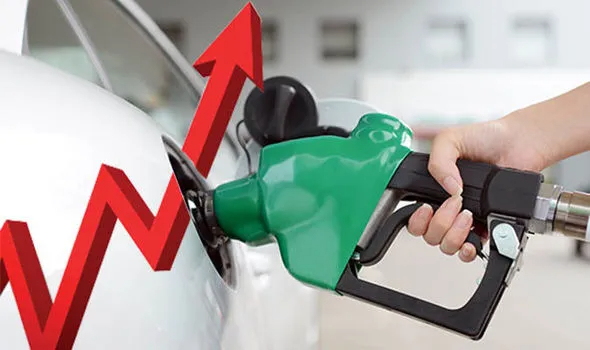
Petrol and diesel prices will drop between 50c and 65c from this Wednesday, the Department of Mineral and Petroleum Resources (DMPR) has announced.

Paraffin will also decrease, while LP Gas consumers will see increases.

The following price adjustments will apply from Wednesday:
-Petrol 93 (ULP and LRP): 65c decrease.
-Petrol 95 (ULP and LRP): 65c decrease.
-Diesel (0.05% sulphur): 50c decrease.
-Diesel (0.005% sulphur): 57c decrease.
-Illuminating Paraffin (wholesale): 53c decrease.
-Single Maximum National Retail Price for Illuminating Paraffin: 70c decrease.
-Maximum Retail Price of LP Gas: 31c increase (with a 36c increase in the Western Cape).

“The average international product prices decreased due to availability of inventories, despite increase in crude oil prices. These factors led to lower contributions to the Basic Fuel Prices of petrol, diesel and illuminating paraffin by 36c/l [cents per litre], 24.59 c/l and 21.13 c/l respectively.

“The prices of Propane and Butane increased during the period under review due to the cold weather in the Northern Hemisphere and tighter global supply,” the DMPR said.

The Rand also strengthened against the US Dollar (USD), gaining ground from R16.85 to 16.31 Rand per USD during the period under review.

“This led to lower contributions to the Basic Fuel Prices of petrol, diesel and Illuminating Paraffin by 28.52 c/l, 31.62 c/l and 31.86 c/l respectively,” the department explained. 

260 days of No Loadshedding as Eskom progress continues

Eskom’s recovery continues to yield results as the power utility records some 260 days without the implementation of load shedding.

The sustained progress stems from implementation of the Generation Recovery Plan, government’s Energy Action Plan and the improvement in the Energy Availability Factor (EAF).

“Together, these developments are enhancing operational reliability and supporting South Africa’s long-term energy security,” Eskom said in a statement.

According to the electricity provider, the EAF increased to 64.95% between 1 April 2025 to 29 January 2026, underscoring the “progress made in restoring reliability and enhancing system stability."

“The fleet has now achieved or exceeded the 70% EAF mark on 64 occasions [un-audited figures].

“The improvements in EAF demonstrate both recovery and sustained improvement in EAF performance, reinforcing energy security, grid stability and security of the national electricity supply,” Eskom added.

Unplanned outages have also shown improvement and have decreased from 12 993MW during the period between 23 January and 29 January last year to some 8 362MW during the same period this year – an improvement of 4 630MW.

“Over the same period, the Unplanned Capacity Loss Factor [UCLF] reduced to 17.27%, a significant improvement of 9.90% compared to 27.17% recorded during the same period last year.

“During the same period, Eskom’s Planned Capacity Loss Factor [PCLF] – essentially planned maintenance – averaged 10.46%, compared to 15.82% in the previous financial year.

“This reduction is consistent with Eskom’s maintenance schedule and reflects our strategy to enhance plant reliability, strengthen operational stability and support long-term fleet performance,” the power utility said.
Improvements in the EAF have allowed Eskom to decrease reliance on diesel generation with expenditure on the costly fuel remaining below budget in the year to date.

“After five consecutive weeks with no diesel expenditure for Open-Cycle Gas Turbines [OCGT] operations, diesel spend of R1.61 million was recorded [last] week, with 0.285GWh of associated energy send-out.

“Despite this, the total diesel expenditure remains R4.26 billion lower than at the same point last year. This sustained reduction reflects both significant cost savings and ongoing improvements in operational performance driven by Eskom’s turnaround initiatives. Overall, the trend underscores the increasing stability, efficiency and resilience of the power system,” Eskom noted.

Some 2 200MW of generation capacity is expected to be brought online this week.

SA at ‘no immediate risk’ of Nepah virus – Health Department

South Africa is currently under “no immediate risk” of the Nipah Virus (NiV) outbreak reported in India.

This is according to the Department of Health (DoH) which assured in a statement that there is “no need for the public to panic.”

Two cases of the potentially fatal virus were reported by Indian authorities in January 2026.

“The department is working closely with the National Institute for Communicable Diseases [NICD] which is closely monitoring the situation as the outbreak evolves and will keep the public informed of any new developments. 

“The scientists have advised that at this stage there is a very low risk outside the affected countries and there is no need for screening at ports of entry. Meanwhile, the NICD will be offering training to the Civil Aviation Authority as part of efforts to assist in communicating the message through the airlines and airport staff,” the statement read.

The department explained that the virus jumps from animals to humans, usually “transmitted from animals like bats to humans”.

However, it can also be transmitted from contaminated food or directly between people.

“The virus is currently not categorised under notifiable medical conditions but will be categorised as a respiratory disease of unknown origin which is notifiable. Laboratory testing is available at the NICD, and key resources have been updated to include current outbreak specifics.

“Transmission of this deadly virus to humans can occur from direct contact with infected animals like bats, farming animals such as pigs or horses and by consuming fruits or fruit products, such as raw date palm juice, contaminated by infected fruit bats. Some of the symptoms of Nipah virus include fever, headache, difficulty breathing or cough.

“According to the World Health Organisation, there is currently no treatment or vaccine available for this virus, however several candidate products are under development. Early intensive supportive care can improve survival. This means non-pharmaceutical interventions such as hygiene practices remain one of the most effective prevention methods to reduce the spread of the virus,” the department added.

Animal-to-human transmission risk can be reduced by “wearing gloves and other protective clothing while handling sick animals such as pigs or horses, and during slaughtering and culling procedures.”

Austrian man drowns at Wilderness beach

An Austrian tourist has died following a drowning incident at Leentjiesklip Beach in Wilderness on Saturday afternoon.

NSRI Wilderness was activated at around 3pm after reports of swimmers in distress. George Municipal lifeguards responded to three swimmers caught in rip currents - two men and a woman.

Rescue swimmers, additional lifeguards, EMS, George Fire and Rescue, law enforcement and police were dispatched to the scene. The NSRI rescue craft JetRIB Ann Stratford was launched.

A 19-year-old woman and her 21-year-old male friend, a university student from Cape Town, were rescued from the water and were not injured.

A 49-year-old Austrian man was also pulled from the surf with the assistance of lifeguards, rescue swimmers and bystanders. CPR was performed on the beach before paramedics arrived. He was transported to hospital in a critical condition after a faint pulse was restored.

Despite extensive resuscitation efforts, the man was declared dead later that night.

Police have opened an inquest docket. The incident is believed to have occurred near the peak of the spring high tide, when the swimmers were caught in strong rip currents.

The NSRI has extended condolences to the deceased’s family and friends. Support is being provided by the NSRI, the Austrian Consulate, Southern Cape Tourism Assist and police.

error: eRadio is protected !
Scroll to Top