Summer season likely to bring above average rainfall

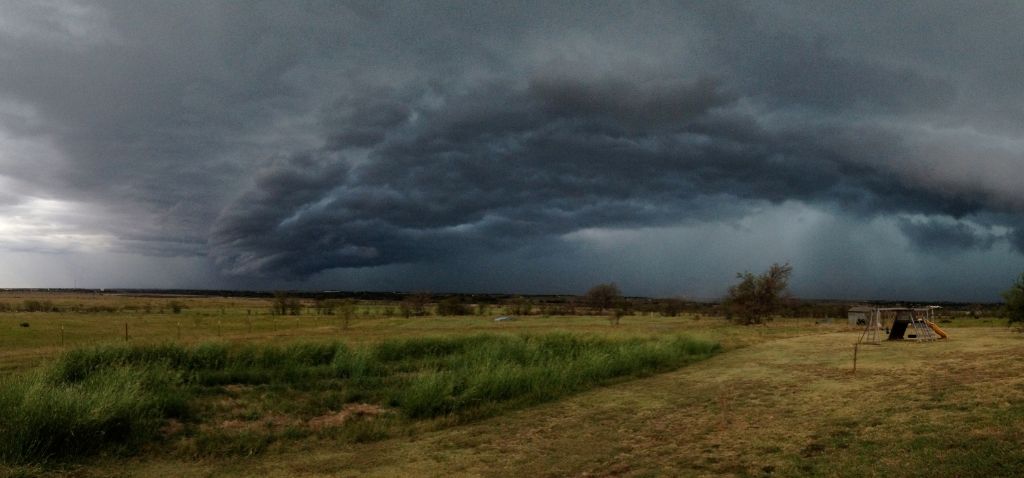
The South African Weather Service’s (SAWS) seasonal forecast reveals that the forthcoming summer season will mostly be hotter than normal with rainfall patterns that is likely to favor above-normal rainfall over the summer rainfall areas. These conditions could pose public health risks and the occurrence of natural disasters, especially flooding.

The EL Niño-Southern Oscillation (ENSO) is in a neutral state, with rapid cooling experienced in the last month which could result in a weak La Niña event within the next month if current predictions hold true.

For South Africa, this translates into generally favourable rainfall conditions for the summer rainfall areas in the North-Eastern parts of the country, and as mentioned above, is expected to increase the likelihood of flooding during summer.

Predictions indicate that the North West, parts of the Free State, KwaZulu-Natal, and parts of the Eastern Cape, will receive above normal rainfall which will likely benefit water reservoirs. However, measures such as establishing proper drainage systems, must be taken to safeguard against floods.

Without proactive measures in anticipation of impending above average rainfall, we are likely to see drownings, injuries and hypothermia. Unfortunately for parts of Mpumalanga and Limpopo Provinces, predictions indicate below average rainfall patterns which could exacerbate existing drought conditions in these areas. Farmers are encouraged to implement soil and water conservation measures, proper harvesting and storage techniques and proper drainage systems to mitigate these impacts.

In addition to the rainfall, the seasonal forecast anticipates above normal minimum and maximum temperatures across the country, with exceptions in the southwestern coastal areas which will be below normal.

The latter impacts cities mostly in the Northen Cape and parts of the Western Cape, while the increased minimum and maximum temperatures will be the status quo throughout the rest of the country. This means that measures must be taken to mitigate the risk of heat-related illnesses which cause harm to human health and accelerate the growth of foodborne pathogens.

Though summer is a welcome respite from winter, the SAWS would like to remind fellow South Africans that increased warming across the globe requires that everyone proactive measures to protect themselves on hot days and avoid exposure to flood prone areas where drainage is insufficient.

SA Harvest expands greenhouse network to build climate-resilient communities

SA Harvest has announced a significant milestone in its long-term strategy to build a climate- resilient, community-driven food system: the completion of three greenhouses in Cape Town, Gqeberha, and rural Eastern Cape.

These projects form the backbone of a replicable model for systemic sustainability - one that integrates nutrition, education, and economic inclusion into local food ecosystems.

Launched as part of SA Harvest’s mission to move beyond food rescue and tackle the root causes of hunger, the greenhouse initiative demonstrates how localised production can foster food sovereignty in structurally food-insecure communities.

The greenhouses utilise Fresh Life Produce’s African Grower vertical hybrid-hydroponic growing system, which was designed to enable individuals across South Africa to cultivate their own vegetables on minimal land and thereby to foster self-sufficiency. Taking the concept a step further, each of SA Harvest’s greenhouses is strategically positioned alongside an Early Childhood Development (ECD) centre, enabling measurable nutritional outcomes, early education integration, and community ownership.

The pilot site at Tehillah Community Collaborative’s ECD in Elsie’s River, Cape Town, which was made possible through a generous grant from the Maria Marina Foundation, has flourished since inception.

“This project has been characterised by abundant harvest, community engagement, and data-led impact tracking, demonstrating what’s possible when infrastructure and dignity align,” says Ozzy Nel, COO of SA Harvest. “It’s a proof of concept for how food production can be embedded in early learning and long term development.”

The second greenhouse, completed in partnership with Missionvale Care Centre in Gqeberha, extends this model into the Eastern Cape. Missionvale has been a key beneficiary since July 2024, preparing meals and distributing food with SA Harvest.
The greenhouse at Missionvale has since become a valuable case study in adaptive design, and lessons learned have shaped improvements to future builds, including enhanced climate resilience features.

Commenting on how the greenhouse has impacted on the community, Missionvale Care Centre’s Linda van Oudheusden, says, “The greenhouse has had an immediate impact on 50 chronically ill patients who now receive fresh vegetables essential for taking their medication. You can’t take treatment on an empty stomach. Beyond that, we’ve trained seven unemployed youth in vertical farming - a skill they’ll carry for life - and we hope to grow the project into a sustainable income stream for the centre. In these tough economic times, it’s vital that we are part of the solution. Our enormous gratitude to SA Harvest and the SA Growers Association for this initiative, which has included specialised training for all our people. It’s an incredible journey with SA Harvest that is making a positive difference all over the country.”

“This initiative isn’t just about growing food - it’s about building systems that endure disruption,” says Nel. “What began in Cape Town is now evolving into a nationally relevant model of resilience.”

That evolution continues with SA Harvest’s third greenhouse at iThemba Kuluntu, a grassroots organisation in Pondoland led by community leaders TJ and Anke Hannemann. Through SA Harvest’s long-standing relationship with FNB, whose ECD initiatives have positively impacted over 1,200 centres and over 72,000 children, iThemba Kuluntu now hosts a fully equipped ECD centre where more than 40 women have been trained as early childhood practitioners.

Additional funding from philanthropists Vinny and Charlene Lingham, through The Lingham Foundation, will enable the build of a new community centre, further embedding local development. iThemba Kuluntu will also serve as SA Harvest’s official feeding partner in the Pondoland region.

The greenhouse brought together insights from both Tehillah and Missionvale: climate-smart design, integrated nutrition support, deep local ownership, and sustainability embedded into every layer.

“What sets these greenhouses apart isn’t just the fresh produce they deliver - it’s the learning they enable,” says Ozzy Nel, COO of SA Harvest. “We’re helping young people understand the value of nutrition and where their food comes from - laying the foundation for long-term change. At iThemba Kuluntu, for example, we’ve added solar and water tanks to power the ECD centre in an area that’s extremely remote. And we’ve learnt a lot along the way; for example, rather than utilising traditional tunnel structures for the greenhouses, we designed them with a pitched steel frame to harvest rainwater and a polycarbonate roof that’s incredibly durable.”

These projects are part of SA Harvest’s broader mission to transform South Africa’s food system - from a fragmented supply chain of waste and hunger to a regenerative, circular model that works for both people and planet. By rescuing surplus food and distributing it through a tech- enabled logistics network to over 240 vetted community partners at no cost, SA Harvest is proving that food security is not a charitable act, but a systems challenge with a systems solution.

Since 2019, SA Harvest has rescued more than 24 million kilograms of food, prevented over 38 100 345 kilograms of CO₂e emissions, and delivered upwards of 94 million meals. The greenhouse initiative represents the next frontier in that mission: rooted in resilience, driven by data, and grounded in community.

For more information, visit www.saharvest.org

About SA Harvest
SA Harvest is South Africa's fastest-growing food rescue organisation, transforming food security and environmental sustainability through strategic supply-chain innovation. To date, SA Harvest has distributed over 94 million meals, significantly reducing greenhouse gas emissions, food waste, and plastic pollution by diverting surplus food away from landfills. Join SA Harvest’s mission at www.saharvest.org

SANDF speaks out on military truck misuse claims

The South African National Defence Force (SANDF) has rejected claims that a military truck, which travelled from the Western Cape to Gauteng, was specifically deployed to remove tree stumps, obstructing the street outside one of its residences.

Reports had suggested that a SANDF truck journeyed over 1 200 kilometres from Oudtshoorn to Pretoria to remove two tree stumps from the yard of Major-General Edward Mulaudzi, Deputy Head of Logistics Procurement, in Waterkloof Ridge. 

It was also reported that the driver of the truck was instructed to turn around and head to Pretoria because the tree stumps needed to be removed.

However, the SANDF has since clarified the situation regarding the truck’s usage for removing the tree stumps.

“The truck used to remove the tree stumps that were blocking the street outside a SANDF residence, after complaints by the neighbours, belongs to the Logistics Support Formation based in Lyttleton, Pretoria.

“There is no truth as reported that the vehicle in question came from Oudtshoorn specifically to deal with the removal of the tree stumps.

“We can confirm that the vehicle was in Oudtshoorn for other duties, and upon completion, the vehicle came back to its home base in Pretoria – Logistics Support Formation.

“Therefore, it was never called back for this assignment. The vehicle was already in Pretoria, attending to other duties at one of the SANDF facilities, when it was further assigned to remove the tree stumps blocking the street,” SANDF said. 

NERSA to consult on changes of calculations to Eskom losses charge

The National Energy Regulator of South Africa (NERSA) has published a consultation paper regarding an application from Eskom to amend the losses charge calculation methodology for embedded generators.
 
The generator losses charge is the cost that electricity generators pay to account for power lost when transporting electricity through the grid. 

“The proposed change aims to modify the existing formula for calculating technical losses incurred by embedded generators connected to the Eskom distribution network, ensuring that it better reflects the actual costs based on recent technical studies,” NERSA said on Thursday.

Eskom intends to implement the amended methodology in the 2026/27 financial year’s Eskom Schedule of Standard Tariffs.

According to NERSA  not all the generated electricity reaches end-users.

Some of it is lost as heat in conductors, transformers and other network equipment. 

“In practice, this means a generator must supply more electricity than what is delivered to consumers, with the difference representing transmission or distribution losses. 

Eskom motivates that the charge provides a financial signal that encourages generators to locate closer to demand centres, since plants that are far from major load areas typically result in higher losses,” the Regulator explained.

Eskom’s recent technical studies and power flow simulations revealed that seemingly embedded generators now contribute to increased network energy losses in most geographical areas. 

Moreover, Eskom’s studies show that the current rebate system, which offers financial advantages to embedded generators, is no longer cost-reflective and results in an unintended subsidy. 

Subsequently, Eskom considers it necessary to amend the losses charge methodology to more accurately represent the costs linked to the use of the distribution network by embedded generators.

Eskom’s application proposes changes to the formula, thereby constituting an amendment to section 5.5.1 of the Tariff Code. 

In terms of section 5.1 of the Governance Code, NERSA is the approval authority for the Grid Code, and any amendment, derogation or exemptions from the Grid Code shall therefore be approved only by NERSA, as guided by the Grid Code Advisory Committee (GCAC).

The recommendations from and input of the GCAC on Eskom’s application will be considered during the decision-making process of the Energy Regulator.

This public consultation process is undertaken in accordance with the requirement of procedural fairness, which necessitates that the Energy Regulator undertake a public consultation process to ensure that its decisions comply with section 10 of the National Energy Regulator Act, 2004 (Act No. 40 of 2004) (‘NERA’), read with sections 4 and 5 of the Promotion of Access to Information Act, 2000 (Act No. 2 of 2000) (‘PAIA’).

Eskom’s application is available on the NERSA website here under ‘Notices>Public Hearings’. Members of the public and stakeholders are requested to submit written comments to [email protected] by Thursday, 13 November 2025.

A virtual public hearing to make oral representations on this application will be held on 24 November 2025 via MS Teams and livestreamed on X and YouTube. 

Members of the public and stakeholders who wish to attend or present their views at the hearing must submit their requests by 16:30 on Monday, 17 November 2025 to [email protected]

Western Cape police clamp down on counterfeit goods worth R8 million

The Western Cape Provincial Counterfeit and Illicit Goods Policing Team, in conjunction with various law enforcement and industry partners, executed a well-coordinated operation targeting the sale and distribution of counterfeit goods within the province.

The multidisciplinary team comprising members of the Western Cape Essential Infrastructure Task Team, the National Counterfeit Unit, Public Order Policing (POPS) Western Cape, the National Regulator for Compulsory Specifications (NRCS), Customs officials, and Brand Protectors, conducted inspections at identified business premises in Bellville yesterday where suspected counterfeit goods were being sold.

During the operation, a large consignment of counterfeit clothing, footwear, and accessories bearing the trademarks of well-known international brands was seized. The total estimated value of the confiscated goods is approximately R8 million.

While no arrests were effected during the operation, investigations are continuing to trace the supply network and determine the origin of the illicit goods.

The Western Cape Provincial Commissioner, Lieutenant General (Adv.) Thembisile Patekile, commended the collaborative effort, emphasising that the sale of counterfeit products undermines legitimate business operations, deprives the state of revenue, and often supports organised criminal networks.

“The SAPS will continue to work closely with enforcement agencies and brand representatives to remove counterfeit products from circulation and to protect the rights of consumers and legitimate traders,” said Lieutenant General Patekile.

Members of the public are urged to report the sale of suspected counterfeit goods to their nearest police station or through the SAPS Crime Stop number 08600 10111.

No official changes to name of Kruger National Park

No changes have been made to the name of the Kruger National Park, the Minister of Forestry, Fisheries and the Environment, Dr Dion George, has confirmed.

The Minister has not approved any changes to the name. Further, no notice has been published in the Government Gazette and there is nothing in progress to change the name of the Kruger National Park.
In terms of the National Environmental Management: Protected Areas Act 57 of 2003, only the Minister has the legal authority to assign or amend the name of a national park. 

Schedule 2 of the Act lists all national parks and their official names, and Kruger National Park appears under Item 11.

Any proposed name change must follow a formal legislative process, including public consultation and publication of a notice in the Government Gazette. No such process has been initiated.

The Department of Forestry, Fisheries and the Environment called on all individuals and entities to refrain from promoting or repeating unverified claims about name changes. 

“Spreading misinformation undermines public confidence and distracts from the real work of conservation. Members of the public are encouraged to rely solely on official government communications for accurate information,” the department said.

Home Affairs introduces doorstep delivery of passports to SA citizens abroad

In another major step towards fulfilling the Home Affairs vision of delivering 'Home Affairs @ home', the Minister Leon Schreiber on Wednesday announced the introduction of doorstep delivery of passports for South African citizens living abroad.

The service starts on 1 November 2025. 

This milestone was unveiled during Schreiber’s address to the South African community in The Hague in The Netherlands, where Home Affairs launched its latest dedicated service centre that reduces waiting times for passport applications from up to 18 months, to just five weeks.

This marks the first time ever that Home Affairs is providing clients with the option to select courier delivery for a critical enabling document, instead of travelling to an office for a second time just for document collection. 

The initial rollout of this service to South Africans living abroad enables the department to refine the process in a sandbox environment before rolling out the option of doorstep delivery to all clients in South Africa as well.

From 1 November, the option of courier delivery of passports will be available at all of the new Home Affairs service centres around the world. 

Turnaround times will range from 24 to 72 hours and will attract a fee ranging between US$30 and US$60. The service will initially be available at the existing service centres located in 18 cities around the world, with more set to be launched over the coming months.

Information on all locations that will offer this service from 1 November is available here

“This bold reform not only promotes inclusivity by resolving long-standing problems experienced by South Africans abroad when applying for a passport but also amounts to another watershed moment for #TeamHomeAffairs as we work with urgency to reform our department from a laggard to a world leader in identity management. 

“Through our vision to deliver Home Affairs @ home, we are pushing forward relentlessly to eliminate the need for clients to travel large distances and stand in long queues to obtain enabling documents. 

“Instead, our digital transformation journey means that we are using technology to decentralise access and bring our services to South Africans right where they live, anywhere in the world.

“Once we are comfortable that doorstep delivery is working smoothly and securely for the relatively small population of South Africans living abroad, we will scale up this reform to provide all South Africans with the option to have their documents delivered to their doorstep, including through our new digital partnership model with the banking sector,” Schreiber said.

The development, he said, demonstrates that the tech-driven service delivery revolution underway at Home Affairs continues to gather momentum to deliver dignity for all. 

Fairytale ending for missing wedding album

During a recent tidy up session at Strandfontein Library, the staff found a mysterious wedding album that had been at the library for many years.

The album was found previously, but because staff didn't know who the owners were, they kept it safe in the storeroom, hoping the couple would reclaim it, but neither a bride nor groom turned up.

That's until it resurfaced recently and efforts to find the owners were reignited.

The staff showed photos from the album to a few patrons – one of whom identified a local church where the marriage was officiated, and was able to recall the first names of the couple – Nico and Tania Manuel.

Next, staff contacted the church secretary who managed to trace Nico Manuel and convey the good news. He was in another province at the time, and initially thought to collect the album later and surprise his wife, but could not contain his excitement and alerted Tania, who quickly turned up at the library to collect the album.

The couple were thrilled to have their wedding photos back, especially because they didn't know what had happened to it.

They believe it may have mistakenly ended up with a box of books that they had donated more than 20 years ago.


‘Library staff went the extra mile not only to hold on to the album, but to make sure it’s returned to its owners two decades later. We’re glad Nico and Tania’s memories of their special day have been returned, and I applaud the staff for going above and beyond to solve the mystery. Who knows … this could even have the makings of a plot for a novel,’ said Councillor Francine Higham, Mayoral Committee Member for Community Services and Health.

Consumer inflation edges higher

Annual consumer inflation rose slightly to 3,4% in September from 3,3% in August. The monthly change in the consumer price index (CPI) was 0,2%.
Annual inflation accelerated across several product categories, most notably transport and restaurants & accommodation. In contrast, food & non-alcoholic beverages (NAB); alcoholic beverages & tobacco; and furnishings, household equipment & routine maintenance recorded lower rates.

Food & NAB was a mixed bag in September. Meat and maize meal inflation remained elevated while price decreases were recorded for products such as milk, eggs and white rice.

Meat inflation continues to surge

Meat inflation reached 11,7%, the highest annual rate since January 2018 (13,4%). While month-on-month increases for beef products have slowed, price levels remain high. Stewing beef, for example, recorded an annual rise of 32,2%, but no monthly change.

Other meat categories are also feeling the heat. The annual rates for pork and lamb accelerated notably in September. Chicken inflation is also rising, albeit at a slower rate. IQF (individual quick frozen) chicken climbed to 5,0% from 4,4% in August, boosted by a monthly increase of 1,1%.

Milk and eggs cheaper than a year ago

The milk, other dairy products & eggs category remained in deflationary territory for a fourth consecutive month, with prices on average 1,6% lower than a year ago.

Most varieties of milk were cheaper. For example, prices for fresh full-cream milk decreased by an annual 2,1%. Egg prices were also lower, with the annual rate for eggs dropping further to -8,2% from -6,7% in August. The average price of a box of 18 eggs, for example, was R62,58 in September 2025, down from R69,36 in September 2024.

Cheese inflation was higher, however, with Gouda 6,4% and cheddar 6,3% more expensive than a year ago.

The annual rate for cereal products crept up to 1,6% from 1,5% in August. Prices for white rice continue to fall, with the index 7,8% lower than a year ago. On the other end of the scale, maize meal inflation accelerated to 9,5% from 8,2% in August.

NAB eased to 4,1% from 4,9%. In September 2024, the rate was 9,5%. Inflation for hot beverages cooled slightly to 9,0% from 10,0% in August, much lower than the 15,8% recorded a year ago. Products in the NAB category that experienced the highest rates include coffee (12,2%), fizzy drinks in a can (7,8%) and black tea (7,1%). Fizzy drinks in a bottle, however, declined by 1,3%.

The graph below shows the food and beverage products that recorded the sharpest price increases and decreases in September.
Other notable price changes
The September CPI release contains results for the most recent quarterly survey of housing rentals. Actual rentals increased by an annual 3,2%, up from 3,0% in June. Townhouse rentals registered a large annual rise of 5,4% from 4,1% in the previous quarter. Imputed rentals accelerated to 3,0% from 2,5%.

The transport category recorded its thirteenth month of deflation, with the annual rate at -0,1% in September. Motor vehicles are 1,4% more expensive than a year ago. Passenger transport is 1,9% cheaper. Fuel prices declined by 0,3% between August and September. The annual rate for fuel was -2,2%.

DA condemns Milnerton High assault, calls for stronger action against bullying

The Democratic Alliance (DA) has strongly condemned the recent assault on a Grade 10 learner at Milnerton High School, describing it as an appalling act that highlights the urgent need for a systemic response to bullying and violent initiation practices in schools.

The incident, which occurred on 16 October 2025, allegedly involved a group of older pupils assaulting a younger learner in what has been described as an initiation ritual. The School Governing Body has since suspended the learners implicated in the attack, and disciplinary hearings are underway.

The DA has welcomed the swift action taken by the school and expressed confidence that the matter will be handled decisively.

“We deeply sympathise with the pupil and his family during this tormenting period,” the party said in a statement. “The young pupil’s dignity was stripped away for the sake of entertainment - an utterly awful act, made worse by the fact that it took place at an institution of learning.”

DA Western Cape Spokesperson on Social Development, Wendy Kaizer-Philander, said the incident points to a deeper societal issue that cannot be addressed by reacting to viral incidents alone.

“Bullying stems from deep-seated social problems such as normalised violence and a lack of adequate psychosocial support,” she said. “We must address these roots to prevent a new generation from inheriting the same patterns of harm.”

The DA commended the Western Cape Education Department (WCED) for its ongoing anti-bullying and learner-safety efforts through the Safe Schools Programme, which provides conflict management, peer mediation, behaviour management training, and trauma support.

Between April 2024 and March 2025, the programme logged 1,045 cases of abuse — underscoring the continued need for vigilance and community partnership.

The party also noted the vital role of the WCED’s Psychosocial Support Programmes, which include mindfulness training, mental health awareness, and gender-based violence education delivered by social workers and psychologists.

These services are crucial in creating nurturing school environments, particularly in high-crime communities where trauma-related consultations have risen by 37%.

DA Western Cape Spokesperson on Education, Peter Johnson, added: “Schools must be places of dignity, not fear. We condemn any form of bullying, and we call for intensified efforts to make every school a zone of safety, respect, and growth.”

The DA has proposed the establishment of an Ad Hoc Committee on Child Protection in the Western Cape Provincial Parliament to strengthen oversight and ensure that schools remain safe havens for learning.

Meanwhile, the WCED continues to offer counselling to the affected learner and his family. The DA has urged any pupils experiencing bullying to report it to teachers, principals, or district offices - or directly to the WCED. Parents can also contact the Safer Schools call centre at 0800 45 46 47 to report incidents of bullying or abuse.
error: eRadio is protected !
Scroll to Top