Pilot dies after helicopter crash at Patensie

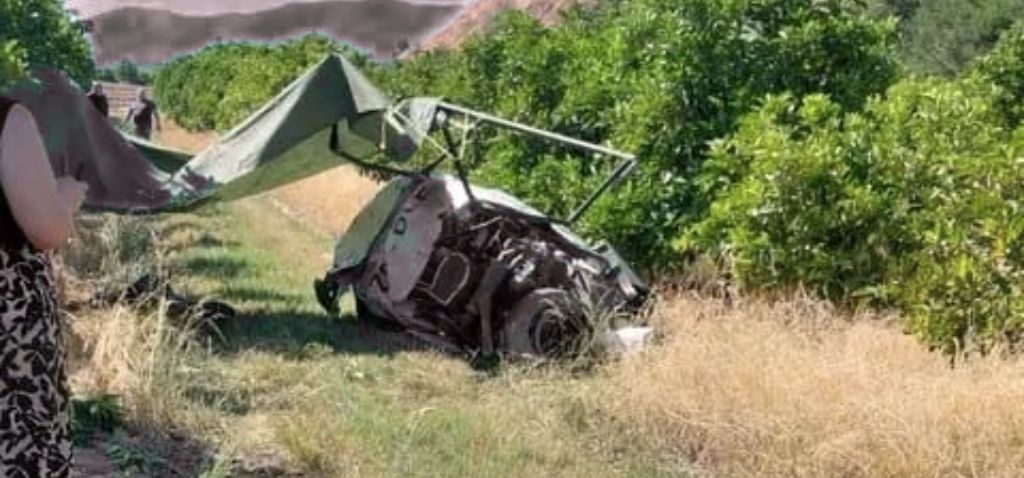
The pilot who died on Monday morning in a helicopter crash on a farm near Patensie in the Eastern Cape - while spraying crops in the Gamtoos Valley and hitting power lines - has been identified as a chef, writer, host of the television show Speel met Vuur on DStv’s VIA channel, and in recent years also a helicopter pilot.

Mynie Steffens was, according to the police, the only occupant of the Robinson helicopter and was declared dead on the scene. Police spokesperson Warrant Officer Majola Nkohli says an inquest is being conducted.

It is believed that the freak incident occurred at about 07:45, when the helicopter was spraying crops at the farm outside Patensie.

NSC exams progressing smoothly at halfway mark

As the 2025 National Senior Certificate (NSC) examinations reach the halfway mark, the Department of Basic Education (DBE) has reported that the overall administration of the exams continues to proceed smoothly, with stability, integrity and efficiency across all nine provinces.

More than 920 000 candidates are currently writing their final examinations at 6 800 examination centres nationwide. 

“Despite the scale and logistical complexity of this process, the vast majority of sessions have unfolded without disruption, a reflection of the strength of the DBE’s examination systems, the dedication of invigilators and educators, and the discipline shown by learners,” the department said in a statement. 

While a few isolated incidents have been reported, including limited community protests, and minor administrative and technical challenges, the department said these have been swiftly and effectively managed through established risk management and contingency measures. 

“These timely interventions continue to demonstrate the preparedness and resilience of South Africa’s examination system, which is built on firm safeguards to maintain fairness and credibility,” the department said. 

The DBE also responded to public discussions around the perceived difficulty of the 2025 Mathematics Paper 1 and Paper 2, assuring learners, parents and the public that all NSC papers are carefully designed to assess a full range of cognitive skills, in line with curriculum standards.

The department said each paper is designed to include a balanced mix of fundamental concepts and higher-order problem-solving questions.

“Importantly, the standardisation process overseen by Umalusi, the Quality Council for General and Further Education and Training, ensures that any variations in performance trends are scientifically reviewed before final results are approved. 

“Should any paper prove more challenging than expected, this process guarantees that no learner is unfairly disadvantaged. Confidence in the integrity, credibility and fairness of the examination system therefore remains well placed,” the department said. 

The department extended appreciation to learners, parents, educators, provincial teams, law enforcement agencies, municipalities, and community leaders for ensuring a peaceful and secure examination environment. 

As the exams enter their final stretch, the DBE appealed to communities to continue protecting schools as zones of learning and peace.

“Any form of protest or unrest that disrupts teaching, learning or examination activities undermines the hard work and aspirations of thousands of learners nationwide,” the DBE said. 

Learners are also encouraged to manage exam anxiety by maintaining a balanced routine, getting enough rest, eating well and taking short breaks while studying. 

“Candidates are reminded that calm focus and confidence go a long way [towards preparation, and a positive mindset remains the best tool for success,” the DBE said. 

With the continued cooperation of all South Africans, the department said it remains confident that the 2025 NSC examinations will conclude successfully, upholding the high standards and credibility that define the national education system.

Police rescue three who fell victim to a human trafficking scam

The South African Police Service (SAPS) rescued three young women, all Botswana nationals, at OR Tambo International Airport on Friday, 07 November 2025.

The victims, aged between 20 and 23, were reportedly lured via social media by a syndicate under the false pretence of being offered job opportunities in Sierra Leone.

The victims were en route from Botswana to Sierra Leone via South Africa and Nairobi when they were intercepted and rescued by members of INTERPOL NCB Pretoria and the Germiston Serious Organised Crime Investigation Unit after landing at OR Tambo International Airport.

A preliminary report suggests the Botswana High Commission in Pretoria had alerted INTERPOL to assist in tracing the missing victims.


Foot-and-Mouth disease confirmed in WC – Quarantine and Control Measures underway

On 6 November 2025, Western Cape Veterinary Services confirmed a case of Foot-and-Mouth Disease (FMD) on a farm near Gouda.

The affected property has been placed under quarantine, along with two other properties in the Velddrif and Bredasdorp areas from where cattle are believed to have been moved to the Gouda farm.

All properties with cloven-hoofed animals within a 10 km radius of the affected area have also been quarantined. Veterinary teams are conducting thorough inspections and surveillance on these farms.

An investigation into the transport company involved is currently underway, and all properties that have had contact with this company in the past 30 days will be traced and inspected.

Foot-and-Mouth Disease is a controlled animal disease in South Africa. While it poses no risk to humans, it is highly contagious among cloven-hoofed animals such as cattle, sheep, goats, and pigs. The virus spreads easily through direct animal contact or indirectly via contaminated vehicles, equipment, clothing, or feed.

To prevent further spread of the disease, Western Cape Veterinary Services urges all livestock owners not to move any cloven-hoofed animals while the extent of the outbreak is being assessed.

-Any movement of livestock into or within the province must be reported here
. By law, such movement must be accompanied by:
-An owner’s declaration of origin and health status; and
-A recipient’s declaration confirming that the animals will be isolated for at least 28 days upon arrival.
-Both forms are available here
-For further information on Foot-and-Mouth Disease and the contact details of Veterinary Services offices in the Western Cape, click here

It’s hot! And Cape Town has its first Chief Heat Officer

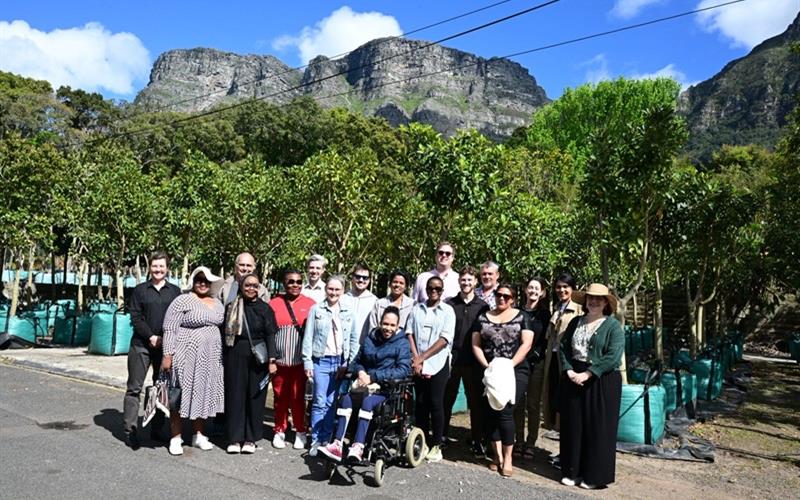
Cape Town becomes the first South African city to have a Chief Heat Officer – a champion to drive heat awareness communication and interventions as Cape Town becomes hotter, with more extreme heat-related events unfolding as the climate changes. As Africans, used to hot temperatures, we often minimise the dangers of extreme heat events, especially as it pertains to the most vulnerable in our city and outdoor workers.

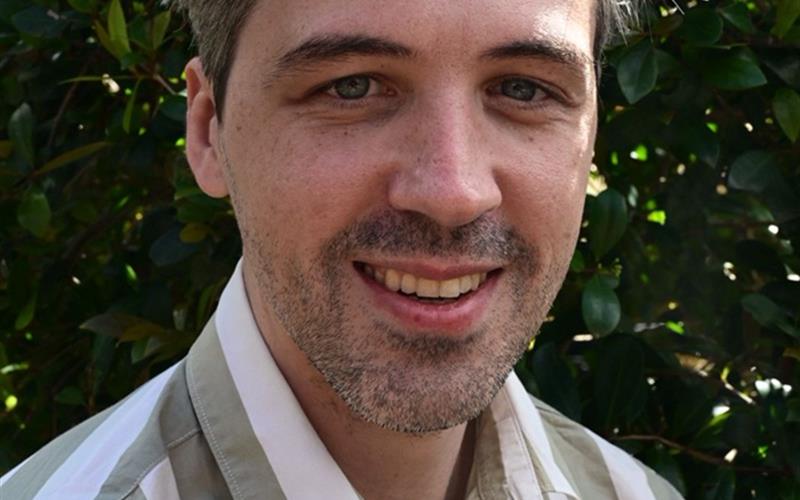
Cape Town’s first Chief Heat Officer, Albert Ferreira, who is the City’s Manager for Resilience and Climate Change has been selected to champion awareness around heat and extreme heat events expected to increase in frequency due to climate change.

In the hottest months, many areas in Cape Town experience temperatures hotter than 35°C and being heat smart is becoming increasingly important.

The City introduced its first Beat the Heat programme during summer 2024 focusing on vulnerable communities located in regions often experiencing summer temperatures hotter than 35° C such as Atlantis, Mamre, Dunoon, Joe Slovo and Sir Lowry’s Pass Village.

However, the highest temperature recorded for 2024 was 44,6° C at the Royal Yacht Club in the Foreshore area - the current highest temperature on record for Cape Town.

The Beat-the-Heat programme has been developed as part of the City’s Heat Action Plan and it is being implemented by a number of departments including Risk and Resilience, Environmental Management and Disaster Risk Management.

‘The City’s Climate Change Action Plan addresses various climate hazards including droughts, fire, flooding, surges, storms and heat waves facing the city. The specific focus on extreme heat as a growing public health and urban planning challenge highlights the need to treat it with the same urgency as other climate hazards,’ said Ferreira. 

The City became a member of the international City Champions for Heat Action (CCHA) initiative in 2024 to amplify awareness of Cape Town’s heat risks and advance the City’s heat response work with global partners. Cape Town is one of three African cities to join the CCHA, with full membership to date consisting of Freetown, Kisumu County, Athens, Melbourne, Dhaka North, Monterrey, Santiago and Miami-Dade County.

‘Albert’s appointment comes as part of this international membership and he joins the other Chief Heat Officers located across the world. They aim to unify their city governments’ responses to extreme heat through internal activism, accelerating existing heat protection efforts and initiating new work to reduce the risks and impacts of extreme heat especially for heat-vulnerable communities in their cities,’ said Gareth Morgan, Executive Director for Future Planning and Resilience.

The United Nations (UN) Secretary-General (SG) issued a call to action on extreme heat on 25 July 2024 asking the international community to address the risks associated with extreme heat and act on four critical areas, being caring for vulnerable groups, protecting workers, boosting resilience of economies and societies. Facilitated by CCHA and the Climate Resilience Centre, Cape Town Mayor Geordin Hill-Lewis along with other CCHA Mayors endorsed a letter to the UN SG to support the Call to Action on Extreme Heat.


Key tips to Beat the Heat include:
-Drink plenty of water. Use water in spray bottles to cool down. Carry a wet cloth/face towel to wipe the face and neck when hot, and submerge feet in cold water to help regulate blood flow that will help to cool the body. 
-Seek shelter and shade in covered public spaces such as shopping malls and libraries.
-Protective clothing: Wear a wide-brim hat, lightweight, loose clothing and take cool showers or baths.
-Limit outdoor activity to earlier or later in the day where possible.
-Take action at the first sign of a heat-related illness like muscle cramps, heavy sweating, nausea, vomiting, dizziness, fainting, confusion, a fast pulse and high body temperature. Seek emergency medical assistance immediately.
-Make sure to check on family and friends who fall within the high risk groups and help spread heat awareness in your social, professional and family groups. If you have a chronic illness, ask your doctor to advise on specific heat-related impacts and how your medication can be affected.

Minister John Steenhuisen unlocks R12 billion indigenous economy boost

The Minister of Agriculture, John Steenhuisen, has approved the inclusion of indigenous crops and medicinal plants into the list of declared agricultural products. This decision formally recognises a high potential sector estimated to be worth about R12 billion per year to the South African economy.

The declaration of indigenous crops and medicinal plants as agricultural products was requested by one of the directly affected groups in the agricultural industry.

These newly recognised products, which were approved on 21 July 2025, will henceforth be regarded as agricultural products for purposes of the Marketing of Agricultural Products Act, 1996 (Act No. 47 of 1996) as amended (MAP Act). This legislation is only applicable on products which are declared as agricultural products.

Unlocking the economic potential

The National Agricultural Marketing Council (NAMC) estimates that the combined monetary value of medicinal plants and indigenous crops in South Africa is about R12 billion per annum, representing less than 3% of the country’s total agricultural production.

The total agricultural production in South Africa is approximately R450 billion per annum. “For too long our people who harvest and trade traditional medicines and indigenous crops, have been operating in the economic shadows. With this legislative change, we are granting dignity, recognition and a path to prosperity,” Minister Steenhuisen said.

He added that the department is decisive in keeping its priorities alive, like pushing for a more modernise and progressive legislative and regulatory environment.

“Outdated legislation is a hinderance to the rapid absorption of new technologies, remedies, practices and innovations—which are essential if we are to improve yield, health and profitability in the agricultural sector,” the minister continued.

The monetary value for traditional medicinal plants and products trade in South Africa is estimated to be worth approximately R3 billion per year. It should be noted that most of this value does not enter the formal trade, and therefore, is an addition to the gross domestic product (GDP).

It is estimated that indigenous crops might account for about 2% of the country’s total agricultural production, which means the monetary value for this produce is likely R9 billion.

Newly declared products

The original list of declared agricultural products was published in 1997 and since then, there have been several amendments to the list informed by several factors within the agricultural industry.

Indigenous crops are crops that have their origin in South Africa. Added to these crops are those that were introduced into the country and are now recognised as naturalised or traditional crops. They are divided into three categories, namely grains, fruit and vegetables. Indigenous grain crops can be defined as any crop yielding starch and protein-enriched seeds suitable for food. These crops are further subdivided into cereals (e.g., millet) and pulses (e.g., Bambara groundnut).

Indigenous fruit crops examples are marula, wild apricot, wild plum, raisin bush, sour plum. Indigenous vegetable crops are subdivided into roots or tubers (e.g., cassava, amadumbe, marama bean and living potato) and leafy (e.g., cleome, cowpea, amaranth, blackjack and jews mallow).

While the list of the names of these crops and medicinal plants is not yet finalised, South Africa is known to have one of the richest selections of indigenous plants from which medicinal herbs can be extracted. Some of the examples include:

1.    Buchu (Agathosma betulina): Buchu is an aromatic shrub native to the Western Cape region of South Africa. It has been traditionally used as a herbal remedy for urinary tract infections, stomach ailments, and as a diuretic.
2.    Hoodia (Hoodia gordonii): Hoodia is a succulent plant found in the Kalahari Desert. It has been used by indigenous San people as an appetite suppressant and thirst quencher during long hunting trips. It gained global popularity as a potential weight loss aid.
3.    Sutherlandia (Lessertia frutescens): Also known as “Cancer Bush” or “Balloon Pea,” Sutherlandia has a long history of use in traditional medicine for various conditions, including respiratory infections, stomach problems, and as a general immune booster.
4.    Devil’s Claw (Harpagophytum procumbens): Devil’s Claw is a tuberous plant native to the Kalahari region. It is known for its anti-inflammatory properties and is commonly used to alleviate joint pain, arthritis, and digestive disorders.
5.    Aloe vera: Although Aloe vera is found in various parts of the world, it is indigenous to South Africa. Its gel is widely used to soothe and heal burns, skin irritations, and wounds. It also has digestive and immune-enhancing properties.
6.    African Wormwood (Artemisia afra): African Wormwood is a perennial shrub with aromatic leaves. It has been used in traditional medicine for treating fevers, colds, coughs, and as a digestive aid. It is also known for its antimicrobial properties.
7.    African Potato (Hypoxis hemerocallidea): The African Potato is a perennial plant with tuberous roots. It has traditionally been used to boost the immune system and alleviate symptoms of HIV/AIDS. It is also believed to have anti-inflammatory and antioxidant effects.
8.    Hooded Pelargonium (Pelargonium sidoides): Hooded Pelargonium is a species of geranium native to South Africa. Its roots are used to make a herbal remedy called Umckaloabo, which is used to treat respiratory tract infections, including bronchitis and sinusitis.
9.    Wilde Als (Artemisia afra): Wilde Als, also known as “African Wormwood,” is a shrub with fragrant leaves that has been used in traditional medicine for centuries. It is believed to have anti-inflammatory properties and is used to alleviate various digestive disorders.

Legislative gateway for growth

The representative bodies of the newly declared agricultural products can, in the future, apply for statutory measures, such as levies, records and returns and registrations, as provided for in sections 15, 18 and 19 of the MAP Act. It is important to note that each application for statutory measures will still be investigated and evaluated in terms of its own merits and may be recommended to the minister for approval, provided that it meets the set criteria.

The benefit of a statutory measure is that, once it is approved by the minister, it enables the directly affected groups, among other things, to collect funds and render supporting functions to grow the relevant agricultural industries and create job opportunities.

Koeberg Nuclear Power Station granted 20-year licence extension

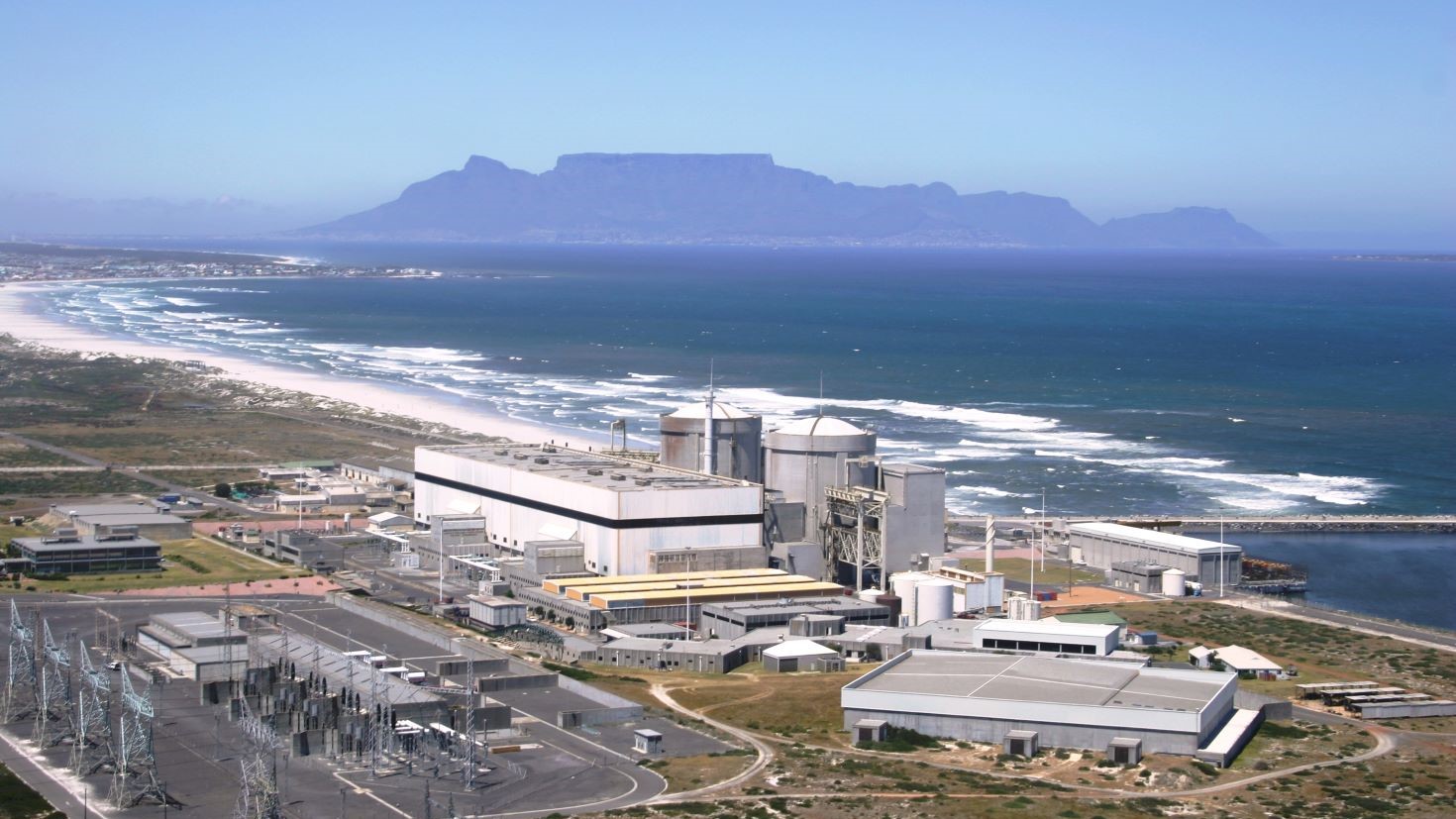
Eskom has announced that the National Nuclear Regulator (NNR) has approved a 20-year licence extension for Koeberg Nuclear Power Station Unit 2, allowing it to continue operating until November 2045. The decision follows Eskom’s successful long-term operation application, which included detailed safety and technical assessments, infrastructure upgrades, and regulatory reviews.

The approval marks a major milestone in strengthening South Africa’s energy security and maintaining high nuclear safety standards. Unit 2 currently contributes 946 megawatts to the national grid and has achieved a 100% Energy Availability Factor for 241 consecutive days this year. The extension follows a comprehensive refurbishment programme, including the replacement of steam generators and extensive safety inspections.

With this approval, both of Koeberg’s units are now licensed for long-term operation. Unit 1 received its extension in July 2024, ensuring continued operation until 2044. Together, the two units will continue providing 1,860 megawatts of reliable baseload power for the next two decades.

Eskom’s Chief Nuclear Officer, Velaphi Ntuli, said the milestone was the result of years of dedicated work by skilled teams across the company and the broader nuclear sector. “The rigorous safety assessments demonstrate the depth of nuclear engineering talent in South Africa,” Ntuli said, noting Eskom’s ongoing investment in STEM education to support future nuclear development.

Group Executive for Generation, Bheki Nxumalo, said the extension highlights South Africa’s capability to manage complex infrastructure responsibly while advancing a low-carbon future. “It aligns with national planning priorities to diversify and stabilise the electricity supply,” he added.

Eskom Group Chief Executive Dan Marokane said the decision was a strategic step toward long-term energy security. “This ensures that assets invested in by the nation continue to serve the country, supporting socio-economic growth,” Marokane said. He added that Koeberg’s reliable baseload generation will complement South Africa’s renewable energy expansion by stabilising the grid.

The licence renewal aligns with the Integrated Resource Plan (IRP2025), which recognises the importance of nuclear energy in providing dependable and low-carbon power. By extending Koeberg’s lifespan, Eskom preserves nuclear expertise, reduces carbon emissions, and avoids the need for immediate large-scale replacements.

Koeberg, located in the Western Cape, celebrates 40 years of safe operation this month and has received NOSCAR safety status from the National Occupational Safety Association more than 14 times. The power station is surrounded by a 3,000-hectare nature reserve, reflecting Eskom’s environmental commitment.

Marokane described the extension as “a strategic win for South Africa,” underscoring Eskom’s ability to operate complex infrastructure safely while supporting the transition to a cleaner, more resilient energy mix.

Eskom expressed gratitude to stakeholders and the local community for their continued support as Koeberg enters its next chapter of providing clean, dependable power for decades to come.

Traces of Greasy Residue Found Along Garden Route Coastline

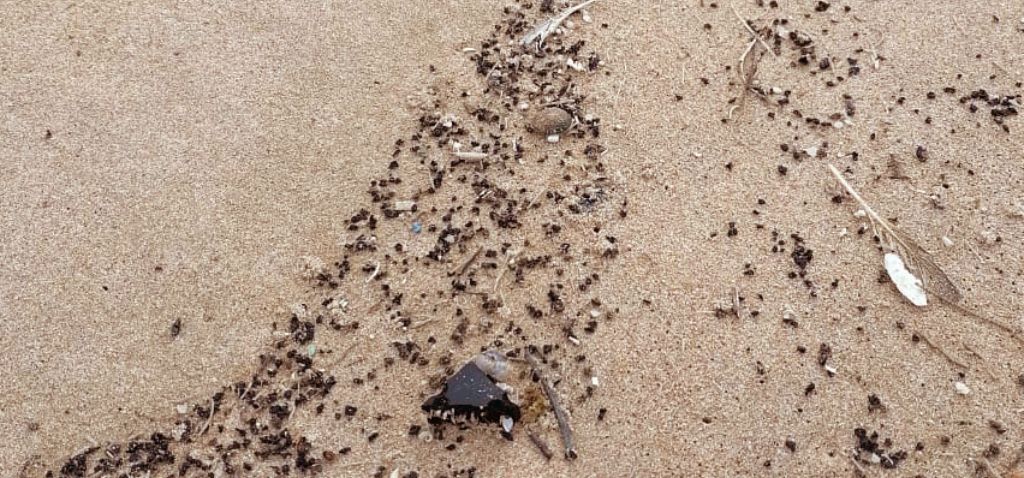
Minor traces of a dark, sticky, and smearable substance have been found on several beaches along the Garden Route coastline in recent weeks. The source of the residue remains unknown.

According to Gerhard Otto, Garden Route District Municipality Manager for Disaster Management, the first reports came from the Bitou municipal area, with further sightings moving westward across the region up to Still Bay. He said the substance typically dries out and breaks down within about six days.

Beachgoers have reported the sticky residue on their feet, surfboards, and visible strips along high and low tide marks. So far, there have been no reports of any impact on wildlife.

Residents and visitors are urged to report any sightings of the residue to the Garden Route District Municipality (GRDM) Emergency Call Centre on WhatsApp at 081 709 5193, including a location pin to assist with mapping and clean-up operations. An interactive map showing affected areas is expected to be published within the next week.

Clean-up and assessment efforts are ongoing, with local municipalities and various stakeholders working to remove visible traces of the substance. About 30 bags of residue have already been collected and will be transported to approved hazardous waste disposal facilities in Cape Town and Gqeberha.

The National Department of Transport is responsible for response operations when spills occur at sea, while municipalities handle clean-ups once the residue reaches areas above the high-tide mark.

Samples of the material will be tested, but no conclusive evidence has yet been found linking it to any specific source. A follow-up update is expected on 19 November.

SAPS crackdown on gang leads to 26 arrests

As the South African Police Service (SAPS) continues to intensify its efforts against gang-related crimes through Operation Lockdown III, a total of 26 suspects have been arrested in and around Manenburg, Elsies River, Kensington, Wynberg, Lentegeur and Delft.

According to SAPS, the majority of the suspects are known gang members, acing charges that include possession of unlicensed firearms and ammunition, possession of a hijacked vehicle, theft from a motor vehicle, discharging a firearm in a municipal area, and possession or dealing in drugs.

“Amongst those arrested is a wanted individual who had escaped from lawful custody earlier last month. The team operationalised information which led them to the location of the escapee resulting in his re-arrest in Lentegeur. The suspect was initially arrested for a gang-related murder. 

“Also, the multi-disciplinary team collectively seized four unlicensed firearms, several rounds of ammunition of different calibres, spent cartridges, a hijacked vehicle, drugs, a card machine, state owned petrol cards and cash believed to be the proceeds of crime during the same period (02 – 04 November 2025),” the police said in a statement. 

Police confirmed that investigations are ongoing to determine whether the suspects and seized firearms are linked to other serious crimes.

Operation Lockdown III is a national intervention aimed at addressing drug trafficking, extortion and violent crimes linked to gangsterism, particularly in the Cape Flats. 

The multi-disciplinary team comprises members of the National Intervention Unit (NIU), Anti-Gang Unit (AGU), Public Order Policing (POP), Tactical Response Team (TRT), Visible Policing, Organised Crime detectives, Crime Intelligence, Forensic experts, K9 Unit, and Mobilisation Support

Western Cape investigates suspected Foot-and-Mouth Disease linked to cattle movement


The Western Cape Department of Agriculture has placed several properties under quarantine following reports of suspected Foot-and-Mouth Disease (FMD) linked to cattle transported from the province.

On 1 November 2025, a farmer in the Free State reported possible FMD lesions in cattle that had recently been moved from the Gouda area. In response, Western Cape Veterinary Services quarantined the Gouda property and collected samples from animals showing suspected mouth lesions for laboratory testing.

Two other properties in Velddrif and Bredasdorp, which received cattle on 30 October, have also been placed under quarantine and will undergo inspection. Officials are verifying the origin of the potentially infected cattle and investigating the transport company involved. All farms connected to that company over the past 30 days will be contacted and checked.

FMD is a controlled animal disease in South Africa and must be reported immediately to a state veterinarian. It spreads quickly through contact between infected animals or contaminated materials such as vehicles, feed, and clothing. While the disease does not affect humans, it causes painful sores in cloven-hoofed animals, including cattle, sheep, goats, and pigs.

Authorities are urging farmers to maintain strict biosecurity measures and ensure that all cloven-hoofed animals are moved with valid health declarations and kept in isolation for at least 28 days upon arrival.

All livestock movements into and within the Western Cape must be reported via the province’s online Animal Movement App at https://tinyurl.com/AnimalMovementApp.

Information packs for farmers, auctioneers, and livestock transporters are available at https://www.elsenburg.com/western-cape/infopaks/.

Further details on Foot-and-Mouth Disease and contact information for veterinary offices can be found at https://www.elsenburg.com/western-cape/frequently-asked-questions/faq-foot-and-mouth-disease/.
error:
Scroll to Top