SA’s success story in elephant conservation

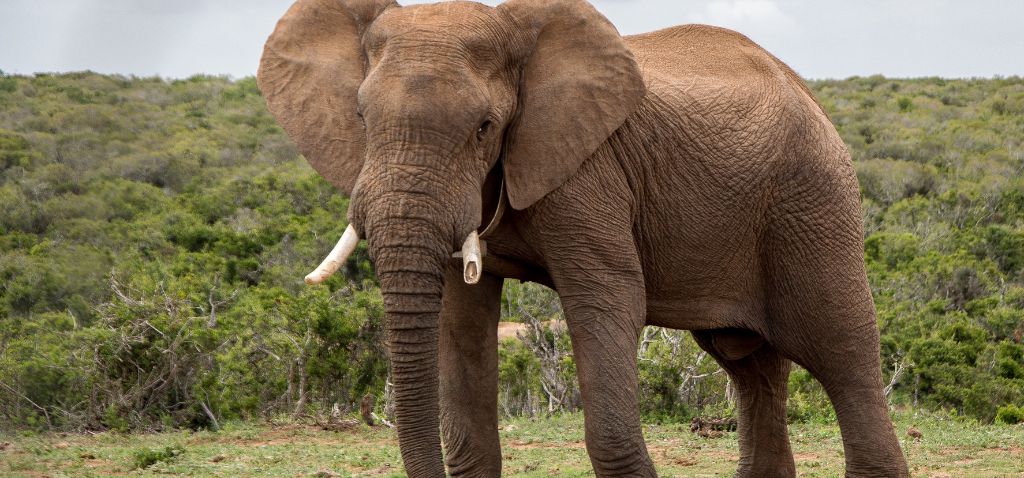
Home to 44 000 African savanna elephants and a population that continues to grow, South Africa’s conservation efforts have demonstrated success when compared to the decline of elephant numbers in some other countries. 

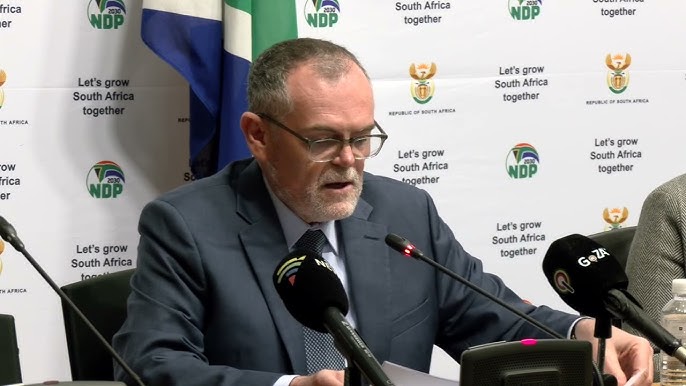
“Our elephants are a national treasure, a keystone species, an integral part of our heritage and plays a significant role in maintaining a balance where the creation of value exceeds consumption, crucial for sustaining and increasing South Africa’s social and natural capital, which are fundamental for inclusive socio-economic development,” Deputy Minister of Forestry, Fisheries and the Environment Narend Singh said on Tuesday.

As South Africa joins the global community in celebrating World Elephant Day, the Deputy Minister noted that elephants in South Africa have also expanded their range over the past 40 years.

Most elephants in the country live in government-protected areas like Kruger National Park, Mapungubwe National Park, and Tembe Elephant Park. 

These parks are part of larger Transfrontier Conservation Areas (TFCAs), where elephants often move freely across national borders and are shared with neighbouring countries. 

“In addition to these large parks, there are 89 smaller, fenced reserves that also support elephant populations. About 6000 elephants are owned privately or by communities, and in recent years, more and more communities have started to manage elephants themselves,” Singh said.

While South Africa’s success in recovering elephant populations offers hope for the species, the Deputy Minister warned that it also brings a difficult trade-off in the context of the country’s developmental agenda and needs. 

“As elephant numbers and ranges expand, encounters between people and elephants have increased, particularly in rural communities living near protected areas.

“Human-elephant conflict can result in crop losses, damage to infrastructure, and in some cases, injury or loss of human life. For many affected families, these incidents can threaten food security and livelihoods. 
“Managing these interactions is essential to ensuring that conservation gains do not come at the expense of community well-being. It requires innovative solutions that promote co-existence, such as, improved land-use planning, early-warning systems, community-based monitoring, and benefit-sharing initiatives that recognise the costs of living alongside elephants,” Singh said.

While re-imagining conservation in the country, South Africa’s aspiration is to ensure that thriving elephants contribute to improving the well-being of people and ecosystems simultaneously.

The country’s conservation efforts are guided by the four goals of the White Paper policy on Conservation and Sustainable Use of South Africa’s Biodiversity, which are aimed at balancing conservation with sustainable use, transformation, access and benefit sharing.

The Deputy Minister was addressing the Elephant Indaba at Bonamanzi in KwaZulu-Natal, a province that is home to the second largest elephant population in the country.

The Elephant Indaba coincided with World Elephant Day that is being celebrated under the theme: “Matriarchs’ and Memories”.

World Elephant Day is a day dedicated to raising awareness of the urgent need to protect and manage the world’s elephants. 
Capitec, FNB partner with Home Affairs to deliver Smart IDs

Capitec Bank and First National Bank (FNB) have signed up to the Department of Home Affairs’ new digital partnership model that aims to expand access to Smart ID and passport services.

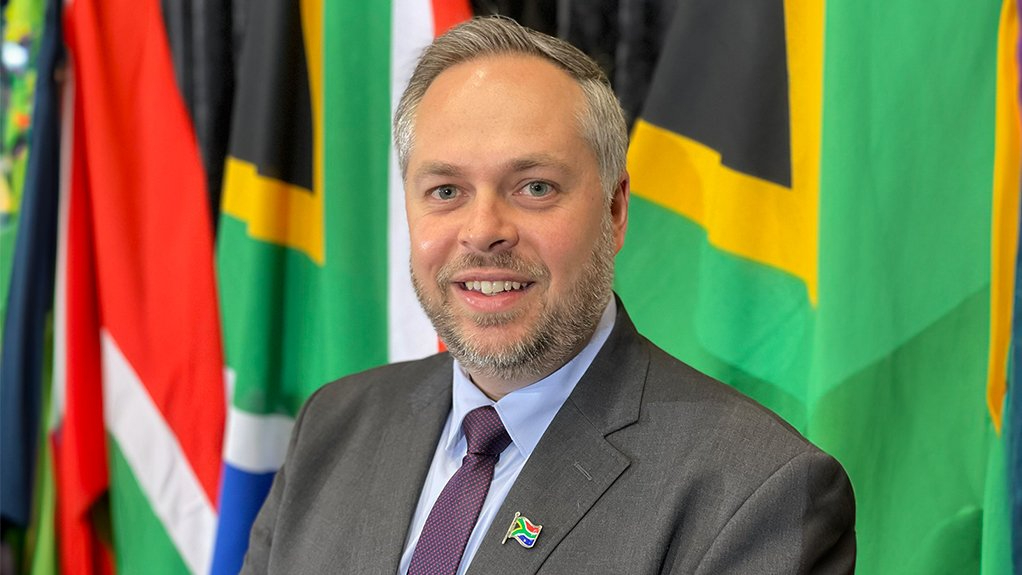
The Minister of Home Affairs, Dr Leon Schreiber, announced that the partnership will see the expansion of Smart ID and passport services from the existing 30 to hundreds more bank branches in urban and rural areas across South Africa.

It will further expand these services to digital banking applications.

“In fulfilment of the target set by Cabinet in the Medium-Term Development Plan, which tasks Home Affairs with expanding its services to 1 000 bank branches by 2029, the Director-General of the department, Mr Tommy Makhode, on 30 April 2025 wrote to the Chief Executive Officers of ABSA, African Bank, TymeBank, Capitec Bank, Discovery Bank, First National Bank, Investec Bank, Nedbank, and Standard Bank, inviting them to join this transformative, digital-first new phase of the department’s existing collaboration with the banking sector,” explained the department.

It said the collaboration dates back more than a decade and has, until now, seen the successful delivery of Smart ID and passport services at only 30 branches across five different banks.

The original model relied on the costly duplication of Home Affairs staff and hardware inside bank branches and failed to take advantage of technology to dramatically expand services into all rural and urban areas where bank branches already exist, as well as onto secure banking apps that have come to be widely used across society.

The department said the new partnerships marked the beginning of the end for long travelling distances to reach Home Affairs services, for long queues, as well as for the Green ID book with its unacceptable vulnerability to fraud and identity theft.

It is also the next step in the new digital-first era of public service delivery that the Government of National Unity is building, said the department.

The Minister will visit Capitec and FNB this week to provide further information on how this reform will benefit all South Africans. On Tuesday, the Minister will visit Capitec Head Office in Stellenbosch and then on Wednesday he will visit FNB at the Portside Tower, in Cape Town.

“The department further reiterates its call for all other banks to similarly take up the invitation to work together, to ensure that all South Africans have access to Smart ID and passport services in their own communities.

“This reform marks a critical milestone on our journey to unlock the power of digital transformation to deliver Home Affairs @ home.”

Police operations nab over 16000 suspects

Over 16000 suspects have been arrested in Operation Shanela efforts over the last week, said the South African Police Service (SAPS).

This as a total 16, 571 suspects were arrested between 4 and 10 August 2025 across the country’s nine provinces.

During the arrests, police recovered stolen property and confiscated illicit goods and firearms.
The crime-fighting activities by the police included tracking operations, roadblocks, high visibility patrols, stop and searches, as well as the tracing of wanted suspects. 

“These efforts reflect SAPS’s intensified, intelligence-driven approach to restoring public safety and dismantling organised criminal networks,” said the SAPS in a statement.

During the operations, 2 065 wanted suspects were arrested for serious crimes, including murder, rape, hijacking, and drug trafficking while 138 suspects were arrested for murder. 

A further 134 people were arrested for attempted murder ,154 for rape, and 1 390 for assault with intent to cause grievous bodily harm (GBH).

The number of those caught for driving under the influence of alcohol stood at 607, while 796 were arrested for drug dealing and 2 336 others were nabbed for the possession of drugs.

When coming to confiscations and recoveries, police recovered1 480 rounds of ammunition and 124 firearms confiscated while 52 stolen and hijacked vehicles were recovered during this period.

Other breakthroughs made by the SAPS include the arrest of a 32-year-old suspect after a vehicle entering the country from Eswatini via Paulpietersburg carrying 90 bags of dagga worth R4 million was intercepted.

The SAPS said it remains committed to protecting lives, dismantling criminal enterprises, and ensuring that the streets are rid of the scourge of criminality.

One week left for 2025 school transfer applications

The Democratic Alliance (DA) in the Western Cape is calling on all parents and caregivers to act immediately, to meet closing date for applications.

This process applies only to learners in Grades 2–7 and Grades 9–12 who are already enrolled in a school but need to transfer to another.

Parents can submit applications online via the WCED admissions portal or directly at the relevant school or nearest WCED district office. Schools can only process transfer applications for their own institution, while district offices can capture applications for multiple schools.

According to the Western Cape Education Department (WCED), all applications must include:
• The learner’s last school report card;
• ID, birth certificate, passport, study permit, proof of application, or police affidavit; and
• Proof of address or police affidavit.

Applying now is critical. Acting early will secure placement at a preferred school before spaces run out, prevent overcrowded classrooms and long travel distances, and allow the WCED to allocate teachers, resources, and infrastructure effectively. It also ensures a smooth start to the 2026 school year with all arrangements finalised well in advance.

Leon van Wyk, MPP and DA Western Cape Spokesperson on Education, says, “Making use of this transfer period is important. Parents and caregivers who leave it too late, risk their children being placed far from home or in overcrowded classrooms. By applying now, we give every learner the best chance to start the school year prepared and ready to succeed.”

"The DA in the Western Cape remains committed to ensuring smooth transitions within the education system for the benefit of learners, teachers, and administrators. We believe that education is the key driver of economic growth and will continue to advocate for effective processes that put the needs of our learners first".

SA reaffirms support for global treaty to tackle plastic pollution

With the fifth session of the Intergovernmental Negotiating Committee (INC 5.2) on Plastic Pollution underway in Geneva, Switzerland, South Africa has reaffirmed its support for a legally binding global treaty to tackle plastic pollution.

Plastic pollution is already harming communities, economies and ecosystems - from land to rivers to oceans.

“Plastic pollution is not just an environmental issue. It affects public health, sustainable development and the future of our oceans. We must act now,” Minister of Forestry, Fisheries and the Environment, Dr Dion George, said on Monday.

The Minister is leading the South African delegation that is attending the second part of the INC 5.2 on Plastic Pollution.

This session is a critical opportunity to finalise a legally binding global treaty to tackle plastic pollution.

George reaffirmed South Africa’s strong support for urgent and coordinated international action to end plastic pollution across its full life cycle.

Global plastic production has grown rapidly, from two million tonnes in 1950 to 475-million tonnes in 2022. Without urgent intervention, South Africa’s plastic pollution is expected to nearly double by 2040 compared to 2020 levels.

In response, South Africa has moved to ban plastic microbeads. Draft regulations have been signed and are set to be published for public comment. 

These regulations aim to prohibit the manufacture, import, export, sale and distribution of microbeads and products containing them.

“South Africa is acting with urgency to address this crisis. But no country can solve it alone. We need global cooperation, innovation and ambition,” George said.

The INC process was established by the United Nations Environment Programme in 2022, following the adoption of a resolution to develop a treaty addressing plastic pollution, including marine plastic. 

While the first part of INC 5 took place in Busan, Republic of Korea in November 2024, a final agreement was not reached, and negotiations have resumed in Geneva.

The expected treaty will cover the full life cycle of plastics, from production and design to disposal.

It will also align with existing global commitments on climate change, biodiversity and chemical safety.

Suspect charged with murder of Hermanus woman

A 37-year-old suspect is expected to appear in the Hermanus Magistrate’s court today (Monday, 11 August 2025) on murder charges. The arrest follows the death of a 59-year-old woman outside the Whale Mall in Hermanus on Thursday, 07 August after she sustained gunshot wounds inflicted by armed assailants.

After the incident, an extensive investigation ensued that led to several persons being questioned. On Saturday, 09 August the suspect was charged. Two vehicles and a firearm were seized over the weekend as part of the probe.

The shooting incident is believed to be taxi-conflict related.

Crime investigators are still hard at work in search of more suspects.

Decision to grant permission to Eskom to build new nuclear power station upheld

After thorough consideration and consultation, the Minister of Forestry, Fisheries and the Environment, Dr Dion George, has upheld the 2017 decision to grant Eskom Environmental Authorisation to construct and operate a new nuclear power station in Duynefontein, Western Cape.

The decision was upheld after appeals were made by various environmental organisations.

“In considering these appeals, I have carefully reviewed the Environmental Impact Assessment Report (EIAr), as well as the independent peer review conducted in respect of the project.

“In the end, my decision was made in respect of the principles of the National Environmental Management Act, 1998 (Act No. 107 of 1998), and with full appreciation of the environmental, social and economic considerations involved,” the Minister said on Friday.

The original decision to grant the Environmental Authorisation was made in October 2017.
Various appellants challenged the decision, submitting appeals that ranged from comprehensive and detailed submissions to shorter, individual objections. 

This week, the Minister has decided, in terms of section 43(6) of NEMA, to dismiss the appeals, and confirm the decision to grant the Environmental Authorisation to Eskom.

The Minister’s decision to uphold the Environmental Authorisation does not automatically grant Eskom permission to begin with the construction or operation of the nuclear power station. 

The entity is still required to obtain several additional statutory authorisations before proceeding in accordance with section 24(7) of NEMA. 

The authorisations include:
A Nuclear Installation Licence from the National Nuclear Regulator (NNR);
Approval from the National Energy Regulator of South Africa (NERSA);
Water use licences from the Department of Water and Sanitation, and
Any other relevant approvals, including those from the Minister of Mineral and Petroleum Resources.

“As per section 24(7) of NEMA, the granting of an Environmental Authorisation does not exempt an applicant from complying with any other applicable legal requirements or obtaining permits from other competent authorities,” George said.

The Minister has emphasised that the protection and preservation of South Africa’s environment is a non-negotiable. 

“The Department of Forestry, Fisheries and the Environment supports South Africa’s transition to a cleaner, more sustainable energy future where inclusive growth, job creation and poverty reduction are central,” he said.

Woman Arrested for Allegedly Exploiting Social Grant Beneficiaries

The South African Social Security Agency (SASSA) in the Northern Cape has welcomed the arrest of a 61-year-old woman in Groblershoop, located within the ZF Mgcawu District Municipality, who was allegedly involved in an illegal loan scheme targeting social grant beneficiaries.

According to the South African Police Service (SAPS), the woman was arrested during a joint operation on Tuesday, 5 August 2025. She was found at an ATM in possession of multiple SASSA and bank cards, along with a large sum of cash.

Initial investigations suggest that the suspect was unlawfully holding beneficiaries' social grant cards and using them to withdraw cash from their accounts during payment periods — allegedly as repayment for illegal loans.

The woman is facing charges of fraud and contravening the National Credit Act and is expected to appear in court soon.

SASSA Northern Cape’s Acting Regional Executive Manager, Ms Karabelo Mojanaga, commended law enforcement for their swift action and reaffirmed the agency’s zero-tolerance approach to fraud and exploitation.

“We trust this arrest will send a clear message that we will not tolerate the abuse of our beneficiaries. The law will catch up with those who prey on the vulnerable,” said Mojanaga. “The illegal retention of social grant cards and ID documents is not only a crime but morally unacceptable.”

She urged beneficiaries and the public to report any withholding of SASSA cards to either the police or SASSA’s toll-free number, 0800 60 10 11.

Mojanaga also highlighted the work of SASSA’s Fraud Management Unit, which actively investigates suspicious trends using data analysis and tip-offs from the public. All reports are handled confidentially and investigated thoroughly.

As the current payment cycle and national grant review process continue, SASSA is reminding beneficiaries to protect their personal information and stay vigilant against scams and exploitation.

E-hailing violence in WC sparks call for urgent action

The Democratic Alliance (DA) in the Western Cape has raised alarm over an increase in violent incidents affecting the e-hailing industry, following a brutal broad-daylight attack on a driver along Bottelary Road in Cape Town. The incident, captured on video, has intensified calls for stronger safety measures to protect both drivers and passengers.

The DA said this was not an isolated event. On Christmas Eve and New Year’s Day, two e-hailing drivers were robbed and assaulted in Rylands and Strandfontein. In another troubling case last year, a female passenger in Khayelitsha was assaulted and nearly kidnapped by a driver who deviated from the route, blocked her from escaping, and stole her belongings.

While welcoming ongoing safety efforts by the provincial Department of Mobility and the Provincial Regulatory Entity (PRE), the DA noted that more targeted interventions are needed. Currently, e-hailing services fall under the broader metered taxi category, but the upcoming National Land Transport Amendment Act will officially recognise e-hailing as a distinct mode of transport, enabling more specific regulation and oversight.

The DA also acknowledged progress from ongoing engagements with platforms like Uber, Bolt, and InDrive since 2014. These include steps to improve regulatory compliance, discourage platforms from covering impoundment fees for non-compliant drivers, establish a funeral fund for expatriate drivers, upgrade driver facilities, and deliver safety training. A representative industry body is also being formed.
Professor Nomafrench Mbombo, MPP and DA Western Cape Spokesperson on Mobility, said the recent attack underscores the urgent need for stronger interventions.

“As a first step, I will invite the Western Cape E-Hailing Association to appear before the Provincial Parliament’s Standing Committee on Mobility to explore solutions to tackle violence in the industry, improve cooperation with law enforcement, and ensure accountability from platform providers,” Mbombo stated.

“We cannot allow fear and violence to take root in our transport system. Every driver should feel safe behind the wheel, and every commuter must be able to travel without fear,” she added.
The DA reaffirmed its commitment to creating safer, more secure environments and promoting job growth within the province.

Body of Missing Knysna Man Found in Vehicle Near Kaaimans Pass

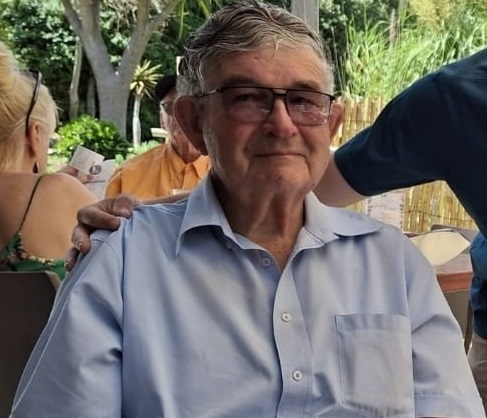
The search for 81-year-old Gerhardus “Gert” David Hills from Knysna ended in tragedy last night (Wednesday, 6 August 2025), when his body was discovered inside his vehicle, which had gone down an embankment near the Kaaimans Pass, just past the Far Hills Hotel.

Preliminary reports suggest that police received information from a member of the public about the vehicle which was noticed in the bushes at the bottom of the cliff. Emergency personnel and volunteers, who formed part of the search party, were dispatched to the scene. At about 23:00 emergency personnel managed to retrieve the body of the deceased from the vehicle.

Hills had been missing since Friday, 18 July 2025, nearly 3 weeks, after he left his home in Knysna reportedly to purchase pigeon feed in town. Hills was a familiar figure in local pigeon racing circles.

Security camera footage later traced his silver-grey Nissan Juke travelling from George to Mossel Bay, with the final confirmed sighting at the Little Brak River off-ramp on the N2 around 19:00 that evening.

His disappearance sparked a large-scale search effort lasting nearly three weeks and prompted a R5000 reward for information about his whereabouts. Various groups joined the operation, including local law enforcement, private security firms, neighbourhood watches, and volunteers from surrounding communities.

Garden Route District Commissioner, Major General Phumzile Cetyana commended the search party for their diligence and commitment during the search, which included the deployment of various resources during the period. He also conveyed thanks and appreciation to the broader public for their support as well as individuals who deployed their personal resources during the search.

The Hills family has expressed deep gratitude to everyone who assisted in the search, offered support, or kept them in their thoughts during this difficult time.

They have requested privacy as they grieve their loss.
error:
Scroll to Top