Women’s Month: Saluting the Courage of NSRI Women

August marks Women’s Month in South Africa, a time to honour the women whose courage helped reshape our nation and to recognise the continued contribution of women across all sectors of society.

The National Sea Rescue Institute (NSRI) proudly joins this national tribute by recognising the extraordinary women who serve within the organisation.

From volunteer crew to survival swimming instructors, from support staff to coxswains, these women play a vital role in building safer communities along our coastlines and in inland waters.

“We pay tribute to extraordinary South African women, especially those who have chosen to serve their communities as NSRI volunteers,” says NSRI CEO Mike Vonk. “They give their time freely, often in the most demanding environments, responding with courage and skill, day and night.”

"Currently, 28% of the NSRI volunteers are women, a figure that reflects South Africa’s leadership in promoting gender inclusion within the maritime rescue sector. Compared to similar organisations internationally, this level of female participation is significant and positions the NSRI as a leader in efforts to increase and support women in operational rescue roles,” said Vonk.

“These women hold vital roles in the organisation as Station Commanders, Coxswains, Crew, Rescue Swimmers, Shore Controllers, Survival Swimming Instructors, and Water Safety Educators."

Women’s Month commemorates the historic march of more than 20,000 women to the Union Buildings in Pretoria on 9 August 1956, protesting against the apartheid government’s extension of pass laws to women. It is a reminder of the strength and determination that drives social change, and those same values are alive and visible in every woman who volunteers with the NSRI.

“At the NSRI, we recognise that diversity strengthens all of our operational teams, from rescue crews to our survival swimming and water safety teams. NSRI women are indeed leaders and role models in society, and contribute to making us stronger and more impactful,” says NSRI Operations Director Brett Ayres.

"Our Women in Sea Rescue series tells the story of six women who volunteer for the NSRI, including shore controller Ilhaam Adams, Class 1 Coxswain and Deputy Station Commander Carmen Long, Coxswain Cherelle Leong, Station Commander Nicky Whitehead, Coxswain Kelly Fourie, and Coxswain and previous Station Commander Sara Jane Smith". You can watch the series here.

SAWS warns of cold weather conditions

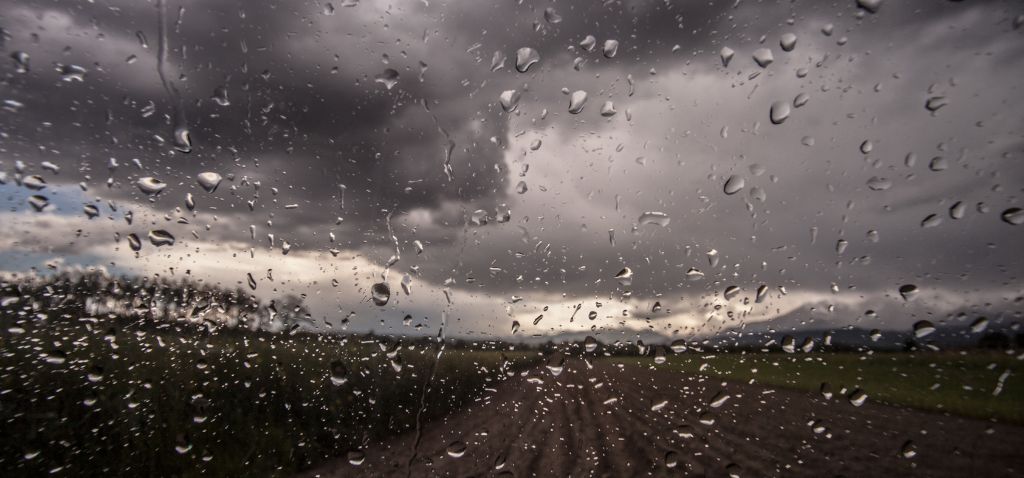
The South African Weather Service (SAWS) has warned that a cut-off-low is expected to result in cloudy and cold conditions over the central and eastern parts of the country between Wednesday and Thursday.

These weather conditions will be accompanied by isolated to scattered showers and thundershowers in Gauteng, Free State, Mpumalanga, North West and KwaZulu-Natal.

“Snowfall is also expected over the escarpments of the Eastern Cape and Lesotho,” the weather service said.

The weather service will continue to monitor any further developments relating to the weather systems and will issue subsequent updates as required.
 
Weather updates will be shared on the following platforms: X (@SAWeatherServic), Facebook (South African Weather Service) or other SAWS-supported social media. 

Over 600 000 Grade 1 and 8 online applications recorded in Gauteng

Gauteng MEC for Education Matome Chiloane has announced that over 600 000 successful applications were recorded during the 2026 Online Admissions application period for Grade 1 and Grade 8. 

In a statement, the Gauteng Department of Education (GDE) said this remarkable milestone was reached on Tuesday, 5 August 2025, just under two weeks since the system opened for applications on 24 July 2025. 

“As of 2pm on Tuesday afternoon, the system had recorded a total of 600 936 applications, comprising 254 251 for Grade 1 and 346 685 for Grade 8. 

“Parents and guardians who have not yet applied are encouraged to do so by visiting www.gdeadmissions.gov.za online on any device before the application period closes on 29 August 2025,” the GDE said. 

The department said that after registering, parents must complete the 5 Step Application Process as incomplete applications will not be considered for placement. 

All applicants are urged to upload certified copies of the required documents online or submit them in person to each selected school within 7 days of applying. 

If uploaded online, documents only need to be submitted once, as all selected schools will be able to view them. The GDE Online Admissions System supports document verification by schools. It will prompt schools to verify and update the status of documents, whether uploaded online or submitted physically. 

Parents will then receive SMS notifications once schools acknowledge receipt and verification of documents. Schools will receive automated alerts whenever new documents are uploaded by applicants.
 
Parents are advised to apply to a minimum of three and a maximum of five schools to increase the likelihood of successful placement.

The GDE said it is also essential to provide a valid cellphone number, as all communication, including placement offers, will be sent via SMS. Parents are urged to keep all SMS communication regarding their application.  

“Applicants with complete submissions will begin receiving placement offers from 16 October 2025. Parents should log in regularly to ensure all steps have been completed,” the GDE said. 

To accommodate parents without access to digital resources, the department has made support available at all Gauteng public schools and through 81 decentralised walk-In centres across the province. 

For assistance, the GDE Contact Centre is available from: 
• Monday to Thursday: 07h00 – 17h00 
• Friday: 07h30 – 16h30 
• Saturday: 09h00 – 13h00 

Parents and guardians can reach out to the department on: 
• Call: 0800 000 789 
• WhatsApp: 060 891 0361 
• Email: [email protected] 

“The phenomenal number of applications we’ve received is a concrete demonstration of the trust parents place in Gauteng’s education system. We are grateful to all parents for their co-operation, and we continue to urge all parents to apply online,” Chiloane said. 

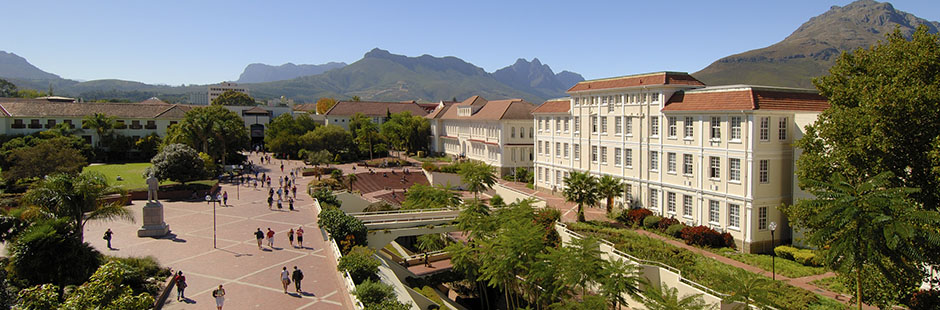
Safety protocols in place after Stellenbosch University Student Dies of Meningitis

Stellenbosch University has confirmed that second-year theology student, Chris Scheffers (19), who passed away over the weekend, died of meningococcal meningitis.

The University said the health, safety, and well-being of staff and students remain a top priority, and Campus Health Services has activated its protocols in line with provincial and national health guidelines.

The institution is working closely with the Western Cape Department of Health and Wellness to ensure all measures to prevent further spread are followed.

Contact tracing is underway to identify people who were in close contact with Scheffers over the past ten days. Those identified will receive chemoprophylaxis (preventative medication) within 24 hours.

Both students and staff who had close contact will be directly advised by Campus Health Services.

While no other cases have been confirmed, the University will closely monitor the situation in the coming days. Close contacts are advised to only attend lectures if asymptomatic, wear masks, avoid gatherings such as group singing, and refrain from contact sports.

As a precaution, all meetings and gatherings at Dagbreek men’s residence have been postponed until the weekend.

Meningococcal meningitis often begins with flu-like symptoms — including headaches, muscle and joint pain, and sensitivity to light — but can quickly progress to high fever, severe headache, neck stiffness, vomiting, diarrhoea, cold extremities, seizures, and in severe cases, coma. A red or purple rash that does not fade when pressed may also appear.

Rapid deterioration in healthy young individuals is not uncommon, but secondary infections among close contacts are rare.

About Meningococcal Meningitis
This serious bacterial infection, caused by Neisseria meningitidis, affects the membranes around the brain and spinal cord. It is more common during winter and spreads through close, prolonged contact via respiratory droplets. The incubation period ranges from two to ten days.
Chris Scheffers

President to announce Nationwide Cleanup Day

President Cyril Ramaphosa will designate a specific day for a nationwide cleanup, with all South Africans, including Ministers, participating in community cleanup efforts, Deputy President Paul Mashatile said. 

“We’ll dedicate time on the day that the President will indicate that at least on that particular day, for particular hours in the day, we work with our communities, and we clean,” the Deputy President said.

This as he visited the Mangaung Metropolitan Municipality in the Free State as part of the Clean Cities and Towns Campaign. 

The Deputy President officially unveiled a comprehensive national cleaning initiative aimed at transforming community hygiene and infrastructure maintenance in the province. 

The campaign is an integrated service delivery initiative that was officially launched in Kliptown, Soweto, in June of this year.

It aims to promote cleaner, healthier, and more sustainable environments in both urban and rural areas.
The campaign encourages community involvement in cleaning their surroundings, working collaboratively with district and local municipalities.

The Mangaung leg of the campaign was held under the theme: "Bontle Ke Botho: A Free State that works for all – Building clean and sustainable communities."

The campaign emphasises a collaborative approach across national, provincial, and local government levels, highlighting the campaign’s multifaceted strategy. 

“We’re not just picking up papers. This campaign is going to be combined with repairing and modernising things, dealing with challenges of potholes, fixing roads and repairing infrastructure,” Deputy President Mashatile told the community.

According to the country’s second-in-command, the initiative also includes several critical components, including weekly dedicated cleaning days and school engagement to instill a cleanliness culture. 

“We also went to visit schools to encourage our young children to inculcate this culture of clean-up. So, it’s going very well today,” he said. 

Meanwhile, the Deputy President said government plans to address municipal challenges, recognising that many local authorities struggle with limited economic resources. 

“Some municipalities are not able to perform critical services because they don’t have an economic base.” 

The campaign represents a “whole of government approach,” aiming to create a unified responsibility for maintaining clean, functional urban and rural environments.

The initiative is expected to roll out across provinces to transform South Africa’s approach to community maintenance and civic responsibility.

The Clean Cities and Towns Campaign seeks to revitalise urban areas, enhance service delivery, and combat environmental degradation. 

“We used to have bins where people could throw stuff in, and then twice a week or so, a truck comes to take it because if we don’t do that, they start throwing everywhere.”

It is also part of South Africa’s commitment to climate action to preserve the environment, support social cohesion initiatives and prioritise efforts for decent work, poverty eradication, and community resilience

Fuel Price Shake-Up: Petrol Down, Diesel Up from Wednesday

Motorists can expect mixed changes at the pumps from Wednesday, 6 August 2025, as the Department of Mineral Resources and Energy (DMRE) announces adjustments to fuel prices in Gauteng and coastal regions.

Both grades of petrol (93 and 95, ULP & LRP) will see a retail price decrease of 28 cents per litre. In contrast, diesel prices will rise sharply, with 0.05% sulphur increasing by 65 cents per litre and 0.005% sulphur climbing by 63 cents per litre at wholesale level.

Illuminating paraffin will also become more expensive, increasing by 32 cents per litre wholesale, while the Single Maximum National Retail Price (SMNRP) for illuminating paraffin will rise by 43 cents per litre.

LPGas users will get some relief, with the maximum retail price dropping by 69 cents per kilogram.

According to the DMRE, average international petrol prices decreased during the review period, while diesel and illuminating paraffin prices increased.

The Rand strengthened against the US Dollar, with an average exchange rate of R17.7653 compared to R17.8443 in the previous period, slightly reducing the basic fuel price contributions for all fuel types.

Bird Flu Detected in Western Cape – Public Urged to Stay Alert

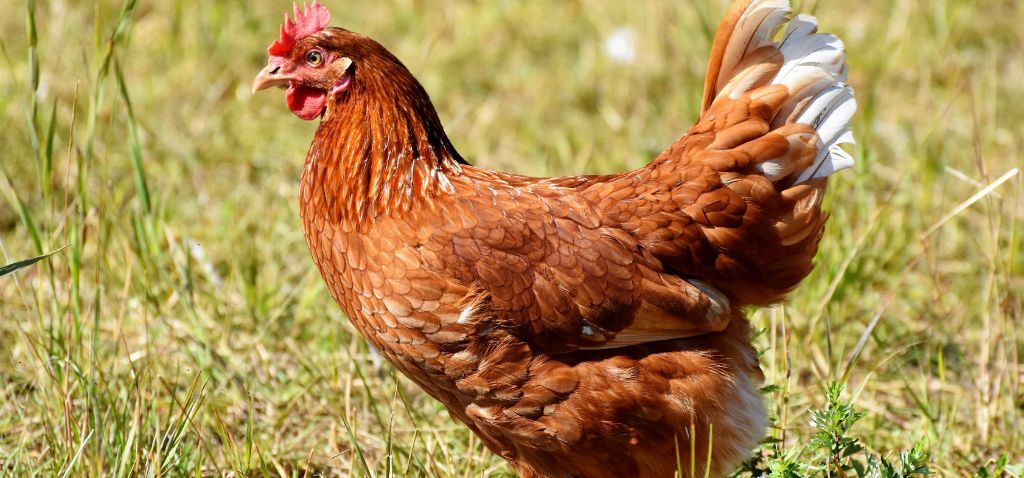
The Western Cape Department of Agriculture has confirmed a new outbreak of high pathogenicity avian influenza (HPAI), or “bird flu,” in the province. The case, detected in farmed ducks near Paarl in early July, is the first poultry outbreak in the Western Cape this year. The affected ducks and associated chickens were voluntarily culled to prevent further spread.

Recent outbreaks have also been reported in chickens in North West and Mpumalanga, while HPAI has caused mortalities among Great White Pelicans near Malmesbury and Hartlaub’s Gulls in Cape Town. These are the first wild bird cases reported in the province since April 2024, and the first mass mortalities since 2022.

Avian influenza is a viral disease that primarily affects birds and can spread through contact with infected birds or contaminated materials. Infected wild birds may appear unusually tame, lose their fear of humans, or show neurological symptoms such as twitching or seizures.

While the risk to humans is low and there is no evidence of human-to-human transmission, officials urge the public to avoid handling sick or dead birds and to report any unusual mortalities to local authorities.

The department has reassured consumers that poultry products from grocery stores remain safe to eat.

Farmers and poultry producers are urged to apply strict biosecurity measures, including restricting access to farms, keeping poultry separate from wild birds, and disinfecting vehicles, footwear, and equipment.

The public is also encouraged to report unusual numbers of sick or dead wild birds, especially seabirds, via official reporting channels.

Response package to lessen impact of US tariffs

Government is creating an economic response package to address job losses and lessen the impact of the United States’ decision to impose a 30% unilateral tariff on its imports. 

This package will include the establishment of an export support desk and a localisation fund.

This announcement was made in a joint media statement by the Ministers of the Departments of Trade, Industry and Competition (dtic) and International Relations and Cooperation (DIRCO). 

In May, South Africa submitted a comprehensive and ambitious framework deal aimed at addressing trade deficits and promoting mutually beneficial relations. 

The tariffs, set to take effect from 8 August 2025, are set to create uncertainty. 

However, DIRCO Minister Ronald Lamola clarified that goods already in transit before the deadline will continue to be subject to the previous 10% tariff until 5 October 2025. 

The United States is South Africa’s third biggest trading partner, with the European Union and China being the first and second largest trading partners. 

“Thus, we will continue to engage the US to conclude a deal that advances the interests of both countries. South Africa seeks to conclude deals that promote value addition and industrialisation, rather than extractive relations that deprive the country of the ability to beneficiate its mineral wealth by mimicking extractive colonial-era trade relations.“

The Ministers believe South Africa’s minimal 0.25% share of total United States imports makes the 30% tariff on the country “inscrutable“, especially since these tariffs are applied equally to all United States trading partners.

“South Africa poses no trade threat to the US economy nor its national security,” Lamola said. 
On the contrary, the Minister said exports are crucial inputs that support America’s industrial base. 
“Our agriculture exports are even counter-seasonal, meaning they fill gaps in the US market, not replace domestic products.” 

Lamola said South Africa is more than a trading partner but a major investor in the United States, with local companies sustaining American jobs. 

“Our goal is to preserve and grow these mutually beneficial relationships.” 

Experts estimate that the potential reduction in economic growth could be 0.2%, although the exact impact is still uncertain. 

Lamola emphasised that 35% of South African exports are exempt from the tariffs, including copper, pharmaceuticals, semiconductors, lumber products, certain critical minerals, stainless steel scrap, and energy products. 

“Due to South Africa not enjoying a country exemption for Section 232 duties on steel and aluminium, South African companies have already adjusted to the Section 232 duties since 2018. However, the heightened policy uncertainty creates instability in trade and may have an impact on exports,” he said.

In response, South Africa is implementing a multi-faceted strategy that includes ongoing diplomatic engagement through various channels, creating an economic response package that provides export support, exploring market diversification, and targeting regions across Africa, the Americas and Asia. 
In addition, the country is collaborating with the localisation fund to support industries that have been affected. 

Lamola said the establishment of an export support desk will serve as a direct point of contact for companies affected by the United States tariff hike. 

The aim of this support measure is to support the diversification of export markets for increased resilience and facilitate the entry into alternative markets for affected exporters. 

“The desk will provide updates on developments and tailored advisory services to exporters on alternative destinations, guidance on market entry processes, insights into compliance requirements and linkages to South African Embassies and High Commissions abroad.” 

Lamola said the measures are to assist companies to absorb the tariff and facilitate long-term resilience and growth strategies to protect jobs and productive capacity in South Africa. 

Localisation fund support
Meanwhile, Lamola said the Localisation Fund Support (LSF) stands ready to contribute to the national effort to support South African companies impacted by the imposition of 30% import tariffs by the United States. 

In addition, he said they are working with the Department of Labour on measures to mitigate potential job losses, using existing instruments within its entities that can be adjusted to respond to the current challenges.  

Responding to questions, dtic Minister Tau said government is continuing to engage with the United States.  

“We must negotiate in the interest of the country. We were promised a template; we are still waiting for the template,” Tau said.  

The Ministers said South Africa is committed to a principled approach and will use all available diplomatic channels to negotiate with the United States.

Western Cape Schools Smash Guinness World Record for Largest Marimba Ensemble

The Western Cape has officially made history, with 1,276 marimba players setting a new Guinness World Record for the largest marimba ensemble ever recorded.

The achievement took place at the Grand West Arena in Cape Town on Saturday (2 August 2025) bringing together learners from across the province as well as from Zimbabwe in a display of unity and talent. The young musicians performed in perfect harmony, creating a powerful moment that showcased the energy and skill of the region’s youth.

Originally aiming for 1,177 players, the event exceeded expectations with the final tally confirmed by Guinness World Records. Organisers, educators, and supporters celebrated alongside the participants, who demonstrated what can be achieved through teamwork and dedication.

“This achievement belongs to every learner, educator, organiser and supporter,” said organisers, expressing pride in the province’s role in hosting the historic event.

The Western Cape can now proudly call itself home to a world-class record-breaking performance.

Police confiscate abalone estimated at R13 000 in Mossel Bay

A swift response to information about abalone harvesting ensured that a man was arrested after abalone with an estimated value of R13 000 was found in his possession at Mossel Bay.

On Sunday, 03 July 2025 at about 20:00 Da Gamaskop police members in Mossel Bay received a hint from the public. The members operationalised the information and proceeded to Bakke Road, Mossel Bay where they spotted two men.

They approached the pair and a scuffle erupted leading to a bag with abalone falling from a back pack and one of the men fleeing. A search of the remaining suspect resulted in the discovery of 46 units of abalone.

The vigilant members confiscated the find and arrested the 35-year-old man.

The suspect remains in police custody and will appear in court once charged. He is facing charges of unlawful possession of abalone, resisting arrest and assault common.

His accomplice is yet to be arrested.

Western Cape police management commended the members for their vigilance which led to the confiscations and arrest. These interventions will go a long way to bring unlawful harvesting of the valuable living marine resources along the coast to a halt.
error:
Scroll to Top