Live crocodiles seized from Gauteng residence

On Monday, 25 May 2026, a coordinated operation involving Tshwane K9, the Gauteng Department of Environment, the Vereeniging Stock Theft and Endangered Species Unit, the Johannesburg Wildlife Veterinary Hospital, and the Springs SPCA was carried out at a residence in Springs following information that two tortoises and two crocodiles were being kept without the required permits.

A search warrant, approved by the Springs Magistrate’s Court, was obtained to allow authorities to enter and search the property. The joint team arrived at around 10:00 to execute the warrant. The property owner was not present, and officials were escorted inside by an alleged manager of the owner’s company

During the search, officers discovered a black steel enclosure measuring approximately 5.6 metres by 1.8 metres, containing two Nile crocodiles and a small blue splash pool. The crocodiles measured 1.48 metres and 1.7 metres respectively and were reportedly kept at the property for more than two years. No tortoises were found.

The crocodiles were confiscated and transferred to the Johannesburg Wildlife Veterinary Hospital for medical care and housing.
A case has been opened at SAPS Springs for alleged contravention of the National Environmental Management: Biodiversity Act relating to the unlawful keeping of protected species without a permit. Investigations are ongoing.

Authorities have urged members of the public who intend to keep exotic animals or wildlife to ensure they are aware of the legal requirements and permit regulations governing such species.

Lights will stay on in Joburg following Eskom, CoJ agreement

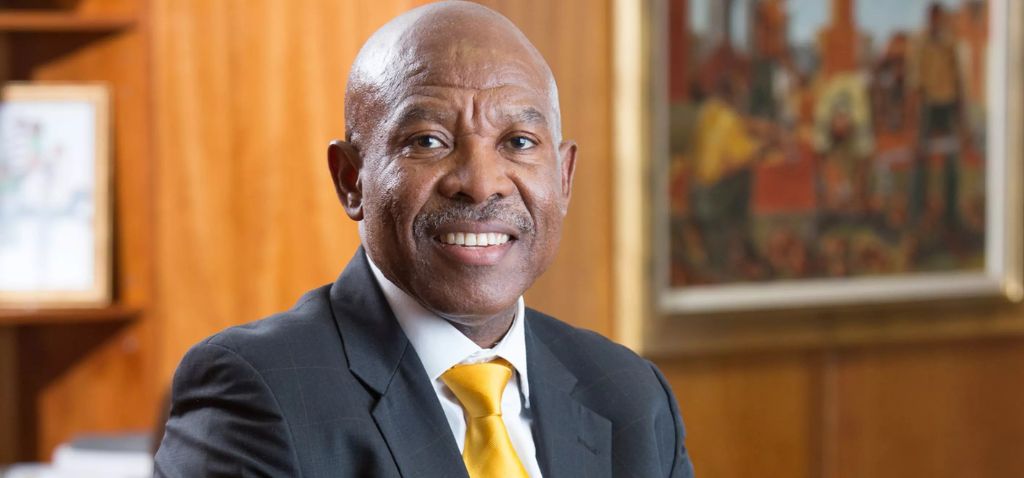
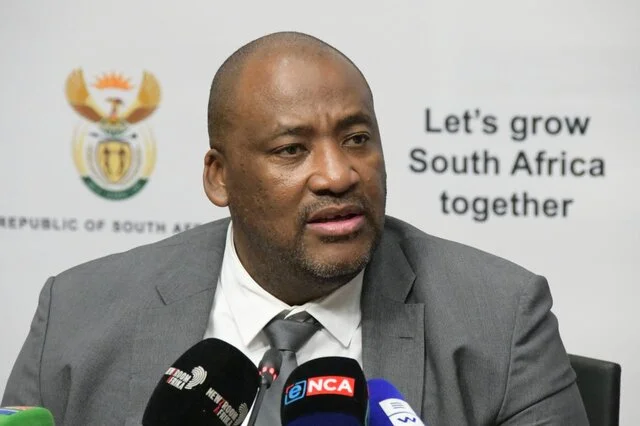
Electricity and Energy Minister, Dr Kgosientsho Ramokgopa, says an agreement has been reached between Eskom, the City of Johannesburg (CoJ) and its power utility, City Power, to keep the lights on in the city.

About a week ago, Eskom issued a notice of intent to reduce, interrupt and/or terminate electricity supply to certain bulk supply points in the city due to the R5.2 billion owed by the City and City Power (CP) to Eskom. 

“I’m delighted to say that we have found a path to resolve this problem,” the Minister said, following a meeting with all stakeholders, including Joburg Mayor Dada Morero and Eskom Group Chief Executive Dan Marokane.

Some two years ago, the two parties had reached an Electricity Supply Agreement to address the debt issue. 

“The City… experienced a number of challenges leading up to the end of last year and the beginning of this year, and they were unable to keep up with the provisions of that agreement. Eskom… then issued a notice of either interruption, disruption or discontinuation of bulk electricity supply to the City of Johannesburg.

“What we have agreed to… reaffirms the provisions of the existing agreement, which says we need to keep up with the current account and find a way of servicing the debt that has now grown,” Ramokgopa said.

The Minister said Eskom, the City and City Power will “work out a partnership” because of the sheer magnitude of the City and the residents who are paying for services.

“Johannesburg is just too big to fail. It is the powerhouse of the South African economy and the epicentre of the financial markets in the country and across the continent. As opposed to dealing with Johannesburg at arm’s length…we have accepted that we need to provide some degree of support to City Power. 

“There are a lot of customers who are paying and I think it would be particularly unfair for those customers to be collateral damage, so we need to find a solution,” Ramokgopa said. 

Western Cape Government to Support Nearly 6 000 Homeless People Through 35 Night-Shelters

The Western Cape Government has expanded its homelessness support programme, funding 2 610 bed spaces across 35 night-shelters that will collectively assist approximately 6 000 people annually through a rotational shelter model.

The Democratic Alliance (DA) in the Western Cape has welcomed the intervention, which forms part of the province’s winter readiness programme aimed at supporting vulnerable residents during colder months. The programme provides temporary accommodation as well as access to meals, psychosocial support, and reintegration services.

For the 2026/27 financial year, the Western Cape Department of Social Development has allocated R36.8 million to homelessness services.

Support provided through the shelters includes temporary accommodation, daily meals and additional food assistance, counselling and psychosocial support, skills development and income-generating initiatives, family reunification and reintegration services, as well as essential items such as blankets, mattresses, and toiletries. Additional operational support is also provided during winter.

The DA has also highlighted the ongoing work of the DA-led City of Cape Town in addressing homelessness through coordinated social programmes and partnerships with non-governmental and community organisations. The city recently joined the global Vanguard Cities network, which focuses on reducing homelessness, and continues to expand programmes aimed at moving people off the streets into support services.

DA Western Cape Spokesperson on Social Development, Wendy Kaizer-Philander, said homelessness remains a significant social challenge, particularly during winter when vulnerable individuals are exposed to harsh weather conditions.

She said the provincial government and City of Cape Town are prioritising interventions that provide immediate relief while also supporting longer-term reintegration and stability for affected individuals.

Tourism sustains jobs, drives international arrivals

Tourism Minister Patricia de Lille says tourism sustained 954,000 direct jobs in the economy in 2024, meaning tourism now supports 1 in every 18 jobs in South Africa and for every 13 international tourists who arrive, one job is supported. 

“South Africa welcomed a record 10.5 million international arrivals in 2025. In the first quarter of 2026 alone, more than 2.9 million inbound travellers were welcomed - representing 12.6% growth compared to the same period last year,” the Minister said.

Delivering her department’s Budget Vote in Cape Town on Tuesday, De Lille said domestic spend reached R111.6 billion, outweighing international spend of R102.2 billion, reinforcing domestic tourism as the bedrock of the sector. 

Government and industry have jointly adopted the Tourism Growth Partnership Plan, which the Minister described as a working compact between the public and private sectors with measurable targets, shared accountability and clear implementation plans, not another strategy document gathering dust on shelves. 

“Together, government and industry are pursuing National Development Plan (NDP) 2030 goals, including increasing domestic tourism spend to R139.4 billion, increasing international tourist spend to R115.2 billion, growing international tourist arrivals to 15 million, increasing annual domestic trips to 45.1 million, increasing direct employment to 1 million and increasing indirect and induced employment to 1.5 million,” De Lille said.

De Lille said the Electronic Travel Authorisation system is now live in China, India, Indonesia and Mexico - travellers from these source markets can receive visa outcomes digitally within 24 hours from their homes and cellphones. 

“Once fully rolled out, the ETA system is expected to increase arrivals in a way that could create between 80 000 and 100 000 jobs,” the Minister said.

The Minister said new air routes have been launched between Johannesburg and Perth, Cape Town and Mauritius and that soon Madrid and Johannesburg through Air Europa will be launched.

“The Department continues working through the Inter-Ministerial Committee on Visas with the Department of Home Affairs to further expand visa reforms and air access, recognising that if tourists cannot get to South Africa easily, they will simply go elsewhere,” the minister said.

De Lille said the Kgodumodumo Dinosaur Interpretation Centre, a R120 million project developed together with the European Union, has already attracted more than 90 000 visitors since its launch last year, where the world's oldest dinosaur embryo was discovered.

“A Tourism Infrastructure Facilitation Unit has been established to remove barriers for investors. The second Tourism Infrastructure Investment Summit will be hosted in Gauteng in October 2026, following the inaugural Cape Town summit, where eight projects worth R1 billion were unveiled and three have already secured funding,” De Lille said.

De Lille said the South African National Convention Bureau secured 66 international and regional conferences expected to contribute over R1.2 billion to the economy between 2025 and 2030, with events scheduled across Bela-Bela, Cape Town, Durban, Grabouw, Hermanus, Johannesburg, Makhanda, Mbombela, Polokwane, Skukuza, Sun City and Tshwane,  demonstrating geographic spread of business events.

The Department of Tourism has been allocated R2.54 billion for 2026/27, with R1.278 billion transferred to South African Tourism for destination marketing and sector growth.

Authorities crack down on Pretoria weight loss production pharmacy

The South African Health Products Regulatory Authority (SAHPRA) and the South African Pharmacy Council (SAPC) have ramped up a nationwide crackdown on the illegal manufacturing and supply of unregistered weight-loss medicines.

The medicines contain Semaglutide, Tirzepatide, or a combination product containing both Semaglutide and Tirzepatide.

“SAHPRA and SAPC conducted a joint investigation inspection at iDexis (Pty) Ltd trading as Sentra Pharmacy in Silverton, Pretoria. The inspection focused on Semaglutide, Tirzepatide and combination formulations and discovered critical regulatory non-compliance, all GIP/GLP-1 injectable products found onsite were seized.

“The investigation revealed that the company was producing and supplying medicines under the pretext of ‘compounding’, but outside the legal framework permitted under South African law.

“While compounding is strictly limited to the preparation of medicines for individual patients based on a valid prescription, the facility was found to be manufacturing and marketing GIP/GLP-1-based products, including Semaglutide, Tirzepatide, and combination formulations, for broader commercial distribution, particularly for weight management purposes,” the two health watchdogs said in a joint statement.

Furthermore, the investigation revealed serious deficiencies in quality, safety, and regulatory compliance, including:
The illegal importation of Semaglutide and Tirzepatide active pharmaceutical ingredients (APIs);

-The absence of analytical testing to confirm identity, potency and purity;
-Inadequate sterile manufacturing conditions, high risk of contamination;
-Inadequate equipment for aseptic medical preparations; and 
-The lack of heating, ventilation, and air conditioning systems.

“The room allocated for producing GLP-1/GIP products didn’t meet the requirements of aseptically prepared products. In addition, no pharmacovigilance system was in place to monitor or respond to adverse drug reactions.

“SAHPRA has also noted reports of adverse events, including hospitalisations, linked to the use of these products, as well as concerns regarding possible illegal importation of APIs and promotional activities targeting healthcare providers and consumers,” the statement continued.

All finished products containing Semaglutide, Tirzepatide, and related combinations have been seized.

“The company has been instructed to initiate a full recall of affected products distributed through healthcare providers, pharmacies, and other channels.

“According to the Medicines and Related Substances Act, 101 of 1965, as amended, compounding must remain strictly within the applicable parameters of the law and cannot be used as a mechanism for large-scale manufacture, advertising, or distribution of unregistered medicines,” the statement read.

SAHPRA CEO, Dr Boitumelo Semete-Makokotlela said: “SAHPRA will continue to take decisive regulatory and enforcement action against any entity that contravenes the Medicines and Related Substances Act.

“The unlawful manufacture, importation, advertising, and distribution of unregistered medicines pose a serious risk to public health. We will not hesitate to act to protect patients and safeguard the integrity of South Africa’s regulatory system.”

SAPC CEO Vincent Tlala added that the council will be taking further action against pharmacy professionals involved in illegal manufacturing.

“Unlawful manufacturing, promotion and distribution of unregistered GLP-1 medicines for weight loss is a serious violation of the law and a direct threat to public safety. 

“Following the inspection conducted at Sentra Pharmacy, the SAPC will pursue decisive regulatory action against those involved.

“Pharmacists and pharmacy support personnel found selling, compounding or distributing these unregistered medicines risk severe disciplinary action. Including possible removal from the register. Council will not tolerate any conduct that compromises patient safety or the integrity of the pharmacy profession,” Tlala warned.

Calls for urgent climate resilience in agriculture

Agriculture Minister John Steenhuisen says resilience is no longer an abstract concept for agriculture but an “operational necessity” as climate change, failing logistics infrastructure and volatile global markets reshape the future of South Africa’s deciduous fruit industry.

Addressing the Hortgro Symposium 2026 in Somerset West on Monday, Steenhuisen said the deciduous fruit industry is operating at the frontline of change, confronting increasingly unpredictable climate conditions, logistical pressures, stricter export requirements and growing international competition.

“Climate change is no longer a future challenge for agriculture. It is already reshaping production realities today,” Steenhuisen said.

He said recent storms in the Western Cape, particularly in the Witzenberg and Breede River Valley regions, highlighted the urgent need for climate resilience and stronger disaster preparedness in agriculture.

“The devastating storms caused widespread damage to infrastructure, orchards and local communities. The collapse of critical electricity infrastructure and the pressure placed on cold-storage facilities created serious risks for the apple and pear industry at a particularly sensitive point in the export season,” the Minister said.

Steenhuisen warned that climate change is already reshaping agricultural production realities, particularly for deciduous fruit growers who depend on reliable winter chilling, stable irrigation systems and strict export-quality standards.

“Warmer winters, droughts, floods, storms, heat stress and changing pest pressures all have direct consequences for productivity, fruit quality and export competitiveness,” he said.

He commended the resilience of farming communities trying to protect crops and maintain export operations under severe strain.

“During my visit to the region last week, I was struck not only by the scale of the damage, but also by the resilience and determination shown by farmers, workers, municipalities, and local communities under extremely difficult conditions.

“These events are a stark indicator that climate resilience, infrastructure maintenance and disaster preparedness are becoming increasingly important components of agricultural sustainability,” the Minister said.

Despite mounting pressures, the Minister said South Africa’s deciduous fruit industry remained one of the country’s most dynamic and internationally competitive agricultural sectors, supporting more than 302 000 jobs across agriculture and agri-processing.
The industry also contributes to a broader horticultural economy valued at over R147 billion nationally.

Innovation is the foundation of sustainability.
Stennhuisen also stressed the growing importance of research, innovation and technology in helping producers adapt to changing conditions.

According to the Minister, innovation is no longer optional, “it is the foundation of sustainability.”

“Innovation in modern agriculture is not limited to laboratories or research institutions. It includes technology in orchards, data-driven irrigation systems, biological controls, advanced breeding systems, logistics optimisation and digital traceability platforms.

“The future of agriculture will belong to sectors that combine productivity with sustainability and science with competitiveness,” he said.

Steenhuisen also emphasised the importance of biosecurity and market access, saying South Africa’s future agricultural growth depended on expanding and protecting export opportunities. 

He highlighted the recent trade gains, including a new stone fruit export protocol with China and the reopening of fresh apple exports to Thailand, as examples of successful collaboration between government and industry.

However, he acknowledged that logistics failures and inefficiencies at the Port of Cape Town continued to undermine the competitiveness of the fruit sector.

“For a high-value perishable export sector, logistics efficiency is existential. When export fruit misses shipping windows, producers do not simply lose time. They lose value, market confidence and profitability,” Steenhuisen said.

The Minister reaffirmed government focus on reducing unnecessary red tape, improving regulatory efficiency, supporting infrastructure and logistics improvements, and aggressively pursuing export opportunities for South African producers.

SARS refutes hacking claim

The South African Revenue Service (SARS) has refuted claims that it suffered a breach of its systems.

This after an alleged hacker group claimed over the weekend that it had breached the revenue service.

“SARS continuously monitors its systems for any suspicious activity and has conducted a thorough investigation in response to these reports. These claims are false and unsubstantiated.

“At this stage, there is no evidence that SARS’s systems have been compromised. SARS wishes to reassure the public regarding the integrity of its systems,” SARS said.

The tax collector emphasised that it treats the “protection of taxpayer information and the security of its digital platforms as sacrosanct and as its core responsibility”

“This dovetails with SARS’s broader commitment to build a smart, modern institution with unquestionable integrity, and to strengthen public trust and confidence in the tax administration system.

“Members of the public are urged to verify information before sharing and not to circulate unverified claims or rely on information from unofficial sources. SARS will continue to monitor its digital environment and, where necessary, will communicate through its official platforms.

“The public is also reminded to remain vigilant against scams and phishing attempts, particularly where messages claim to be from SARS, and to consult the following link for guidance” SARS said. 

Western Cape Premier leads oversight visits to storm-hit areas

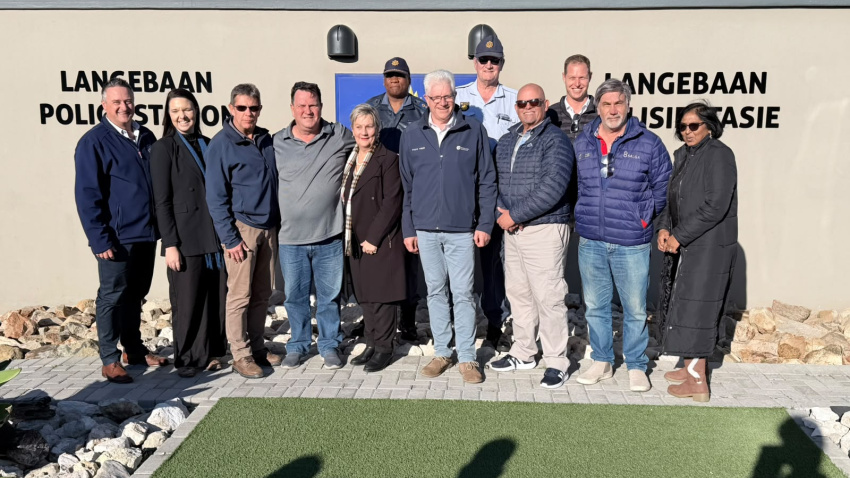
Western Cape Premier Alan Winde, together with Members of the Provincial Legislature (MPLs), has embarked on oversight visits to several areas hardest hit by the severe weather system that struck the province earlier this month.

The two-day visit, taking place from 25-28 May 2026, forms part of the provincial government’s ongoing response and recovery efforts following widespread storm damage across parts of the Western Cape.

During the visits, Winde is expected to assess progress in rebuilding and repairing damaged infrastructure and restoring essential services.

He will also engage with disaster management officials, law enforcement agencies, volunteers, and municipal leadership, who played a key role in the province’s emergency response response.

Speaking at the Kransburg bridge and pipeline site near Klawer on the West Coast, Winde said several parts of the province were still without electricity as recovery operations continue.

“We are busy with the rebuild to get bridges and roads reopened, and to complete the necessary assessments,” Winde said.

The Premier expressed appreciation to teams working on the ground to restore normality in affected communities, while acknowledging that significant work still lies ahead.

“Our teams are on the ground this week, moving from town to town to... look at what is necessary, and possibly speed things up a little bit,” he said.

The oversight programme began in Malmesbury on the West Coast and is expected to conclude in the Swellendam area. 

South Africa joins efforts to combat Ebola outbreak

South Africa has pledged an initial $5 million contribution to support a $319 million continental preparedness and response plan, as Africa mobilises to combat its second-largest Ebola outbreak in history.

This, according to President Cyril Ramaphosa, who addressed a High-Level Meeting of African Ministers of Health on the Ebola outbreak that has swept through the Democratic Republic of the Congo and Uganda.

South Africa had pledged an initial $2.5 million to the cause.

The President addressed the gathering in his capacity as African Union Champion on Pandemic Prevention, Preparedness and Response.

“The Kampala meeting aligned behind a continental preparedness and response plan of approximately $319 million for the period June to November 2026. This plan will support outbreak control in affected countries while strengthening preparedness in at least ten high-risk Member States.

“Importantly, African countries themselves have already committed initial domestic contributions representing approximately 10% of the required financing. This demonstrates ownership and responsibility. Africa is no longer waiting passively for others to act.

“In this spirit of African solidarity and African solutions to African challenges, the Government and people of South Africa are pleased to announce an initial contribution of U$5 million to Africa CDC [Centers for Disease Control and Prevention], in support of the ongoing continental Ebola response,” President Ramaphosa said on Monday.

The outbreak – which was declared a public health emergency of international concern by the World Health Organisation – has claimed at least 200 lives, a situation President Ramaphosa descried as “deeply concerning”.

The outbreak is also the largest one since the one in West Africa more than a decade ago and the President raised concern over the trajectory of the disease, while underscoring the urgent need for regional solidarity.

“Although, at the onset of this outbreak, there are no therapeutics and vaccines for the Bundibugyo strain, we have reason to be hopeful. Working together with Africa CDC and the World Health Organisation through the interim medical countermeasures network, organisations such as GAVI [Vaccine Alliance], CEPI [Coalition for Epidemic Preparedness Innovations] and UNITAID are working at speed on promising vaccine and therapeutic candidates towards clinical trials.

“We strongly support these efforts, as Africa cannot continue to face deadly epidemics without equitable access to diagnostics, vaccines and treatments.

“We call on all relevant partners and manufacturers to accelerate research and development, strengthen genomic surveillance, expand laboratory systems, and fast-track the equitable delivery of safe and effective vaccines and therapeutics,” the President urged.

The international community is also urged to stand with the continent of Africa in the “spirit of partnership, solidarity and respect”.

“The world is safer when Africa is safer. Delayed support today will result in much higher human, social and economic costs tomorrow,’” he warned.

The President emphasised the outbreak currently confronting Uganda and the DRC is a reminder that preparedness cannot begin when a crisis is already expanding.

“We must continue investing in resilient health systems, strong national public health institutes, emergency operations centres, local manufacturing of medical countermeasures, community health workers, genomic surveillance and sustainable domestic financing.

“Africa has the institutions, expertise and leadership to respond effectively. What is required now is speed, unity, solidarity and trust in our collective capacity.

“The people of the Democratic Republic of the Congo, Uganda and all countries at risk must know that they are not alone. Africa stands with them,” President Ramaphosa concluded.

Police clamp down on 1600 litres of alcohol in Garden Route

Police in the Garden Route District have shut down six unlicensed liquor outlets and confiscated more than 1,600 litres of alcohol during crime prevention operations conducted over the weekend.

On Friday night, De Rust police acted on information about illegal activity and raided a property in the Riemvasmaak informal settlement, where they seized 1,569 litres of liquor and arrested a 48-year-old man.

In a separate operation on Saturday, Riversdale police raided two properties in Heidelberg, confiscating small quantities of liquor and arresting two women, aged 46 and 41.

Further operations in Oudtshoorn, Ladismith and Heidelberg led to the arrest of three more suspects.

All suspects face charges of selling liquor without a licence and are expected to appear in court once formally charged.

Police say the operations form part of efforts to curb alcohol and drug abuse, which contribute to incidents of gender-based violence and femicide in the region.

error: eRadio is protected !
Scroll to Top