
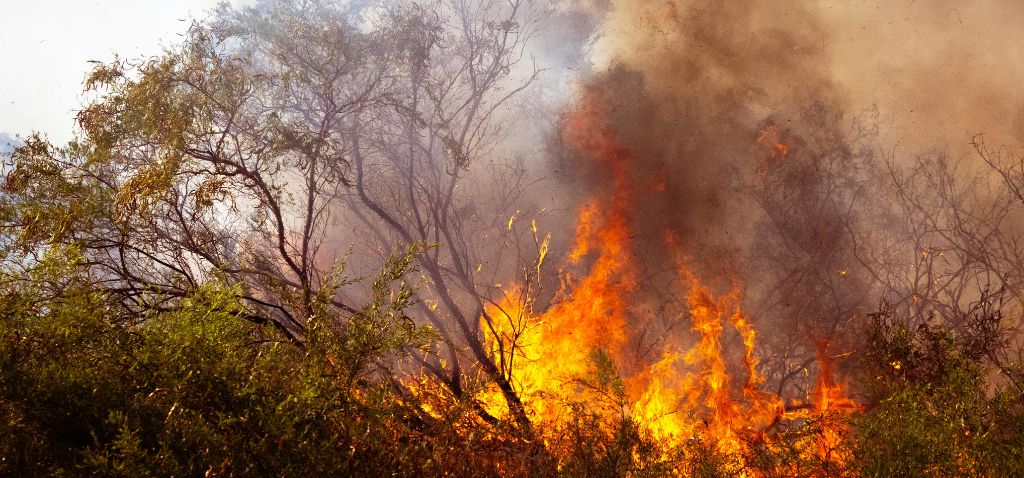
The Western Cape Government says it is prepared for the 2025/26 high-risk summer fire season following extensive planning, investment and collaboration across the province.
The Provincial Disaster Management Centre (PDMC), together with municipalities and various partners, has activated its Summer Readiness Plan. Officials say this year’s preparations build on lessons from previous large-scale incidents, including major fires, floods, COVID-19 and support efforts in KwaZulu-Natal.
Key readiness measures include:
*Firefighting capacity: Since 2016, more than 100 pieces of firefighting equipment have been supplied to municipalities through the Fire Service Capacity Building Grant. Municipalities and the Umbrella Fire Protection Association fully utilised multi-million-rand grants in 2024/25 to bolster ground-level response.
*Aerial and ground resources: Long-term contracts have been secured for fixed- and rotary-wing aircraft to allow early deployment when fires break out. Seasonal firefighting teams have been placed in high-risk areas, supported by local municipalities and Fire Protection Associations. The aerial firefighting programme met its implementation targets.
*Incident management: Incident Management Teams have been reconstituted and trained under the Incident Command System, with key roles such as Operations Section Chief and Resource Unit Leader receiving specialised training over the past year.
*Prevention and public awareness: Twenty-seven municipalities received support for communication and fire-awareness programmes. Hazard-awareness campaigns reached more than 18 000 learners. The PDMC’s decision-support tool and dashboard have also been upgraded to strengthen risk assessment and response planning.
*Specialised capabilities: Municipalities continue to receive assistance for HAZMAT response, and the Fire Safety Officer Development Programme aims to improve fire safety enforcement capabilities.
Dave Bryant, the DA’s Western Cape spokesperson on Local Government, Environmental Affairs and Development Planning, said the combination of aerial resources, trained crews and improved coordination reflects a proactive approach to the fire season.
He urged residents and visitors to take precautions and comply with regulations regarding open flames to help reduce wildfire risks.
The province will continue oversight visits to disaster-management facilities in the coming weeks and will engage with seasonal firefighting teams as the summer progresses.
The Provincial Disaster Management Centre (PDMC), together with municipalities and various partners, has activated its Summer Readiness Plan. Officials say this year’s preparations build on lessons from previous large-scale incidents, including major fires, floods, COVID-19 and support efforts in KwaZulu-Natal.
Key readiness measures include:
*Firefighting capacity: Since 2016, more than 100 pieces of firefighting equipment have been supplied to municipalities through the Fire Service Capacity Building Grant. Municipalities and the Umbrella Fire Protection Association fully utilised multi-million-rand grants in 2024/25 to bolster ground-level response.
*Aerial and ground resources: Long-term contracts have been secured for fixed- and rotary-wing aircraft to allow early deployment when fires break out. Seasonal firefighting teams have been placed in high-risk areas, supported by local municipalities and Fire Protection Associations. The aerial firefighting programme met its implementation targets.
*Incident management: Incident Management Teams have been reconstituted and trained under the Incident Command System, with key roles such as Operations Section Chief and Resource Unit Leader receiving specialised training over the past year.
*Prevention and public awareness: Twenty-seven municipalities received support for communication and fire-awareness programmes. Hazard-awareness campaigns reached more than 18 000 learners. The PDMC’s decision-support tool and dashboard have also been upgraded to strengthen risk assessment and response planning.
*Specialised capabilities: Municipalities continue to receive assistance for HAZMAT response, and the Fire Safety Officer Development Programme aims to improve fire safety enforcement capabilities.
Dave Bryant, the DA’s Western Cape spokesperson on Local Government, Environmental Affairs and Development Planning, said the combination of aerial resources, trained crews and improved coordination reflects a proactive approach to the fire season.
He urged residents and visitors to take precautions and comply with regulations regarding open flames to help reduce wildfire risks.
The province will continue oversight visits to disaster-management facilities in the coming weeks and will engage with seasonal firefighting teams as the summer progresses.