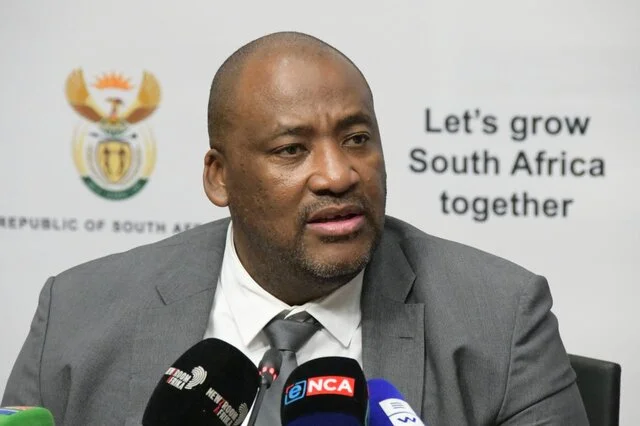
McKenzie explains R31 million World Cup expenditure

Minister of Sport, Arts and Culture Gayton McKenzie has provided a breakdown of the approximately R31 million spent on South Africa’s FIFA World Cup 2026 delegation and programme activities linked to fan engagement, activations and legacy initiatives, including artists and cultural participants.

This follows questions raised in Parliament and the media over the past week about spending linked to South Africa’s engagement at the World Cup.

According to the Minister, private sector partners, including Brand South Africa, Coca-Cola, HONOR, Betway, Cell C and Old School, funded Lucky Fans, journalists, podcasters and influencers who travelled as part of the programme, along with further fan mobilisation activities.

“That sponsorship sat outside the department’s own expenditure. The FIFA World Cup was the largest global sports, arts, and culture platform of the year, and it only comes around every four years. 

“Spending public money to position South Africa on such a platform is not a deviation from the Department of Sport, Arts and Culture (DSAC) mandate – it is exactly the DSAC mandate,” McKenzie explained in a statement on Sunday.

A total of 151 participants were sent to Mexico and the United States for the World Cup, excluding the service provider team.
The breakdown of the R30 945 370.15 spent on the World Cup is as follows:

Official trips and travel-related expenditure – Minister and two support staff, Director-General and Project Team (14 members):
R7 865 134.97
South Africa 2010 Legends Exhibition Match (involving 27 people in total): R6 706 925.00
Suites: R3 361 845.18
Spectator match tickets: R3 011 465.00
Programme activities linked to fan engagement, Aldea Global participation, Atlanta partnership activations, Monterrey and legacy activities, including the costs of 30 artists and cultural participants and the project delivery team from a service provider: R10 000 000.00
The R7.86 million covered the costs of the official delegation responsible for delivering the programme.

This included international flights, accommodation, local transport, travel insurance, daily allowances and all approved travel costs for McKenzie, executive management and officials responsible for logistics, communications, protocol, governance and programme delivery, as well as South African artists and cultural representatives who formed part of the official delegation.
The R6.71 million funded the South Africa 2010 Legends Programme.

“The match between the 2010 Bafana Bafana legends and Mexico’s 2010 legends was filled. Our football legends didn’t just travel to watch football. They represented South Africa in an official exhibition match and legacy events that celebrated our football history and kept the spirit of 2010 alive while promoting South African football on the global stage,” the Minister said.

The R3.36 million funded official hospitality venues in Atlanta and Monterrey.

The R3.01 million covered 294 official FIFA match tickets across three host cities.

“Those tickets formed part of the approved programme and allowed our delegation, stakeholders and programme participants to attend official World Cup fixtures linked to South Africa’s activation and engagement programme,” McKenzie said.

He said R10 million was spent on building South Africa’s physical presence at the FIFA World Cup, including funding the design, construction and installation of exhibition spaces in Mexico City, Atlanta and Monterrey.

It covered branding, décor, lighting, sound, screens, technical equipment, furniture, logistics, transport, security, maintenance and the teams that built, operated and later dismantled the spaces.

“It funded the actual programme that thousands of football fans experienced. South African musicians performed live. Our chefs introduced the world to South African food. 

“Local artists and crafters displayed and sold South African products proudly. Businesses promoted South Africa as a tourism destination and an investment destination. Visitors walked away with a better understanding of our country, our people and what South Africa has to offer,” McKenzie said.
Expanding access to water is central to Mandela’s legacy – President

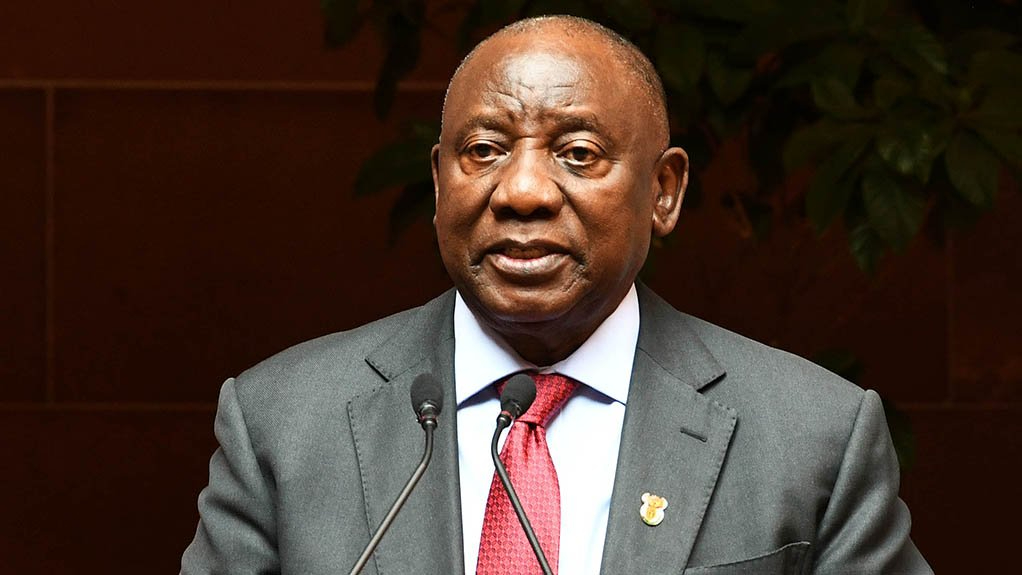
President Cyril Ramaphosa says government is accelerating efforts to expand access to safe and reliable water to underserved communities as part of honouring the legacy of former President Nelson Mandela.

In his weekly newsletter on Monday following the Mandela Day commemorations on 18 July, President Ramaphosa said celebrating Madiba's birthday through acts of service reflects a commitment to continue the work he devoted his life to.

“For Madiba, the freedom he fought for was not merely the right to vote. It was the freedom to live with dignity, to live in decent conditions and to enjoy the basic necessities of life,” the President said.

He said government had launched the National Water Access Acceleration Programme through decentralised water supply schemes to respond to the need for safe and reliable water in underserved communities.

The initiative forms part of the priorities announced in this year's State of the Nation Address to tackle the country's water crisis, which continues to affect households, communities and businesses.

The programme was launched in Hammanskraal, Gauteng, a community that has faced longstanding water challenges and where lives were lost during a cholera outbreak three years ago.

As part of the intervention, boreholes were handed over to the community, and the Klipdrift Package Water Treatment Plant was officially commissioned.

Similar projects, including borehole drilling, groundwater development, rainwater harvesting and the rehabilitation of existing water supply schemes, have also been rolled out in parts of Gauteng, KwaZulu-Natal and the Eastern Cape.

According to the President, the programme is designed to reduce the time between identifying a community's water needs and delivering functioning water supply systems by using solutions suited to local conditions instead of relying solely on large-scale infrastructure projects.

President Ramaphosa noted that expanding access to water has been one of democracy's major achievements, with the 2022 Census showing that more than 82% of households have access to piped water either inside their dwelling or within their yard.

He added that the proportion of households without access to piped water has more than halved since 1996.

However, the President acknowledged that many municipalities continue to struggle with maintaining infrastructure, managing water services and responding urgently to service delivery challenges.

“We must acknowledge that in too many municipalities, government has not succeeded with the maintenance of infrastructure, to manage water services properly and to respond with sufficient urgency. Parts of our country are experiencing worsening water shortages and deteriorating water quality. In some places, ageing water infrastructure has collapsed,” he said.

To address these challenges, President Ramaphosa said government established the National Water Crisis Committee earlier this year to coordinate interventions across all spheres of government.

He said the committee is focused on strengthening municipal water and sanitation services, increasing investment in water infrastructure, reforming water sector institutions, improving the legal and regulatory framework, and tackling corruption and criminality in the sector.

“As we learned during the energy crisis, sustainable solutions require putting the necessary building blocks in place rather than relying on quick fixes. Our response to the water crisis focuses on sustainable, long-term reform,” the President said.

He said the National Water Action Plan brings together national, provincial and local government, water boards, regulators and water service authorities under a single programme of action with clear responsibilities and timelines.

Among the immediate interventions already underway are emergency infrastructure projects, including the boreholes in Hammanskraal, which government intends to expand to more communities.

President Ramaphosa also highlighted ongoing legislative reforms, including the establishment of the National Water Resources Infrastructure Agency to coordinate investment in bulk water infrastructure.

He said public hearings on the Water Services Amendment Bill will begin soon to strengthen enforcement and enable municipal managers who fail to manage water infrastructure to be held personally liable.

Over the next three years, government has allocated R156 billion towards water and sanitation infrastructure as part of its broader public infrastructure investment programme.

The President said municipalities remain at the frontline of service delivery and will continue receiving support to improve financial sustainability and reinvest water revenue into infrastructure.

He added that where municipalities or officials fail to comply with environmental and water services legislation, government will use available enforcement mechanisms, including directives, criminal proceedings and, where permitted by law, personal liability.

“Water security is among government's most urgent priorities. Households and businesses experiencing shortages and outages have had enough, and underserved communities across the country still waiting for taps to be installed 32 years into democracy are justifiably tired of waiting,” President Ramaphosa said.

He reaffirmed government's commitment to resolving the water crisis through coordinated action and structural reform.

“Our ultimate goal is not merely to get over the current crisis, but to fulfil Madiba's vision of all South Africans enjoying their constitutionally enshrined right to access to water and of this right being secured for generations to come. Water is dignity and therefore central to Mandela's legacy,” he said. 

DA Questions Estimated R31 Million FIFA World Cup Delegation Cost

The Democratic Alliance (DA) says it has repeatedly asked Sport, Arts and Culture Minister Gayton McKenzie over the past two months to disclose the full cost of the department's delegation to the 2026 FIFA World Cup.

According to the DA, the Minister's latest written response estimated the delegation's expenditure at R31 million. The party says the figure is an estimate and has called for more detailed information.

The DA says it has submitted two requests seeking details about the delegation's members, the total budget and how the trip was funded. It claims the responses contained limited information, differing expenditure figures and no clear explanation of the funding arrangements.

The party says the Minister later disclosed that the delegation included 20 artists and 18 departmental officials, including the Minister, two support staff, the Director-General and a 14-member project team. It says the officials' travel was estimated to have cost just under R8 million.

The DA says the names of the delegation members and the final cost of the trip have not yet been disclosed. It plans to submit further parliamentary questions requesting the outstanding information and an exact date for when it will be made available.

The party also says it will ask Parliament's Portfolio Committee on Sport, Arts and Culture to require Minister McKenzie to account for the expenditure and provide a detailed breakdown of the delegation's costs.

Western Cape offers free vehicle safety checks for scholar and public transport vehicles

As learners prepare to return to school this week, the Western Cape Government is offering free vehicle safety checks for scholar transport and public transport vehicles from 21 to 23 July 2026. The initiative supports safer journeys for learners and commuters by encouraging drivers and operators to proactively assess the condition of their vehicles.

The free safety checks will be conducted between 8am and 3pm at Gene Louw Traffic College and participating vehicle testing centres across the province, in partnership with municipalities and vehicle testing centres. Operators and drivers are encouraged to take advantage of this opportunity before returning to their regular transport services.

The inspections are not full roadworthy tests, but practical safety assessments carried out by qualified vehicle examiners.

Following the inspection, operators will receive a printed report identifying any defects or safety concerns that require attention, enabling drivers and operators to address potential issues before they become a risk on the road. The inspections will cover key vehicle safety components, including: tyres; braking system; lights; suspension; CV joints; exhaust system; windscreen wipers and other critical safety elements.

The initiative forms part of the Western Cape Government's ongoing commitment to improving road safety and promoting a culture of preventative vehicle maintenance. Western Cape Mobility Department’s Chief Director for Traffic Management, Maxine Bezuidenhout, said the timing of the initiative is particularly important as thousands of learners return to school after the holiday period. "For many families, scholar transport is an essential service that they trust every day. These free vehicle safety checks provide operators with an opportunity to identify and address potential safety concerns. While this is not a roadworthy test, it is a practical preventative measure that can make a meaningful difference to road safety. We encourage every scholar transport and public transport operator to make use of this free service and demonstrate their commitment to the safety of the passengers they transport."

Preventative vehicle maintenance remains one of the most effective ways to reduce breakdowns and prevent avoidable incidents. By identifying defects early, drivers and operators can improve the safety and reliability of the vehicles that thousands of learners and commuters depend on every day.

Free vehicle safety checks
Dates: 21–23 July 2026
Time: 08:00–15:00

Participating vehicle safety check centres:

Gene Louw Traffic Training College, Brackenfell Blvd, Brackenfell
Swartland Municipality, St Thomas St, Malmesbury
Swartland Municipality, River Str, Moorreesburg
Cape Agulhas Municipality, 1 Dirkie Uys Str, Bredasdorp
Cederberg Municipality, 2A Voortrekker Str, Clanwilliam
Cederberg Municipality, Citrusdal Traffic Department, Citrusdal
Hessequa Municipality, 48 Mulder Str, Riversdale
Beaufort West Municipality, Lock Way, Newton, Beaufort West
City of Cape Town – Kuils River, Fabriek Str, Kuils River
City of Cape Town – Bellrail, 2 Reed Str, Bellville
AVTS Airport, Boston Circle, Airport Industria
AVTS Bellville, Cnr Duminy and Voortrekker Rd, Bellville
AVTS CBD, 86 Sir Lowry Rd, Cape Town
AVTS Kenilworth, 422 Imam Haron Rd, Lansdowne
AVTS Strand, 3 Calvyn Str, Strand
AVTS Table View, 139 Blaauwberg Rd, Table View
AVTS Wingfield, Olympic Park, Voortrekker Rd, Goodwood
Lansdowne VTS, Unit 21, Cnr Blomvlei Rd and Jan Smuts Drive, Lansdowne

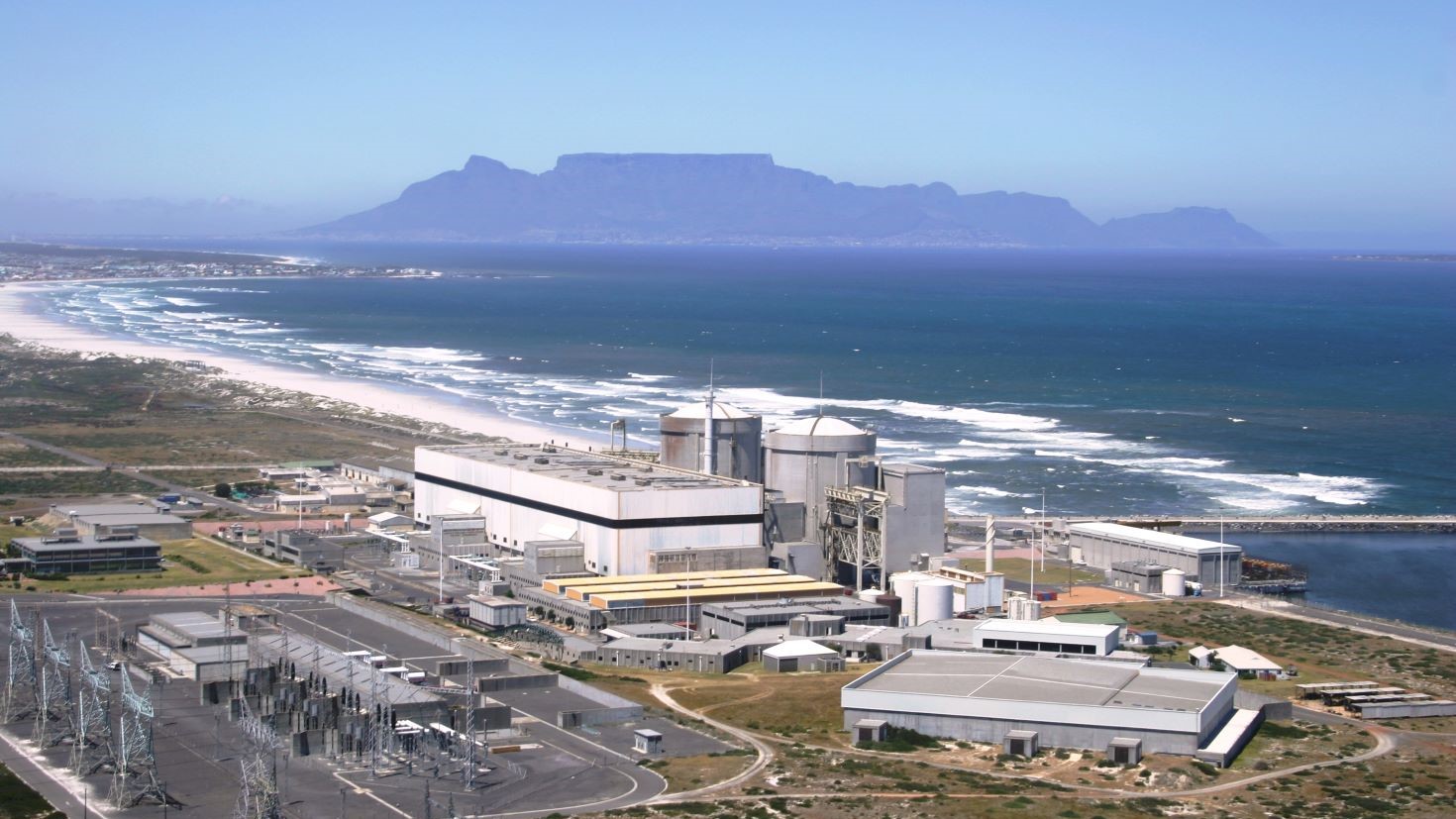
Eskom confirms no radiation leak at Koeberg Unit 2

Eskom has confirmed that no radiation leak occurred during routine maintenance at Koeberg Nuclear Power Station's Unit 2, assuring the public that there was no risk to employees, surrounding communities or the environment.

In a statement issued on Sunday, the utility said the incident, which occurred during scheduled maintenance inspections in July, was classified as Level 0 (no safety significance) on the International Nuclear and Radiological Event Scale (INES) – the lowest possible rating.

"The event had no impact on nuclear safety, plant operations, employees, the public or the environment," Eskom said, adding that the National Nuclear Regulator (NNR) had been notified in accordance with regulatory requirements.

Unit 2 has been on a planned maintenance outage since April 2026 and remains on schedule to return to service in November. Koeberg's Unit 1 continues to operate normally.

Eskom said highly sensitive radiation monitoring equipment detected two brief and localised airborne radioactivity events inside a controlled work area within the Unit 2 containment building on 2 and 7 July during routine steam generator inspections.

The utility stressed that the detections were confined to the designated work area inside the containment structure and did not result in any release of radioactive material beyond the plant's protective barriers.

As a result, there was no need to administer iodine tablets to employees.

According to Eskom, the airborne activity occurred during Eddy Current Testing (ECT), a standard non-destructive inspection method used worldwide to assess the condition of steam generator tubes.

During the inspection, a minute quantity of microscopic oxide particles, commonly known in the nuclear industry as "crud", became airborne within the enclosed work area.

The inspections are conducted using robotic probes to establish a baseline of the steam generator tubes and identify signs of wall thinning long before they could affect plant performance or safety.

Eskom said minor airborne particulate events of this nature are a recognised phenomenon during steam generator inspections at pressurised water reactors globally and are managed through robust safety systems.

The utility said Koeberg's multiple layers of safety and containment functioned exactly as designed.

These included physical containment barriers, high-efficiency particulate air (HEPA) filtration operating under negative pressure, continuous airborne radiation monitoring through Constant Air Monitors (CAMs), and comprehensive radiation protection measures for personnel.

When the monitoring equipment detected the temporary increase in airborne activity, it automatically triggered an alarm.

In response, plant personnel immediately halted the inspection, secured the work area, allowed ventilation and filtration systems to remove the airborne particles, and carried out the required radiological assessments before maintenance resumed.

"These actions successfully contained the material within the designated work area and restored conditions to normal operating parameters," Eskom said.

The utility said monitoring confirmed that the airborne particles remained confined to the controlled work area and that no radioactive material was released into the environment.

"The event demonstrated the effectiveness of Koeberg's defence-in-depth approach, with monitoring, containment and radiation protection systems functioning as designed and providing early detection and control of the transient."

Eskom said the incident had no impact on the safe operation of the power station, maintenance activities or the planned completion date of the Unit 2 outage. Personnel involved were also provided with a comprehensive safety debriefing following the incident.

The utility reiterated its commitment to maintaining the highest standards of nuclear safety, regulatory compliance and transparency in the operation of South Africa's only nuclear power station. 
error:
Scroll to Top