
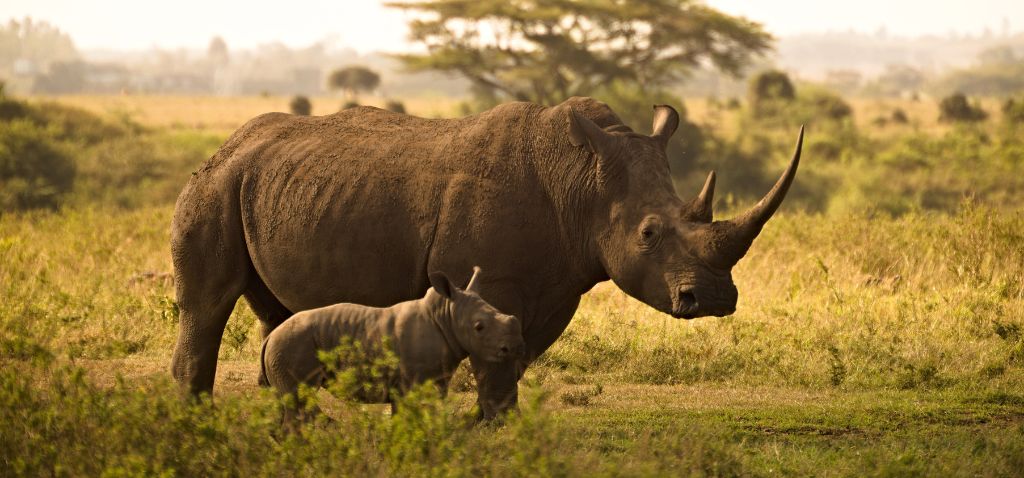
South Africa is marking World Rhino Day today (22 September) with a renewed call to action in the fight against poaching. Minister of Forestry, Fisheries and the Environment, Dr Dion George, highlighted both the progress and the challenges that remain in safeguarding the country’s rhino populations.
“The loss of 103 rhinos to poaching in the first three months of 2025 is a stark reminder of the relentless threat to our wildlife,” Dr George said. “Yet, the absence of poaching in four provinces shows that our targeted interventions are yielding results, and we must build on this progress.”
Between January and March this year, 103 rhinos were killed nationwide - an average of 34 a month -closely matching the 12-month average of 35 per month in 2024. Most losses were recorded in SANParks-managed areas, with 65 rhinos killed, followed by KwaZulu-Natal (16), Limpopo (10), Free State (5), North West (4), and Mpumalanga (3). No incidents were reported in the Eastern Cape, Northern Cape, Western Cape, or Gauteng, a sign that intensified security in some regions is paying off.
Law enforcement efforts have also delivered results, with 15 poaching-related arrests made and five cases finalised in the first quarter of the year. The Department is working with the National Prosecuting Authority and the South African Police Service to strengthen bail opposition, particularly against repeat offenders and suspects with no fixed address.
Dr George stressed that collaboration remains key, pointing to improved ranger patrols, advanced surveillance technology, and closer ties with communities near protected areas. Cutting-edge tools such as drones and thermal radars are also being deployed to detect illegal activity.
Above all, the Minister paid tribute to rangers on the frontline. “Our rangers are the true heroes in this fight, risking their lives daily to protect our rhinos. Their tireless dedication inspires us all.”
On this World Rhino Day, government is calling on South Africans and the global community to support conservation through awareness, responsible tourism, and donations of equipment such as binoculars and anti-poaching gear.
Suspicious activity around wildlife can be reported to the Environmental Crime Hotline at 0800 205 005 or to SAPS at 10111.
“The loss of 103 rhinos to poaching in the first three months of 2025 is a stark reminder of the relentless threat to our wildlife,” Dr George said. “Yet, the absence of poaching in four provinces shows that our targeted interventions are yielding results, and we must build on this progress.”
Between January and March this year, 103 rhinos were killed nationwide - an average of 34 a month -closely matching the 12-month average of 35 per month in 2024. Most losses were recorded in SANParks-managed areas, with 65 rhinos killed, followed by KwaZulu-Natal (16), Limpopo (10), Free State (5), North West (4), and Mpumalanga (3). No incidents were reported in the Eastern Cape, Northern Cape, Western Cape, or Gauteng, a sign that intensified security in some regions is paying off.
Law enforcement efforts have also delivered results, with 15 poaching-related arrests made and five cases finalised in the first quarter of the year. The Department is working with the National Prosecuting Authority and the South African Police Service to strengthen bail opposition, particularly against repeat offenders and suspects with no fixed address.
Dr George stressed that collaboration remains key, pointing to improved ranger patrols, advanced surveillance technology, and closer ties with communities near protected areas. Cutting-edge tools such as drones and thermal radars are also being deployed to detect illegal activity.
Above all, the Minister paid tribute to rangers on the frontline. “Our rangers are the true heroes in this fight, risking their lives daily to protect our rhinos. Their tireless dedication inspires us all.”
On this World Rhino Day, government is calling on South Africans and the global community to support conservation through awareness, responsible tourism, and donations of equipment such as binoculars and anti-poaching gear.
Suspicious activity around wildlife can be reported to the Environmental Crime Hotline at 0800 205 005 or to SAPS at 10111.