Load shedding free winter on the cards for SA

Eskom projects that no load shedding will be implemented this coming winter season.

The power utility presented the State of the System at a media briefing on Wednesday, to share its 2026 Winter Outlook.

“Eskom enters the 2026 winter season with a resilient power system, projecting a winter period of continued energy stability from 1 April to 31 August 2026. This positive outlook follows the successful conclusion of the summer period, during which the national grid operated with ongoing sustained reliability.

“With the Generation Recovery Plan firmly embedded in day‑to‑day operations, Eskom has moved beyond short‑term recovery into a phase of stability and sustained energy security, ensuring that homes, businesses and industries remain powered through the peak winter months,” Eskom said in a statement.

Eskom Group Chief Executive Dan Marokane added that the power utility now has a stable platform to “operate and grow from”.

“This enables us to integrate renewable energy sources as per the 2025 Integrated Resource Plan for the maintenance of energy security in the future.

“Eskom is consciously assessing the new capacity build rate across all required technologies as this, along with other socio-economic conditions, will be vital in determining the transition of the coal fired power stations,” Marokane said.

The power utility’s diesel consumption – once relied upon to power expensive open cycle gas turbines – is also on the downturn, reducing by some R26.9 billion.

Eskom’s Group Executive for Generation, Bheki Nxumalo, reflected that cost savings such as those were hard to embed when the generation fleet was unstable.

“These savings are a result of strengthened maintenance discipline and project delivery. Every megawatt we return contributes toward economic growth.

“The restoration of a consistent baseload electricity supply has enabled Eskom to be in a position to support industries in distress, particularly the ferrochrome industry, and play a meaningful role in preventing job losses.

“The country has invested in Eskom, and we are continuously working to restore this national asset to full health; it is a resource that all citizens have supported,” Nxumalo said.

Other year‑on‑year improvements in system performance include:

-Energy Availability Factor (EAF) improved by ~10.8%:  The EAF has improved from 54.55% in Financial Year (FY) 2023 to ~65.35% in FY2026, a gain of ~10.8%, reflecting stronger generation reliability and power system stability. EAF reached or exceeded 70% on more than 83 occasions during FY26.
-Unplanned losses, reduced by ~7.1GW: Unplanned Capacity Loss Factor (UCLF), measuring unplanned losses, reduced by ~7.1GW, declining from 16.5GW to ~9.1GW as at 31 March 2026, a reduction exceeding one‑and‑a‑half times the capacity of Kusile Power Station.
-Planned maintenance increased, averaging 5.4GW:  Planned maintenance increased from an average of 4.7GW in FY2023 to peaks of around 8.0GW, with an annual average of 5.4GW in FY2026, strengthening long‑term plant reliability while temporarily reducing available capacity.

“Together, these improvements supported a period, as of [Wednesday], of 341 consecutive days without load shedding,” Eskom said.

Tackling load reduction
Eskom noted that it is working closely with the Department of Electricity and Energy (DEE) and other relevant stakeholders to “accelerate the elimination of load reduction”.

Load reduction is implemented by the power utility to protect infrastructure from overloading and destruction where there are illegal connections.

Eskom said its elimination programme is already yielding results, with the Northern Cape and Western Cape now fully removed from load reduction schedules.

“Nationally, more than 340 000 customers who previously faced load reduction are no longer experiencing it, ensuring continuous supply during the winter period.

“A key part of the programme is the installation of more than 600 000 smart meters, which improve network visibility, support better load management and help stabilise local electricity networks.

“In addition, 2119 customers have been connected through distributed energy resources to strengthen the electricity supply in areas where network limitations previously contributed to load reduction,” the power utility explained.

The programme is expected to be concluded by next year.

“By September 2026, Eskom expects that about 60% of feeders currently affected by load reduction, 573 out of 971, will be removed from load reduction, with the remaining feeders addressed progressively by 2027,” Eskom said. 

How to opt out of Spam Calls

The Gauteng Office of Consumer Affairs has encouraged consumers to register on the national Opt-Out Registry to block unsolicited telemarketing calls, SMSs and emails from businesses.

The call follows amendments to the regulations of the Consumer Protection Act, which were gazetted on 15 April 2026 and are aimed at strengthening consumer protection against unwanted direct marketing.

Under the amended regulations, the responsibility now shifts to businesses to prevent unwanted marketing communications, rather than placing the burden on consumers to unsubscribe from each company individually.

By registering a pre-emptive block on the National Consumer Commission Opt-Out Registry, consumers will be able to legally stop all registered direct marketers from contacting them.

Acting Chief Director of the Gauteng Office of Consumer Affairs, Milly Viljoen, said the amendments come at a critical time as many consumers face high levels of debt and increasing living costs.

She said consumers need to be aware of their rights under the new regulations, which include the right to refuse direct marketing by registering on the system.

“All direct marketing businesses must register on the system and renew their registration annually. Businesses must respect consumers’ opt-out choices and refrain from contacting them,” Viljoen said.

She added that companies are now expected to clean up their marketing databases and ensure that consumers’ personal information is not used without consent.

“These amendments matter because too many consumers are still being harassed by spam calls and messages, often after asking to be removed. These new rules aim to shift the burden onto businesses to comply — and not for consumers to chase them,” she said.

Consumers have been advised to register their opt-out request either for a specific company or for the entire industry once the system becomes available.

The registration will be a once-off step offering ongoing protection, although consumers should ensure their details remain updated if circumstances change.

Consumers are also encouraged to report businesses that continue contacting them after an opt-out request and to be cautious about where they share their personal information.

The amendments will take effect from July 2026, when direct marketing businesses must register and the system becomes available to consumers.

According to the Consumer Protection Act, non-compliant businesses could face fines of up to R1 million or 10% of annual turnover, whichever amount is higher.

More FMD vaccines arrive in South Africa

The Minister of Agriculture John Steenhuisen has announced the arrival of two million doses of Foot and Mouth Disease (FMD) vaccine in South Africa, marking a significant step in the country’s efforts to control the spread of the disease.

The vaccines, sourced from Dollvet in Turkey, represent the first tranche of a six million doses order secured through local agents Dunevax. Distribution to provinces is expected to begin within the next few days.

Building on this progress, the Minister said an order for an additional five million doses from Biogénesis Bagó in Argentina has been placed with Onderstepoort Biological Products (OBP).

He said the consignment of vaccines will arrive in the country in two batches, 3.5 million and 1.5 million doses, pending approval from the South African Health Products Regulatory Authority (SAHPRA) under a Section 21 application.

In a statement issued on Wednesday, Steenhuisen said the department has secured all matched vaccines currently available on the international market to ensure access to a steady supply.

“We will push forward to make sure that we achieve our goal - vaccinate the national herd to achieve World Organisation of Animal Health (WOAH) recognition of FMD-free status with vaccination. This will allow us to access international markets for South African red meat that have been closed for decades due to FMD,” Steenhuisen said.

Strategic vaccine allocation
In order to effectively manage the vaccine rollout, the Minister said the Department of Agriculture is implementing a scientific, targeted allocation strategy based on animal risk and population figures.
Under this approach, the latest batch of vaccines will be distributed as follows: 

The Eastern Cape has been allocated 135 400 doses; Free State 182 400 doses; Gauteng 124 800 doses; KwaZulu Natal 192 000 doses; Mpumalanga 144 000 doses; North West 182 400 doses; Western Cape 150 000 doses; Northern Cape 100 000 doses; and Limpopo 150 000 doses.

Additional allocations have been set aside for key agricultural sectors to ensure the continuity of our food supply chain, including 100 000 doses for the dairy industry, 150 000 for feedlots, and 150 000 for the pig industry. A further 239 000 doses will be reserved for immediate emergency deployment where required.

The Minister said strengthened surveillance and faster reporting systems, which allows the department to capture data from provinces more quickly, are critical to these efforts.

“We continue to work closely with the private sector and industry bodies to ensure that our vaccination drive remains efficient and reaches every corner of our country,” Steenhuisen said.

Since February 2026, South Africa has received four million FMD vaccine doses, including 2.5 million from Biogénesis Bagó and 1.5 million from Dollvet. 

This is in addition to the 2 million vaccine doses imported in the last quarter of 2025. This has ensured the vaccination of more than 2.1 million animals nationwide.

On 10 April 2026, Minister Steenhuisen officially announced the intention to publish the Routine Vaccination Scheme for Foot and Mouth Disease (RVS-FMD) under Section 10 of the Animal Diseases Act, 1984 (Act No. 35 of 1984).

The department said the deadline for comments was 17 April 2026, and the submissions that have been received are currently being evaluated and consolidated, following which the final scheme will be published.

Global context
FMD outbreaks remain a global concern and are not unique to South Africa. Recent cases have been reported in parts of Europe, the Middle East, and the Asia-Pacific region, including in Greece, China, Cyprus, Israel, and most recently Germany.

The SAT1 topotype 3 strain currently affecting South Africa has also been detected in several countries, including Turkey, Azerbaijan, Lebanon, Israel, Cyprus, and Syria between late 2025 and early 2026.

Garden Route Named the World’s Best Road Trip

The Garden Route has been ranked the number one road trip in the world by Autotrader, achieving a score of 90.6 out of 100.

The global study assessed leading road trips based on factors such as road quality, scenery, weather conditions, visibility, temperature, and overall driving experience. The Garden Route emerged as the top performer.

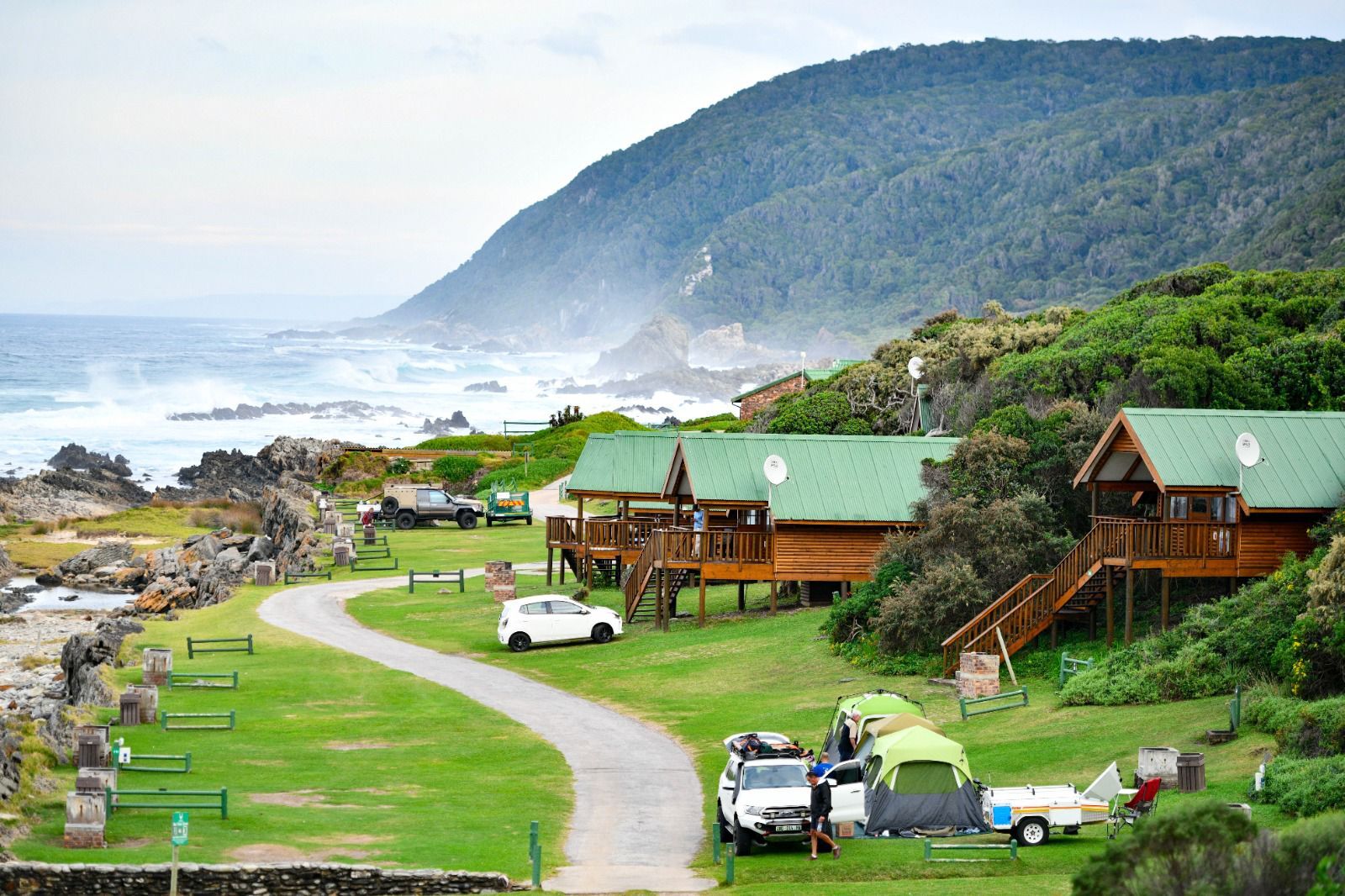
At the centre of this route is the Garden Route National Park, which spans key sections along the journey and offers a range of nature-based experiences.

The Wilderness Section, located along the N2, is known for its calm waterways, birdlife, forest cabins, and outdoor activities such as canoeing and mountain biking.

The Knysna Section offers access to estuarine and forest environments, with activities including visits to the Thesen Island area to see the endangered Knysna seahorse, as well as forest trails in Diepwalle and scenic viewpoints.

The Tsitsikamma Section features rugged coastal scenery at Storms River Mouth, with accommodation options, camping sites, and access to the famous suspension bridge.

The Garden Route National Park remains a key part of this internationally recognised route, offering diverse landscapes where forests, rivers, mountains, and coastline meet.

Visitors are encouraged to experience this globally recognised journey and the national park that forms part of it.

Knysna Municipality condemns attack on traffic warden

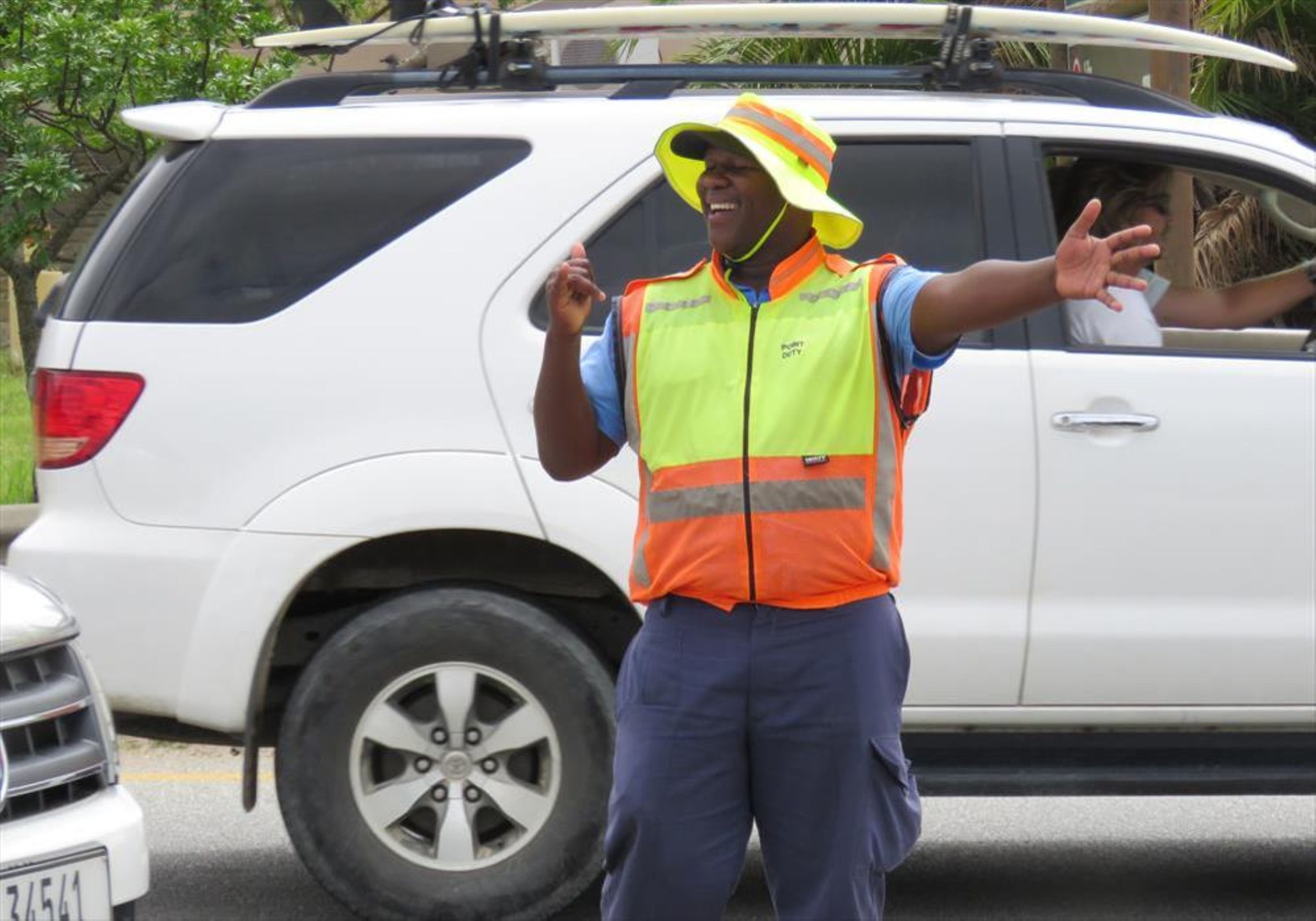
The Knysna Municipality has strongly condemned an attack on traffic warden Ernest Nqoko, affectionately known as “Smiley,” who was injured during a road rage incident on Tuesday afternoon (21 April 2026).

Nqoko was struck by a vehicle while directing peak-hour traffic at the George Rex intersection. The incident was followed by an altercation between him and the driver, causing significant traffic disruption and distress among commuters.

Executive Mayor Thando Matika denounced the incident, saying violence against municipal staff will not be tolerated. He praised Nqoko’s dedication, describing him as a familiar and positive presence to motorists along the N2.

Matika also expressed concern that this marks the fifth time Nqoko has been struck while on duty, calling the situation both devastating and traumatic.

A case has been opened with the South African Police Service, and investigations are underway.

Authorities have urged road users to remain patient and respectful, especially during busy traffic periods, and have appealed to anyone with information to contact Knysna SAPS.

Parliament approves government spending budget

The National Assembly has passed the Division of Revenue Bill and the Special Appropriation Bill, which were tabled by the Minister of Finance in February, as part of the national Budget. 

The Division of Revenue Bill sets out how government funds are shared across national, provincial and local government, with a strong focus on improving the capacity of municipalities to deliver services where people live. 

The Bill aims to ensure that public money is used to provide basic services, support economic growth and job creation, and keep government debt under control.

As part of this effort, government is investing R12.8 billion over the medium term to expand Early Childhood Development (ECD) programmes. 

At the same time, R800 million in 2026/27 is being redirected to protect key priorities, including R446 million for the National School Nutrition Programme, R13 million for learners with severe to profound intellectual disabilities, and R342 million to progressively equalise the salaries of Grade R educators. 

A further R175 million has been allocated to implement the e-Cares system to improve data collection and strengthen the management of Early Childhood Development (ECD) services.

Additional funding shifts include R109 million for agriculture to modernise systems such as e-certification and animal traceability, ensuring the sector becomes more efficient and competitive.

Following extensive engagement with the National Treasury, the Parliament Budget Office and other stakeholders, the Standing Committee on Appropriations welcomed the proposed allocations. 

However, the Committee stressed that their success will depend on strong governance, effective oversight and responsible spending.

“The Committee has recommended that the Minister of Finance ensure the National Treasury presents a clear plan to stabilise the public service wage bill so that rising personnel costs do not crowd out spending on critical services and infrastructure. 

“It has also called for a full cost-benefit analysis on the use of implementing agents, such as the Development Bank of Southern Africa, to deliver infrastructure projects on behalf of municipalities. National Treasury is required to report back to Parliament on these matters twice a year,” Parliament said.

The Special Appropriation Bill provides an additional R13.5 billion for the 2025/26 financial year to address urgent and unforeseen spending needs. 

This mechanism allows government to respond quickly to pressing national priorities without waiting for the next budget cycle.

This funding will support Parliament and key departments, namely Home Affairs, National Treasury, Transport and Communications and Digital Technologies. 

A significant portion is allocated to the Passenger Rail Agency of South Africa (PRASA), an entity of the Department of Transport, to procure new locomotives, repair trains, and improve commuter rail services - helping millions of South Africans travel safely and affordably.

Funding has also been allocated to Sentech to help resolve its ongoing dispute with the South African Broadcasting Corporation over approximately R1.6 billion in unpaid fees, while also supporting the long-term financial sustainability of the entity.

The Committee further welcomed the allocation of R2.081 billion for the rebuilding of Parliament and R1.116 billion for the Electoral Commission of South Africa to support the 2026 local government elections. 

This election funding is recognised as a necessary, once-off constitutional cost to ensure free, fair and credible elections.

Both Bills will now be referred to the National Council of Provinces for concurrence.

Law enforcement to intensify road safety compliance over long weekends

The Road Traffic Management Corporation (RTMC) has identified high-risk areas across all provinces to ramp up coordinated, intelligence-led law enforcement operations over the next two long weekends, as traffic volumes are expected to rise.

Authorities will increase the visibility of police patrols to ensure motorists comply with road rules.

With Freedom Day falling on Monday, 27 April 2026, and Workers’ Day on Friday, 1 May 2026, within the same week, a surge in travel — including interprovincial trips — is expected. This will likely lead to higher traffic volumes on national routes, elevating the risk of crashes and fatalities.

Key routes expected to experience heavy traffic and congestion include the N1, N2, N3, N4 and R61.
Pedestrian activity is also anticipated to increase, particularly around entertainment venues and areas hosting special events. According to the RTMC, pedestrian safety remains a significant concern, with pedestrian-vehicle collisions accounting for 43% of road fatalities.

“The top 10 districts or municipalities contributing the highest number of pedestrian crashes and fatalities have been identified. These are the City of Johannesburg, eThekwini, City of Cape Town, Ekurhuleni, City of Tshwane, Nkangala, Bojanala, Ehlanzeni, Gert Sibande and Sekhukhune,” the RTMC said.

These districts account for about 46% of fatal crashes and 44% of road deaths.

High-risk routes within these areas have been earmarked for targeted enforcement and intensified monitoring.

Authorities will also enforce public transport safe stop zones to discourage operators from dropping off passengers in unsafe areas.

“Motorists are urged to remain patient and vigilant, especially near residential areas and informal settlements.Pedestrians are advised not to walk on roads while under the influence of alcohol, to avoid highways, to use pedestrian bridges on busy freeways, and to wear bright clothing at night,” the RTMC said. 

Slight increase in inflation for March – Stats SA

Annual Consumer Price Inflation (CPI) has increased, expanding from 3.0% in February to 3.1% in March.
This according to Statistics South Africa’s (Stats SA) monthly CPI findings released on Wednesday morning.

Stats SA said the main contributors to the 3.1% rate were:

-housing and utilities (5,1% and contributing 1,2 percentage points); 
-food and non-alcoholic beverages (3,6% and contributing 0,6 of a percentage point), and
-insurance and financial services (4,6% and contributing 0,5 of a percentage point)

“In March 2026, the annual inflation rate for goods was 1.8%, down from 1.9% in February 2026, and services were 4.2%, up from 3,8% in February 2026,” Stats SA said in brief key findings. 

R25.9 billion: International tourists spend big in the Western Cape

1.5 million international tourists spent almost R26 billion in the Western Cape in 2025. This accounts for a quarter of South Africa’s 2025 international tourism revenue.

According to this newly released data from South African Tourism, tourism in the Western Cape is booming, with the number of international tourist arrivals having grown by 11.1%. When tourism grows, jobs are created. With the lowest unemployment rate in the country, the Western Cape is the land of opportunity.

The Western Cape is one of Africa’s leading tourism destinations.

Western Cape tourism organisations were recognised at the 2026 WTM Africa Responsible Tourism Awards, further reinforcing the province’s commitment to ensuring that tourism growth delivers meaningful economic, social, and environmental benefits.

Western Cape Minister of Agriculture, Economic Development and Tourism, Dr Ivan Meyer, said the combined results highlight a tourism sector that is growing with purpose.

“The Western Cape’s tourism performance in 2025 confirms that our province remains a top choice for both international and domestic travellers. We are building a tourism economy that continues to create jobs, supports communities, and protects our natural heritage.”

Strong performance across international and domestic markets

The United Kingdom and Germany remained the Western Cape’s largest international source markets in 2025, underlining the province’s strength in attracting long-haul holiday travellers.

Domestic tourism also showed solid recovery and expansion. The Western Cape recorded approximately four million domestic overnight trips in 2025, a 15.4% increase, and achieved the highest average spend per domestic overnight trip in the country, at R3,172.

“These figures demonstrate the Western Cape’s ability to attract higher‑value visitors and to support a wide range of tourism businesses, even in a constrained economic environment,” said Dr Meyer.

Recognising responsible tourism champions

During World Travel Market Africa, several Western Cape organisations received top honours at the African Responsible Tourism Awards for their leadership and innovation:

V&A Waterfront Academy and the Table Mountain Aerial Cableway Company received Gold Awards, recognising excellence in skills development, environmental management, and inclusive economic outcomes.
Unexplored Cape Town received a Silver Award for community‑based, locally led tourism experiences.
The Cape Tourist Guides Association was named “One to Watch”, acknowledging its commitment to ethical, professional, and responsible guiding.
Township & Village, based in Stellenbosch, was praised for its impactful, community‑driven tourism model that keeps value within local economies.
“These award winners show what is possible when tourism is designed to benefit local people as much as visitors,” Dr Meyer said. “They set an example for the sector – not only in the Western Cape, but across Africa.”

Focus on sustainable and inclusive growth

Nationally, domestic travel volumes are increasing, but per-trip spending remains under pressure. In response, the Western Cape Government is using the latest tourism data to refine its strategy and strengthen the sector's resilience.

The Department of Economic Development and Tourism will continue to:
Encourage value‑for‑money offerings that stimulate additional spending linked to Visiting Friends and Relatives (VFR) travel.
Promote geographic spread, enabling visitors to explore more towns and regions across the province.
Support responsible tourism practices that create jobs, grow small businesses, and protect natural and cultural assets.

“Our approach is clear,” Dr Meyer concluded. “Tourism must work for the people of the Western Cape. By combining strong demand, responsible leadership, and targeted support, we are ensuring that tourism growth translates into real and lasting value for our communities.”

Nationwide crime-fighting operations nets over 15 000 suspects

The South African Police Service (SAPS) ongoing nationwide crime-fighting operations have resulted in the arrest of 15 884 suspects for various crimes between 13 and 19 April 2026.

The operations also involved intelligence-driven raids conducted by detectives to trace and arrest of 1 822 wanted suspects linked to murder, attempted murder, rape, carjacking, illegal possession of firearms, assault GBH (Grievous Bodily Harm), house and business robberies.

“Among those arrested are two Ekurhuleni Metropolitan Municipality senior officials on charges of fraud, corruption, and defeating and or obstructing the ends of justice. These suspects appeared before the Boksburg Magistrate's Court on Monday,” the police said in a statement.

The police are also intensifying operations targeted at combating the trade of illicit cigarettes. These efforts aim to curb the smuggling, distribution and sale of illegal tobacco products.

On 17 April 2026, police successfully intercepted a truck loaded with illicit cigarettes along the Molatedi Road in Mabeskraal, leading to the arrest of a 35-year-old Botswana national for possession of illicit cigarettes with an estimated street value of over R2 million.

In addition, the police arrested a 44-year-old man and confiscated illicit cigarettes with an estimated value of R1 663 045 during a stop-and-search operation conducted at Muswodi village, in Limpopo, on 16 April 2026.

Other key arrests include: 
115 – Murder
128 –  Attempted Murder
179 – Rape and 5 – Attempted rape
1 258   – Assault GBH 
508  – Possession of dangerous weapons
95 – Illegal possession of ammunitions
330 – Dealing in drugs
2 856 – Possession of drugs (WC-1 845)
757 – Driving under the influence of alcohol or drugs
871 – Illegally dealing in liquor
1 767 – Illegal immigration-related offenses                                                                                                                                                                                                        
Confiscation/recoveries:
128 illegal firearms confiscated
1 247 rounds of ammunition
859  dangerous weapons 
52 stolen and hijacked vehicles recovered
More than 41 000 litres of alcohol seized

Highlights of provincial breakdowns:
In Gauteng, a Tactical Response Team intercepted a hijacked vehicle with false plates on 13 April 2026 in Sebokeng. The suspects opened fire, leading to a chase and shootout. The suspect's vehicle overturned, and both died at the scene.  Police confiscated a firearm and explosives. They confirmed that the vehicle was stolen in Carletonville (January 2026). 

In addition, two suspects were arrested for an ATM bombing on 15 April 2026. One was found with dye-stained cash in Orlando East and the other with explosives in Diepkloof.  Both were linked to the Kliprivier ATM bombing (February 2026). They are facing charges of possession of explosives and suspected stolen money.

Police also recovered two unlicensed 9mm pistols and 92 rounds of ammunition from four suspects in Jeppe, Johannesburg, on 13 April 2026. The suspects, aged between 23 and 37, were arrested. 

Meanwhile, in Mpumalanga, police arrested three suspects in April for extorting workers at the Tekwane West dumping site, demanding “protection fees.”

In addition, police in KwaZulu-Natal arrested six suspects in Umhlali for evading arrest for a shootout that took place on 28 March 2026.  They have been linked to the murder of a 52-year-old farmer in Riet Valley and multiple robberies. 
error: eRadio is protected !
Scroll to Top