Fire reported at Lower Sabie in Kruger National Park

A fire was reported on Tuesday morning at Lower Sabie Rest Camp in the Kruger National Park, affecting the shop and restaurant. 

“The Ranger team and other staff members reacted quickly and managed to contain the fire before it could spread to other structures,” the South African National Parks (SANParks) said.

No injuries or fatalities were reported. The cause of the fire is still being investigated at this stage, and an update will be provided in due course. 

The restaurant and reception area are currently inaccessible for safety reasons

Western Cape records one month without new Foot-and-Mouth Disease cases

Premier Alan Winde and Western Cape Minister of Agriculture, Economic Development and Tourism, Dr Ivan Meyer, have welcomed signs of stabilisation in the national Foot-and-Mouth Disease (FMD) outbreak in the Western Cape. But the Premier stresses that continued vigilance remains essential to prevent further spread.

“The most recent case of FMD was identified on 22 March 2026 in Prospect Hill in the City of Cape Town. Since then, no new confirmed cases have been detected, marking one month without a new case in the province,” said Premier Winde.

Suspected cases in Hessequa and Bonnievale have tested negative, and the last confirmed case in the Garden Route District was recorded on 28 February 2026. 

Minister Meyer highlighted that vaccination remains the cornerstone of the province’s disease control strategy.

“Foot‑and‑Mouth Disease presents a serious and ongoing threat to our livestock industry, food security and rural livelihoods. Vaccination remains the cornerstone of the Western Cape’s disease control strategy, as clearly articulated in our 21‑point plan. The Western Cape will continue to actively engage with the national Department of Agriculture to ensure the province receives its fair share of vaccines, so that we can act decisively to protect our farmers and the wider agricultural economy.” 

A total of 161, 713 vaccine doses have so far been administered at 730 sites, representing 35% coverage across the province. This includes 7 925 booster doses.

Vaccination coverage is currently highest in the West Coast (63%) and the City of Cape Town (56%), followed by the Cape Winelands (35%) and Garden Route (31%). No vaccinations have been required in the Central Karoo and Overberg districts, where no confirmed outbreaks have been recorded.

To strengthen immunity and close remaining gaps, an additional 50, 000 doses of the Bioaftogen vaccine are being deployed to priority areas. This phase will focus on booster vaccinations, revaccination of previously affected farms, beef herds within a 10 km radius of infected farms, and communal and peri-urban cattle in affected municipalities.

The Premier noted that enhanced surveillance, strict movement control, permit enforcement, and traceability measures remain in place to limit the risk of further spread.
Premier Winde called on livestock owners to play their part in protecting the province’s agricultural sector.

“Farmers and livestock owners are critical partners in this effort. We urge them to maintain strict on-farm biosecurity, comply with movement control regulations, report any suspected cases immediately, and cooperate fully with vaccination teams,” he said.

He continued, “The absence of new cases since 22 March, combined with our expanding vaccination and surveillance programme, shows that our control measures are working. However, the risk remains, and we must not become complacent.”

The Western Cape Government remains committed to protecting animal health, safeguarding livelihoods, and ensuring the stability of the province’s agricultural economy.

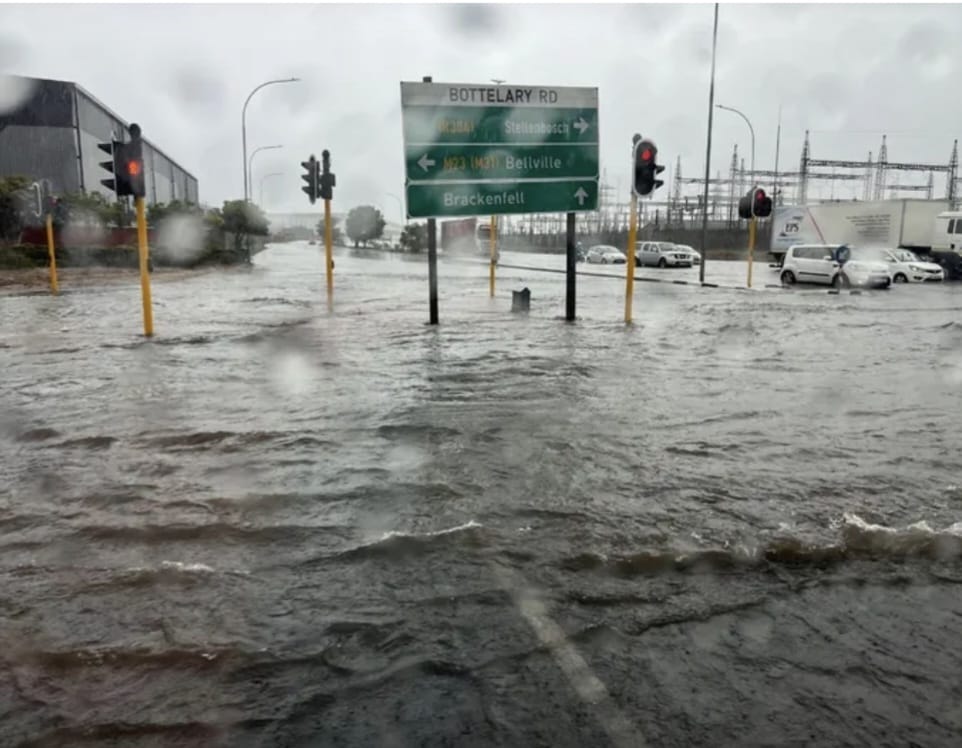
Cape Town mops up after weekend storms

The City of Cape Town’s Urban Mobility Directorate, in collaboration with Disaster Risk Management and various service departments, is working around the clock to respond to the impact of heavy rainfall that swept across the metro over the weekend.

According to the city, approximately 480 flooding-related complaints were recorded between Friday and early Monday morning.

The City’s Mayoral Committee Member for Urban Mobility, Rob Quintas, said while response teams are currently on the ground, it is still too early to provide verified figures on the total number of incidents or the full extent of the damage. 

He added that confirmed assessments will be communicated once completed and verified.

Widespread localised flooding was reported across both formal and informal residential areas following sustained downpours. Affected communities include Parkwood, Gugulethu, Khayelitsha, Delft, Ndabeni, Mitchells Plain, Southfield, Nyanga, Philippi, Elsies River, Kraaifontein and parts of Dunoon, among others.
Quintas said mop-up operations are underway in several areas, including Parkwood and Dunoon, where water has largely subsided. 

However, he noted that illegal structures built over bulk stormwater and sewerage infrastructure continue to hamper maintenance efforts, as the teams cannot physically access the system to clear them.

“We saw mattresses and wheelie bins pulled from our stormwater system, among other wildly inappropriate objects and materials. Obviously, this can create massive blockages. This notwithstanding, our teams are deployed to areas where flooding is reported, and this is happening throughout all eight districts across the metro,” Quintas said.

He explained that heavy rainfall places pressure on the stormwater system, often resulting in water backing up onto roads, which then act as water conduits.

Low-lying areas, including areas below steep mountainous terrain, near canals and water bodies, are particularly vulnerable to localised flooding whilst rainfall remains heavy.

Quintas emphasised that stormwater infrastructure is designed to drain rainwater away over a period of time, and not to remove water instantly during heavy downpours.

“Localised flooding is expected while rain is falling. It is only considered a fault or a system failure if the water does not drain away after the rain has subsided. 

“Residents in low-lying areas or those situated near water bodies are naturally more susceptible to localised flooding during intense weather events, [while] illegal buildings are also at risk, especially if they are erected in detention ponds,” Quintas said.

The City of Cape Town has since activated a multi-departmental emergency response and has assigned an additional budget for proactive stormwater management.

While the funding is specifically intended to mitigate the impact of heavy weather, the city noted that it cannot fully prevent flooding during extreme conditions.

Current interventions include clearing blocked stormwater drains and managing flooded roads, providing sand and milling for flood mitigation, and providing emergency assistance to residents in informal settlements with emergency materials like plastic sheeting. 

The Disaster Operations Centre is prioritising the most vulnerable and high-risk areas.
Blocked stormwater and post-rain flooding can be reported via the city’s call centre on 0860 103 089. 

Illegal dumping can also be reported on 0860 103 089 or email [email protected].

Water and sewer-related issues can be reported via WhatsApp on 060 018 1505, SMS 31373, or email [email protected].

Electricity faults can be logged via WhatsApp on 060 018 1505 or SMS 31220. 

Life-threatening emergencies should be reported to the Public Emergency Communication Centre on 021 480 7700. 

Provincial Traffic Crackdown: 65 Arrested

Provincial Traffic Services maintained a high-visibility presence across the province over the past week, resulting in 65 arrests for serious offences. Between 13 and 19 April 2026, officers stopped more than 30 000 vehicles as part of ongoing operations targeting high-risk behaviour.  

The Western Cape Government takes road safety seriously and will continue implementing interventions and vehicle checkpoints to ensure that all road users can travel safely.

Of those arrested, 39 motorists were charged with driving under the influence of alcohol. Officers also dealt with incidents involving interference with law enforcement, including two arrests for resisting arrest on Saturday, a man at the N7 Vissershok Weighbridge and another involving a motorcyclist near Somerset West.

On Sunday, a man driving a minibus taxi was arrested near the N2 Garden Route Mall after allegedly threatening violence against a traffic officer, including threats of harm to the officer, their relatives or property. In a separate incident, a man driving a bakkie was arrested for excessive speeding (112 km/h in an 80 km/h zone) at the Beaufort West weighbridge on Friday, highlighting ongoing reckless behaviour on major routes.

Further arrests included two incidents involving the illegal possession of Cape lobster (crayfish tails). On Monday, a man was arrested on the R43 near Bot River for being in possession of 101 crayfish tails valued at R12 654 without a permit. In a second incident on Friday, a man was arrested on the N2 near Grabouw for being in possession of 50 units of crayfish tails valued at approximately R5 000.

Western Cape Mobility Minister, Isaac Sileku, expressed concern over ongoing unsafe behaviour on the roads and the rise in pedestrian fatalities. 

“The 39 drinking and driving arrests show a continued disregard for the law and for human life. Equally concerning is the hostility towards traffic officers who are working to keep our roads safe. This behaviour, together with the high number of pedestrian fatalities recorded this week, is why our enforcement efforts remain firm. With the payday weekend approaching, we urge drivers to think carefully about their choices. Do not drink and drive, plan ahead, and prioritise your safety and that of others.”

Tragically, 26 crashes were recorded during the reporting period, resulting in 28 fatalities. Of these, 18 were pedestrians, highlighting a serious risk to vulnerable road users.

Enforcement outcomes:
7 176 fines issued for driver and vehicle fitness offences
17 vehicles impounded
152 unroadworthy vehicles removed from service
354 speeding offences recorded 
Every intervention, from roadside checks to arrests, helps make roads safer. Residents and visitors are urged to follow the rules of the road, avoid driving under the influence, and stay alert, especially in areas with high pedestrian activity.

New regulations to curb spam calls

The National Consumer Commission (NCC) has welcomed the amendment of Regulation 4 of Section 11(3) of the Consumer Protection Act. The changes were gazetted by Trade, Industry and Competition Minister, Parks Tau, on 15 April 2026.

The amended regulations introduce a national Opt Out Registry system. This will allow consumers to block unwanted direct marketing communications, either from specific companies or across the entire industry.

The regulations designate the NCC as the official administrator of the registry. To ensure the system functions effectively, all direct marketers will be required to register. The framework also outlines fees for registration, renewals and the cleansing, or “deduping”, of marketing databases.

In terms of the Consumer Protection Act, read together with the amended regulations, direct marketers must update their contact lists before conducting marketing campaigns. This includes removing the details of consumers who have opted out via the registry.

Registration for both direct marketers and consumers is set to begin in July 2026. The NCC says it will provide further details on the registration process ahead of the launch.

Non-compliance with the regulations will be considered a violation of the Act. Offenders could face administrative penalties of up to one million rand or 10 percent of their annual turnover, whichever is higher.

Acting NCC Commissioner, Hardin Ratshisusu, says the changes are long overdue. He says consumers have been exposed to intrusive marketing for too long, and the new system will provide a strong mechanism to curb unwanted calls and messages.

Gauteng Health urges vigilance as Malaria cases increase

The Gauteng Department of Health has urged residents to remain vigilant and seek immediate medical attention if they experience Malaria-like symptoms.

This after the department reported an uptick in cases of the potentially life-threatening disease in the province.

“Recent surveillance data indicate a worrying rise in both malaria infections and fatalities, underscoring the urgent need for strengthened surveillance, early detection and prompt treatment to prevent loss of life.

“The department urges residents to remain vigilant and seek immediate medical attention if they develop symptoms such as fever, chills, headache and fatigue, particularly if they have recently travelled to malaria-endemic areas such as Limpopo, Mpumalanga, Mozambique, Zimbabwe and Malawi.

“Preventive measures, including the use of insect repellent and wearing protective clothing, remain essential to reduce the risk of infection,” the department said in a statement.

The department noted that between January and December 2025, some 666 cases of malaria were recorded with seven deaths occurring as a result.

“During the first quarter of 2026 [January to March], the department has already recorded 414 confirmed cases and 11 deaths. This represents a significant increase compared with the same period in 2025, which recorded 230 cases and one death.

“This upward trend signals heightened transmission risk, particularly in the early months of the year after the festive season, when many residents travel to malaria-endemic regions, increasing their exposure and risk of infection upon their return,” the department noted.

Malaria is transmitted by the bite of an infected mosquito and while preventable and treatable, delay in diagnosis and treatment can lead to severe illness and death.

“As the global community prepares to observe World Malaria Day on 25 April 2026, the DoH urges residents to take proactive steps to protect themselves and their families.

“The department continues to closely monitor the situation and is strengthening public health interventions to control the spread of malaria and reduce mortality across the province,” the statement said.

Cold, wet and windy weather expected to continue across SA

Cold, wet and windy conditions are expected to continue across large parts of South Africa, with the Western and Northern Cape provinces likely to experience the most severe weather.

Weather forecasters Lehlohonolo Thobela and Tokelo Chiloane said the adverse conditions are expected to continue affecting much of the country through Monday, 20 April 2026.

The forecasters attributed the change in weather to the passage of two consecutive cold fronts making landfall over the western parts of South Africa.

“Initially, these systems are expected to impact the Western Cape and Northern Cape, before spreading eastwards across the central and eastern interior over the weekend,” the forecasters said in a statement.

The weather service predicted that by Sunday, 19 April 2026, cold, wet and windy conditions will have spread to the eastern and southern parts of the country, including the southern and eastern coastline of South Africa.

“Moreover, marine conditions are expected to markedly deteriorate, with wave heights along the coastline forecast to reach between 4 and 5 metres from Sunday into Monday, potentially impacting coastal and beach activities.”

Furthermore, daytime maximum temperatures are expected to drop significantly, with some high lying areas in the western interior and adjacent regions possibly experiencing daytime temperatures between 10°C and 12°C.

“These conditions, combined with strong winds, will result in a pronounced wind chill effect. By contrast, the northern extremities of the country are expected to remain relatively warm during this period,” the forecasters said.

Cold, wet and windy conditions may result in a significant wind chill factor, making temperatures feel colder than measured; localised flooding of low-lying areas and poor drainage systems may occur in region experiencing persistent rainfall; disruptions to outdoor and beachfront activities are possible due to strong winds and rough seas and reduced visibility and slippery roads may impact travel conditions.

The weather service has advised the public to take the following precautionary measures, including:
•    Dress warmly and ensure adequate heating in homes.
•    Use heating devices safely to avoid fire hazards.
•    Exercise caution when travelling on wet and slippery roads.
•    Avoid unnecessary travel during periods of heavy rainfall.
•    Secure loose outdoor objects that may be affected by strong winds.
•    Stay away from the coastline during rough sea conditions.
•    Continuously monitor official weather updates and warnings issued by SAWS.

Members of the public and stakeholders are strongly urged to continuously monitor official SAWS forecasts and warnings. These warnings will be updated regularly as the likelihood and severity of impacts become clearer.

Members of the public are also advised to treat unauthorised or unverified information sources with caution and to refrain from distributing such information further. 

Government publishes revised plan for rhino conservation

The Minister of Forestry, Fisheries and the Environment, Willie Aucamp, has announced the publication of the revised Black and White Rhino Biodiversity Management Plan (BMP) in the Government Gazette -- marking an important step forward for rhino conservation in South Africa.

“The Black and White Rhino BMP provides a holistic strategic framework and detailed action plan to strengthen rhino conservation in South Africa, while also supporting collaboration with relevant range states,” the Minister said on Thursday.

The new BMP builds on earlier policy instruments, namely the Black Rhinoceros BMP (2013) and the White Rhinoceros BMP (2015). 

By consolidating these into a single integrated management framework, the revised plan brings together previous policy and planning efforts into one comprehensive tool.

“This integrated approach is intended to support a whole-of-society effort to safeguard rhino populations, recognizing that successful conservation depends on collaboration between government, conservation authorities, private landowners, communities, and other stakeholders – in the interest of both South Africa’s rhinos and its people,” he said.

The notice was published in terms of sections 43(1)(b) and (c), and 43(3)(a) and (b) of the National Environmental Management: Biodiversity Act, 2004 (Act No. 10 of 2004).

Within this framework, the Minister has, in the interim, assigned responsibility for implementing the Black and White Rhino BMP to the Department of Forestry, Fisheries and the Environment (DFFE). 

Implementation of the plan will be overseen by the Department until the National Rhino Conservation Coordination Committee is formally established.

“This multi-stakeholder coordinating committee, which will be established under the chairmanship of the DFFE, will play a central role in facilitating the implementation of the BMP and strengthening collaboration across the rhino conservation sector,” Aucamp said.

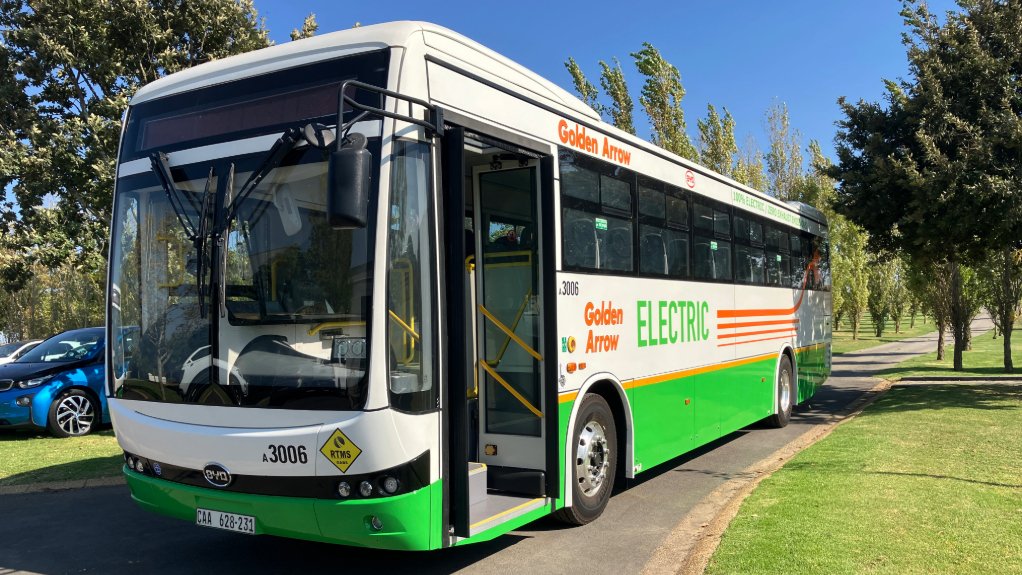
Cape Town’s first electric bus to arrive in August

Cape Town's Urban Mobility Directorate will take delivery of its first electric bus in August 2026, with another 13 e-buses to arrive between October and December this year. The City intends to roll-out the electric bus fleet along the MyCiTi routes that operate in the metro-south east, including the new routes that will form part of Phase 2A.

All-in-all, the City will take delivery of 30 low-floor electric buses between August 2026 and June 2027.

The first bus will arrive in August at the latest, if all goes as planned, and another 13 by December 2026, and the balance thereafter. These are 12-metre Volvo BZRLE electric buses and the first where the bus bodies are manufactured locally, in Johannesburg.

‘The delivery of the electric bus fleet cannot be more timeous, given the volatility of the energy markets and uncertain geopolitical environment. Apart from lowering our carbon emissions, an electric bus fleet could offer multiple other benefits, especially as far as maintenance and operational costs are concerned.

Some countries operating e-buses have noted a reduction of up to 70% in operating costs and we will be conducting research soon to determine what type of savings Cape Town can look forward to,’ said the City’s Mayoral Committee for Urban Mobility, Councillor Rob Quintas.

The City, together with the University of Cape Town, will in coming months undertake research to test and understand how electric buses will operate as part of the City’s MyCiTi bus fleet. The electric bus (e-bus) research is funded by the City of Cape Town and through a grant from the Urban Electric Mobility Initiative (UEMI).

The e-buses will be tested on existing MyCiTi routes for a period of about 12 months to determine how the buses perform on different route profiles; how long the batteries last once charged; and the impact of passenger numbers, the route profile and climate on the battery discharging; how long it takes to charge the batteries; and so forth.

‘The research will help us understand how the electric buses will perform in our local context, and what challenges we need to consider before we roll-out the e-bus fleet in 2027. This information will assist us with planning and preparations, such as the training of the bus drivers, maintenance requirements, passenger loads, fault reporting, and so forth,’ said Councillor Quintas.

If all goes as planned, the first e-buses will start operating by 1 July 2027 between Mitchells Plain and Khayelitsha, Wynberg and Claremont, as well as the Cape Town CBD.

The acquisition of more electric buses remains a priority, but will depend on the availability of budget from the National Government.

SAPS urges public to verify requests for money sent via “cash send” services

The South African Police Service (SAPS) cautions members of the public to remain vigilant when receiving requests from friends or family members asking for financial assistance, particularly when they are instructed to send money through  cash send or similar services.

It has come to the attention of SAPS that criminals are increasingly gaining unauthorised access to individuals’ cell phone numbers and messaging platforms. Once access is obtained, these perpetrators impersonate the victim and contact people on their contact list, often claiming to be in an emergency and urgently requesting money.

In many cases, victims are persuaded to transfer funds through cash send services, which are difficult to trace or reverse once the transaction has been completed.

Members of the community are strongly advised not to act on such requests without first verifying their authenticity. It is recommended that individuals contact the person directly by making a voice call or using an alternative, trusted method of communication to confirm whether the request is legitimate.

The public is further encouraged to:

•           Be cautious of urgent or emotional messages requesting money.
•           Avoid sending money to unknown or unverified recipients.

SAPS reiterates the importance of awareness and vigilance in preventing these types of scams. Working together, communities can reduce the risk of falling victim to such criminal activities.

error: eRadio is protected !
Scroll to Top