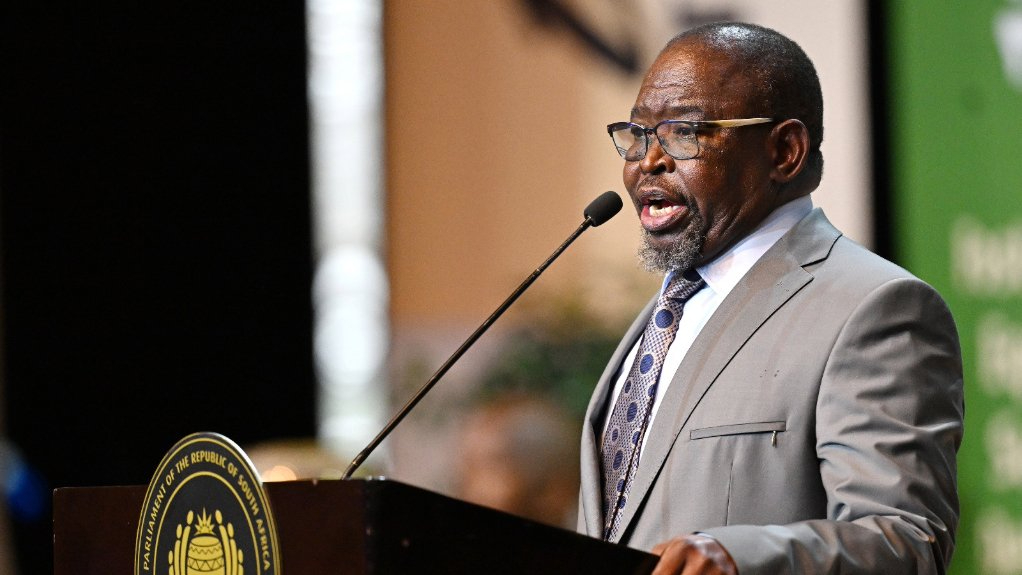
Godongwana: R3 fuel levy relief to cushion South Africans

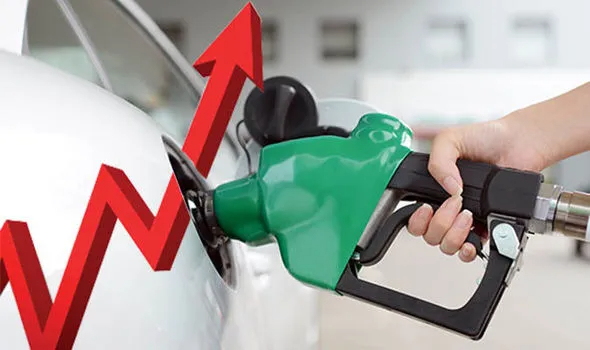
Finance Minister Enoch Godongwana says government’s decision to introduce a temporary R3 per litre fuel levy reduction is aimed at cushioning South Africans from what he describes as a significant economic shock driven by global oil price pressures. 

The R3 per litre reduction in the fuel levy announced, is aimed at lessening the impact of severe fuel price hikes, that come into effect Wednesday. 

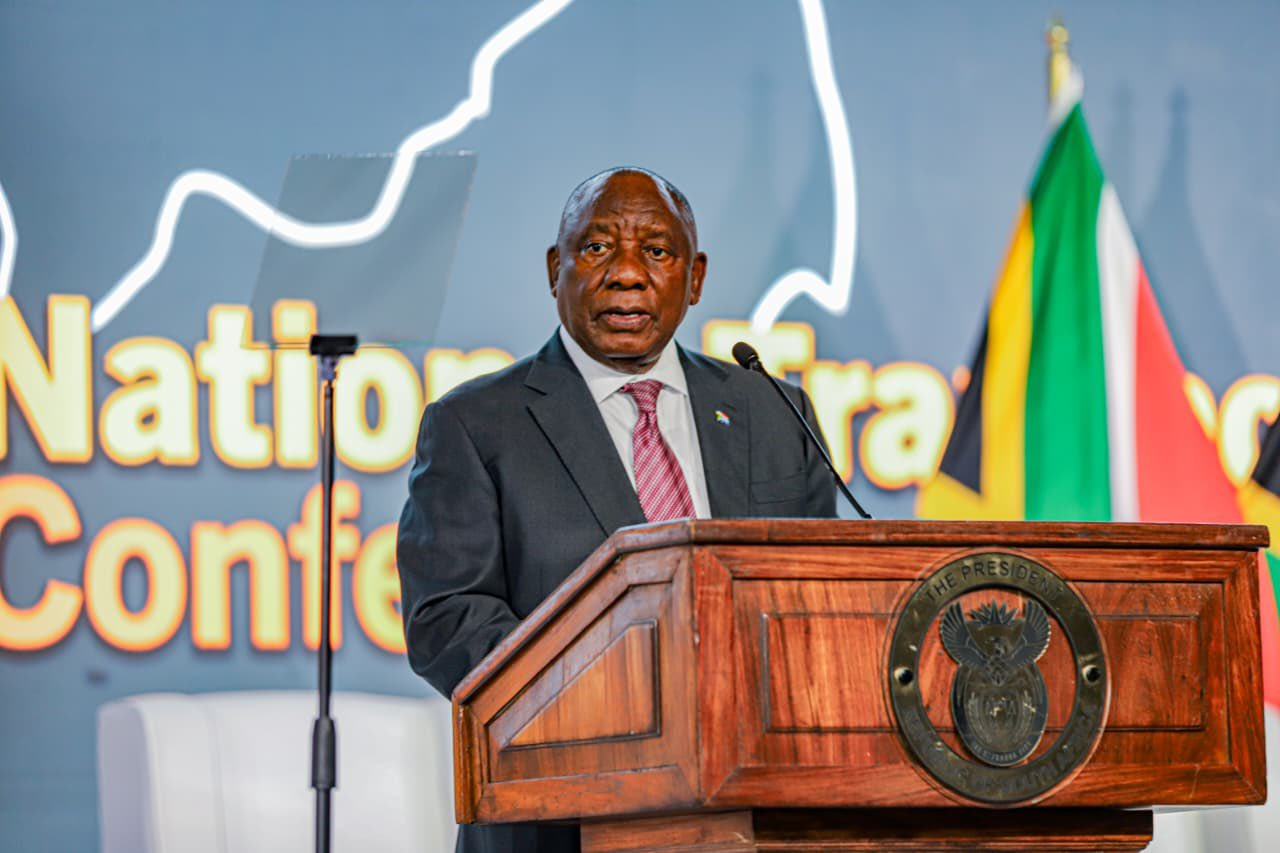
Speaking to the media on the sidelines of the South Africa Investment Conference (SAIC) on Tuesday, Godongwana said government had been closely monitoring rising tensions in the Middle East and their impact on global oil markets, which threatened to trigger steep fuel price hikes locally.

“We are aware that developments in the Middle East and their impact on oil prices are likely to affect our economy. We discussed different models and had to arrive at one that is affordable within the current fiscal environment,” the Minister said. 

Government ultimately settled on a R3 per litre relief for petrol and diesel adjustment through a temporary reduction in the general fuel levy.

The intervention comes into effect from 1 April and will run for one month, significantly softening the expected fuel price increase, which was projected to exceed R5 per litre for petrol and climb even higher for diesel.

This as the price of  all grades of petrol are set to rise by R3.06 a litre on Wednesday. The price of diesel will also rise by between R7.37 per litre and R7.51 per litre. 

While motorists will still feel the increase, Godongwana said the relief ensures the impact is less severe.

“This is still for April. We are going to assess what to do in May and June,” he said, noting that the current intervention alone will cost the country around R6 billion in foregone revenue.

The Minister acknowledged that diesel prices remain a major concern due to their broader impact on the economy.

“The diesel sector powers the economy, and changes in diesel prices affect everything – food, fertiliser and transport costs,” he said.

To address this, the Minister said an interdepartmental team is exploring additional interventions beyond fiscal measures to mitigate knock-on effects across key sectors. 

Despite the relief, Godongwana cautioned that government’s ability to sustain such measures is limited.

“This is a shock to the economy and a blow. Government can mitigate the effects for a specific period, but we cannot sustain it for longer without collapsing the tax system.”

He indicated that any continued relief would likely be limited to a maximum of three months, depending on global developments. 

The Minister also stressed that South Africa is not alone in facing these pressures, as countries worldwide grapple with rising energy costs linked to geopolitical instability.

“If the war continues, a number of countries throughout the world are facing similar challenges,” he said. 

On concerns about a potential recession, Godongwana said it was too early to raise alarm.

“Not at this stage,” he said, adding that inflation is expected to rise moderately by around 1.2 percentage points, remaining within the targeted range.

Government said the relief forms part of a broader, phased response that balances consumer protection with fiscal sustainability, with further support measures expected to be announced in the coming months.
Petrol, diesel prices announced

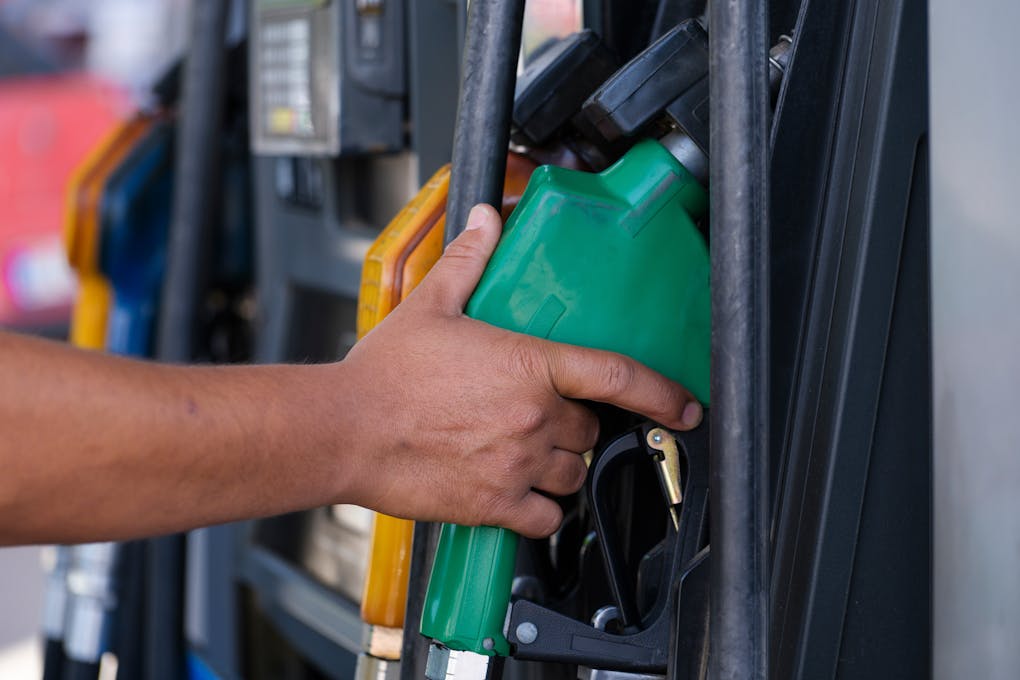
The Department of Petroleum and Mineral Resources (DMPR) has announced that petrol and diesel prices will increase by between R3.06 and R7.51 from midnight.

The increase comes amid government efforts to cushion the blow for consumers through the introduction of a temporary R3 decrease in the general fuel levy.

Prices were widely expected to increase steeply as conflict in the Middle East has triggered global exponential increases in the price of Brent Crude Oil.

The adjusted prices for April are:

Petrol 93 (ULP & LRP): R 3.06 per litre increase.
Petrol 95 (ULP &LRP): R 3.06 per litre increase.
Diesel (0.05% sulphur): R7.37 per litre increase.
Diesel (0.005% sulphur): R7.51 per litre increase.
Illuminating Paraffin (wholesale): R11.67 per litre increase. 

Single Maximum National Retail Price for Illuminating Paraffin: R15.60 per litre increase. 

Maximum Retail Price of LPGas: R1.08 per kg) increase and R1.23 per kg increase in the Western Cape. 
“The average Brent Crude oil price increased from US$69.08 to US$93.67 during the period under review.

This is due to the continued tension between the US and Iran, which has affected crude oil supply, especially through the Strait of Hormuz.

“The average international product prices followed the increasing trend of crude oil price. These factors led to higher contributions to the Basic Fuel Prices of petrol, diesel and illuminating paraffin by R5.26 per litre, R9.49 per litre and R10.80 per litre, respectively.

“The prices of Propane and Butane remained the same during the period under review due to lower demand because of the change in season to warmer weather in the Northern Hemisphere. However, shipping costs were higher due to the conflict in the Middle East,” the department explained.

Furthermore, the Rand depreciated against the US Dollar during the period under review – weakening from R16.00 to R16.64 Rand per USD.

“This led to higher contributions to the Basic Fuel Prices of petrol, diesel and Illuminating Paraffin by 56.18 c/l, 78.07 c/l and 83.21 c/l respectively,” the department continued.

The temporary reduction of the general fuel levy will take effect in April – bringing relief by some R3 to the price at the pumps.

Over 43 000 Cape Gannets on Lambert’s Bay Bird Island this breeding season

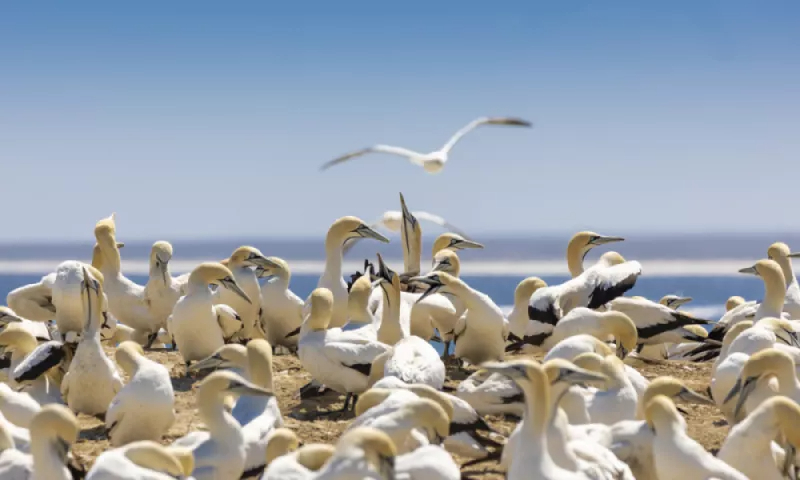
Bird Island is alive with the sounds and spectacle of seabirds, with an estimated over 43 000 Cape Gannets currently making the island their home this breeding season. The thriving colony reinforces Bird Island, Lambert’s Bay, as one of South Africa’s most important gannet breeding sites and highlights the impact of ongoing marine conservation work.

The conservation team at Bird Island is encouraged by the sustained strong presence of gannets on the island. Work is currently underway to enhance population monitoring and improve the accuracy of long-term data. The Cape Gannet is listed as Endangered on the IUCN Red List and Vulnerable on the SANBI Red List.

Restoring and maintaining the gannet colony has not been without challenges. In December 2005, on-land seal predation caused the entire colony to abandon the island. Through careful management by CapeNature, mitigation measures were implemented to manage predators, and bird decoys were used to lure the birds back, enabling the colony to rebuild.

Over the past year, the population has increased to well into the 40 000s, compared to consistently remaining in the 30 000s over the previous five years. This notable growth is not only the result of local breeding success but also suggests that gannets from other colonies are selecting Bird Island as a preferred breeding site.

"This kind of sustained occupancy is a positive sign for the species and for the marine environment that supports them. Large, stable gannet colonies like the one on Bird Island are important indicators of ocean health along the West Coast. These seabirds rely on healthy marine ecosystems for their nutrition and breeding success, so when we see them in large numbers, it reflects a positive conservation outcome," said Dr Ashley Naidoo, CEO of CapeNature.

Early indications suggest this could be one of the strongest gannets fledging seasons in several years. To date, 7 647 fledglings have been recorded, with several weeks of the season still to go.

Gannet fledging is one of nature’s most extraordinary events. Young birds leave the safety of the colony to embark on a two- to three-year ocean-wide journey, returning only once they are ready to breed.

In partnership with the Department of Forestry, Fisheries and the Environment (DFFE), rangers have ringed 750 gannet chicks and 250 adult birds this season, contributing valuable data to national seabird research and monitoring programmes.

The island remains home to a diverse community of seabirds, including Cape, Crowned and White-breasted Cormorants; Common and Greater Crested Terns; Hartlaub’s Gulls; and Kelp Gulls. Adding a touch of character to the season, a moulting penguin has also taken up temporary residence, sheltering within the gannet colony.

Complementing these conservation efforts, Bird Island’s interpretive signage was updated and launched ahead of last year’s summer tourism season. The signage offers visitors fresh insights into the island’s inhabitants, history, and the role seabird colonies play in marine ecosystems.

With its remarkable seabird encounters, improved visitor facilities, and ongoing research efforts, Bird Island remains a must-see destination for anyone exploring the West Coast, particularly birders and nature enthusiasts eager to witness one of South Africa’s great seabird spectacles.

Western Cape adds 800+ posts to strengthen public healthcare system

The Western Cape Department of Health and Wellness is entering a new phase of stabilisation and strengthening of its health system, with more than 800 new posts being added to frontline and support services as part of the R34.47 billion Health and Wellness Budget for 2026/27. Over the next three years, the Western Cape will invest more than R106 billion to achieve a healthier Western Cape and a healthcare system that works better for everyone, everywhere.

This marks a decisive shift from crisis response to renewal, as the province balances the urgent needs of today with bold investments in the future of healthcare.

Western Cape Minister of Health and Wellness, Mireille Wenger, said the budget reflects a clear vision for the future. “We are moving beyond simply managing pressure. This budget allows us to actively stabilise and invest, and transform our health system so that it works better for every resident, at every stage of life.”

After years of sustained pressure from the COVID-19 pandemic, fiscal constraints, austerity, national policies that have limited workforce growth and rising demand, the system is beginning to stabilise. Now, the focus is on building a healthcare system that is more responsive, more resilient, and better able to meet the needs of every resident.

The addition of more than 800 posts, including 316 nurses, 124 doctors, 80 emergency medical personnel, 38 allied health professional and 278 support staff, will strengthen care where it matters most: at the frontline. It will ease pressure on facilities, improve patient experience, and support the more than 33 000 healthcare workers who continue to deliver care under demanding conditions. 

At the same time, this budget is about much more than numbers. It is about reshaping how healthcare is delivered.

“We are strengthening our frontline services today, but we are also investing in prevention, digital innovation, and modern infrastructure so that fewer people need hospital care in the first place, and those who do receive it faster, closer to home, and with dignity,” said Minister Wenger.

Over the past year, the system recorded more than 20 million patient contacts, underscoring both the scale of demand and the vital role of public healthcare in the province. 

The 2026/27 budget responds directly to this demand.

Primary healthcare services will be strengthened with an investment of R5.4 billion this financial year, bringing care closer to communities and placing greater emphasis on prevention and early intervention. Emergency medical services will be expanded, with additional personnel deployed in high-need areas and partnerships leveraged to improve patient flow and reduce waiting times.

At the same time, the province is investing in the future of care.

New digital platforms will make it easier for patients to navigate the health system, reduce congestion at facilities, and support clinicians with better access to information. These behind-the-scenes digital upgrades will be foundational to develop a healthcare system that can take advantage of every technological advancement. 

Crucially, prevention remains at the centre of the province’s long-term strategy, with sustained investment in vaccination, HIV and TB programmes, and community-based interventions designed to reduce pressure on the system over time.

“This is how we build a health system that lasts,” said Minister Wenger “By meeting the needs of today while investing in the systems, people and partnerships that will shape the next decade of healthcare in the Western Cape.”

How April’s expected fuel price hike could hit South Africans’ monthly car ownership costs

South African drivers should brace for a prolonged period of higher fuel costs, with petrol and diesel prices expected to rise by record levels in April. The expected hike reflects a combination of higher fuel levies, under-recovery of fuel costs, a weaker rand/dollar exchange rate, and a surge in global oil prices linked to the conflict in the Middle East. Given that fuel is one of the highest variable costs of owning a car, the expected increase is an important reminder for drivers to review their car related costs and driving habits. 

Says Ernest North, cofounder of Naked Insurance: “The conflict in the Middle East has caused a shock to oil supply and sent prices soaring. Prices may increase further if the war intensifies, and even if it ends soon, it may still take time for oil prices to normalise. Apart from higher prices at the pump, the increase in oil prices could also cause prices of other goods to rise and may prompt the Reserve Bank to increase interest rates. Against this backdrop, it is wise for motorists to review their car-related costs.” 

What the expected increase could mean in real terms


Using estimated April prices currently being reported*, together with a benchmark fuel efficiency of 15 km per litre and average monthly travel of 1,000 km, here’s how the increase could hit your pocket:
Petrol 95 Unleaded inland:

•    March price: R20.30/litre = R1,353/month 
•    Expected April price: R26.33/litre = R1,755/month
•    Increase: about R402 more per month 
•    Annual impact: about R4,824 more per year 

Diesel with 0,05% sulphur inland (wholesale):
•    March price: R18.53/litre = R1,235/month 
•    Expected April price: R28.88/litre = R1,925/month 
•    Increase: about R690 more per month 
•    Annual impact: about R8,280 more per year 

The bad news is that oil prices are expected to remain volatile and could climb further for as long as the instability in the Middle East continues. The table below illustrates how future increases could affect your monthly petrol costs, assuming fuel efficiency of 15 km per litre: 

Says North: “The reality is that if fuel prices continue to spike, we may re-enter a period of high inflation, which will affect the cost of car ownership in many ways. Drivers should be aware that they may face higher interest rates for car loan repayments, and steeper maintenance and repair costs. South Africans may also see prices of clothing, food and other essentials rise due to the higher fuel cost.”

North recommends calculating the full cost of car ownership carefully, especially if you are in the market for a new car. “You need to look beyond the purchase price or monthly car repayment. Insurance, fuel, unexpected repairs and routine services and maintenance also need to be considered. In today’s context, it makes sense to budget cautiously rather than splashing out on the latest and best model you can afford. Leave some room in your budget for additional fuel price increases, higher insurance costs and rising maintenance costs.” 

“We expect to see many South Africans look at fuel-efficient cars rather than petrol-guzzling SUVs if fuel prices keep rising,” says North. “The current environment could also boost interest in electric vehicles. While electric vehicles are still expensive in South Africa, there are more budget-friendly models from emerging brands reaching the market. In addition, there are attractively priced hybrids that are a good fit for people who do a lot of driving.”

Practical tips: How to reduce fuel and car ownership costs
Naked Insurance suggests a few practical ways motorists can save money on fuel and car ownership without buying a new car:
•    Drive less where possible: Combine trips, plan errands efficiently and avoid unnecessary short journeys. 
•    Carpool or lift-share: Share trips with colleagues and friends to split fuel costs. 
•    Use public transport if possible: Options like the Gautrain may save you some time and money.
•    Work from home when you can: Even one or two days a week can meaningfully cut monthly fuel spend. 
•    Adopt smoother driving habits: Avoid hard acceleration and braking, stick to steady speeds and use cruise control on highways where appropriate. 
•    Keep your car well maintained: Regular servicing, clean air filters, and properly inflated tyres improve fuel efficiency and prevent bigger repair costs later. 
•    Choose the right time to drive: Avoid peak traffic where possible. Stop-start driving burns more fuel. 
•    Increase insurance excess (carefully): A higher excess can lower monthly insurance premiums, but only if you can comfortably afford that amount in the event of a claim. 
•    Use CoverPause: Naked customers can use the app to turn off accident cover on days that you don’t drive, and save up to 50% of your premium.
•    Consider becoming a single-car household: If feasible, selling a second vehicle can eliminate fuel, insurance, and maintenance costs entirely. 

South Africans urged to donate blood ahead of the Easter break

As the Easter Holidays approach, the South African National Blood Service (SANBS) is calling on South Africans to donate blood, highlighting the critical need to maintain adequate supplies during the long weekend.

The SANBS has set a national target of collecting 6 000 units of blood by today, Saturday, 28 March 2026, as part of its “Answer the Call” campaign.

The organisation warned that while many people will be travelling or spending time with loved ones over the long weekend, hospitals will continue to treat trauma patients, perform surgeries, and care for individuals undergoing cancer treatment and managing chronic illnesses, all of which rely on a steady blood supply.

“In hospitals across South Africa, there are patients lying in hospital beds whose recovery depends on something many of us can give in just 30 minutes, blood. Behind every blood donation is a life waiting to be saved,” the SANBS said.

Public holidays often place pressure on blood stocks as fewer donors visit collection centres, increasing the risk of shortages.

One example is Lezhanne Hartwell, where blood donors became the lifeline that helped save her young daughter’s life. Her 18-month-old baby girl was diagnosed with stage 4 neuroblastoma in October 2020, and required a blood transfusion shortly after.

“I would like to thank all blood donors because of your generosity; you have contributed to saving our little girl's life,” Hartwell said.

Her daughter received a 200ml transfusion at Donald Gordon Hospital - an experience that changed Hartwell’s perspective on blood donation. Despite being afraid of needles, she has since committed to donating blood regularly after realising how vital it can be for families facing medical emergencies.

SANBS noted that each unit of donated blood can save up to three lives, yet public holidays often place pressure on blood stocks as fewer donors visit collection sites.

The national blood service has encouraged both regular donors and first-time donors to take time on 28 March to help ensure that hospitals have the blood they need throughout the Easter period.

Young donors like Sibongeleni Hlongwane, a 23-year-old from Pietermaritzburg in KwaZulu-Natal, are already answering that call.

Hlongwane began donating blood at the age of 17 while still in school and continues to do so as a way of giving back to society.

“Donating blood is a meaningful way to help others. I encourage more young people to get involved and participate in community blood drives,” he said.

SANBS Senior Manager for Donor Relations, Monique Schreiner, said Easter is a time associated with giving and renewal.

“By donating blood, South Africans can give a gift that lasts far beyond the holiday, the gift of life,” Schreiner said.

Schreiner emphasised that the blood donation process takes about 30 minutes, but the impact can last a lifetime.

To participate, South Africans are encouraged to visit their nearest SANBS donor centre or mobile clinic on 28 March. To find your nearest donor centre, call the SANBS toll-free number on 0800 11 90 31 or visit the organisation’s website at www.sanbs.org.za 

SAPS seize counterfeit goods worth over R160 million

Police operations have led to the seizure of counterfeit goods worth more than R160 million across various parts of the country.

“This week, police collectively seized counterfeit goods worth more than R160 million during multiple takedown operations in different parts of the country. The National Counterfeit and Illicit Goods Unit led a joint takedown operation in Bellville on Tuesday, 24 March 2026, which resulted in the seizure of counterfeit goods worth more than R117 million,” the South African Police Service (SAPS) said in a statement on Saturday.

The multidisciplinary team also comprised members from the Western Cape Counterfeit and Illicit Goods Unit, Crime Intelligence, the National Intervention Unit (NIU), Public Order Policing (POP) and officials from the South African Revenue Service (SARS) Customs Division, among others.
The team seized over 130 000 counterfeit items, including branded clothing, sports apparel, sneakers, caps, sunglasses, and watches.

In Gauteng, police executed several takedown operations in Johannesburg, Tshwane, Meyerton, Vanderbijlpark, and Vereeniging throughout the week.

In one operation, the Gauteng Counterfeit and Illicit Goods Unit, with support from various role players, shut down a counterfeit manufacturing plant operating in a medical building in the Johannesburg central business district.

“Counterfeit goods and label-printing machines worth over R28 million were seized. Additionally, a takedown operation in KwaZulu-Natal resulted in the seizure of a large consignment of counterfeit cigarettes worth over R15 million in Sydenham,” said the police.

The police said the illegal trade in counterfeit goods not only undermines the economy of South Africa but also threatens consumer health and safety, infringes on intellectual property rights, and erodes legitimate businesses.

Vehicle smuggling

Meanwhile, the work of the National Task Team deployed to the Emanguzi northern parts of KwaZulu-Natal has secured yet another conviction of a vehicle smuggler.

This follows the Mtubatuba Regional Court sentencing 45 -year-old Mpumelelo Cloud Goba on Friday to direct imprisonment for the theft of a motor vehicle worth more than R700 000 from a parking lot in Durban in August 2025.

“The accused was sentenced to seven years’ direct imprisonment, half of which is suspended for a period of five years on condition he is not found guilty of a similar offence,” the police said in a statement.
According to the police, the team operationalised information which was circulated about a Toyota Fortuner stolen from the parking lot in Durban.

Police intercepted the said vehicle with false registration en route to Emanguzi to be handed over to another driver to be smuggled into Mozambique, ultimately leading to Goba’s arrest.

“He was charged with the theft of a motor vehicle, and the team further conducted an investigation as well as successfully opposing his bail application in the Hluhluwe District Court until his case was transferred and finalised in the Mtubatuba Regional Court on 27 March 2026.

“This sentence underscores the Emanguzi Task Team’s unwavering commitment and dedication to deal decisively with cross-border crimes, especially vehicle smuggling from South Africa to the neighbouring countries, mostly to Mozambique,” the police said.

Since April 2025 to date, the team has arrested 96 suspects for various offences, seized 16 illegal firearms, including imitations and recovered 67 vehicles, as well as a truck.

“The team remains dedicated to combating cross-border crimes in the north of KwaZulu-Natal and surrounding areas, specifically focusing on vehicle theft and smuggling, robbery, carjacking, illegal possession of firearms, murder, attempted murder and robbery,” the police said. 

RTMC warns motorists of wet roads

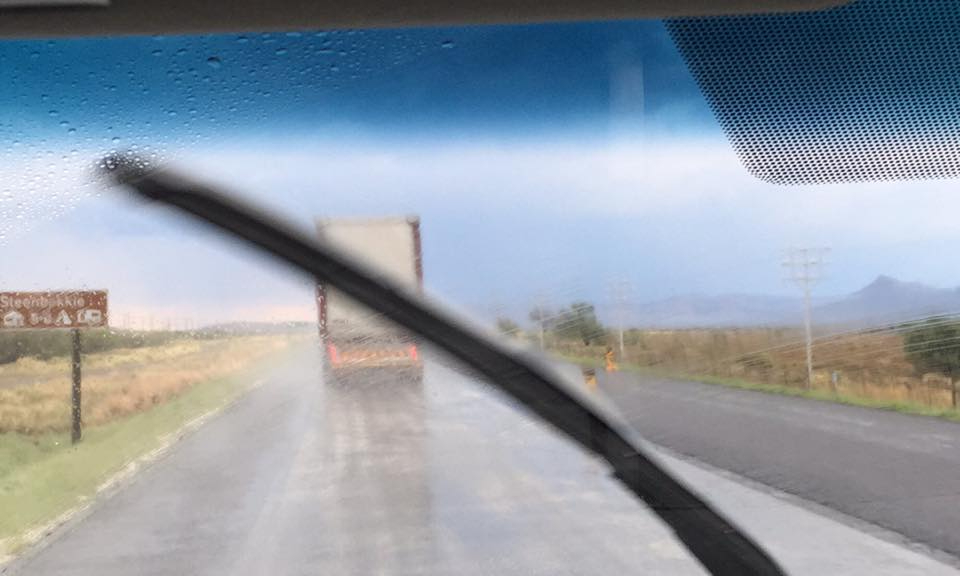
The Road Traffic Management Corporations (RTMC) is reminding motorists about wet roads on most parts of the country; therefore, urges motorists to drive carefully and stay alert and allow safe travelling distances to avoid crashes that causes traffic backlogs.

The South African Weather Service has issued weather alerts that will result in scattered showers and thunderstorms and disruptive rainfalls that are likely to affect visibility over most parts of Kwa-Zulu Natal.

The heavy downfalls are likely to lead to flooding of low-lying areas.

Driving conditions in some of these routes will be affected by fog which will make visibility to be poor.

Road users are reminded to consider the following important road safety tips:

1. Reduce Speed: Wet roads can be slippery. Drive at a reduced speed to maintain control of your vehicle.
2. Maintain Safe Distance: Increase the distance between your vehicle and the one in front to allow for longer stopping distances.
3. Use Headlights: Keep your headlights on to improve visibility and ensure you are visible to other drivers.
4. Avoid Sudden Manoeuvres: Sudden braking or sharp turns can lead to loss of control on slippery surfaces. 
5. Be Mindful of Pedestrians and Cyclists: They may also be struggling with reduced visibility and challenging conditions.
6. Stay Informed: Keep updated with the latest weather forecasts and traffic reports

Plett double murder suspect arrested

Detectives in Plettenberg Bay are investigating a double murder following the discovery of an elderly couple who were fatally attacked on a farm in Glen Loerie, The Crags.

Preliminary reports indicate that a Mercedes-Benz motor vehicle was captured by a license plate recognition (LPR) camera travelling at high speed along the R339 in the direction of Uniondale at approximately 18:50 on Wednesday, 25 March 2026.

The vehicle was subsequently flagged on a local security WhatsApp group. Police members responded to the registered address linked to the vehicle, where they discovered the bodies of a 71-year-old woman and a 77-year-old man. Both victims sustained multiple injuries.

A coordinated effort between police and community safety structures led to the pursuit of the identified vehicle. The vehicle later overturned near Uniondale, where the driver fled the scene on foot. The suspect was apprehended shortly thereafter.

Crime scene experts processed both scenes as part of the ongoing investigation.

A 34-year-old suspect from The Crags has since been arrested and is currently being detained in Uniondale. He is expected to appear in court once formally charged.

The motive for the attack remains the subject of further investigation.

Anyone with additional information that may assist the investigation is urged to contact Crime Stop on 08600 10111 or use the mobile application MySAPS.

SA not welcome at G7 Summit

South Africa’s invitation to attend this year’s G7 summit has been withdrawn after pressure from the United States.

France had invited President Cyril Ramaphosa to the summit in Evian, however reports say the US threatened to boycott the meeting if South Africa attended.

Presidential spokesperson Vincent Magwenya says South Africa remains committed to restoring relations with the US through dialogue, while ties with France remain strong.

error: eRadio is protected !
Scroll to Top