Repo rate remains unchanged at 6.75%

The South African Reserve Bank (SARB) has kept the repo rate unchanged at 6.75%, citing heightened global uncertainty following the outbreak of conflict in the Middle East and its impact on inflation and growth.

With just a few weeks into the outbreak of conflict in the Middle East, Reserve Bank Governor Lesetja Kganyago noted that leading central banks have generally kept rates unchanged, as they wait for more information.

“The fact is, we are still only a few weeks into this crisis. The coming months will be crucial for assessing the longer-term inflation consequences. Given current forecasts, we see inflation risks to the upside.

“Against this backdrop, the committee decided to keep the policy rate unchanged, at 6.75%. The decision was unanimous,” Kganyago said on Thursday during a media briefing in Pretoria.

He added that the ongoing Middle East conflict was a clear instance of a supply shock, which raises prices while weakening demand. 

“The standard response to a supply shock is to look through first-round effects, which are unavoidable and cannot be stopped by interest rate changes. At the same time, central banks should be alert to second-round effects, where an initial shock triggers broad price increases. Getting policy right means ensuring that the price response to supply shocks is transitory, and not persistent,” the Governor said.

Looking at South Africa’s latest data, the economy grew further in the fourth quarter of 2025, with output rising by 1.1% for the year as a whole. 

“This is better than recent years but still well below longer-run averages. We have been encouraged by green shoots such as rising confidence and stronger investment, but the ongoing war could interrupt the growth recovery.

“For the time being, our growth projections are largely unchanged. There have been data revisions which lowered 2025 growth, making 2026 look a bit stronger in comparison. 

“This offsets some of the impact from the current shock. We still have growth rising to around 2% over the next few years, but we now see downside risks to the outlook,” Kganyago said.

Moving to prices, inflation was 3.0% for February, with core inflation also at 3.0%, which is in line with the SARB target. 

“Higher energy prices will raise inflation in the near term. We expect headline will soon accelerate to around 4%, with fuel inflation over 18% for the second quarter. Our baseline forecast then has a gradual unwinding of the shock, taking inflation back to 3% late next year,” he said.

Given global uncertainty, the Reserve Bank looked at two alternatives, both with more adverse assumptions than its baseline. 

“The first scenario assumes that the conflict lasts another two months or so, with oil prices averaging nearly US$100 per barrel for this period and the rand about 5% weaker against the dollar. The second, more extreme scenario has the war lasting over a year, with oil prices staying above US$100 per barrel and the rand 10% weaker,” the Governor said.

In both scenarios, inflation is higher, exceeding 4% in the first version and 5% in the second. 
“Both call for higher interest rates this year, with one hike in the first scenario and several more in the other. 

“Inflation then slows as oil prices start easing and the policy response takes effect. In the first scenario we are back to target during 2027. In the second scenario this only happens in 2028. In both cases, growth is weaker initially, but there is some catch-up later,” Kganyago said.

He mentioned that South Africa has made important macroeconomic progress recently, with a lower inflation target, improved fiscal prospects and steadier growth. 

“Prudent monetary policy will help sustain these gains, despite difficult global conditions. Further support would come from reaching a prudent public debt level, lowering administered price inflation, and continuing structural reforms that raise potential growth,” the Governor said.

Fuel Supply Stable – Despite Panic Buying Ahead of Price Hike

The Fuel Industry Association says South Africa’s fuel supply remains stable despite reports of shortages at some filling stations across the country.

The association says the shortages being reported are not due to a lack of fuel nationally, but rather isolated cases where certain stations have temporarily run out of stock. It believes the situation is largely being driven by panic buying as motorists rush to fill their tanks ahead of an expected sharp fuel price increase next month.

The Department of Mineral and Petroleum Resources says no relief measures are currently planned for motorists before the next fuel price adjustment. The department has confirmed that the price changes will be announced next week.

Fuel prices are expected to rise significantly in April amid ongoing conflict in the Middle East, which has pushed global oil prices higher and placed additional pressure on local fuel costs.

According to projections by the Central Energy Fund, petrol could increase by more than five rand a litre, while diesel prices could rise by more than nine rand a litre. These estimates are based on current international oil prices and the weaker rand against the US dollar.

Motorists will also face additional increases through fuel-related levies. These include adjustments to the general fuel levy as well as the Road Accident Fund levy, both of which form part of the final price paid at the pump.

Industry experts say the anticipated increases could have a broader impact on the economy, with higher transport costs likely to push up the price of goods and services.

Despite the looming price hikes, authorities are urging motorists not to panic buy fuel, emphasising that the country’s overall supply remains secure.

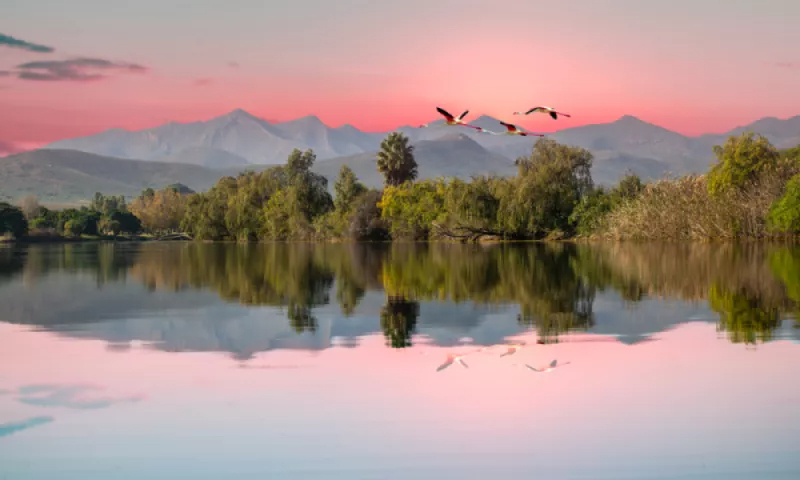
Water Week: Protecting Our Most Precious Resource

Water is fundamental to life and essential to our daily wellbeing. While this may seem widely understood, it remains important to continually remind ourselves of the value of this finite resource. Although approximately 70% of the Earth’s surface is covered by water, only about 2.5% of it is freshwater available to sustain ecosystems and human needs.

Residents of Cape Town vividly remember the threat of “Day Zero” in 2018, when critically low dam levels meant that municipal taps could potentially be shut off. Through collective action, strict water-saving measures, awareness campaigns, and much-needed rainfall, the city successfully avoided this crisis.

However, the experience served as a stark reminder that water security can never be taken for granted. Today, similar concerns are emerging elsewhere in the province. For example, the town of Knysna - approximately 489 kilometres from Cape Town—is currently facing its own potential water crisis. These situations also highlight the persistent inequalities that exist in access to safe and reliable water.

Climate change continues to intensify pressures on water resources. Increased frequency of droughts in some areas and flooding in others disrupts the availability and reliability of water supplies. As a result, protecting ecological infrastructure - such as catchments, wetlands, and river systems - has become more critical than ever. Healthy ecosystems play a vital role in storing, filtering, and regulating freshwater resources that communities depend on.

Access to safe drinking water is also closely linked to socio-economic conditions. In many communities, particularly those that are marginalised, water access remains limited. Promoting water conservation can be challenging in these contexts, where households may already struggle with minimal supply and rely on communal taps, rivers, or streams for daily water needs. In many cases, the responsibility of collecting water falls disproportionately on women and girls, creating a significant physical and time burden.

This responsibility can limit opportunities for education, employment, and participation in other activities, while also exposing individuals to risks such as crime and abuse. Improving access to reliable water and sanitation services can therefore play an important role in reducing gender inequalities in a country already facing serious challenges related to gender-based violence.

CapeNature contributes to addressing these challenges by supporting United Nations Sustainable Development Goal 6, which aims to ensure the availability and sustainable management of water and sanitation for all. Through the conservation of ecological infrastructure - including strategic water source areas, catchments, rivers, and wetlands - CapeNature helps safeguard the natural systems that supply freshwater to communities across the Western Cape.

However, increasing urbanisation and population growth continue to place significant pressure on water supply systems. As cities expand, water infrastructure must meet the needs of growing populations while maintaining strict health and safety standards. At the same time, rising pollution levels pose an additional threat to freshwater ecosystems.

Of the 138 freshwater ecosystem types in the Western Cape, 101 are currently considered threatened. More than 35% of river ecosystem types and over 40% of wetland ecosystem types are not yet formally protected. These figures highlight the urgent need for stronger conservation and management efforts.

Addressing water security challenges requires a collective and integrated approach. Complex societal issues cannot be solved in isolation, and every sector of society has a role to play. Education and awareness remain essential tools, but they must recognise the realities and inequalities experienced by different communities. Empowering communities to participate in water governance and reinforcing that access to clean water is a fundamental right -not a privilege - are critical steps toward sustainable water management.

At the same time, reducing water pollution, discouraging the improper disposal of harmful chemicals, and encouraging the adoption of water-efficient technologies can significantly contribute to protecting this precious resource. Regular maintenance and improvement of existing water infrastructure is equally important to ensure reliable supply and reduce losses.

Ultimately, protecting our wetlands, rivers, groundwater, and catchment areas is essential not only for our own wellbeing but for the health of the entire planet. By working together to safeguard these vital ecosystems, we can help ensure that clean, reliable water remains available for current and future generations.

Helicopter Crashes on Table Mountain While Battling Blaze

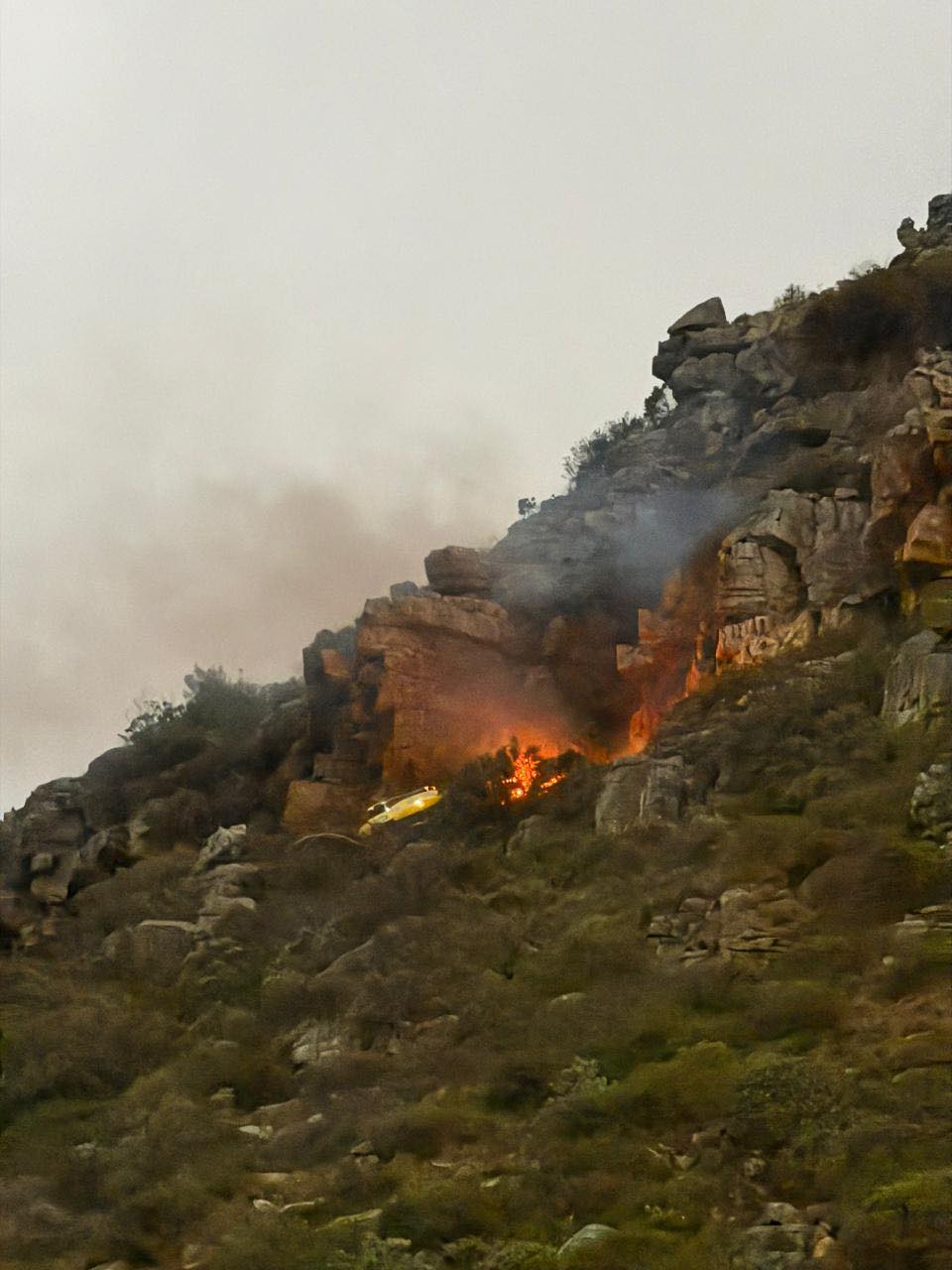
A helicopter assisting firefighters in combating a blaze on Table Mountain in Cape Town crashed after its rotor struck the mountainside during a water-bombing operation.

The aircraft was part of an aerial firefighting effort deployed to contain burning vegetation on the slopes of the iconic mountain. Witnesses reported that the helicopter was flying low over the rugged terrain while dropping water onto the flames when the main rotor clipped the rock face.

The impact caused the aircraft to lose control before crashing onto the mountainside. Moments later the helicopter reportedly burst into flames and exploded.

According to early reports from the scene, the pilot managed to jump clear of the aircraft before or during the crash sequence. Emergency crews responding to the incident confirmed that the pilot survived the accident but sustained injuries. He was treated at the scene before being transported to hospital for further medical care.

Authorities say the helicopter was conducting a standard “water-bombing” mission, in which aircraft collect water using a bucket or tank and release it over fires to help ground crews contain the blaze. These operations often require pilots to fly extremely low and close to mountainous terrain in order to target flames accurately.

Firefighting helicopters are frequently used in the Table Mountain National Park area, especially during the dry summer months when fynbos vegetation can ignite quickly and spread in windy conditions. The aircraft play a critical role in slowing the spread of fires and supporting crews battling flames on steep and inaccessible slopes.

Emergency services and firefighting teams continued working in the area following the crash to prevent the blaze from spreading further. Officials have not yet confirmed the full extent of the helicopter’s damage, but the aircraft was reportedly destroyed in the incident.

How to save fuel and stay safe on the roads this Easter

Easter is one of South Africa’s busiest travel weekends, with thousands of motorists taking to the roads for long-awaited getaways and family visits. But with rising fuel prices, many drivers will be looking for ways to stretch their travel budgets while still keeping their families safe.

The good news is that a well-prepared car and a few smart driving habits can make a real difference. A quick vehicle check before you leave, combined with fuel-efficient driving, can help prevent common breakdowns, improve safety and ensure every litre of fuel takes you further.

1. Start with Your Tyres
Tyres are one of the most common causes of holiday breakdowns, yet they remain one of the most overlooked components. Tyre pressure changes significantly when a vehicle is fully loaded or towing, which is why it’s essential to check the manufacturer’s recommended pressure before you leave.

Under-inflated tyres can also increase fuel consumption because the engine must work harder to move the vehicle. Correct tyre pressure improves safety, tyre lifespan and fuel efficiency. Drivers should also inspect tread depth, look for cracking or uneven wear, and ensure the spare tyre is in good condition.

2. Don’t Neglect the Heart of Your Engine: Your Oil
Engine oil is vital to your car’s health. Oil doesn’t just lubricate – it cools and cleans your engine. Running low or using the wrong grade can cause severe and costly damage.

Before heading off on a long trip, motorists should check their oil levels and top up if necessary, then recheck after a few hundred kilometres. Oil should be replaced annually or at the service intervals recommended by the manufacturer, and it’s crucial to use the correct grade specified for the vehicle.

3. Why the Right Oil Matters
Not all engine oils are created equal. South Africa’s environment, with its heat, dust, varied terrain, and dense urban traffic places unique demands on vehicles. In many cities, repeated stop-and-go driving leads to increased engine temperatures and heat build-up, putting additional strain on engine components and accelerating oil degradation.

Products like Engen Xtreme are formulated specifically for these local conditions. Whether you drive an older model, a taxi, or a modern vehicle, choosing the correct lubricant helps manage heat more effectively, improves efficiency in heavy traffic conditions, and protects critical components over time.

4. Check All Fluids – Not Just Oil
Several other fluids play a crucial role in vehicle safety and reliability. Coolant prevents overheating, brake fluid ensures effective stopping power, and power steering fluid allows for smooth and responsive steering.

Windscreen washer fluid is equally important, especially during long-distance travel when insects, dust and road grime can quickly affect visibility. Adding a small amount of specialised cleaner to the wash water helps keep windscreens clear.

5. Make the Most of Your Forecourt Stop
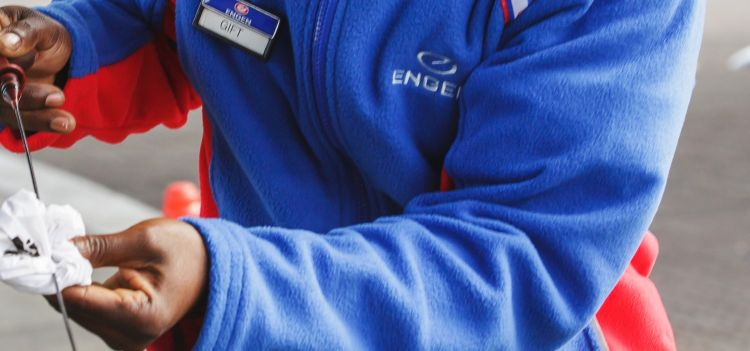
A quick stop at a service station can prevent major problems later.  Forecourt staff are trained to help motorists with tyre pressure checks, wiper inspections, window cleaning, oil top-ups and windscreen wash refills.

These basic checks take only a few minutes but can significantly improve safety and fuel efficiency. Drivers should also look after themselves: stay hydrated, take regular breaks, and grab a coffee or snack to remain alert on the road.

6. Smart Driving Saves Fuel
Adopting fuel-efficient driving habits can make a noticeable difference.

Motorists can reduce fuel consumption by:
•    Driving at a steady speed and avoiding sudden acceleration or harsh braking
•    Using cruise control on open highways where possible
•    Removing unnecessary weight from the vehicle
•    Avoiding excessive idling
•    Planning routes to reduce congestion and unnecessary detours
Even small adjustments in driving style can help motorists save fuel over long distances.

7. Fuel Quality Matters Too
High-quality fuels can make a noticeable difference in vehicle performance, particularly during long trips.
Fuels such as Engen Primax Unleaded and Engen Dynamic Diesel (50 ppm) are designed to help keep engines cleaner, protect injectors and maintain optimal performance, which contributes to better efficiency over time.

8. Plan Your Route – and Know Help Is Close
With the largest service station footprint in the country, help is never far away. Many of Engen’s 1 000+ forecourts can be found along major travel routes and in towns across South Africa, offering motorists peace of mind during long journeys.

A Small Habit That Makes a Big Difference

Before starting your trip – and during your journey – stop at a service station and let the team run through a quick vehicle check. It takes only a few minutes and can make a big difference to your safety and your fuel bill.

Drive Safe this Easter

As South Africans take to the roads this Easter, a few minutes of preparation can prevent mechanical failures, reduce roadside emergencies and help motorists manage rising fuel costs.
Safe cars save lives. Check your vehicle, drive responsibly, and enjoy a smooth journey this holiday season.

By Bhavish Vallabhjee, Product Manager at Engen

Citro-Soda batches recalled over contamination risk

The South African Health Products Regulatory Authority (SAHPRA) has recalled specific batches of Citro-Soda Regular, following the discovery of potential contamination risks at the Adcock Ingram manufacturing facility in Clayville, Johannesburg. 

The recall affects Citro-Soda Regular 60g, 120g, and 4g sachets, with batch numbers starting with the letter “C,” all produced at the Clayville site. Products manufactured at other facilities, including those produced in India, are not affected.

SAHPRA CEO, Dr Boitumelo Semete-Makokotlela, confirmed the recall during a media briefing in Pretoria on Tuesday, saying the move demonstrates the regulator’s commitment to public safety.

The CEO assured the public that the decision to recall the product followed a thorough inspection of the facility and a detailed assessment of its manufacturing practices. 

“As a regulator, our mandate is to ensure that every health product you consume is of good quality, safe and effective...when we become aware of any details that indicates that there is any compromise of the quality, safety or efficacy of health products, we will act and we will do so decisively,” she said.

The recall follows an inspection prompted by a whistleblower report, which uncovered serious non-compliance with Good Manufacturing Practice (GMP) standards at the Clayville facility.

SAHPRA has urged consumers to alert them of any quality defects that they come across. 

“We would like to urge the public that as part of the country, as citizens of the country, and as those who consume these products, please do alert us of any quality defects that you encounter, with any health product available in the country,” Semete-Makokotlela said. 

SAHPRA Inspectorate and Regulatory Compliance Head, Lebohang Mazibuko, said critical deficiencies were identified, including contamination risks from metallic and black residues on equipment. 

“We found [the] presence of metal fragments from the manufacturer equipment and some unknown black particles from those manufacturing equipment. Those metal fragments were from the manufacturing vessels that are used to manufacture this product. Hence, we say you cannot consume a metal and be well after that,” Mazibuko said.

Other issues included inadequate cleaning procedures, damaged and rusted equipment, and the absence of proper air handling systems to control contamination.

SAHPRA emphasised that the recall is limited to affected batches of Citro-Soda Regular produced at the Clayville facility and does not extend to other products manufactured by Adcock Ingram.

Regulatory Compliance Manager, Mokgadi Daphney Fafudi, said the recall is being implemented across all distribution channels, including pharmacies, hospitals, clinics and retail outlets.

“The public needs to note that this is not a withdrawal of a product, but it's a recall of batches that do not comply, and these can be returned to the nearest facilities, whether it's a health facility or a retail facility. Otherwise, they can contact Adcock Ingram, the contact details are available on our website,” she said. 

The regulator further urged consumers to take note of the batch numbers when purchasing the product. 

“We have only recalled the batch numbers that start with C of the regular Citro-Soda, all regular Citro-Soda with batch that starts with C, which are also listed on the recall notice are the ones that are affected,” Fafudi emphasised.

The SAHPRA will closely monitor both the recall process and compliance at the facility until all affected batches have been removed. 

“We will monitor this recall up until all the batches have been recalled and they have been destroyed. And we will also monitor compliance of the site up until they have satisfactorily addressed the corrective actions and the preventative actions that are required that were also prescribed,” she said.

Steenhuisen welcomes SAHPRA’s intervention to fast-track access to FMD vaccines

Agriculture Minister John Steenhuisen has welcomed the swift intervention by the South African Health Products Regulatory Authority (SAHPRA) to expedite the importation of six million doses of the Dollvet vaccine to combat Foot and Mouth Disease (FMD).

This follows a Section 21 permit issued on Friday for two million doses of the Dollvet vaccine.

In a statement issued on Monday, the Department of Agriculture said SAHPRA has confirmed that two additional permits will be granted for the remaining four million doses. 

Steenhuisen said the phased procurement, in consignments of two million doses, is a logistical necessity in light of the current conflict in the Middle East. On 1 March 2026, 1.5 million Dollvet vaccines from Turkey arrived in South Africa.

In addition, the Minister and the department confirmed that a further five million doses of the Biogénesis Bagó vaccine will soon be ordered. This follows the arrival of one million doses from Argentina last month.

Steenhuisen underscored the importance of public-private collaboration in addressing the outbreak.

“I want to recognise the vital role the private sector has played in navigating the complexities of vaccine acquisition and logistics. To our farmers and all the role players walking beside the Department of Agriculture in this fight - thank you for your resilience and cooperation. We are not fighting this battle alone, and it is through this united front that we will protect our national herd and ensure long-term food security,” the Minister said.

The department also expressed its appreciation to SAHPRA for its responsiveness and understanding of the urgency of the situation, which is vital in ensuring the arrival of vaccines to South Africa without delay.
Further details on the delivery schedule are expected to be communicated once finalised. 

KZN targets bi-annual vaccination
Meanwhile, the KwaZulu-Natal Department of Agriculture and Rural Development, led by MEC Thembeni kaMadlopha-Mthethwa, has implemented a comprehensive vaccination strategy aimed at inoculating all commercial and communal cattle in the province twice over the next 12 months.

The programme will utilise five million doses, including both BioGenesis Bagó and Dollvet vaccines.
The department confirmed that vaccination efforts against Foot and Mouth Disease are ongoing in uMzimkhulu, located within the Harry Gwala District Municipality. 

Harry Gwala is the second district to receive vaccine supplies, following Ugu District Municipality on the province’s south coast.

According to the latest livestock census, KwaZulu-Natal is home to approximately 2.5 million cattle, making it the country’s second-largest cattle-holding province after the Eastern Cape.

“As per the schedule, vaccines have been arriving in batches, with the first shipment of 200 000 doses of BioGenesis Bago from Argentina in February and 560 000 doses of Dollvet vaccines from Turkey having arrived early this month, all stored at Allerton Provincial Veterinary Laboratory at Cascades in Pietermaritzburg,” kaMadlopha-Mthethwa said.

She added that, weather permitting, veterinary-led vaccination operations in uMzimkhulu are expected to conclude with mop-up activities early this week, after which the next district targeted for rollout will be announced. 

A total of 15 037 doses of vaccines were administered last Friday, bringing the district's total to nearly 120 000. 

Over 18 000 suspects nabbed for various crimes

The South African Police Service (SAPS) nationwide Operation Shanela has yielded significant breakthroughs in combating various crimes, including drug trafficking, and serious and violent crimes, leading to the arrest of 18 822 suspects.

This includes 2 739 wanted individuals linked to serious crimes.

“The week-long operations carried out between 16 and 22 March 2026 led to the arrest of wanted individuals linked to murder, attempted murder, rape, carjacking, illegal possession of firearms, assault GBH [grievous bodily harm], house and business robberies,” the police said in a statement.

Within this week, police operations aimed at dismantling drug trafficking and distribution networks across the country led to the arrest of 258 suspects for dealing in drugs, and 3 107 suspects for possession of drugs. 

“The majority of arrests for drug possession were effected in the Western Cape, with 1 933 suspects arrested,” the police said.

In addition, police intercepted a Volvo truck on the N17, near Oshoek, transporting over 670 kilograms of dagga, with an estimated street value of R1 milion.

Western Cape adds over 81 000 hectares of new nature reserves in the past year

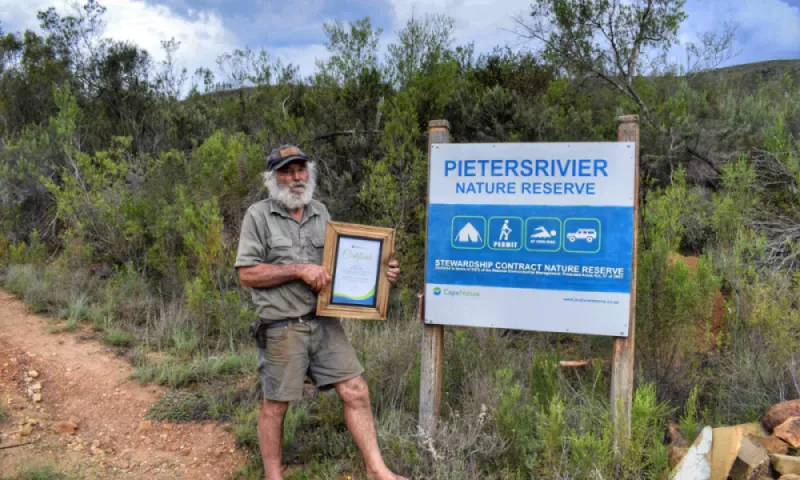
The Western Cape has added over 20 new nature reserves to its Protected Area network, securing more than 81 715 hectares of ecologically significant land for long-term conservation. Declared between April 2025 and March 2026, these new reserves strengthen the province’s efforts to protect important landscapes, species, and vegetation types.

The reserves span diverse regions, including the Cederberg, Agulhas Plain, Little Karoo, and Garden Route, and range from small properties to expansive mountain and lowland areas. Through CapeNature’s Biodiversity Stewardship Programme, landowners can voluntarily commit to having their land formally declared as a Protected Area and nature reserve.

Each declaration contributes to the province’s long-term environmental commitments and supports efforts aligned with the Global Biodiversity Framework 30x30 goals – an initiative aimed at formally protecting 30% of the planet’s land and oceans by 2030.

"The Cape Floristic Region is one of 36 recognised global biodiversity hotspots. These hotspots are regions that have high levels of biodiversity, but that are also the most threatened reservoirs of plant and animal life on earth. Healthy and resilient ecosystems are essential to sustain livelihoods and economic growth and must be actively protected, managed, and restored. Our ability to declare these additional reserves is made possible through partner organisations and landowners, working with CapeNature," said
Anton Bredell, Western Cape Provincial Minister of Local Government, Environmental Affairs and Development Planning.

Dr Ashley Naidoo, CEO of CapeNature, said the declarations are made possible thanks to landowners who work alongside conservation agencies and the Western Cape Government.

"Their commitment ensures that important natural areas receive formal protection, and together we are taking steps toward securing a healthier, more resilient environment for decades to come".

Most of these reserves are privately owned, while Anysberg Nature Reserve and Knersvlakte Nature Reserve are managed by CapeNature and have been expanded. Public access will be determined in line with land-use and conservation requirements. For information on visiting privately managed reserves, the public is advised to contact the respective reserve directly.

If you are a landowner interested in making a difference for conservation in the Western Cape, reach out to CapeNature’s Stewardship Team at [email protected] to begin the process of formally protecting your property today.

Summary of newly declared Nature Reserves

Anysberg Nature Reserve (expansion) 6 918.3081 ha
Bloutoring Nature Reserve 4 610.8996 ha
Buffalo Valley Nature Reserve 318.3445 ha
Cedar Rock Nature Reserve 9 872.7000 ha
Cederberg Oasis Nature Reserve 226.664 ha
Diosma Nature Reserve 10.7664 ha
Doringkloof Karoo Plaas Nature Reserve 209.2027 ha
Franco Three Fountains 21.4250 ha
Fynbosstrand Nature Reserve 425.6964 ha
Gecko Rock Private Nature Reserve 3 658.0296 ha
Haarwegskloof 547.7954 ha
Kleiheuwel Nature Reserve 2 724.5000 ha
Knersvlakte Nature Reserve (expansion) 34 084.3925 ha
Koopmanskloof Nature Reserve 65.5074 ha
Lettas Kraal Nature Reserve 6 922.6114 ha
Machaseh Nature Reserve 844.8371 ha
Mount David Nature Reserve 713.0000 ha
Pietersrivier Nature Reserve 1 151.2790 ha
Puntjie Nature Reserve 102.1145 ha
Silflay Renosterveld Nature Reserve 1 280.6129 ha
Voorstekop Nature Reserve 347.9000 ha
Waterkloof Nature Reserve 2 062.9245 ha
Wilderness 643.6419 ha
Zebraskop Nature Reserve 3 952.2036 ha

TOTAL AREA 81715.3565 hectares

Weather outlook: 23 – 29 March

The South African Weather Service (SAWS) says typical autumn weather systems will dominate over the country this week.

“This consists of a surface trough over the western and central interior, with the Atlantic High extending its ridge over the southern and eastern parts of the country, resulting in isolated to scattered showers and thundershowers in places,” SAWS said on Monday.

Monday’s forecast shows partly cloudy and cool to warm with isolated to scattered showers and thundershowers, but widespread in KwaZulu-Natal.

Low chances of severe thunderstorms in the Eastern Northern Cape, Free State, KwaZulu-Natal, Mpumalanga and Gauteng.

There is a low to medium chance of flooding due to heavy downpours in the Eastern Northern Cape, Free State, KwaZulu-Natal, Mpumalanga and Gauteng.

On Tuesday, the weather will be partly cloudy and cool to warm with isolated to scattered showers and thundershowers, but widespread in KwaZulu-Natal and Mpumalanga. 

There will be a low chance of severe thunderstorms in the Eastern Northern Cape, Free State, KwaZulu-Natal, Mpumalanga and Gauteng.

A low to medium chance of possible flooding due to heavy downpours in the Eastern Northern Cape, Free State, KwaZulu-Natal, Mpumalanga and Gauteng.

Possible flooding due to heavy downpours:
Wednesday - Low to medium chance in the Eastern Northern Cape, Free State, and Eastern Cape.
Thursday - Low to medium chance in the Eastern Northern Cape, Free State, KwaZulu-Natal, Eastern Cape and Mpumalanga.
Friday - Low to medium chance in the Eastern Northern Cape, Free State, KwaZulu-Natal, Eastern Cape and Mpumalanga.
Saturday - Low to medium chance in the Eastern Northern Cape, Free State, KwaZulu-Natal, Eastern Cape and Mpumalanga.
Sunday - Low to medium chance in the Free State, KwaZulu-Natal Eastern Cape, and Mpumalanga.

Possible severe thunderstorms:
Wednesday - Low chance in the Eastern Northern Cape, Free State and Eastern Cape.
Thursday - Low chance in the Eastern Northern Cape, Free State, KwaZulu-Natal, Eastern Cape and Mpumalanga.
Friday - Low chance in the Eastern Northern Cape, Free State, KwaZulu-Natal, Eastern Cape and Mpumalanga.
Saturday - Low chance in the Eastern Northern Cape, Free State, KwaZulu-Natal, Eastern Cape and Mpumalanga.
Sunday - Low chance in the Free State, KwaZulu-Natal, Eastern Cape and Mpumalanga.
error: eRadio is protected !
Scroll to Top