Western Cape Foot-and-Mouth Disease response proceeding well as more vaccine doses arrive

The Western Cape’s coordinated Foot-and-Mouth Disease (FMD) response plan has been further bolstered with the arrival of 8,000 more vaccine doses in the province.

This will supplement the 100,000 doses the province received last week, bringing the total number to 170,400 doses received so far. 

“More than 121,000 vaccination doses have been administered across 438 vaccination sites, with the support of 29 private vets. These herculean efforts to contain and eradicate FMD are proceeding well,” said Premier Alan Winde during a weekly meeting of Western Cape Government officials, district Mayors and agricultural stakeholders to ensure the 21-response plan is managed properly. 

“As a province, we are pushing to procure our own FMD vaccines and fully implement a permit system. This would further streamline our response to the outbreak. We urge the national Department of Agriculture to enable us to do so through the necessary regulatory processes,” added Premier Winde.

The Premier stated that while the outbreak is being adequately managed in the province, every stakeholder must remain alert and agile. Together, we can protect the provincial herd and economy. 

“I want to thank everyone, in our government and the private sector, who are stepping up to get this job done. Too many jobs are at stake, and we will do everything possible to protect this critical industry,” added the Premier.

Provincial Minister of Agriculture, Economic Development and Tourism, Dr Ivan Meyer, added, "We continue to prioritise the strengthening of all systems that monitor and manage animal movement across the province. These controls remain one of our most important lines of defence in preventing further spread of FMD. As we approach the busy Easter period, we will be intensifying FMD checkpoint operations to ensure full compliance with veterinary movement protocols. I want to thank our veterinary teams, law enforcement partners, and all industry stakeholders for their ongoing cooperation. Protecting our livestock sector is a shared responsibility, and together we will continue to safeguard animal health and the economic stability of our rural communities."

Decline in road crash stats

Government is making progress in reducing road accidents, with the latest preliminary data for the period 1 January to 15 March showing an 11% decline in crashes compared to the same period in 2025.

“Every province has seen a decrease in the number of crashes. Fatalities have decreased by 10% compared with the same period last year,” Minister of Transport Barbara Creecy said on Friday.

Six provinces recorded decreases in fatalities: namely Gauteng, Western Cape, KwaZulu-Natal, Mpumalanga, North West and Eastern Cape.

“This progress was not accidental; it is the direct result of coordinated law enforcement, strategic partnerships with civil society, and a shift in the collective consciousness of our road users. However, we cannot rest on these laurels. As long as one family still receives a knock on the door with news of a tragedy, our work is not done,” Creecy said.

She was addressing the launch of the 2026 Arrive Alive Easter Road Safety Campaign under the theme: 'It Begins With Me', on the N3, near Spruitview Offramp, East Rand.

The Easter holidays are marked by an increase in traffic on major corridors as travellers embark on various religious and holiday destinations.

Government has appealed to travellers to take personal accountability when using the roads during the upcoming holidays. 

“Over 80% of road crashes are the direct result of human behaviour. We are calling on every driver, passenger, and pedestrian to take ownership of their conduct on our shared roads.

“Our law enforcement strategy over this time will be uncompromising. I have directed all agencies to prioritise public and freight transport safety as well as pedestrians,” the Minister said.

This year, there will be a targeted focus on preventing pedestrians from crossing and walking on highways. 

“We will also patrol areas of entertainment near highways to prevent inebriated pedestrians from running across major roads. Pedestrians currently account for almost half of all road deaths.

“Traffic Authorities, for the first time this year, are instructed to deploy their students to patrol these national critical pedestrian locations and not release students to go home,” she said.

Law enforcement visibility in and around pedestrian accident-prone areas will be assisted by the members of the communities and support from the South African Police Service (SAPS).

“We continue our intensified focus on drunken driving. We are currently pursuing legislative amendments to Section 65 of the National Road Traffic Act to further tighten these restrictions.

“High-risk routes, including the N1, N2, N3, and N4, will see an unprecedented saturation of mobile and static checkpoints, as we intensify traffic policing on critical corridors together with the deployment of the National Traffic Police,” Creecy said.

In addition, in April, there is an increase in mobility across the region, with heightened movement of passengers and freight between South Africa and neighbouring countries.

“I call upon the Cross-Border Road Transport Agency to intensify monitoring and enforcement along key corridors to ensure full compliance with permit conditions, regulatory requirements, and overloading of freight and passengers. 

“We will also prioritise vehicle roadworthiness and fatigue management, and clamp down decisively on illegal operations and non-compliance,” the Minister said.

She called on road users to use the roads responsibly and respect each other.

“I urge those who will be undertaking long-distance journeys to stagger your travel times to avoid peak congestion and to stop every two hours to combat fatigue. To the pedestrians: Be visible, and do not cross major highways while under the influence,” the Minister said. 

Cape Town dams at 50,4% as window to avoid restrictions narrows

Cape Town’s dam levels have dropped to 50,4%, effectively half full, following a week of increased water usage and persistent heatwave conditions.

The City says water consumption has surged to 1 058 million litres per day, up from 1 018 million litres the previous week. This is 83 million litres above the targeted daily usage of 975 million litres, placing additional strain on already declining water reserves.

Although the recent heatwave is beginning to subside, residents are being urged to continue using water only for essential purposes. Authorities warn that collective consumption in the coming weeks, leading up to the winter rainfall season, will be critical in determining whether stricter water restrictions can be avoided.

The City emphasises that Cape Town is not currently in a drought. However, officials say the window to prevent restrictions later this year is narrowing. If current usage trends continue and rainfall is average, dam levels could drop to as low as 40% by May.

Cape Town has now entered what officials describe as an early warning phase. While water supply remains stable and taps continue to run normally, the system is becoming increasingly sensitive, with every drop counting ahead of uncertain winter rainfall.

Residents are encouraged to reduce usage now to help maintain higher dam levels before winter.

Officials say lower consumption could delay or even prevent the introduction of water restrictions, which could otherwise be implemented earlier than November if demand remains high.

Mayoral Committee Member for Water and Sanitation, Councillor Zahid Badroodien, says the city is at a critical point in its water management cycle.

He warns that the current dam levels will need to sustain Cape Town through winter and potentially into next summer and even 2027, depending on rainfall. With weather patterns becoming increasingly unpredictable, he says the city cannot rely on future rainfall and must focus on conserving existing supplies.

Badroodien also noted that recent water usage has consistently exceeded the set target, placing further pressure on the system.

He has called on residents, businesses and industries to work together to reduce consumption, reminding Cape Town that collective action has successfully averted water crises in the past.

Lion Population Survey in Kruger National Park shows continued species decline

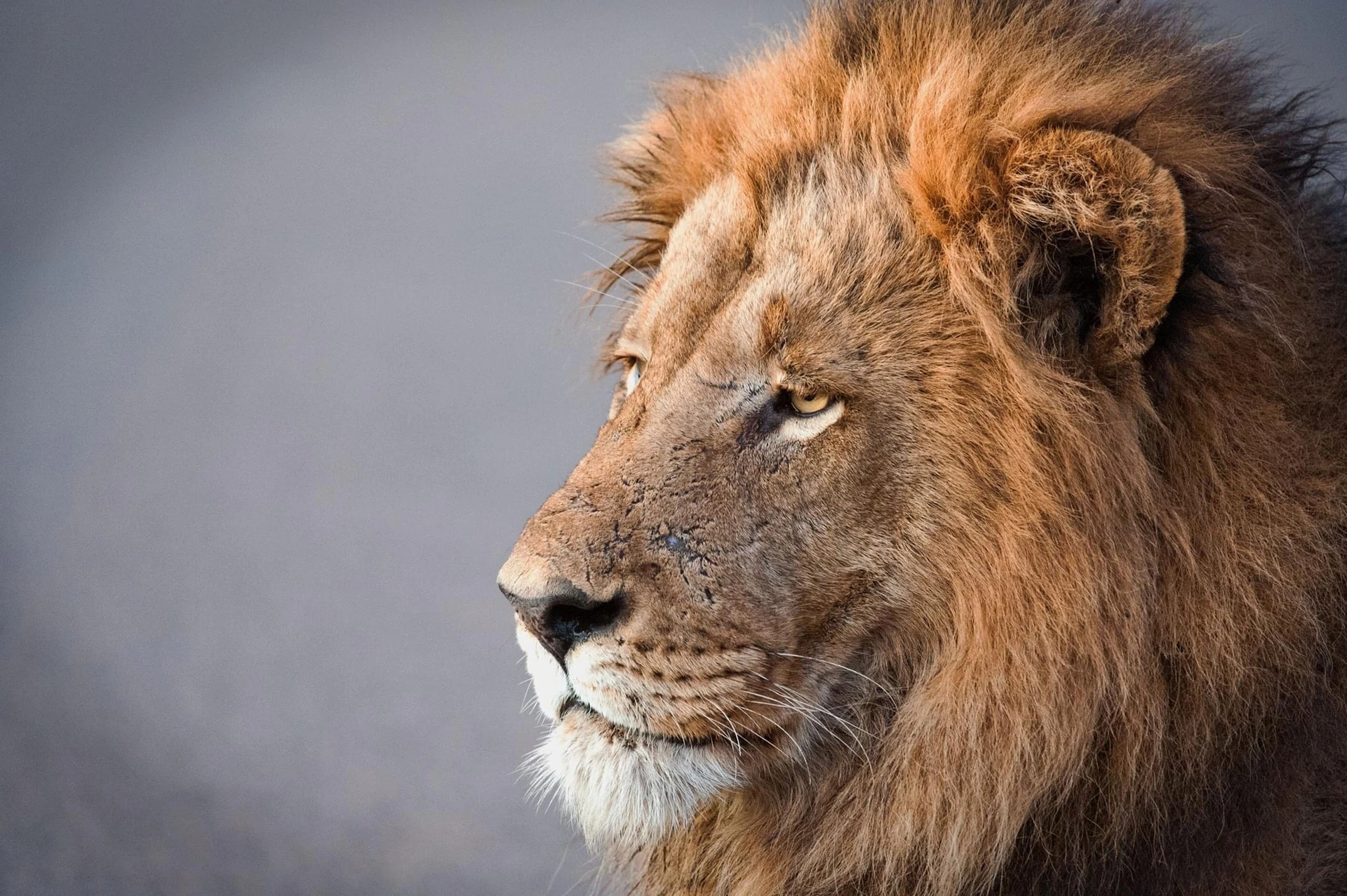
The Greater Limpopo Transfrontier Conservation Area, spanning South Africa, Mozambique and Zimbabwe is one of the few remaining strongholds for African Lions (Panthera leo) in southern Africa.

Central to this cross-border conservation area, is the Kruger National Park which serves as a key source population of lion for neighbouring reserves. In the past decade, however, lion poaching has started taking a toll on the species, from either bushmeat snaring or the deliberate poisoning of carnivores, in certain areas.

The first park-wide survey in 2005, estimated the lion population at 1,803 individuals.

With that survey now a decade old and reports of increased poaching, particularly in the northern Kruger National Park, concerns about the current status of lions in the region are justified.

Partnering with South African National Parks (SANParks) and the Lion Recovery Fund, the Endangered Wildlife Trust (EWT) undertook a lion population survey in the northern half of the Kruger National Park in 2024, to obtain robust estimates of lion populations to inform future lion management policies and practices.

During a similar lion population survey in the Nxanatseni north region of the Kruger National Park over three months in 2023, the population was estimated at 105 individuals. Two field protocols had been used to collect the 2023 data: search encounters and camera traps.

In 2024, a three-month lion population survey was conducted in the Nxanatseni south region of the park, using spatial capture-recapture models to obtain more reliable and comparable estimates of the abundance and density of lions.

Spatial capture-recapture entails taking photographs of a lion’s whisker spots to identify individuals. Some individuals are seen more than once, thus the recapture of their information to avoid counting the same lion twice.

Between July and September 2024, the members of the EWT’s Carnivore Conservation team drove 10,446 km in search of lions, resulting in 182 detections of 74 individuals: 22 males and 52 females. Because of the high mortality among lions less than a year old, these were excluded from the survey.

Using this dataset, it is estimated that there are 144 lions in Nxanatseni South; a density of 3.5 lions per 100 km². Besides the higher number of lion in the southern Nxanatseni area, the survey again found that lion density decreased the further carnivores are away from water. Out of the 247 lions detected, 182 could be positively identified, while 65 could not because the photos taken of the individuals were not clear enough for a positive identification.

The report states that lion densities varied across the study area, with the highest estimates in sections, which support large herds of herbivores due to productive soils and grazing grounds. It adds that lower densities were found in the western sections, where mopane woodland, proximity to communities, and conflict with poaching may limit lion populations. In another area, which had an intermediate density, poor soils, low rainfall and the hilly terrain were found to be constrains on the species.

Although poaching incidents were not counted during the study, poached lion were found on the western boundary of the Park.

The report concludes that the observations are concerning given the conservation importance of the Kruger lion population.

Among the steps that need to be taken to conserve lion within the Greater Kruger conservation area include an increase in engagement with local communities and local traditional medicine users, alongside stricter law enforcement.

This may include giving rangers arresting powers and introducing harsher penalties for wildlife crimes. Alongside these actions, more research is needed to determine the effect of water management in conservation areas, and the effect the increasing human presence along the boundary of, for instance, the Kruger National Park, has on the species.

Fuel supply stable in the immediate term, says DMPR

South Africans can be assured that fuel supply in the country remains stable in the immediate term.

This according to the Department of Mineral and Petroleum Resources (DMPR).

“The department wishes to assure all South Africans that the country’s fuel supply remains stable in the immediate term, notwithstanding heightened volatility in global energy markets arising from ongoing geopolitical tensions in the Middle East.

“Government is actively coordinating with industry stakeholders to secure both crude oil and refined petroleum products from a diversified range of sources, and a comprehensive plan is in place to manage potential supply risks,” the DMPR said in a statement.

Furthermore, fuel consignments scheduled for this month and April were “secured prior to the recent escalation in global tensions”. 

“These deliveries have commenced and are expected to adequately sustain national supply over the coming weeks,” the statement read.

The department noted that recent developments have “already exerted upward pressure on fuel prices”.
Crude oil prices have already surged, exceeding the $100 per barrel mark.

“[This is] driven by supply disruptions and heightened uncertainty affecting critical global shipping routes. 

“As a net importer of petroleum products, South Africa remains inherently exposed to these external dynamics. Sustained increases in international oil prices, coupled with exchange rate fluctuations, are expected to translate into higher domestic fuel prices in the months ahead.

“The department emphasises the critical importance of pricing transparency across the fuel value chain, particularly in respect of unregulated products, such as jet fuel. Industry stakeholders are expected to ensure that pricing practices are fair, justifiable, and fully compliant with applicable competition and consumer protection laws,” the statement said.

Engagements between government and industry stakeholders are continuing to “monitor supply, assess emerging risks, and coordinate timely and appropriate interventions where necessary”.

“While the short-term outlook remains stable, government is actively advancing measures to strengthen long-term energy security. These interventions include the diversification of fuel import sources, the enhancement of strategic storage capacity, and the acceleration of key infrastructure investments. 

“South Africa will continue to honour its regional supply obligations, while ensuring that the security of domestic fuel supply remains paramount. 

“The department will keep the public duly informed as developments unfold, and remains steadfast in its commitment to safeguarding the country’s energy security and broader economic stability,” the statement said.

Showmax to shut down end April, content moves to DStv Stream

Streaming platform Showmax will be shut down at the end of April as it prepares to transition its content to a new home. Canal Plus, the French Company who now runs Multichoice, announced earlier this month that it is the end of the road for Showmax, a costly project that was reportedly bleeding the company dry.

In a statement to subscribers on Thursday morning, the service said it is "entering a new chapter", with popular shows set to move to DStv Stream.

Over the coming months, the standalone Showmax platform will be phased out, while its original productions and additional content are incorporated into the DStv streaming offering.

•31 March 2026: Last day to renew your Showmax subscription or redeem vouchers.
•1 April 2026: New subscriptions and renewals will no longer be available.

Showmax says more details about the transition will be shared with subscribers in due course. It is not yet known how much the monthly cost will be.

Motorists must plan ahead amid possible fuel shortages, warns AfriForum

AfriForum warns that certain petrol stations across the country are already experiencing fuel shortages due to the recent outbreak of conflict in the Middle East. Disruptions in the supply chain could possibly lead to sporadic fuel shortages locally, which can in turn catch motorists off guard if they do not plan ahead.

AfriForum’s Community Safety structures are increasingly receiving feedback from various parts of the country that some petrol stations are without certain types of fuel, especially diesel, or have a limited supply. Although this is not yet a national crisis, fuel shortages locally can still be an inconvenience and even pose safety risks for road users.

AfriForum therefore calls on the public to act responsibly and manage their travel plans and fuel consumption carefully.

“Motorists should not wait until their cars are almost out of fuel before they start looking for a petrol station. At a time when there is great uncertainty about the supply of fuel, it is wise to always maintain a reasonable safety margin,” says Jacques Broodryk, Chief Spokesperson for Community Safety at AfriForum.

Broodryk warns that running out of fuel on the side of the road is not only a logistical problem but can also be a safety risk – especially on remote roads or in areas that are hotspots for crime.

This is how AfriForum suggests motorists can protect themselves:

-Keep cars’ fuel tanks at least half full where possible, especially before long trips.
-Plan routes in advance and check where the next reliable fuel stations are.
-Avoid unnecessary trips if fuel is running low in an area.
-Keep a charged cellphone and an emergency contact list nearby.
-Park in a safe, visible place if the vehicle runs out of fuel and remain vigilant.
-Contact roadside assistance, the local AfriForum neighbourhood watch or reliable safety networks if help is needed.

“The reality in South Africa is that communities often have to take responsibility for their own safety. A simple thing like planning ahead with fuel can prevent people from finding themselves in vulnerable situations,” adds Broodryk.

AfriForum also encourages communities to support each other and share information about local fuel availability.

Severe thunderstorm warning issued for five provinces

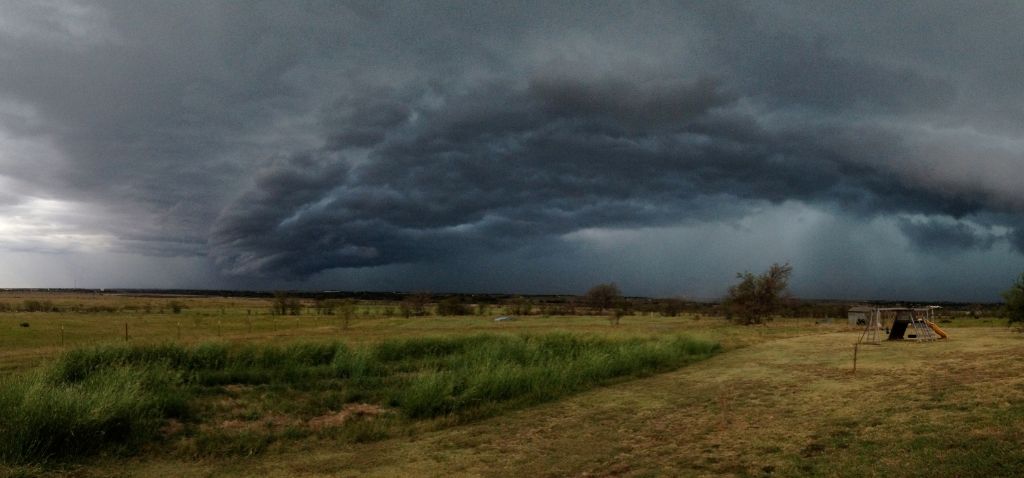
The South African Weather Service (SAWS) has issued a warning for severe thunderstorms in the Northern Cape, KwaZulu Natal, Gauteng, Limpopo and Mpumalanga on Wednesday.

“A surface trough, supported by a slow-moving upper trough, will result in severe thunderstorms in the Karoo Hoogland District (Northern Cape), leading to localised flooding of susceptible roads, low-lying areas and bridges, large amounts of small hail and localised damage to infrastructure,” the weather service said.

Slow moving storms may cause heavy downpours and strong winds.

Severe thunderstorms are expected over the western and central parts of Limpopo, Gauteng as well as the Lowveld of Mpumalanga. 

These storms may result in localised flooding of low-lying areas (including bridges and roads) and damage to infrastructure and settlements due to strong, damaging winds.

These weather conditions may cause damage to infrastructure, settlements (informal), property, vehicles, livelihood and livestock. 

There is a possibility of disruption to municipal and other essential services (education, health, communication and power supply). 

In addition, isolated to scattered showers and thundershowers are expected over KwaZulu-Natal
Some of these thunderstorms are expected to become severe in the province, except for the uMkhanyakude District Municipality, eThekwini District Municipality, uMfolozi Local Municipality, uMhlathuze Local Municipality, Mandeni Local Municipality, KwaDukuza Local Municipality and Ndwedwe Local Municipality.

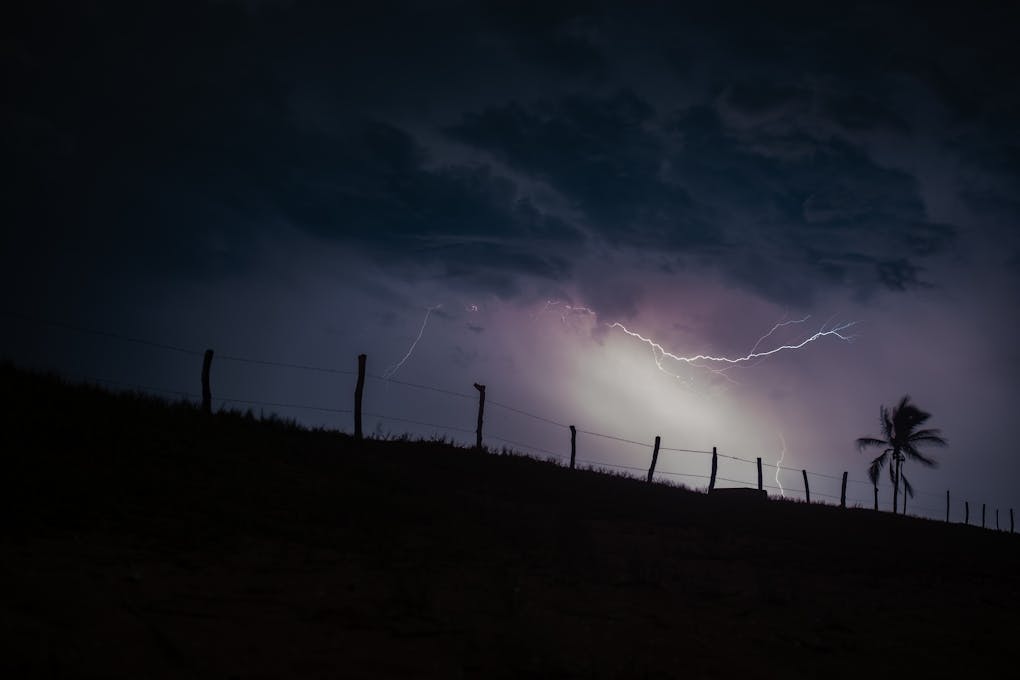
The thunderstorms may be accompanied by heavy downpours, damaging winds, excessive lightning and hail, resulting in minor impacts.

The weather conditions may have the following impacts:

-Localised damage to infrastructure and settlements.
-Localised flooding of susceptible roads and bridges.
-Minor motor vehicle accidents due to slippery roads and poor visibility.
-Difficult driving conditions on dirt and slippery roads.
-Large amounts of small hail/ large hail over an open area.
-Lightning resulting in localised fire incidents.
-Localised injuries due to flying debris.

Meanwhile, the weather report for Wednesday shows partly cloudy and warm to cool conditions are expected, with isolated to scattered showers and thundershowers except over the extreme western parts from the afternoon.  It will be cloudy in places in the east.

Mantashe urged to reveal fuel reserves

Mineral and Petroleum Resources Minister Gwede Mantashe is facing calls to disclose the status of South Africa’s fuel reserves amid concerns about potential supply disruptions linked to conflict in the Persian Gulf.

The Democratic Alliance’s spokesperson on mineral and petroleum resources, James Lorimer, said the minister has not provided sufficient detail on whether the country is meeting its legal requirement to maintain a minimum of two months’ supply of transport fuel.

Mantashe recently assured delegates at an oil and gas conference that there was no need for panic over possible fuel shortages. However, he did not reveal the current level of reserves, prompting concerns that the required stockpile may not be in place.

According to legislation, South Africa is required to hold strategic fuel reserves equivalent to roughly 60 days of supply. Lorimer said the minister’s failure to confirm compliance with this requirement raises questions about whether the reserves have been adequately maintained.

He has called on the minister to urgently disclose the exact status of the country’s fuel reserves in order to address public uncertainty.

Lorimer added that if reserves have fallen below the required level, government should outline a clear plan to replenish and sustain them. He also warned that early transparency is critical to allow businesses and consumers to prepare for any potential shortages.

Weather outlook: 17 March – 22 March

The South African Weather Service (SAWS) forecast shows that cloudy and cool conditions will persist over the eastern parts of the country, with scattered rain and showers possible over Limpopo, Mpumalanga and Gauteng on Tuesday. 

Otherwise, partly cloudy and warm conditions are expected with isolated showers and thundershowers over the central and southern parts of the country, but scattered over the Western Cape and the western half of the Eastern Cape.

For Wednesday and Thursday, cloudy and cool conditions are expected in the east. 

Otherwise, partly cloudy and warm to hot with isolated to scattered showers and thundershowers possible over the central and eastern parts of the country.

“Members of the public and stakeholders are strongly urged to continuously monitor official SAWS forecasts and warnings, as warnings will be updated as the likelihood and severity of impacts become clearer. The public is also advised to remain cautious of unauthorised or unverified information sources and refrain from distributing such information further,” the weather service said.

Possible flooding due to heavy downpours:

Tuesday - low to medium chance of heavy rain in the Northern Cape, Western Cape, Limpopo and Mpumalanga. 
Wednesday -  Medium chance of heavy rain in the Eastern Cape, eastern parts of the Western Cape and eastern parts of the North West. 
Thursday -  Low to medium chance of heavy rain in Northern Cape, KwaZulu-Natal, eastern parts of the Western Cape and Mpumalanga. 
Friday - Medium chance of heavy rain in the Western Cape, Eastern Cape and southern parts of the Free State. 
Saturday - medium chance of rain in the Free State, eastern half of the Eastern Cape and KwaZulu-Natal. 
Sunday - Low to medium chance of heavy rain in the northern parts of the Northern Cape and North West. 

Possible severe thunderstorms:

Tuesday - low to medium chance of severe thunderstorms in the Northern Cape, Western Cape, Limpopo and Mpumalanga.
Wednesday - Low chance of severe thunderstorms in the Eastern Cape, eastern parts of Western Cape and eastern parts of North West.
Thursday - Low to medium chance of severe thunderstorms in the Northern Cape, KwaZulu-Natal, eastern parts of the Western Cape and Mpumalanga.
Friday - Medium chance of severe thunderstorms in the Western Cape, Eastern Cape and southern parts of the Free State.
Saturday - Low to medium chance of severe thunderstorms in the Free State, eastern half of the Eastern Cape and KwaZulu-Natal.
Sunday - Low to medium chance of severe thunderstorms in the northern parts of the Northern Cape and North West. 
error: eRadio is protected !
Scroll to Top