Home Affairs cuts red tape for visa applications

The Department of Home Affairs has launched a groundbreaking digital platform to fast-track the processing of visa applications for individuals attending major international events.

The new Meetings, Exhibitions, Events and Tourism Scheme (MEETS) serves as a catalytic visa reform designed to boost South Africa’s standing as a leading global destination for international conferences, exhibitions, sporting tournaments and major cultural and entertainment events.

For the first time, MEETS introduces a secure avenue to process high-volume, time-sensitive group visa applications linked to international events hosted in South Africa.

“By cutting red tape and accelerating secure visa processing through technological reform, MEETS ensures that when the world chooses South Africa as a host, our visa system is ready.

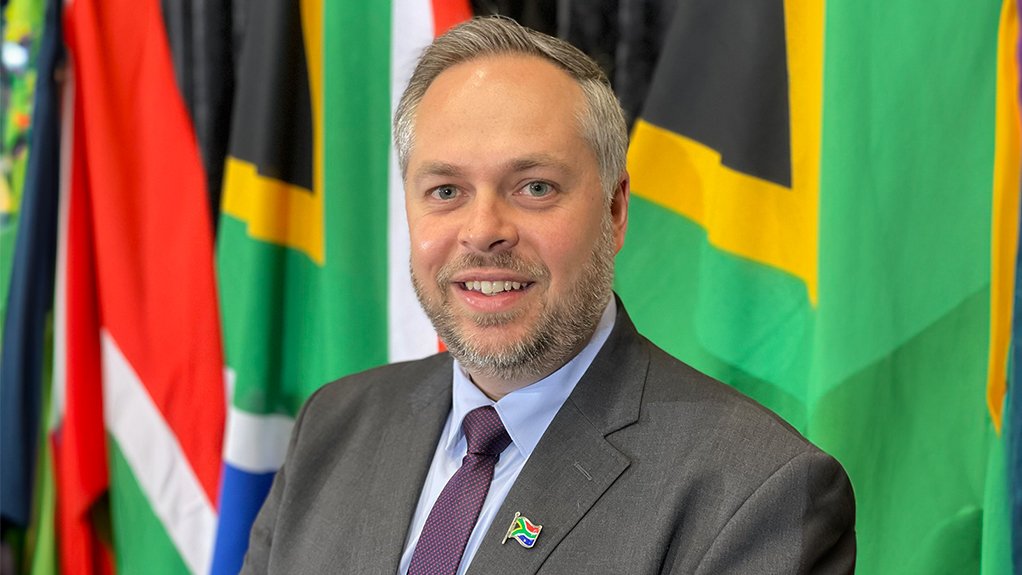
“Through MEETS, we are ensuring that our visa system becomes a competitive advantage that helps attract even more conferences, exhibitions, sporting tournaments and cultural events that create jobs and stimulate economic growth,” Minister of Home Affairs Leon Schreiber said on Tuesday, in a statement. 

From major music concerts and global trade gatherings such as Mining Indaba, to World Cup tournaments and international academic conferences, South Africa regularly hosts events that attract high volumes of international participants. 

These large-scale events often require entire teams, performers, delegates and technical staff to travel together within strict timelines.

“Global events move quickly, and host nations must be ready to respond with equal speed. Through MEETS, Home Affairs is modernising visa processing to support large delegations in a secure and coordinated manner, unlocking greater economic impact from every event hosted in South Africa.

“Instead of fragmented processes and uncertainty, MEETS enables streamlined online submissions tailored for major international events, ensuring that high-volume applications can be processed efficiently when every second counts,” the Minister said.

He emphasised that the launch of MEETS marks another decisive step in the department’s journey of digital transformation.

“By modernising our visa system, we are positioning Home Affairs as an economic enabler that supports tourism, investment, and allows for job creation. The events sector is a powerful driver of growth, and MEETS ensures that our visa regime matches South Africa’s ambition to host world-class international gatherings,” the Minister said.

Domestic event organisers with a proven track record in the sector are invited to submit expressions of interest to join the MEETS visa scheme, subject to qualifying criteria, by visiting this site.

Accredited organisers will enter into a formal Memorandum of Agreement with the Department of Home Affairs to regulate participation and  governance of the scheme. The gazette is available here.

More than 16 000 suspects arrested for various offences

The South African Police Service (SAPS) continues to implement its nationwide crime prevention and combating operations, which has resulted in the arrests of 16 648 suspects for various offences in recent days.

These crime-fighting interventions conducted between 09 and 15 March 2026 which yielded successes across multiple provinces, included tracking down and apprehending 2 048 wanted individuals linked to murder, attempted murder, carjacking, rape, assault grievous bodily harm (GBH), house and business robberies.

Among these arrests is a suspected gunman who allegedly shot and killed Marius Van Der Merwe (Witness D) a key witness in the Madlanga Commission of inquiry, in Johannesburg on 14 March 2026. The team seized the vehicle which was allegedly used in the commission of the crime. 

In dismantling an insurance murder-for -payout syndicate, police arrested six more suspects on 10 March 2026. The suspects are linked to a R10 million insurance scam led by the alleged mastermind a former police officer Rachel Kutumela. The arrests included relatives of Kutumela and a sangoma.

A seventh suspect, Rachel Kutumela’s other brother, Robert Shokane handed himself over to the police, bringing the total number of arrests to 11.

During these operations, a devastating blow was struck against those destroying the economy through the illicit trade.

“Police seized large quantities of illicit cigarettes worth an estimated value of R25 million during a raid at a warehouse in Nirvana area, Polokwane and arrested a 39-year-old Indian national believed to be facility manager. Furthermore, 14 suspects were also arrested for possession of illegal cigarettes,” said the SAPS in a statement on Monday.

Meanwhile, counterfeit goods worth R80 million were confiscated in a two-day operation in Musina and Thohoyandou in Limpopo. Law enforcement raided 33 shops and seized 171,418 counterfeit items including clothing, shoes, jewellery and consumables.

Other arrests include the apprehension of 137 suspects arrested for murder , 125 suspects arrested for attempted murder, 121 suspects arrested for rape of which the majority of the arrests were made in Gauteng (35). A further 1 586 suspects were arrested for assault (GBH) while 642 individuals were nabbed for driving under the influence of alcohol or drugs among others. 

When coming to confiscations and recoveries, police seized 194 unlicensed firearms and 3 888 rounds of ammunition among others.

Buying local strengthens SA’s economic recovery

South Africa’s economic recovery and long-term growth are built not only in boardrooms and policy meetings, but in everyday choices ordinary South Africans make, says Government Deputy Spokesperson William Baloyi. 

From the corner spaza shop in Ga-Mokgotho, Burgersfort, to proudly South African brands competing on the global stage, supporting local businesses is one of the most powerful ways to  build the economy. 

“When we choose local, we are not just buying a product, we are financially backing our own people.

“We are supporting the entrepreneur running a small business in the township, the young designer turning talent into opportunity, entertainment space creates a vibrant sound of amapiano and the factory worker, whose job depends on demand for locally made goods. 

“From the kasi to the world, South Africans have the creativity, resilience and talent to produce goods and services that can stand shoulder to shoulder with the best anywhere. 

“Every rand spent on local products keeps money circulating within communities, supports families - helping to grow businesses that create jobs. Local brands are proving that South African businesses can compete at the highest level,” Baloyi said.

A great example is Portia M, which has grown into one of the country’s most successful beauty brands, showing how local entrepreneurship can transform an industry. 

MaXhosa Africa has become a global fashion player by integrating authentic African heritage with high-end fashion, appearing on international runways and opening a flagship store in Manhattan.

Whoa Collections and its premium packaging that combines artistry and sophistication, with each box representing a strong commitment to quality and design, has also become another South African success story. 

South Africans have also witnessed President Cyril Ramaphosa proudly supporting the local sneaker brand, Bathu, sending a powerful message that supporting local businesses is not only patriotic but practical. 

Proudly South African celebrates the 14th edition of its Buy Local Summit & Expo, which is being held at the Sandton Convention Centre. 

“Initiatives such as the Proudly South African Buy Local Summit & Expo, which celebrates its 14th edition in 2026, continue to play a critical role in converging businesses, government and consumers to champion local production. 

“It’s a testament that over the years, this flagship event has grown into a dynamic two-day gathering, portraying highlights of the quality, innovation and diversity of products and services produced locally. 

“Proudly South African is the country’s national buy local campaign that was formed in 2001 to boost job creation by promoting South African businesses, products and services, rallying consumers, the public and private sector to procure locally manufactured goods and services,” Baloyi said.

Government is also committed to creating an enabling environment for businesses to grow and thrive. 

In the 2026 National Budget, Finance Minister Enoch Godongwana announced that the compulsory VAT registration threshold for small businesses will increase from R1 million to R2.3 million per annum from 1 April 2026. 

“This reform will significantly reduce compliance costs and administrative burdens for small enterprises, allowing entrepreneurs to focus on expanding their businesses, innovation and creating jobs. 

“Subsequently, the Department of Trade, Industry and Competition is finalising a National Industrial Policy to grow a globally competitive manufacturing sector, with a focus on decarbonisation, diversification and digitalisation,” Baloyi said. 

Sectoral interventions are supporting automotive manufacturing, critical minerals beneficiation, agro-processing, furniture, clothing and emerging industries such as cannabis and hemp. 

In addition, government is taking deliberate steps to reduce the country’s dependence on imported goods. Expanding local manufacturing and procurement strengthens domestic industries, broadens markets and unlocks opportunities for business expansion. 

Baloyi said by simplifying business regulations and compliance, government is working to ensure that companies and entrepreneurs can focus on growth, innovation and job creation. 

“Equipping people with the skills and knowledge to participate meaningfully in the economy is equally important. When South Africans buy local, they help sustain factories, farms, small businesses and service providers that employ thousands of people across the country.

“These concerted efforts can play a vital role in reducing the unemployment rate in our country, which remains one of the most pressing hurdles. However, tackling this challenge would require a coordinated action by government, business and labour to increase production, stimulate demand for locally produced goods and expand employment opportunities. 

“This vision aligns with the goals of the National Development Plan 2030, which sets out South Africa’s long-term strategy to reduce unemployment, poverty and inequality, while building a more inclusive society,” he said. 

During the 2026 State of the National Address, Presidency Cyril Ramaphosa announced that over the coming year, government will provide more than R2.5 billion in funding to small and medium enterprises, and extend additional guarantees, with a particular focus on women- and youth-owned businesses. Red tape reduction, credit reform and targeted support will help unlock growth at the local level. 

“Every time you choose a South African product, you are not just making a purchase, you are making an investment. Supporting local businesses is the most direct, practical way to fuel our economic vision of South Africa. 

“It’s a simple choice that carries massive weight. It keeps people  employed, strengthens homegrown industries, and invests in a shared future. Collaboration among consumers, businesses and government is essential to build a stronger, more resilient, and inclusive economy for future generations,” Baloyi said.

President Ramaphosa calls for turning point in SA’s transport sector

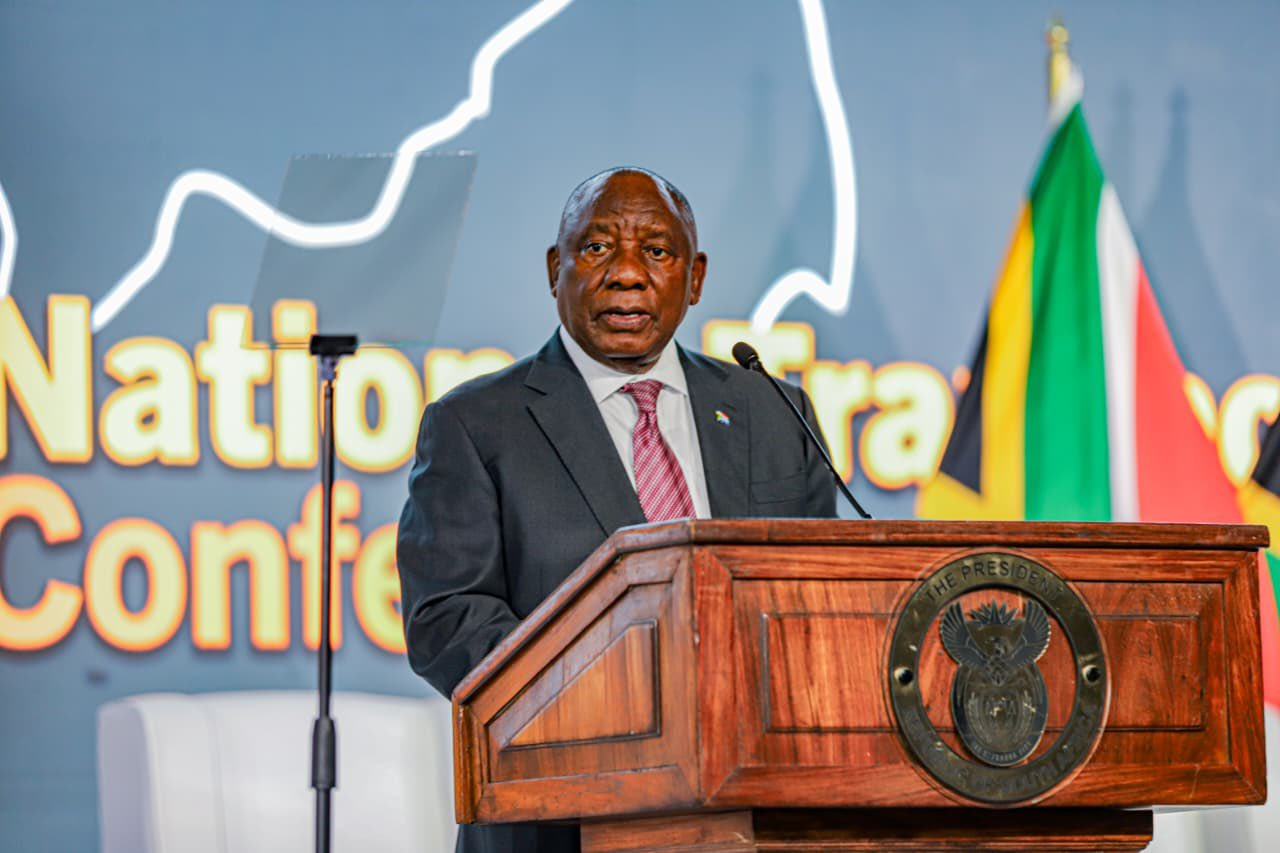
President Cyril Ramaphosa says the inaugural National Transport Conference should mark a turning point for South Africa’s transport sector, calling for stronger collaboration between government, business and labour to drive reforms and improve the country’s logistics system.

Addressing delegates at the conference held at Gallagher Convention Centre on Monday, President Ramaphosa said building an effective transport system requires partnerships across sectors.

“To build the partnership that this vision requires, we should consider establishing a permanent Transport Council,” the President said.

The President said the proposed council would bring together government, the private sector and passenger and logistics service providers across land, air and sea transport to strengthen cooperation and support reforms in the sector. 

He stressed that an efficient transport and logistics system is essential for economic growth and improving the lives of South Africans.

“Transport is vital to our economy and our people. When our transport arteries are blocked or inefficient, growth stalls, costs rise and opportunity diminishes. When they flow freely, the country thrives,” he said.

The President noted that logistics inefficiencies are estimated to cost the country’s economy close to R1 billion a day, highlighting the urgency of reforms to improve the movement of goods and people.

He said government has placed logistics reform at the centre of its economic recovery strategy through the Medium-Term Development Plan. 

Key interventions include the implementation of the National Rail Policy of 2022 and the National Freight Logistics Roadmap of 2023, which aim to restore rail as the backbone of South Africa’s freight logistics system.

Through the establishment of the Transnet Rail Infrastructure Manager, government has started opening the rail network to private operators.

Train slots covering 24 million tonnes of freight a year have already been conditionally allocated to 11 train operating companies, with the first private operator expected to begin operations in April 2027. 

President Ramaphosa said government has also set an ambitious target of moving 250 million tonnes of freight by rail by 2029, compared with 160 million tonnes transported in the past financial year. 

The President said improvements are already emerging through the work of the National Logistics Crisis Committee, which has been coordinating efforts to address challenges in the freight system and improve operations on key corridors.

President Ramaphosa emphasised that a modern and efficient transport system would lower the cost of doing business, attract investment and create jobs.

“It will strengthen regional integration and make our economy more competitive,” he said.

He added that the conference presents an opportunity for stakeholders to place transport at the centre of the country’s growth path and help shape a more inclusive and resilient transport system. 

Eskom marks 300 days without load shedding

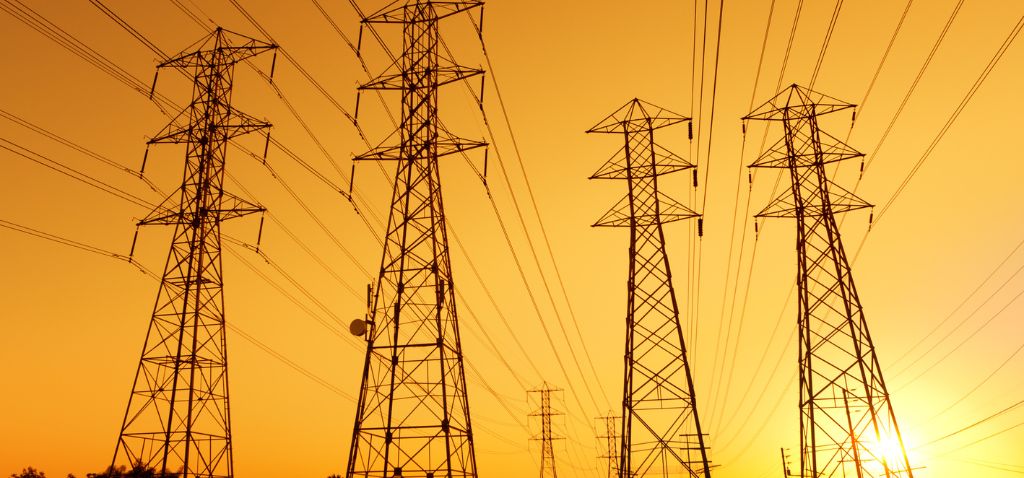
South Africa has reached 300 consecutive days without load shedding, marking a significant milestone in the recovery of the country’s electricity generation system. 

In a statement on Friday, Eskom said the milestone was achieved at midnight on 12 March 2026, reflecting improvements in the performance and reliability of its generation fleet under the Generation Recovery Plan.

“This achievement reflects the sustained upward trajectory in plant performance, supported by an Energy Availability Factor (EAF) that is consistently above 65%, currently at 65.85% for the financial year to date (1 April 2025 to 12 March 2026), demonstrating the sustained progress in Eskom’s turnaround strategy. 

“Notably, the generation fleet has also achieved or exceeded the 70% EAF milestone on 83 occasions so far over this timeframe,” the power utility said. 

Eskom said the improvement is also reflected in the significant reduction in unplanned outages, with a 53% decrease in average unplanned outages recorded. 

“Between 6 and 12 March 2026, average unplanned outages recorded at 7 224MW showing a notable improvement from the 15 382MW experienced during the same week last year, a reduction of 8 158 MW. This underlines the ongoing gains in reliability across the fleet,” Eskom said. 

Over the same period, the Unplanned Capacity Loss Factor (UCLF), reflecting unplanned outages, was at 14.85%, representing a reduction of 17.22% compared to the 32.07% recorded during the same period last year.

During the same period, Eskom’s Planned Capacity Loss Factor (PCLF) which reflects planned maintenance, averaged 13.81%, up from 10.21% in the previous financial year, as part of efforts to ensure environmental compliance, improve reliability, and support long‑term sustainability.

In addition, the power utility said 5 861MW is currently in cold reserve due to excess capacity.
Diesel usage has also declined significantly.

For the financial year to date (1 April 2025 to 12 March 2026), diesel expenditure is R8.58 billion lower than during the same period last year, a 57.35% reduction year on year.

Over the past week, diesel usage contributed 10.08GWh of electricity to the grid at a cost of R59.70 million, resulting in a weekly load factor of 1.76%.

“The use of diesel this week was due to statutory grid code testing and to meet the reserve requirements, as specified in the South Africa Grid Code. Year‑to‑date, diesel expenditure remains consistently below budget and is expected to remain below budget through to the end of the financial year,” the power utility said. 

South Africa has now experienced 301 consecutive days without any interruption in electricity supply, with only 26 hours of loadshedding recorded in April and May 2025 during the current financial year.

Eskom to add 3 330MW to grid ahead of evening peak demand

To further ensure a stable electricity supply, Eskom plans to bring 3 330MW of generation capacity online ahead of the evening peak on Monday, 16 March 2026. 

Evening peak demand is forecast at 23 858MW, with 27 652MW of available capacity, providing a healthy reserve margin above current demand.

Eskom published the Summer Outlook on 5 September 2025, covering the period 1 September 2025 to 31 March 2026, which projects no loadshedding due to sustained improvements in plant performance from the Generation Recovery Plan.

Key Performance Highlights

-For the financial year to date, the UCLF decreased to 22.73%, reflecting a week-on-week improvement of 0.17% and remaining well below last year’s 25.74%.
-For the financial year to date, planned maintenance was at an average of 5 377MW, accounting for 11.42% of total generation capacity, more than last week’s 11.38% and lower than the 12.61% over the same period last year.
-Between 1 April 2025 and 12 March 2026, Eskom generated 1 075.23GWh from OCGT plants at a diesel cost of R6.381 billion. This is significantly lower than the 2 498.75GWh generated during the same period last year (1 April 2024 to 12 March 2025), which resulted in costs of R14.963 billion. Notably, diesel usage has declined consistently month-on-month since May 2025, and the month-to-date load factor stands at 1.11%.
-The year-to-date OCGT load factor has further decreased to 3.79%, reflecting a 0.03% improvement from the previous week. This is significantly lower than the 8.81% recorded during the same period last year and remains below the set target.

Progress on ending load reduction

On progress made in ending load reduction, Eskom said199 160 customers are no longer affected during peak periods.

“Although the power system remains stable and generation capacity continues to exceed demand, illegal connections and meter tampering persist, causing infrastructure damage and posing serious safety risks.

In response, Eskom continues to implement load reduction as a temporary measure in high-risk areas to protect both communities and the electricity network,” Eskom said. 

To address these challenges sustainably, Eskom has launched a phased programme to eliminate load reduction by 2027. 

The programme targets 971 feeders and will benefit approximately 1.69 million customers across all provinces, out of Eskom’s total customer base of 7.2 million.

Key interventions include the rollout of smart meters, the integration of Distributed Energy Resources, and the expansion of Free Basic Electricity support. These measures will be accompanied by targeted customer education initiatives. 

To date, Eskom has installed 444 062 smart meters nationwide, of which 171 507 (about 39%) have been deployed on load reduction feeders. These installations empower customers with greater visibility and control over their electricity consumption, support accurate billing, and significantly enhance the overall user experience.

Of the 171 507 smart meters installed on load reduction feeders, approximately 90% are concentrated in Gauteng, Mpumalanga, Limpopo and KwaZulu‑Natal, where network risk is highest.

The phased programme to eliminate load reduction programme targets the installation of 577 347 smart meters on load reduction feeders by March 2026, with full rollout on these feeders planned for completion in 2027. 

Current implementation represents approximately 30% of the total end‑state target.

“The rollout is deliberately focused on high-loss areas affected by illegal connections, meter bypassing, overloaded infrastructure and widespread electricity theft. Eskom has undertaken extensive community and stakeholder engagement through ward councillors, public meetings, radio platforms and social media to support the implementation of the programme,” Eskom said. 

Eskom further explained that despite these efforts, installation teams continue to face persistent resistance, including intimidation, violent incidents and repeated work stoppages. These disruptions have led to deployment delays, the redeployment of teams, and heightened safety risks for Eskom employees and contractors. 

As a result, approximately 122 000 planned meter conversions have been delayed to date, undermining the stability and predictability of the rollout programme.

SA intercepts four Chinese fishing vessels

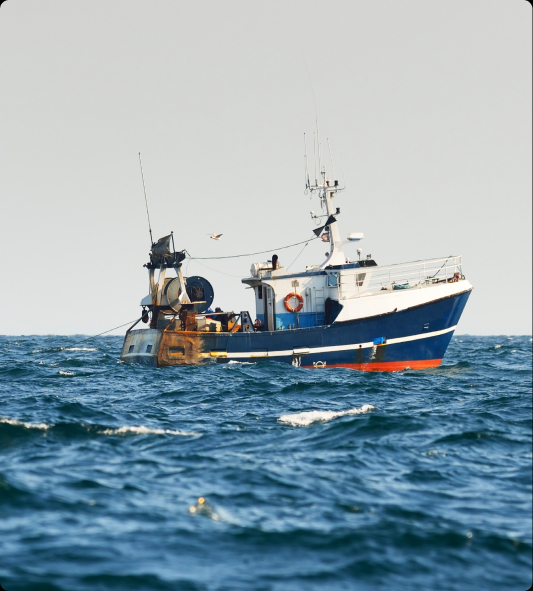
The Minister of Forestry, Fisheries and the Environment, Willie Aucamp, has welcomed the swift and coordinated action by law enforcement to intercept four Chinese-flagged fishing vessels that entered South Africa’s Exclusive Economic Zone (EEZ) and territorial waters without the required authorisation.

“South Africa will not tolerate the unlawful use of its maritime zones. We remain resolute in safeguarding our marine resources and ensuring that our ports are not perceived as ports of convenience. Compliance with our laws is non-negotiable,” the Minister said.

The vessels – Zhong Yang 231, Zhong Yang 232, Zhong Yang 233, and Zhong Yang 239 – were placed under guard by the South African Police Service (SAPS) Tactical Team members and Fishery Control Officers at the Port of Cape Town anchorage. 

At the same time, compliance processes were finalised between the Department of Forestry, Fisheries and the Environment and the vessel owner, Shenzhen Shuiwan Pelagic Fisheries Co. Ltd.

The vessels initially requested permission on 23 February 2026 to pass through South Africa’s EEZ under “innocent passage” - indicating they would exit by 3 March. 

On 27 February, the South African Maritime Safety Authority (SAMSA) reported that the vessels had also applied for Off-Port Limits (OPL) authorisation without the required justification or documentation, and the request was rejected.

Further investigations by the department revealed that the vessels had already entered South African territorial waters while the OPL request was under consideration. 

They were detected within 12 nautical miles of the KwaZulu-Natal coast and later tracked along the Eastern Cape coastline.

“During this time, the vessels repeatedly switched their Automatic Identification System (AIS) on and off. This is a violation of South African regulations requiring foreign vessels to keep AIS active while transiting national waters. 

“AIS is a critical safety system used to ensure navigational awareness and prevent collisions at sea. Based on the available evidence, there were reasonable grounds to suspect non-compliance with the Marine Living Resources Act 18 of 1998,” the department said.

The Masters of the vessels were charged, and an administrative penalty of R400 000 was imposed. 

The vessel owner subsequently paid the fine, after which the vessels were released and departed South African waters.

Heat wave event breaks temperature records

The South African Weather Service (SAWS) has confirmed that several weather stations across the Namakwa District and the Western Cape have officially broken their long-standing maximum temperature records for March.

The weather service explained that the presence of a strong, slow-moving high-pressure weather system in the upper levels of the atmosphere has resulted in "extremely hot" conditions. 

Preliminary data from the SAWS show that several stations in the Western Cape have recorded their highest maximum temperatures in at least 11 years during the current heat wave event. 

“These temperatures exceed those recorded during a similar extreme heat event on 3 March 2015, when parts of the province, particularly the Cape Metropole, broke long-standing temperature records.

“The temperature reading of 46,6°C recorded at the Royal Cape Yacht Club (RCYC) has since been removed from the official records. 

“This specific station was installed primarily for wind monitoring to assist with maritime activities and regattas. The sensor is located on a rooftop to ensure proper wind exposure, at a placement that does not meet the World Meteorological Organisation (WMO) standards for temperature measurements,” SAWS said.

Consequently, temperature readings from this station are not representative of the actual ambient air conditions in the area, and the temperature sensor at this station has since been disabled.

When Will the Heat Wave End?

Current meteorological models indicate that the high-pressure system responsible for the heat will begin to weaken and shift away from the region towards the end of the week.

Thursday, 12 March: Heat remains intense for the interior, particularly the Namakwa District and the interior of the Western Cape.

Friday, 13 March: This is expected to be the final day of heat wave conditions, with a gradual cooling trend starting along the coast.

Saturday, 14 March: A drop in temperatures is anticipated as the weather system moves out, bringing cooler, more seasonal conditions to the region.

Until the heat wave officially breaks, the public is urged to remain vigilant against heat-related risks:

-Stay Hydrated: Drink plenty of water even if you do not feel thirsty.
-Limit Exposure: Avoid strenuous outdoor activities between 12h00 and 15h00.
-Vulnerable Groups: Regularly check on the elderly and babies.
-Vehicle Safety: Never leave children or animals in parked cars, even for a short time.

“The SAWS will continue to monitor this system closely and will issue updates as new information becomes available. The public and relevant authorities are urged to follow official weather warnings and advisories from reliable sources.” 

Madlanga interim report – a secret, for now

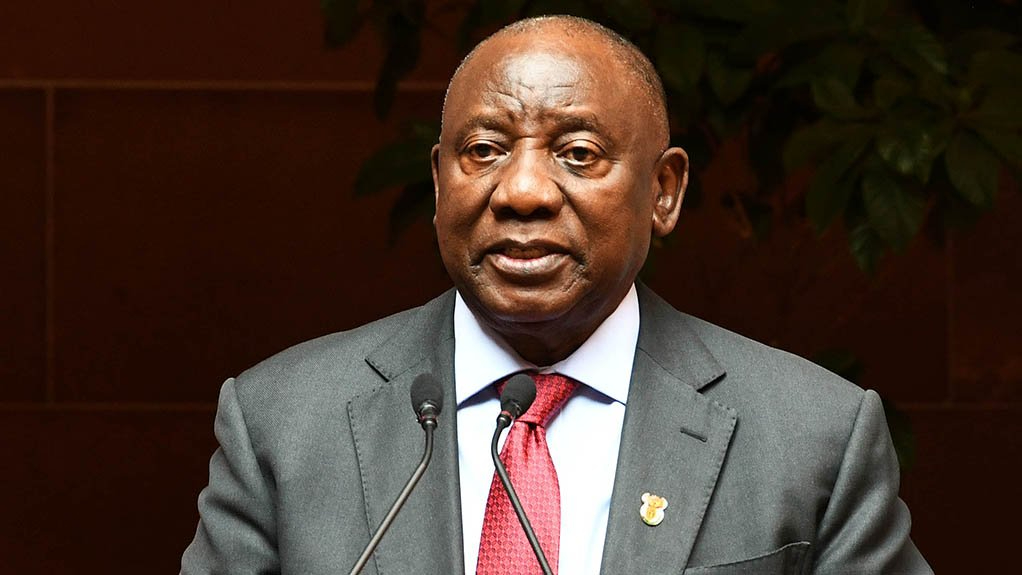
President Cyril Ramaphosa has reiterated that releasing the interim report of the Madlanga Commission could jeopardise the commission’s ongoing work and be unfair to witnesses who have not yet appeared before it.

The President was answering questions in the National Assembly on Thursday afternoon.

“The commission’s work is ongoing. In its interim report, the commission noted that it will require further evidence from a number of people who had not yet appeared before it.

“Beyond the referrals and recommendations that I have made public, it would be unfair to witnesses whose testimony is not complete or individuals against whom the commission has not yet made any findings to publicise the information at this stage.

“Furthermore, it may jeopardise investigations as well as lines of questioning of the commission, to make unconcluded avenues with regard to the investigation that could be made public,” he said.

Given the short time frame for the commission to complete its work – extended to 31 August 2026 just this week – all the reports will be made public once the final one is submitted.

A second interim report is expected at the end of May.

“This will be subject to any advice from the commission itself or other considerations on whether the publication of any portions of the report that may put persons who may have appeared before the commission in danger.

“We have already seen how a number of people who appeared before the commission have been targeted and some of them have been in serious danger,” he said.

No wrongdoer protected

The commission – led by Justice Mbuyiseli Madlanga – was established by the President to investigate allegations made by Lieutenant-General Nhlanhla Mkhwanazi on 6 July 2025 relating to criminality, political interference and corruption within the criminal justice system.

An interim report was handed over to President Cyril Ramaphosa in December last year.

The report made recommendations and referrals, including:

-Immediate criminal investigations must commence where evidence of wrongdoing is presented.
There should be urgent decisions on prosecutions where required.

-With respect to individuals currently in law enforcement or intelligence services, where wrongdoing was found, the commission made recommendations on employment statuses on individuals, including whether they should be suspended.

-At least 14 high-ranking South African Police Service (SAPS) members and Ekurhuleni Metropolitan Municipality (EMM) officials were referred for investigation after being identified as possible wrongdoers by the commission.

“To ensure that these matters are given the necessary attention, I directed the Minister of Police, as well as the National Commissioner, to constitute a special investigation task team reporting directly to the commissioner. The team will institute investigations against those identified by the commission for such investigation.

“Matters that require disciplinary action are currently being attended to by the relevant departments and some are resulting in suspensions,” President Ramaphosa told the National Assembly. 

He assured citizens that throughout the process, government has been guided by “the fundamental principle of transparency and that South Africans must know the facts” about allegations made by Mkhwanazi.

“We will implement the recommendations from the commission and we will take action.

“I can give assurance that no one - who is either implicated or will be implicated - will be shielded. When the commission does its recommendations, we will act accordingly on those recommendations.

“In the end, we will make sure that when the report is issued, the South African public will be able to see what the commissions said and what action we are going to embark upon. No big name or small name, however they are connected, will be shielded. We can assure of that,” President Ramaphosa said.

Water crisis committee

On a question related to the establishment of the National Water Crisis Committee, President Ramaphosa said an action plan setting out the way to tackle the challenge, is being drafted - similar to the approach taken to resolve the energy crisis.

“Work is currently underway to finalise the national Water Action Plan and to…get the committee to start its proceedings which it will do this coming week.

“It is expected that it will be completed by the end of March in terms of the water plan,” he said.

The committee is faced with three priorities:

-Address immediate challenges in municipality water and sanitation delivery through a focus on limited number of municipalities
-Expedite institutional, financial and systemic causes of the water crisis
-Attract investment in water infrastructure, increasing both public and private sector investment and involvement

“The main causes of the water crisis are at local government level. Maintenance of municipal water and sanitation infrastructure has been neglected in many of our municipalities over decades. There is, therefore, a big backlog for the repair and the refurbishment of water services.

“Solving South Africa’s water crisis…requires a multi-faceted approach focused on institutional reform, infrastructure maintenance and human capital development at the local level,” he said.

Where necessary and guided by the Constitution, the National Water Act and the Water Services Act, national government will intervene in municipalities that are “failing to meet their obligations or that are failing to implement corrective measures”.

“We will also, where municipalities and municipal officials fail, take action against them and we will also be focusing on how they are contravening the requirements of the National Water Act. Where there is wrongdoing, they too will be charged.

“Where necessary, national government will assume responsibilities for water services in those municipalities that fail to discharge their responsibilities.

“As has been done to great effect by the National Energy Crisis Committee, the National Water Crisis Committee will bring together role players from across the state to undertake a clear set of focused and impactful interventions that will make a real and lasting difference in people’s lives,” President Ramaphosa said.

Western Cape Budget 2026: What you should know

Western Cape Minister of Finance, Deidré Baartman, today tabled the Western Cape 2026/27 Budget in the Provincial Parliament. 

The theme ‘Delivering Growth with Discipline and Care’ sets out how the Western Cape Government will accelerate growth, protect essential services and respond decisively to rising climate and economic pressures.

The Province’s budget for the next 3 years is R285.8 billion, of which R93.5 billion is for 2026/27. 
Key insights include:

The budget places Growth and Jobs at the centre of government’s work, with R36.651 billion committed over the next three years to initiatives that strengthen water security, energy resilience, agriculture, tourism, entrepreneurship and critical infrastructure.

The province continues to prioritise frontline services. 77.48% of the budget, that is R208.643 billion over the next three years, will go to the Educated, Healthy and Caring Society priority.

Over the next three years, we will allocate R8.595 billion for Safety.

The Province will spend R31.924 billion on our Innovation, Culture and Governance priority, to build an agile, innovative government that improves service delivery.

The Western Cape faces increasing disasters, so the 2026 budget responds with R949.8 million in provincial funding for unforeseen and unavoidable events, including drought relief, energy and water resilience, combating GBV, foot-and-mouth disease, and fighting fires. 

Read the full speech here

The Budget documents can be accessed here

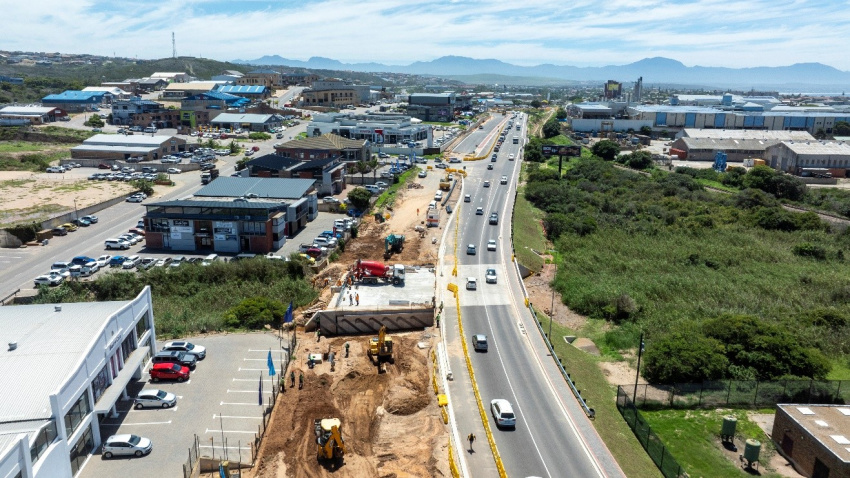
Progress update on Louis Fourie Road, Mossel Bay

The Western Cape Department of Infrastructure (DOI) and its appointed professional team is making good progress on Louis Fourie Road in Mossel Bay. This R540 million project is the largest Provincial Government investment in road infrastructure in the Garden Route District. Works are on track and expected to be completed by the end of August 2026.

The project entails, the upgrading of just over 3.0km of road from a single carriageway to a dual carriageway including the upgrading of intersections, constructing a central median, realigning and upgrading the Langeberg Mall access road, rebuilding the on- and offramps to the N2, constructing a new bridge over the Blinde River, constructing a pedestrian walkway from Waboom Road to Sonskynvallei, a new bi-directional road under rail bridge on Garret Street and building a new road to link Garret Street with Gericke Street.

Routine maintenance work on the existing surfacing either side of the upgrade for approximately 6.0km is also being undertaken as part of this project.

“The upgrade project has reached the stage where unfortunately additional inconvenience, particularly at the Langeberg Mall entrance on Louis Fourie Road, will be experienced by road users over the coming months. If all goes according to plan relief, while not fully, should be felt by the end of March at this point. The Project Team is affording all efforts to open additional lanes before the Easter weekend.

Accommodating traffic at the Langeberg Mall intersection was always going to be one of the most critical pain points for road users because of the significant re-alignment work and pavement layer reconstruction that has to be undertaken here,” said Jandré Bakker, DOI Director of Operational Support.

“One of the more notable reasons for inconvenience and delays at this intersection is the limited available road width for right turning movements in the vicinity of the new circle and the Mall entrance. We can confirm that the current traffic signal configuration is at its most optimal for this stage of construction.

Observation have, however, indicated that a large number of the delays are due to poor driver behaviour which includes blocking of the intersection to gain an advantage over other motorists which adds to the challenge,” he continued.

“The work in the intersection at the mall will continue until end of March.  Traffic flow at the intersection will then improve as two lanes will be available on the southbound leg of the intersection, and the outbound carriageway towards Aalwyndal will also be opened to traffic,” he added.

Bakker further stated that: “Road users must please note that access to Via Appie is scheduled for reconstruction from the 7th of April for a period of two weeks, weather permitting.  Traffic can use either Bally Crescent and/or Watson Avenue as alternative accesses where pointsman will be posted. We further advise that the final surfacing layer is being paved at the moment, which may cause short term (one day) disruptions at localized intersections”.

Bakker further shared: “Further key activities currently underway include the resurfacing of the road between Voor Bay and Hartenbos as well as the final road marking of all completed road surfaces.  The resurfacing of the section between Voor Bay and Marsh Street is scheduled to start after the Easter weekend. If all goes according to plan, both carriageways will be opened to traffic between The Lofts and Bally Crescent (Suzuki) before the Easter weekend.  The final surfacing layer on this section of road will be paved in half widths during the next month though”.

“According to the latest project programme the planned progress should be at 89% complete and we are currently at 85%,” said Tertuis Simmers, Provincial Minister of Infrastructure. “I am pleased to report that good progress is being made on the Blinde River Bridge as well as the pipe-jacking site at the George Road intersection where we are increasing storm water capacity in this area. While I have noted road user frustration with the ongoing roadworks, we have reached a stage where the general public are also seeing visible progress daily after having to endure many obstacles early on during construction, namely underground services that had not been accurately mapped, and replacing of ageing infrastructure to avoid building a new road over infrastructure that would need to be replaced within a few years,” Minister Simmers continued. 

“To the last report date, which is end February 2026, the project had created 49 341 person-days of work allocated to targeted labour against a contract target of 58 000 person-days. This translates to 306 work opportunities created against a contract target of 250. To date, more than R89 million of the contract spending was on targeted enterprises which exceeds the contract target of R85 million significantly.

Through the project we invested over R12 million on procurement from local enterprises. A total of R13 million has been spent on emerging contractor development and I look forward to seeing these numbers grow even more towards the completion of the project”, Minister Simmers added. 

Inconvenience to road users

“We are well aware of the inconvenience of the roadworks to the travelling public both local road users and holiday makers to Mossel Bay”, said Minister Simmers. 

“We remain confident that the long-term benefit of this road upgrade will outweigh the short-term inconvenience to road users and that the investment in infrastructure will unlock economic opportunities in Mossel Bay and surrounds”, he continued.
error: eRadio is protected !
Scroll to Top