NSRI Launches National Fundraiser After One of Its Busiest Rescue Periods

Following one of the busiest festive seasons on record, the National Sea Rescue Institute (NSRI) has launched Cars4Good 2026 - a bold, nationwide fundraising campaign in partnership with Suzuki Auto South Africa to support rescue readiness and help prevent drowning.

Between 15 December 2025 and 15 January 2026, NSRI volunteers rescued 201 people - a 26% increase from the same period last year. National callouts rose by 32.5%, while the most alarming statistic was a 117% surge in “Drowning in Progress” incidents, where lives hung in the balance and required an immediate response. These emergencies jumped from 18 to 39 from the previous festive season.

Cars4Good 2026 aims to turn this crisis into a call for action - while shining a light on a devastating reality: more than 1,000 people drown each year in South Africa, many of them children.

Four Jimnys. Four missions. One cause.

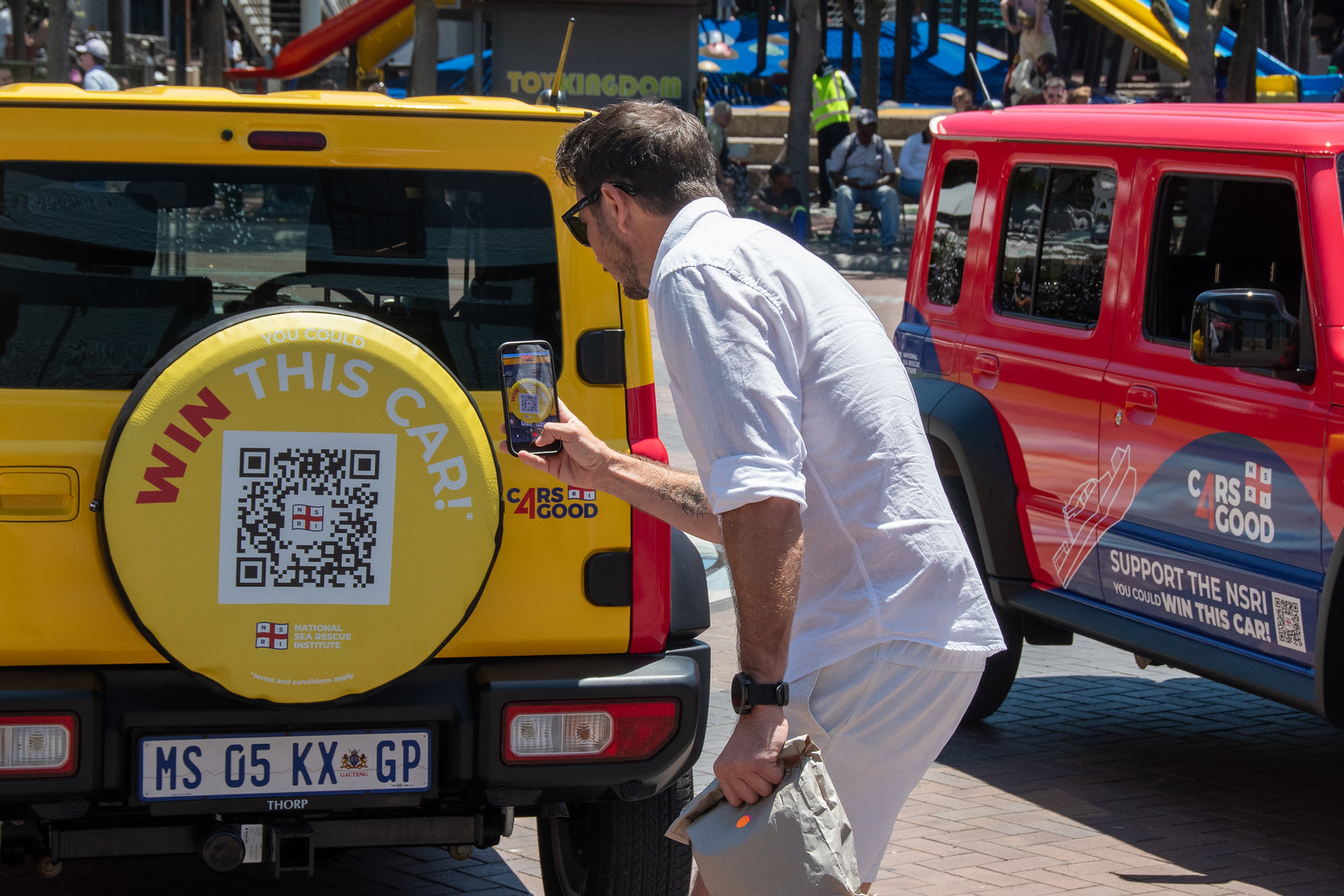
At the heart of the campaign is a unique partnership with Suzuki Auto South Africa. Four specially wrapped Suzuki Jimnys are now touring the country, each one bringing to life a different NSRI pillar:

*Blue – Showcases NSRI’s whale disentanglement units, which rescued 70 marine animals in 2025 alone.
*Red – Represents 1,069 rescue operations in 2025, saving 1,548 lives, often in treacherous conditions.
*Yellow – Celebrates the NSRI lifeguards at 55 beaches, who prevent emergencies before they happen.
*Pink – Tells the story of the Pink Rescue Buoy project, credited with saving over 251 lives since its launch in 2017.

“These Jimnys are fun, eye-catching, and different – just like the NSRI’s approach to turning everyday South Africans into life-savers,” says Dirk Coetzee, NSRI Business Development Manager. “Suzuki doesn’t partner lightly, and neither do we. This collaboration is about real impact, built on trust and shared purpose.”

Each Jimny is fitted with a QR code that links directly to the campaign. Whether spotted at the beach or in a city parking lot, the message is clear: every ticket sold helps save lives.

Cars4Good 2026 tickets cost R695, with only 45,000 available. Each ticket enters the NSRI supporter into four draws throughout the year, offering a chance to win one of four Suzuki Jimny 5-doors (each valued at R465,900).

Funds raised will support the NSRI’s core rescue and prevention services, including:

Water Safety Education: Over 900,000 lessons delivered in 2025 to children in high-risk communities

Survival Swimming: More than 25,000 children trained to float, orient and move through water

Training & Rescue Equipment: For the NSRI’s 1,500-strong volunteer crew.

“We are grateful to the National Lotteries Commission for their guidance and oversight, which ensures that the Cars4Good fundraising campaign is conducted with integrity, fairness, and transparency,” says Alison Young, NSRI’s Head of Performance Marketing. “Their support helps maintain public trust - something we deeply value.”

“As Suzuki Auto South Africa, we are thrilled to be a partner of the well-known and trusted National Sea Rescue Institute. As a vehicle partner, we are committed not only to supporting the Cars4Good competition but also to engaging in many projects and activations where Suzuki products and our audience can make a tangible difference to life-saving efforts,” says Brendon Carpenter, Brand Marketing Manager at Suzuki Auto South Africa.

“This is more than a fundraising drive,” says Mike Vonk, NSRI CEO.

“It’s a campaign that represents who we are: practical, accountable, and deeply committed to saving lives.

Every ticket sold helps put a trained rescuer on the water, a safety educator in a classroom, or a survival swimming instructor in a pool - because behind every rescue is a family waiting for someone to come home.”

For campaign info and to enter Cars4Good 2026 click here
Western Cape ramps up enforcement to protect learners on the road

The tragic scholar transport crash in Vanderbijlpark, Gauteng has once again highlighted the urgent need to strengthen safety measures for learners who depend on daily transport to and from school.

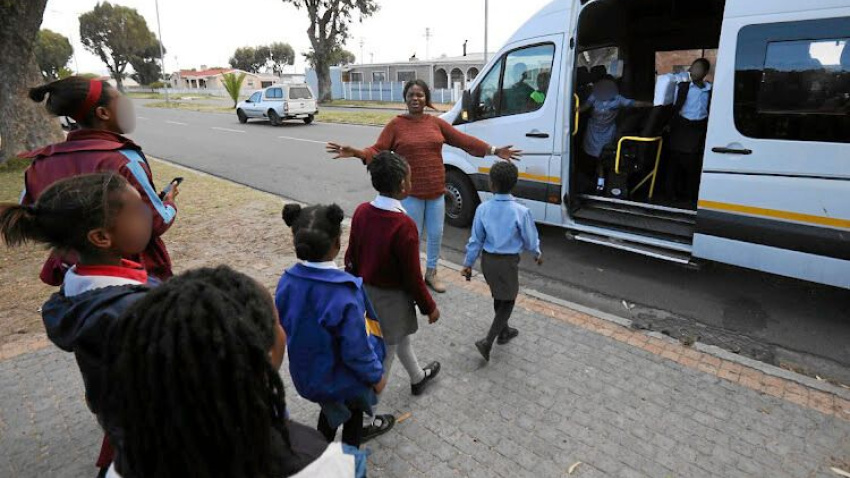
Since schools reopened on 14 January 2026, the Western Cape Provincial Traffic Law Enforcement, in close collaboration with Municipal Traffic Services, has intensified its scholar transport enforcement operations across the province. These efforts have revealed deeply concerning levels of non-compliance within the sector, placing children at avoidable and unacceptable risk.

Between 14 and 23 January 2026, officers conducted 45 integrated operations, during which they stopped over 1 600 vehicles, issued 1 250 fines totalling over R580 000, impounded 46 vehicles, and discontinued 23 unroadworthy vehicles, many of which were transporting learners.

Officers also detected drivers operating under the influence of alcohol, widespread overloading, unroadworthy vehicles, and operators deliberately diverting from known enforcement routes. Three drivers were arrested for driving under the influence, including one who recorded a reading of 0.68 mg/l.  A total of 109 fines were issued for public‑transport-related offences alone.

While scholar transport regulated through the education system is easier to monitor, unregulated operations pose the greatest threat, particularly those operating only during peak hours, making them difficult to track and frequently non-compliant with licensing and safety requirements.

 Key operational risks identified include:

-Illegal public transport vehicles carrying learners
-Drivers operating under the influence of alcohol
-Dangerous levels of overloading
-Unroadworthy vehicles
-Operators diverting from enforcement routes
-Repeat offenders continuing operations with minimal disruption

Minister Sileku commented, “Our foremost concern is the safety of every learner who depends on transport to get to and from school each day. That is why we have strengthened our enforcement efforts during the busiest travel periods (06:00–08:00 and 13:00–15:00), placing particular focus on overloading, seatbelt use, driver fitness, vehicle roadworthiness, and valid operating licences. However, government alone cannot ensure the safety of scholars. We need transport operators, parents, and guardians to take bold and proactive steps to protect the lives of our learners.”

Targeted interventions have also included intensified monitoring of high‑risk routes, increased oversight at known loading points, and enhanced intelligence‑sharing with the Western Cape Education Department and municipal partners. 

A reminder to transport operators and drivers: 

-Keep vehicles roadworthy or don’t operate.  Unsafe vehicles put lives at risk.
-No driving under the influence, ever. Zero tolerance. Zero excuses.
-Don’t overload. One extra passenger can cost a life.
-Stay legal. All licences and permits must be valid, always.
-Stick to approved routes. No shortcuts. No detours.
-Be the example. Drive safely, obey the law, and model good behaviour.
-Keep parents and schools informed. Clear communication builds trust and safety.
-Do daily pre‑trip checks. A few minutes can prevent disaster.
-Every learner must have a seat. No standing. No laps. No sharing seats.
-Report illegal operators. Protect learners and the reputation of compliant operators

The Western Cape Government urges parents and guardians to play an active role in ensuring their children travel safely. Choosing lawful, compliant transport significantly reduces the space in which dangerous and unregulated operators continue to operate.

Parents are encouraged to:
-Verify that transport vehicles are roadworthy;
-Ensure drivers are properly licensed and sober;
-Avoid agreeing to overloaded transport arrangements;
-Observe loading practices and question unsafe behaviour; and
-Report illegal or unsafe transport operation.

Nicky Van Heerden Murder Case Update

The bail hearing of 53-year-old Bevan van Druten has been postponed to 6 February by the Plettenberg Bay Regional Court in the Western Cape. He is facing a charge of murder following the death of former police officer Anneke (Nicky) van Heerden.

Van Heerden’s body was discovered earlier this month near a vehicle believed to belong to Van Druten at a beach in the Keurbooms area. It is understood that the pair were involved in a romantic relationship.

According to information presented in court, Van Druten is alleged to have a prior history of violence against women, including multiple protection orders issued against him.

Proceedings were delayed to allow his legal team time to consult with him regarding a recommendation for psychiatric observation at Valkenberg Hospital.

Prosecutors have confirmed that the state intends to oppose his release on bail.

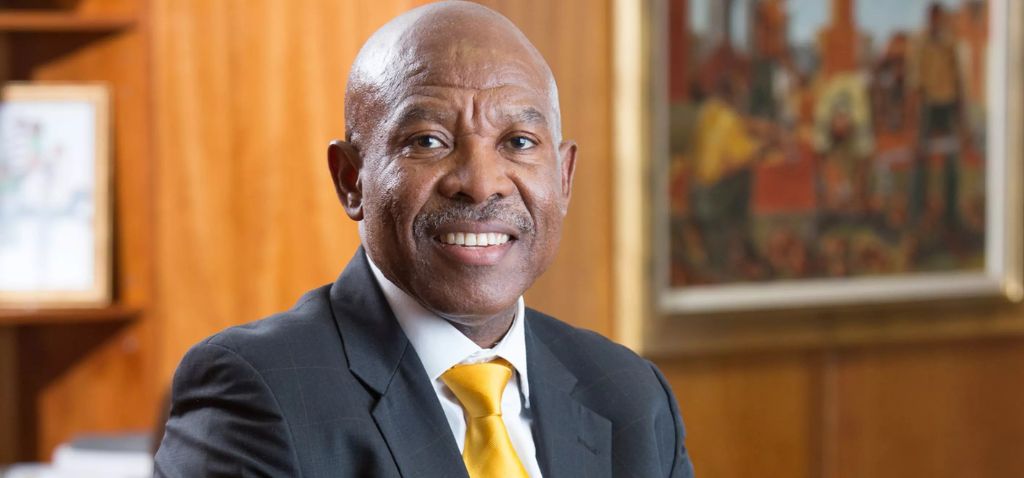
Reserve Bank keeps repo rate at 6.75%

The South African Reserve Bank’s Monetary Policy Committee has kept the repo rate unchanged at 6.75%.

This was announced by Reserve Bank Governor, Lesetja Kganyago on Thursday.

The prime lending rate will also stay steady at 10.25%.

“Two members [of the MPC] favoured a cut of 25 basis points, while four preferred a hold.

“The Quarterly Projection Model continues to forecast gradual rate cuts as inflation subsides. The model interprets the policy stance as moderately restrictive currently, with rates reaching neutral levels during 2027.

“As before, this rate path remains a broad policy guide. Our decisions will continue to be taken on a meeting-by-meeting basis, with careful attention to the outlook, data outcomes, and the balance of risks to the forecast,” he said.

Kganyago added that South Africa’s economic growth “looks steadier”, noting that there has been expansion for four quarters – with available data suggesting that “it grew further in the most recent quarter”.

“This would mark the longest unbroken growth phase since 2018. The main growth driver has been household consumption, up by more than 3% last year, compared to an estimated 1.3% for the overall economy.

“Unfortunately, investment has been weak, contracting during the first half of 2025. However, the third-quarter data showed a rebound. We hope this investment recovery will be sustained, allowing the economy to achieve structurally higher growth.

“Our forecasts continue to show growth moving somewhat higher, approaching 2% over the medium term. We see some upside risks to these projections,” he said.

Inflation came in higher towards the end of 2025 at 3.6% in December but is expected to slow.

“Indeed, our near-term inflation forecast has fallen, with the rand stronger and a lower oil price assumption.

“We are, however, keeping an eye on food inflation, especially meat prices, which are being affected by a serious outbreak of foot and mouth disease. We are also concerned about electricity prices, given that NERSA’s price correction may rise from R54 billion to R76 billion.

“More positively, inflation expectations have fallen, with the latest survey showing longer-term expectations at record lows. We look forward to expectations declining further, as South Africans experience ongoing lower inflation and learn more about the new target,” Kganyago noted.

He described the past year as a “watershed year for the South African economy”.

“Despite a volatile global backdrop, there was significant progress on domestic reforms, including a new inflation target. These efforts have been rewarded with lower borrowing costs, a rapid decline in inflation expectations, and steadier growth.

“It is crucial to sustain this progress. For monetary policy, our main contribution is to deliver on the new target, which means stabilising inflation at 3% over the next few years.

“Further gains in economic performance would come from reaching a prudent public debt level, lowering administered price inflation, and continuing structural reforms that raise potential growth,” Kganyago concluded.

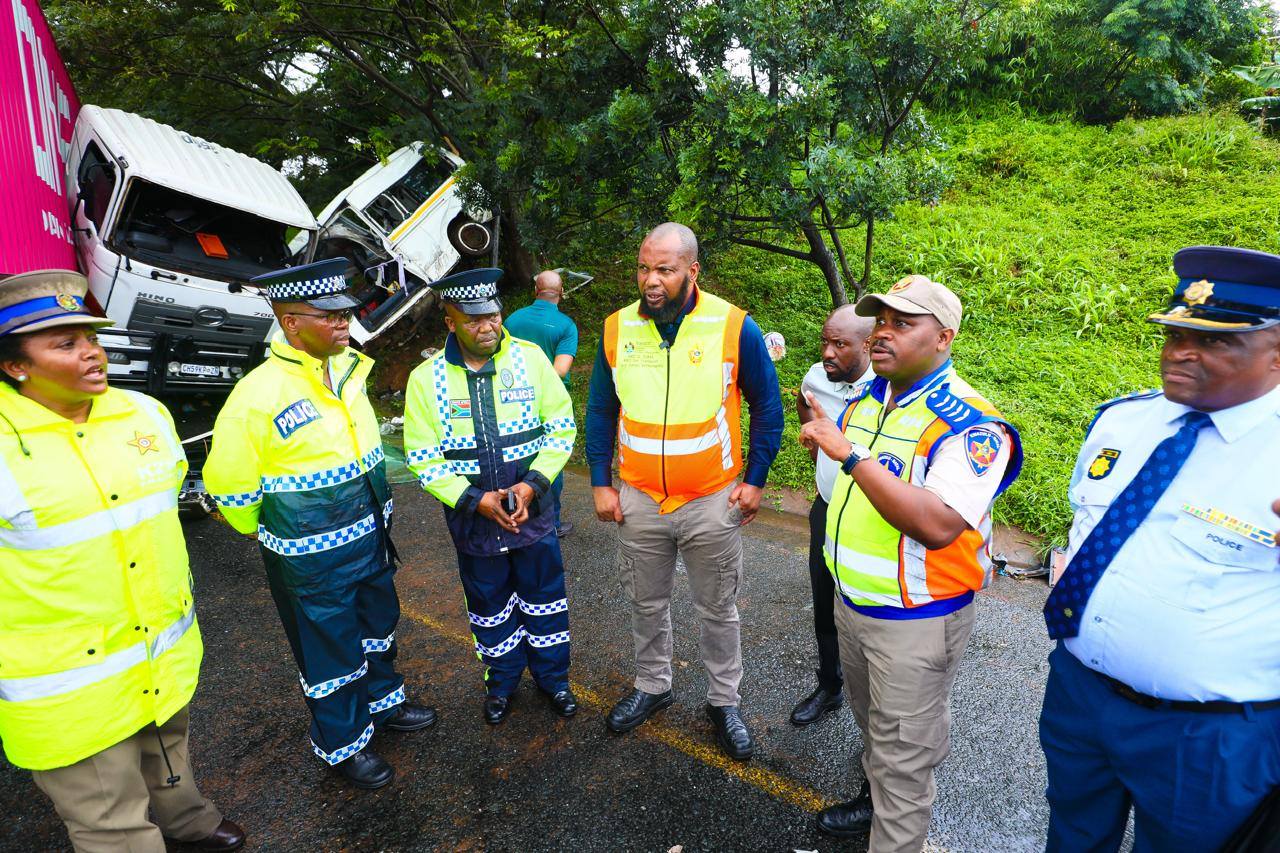
11 perish in accident involving truck and taxi in KZN


The Minister of Transport, Barbara Creecy, and Deputy Minister Mkhuleko Hlengwa have expressed serious concern over the continued rise in road fatalities linked to crashes involving public transport.

This follows the tragic loss of eleven lives in a collision between a truck and a minibus taxi in Durban. The crash occurred at about 8:30 this morning, 29 January 2026, on Wanda Cele Drive in Isipingo.

The collision involved a Toyota minibus taxi and a Hino interlink truck in an angled impact. Eleven people were killed and six others sustained serious injuries. The injured were taken to nearby hospitals for treatment.

KwaZulu-Natal MEC for Transport and Human Settlements, Siboniso Duma, has revealed that the truck involved had worn tyres, the taxi driver’s professional driving permit expired in 2023, and the taxi was overloaded, carrying between 17 and 18 passengers.

The exact cause of the crash is still under investigation.

Minister Creecy and Deputy Minister Hlengwa have instructed the Road Traffic Management Corporation to investigate the incident in cooperation with local authorities.

A preliminary report is expected within 48 hours once the investigation begins.
                                                        

Serious risks posed by unregulated vaccine use – Steenhuizen

The national Foot and Mouth Disease Response Plan - the first comprehensive roadmap to decisively address FMD in South Africa in 30 years - has been developed by a Ministerial Task Team comprising experts from both the public and private sectors, including scientists, veterinarians, and academics.

The roll out of the plan outlines clear immediate, medium- and long-term interventions to combat the disease.

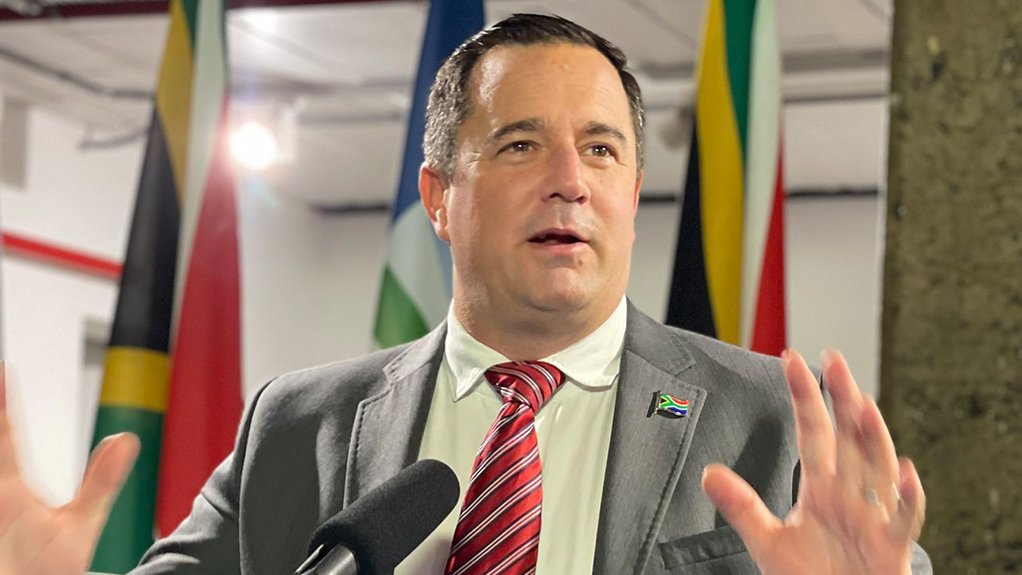
Minister of Agriculture John Steenhuisen said in a statement on Wednesday, the State had already acquired, monitored and administered two million vaccines from the Botswana Vaccine Institute (BVI) to date.

The issuing of permits for private companies to import vaccines, as local agents, has already commenced.
“Import permits for the Dollvet vaccine was issued to Dunevax and an additional import permit to import the Biogénesis Bagó vaccine is imminent,” said the Minister.

The department rejected calls for what it described as a “vaccine free-for-all”, warning that such an approach was reckless and contrary to established international and local disease-control protocols.

The Minister highlighted the recent illegal importation of vaccines into KwaZulu-Natal by certain farmers as an example of the serious risks posed by unregulated vaccine use.

The scientific pathway to restoring South Africa’s FMD-free status with vaccination is clear and guided by international standards set by the World Organisation for Animal Health (WOAH), he said.

“In order to regain the ‘FMD-free status with vaccination’ from the World Organisation for Animal Health (WOAH), South Africa must prove there has been no virus transmission for at least 12 months. This requires a strictly controlled vaccination rollout; official surveillance; strict movement controls and systematic vaccination coverage that is able to be documented and verified,” the Minister said.

Without centralised monitoring and State-led control over the process, Steenhuisen warned that the country risks failing to achieve FMD-free status, causing long-term damage to agricultural exports, and negating the entire strategy of vaccination.

The Minister stressed that the private sector and industry bodies have been included throughout the process, from the initial FMD lekgotla, to participation in the Ministerial Task Team, and now through the FMD Industry Coordination Council. The department has also committed to working with private veterinarians and animal health technicians as the vaccination rollout progresses. 

Over 4 million smart ID cards issued in 2025

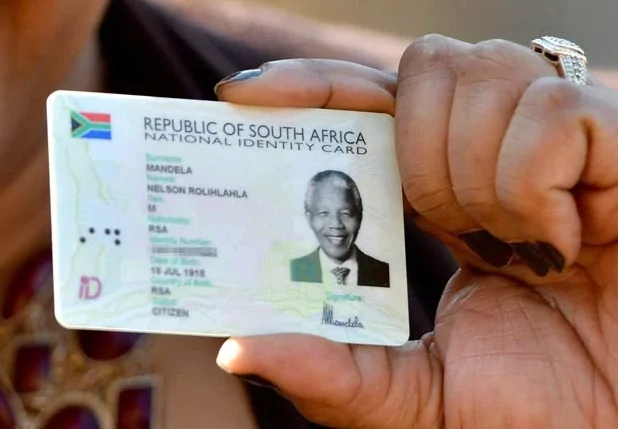
The Department of Home Affairs (DHA) has issued a record 4 002 964 smart ID cards in the 2025 calendar year -- the highest rate of delivery in the history of the department. 

This milestone represents a 17% increase on the 3 427 468 Smart IDs issued during 2024, which was itself a new record at the time. 

The 2025 performance is about 1.3 million more than the number of Smart IDs issued during the 2023 and 2022 calendar years.

This historic breakthrough represents the latest milestone under the department’s vision to deliver Home Affairs @ home through the pursuit of digital transformation.

The focus on technology upgrades and improved efficiencies at both the Department of Home Affairs and Government Printing Works (GPW), which physically produces the smart ID, has led to this improvement.

One of the key upgrades has been the department’s investment in repairing the Online Verification Service (OVS), which was previously underfunded and abused by some external users. 

Correcting this has led to higher uptime and better performance of the population register at Home Affairs offices, directly contributing to giving more South Africans access to smart IDs than ever before.

“The milestone of delivering over four million smart IDs in a calendar year for the very first time demonstrates how our commitment to digital transformation is expanding inclusion and access at a scale never seen before. 

“Smart IDs are vastly more secure than the fraud-prone green barcoded ID book. Thanks to the ongoing digital transformation of Home Affairs, over four million more people gained the ability to securely open a bank account, access employment, and obtain social grants in 2025,” said Home Affairs Minister, Dr Leon Schreiber.

“The accelerated rollout of smart IDs is a cornerstone of the department’s Medium-Term Development Plan targets. The green bar-coded ID book, which the smart ID is intended to replace, has become a soft target for fraudsters and is estimated to be 500% more vulnerable to fraud than the smart ID.”

To further enhance access to smart IDs, the department is currently in the final phase of preparatory work for the rollout of a new digital partnership with South Africa’s banking sector, which will enable even more citizens to access smart IDs at hundreds more bank branches around the country, close to where they live. 

Alleged international scam syndicate members arrested

Some 23 suspected members of an alleged R1 billion international scam syndicate have appeared in the Johannesburg Commercial Crimes Court on charges of contravention of the Financial Advisory and Intermediary Services Act (FAIS Act).

The suspects were arrested in Gauteng this week, in a multi-agency operation, led by the Directorate for Priority Crime Investigation (DPCI), also known as the Hawks.

“The arrests were the culmination of prosecutorial, internationally coordinated investigations conducted by the DPCI, the South African Police Service Crime Intelligence, the Financial Intelligence Centre, the United Kingdom National Crime Agency, the United States Department of Homeland Security Service, Australian IFW and CyberTrace investigation companies, working closely with South Africa’s private investigation company, IRS,” National Prosecuting Authority (NPA) Gauteng spokesperson Phindi Mjonondwane revealed.

They are alleged to have “operated call centres that provided financial services, despite not being registered as financial advisers or as representatives of the Financial Sector Conduct Authority”.

“The State alleges that more than 40 unsuspecting victims from abroad, including the United States of America, Australia, New Zealand, and the United Kingdom, were scammed into investing more than R1 billion in what they believed to be legitimate investment opportunities.

“It is further alleged that some of these funds were used to sustain the operations of the call centres,” Mjonondwane continued.

The case was postponed to next month for the bail hearing.

“The NPA, working with its partners, continues to make significant strides in tackling and dismantling organised criminal networks.

“The complex and deeply embedded scourge of organised crime continues to plague the country; however, law enforcement agencies remain equipped and committed to dealing effectively with such crimes,” she said.

Foot-and-Mouth Disease Poses Major Threat as Southern Cape Farmers Step Up Biosecurity

The outbreak of foot-and-mouth disease (FMD) remains one of the most serious threats facing South African agriculture and the broader economy. Industry leaders argue that the scale of the current risk could have been significantly reduced if faster, more coordinated national response measures had been implemented earlier.

While several parts of the country have reported cases of the highly contagious disease, the Southern Cape has to date remained free of confirmed infections.

Despite this, cattle and dairy farmers across the region are taking proactive steps to protect their herds.

“Especially along the coastal plateau there are vast numbers of cattle in the Garden Route, and agriculture is a cornerstone of the regional economy,” says GREF convener Cobus Meiring.

“The absence of cases here does not mean we must relax. On the contrary, it means prevention is absolutely critical.”

Farmers are currently implementing a range of biosecurity measures to reduce the risk of it rapidly spreading through the Garden Route. These include restricting farm access, disinfecting vehicles and equipment, limiting the movement of livestock, and closely monitoring animals for early signs of infection. Many producers have also increased record-keeping around animal movements and are engaging more frequently with veterinarians.

One of the biggest concerns remains the movement of unmonitored or undocumented herds between regions. “Uncontrolled movement is always a major risk factor,” Meiring explains. “Even a single breach can have devastating consequences.”

While current efforts are widely supported, questions remain about whether more could be done.

Improved enforcement of movement controls, faster information sharing between authorities and farmers, and greater consistency in biosecurity protocols across provinces have all been highlighted as areas needing attention.

“We can only prepare as best we can and ensure that all reasonable safety precautions are firmly in place,” says Meiring. “But this requires collective discipline.”

The plea from industry leaders is clear: all stakeholders, including commercial farmers and smallholders to transporters and regulators must strictly adhere to established protocols to prevent the spread of the disease.

The Garden Route Environmental Forum (GREF) serves as a public platform for landowners and environmental managers and operates as a climate change think tank. In the context of FMD, the organisation is emphasising the importance of shared responsibility in safeguarding both food security and regional livelihoods.

SA welcomes record 10.48 million visitors in 2025

Tourism Minister Patricia de Lille has reaffirmed that tourism is a key driver of economic growth, investment and job creation in South Africa. 

Between January and December 2025, South Africa welcomed 10.48 million international arrivals, a 17.6% increase compared to 2024 and the highest number of arrivals on record.

This confirms tourism’s growing contribution to the economy, said the Minister who was addressing the media in Pretoria yesterday.

“This is not coincidence. It is the result of deliberate policy choices, focused implementation and strong collaboration between government and the private sector,” De Lille said.

Last year, Cabinet endorsed the Tourism Growth Partnership Plan, a product of deep collaboration between government and industry being led by the South African Tourism Business Council.

“Home Affairs plans to roll out the Electronic Travel Authorisation system, beginning with key source markets, including India, China, Mexico and Indonesia, following its successful pilot during the G20 Summit. 

“With the full rollout of the Electronic Travel Authorisation system, we project the creation of between 80 000 and 100 000 additional jobs. That is transformative,” the Minister said.

She welcomed new direct flights to and from the country, including Qantas’ direct flight from Perth to Johannesburg, the return of Air France’s daily seasonal service to Cape Town, SAA’s new Cape Town - Mauritius route and expanded domestic connectivity including FlySafair’s Hoedspruit - Cape Town service.

“These routes are unlocking demand and dispersing tourism across the country,” the Minister said.  

She congratulated the KwaZulu-Natal province for turning the corner, as Durban welcomed a record-breaking 1.2 million visitors during the past festive season.

“The Free State’s Kgodumodumo Dinosaur Interpretive Centre, developed through a R120 million partnership between the Department of Tourism, the European Union and SANParks, has welcomed over 80 000 visitors and generated more than R1 million in revenue since opening.

“The private sector has established a crime call centre linked to the Secura App, enabling rapid emergency response. During the festive season, 1500 tourism monitors were deployed nationally, including more than 400 supporting the Border Management Authority,” the Minister said.

South Africa’s global competitiveness was further recognised when the country was named Best Destination: Africa 2025, by the Travel Weekly Reader’s Choice Awards.
error: eRadio is protected !
Scroll to Top