Power Restoration to Begin in Nelson Mandela Bay

The Nelson Mandela Bay Metro says it will begin restoring electricity to areas that have been without power for days from two o’clock this afternoon.

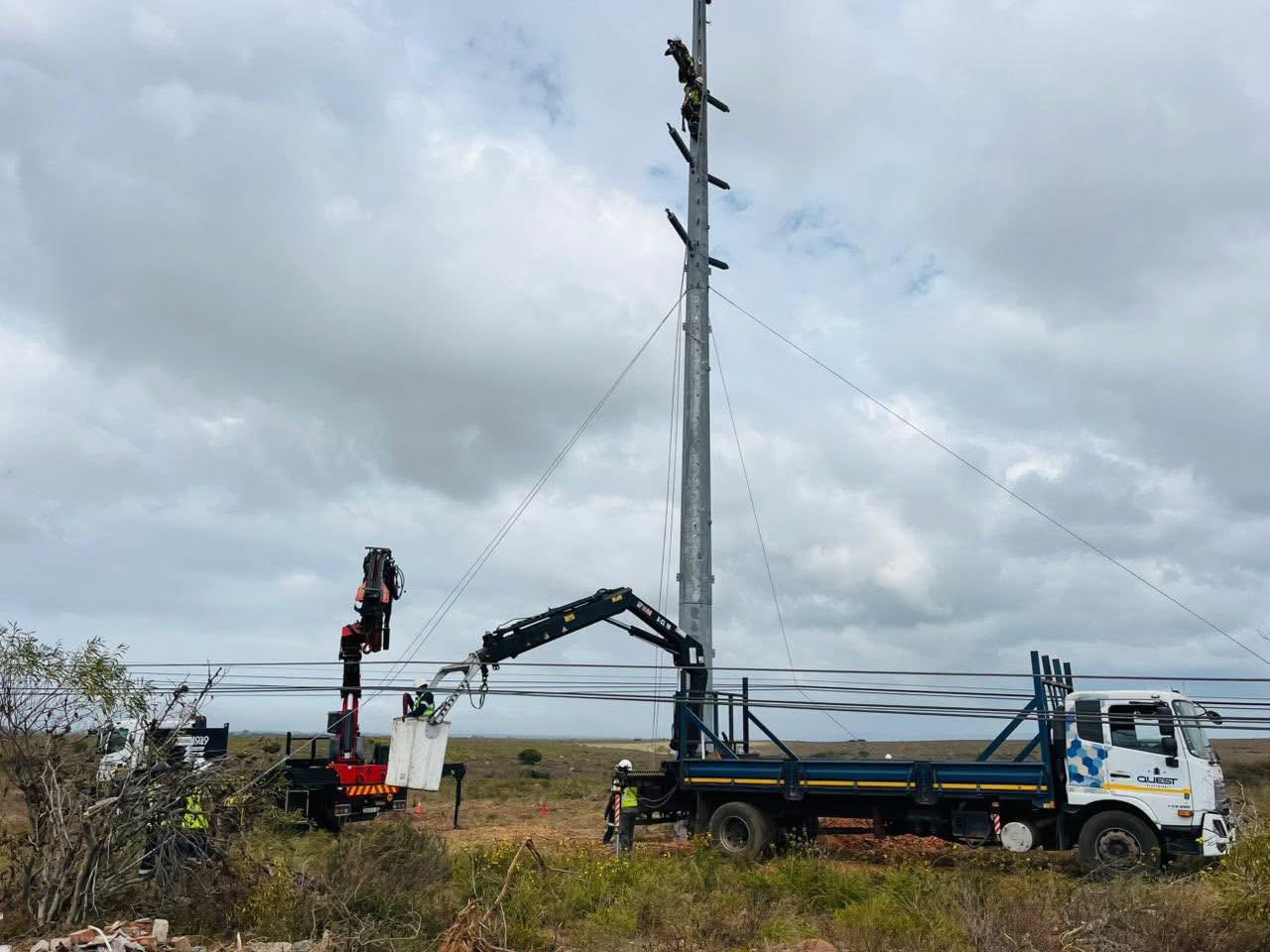
The Electricity and Energy Directorate, together with the appointed specialist service provider, has completed all major construction work. Testing has been concluded successfully, confirming the integrity, safety and operational readiness of the network.

From 14:00, the Municipality will begin the phased energisation and balancing of the electricity network. Residents are advised that it will take several hours for electricity supply to be restored across all affected areas, as power is introduced gradually to ensure system stability and to prevent overloads or further faults.

Electricity has already been restored to some areas, including Seaview, Tembani and Greenbushes Industrial, with remaining areas expected to follow progressively during the course of the afternoon and evening.

To ensure a safe and stable restoration of electricity, all residents and businesses in affected areas are urgently requested to do the following before supply is restored:

1. Disconnect all generators from internal wiring and the municipal supply.
2. Switch off swimming pool pumps.
3. Switch off geysers.
4. Switch off electric stoves.
5. Switch off all non-essential electrical equipment
6. These actions are critical to prevent network overloads, protect appliances, and ensure the safe re-energisation of the electricity system.

Once electricity supply has been restored and stabilised, customers are advised to gradually reconnect appliances, starting with essential equipment only.

Residents are also urged to remain vigilant and to immediately report any suspicious activity, vandalism or tampering near substations or electricity infrastructure.

Report suspicious activity to 041 506 5595

Community cooperation is essential in protecting critical infrastructure and preventing future disruptions. Executive Mayor, Cllr Babalwa Lobishe, thanked residents and businesses for their patience and cooperation, "Our teams have worked around the clock under challenging conditions to restore this critical infrastructure. Electricity restoration will begin at 14:00 today, and we ask residents to allow time for the phased process to be completed safely across all areas,” said Executive Mayor Lobishe.

The Municipality reiterates that electricity restoration is a key enabler for the stabilisation of water supply, as pump stations and treatment works rely on consistent power.

Residents are advised that brief interruptions may occur during the balancing process. These are expected and form part of a controlled and safe restoration.

The Metro had initially estimated that repairs would take 14 days. Power supply has been disrupted since two electricity pylons collapsed due to gale-force winds last Thursday.

The process is expected to continue until tonight
Reopening of gates and facilities in Kruger National Park

Following improved weather conditions in the Limpopo and Mpumalanga Provinces including areas in the Kruger National Park (KNP) and ongoing safety assessments, Overnight Visitors are now permitted to access the Park through Phalaborwa Gate as of 26 January as well as Phabeni Gate as of today, 27 January 2026. Guests will use S3 and S4 to connect to Pretoriuskop and Skukuza.

Bateleur Bush Camp will re-open on Wednesday, 28 January. The shops in the north of the park will reopen as follows: Punda Maria shop on 26 January, Shingwedzi and Mopani Shops on 28 January and Letaba Shop on 30 January. Mopani Rest Camp will re-open on Friday, 30 January 2026, except for the restaurant and swimming pool. Letaba and Shingwedzi Rest Camps including Pafuri Border Post remain inaccessible and closed.

For Marula Region, Biyamiti and Talamati Bush Camps remain closed whilst Satara Rest Camp and N’wanetsi Picnic Spot are open. Orpen Gate is still inaccessible and may only be used by overnight guests, emergency services and essential deliveries. Guests going to Orpen are advised to be on the look out on R40 around Dwarsloop as there are reports of protests on that road.

SANParks strongly urges visitors not to remove barricades or attempt to access closed roads, as these measures are in place to ensure visitor safety and to allow for continued infrastructure assessment and recovery work.

Gravel roads remain closed until further notice. The situation across the park continues to be monitored, and access restrictions will be reviewed as conditions improve and repairs progress. Further updates will be communicated through official SANParks channels.

SANParks thanks all visitors for their cooperation and understanding during this recovery period.

Van Heerden Murder Case Update

The man accused of killing former detective Anneke (Nicky) van Heerden will not, at this stage, undergo psychiatric evaluation.

Bevan van Druten, a 53-year-old Sedgefield artist, appeared briefly in the Plettenberg Bay Magistrate’s Court on Monday on a charge of murder. Family and friends gathered outside court, many wearing black, holding up posters in protest of van Druten's bail.

Van Heerden, 54, also known as Nicky or Alaska, was found late on 18 January 2026 in the Keurboomstrand area with serious injuries beside a vehicle believed to belong to the accused. She lived in Knysna.

Paramedics declared her dead at the scene.

The matter has been postponed to Thursday, when Van Druten is expected to apply for bail.


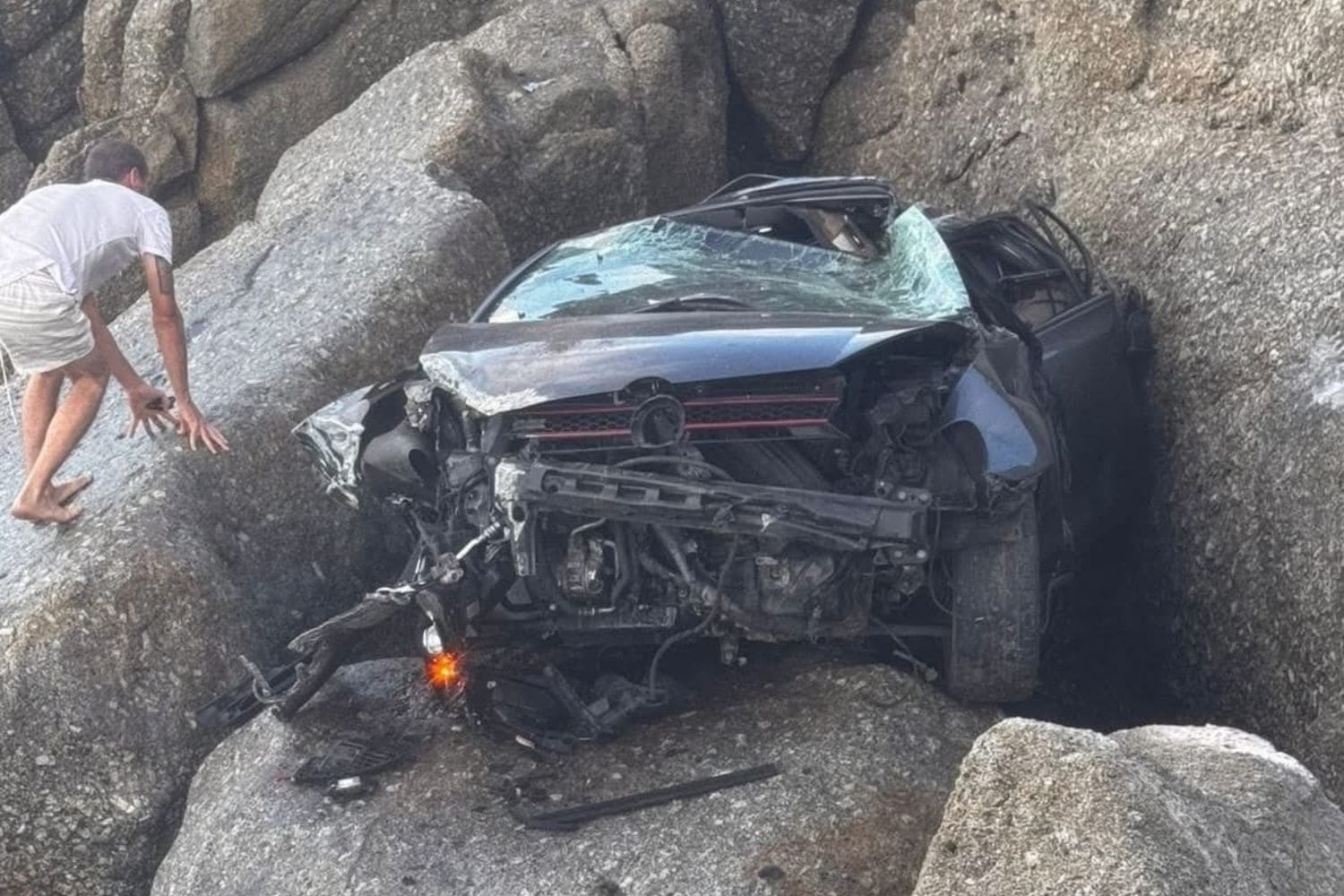
Car plunges down Chapman’s Peak – driver to be charged

The motorist whose vehicle went over the edge of Chapman’s Peak Drive and crashed onto rocks about 100 metres below will face criminal charges, despite surviving the dramatic incident.

The crash happened on Sunday morning shortly after 9am on the Noordhoek side of the scenic coastal route in the Western Cape. The vehicle, believed to be a VW Golf GTI, veered off the roadway on the seaside edge and plunged down the cliff face.

Emergency services rushed to the scene and the road was closed for several hours while rescue operations were carried out. One occupant was removed from the wreckage and transported to hospital, while another person was treated on site. Both escaped with injuries that were not considered life-threatening.

Western Cape police spokesperson Sergeant Wesley Twigg confirmed that Fish Hoek police have opened a case of reckless and negligent driving.

“Preliminary information indicates that the driver lost control of the vehicle before leaving the road,” Twigg said. “The driver sustained injuries and was taken to a medical facility for treatment. The matter is under investigation.”

Police have appealed to anyone with information related to the crash to contact Crime Stop on 08600 10111 or to submit tips anonymously via the MySAPS mobile application.

Chapman’s Peak Drive has a long history of serious and sometimes fatal accidents. In April 2021, a cyclist survived a 30-metre fall after crashing along the same route and was rescued by Wilderness Search and Rescue using a helicopter. Paramedics stabilised him before he was airlifted to safety.

Just a month earlier, a woman died and her companion was critically injured when their car plunged roughly 200 metres off the mountain pass.

One of the most well-known incidents dates back to 1988, when Christopher White survived after his Mercedes-Benz fell about 100 metres onto the rocks below - an accident that has since become part of Chapman’s Peak lore.

Authorities continue to warn motorists to exercise extreme caution when travelling along the iconic but dangerous road.

Power grid stability continues to support economic activity

Eskom has entered 2026 with a markedly stronger and more stable power system than in the previous five years, supporting the country’s return to work and continued economic activity.

“This recovery reflects the sustained impact of Eskom’s Generation Recovery Plan, which continues to strengthen operations and reinforce long‑term energy security. Eskom’s power system remains stable, strengthened by increasing plant availability and sustained reduction in unplanned outages,” the power utility said.

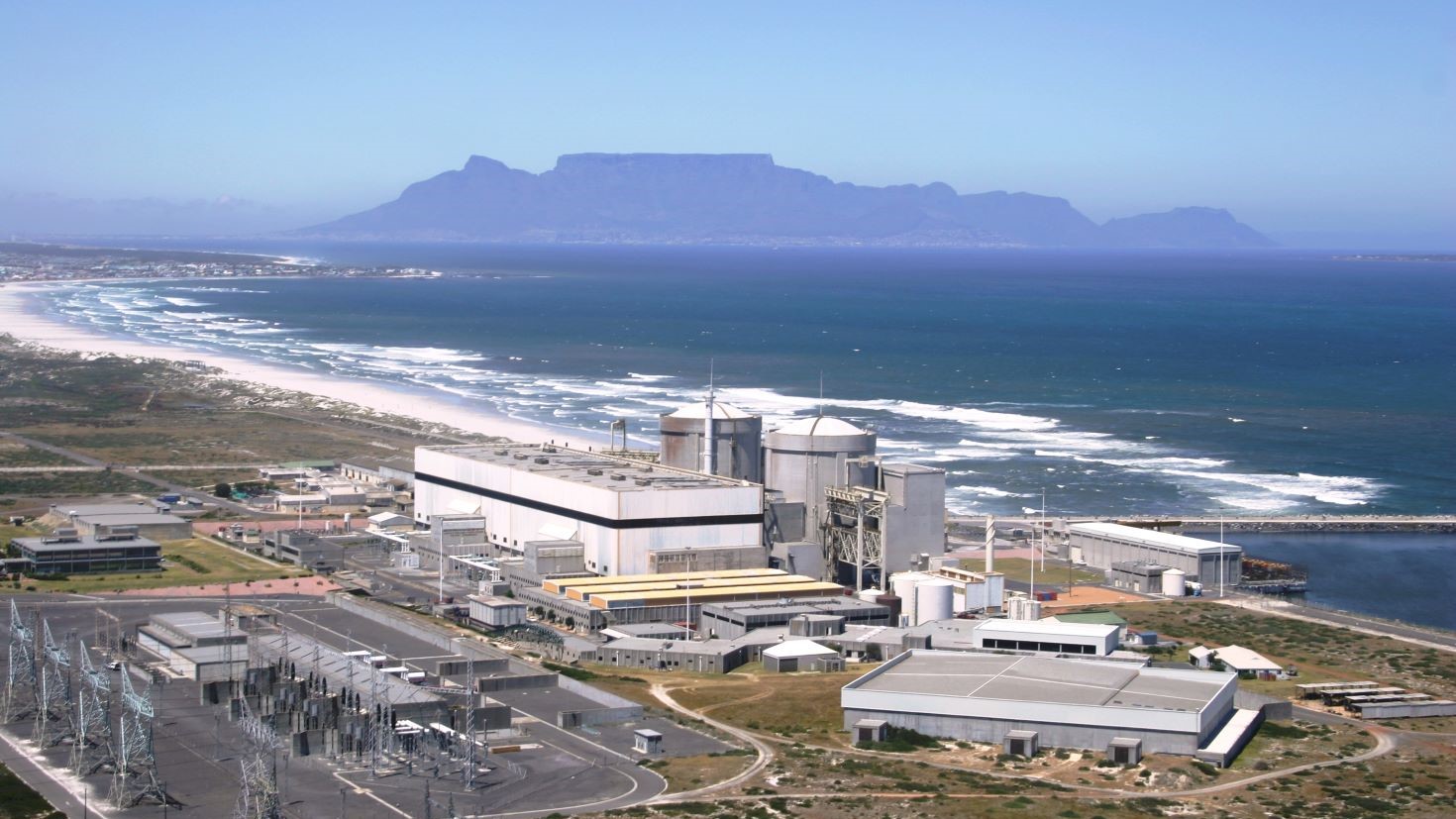
Eskom said after the clearance of the 132kV line fault on Tuesday, which necessitated both Koeberg Nuclear Power Station units to operate at reduced capacity, the units have been ramped up to full capacity, producing maximum official capacity of 941MW and 950MW for Unit 1 and Unit 2 respectively. 

“Eskom reassures the public that operations remain safe, secure, and fully compliant with nuclear safety standards, ensuring a reliable electricity supply.

“The Energy Availability Factor (EAF) further increased to 64.79% year to date, underscoring the progress made in restoring reliability and enhancing system stability. The fleet has now achieved or exceeded the 70% EAF mark on 55 occasions (un-audited figures).

“The improvements in EAF demonstrate both recovery and sustained improvement in EAF performance, reinforcing energy security and grid stability. This performance confirms sustained recovery and reinforces confidence in the stability and security of the national electricity supply,” Eskom said.

Between 16 and 22 January 2026, average unplanned outages decreased to 8 067MW from last year’s level at this time of 13 390MW. 

This represents a significant improvement of 5 323MW.

“Over the same period, the Unplanned Capacity Loss Factor (UCLF) reduced to 16.63%, a significant improvement of 11.26% compared to 27.89% recorded during the same period last year.

“During the same period, Eskom’s Planned Capacity Loss Factor (PCLF) - essentially planned maintenance-averaged 12.64%, compared to 13.16% in the previous financial year,” Eskom said.

This reduction is consistent with Eskom’s maintenance schedule and reflects its strategy to enhance plant reliability, strengthen operational stability, and support long‑term fleet performance.

“The reduced maintenance requirements are the result of the intensive maintenance programme implemented last year, which exceeded historical levels over the past three years and focused on restoring fleet reliability.

“The benefits of this approach are already evident in the continued decline of unplanned outages. The ongoing improvement in EAF has greatly reduced Eskom’s reliance on expensive diesel generation, enabling a stronger focus on more cost‑effective primary energy sources,” Eskom said.

In addition, 9 041MW is currently in cold reserve due to excess capacity.

For a fifth consecutive week, no diesel was used, resulting in zero expenditure over the past four weeks. 

“Diesel spending is now R3.63 billion lower than the same time last year. This continued reduction demonstrates both the cost savings and the operational improvements achieved through Eskom’s ongoing turnaround efforts. Overall, this positive trend highlights the growing stability and efficiency of the power system.

“Year-to-date, diesel expenditure remains consistently below budget. South Africa has now experienced 252 consecutive days without an interrupted supply, with only 26 hours of load shedding recorded in April and May 2025 during this financial year,” Eskom said.

To further ensure a stable electricity supply, Eskom will bring 2 320MW of generation capacity online ahead of the evening peak on Monday, 26 January 2026. 

Evening peak demand is forecast at 22 601MW, with 27 532MW of available capacity, providing a healthy reserve margin above current demand.

Eskom published the Summer Outlook on 5 September 2025, covering the period 1 September 2025 to 31 March 2026, which projects no load shedding due to sustained improvements in plant performance from the Generation Recovery Plan.

2025/26 fire season one of the most severe in a decade

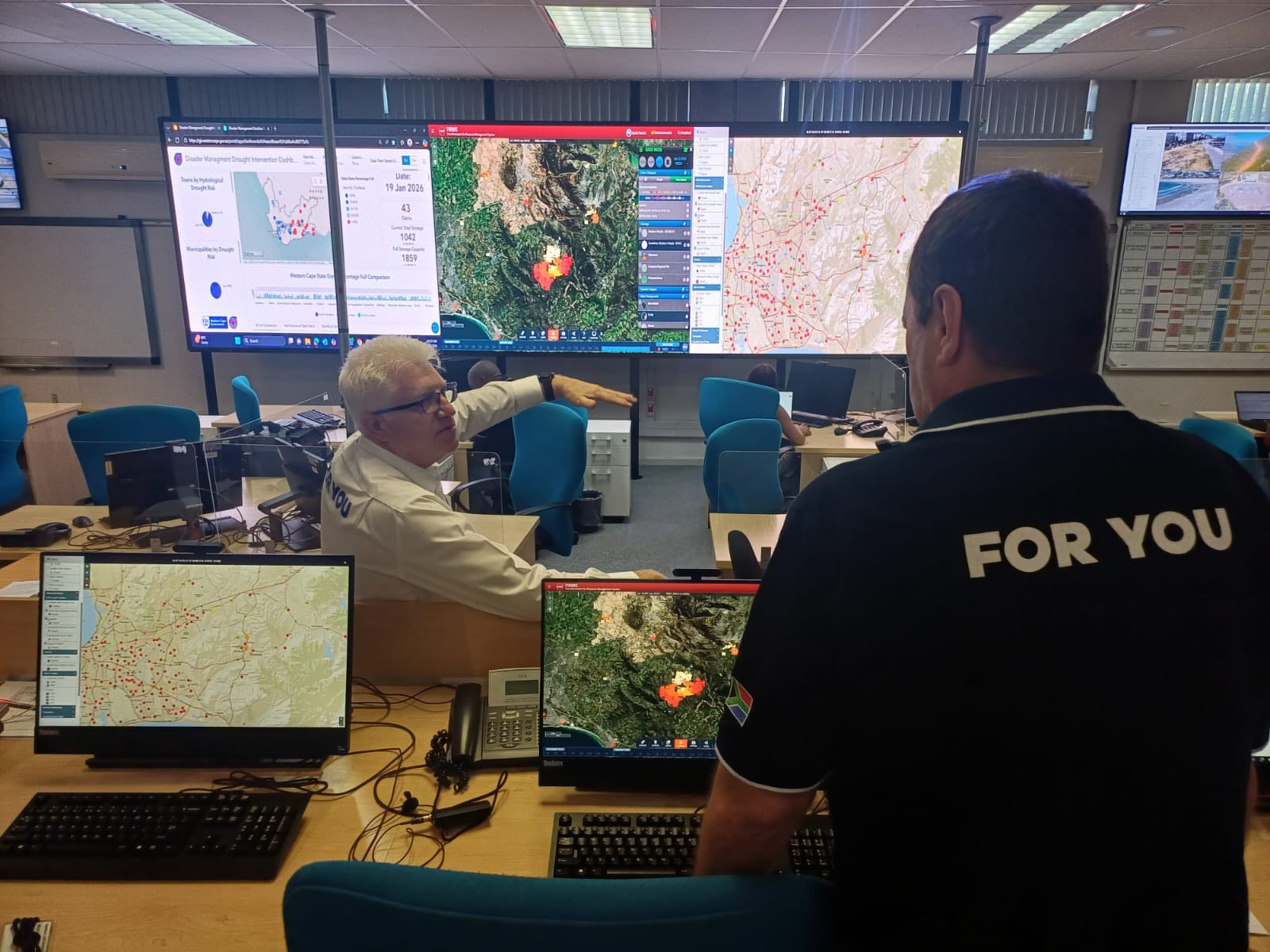
Premier Alan Winde today led a briefing to provide updates on the efforts of the Western Cape Government and its partners in tackling the ongoing wildfires ravaging parts of the province and the water security challenges impacting several municipalities.

The Premier confirmed that the 2025/26 fire season has been one of the most severe in a decade. To date, approximately 132 000 hectares of land has burned, making this the worst fire season since 2015. Multiple structures across the province have been destroyed, and a huge wildlife death toll. However, there have been no human fatalities, a testament to the coordinated efforts of emergency services and disaster management teams.

“When tackling disasters such as this, our sole priority is to protect lives and as far as possible infrastructure, including homes. It is deeply unfortunate that structures have been destroyed. But our main priority is ensuring public safety,” Premier Winde stated.

This fire season has recorded double the number of fires compared to the same period under review in the previous season, placing immense pressure on firefighting resources across the province.

Between 1 December 2025 and 11 January 2026, more than R19 million has been spent by the Western Cape Government on firefighting operations. Of this amount, R16 million was allocated to aerial firefighting resources, which have been critical in containing fires in hard-to-reach areas and protecting communities. Local Governments have probably spent triple that amount in funding their firefighting operations. The provincial government picks up the tab for the first hour of aerial firefighting.

"90% of fires are put out in the first hour. We are also keeping a close eye on the agriculture sector and will engage separately with stakeholders to address concerns from farmers and other role players.

Disaster declarations allow us to move budgets between departments so that we can bolster municipal firefighting operations, water infrastructure, and supply".

The firefighting response has involved more than 1 600 municipal firefighters, supported by an additional 1 000 Working on Fire personnel, who continue to work tirelessly under challenging conditions to contain blazes and safeguard lives, property, and critical infrastructure.

Premier Winde reiterated the province’s commitment to strengthening disaster response capabilities and urged residents to remain vigilant, comply with fire restrictions, and report any signs of fire immediately, while the provincial government continues to address both fire risks and ongoing water security challenges across affected municipalities.

First provincial Cabinet meeting of 2026 focuses on disaster response
Yesterday, Premier Winde chaired the first meeting of the Western Cape Government’s Cabinet for 2026.

“It has already been a challenging start to 2026. Ongoing violent crime, along with the wildfires and the water situation in some regions, are grim reminders that we dare not let our guard down, and as we enter a new year, we must continue to act with urgency to get things done,” he said as he opened the meeting.

Western Cape Government’s response to wildfires
While the combined response by the Western Cape Government and numerous stakeholders to the fires has been world-class, the severity and magnitude of the current fire season warrant it being classified as a provincial disaster.

Cabinet has requested a provincial disaster declaration from the National Disaster Management Centre (NDMC), in accordance with Section 23 of the Disaster Management Act. This will allow the provincial government to access emergency funding and to focus resources

For several months, the Western Cape has been experiencing severe fires due to the persistent hot, dry, and windy conditions across much of the province.

Cabinet noted with concern resource limitations by the provincial Department of Local Government, Environmental Affairs and Development Planning, as well as district municipalities in affected areas. 
Projections indicate that the current fire season could extend into May 2026.

Western Cape Government’s response to Southern Cape drought
Cabinet also supported the request for a Provincial Disaster Declaration to the NDMC to sustain the ongoing response to the water security challenges across several regions.

A number of municipalities in the province are experiencing water security challenges, which require a coordinated response led by the provincial Department of Local Government, Environmental Affairs and Development Planning.

The Premier stated, “The request for a Provincial Disaster Classification is a preventative and risk management measure. It allows us to strengthen governance and sustain a coordinated response, desperately needed to mitigate the impact on residents, the economy, and infrastructure.”

While the Knysna Municipality is currently the hardest hit, a number of other municipalities are also affected. “This issue has become more widespread. We must escalate our responses,” added the Premier.

A disaster classification is a formal administrative determination by the NDMC to assess the severity and geographical spread of a disaster to determine which sphere of government is best placed to manage the situation within existing legislative mandates and resources.

Water restrictions are already in place in multiple municipalities.

The Premier stressed that while efforts to address natural and manmade disasters must be continuously scaled up, the Western Cape Government must also maintain its focus on programmes that mitigate the impact of the climate crisis.

Calls for Disaster Declaration on crime
Cabinet noted calls for a disaster declaration on crime. 

This matter is receiving urgent attention. Crime prevention and law enforcement are national competencies, so this decision rests with national government.  The Premier will be engaging with acting Minister of Police, Professor Firoz Cachalia, early next month, and the Minister of Cooperative Governance and Traditional Affairs, Velenkosini Hlabisa, where this matter will be discussed. 

Cabinet expressed its deep gratitude to all emergency services personnel and stakeholders who worked tirelessly over the past festive period.

“Whether it was on the province’s roads, in our communities, at tourist attractions, or out in areas impacted by wildfires, we all stepped up to get the job done. Our traffic officials, healthcare workers, paramedics, firefighters, and disaster management teams continue to place themselves on the front line every day to protect lives, maintain order, and care for those in need. Your courage, professionalism, and commitment, often under extremely difficult and dangerous circumstances, do not go unnoticed. The Western Cape is safer and stronger because of you,” the Premier concluded
.

Industry council appointed to strengthen Foot-and-Mouth disease (FMD) response

Agriculture Minister John Steenhuisen has formally appointed the Foot-and-Mouth disease (FMD) Industry Coordination Council to support the implementation of South Africa’s national strategy to contain and control the disease.

The appointment follows last week’s announcement of the national FMD strategy to contain and control foot-and-mouth disease.

The council aims to ensure that the industry plays an active and coordinated role in supporting the phased rollout of the FMD strategy, including vaccine distribution, traceability systems and disease-control readiness.

Steenhuisen said the council will engage directly with him and its input will be taken seriously.

“Government cannot do this alone. We need the full strength of the private sector, farmers and veterinarians collaborating with us. We now have a roadmap and I am accountable for its delivery. If we stay focused and work together, I believe we can restore FMD-free status in less than 10 years,” the Minister said in a statement.

The council will form one part of a triangular partnership comprising the:
•    Department of Agriculture - responsible for policy, regulatory support and resourcing;
•    Technical and Scientific Task Team - offering scientific, veterinary and epidemiological expertise, and
•    FMD Industry Coordination Council - providing operational insight, strategic guidance and unified industry input.

To ensure a coordinated approach with industry, Steenhuisen has issued a directive assigning the council the role of aligning industry efforts with national FMD control measures.

This includes establishing and operating an industry coordination mechanism to mobilise sector actions; consolidating industry situational information; coordinating industry communication, and supporting implementation readiness for traceability and audit-ready record-keeping required for animal movement compliance and compartmentalised operations.

The council will also facilitate non-statutory logistical support, including training, awareness initiatives and implementation monitoring, and will engage regularly with both the department and the Technical and Scientific Task Team to ensure alignment between policy, implementation and veterinary oversight.

The council’s members have committed to a collective outcome that serves both the industry and national interests.

The members are Johann Kotzé, Bennie van Zyl, Theo Boshoff, Frikkie Maré, Fanie Ferreira, Marlene Louw, Bongani Msimang, Kobus Bester and Dewald Olivier.

The council has begun its work this week, with its first formal meeting focused on aligning priorities and consolidating industry input. Weekly engagements will follow to maintain momentum, support structured monitoring and ensure consistent progress.

Steenhuisen said the regular meetings will strengthen the council’s ability to present coherent, unified recommendations to government and the Technical and Scientific Task Team.

The council has also requested an urgent meeting with the Technical and Scientific Task Team to review the national plan and ensure operational alignment across industry and government structures, a step seen as critical to refining the roadmap ahead of intensified implementation.

“With aligned structures, consistent communication and disciplined collaboration, South Africa is better positioned to restore its FMD-free status and strengthen the resilience of the livestock sector,” the Minister said.

The council has welcomed the Minister’s commitment and willingness to work closely with industry, noting this engagement reflects a coordinated, accountable and technically informed approach to implementation.

Call for urgent action to improve scholar transport safety

President Cyril Ramaphosa has called for urgent and coordinated action to improve scholar transport safety following a tragic accident that claimed the lives of pupils travelling to school in Vanderbijlpark earlier this week. 

Speaking to the media on the sidelines of the 2026 Basic Education Sector Lekgotla in Ekurhuleni, Gauteng, on Wednesday, the President said the loss of young lives has deeply affected the nation. 

“We are immensely and deeply pained, and I'm glad that the Minister [of Basic Education] went to visit the families of the children. There's nothing as painful as having to deal with the death of your prized possession -- your child. [They] are still young, and you have to bury [them],” he said. 

President Ramaphosa said the visit by Basic Education Minister Siviwe Gwarube was important to convey all of government’s compassion for the affected families. 

He said the tragedy had once again brought into sharp focus the challenges around scholar transport.
The President reflected on how other countries manage learner transport and contrasted it with South Africa’s current system.

“In other countries, there are these wonderful buses that are clearly written 'school bus', where a number of children get in and they travel, not at breakneck speeds. The drivers are well trained, and we have inherited a system where there has been no real public transport for children to attend school. The taxi system then integrated itself in transporting children, and it's been good, because we have been able to transport children to school,” President Ramaphosa said. 

He said government needs to engage closely with all role players to improve safety.

President Ramaphosa highlighted government’s efforts to expand scholar transport, particularly in rural areas and townships.

“One of the things we've done is to offer scholar transport to children in the rural areas and in the townships... I used to walk five kilometres every day to go to school and today we try to make the burden of going to school lighter on our children,” the President said. 

He said while progress has been made, risks remain.

“I'm going to be directing the Minister and... all other [relevant Ministers] to look at how we can save the lives of our children.

“Our children are the future, and they are the most prized possession that we have as a nation,” he said. 
While delivering his address earlier at the Lekgotla, President Ramaphosa said the tragedy underscored the need for urgent action to ensure learner safety.

“We cannot accept that young lives are put at risk as they seek the growth and enrichment that an education provides. We cannot let this tragedy pass. We need to act now and we need to act together to ensure that scholar transport is safe and reliable,” the President said. 

National disaster declaration
Responding to questions on the classification of a National Disaster following severe weather and widespread flooding, President Ramaphosa said government systems have been activated.

He said government’s integrated approach enabled a swift response.

“With the integration that I have enforced and engendered, we're able to get government departments working together. As soon as something like this happens, we get together various departments, and they... come up with plans.

“They are discussed, adopted, activated and money is made available. We then do remedial work to deal with the disaster damage,” President Ramaphosa said. 

World Economic Forum 
On his absence from the World Economic Forum taking place in Davos, the President said domestic priorities, including preparations for the Cabinet Lekgotla and the State of the Nation Address, had taken precedence, but South Africa was well represented.

"I have a very strong team. The Ministers of Finance, Trade, Industry and Competition, Tourism and Electricity are all there. They are a solid team,” the President said.

Koeberg Nuclear Power Station operating safely, says Eskom

Eskom has moved to assure the public and stakeholders that Koeberg Nuclear Power Station continues to operate safely and securely.

This after the power utility reduced the station’s two units from full power to 100MW each following a fault on the 132kV transmission lines Pinotage transmission substation near Stellenbosch.

“Eskom confirms that this was an expected response under such circumstances, designed to protect the integrity of the power station and the national grid.

“Eskom further confirms that both nuclear reactors were not affected by this incident. The National Nuclear Regulator has been duly informed of the incident,” the power utility said.

The reduction did not impact the stability of the power system.

“Importantly, there is no risk of loadshedding due to adequate national generation reserves and the National Transmission Company South Africa has given approval for Koeberg Nuclear Power Station to begin increasing the power output of both units.

“Eskom assures the public and stakeholders that Koeberg Nuclear Power Station continues to operate safely and securely, and that all necessary regulatory and operational protocols are being followed,” Eskom said.

Public called to share ideas for 2026 Budget

The Minister of Finance, Enoch Godongwana, has encouraged South Africans to share their suggestions on the 2026 Budget. 

The National Budget seeks to maintain a balance between South Africa’s fiscal framework, fund the priorities of the seventh administration, while mitigating the funding requirements impact on the poor and the middle-income household.

It aims to strike a balance between growing the economy and supporting the vulnerable amid limited resources. 

The Minister will deliver the National Budget Speech on 25 February 2026, where he will outline all the financial, economic and social commitments government will prioritise in its planned expenditure.

People may submit views on government spending priorities; addressing a large budget deficit; stabilising State-owned entity finances; energy and water investments; tax policies; debt sustainability; municipal finances and any other economy-related topics.

“Minister Godongwana looks forward to your contributions,” National Treasury said on Tuesday.
Submissions can be sent to National Treasury using this link for Budget Tips.

The public is advised to keep contributions concise and to the point, not longer than 300 words.
error: eRadio is protected !
Scroll to Top