SAPS urges parents, scholar transport drivers and motorists to prioritise children’s safety

As schools reopen, the SAPS urges parents, scholar transport drivers and motorists to put the safety of our children first. Too many young lives are lost every year due to road accidents involving scholar transport. This can and must be prevented.

Scholar transport drivers are urged to:
1. Ensure vehicles are roadworthy, licensed and in good mechanical condition
2. Obey speed limits and all traffic laws at all times
3. Never overload vehicles or allow learners to stand
4. Ensure all learners are seated before moving
5. Avoid using a cellphone while driving
6. Do not drive under the influence of alcohol or any substance
7. Pick up and drop off learners at safe, visible points
8. Always drive patiently and defensively

Parents and guardians are urged to:
1. Use only registered and trusted scholar transport services
2. Check that the vehicle is roadworthy and not overloaded
3. Teach children to sit properly and not distract the driver
4. Ensure children arrive on time to avoid speeding and rushing
5. Report reckless or unsafe driving to the authorities
6. Make sure younger children are fetched and dropped off safely
7. Always trust your instincts or guy feeling
8. If driver looks intoxicated or sleepy do not take a risk with your child life
9. If vehicle is already fully, try an alternative mode of transportation. Do not take a risk with your child’s life

Learners are advised to:
1. Always remain seated while the vehicle is moving
2. Fasten seatbelts where available
3. Do not shout, fight or distract the driver
4. Get in and out of the vehicle only when it has stopped safely

The SAPS, together with traffic authorities, will continue to conduct roadblocks and stop-and-search operations to ensure compliance and keep our children safe.

Let’s work together to protect our children. Arrive alive. Every child matters.
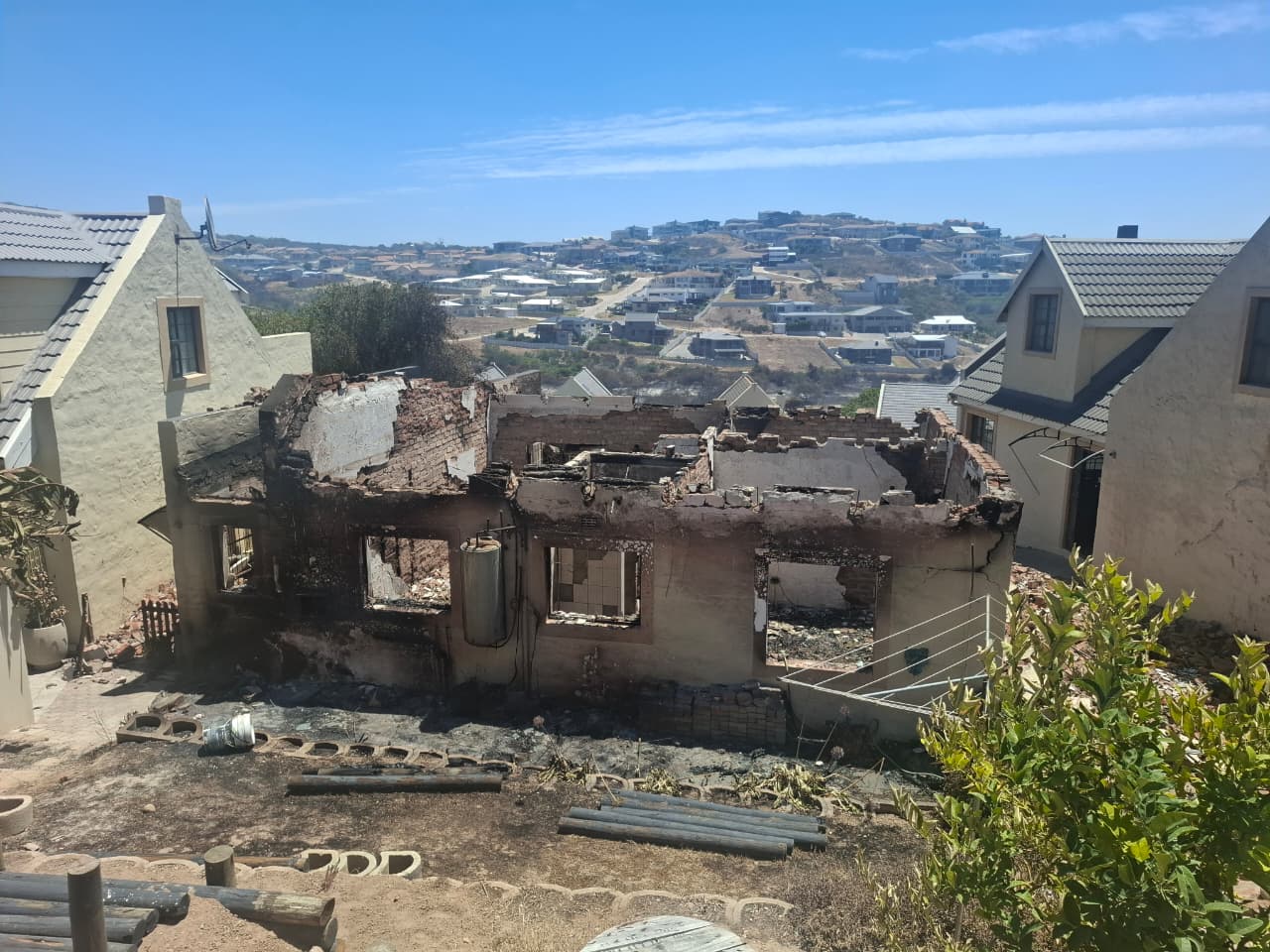
Fire and Drought inflict trauma on the Garden Route

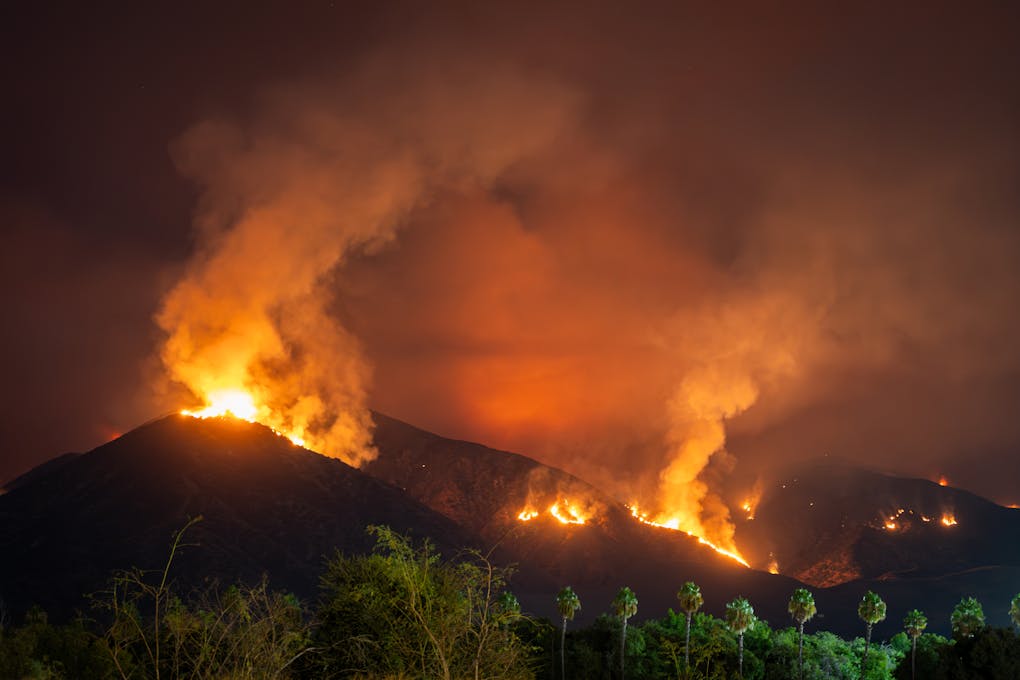
The Garden Route environment has once again been placed under immense strain as widespread wildfires, fuelled by prolonged drought and relentless winds raged across large parts of the region in recent weeks.

Multiple fires between Mossel Bay and Gqeberha pushed communities to the brink, with only the dedication and expertise of highly trained firefighting teams preventing catastrophic loss of life and property.

“Only committed and well-equipped firefighting expertise saved the day,” says Cobus Meiring of the Garden Route Environmental Forum (GREF). “The scale and intensity of these fires underline just how vulnerable the region has become under current climatic conditions.”

Beyond the physical damage, the psychological toll on communities living under constant threat of fire is profound. This stress is compounded by the ongoing drought, with water restrictions firmly in place across the Garden Route and Knysna reportedly on the verge of running out of water.

Fire and drought are intrinsically linked in this region, as painfully demonstrated during the 2017 Knysna disaster, when the town faced near-total water depletion while simultaneously dealing with the aftermath of South Africa’s most devastating fire event.

Although the recent fires were predicted months in advance due to extremely dry conditions and persistent winds, the ferocity and reach of the blazes left many residents shocked. With several dry months still ahead, the likelihood of further fire incidents remains high.

The financial cost of fighting multiple large-scale fires is staggering, while the physical and emotional strain placed on firefighters and disaster management personnel working around the clock cannot be quantified.

The Garden Route’s firefighting and disaster management capacity is widely regarded as world-class, built on years of planning, training, and constant preparedness. These efforts deserve recognition and sincere appreciation.

Despite early warnings and repeated calls for landowners to implement fire breaks and clear Invasive Alien Plants to reduce fuel loads, many properties, particularly along the urban edge were ill-prepared for the fires that followed.

Climate change is no longer a distant threat but a present reality. Authorities are doing what they can with limited resources, but adaptation to this new normal requires a collective effort.

Residents are urged to heed early warnings, reduce risk proactively, and take responsibility for safeguarding their properties and communities.

The Garden Route Environmental Forum serves as a public platform for environmental managers and a climate change think tank.

Picture: Aftermath of the wildfire that occurred early January 2026 in Mossel Bay: Source: Mossel Bay Municipality

Basic Education Minister saddened by fatal scholar transport accident

Basic Education Minister Siviwe Gwarube has expressed deep sadness following a tragic motor vehicle accident that occurred this morning, involving a vehicle transporting learners to school, in which several learners lost their lives.

The Minister extended her heartfelt condolences to the families, friends, classmates and school communities of the learners who perished in the devastating incident. She conveyed her wishes for strength and comfort to all those affected during this profoundly difficult time.

In a statement on Monday, the Minister said she was personally informed by the Gauteng MEC for Education, Matome Chiloane, that he is attending to the matter together with relevant authorities and emergency services. The MEC will continue to keep the Minister informed as further details become available.

“The Department of Basic Education stands ready to provide psychosocial support to affected learners, educators and families, in collaboration with the Gauteng Department of Education,” the statement read. 

As investigations into the cause of the accident continue, the Minister has urged motorists to exercise extreme caution, particularly during peak school transport hours. She reiterated the importance of ensuring the safety and roadworthiness of all vehicles used to transport learners. 

The department said that further updates will be communicated as information is confirmed.

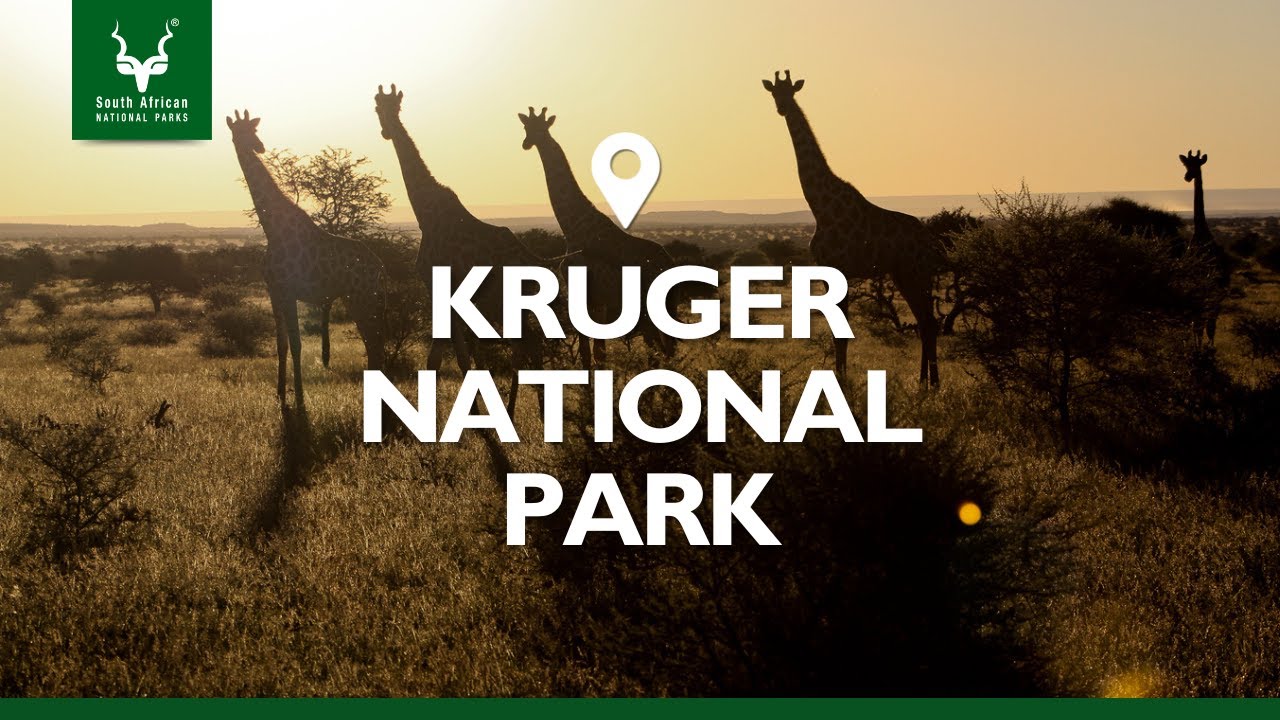
Kruger National Park reopens, applies quota system for visitors

The Kruger National Park (KNP) has implemented a gate quota system with immediate effect in the interest of visitor safety and effective traffic management, after heavy rains.

Last week’s persistent heavy rainfall across Limpopo and Mpumalanga caused river levels to rise significantly, with overflows reported in the Crocodile, Sabie, Letaba, Sand, Luvuvhu and Limpopo rivers.

According to the KNP, Sunday night’s increased rainfall caused further damage to park infrastructure.

“A gate quota system will apply at the following open gates: Malelane Gate, Numbi Gate and Paul Kruger Gate and all Open Safari Vehicles (OSVs) will form part of these gate quotas. Guests are requested to ensure that their vehicles have fuel, as the filling stations at camps might be affected by the persistent rain,” the KNP said on Monday.

Essential delivery vehicles, airport transfers (with proof of a valid flight ticket) and officials will be allowed entry through Paul Kruger Gate only.

The Skukuza to Phabeni Gate route is currently closed due to flooding, as a stream has cut off access along the S1 road. Phabeni Gate is therefore inaccessible via Skukuza at this stage.

“Orpen Gate will remain closed until further notice due to safety concerns. The northern part of the KNP remains inaccessible and as a result, all gates in the north are closed.

“The South African National Parks (SANParks) continues to monitor weather conditions and the status of roads and infrastructure closely. Further updates will be communicated as the situation evolves,” the KNP said.

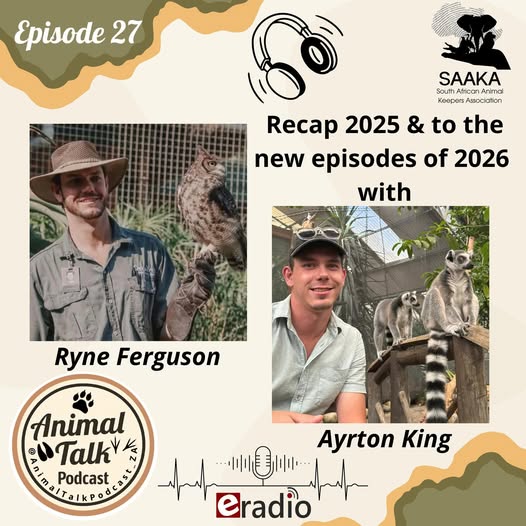
Animal Talk Podcast joins eRadio line-up this Weekend

Animal lovers and conservation enthusiasts have something new to tune into as the Animal Talk Podcast makes its radio debut on eRadio this Saturday at 10am.

The weekly programme brings engaging conversations about animals, conservation, animal behaviour and welfare to a broader audience, combining expert insight with accessible storytelling. Listeners can expect discussions ranging from behind-the-scenes experiences in zoological facilities to broader issues affecting wildlife and animal care in South Africa and beyond.

The show is hosted by two respected figures in the animal care and conservation space, Ryne Ferguson and Ayrton King, whose combined experience spans decades and multiple continents.

Ferguson, President of the South African Association of Animal Keepers (SAAKA), has more than 23 years of experience working and volunteering in zoological facilities across the globe. His career has allowed him to work with a wide range of species while collaborating with specialists in wildlife conservation, animal behaviour and education.

Specialising in animal behaviour management and conservation, Ferguson is committed to promoting high standards of animal welfare, public safety and professional development within the animal care sector. He is also the founder and original host of the Animal Talk Podcast, using the platform to connect the public with the people working closest to animals.

King is an Aquarist Level 2 at the Two Oceans Aquarium, where his journey into marine life began as a high school volunteer. Since completing Matric, he has spent more than eight years caring for penguins, freshwater fish and amphibians. He currently manages the Aquarium’s second-largest exhibit, home to stingrays, sea turtles and a variety of tropical and subtropical marine species.

His expertise also includes coral displays and the breeding and maintenance of several jellyfish species, some of which have never before been exhibited anywhere in the world. With a strong interest in animal behaviour and enrichment, King also leads animal training initiatives and serves as a principal communications diver, delivering live educational presentations to the public during stingray feeds.

Together, Ferguson and King bring a blend of experience, enthusiasm and practical knowledge to the airwaves, offering listeners a deeper understanding of animals and the people who care for them.

The Animal Talk Podcast airs on eRadio every Saturday at 10am, adding a fresh, informative voice to the station’s weekend programming. You can also listen to previous episodes and subscribe here on Spotify.

Deputy Minister Singh visits fire-stricken areas in the Western Cape

The Deputy Minister of Forestry, Fisheries and the Environment, Narend Singh, has visited fire-affected areas in the Wemmershoek region, near Franschhoek, to assess the situation firsthand and engage team members on the ground.

This comes after a wildfire that originated in the Langrug area on 7 January 2026 burned over 17 000 hectares, amid challenging conditions of high temperatures, strong winds, and rugged mountainous terrain. 

“This blaze is part of a broader wave of wildfires that have tested our collective response across the province. Recent updates from the Cape Winelands District Municipality (CWDM) Fire Services indicate significant progress,” the Deputy Minister said.

During his visit he observed that the suppression objectives for the remaining active fire lines were largely achieved, with strong advances made particularly along the fire line above Mont Rochelle. 

Ground teams continue to work in accessible areas such as above Fisantekraal, while closely monitoring inaccessible sections above Stettynskloof Dam. 

“Mop-up operations and vigilance against flare-ups remain ongoing in contained zones. This incident and the many such other fire incidents around the country, underscores the severe impact of climate-driven extreme weather on our ecosystems, biodiversity, and communities, including threats to farmland, vineyards, and livelihoods in this iconic Winelands region,” Singh said.

The Department of Forestry, Fisheries and the Environment said it remains fully committed to supporting provincial and local authorities through the department's Working on Fire programme, which supports integrated wildfire management operations across South Africa.

The department said it stands in solidarity with the affected communities and will work together to ensure recovery and sustainability for the Franschhoek and broader Western Cape region.

“I extend my deepest appreciation and gratitude to all the role players who have demonstrated extraordinary commitment and collaboration. Your tireless efforts, coordination, and bravery in the face of difficult conditions have been instrumental in protecting lives, property, and our natural heritage,” Singh said. 

Damage caused by Limpopo floods “catastrophic” – says President

President Cyril Ramaphosa has visited the Limpopo province where heavy rainfall and flooding has left at least 19 people dead and caused destruction to homes, businesses and infrastructure.

The President, together with Minister in the Presidency Khumbudzo Ntshavheni and Limpopo Premier, Dr Phophi Ramathuba, visited the Vhembe and Mopani Districts to assess the damage caused by the more than 400mm of rain that fell in the area.

“We have just seen the catastrophic damage that has been caused here. We started off in the Vheme District where we saw how a number of houses were flooded and how people have lost their possessions with the huge, huge rains … in this part of our country.

“In the Mopani District, it’s even worse … because there are 36 houses that have just been wiped away from the face of the earth. One five-year-old child has also passed away,” the President said.

President Ramaphosa noted that government officials have been on the ground “doing everything they can to assist the people who have been affected by the floods”.

“Provincial government…has come out in a very strong way. So much as disaster befalls us with climate change, with rains that are now devastating, we’ve been able to find a response. Of course, we need to do a little bit more.

“And of course, our South African Airforce…came out with their helicopters and rescued a number of people from rooftops and from trees. That shows that our response to disaster is getting better both at the institutional level like the Airforce, the South African Defence Force and also at local government level,” he added.

The President noted that community members have been standing by each other during this time.

“The solidarity and the cooperation that we have seen amongst our people here is quite amazing. We heard how one person was thoughtful enough and threw a rope to people who were stranded. They tied the rope around each other and pulled each other out of what would have been certain death.

“A number of lives that could have been lost here have been saved and we are grateful to our people,” he said.

The President warned that the effects of climate change are now truly beginning to show.
“We are told that we can expect more rain in the coming days and this is the effects of climate change.

Climate change is truly with us and those who don’t believe that it is with us, better believe it now, because wiping out of 36 houses when there’s rain has never really been something that we’ve experienced.

“All those households and families are now stranded [and] now have to pick up the pieces of their lives,” he said.

The Limpopo provincial government is expected to brief the media on the heavy rainfall, on Friday.

Knysna water crisis could have been avoided – DA

The ongoing water crisis in Knysna has intensified debate over municipal governance, political stability and the effectiveness of intervention measures, with the Democratic Alliance (DA) arguing that the situation could have been prevented.

According to the DA, Knysna was governed by a DA-led coalition until 2022, during which time municipal services were stable, infrastructure was maintained and water supply systems were managed without major disruption.

Following the 2021 local government elections, the DA remained the largest party in the municipality. However, a change in coalition arrangements saw the Patriotic Alliance align with the African National Congress, Economic Freedom Fighters and several smaller parties, resulting in a new governing coalition.

Since the change in leadership, the municipality has experienced a deterioration in service delivery, the DA says. In 2024, the Western Cape Government intervened after Knysna lost control of refuse collection. During the same year, a decomposing body was discovered in a municipal water reservoir, raising serious concerns about oversight and operational management.

The Western Cape Government subsequently sought to place the municipality under administration in terms of Section 139 of the Constitution, citing a collapse in governance and basic services. However, the proposal was blocked in the National Council of Provinces, where the ANC and other smaller parties voted against the intervention.

Knysna is now facing a dual challenge of low rainfall and water contamination linked to municipal management failures. The Akkerkloof Dam, the town’s primary water source, is reported to be at approximately 15% capacity, significantly reducing supply reserves.

Provincial authorities say emergency measures are being implemented to stabilise the situation. These include the development of natural springs, refurbishment of existing boreholes, access to private boreholes, and the enforcement of water conservation measures. These efforts are being coordinated by Western Cape Local Government MEC Anton Bredell and a Joint Operations Committee.

The DA maintains that the Knysna situation highlights broader challenges linked to coalition governance at local level. The party has proposed legislative reforms in Parliament aimed at stabilising coalitions, including limiting motions of no confidence, raising council seat thresholds and reducing the influence of small parties that can determine control despite limited electoral support.

As the water crisis continues, residents remain dependent on emergency interventions while longer-term solutions are debated, underscoring concerns about accountability, governance stability and the protection of essential municipal services.

Fire Season Update – What to do if you encounter wildlife affected by fire

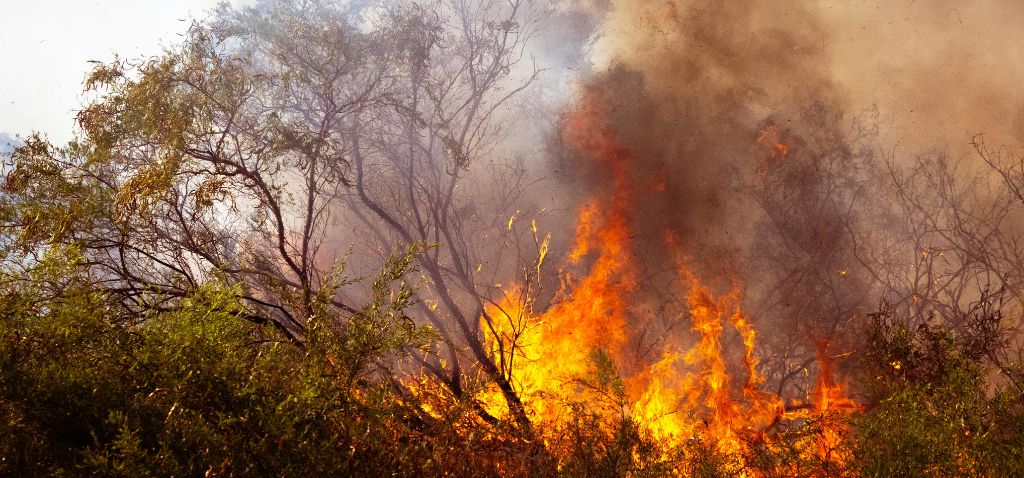
As the Western Cape continues to experience an intense and extended wildfire season, CapeNature is urging the public to act responsibly and lawfully when encountering wildlife affected by fires. We remind members of the public that our unique fynbos ecosystem is adapted to fire, and it is a natural and necessary ecological process for fynbos.

Without fire, these plants would simply grow old, stop reproducing and die. Even the fynbos dwelling animals have adaptations such as rapid reproduction in the Cape Dwarf Chameleon or Tortoises burrowing deep into the soil when they smell smoke.

To date the Western Cape has already authorised 38 aerial firefighting missions this season, with approximately 90 000 hectares burnt by the recent fires. According to the Provincial Disaster Management Centre, R15 million has already been spent on aerial firefighting support, with further funding being considered as hot and dry conditions are expected to persist beyond March.

CapeNature reminds the public that wildlife displaced or affected by fire must not be touched, captured, fed or removed. Although animals may appear injured or disoriented, many can move away and recover without intervention. Unnecessary handling can cause severe stress, injury or death, and may place people and wildlife at risk.

Importantly, only trained and authorised individuals and/or facilities are permitted to handle, transport or rehabilitate wild animals, in line with environmental legislation and that have the required permit/s is in place. Removing wildlife without authorisation is unlawful, even when done with good intentions.

What to do if you encounter wildlife affected by fire:

If you encounter wildlife that is injured, trapped or in immediate danger because of a wildfire:
-Keep a safe distance and ensure people and pets do not interfere
-Unless the animal is in danger, do not attempt to feed or move the animal
-Observe and note the location
Exact locality of where the injured animal has been found/spotted (GPS/Pin location if possible)
-Correct species identification
-Brief description of the injuries to the animal

Who to Call:

CapeNature Regional Offices:
-Cederberg: 082 455 5569
-Cape Peninsula: 072 592 3517 until 14 January and 076 103 4615 onwards
-Boland and Kogelberg: 082 785 1045
-Witzenberg: 082 784 7173
-Overstrand: 087 087 3841 / 071 999 5348
-Langeberg: 087 087 3895 / 082 496 2449
-Paarl: 087 087 4170
-Garden Route: 044 802 5300/ 087 087 3037
-Karoo: 087 087 3002

SPCA Offices:
-Beaufort West: 072 847 7312
-Cape of Good Hope: 021 700 4140 / 083 26 1604
-Franschhoek: 083 745 5344 / 083 745 5344
-Garden Route – George – Mossel Bay: 044 878 1990/3 / 082 378 7384
-Paarl: 021 863 2720 082 510 6387
-Swartland – Darling – Vredenburg: 022 492 2781 / 082 414 7153
-Swellendam: 028 514 2083 / 084 737 1948
-Wellington: 021 864 3726 / 082 905 9184
-Winelands: 023 615 2241 / 071 025 7805

CapeNature calls on all residents, landowners, and visitors to stay vigilant during the wildfire season and to work together in keeping the Western Cape’s people, properties, and wildlife safe.

DA to probe Eskom’s alleged role in wildfire outbreaks

The Democratic Alliance (DA) says it will launch a parliamentary probe into Eskom’s alleged involvement in the ignition and spread of wildfires, with a focus on accountability for maintenance, repairs and security failures.

In a statement issued on Tuesday, DA spokesperson on Electricity and Energy, Kevin Mileham, said the party is concerned by increasing reports linking Eskom’s infrastructure to wildfires in vegetation-rich areas across the country, particularly in the Eastern and Western Cape.

According to the DA, alleged incidents include high-capacity power cables breaking and sparking dry vegetation, as well as cases of cable theft where damaged lines have struck surrounding vegetation or where fires were reportedly started to burn off cable insulation.

The party says it plans to submit parliamentary questions to the Minister of Electricity and Energy once Parliament’s Questions Office reopens. The questions will seek clarity on a possible link between Eskom’s infrastructure and the recent wildfires.

Part of the inquiry will focus on whether Eskom technicians or subcontractors are carrying out maintenance and repairs adequately, and what quality control measures are in place. The DA says it intends to request Eskom’s maintenance and repair records and compare them with data on electrically ignited fires near high-capacity cables.

The DA also raised concerns about Eskom’s security strategy, arguing that it relies on outdated guarding methods that are ineffective against organised cable theft syndicates. The party says it will question Eskom on its security budget and the use of modern technologies, such as remote monitoring, drone surveillance and arc-detection systems, which could potentially detect faults before fires start.

In addition, the DA says its probe will examine whether suspects arrested in connection with cable theft and related fires are being appropriately charged with environmental crimes and arson, rather than facing lesser charges such as theft or trespassing.

The party maintains that the wildfires should not be dismissed as natural disasters and has called for full transparency and accountability regarding any human actions or omissions linked to the outbreaks.
error: eRadio is protected !
Scroll to Top