South Africans urged to register for Local Government Elections

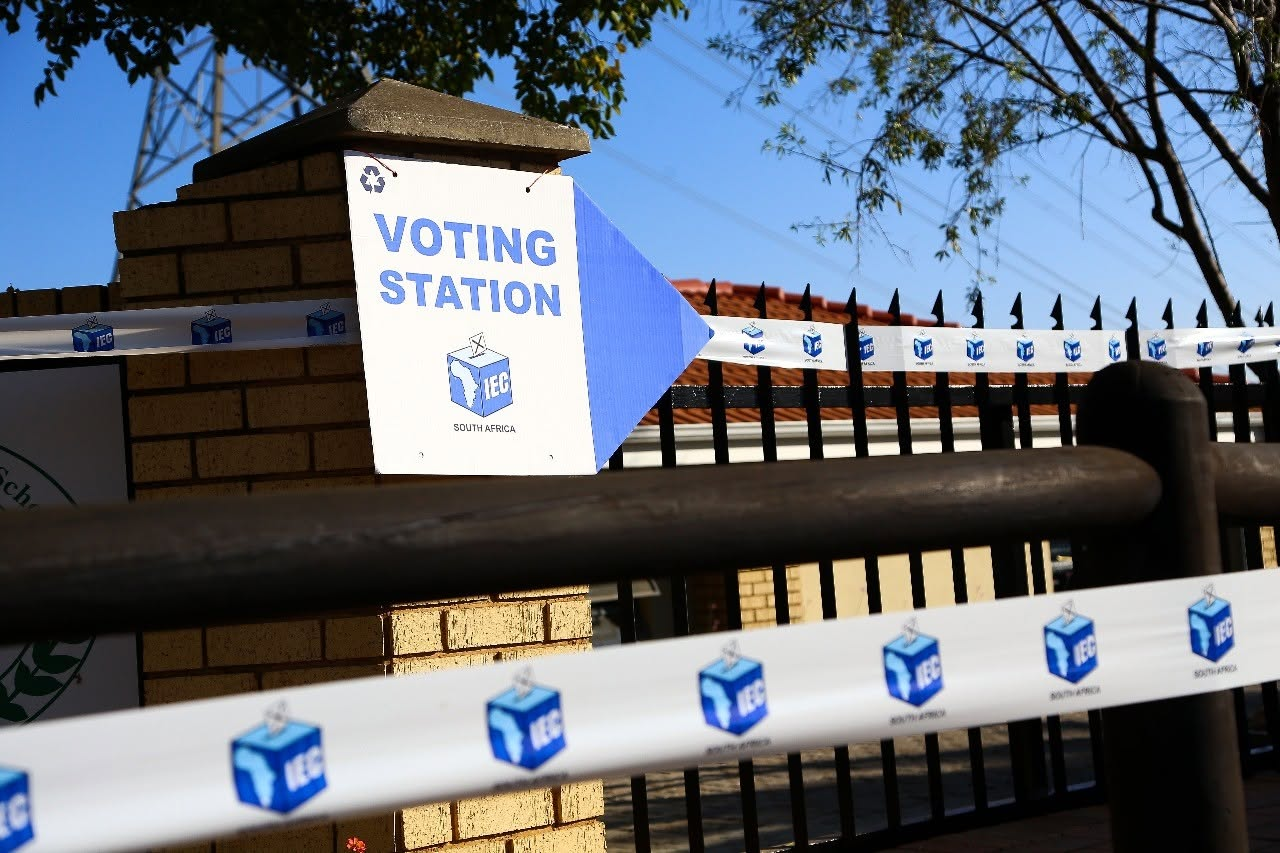
Cabinet has called on all eligible South Africans to register to vote ahead of the 2026 Local Government Elections, stressing the importance of citizen participation in shaping the future of communities across the country. 

Addressing a post-Cabinet media briefing on Friday, Minister in The Presidency Khumbudzo Ntshavheni reminded citizens that the first voter registration weekend for the upcoming municipal elections will take place on 20 and 21 June 2026.

South Africans will head to the polls on 4 November 2026 to elect councillors, who will be responsible for governing municipalities and overseeing the delivery of basic services at local government level.

Cabinet encouraged all eligible voters who have not yet registered, as well as those who may have changed their residential address, to use the registration weekend to ensure that their details are correctly captured on the voters' roll.

“The first voter registration weekend is taking place on Saturday, 20 June 2026, and Sunday, 21 June 2026 at their nearest voter registration station, or by visiting registertovote.elections.org.za, or visiting their local Electoral Commission offices during working hours,” Ntshavheni said.

Citizens were reminded that they can only vote at the voting station where they are registered and should therefore verify their registration details ahead of the elections.

Voters can also locate their correct voting station by using the Electoral Commission's online voting station finder.

Cabinet placed particular emphasis on youth participation, calling on young people to play an active role in the democratic process.

“Cabinet calls on young people, in particular, to participate actively in shaping the future of their communities through participation in elections,” Ntshavheni said.

The call comes as government and the Electoral Commission continue efforts to encourage greater participation among first-time voters and young South Africans, who constitute a significant portion of the country's voting-age population.

Local government elections are regarded as one of the most important pillars of South Africa's democratic system, as they determine the leadership responsible for delivering essential services such as water, sanitation, electricity, roads, refuse removal and local economic development.

The elections also provide communities with an opportunity to hold local leaders accountable and influence decisions that directly affect their daily lives.

The Electoral Commission has in recent years expanded digital registration services, allowing eligible voters to register online, update their details and check their registration status without visiting a registration station. 

Government has repeatedly emphasised that voter registration is a critical step in ensuring that every eligible citizen can exercise their constitutional right to vote.

Cabinet said active participation in elections strengthens democracy and enables communities to help shape the development priorities of their municipalities. 

Government unveils comprehensive plan to tackle illegal immigration

Government has adopted a Comprehensive Approach for Migration Management aimed at strengthening border security, enforcing immigration laws, tackling corruption and closing policy loopholes as part of a broader effort to address illegal immigration in South Africa.

Addressing the nation on Sunday, President Cyril Ramaphosa said the plan was adopted by Cabinet last week and endorsed by the President's Coordinating Council, which includes Premiers, local government representatives and traditional leaders.

“As government our objective is clear. We want a South Africa where every person who enters the country does so lawfully; a South Africa where immigration laws are respected and enforced; a South Africa where businesses compete fairly; a South Africa where communities feel safe and secure, and a South Africa that remains true to its constitutional values and its commitment to human dignity,” the President said. 

The plan rests on five pillars, namely, cracking down on violations of immigration and labour laws, preventing illegal entry into the country, stamping out corruption in the immigration system, strengthening immigration laws and policies, and working with other countries to address migration challenges across the region and continent.

Cracking down on law violations
The first part of the response focuses on a well-coordinated effort to crack down on violations of existing immigration, labour and other laws. 

The President said the Department of Home Affairs, the Border Management Authority (BMA), South African Police Service (SAPS) and other law enforcement agencies have been and will intensify the process of identifying and deporting undocumented foreign nationals residing illegally in South Africa.

“In the past year alone, the BMA managed to intercept and stop over 450 000 people who were attempting to enter South Africa illegally,” the President said.

Furthermore, he said dedicated courts will be set up to deal with immigration to speedily support the deportation of undocumented migrants. 

Securing the borders
The second pillar of the approach to illegal immigration is anchored on knowing who enters the country, why they are entering and how long they are permitted to stay.

“Secure borders are not a sign of hostility towards other countries. They are a fundamental requirement of a sovereign and well-governed State,” the President said.

He said government will continue to invest in modern technology, infrastructure and personnel to ensure that borders are secure, while facilitating legitimate trade, travel and economic activity.

We will undertake a phased relocation of refugee reception centres to border posts, starting with the Tshwane centre this year. 

Rooting out corruption
The third part of the approach focuses on efforts to strengthen the immigration system by stamping out corruption and deploying cutting-edge technology.

“We are continuing the crackdown on corruption and inefficiencies in the Department of Home Affairs. 

“We must recognise that illegal immigration is often enabled by corruption. Officials who sell documents, facilitate unlawful entry or abuse public office for personal gain betray the trust of the South African people. We will pursue these cases relentlessly.

“Those responsible are facing dismissal, criminal prosecution and the full consequences of the law,” said the President.

He cited the establishment of an Intelligent Population Register that contains biometric data for every person in the country, laying the foundation for the Digital ID.

Efforts to discontinue the green ID book, which has been described as vulnerable to identity theft, will go on, closing the space for undocumented immigrants and criminal syndicates.

The Department of Home Affairs is to set a date after which the green ID books will not be recognised.                                               
This, the President said, will end the abuse of the Traffic Registration Number, which foreign nationals require to register or buy vehicles, but which is being used as a form of identification.

“The Department of Transport will issue new regulations to align with the identification laws of our country within the next three months,” President Ramaphosa said.

Bolstering laws and policies
The fourth part of the response is to close the gaps in the country’s laws and policies.

The President acknowledged that the laws that regulate immigration in South Africa are fragmented and often contradictory.
“They allow legal loopholes that are exploited by undocumented migrants. We are addressing these loopholes.”

Cooperation on immigration
The final part of the response hinges on work with other countries in the region and across the continent to address the broader challenge of migration. 

“We need to address the factors that drive migration on our continent and elsewhere,” President Ramaphosa said.

South Africa, the President said, will continue working with its sister countries to build an Africa in which people move by choice and not by desperation.

“As part of this effort, I will be sending envoys to a number of sister African countries to outline the measures that we are announcing this evening.

“Cabinet will remain seized with this matter and will regularly review progress in implementing these measures,” the President said.

Tourism sector shows strong signs of recovery and growth

Minister in the Presidency Khumbudzo Ntshavheni says Cabinet has welcomed the positive developments in the tourism sector, which continues to show strong signs of recovery and growth.

According to Statistics South Africa's International Tourism Report, the country recorded 989 329 tourist arrivals in April 2026.

“This marks the highest monthly year-on-year growth ever recorded, reaffirming South Africa’s enduring appeal as a global tourism destination,” said the Minister, who was briefing the media on the outcomes of the Cabinet meeting held on Wednesday.

She said to sustain this momentum, government continues to expand international air connectivity.

Recently LATAM Airlines decided to bring forward the launch of its three weekly direct flights between São Paulo and Cape Town to July 2026, ahead of its original September schedule.
 
In addition, on 24 June 2026, Air Europa’s launched its direct flight between Madrid and Johannesburg which will strengthen connectivity with Europe and support growth across the tourism and hospitality sectors.

Multimillion rand drug bust at Durban Harbour

The Directorate for Priority Crime Investigation (DPCI), through the Serious Organised Crime Investigation (SOCI) South African Narcotics Enforcement Bureau (SANEB), seized approximately 90 kilograms of suspected cocaine with an estimated street value of R36 million at the Durban Harbour on Saturday, 6 June 2026. 

Also taking part in the seizure were officials from Customs, the Durban Visible Policing Operations (VPO) and the Local Criminal Record Centre (LCRC).

The members of the SANEB section attached to Durban SOCI were alerted by a Customs official to suspected cocaine concealed within an excavator that had arrived at the Q and R Car Terminal aboard the vessel, Neptune Ace Tokyo, from Santos, Brazil.

“Upon arrival, the scene was handed over to DPCI members by Customs officials. A thorough inspection of the excavator revealed suspicious packages concealed within a panel leading to the engine compartment. Further examination resulted in the seizure of 47 blocks containing a powdered substance suspected to be cocaine,” the police said in a statement

“While the first scene was being processed, Customs officials reported the discovery of a second concealment on another excavator that had already been offloaded from the vessel. A subsequent inspection led to the seizure of an additional 43 blocks of suspected cocaine.

“In total, approximately 90 kilograms of suspected cocaine was seized. Based on an estimated value of R400 000 per kilogram, the drugs have an approximate street value of R36 million.

“No arrests have been made at this stage, and the matter remains under investigation. The seized exhibits will be transported to the Forensic Science Laboratory for chemical analysis,” the police said in a statement.

The acting Provincial Head, Brigadier Zenobia Mulligan, applauded the multi disciplinary team for their alertness and dedication. 
“The DPCI remains committed to disrupting transnational drug trafficking networks and safeguarding South Africa’s ports of entry from organised criminal activities, even when their integrity is under scrutiny. 

“The DPCI will continue executing their mandate without fear or favour,” Mulligan said.

SAPS takes action against alleged corrupt police official

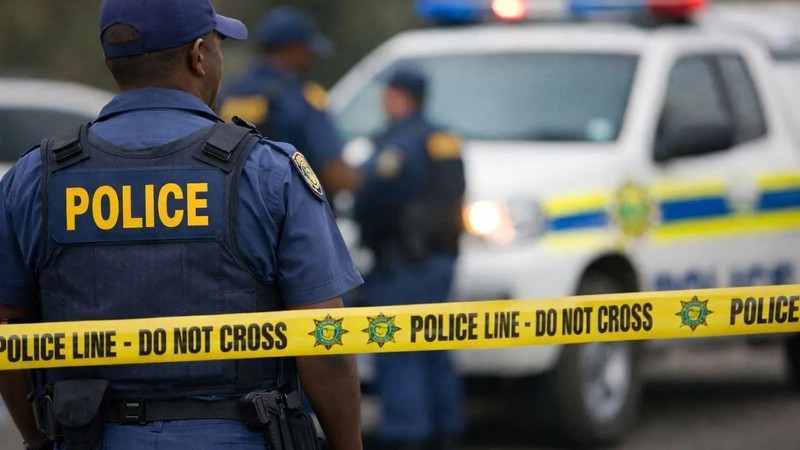
The South African Police Service (SAPS) management in Gauteng has noted a video circulating on social media platforms, particularly Facebook, depicting a police official  in full uniform allegedly returning money to a member of the public following an alleged bribery incident.

The police officer featured in the video has been identified, and immediate disciplinary processes have been instituted. A departmental investigation has also been launched to establish the full circumstances surrounding the incident.

SAPS maintains a zero-tolerance approach to corruption. The acceptance, solicitation or facilitation of a bribe constitutes a criminal offence and a serious violation of the SAPS Code of Conduct.

The Gauteng Provincial Commissioner, Lieutenant General Tommy Mthombeni, has strongly condemned the alleged conduct."The South African Police Service will not tolerate corruption in any form. Members who abuse their authority, compromise their integrity, or betray the trust placed in them by the public will be dealt with decisively. We are committed to ensuring that every allegation of corruption is thoroughly investigated and that appropriate disciplinary and criminal action is taken where warranted.

Our communities deserve professional, ethical and accountable policing, and we remain steadfast in protecting the integrity of the organisation," said Lieutenant General Mthombeni.

All SAPS members are expected to conduct themselves with integrity and professionalism, in compliance with the Constitution of the Republic of South Africa, the SAPS Code of Conduct, and all applicable legislative and policy frameworks.

Members of the public are urged not to offer bribes and to report any allegations of corruption or extortion involving SAPS members through the following channels:

* SAPS Anti-Corruption Hotline: 0800 701 701
* SAPS National Complaints Service Centre: 0800 333 177
* Corruption Watch WhatsApp Line: 072 013 5569
* Gauteng Service Complaints Standby: 082 442 2000
* Independent Police Investigative Directorate (IPID)

SAPS remains committed to rooting out corruption within its ranks and ensuring accountability, professionalism and public trust in policing.

Western Cape still leads on jobs, with the strongest business confidence in SA

Western Cape Minister of Agriculture, Economic Development and Tourism, Dr Ivan Meyer, has responded to a parliamentary question from Member N D Nkondlo on the province’s latest employment figures. The quarterly employment contraction observed in Q1 2026 should be interpreted within the broader context of ongoing national economic pressures. 

It is also important to note that quarterly labour market indicators are inherently volatile and susceptible to short-term fluctuations.

As such, quarter-on-quarter declines in employment should be treated with caution, as they may reflect transitory disruptions rather than a sustained downturn. Despite this seasonal decline, it is noteworthy that this year, the Western Cape’s employment was 2 883 000, its highest ever recorded employment for the first quarter of any year previously.   

The Western Cape continues to outperform all other provinces, by a significant margin, maintaining the lowest unemployment rate in the country. The province recorded a net increase of 22 000 jobs between Q1 2025 and Q1 2026. The provincial unemployment rate also remained stable at 19.6% over this period. 

“While we acknowledge the quarterly decline in employment, it is important to emphasise that this forms part of a broader national contraction, with South Africa losing 345 000 jobs over the same period,” said Minister Meyer. 

Drivers of job losses are national and structural

Minister Meyer explained that the recent increase in unemployment is driven by a combination of factors rather than a province-specific shock.

These include:

-Global factors and a national economic slowdown, affecting labour demand across all provinces,
-Seasonal employment effects, as temporary festive-season jobs unwind in the first quarter,
-Broad-based job losses across both formal and informal sectors.
-Sector-specific declines, particularly in community and social services, construction, and transport.

In particular, the community and social services sector experienced significant job losses, partly linked to reduced donor and public funding, including global funding constraints affecting healthcare and research programmes. 

“These trends point to a challenging labour market environment in which both demand for labour and job sustainability have weakened. Importantly, these dynamics are not unique to the Western Cape,” Meyer said. 

Western Cape still leads on recovery trajectory

Despite quarterly volatility, the Western Cape remains the best-performing province in key labour market indicators.
“We remain focused on enabling economic growth and creating an environment where businesses can invest, grow, and create jobs,” Meyer said.

Stronger business confidence underscores provincial resilience

The second quarter 2026 RMB/BER Business Confidence Index (BCI) further reinforces the relative strength of the Western Cape economy.
-The Western Cape BCI increased by 5 points to 55, remaining above the neutral 50 mark,
-By contrast, national business confidence declined sharply to 39,
-The Western Cape is currently the only province above the neutral threshold.

“This improvement in business confidence, even amid a difficult national environment, global challenges and the recent floods, reflects continued investor trust in the Western Cape’s economic fundamentals and governance environment,” Meyer added.

Committed to lowering unemployment

While acknowledging that “there is still much more ground to cover,” Minister Meyer reaffirmed the Western Cape Government’s commitment to its growth strategy.

“As unemployment remains one of South Africa’s most pressing challenges, the Western Cape will continue to implement proven, evidence-based interventions to drive inclusive growth and create more dignified jobs for our residents,” he said. 

World Environment Day: Call for SA to be part of climate change response

As South Africa joins the international community to celebrate World Environment Day, government has called on every South African to be part of the climate response. 

“Businesses must accelerate cleaner and more sustainable practices. Communities must protect local ecosystems and reduce environmental harm. Civil society, youth, women, traditional leaders and local institutions must continue to lead practical action where they live and work,” the Department of Forestry, Fisheries and the Environment said on Friday.

The department said government will continue to strengthen partnerships that protect people, nature and the economy.

World Environment Day is being celebrated under the theme: “Inspired by Nature. For Climate. For Our Future”.

“This year’s theme serves as a powerful reminder of the urgent need for governments, businesses, communities and individuals to work together in taking meaningful action to protect the environment and address the impacts of climate change.

“For decades, the world has heard the climate story through scientific warnings, global agreements, targets and distant deadlines. Too often, the response has been slowed by delay, distraction and denial,” the department said.

The effects of climate change are visible in the lives of people whose homes, livelihoods, infrastructure and local economies are increasingly affected by climate-related disasters. 

“Rising temperatures, destructive floods, prolonged droughts, heatwaves, wildfires, melting glaciers and rising seas are clear signals that the planet is under increasing pressure,” the department said.

In South Africa, recent flooding and severe weather events have affected several provinces, including Limpopo and Mpumalanga.

This has caused a tragic loss of lives, damage to homes and public infrastructure, disruption to livelihoods, and increased pressure on municipalities that are often the first line of response during climate disasters. 

“As climate-related disasters increase in frequency and intensity, government’s response must move beyond recovery after disaster strikes. It must strengthen prevention, preparedness, adaptation and resilience at the local level, where the impacts of climate change are felt most directly,” the department said.

It said it continues to work with provinces, municipalities and other organs of state to support climate change adaptation planning, risk and vulnerability assessments, climate response strategies, disaster risk reduction and the integration of climate considerations into local development planning.

This includes supporting municipalities to better understand their climate risks, strengthen early warning and preparedness measures, identify adaptation priorities, and implement nature-based solutions such as wetland rehabilitation, catchment restoration, urban greening and ecosystem protection.

“These interventions are critical because local government is at the frontline of climate impacts. When floods wash away roads, when heatwaves affect vulnerable households, when drought places pressure on water systems, and when storms damage public infrastructure, municipalities are often the first responders. 

“Supporting local government is therefore not an administrative function. It is central to protecting lives, livelihoods and public infrastructure,” the department emphasised.

NCC recalls over 6,500 Toyota and Lexus Vehicles Over Rear-View Camera Fault

The National Consumer Commission (NCC) has alerted consumers to safety recalls issued by Toyota South Africa Motors (Pty) Ltd and Lexus South Africa Motors (Pty) Ltd, affecting a total of 6,525 vehicles sold nationwide.

The recall includes 4,858 Toyota vehicles and 1,667 Lexus vehicles, all fitted with a Parking Assist Electronic Control Unit (ECU) linked to the Panoramic View Monitor system.

Toyota models affected

The Toyota recall covers the Crown, Land Cruiser 300 (LC300), Land Cruiser Prado, RAV4 and bZ4X models, sold between 2022 and 2025.

According to the supplier, a software issue in the Parking Assist ECU may cause the rear-view camera image to freeze briefly when reverse gear is selected shortly after starting the vehicle. In some cases, the image may fail to display entirely.

Lexus models affected

The Lexus recall includes the ES, GX, LC500, LX500/700, LX600/500d, NX, RX, RZ, and LUX models sold between 2021 and 2025.

The same software fault may cause the rear-view image to freeze or fail when reversing, potentially limiting the driver’s rear visibility and increasing the risk of a collision.

Consumer advisory

The NCC has urged affected vehicle owners to visit any authorised Toyota or Lexus dealership for inspection. A software update or repair will be performed free of charge.

The commission says the recall is a precautionary safety measure to ensure all affected vehicles operate as intended.

Launch of Lenacapavir a game-changer

It is often said that health is wealth and South Africa’s launch of the game changing Lenacapavir injectable today, Friday, 5 June 2026, provides a shot in the arm that will boost South Africa’s fight against HIV and AIDS.

President Cyril Ramaphosa and Health Minister, Dr Aaron Motsoaledi, will launch the injectable at the Lilian Ngoyi Stadium at Secunda, in Mpumalanga.

Making the HIV prevention medicine available to South Africans was one of the commitments the Presdent made in the State of the Nation Address (SONA) in February.

At the time, President Ramaphosa said: “In support of our programme to prevent and ultimately, eliminate HIV, we will be undertaking a massive rollout of Lenacapavir, a six-monthly injection that has proven highly effective in preventing transmission of HIV.”

In an advisory ahead of the launch of the drug, the Presidency said the groundbreaking initiative marks a significant milestone in South Africa’s ongoing efforts to fight against HIV/AIDS and aims to enhance prevention of new HIV infections.

“Lenacapavir is a twice-yearly long-acting injectable option for HIV prevention, and the rollout highlights the collaboration between the government, civil society, and private sector, and development partners amongst the stakeholders committed to ending HIV as a public health threat in South Africa,” it said.

The launch of the medicine comes a few days after the anniversary of the passing of the HIV/AIDS activist Nkosi Johnson on 1 June 2001. Johnson passed away at the age of 12. 

The launch is evidence that the country which launched the world’s biggest HIV counselling, testing and treatment campaign in 2010, is making headway in the fight against the disease.

Since the launch of the campaign, the Department of Health (DoH) in its 2026 Budget Vote said that the country has increased life expectancy to 66.9 years, by 2025 from a low of 54 years in 2010 and reduced maternal mortality to 89 deaths per 100 000 live births by 2020, from a high of 240 deaths per 100 000 live births in 2010.

According to Statistics South Africa’s (Stats SA) Mid-Year Population Estimates 2025, an estimated 8.15 million people in South Africa were living with HIV, accounting for approximately 12.9% of the total population. Among adults aged 15 to 49 - the most affected group — the HIV prevalence rate stood at an estimated 18.1%.

“Despite these numbers, South Africa has made progress in reducing deaths linked to HIV and AIDS, thanks to expanded access to treatment and care,” the report which stated that the country’s population stood at an estimated at 63,1 million,”Stats SA noted.

In his Budget Vote delivered last month, Minister Motsoaledi said that stocks of the medicine were being delivered to depots and health facilities ahead of the launch. Government would start with 360 health facilities in “the high burden districts of the country.”

According to the Budget Vote, government has prioritised adolescent girls and young women up to the age 24 years, pregnant and breastfeeding mothers, female sex workers, men-having- sex-with-men, transgender people and injecting drug users in distributing the injectable.

This as the first batch of the 37 920 doses of the medicine, which is a new, long-acting antiretroviral drug - specifically an HIV-1 capsid inhibitor arrived in the country in early April 2026.

New chapter 

The South African National AIDS Council (SANAC) which in April welcomed the arrival of the drug, this week said the launch signals a “new chapter in HIV prevention.”

The DoH has previously described the injectable as a preventive medicine, not a vaccine. The medicine has the potential to overcome many of the barriers South Africa has experienced with daily oral PrEP.

This as it offers greater discretion, convenience, and likely better adherence for users, especially for people who struggle with taking a pill every day or making frequent clinic visits.

The launch also comes at a time when the United Nations General Assembly (UNGA) is set to hold a High-Level Meeting on AIDS from 22-23 June 2026 in New York.

According to the UNAIDS (Joint United Nations Programme on HIV/AIDS), the meeting, which is held every five years since 2001, reinforces the role of the UN as the primary political mechanism for accountability and commitment in the global HIV response.

“This meeting will review progress against HIV since the 2021 High-Level Meeting and produce a new UN Political Declaration on HIV and AIDS. UN Member States will negotiate the text of the 2026 Political Declaration and consider its adoption.”

South Africa is a Member State of the of UN.

Ahead of the launch, UNAIDS South Africa in a post on social media platform, X,  said it is “excited” to join President Ramaphosa, the Department of Health and SANAC and other stakeholders for the launch of the drug.

The South African Health Products Regulatory Authority (SAHPRA) become the first African regulatory authority to approve Lenacapavir on 27 October 2025.

According to the World Health Organisation (WHO) Guidelines on Lenacapavir for HIV prevention, the organisation recommends offering the injectable as an additional HIV prevention choice.

Among the benefits of the drug is that it need not be discontinued during pregnancy and breastfeeding for HIV-negative women with a high likelihood of exposure to HIV, said the WHO.

Other work done by government to fight HIV/AIDS includes the February 2025 launch of the Close the Gap campaign in partnership with the WHO, UNAIDS and other stakeholders.

“The Close the Gap campaign is a focused, multi-pronged initiative aimed at accelerating South Africa’s response to the HIV epidemic by targeting high-burden districts, communities, and health facilities. The campaign pays special attention to underserved and vulnerable sub-populations, including men, youth, children, and key populations, to improve HIV-related outcomes and close existing service gaps,” SANAC said of the campaign.

The Minister said the country is in a position “where we dare say we can eliminate HIV/AIDS as a public health threat.”

“All we have to do is to work hard and work hard together as South Africans motivated and bound together by a common destiny,” said the Minister. 

South Africans are keeping their cars longer – but are they maintaining them properly?

South Africans are holding onto their vehicles for longer than ever before and, in today’s difficult economic climate, replacing a vehicle is simply not an option for many households. According to research by the Automobile Association (AA), more than 90% of South Africans say economic pressures are forcing them to keep their vehicles longer, with many cars remaining on the road well beyond the 10-year mark.  This stat was confirmed by We Buy Cars who also confirmed the majority of the cars sold are 10 years and older. 

For the Motor Industry Workshop Association (MIWA), a proud association of the Retail Motor Industry Organisation (RMI), this trend highlights a growing need for motorists to become far more proactive about vehicle maintenance and safety.

“Modern vehicles are built to last much longer than in the past, but longevity is entirely dependent on proper maintenance,” says Dewald Ranft, National Chairman of MIWA. “The reality is that many South Africans are delaying servicing or ignoring minor issues because of financial pressure, but postponing maintenance often leads to far more expensive repairs later on.”

Ranft says the international trend of consumers keeping vehicles for longer is equally relevant in South Africa, where rising living costs, high interest rates, fuel prices and increased insurance costs continue to place pressure on household budgets.

International reports have shown that with proper care and regular servicing, modern vehicles can comfortably exceed 200 000 km and remain reliable for well over a decade. However, this requires motorists to stay disciplined when it comes to preventative maintenance.

“There is a huge difference between ‘keeping a car longer’ and ‘maintaining a car properly for longer’,” says Ranft. “Skipping oil changes, ignoring warning lights or postponing tyre replacements may save money temporarily, but the long-term financial consequences can be severe.”

Ranft says one of the biggest mistakes motorists make is waiting for something to break before taking action.

“Your vehicle gives you warning signs long before a major failure occurs. Strange noises, vibrations, fluid leaks, excessive smoke, poor fuel consumption or dashboard warning lights should never be ignored.”

He says regular servicing remains the single most effective way to extend a vehicle’s lifespan and preserve its resale value.

“Preventative maintenance is always cheaper than major repairs. A relatively inexpensive service can identify wear-and-tear issues early before they become catastrophic failures.”

MIWA advises motorists to focus on several critical maintenance areas if they want to keep their vehicles reliable for longer:
•              Stick to the manufacturer’s recommended service schedule 
•              Replace oil and filters regularly 
•              Check tyre pressure and wheel alignment frequently 
•              Monitor brake wear and suspension components 
•              Pay attention to cooling systems and battery condition 
•              Attend to warning lights immediately 
•              Use quality parts, oils and fluids 
•              Have the vehicle inspected regularly by a reputable accredited workshop 

Ranft says road conditions in South Africa are adding further strain to aging vehicles.

“Poor road surfaces, potholes and increasing traffic congestion are accelerating wear and tear on suspension systems, tyres, steering components and brakes. This makes routine inspections even more important.”

He also warns against using inferior replacement parts purely to reduce costs.

“Quality components fitted by qualified technicians ultimately saves money over the longer term.”

Another growing concern is that many motorists no longer have maintenance plans once their vehicles are out of warranty.
“Many vehicle owners are now paying out of pocket for repairs and servicing, which makes budgeting for maintenance critically important,” says Ranft. “Your car should be viewed as a long-term asset that requires ongoing care and planning.”

Ranft says motorists should also not underestimate the safety implications of neglected maintenance.

“A poorly maintained vehicle places not only the driver at risk, but also passengers and other road users. Worn brakes, damaged tyres or neglected suspension components can have deadly consequences, particularly during long-distance travel or adverse weather conditions.”

He says accredited workshops play an increasingly important role in helping motorists manage the longer ownership cycle.

“A good workshop should partner with the customer and help them prioritise maintenance requirements. Not every repair needs to happen immediately, but motorists need honest guidance on what is urgent, what can wait and how to plan financially.”

Ultimately, says Ranft, keeping a vehicle longer is entirely achievable but only if maintenance becomes a priority rather than an afterthought.
error: eRadio is protected !
Scroll to Top