Team SA Wins 28 Medals at Glasgow 2026 Commonwealth Games

Team South Africa wrapped up an impressive campaign at the 2026 Commonwealth Games in Glasgow, Scotland, finishing with 28 medals – one more than the team achieved at the 2022 Birmingham Games.

The Games, held from 23 July to 2 August 2026, saw South Africa place 11th on the final medals table after securing seven gold, 11 silver and 10 bronze medals.

According to Team South Africa, swimmer Pieter Coetze was the country's standout performer, claiming three individual backstroke gold medals and two relay golds. Additional gold medals were won by Lara van Niekerk in swimming, Nathan Hendricks and Christian Sadie in para swimming, and Sinesipho Dlamini in athletics.

Sport, Arts and Culture Minister Gayton McKenzie congratulated Team South Africa on their achievements, praising the athletes for representing the country with pride.

"This team went to Glasgow and did us proud. They gave it their all, and every single one of them comes home having helped to add another proud chapter to South Africa's sporting history," McKenzie said.

A large group of Team South Africa athletes returned to OR Tambo International Airport on Saturday morning. Although the Minister was unable to welcome them in person, he sent a message of congratulations through the South African Sports Confederation, Olympic and Paralympic Committee (SASCOC).

McKenzie also encouraged young South Africans to draw inspiration from the team's success.

"To every young South African who watched these Games: these athletes were once just like you, and you can write your own names into the record books if seeing these achievements lit a fire in your belly," he said.

He also paid tribute to South Africa's para athletes, including Nathan Hendricks, Christian Sadie, Danika Vyncke and Masala Makatu, saying their achievements demonstrated that determination and resilience could overcome adversity while inspiring others.

"We salute you all as the heroes you are, and I look forward to being with the whole team again soon," McKenzie added.

The Minister confirmed that the Department of Sport, Arts and Culture will host an official reception for the full Team South Africa delegation once all athletes have returned from Glasgow.
August Fuel Price Changes Confirmed


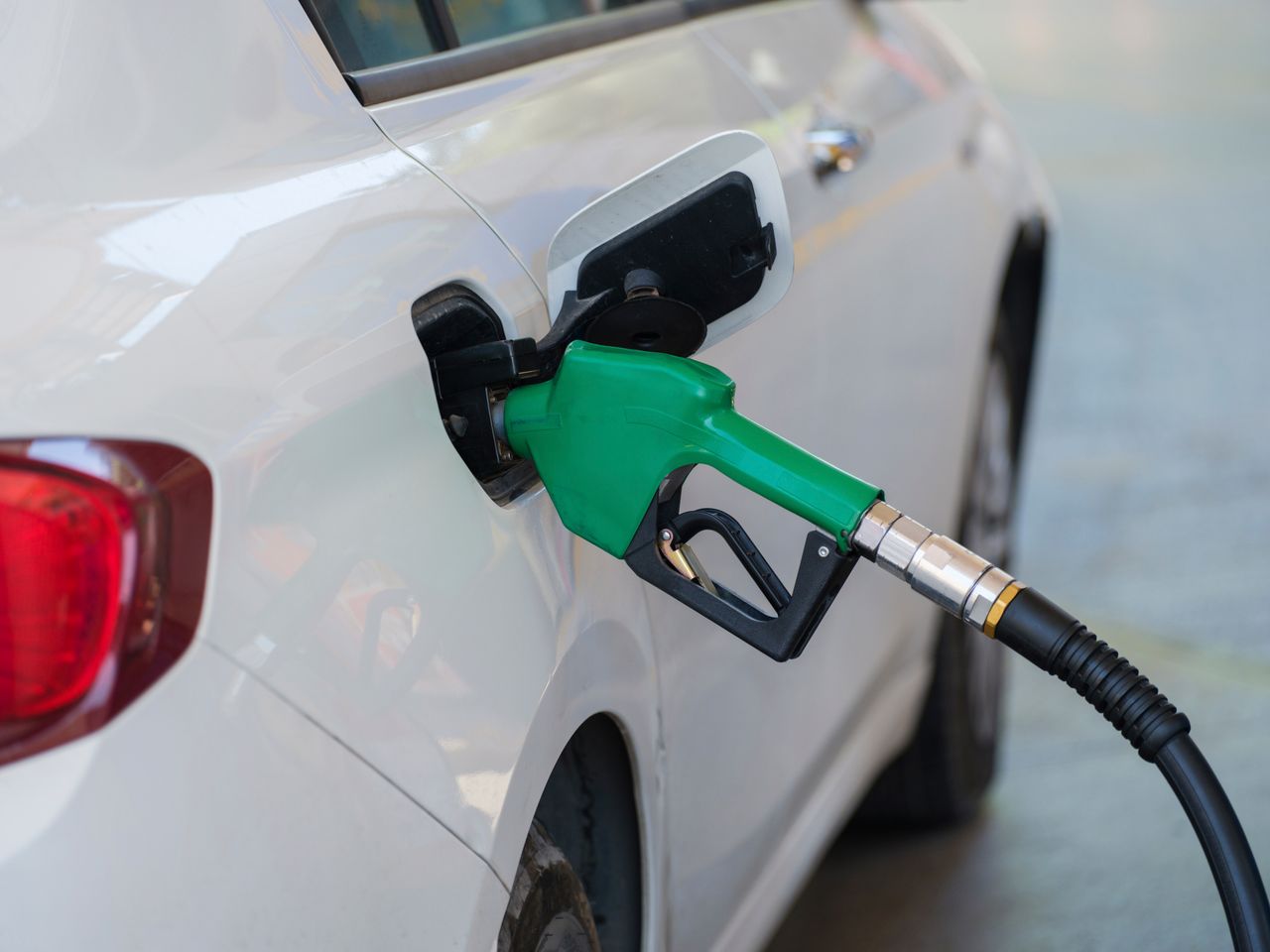
South African motorists will pay less for petrol from Wednesday, 5 August 2026, after the Department of Mineral and Petroleum Resources announced a 52 cents per litre reduction for both grades of petrol.

The fuel price adjustment, announced by Minister of Mineral and Petroleum Resources Gwede Mantashe, brings welcome relief for petrol users, although diesel and illuminating paraffin prices will increase.

From 5 August:

-Petrol 93 (ULP & LRP): Down 52c per litre
-Petrol 95 (ULP & LRP): Down 52c per litre
-Diesel (0.05% sulphur): Up R1.38 per litre
-Diesel (0.005% sulphur): Up R1.23 per litre
-Illuminating Paraffin (wholesale): Up R1.52 per litre
-Maximum Retail Price of LPGas: Down R4.41 per kilogram (R5.03 per kilogram in the Western Cape)

In Gauteng, the price of 95 unleaded petrol will decrease from R26.10 to R25.58 per litre. Along the coast, it will fall from R25.23 to R24.71 per litre.

According to the department, the average Brent crude oil price declined from US$86.53 to US$82.37 per barrel during the review period. While renewed tensions between the United States and Iran briefly pushed oil prices higher, this was offset by lower global demand and the continued impact of the US-Iran ceasefire agreement.

International petrol prices also declined, contributing to the lower Basic Fuel Price for petrol.

However, diesel and illuminating paraffin prices increased due to global supply shortages linked to the Russia-Ukraine conflict, which resulted in Russian diesel export restrictions. The department added that reduced refining capacity in the Middle East further tightened supply, pushing diesel prices higher.

Marine Protected Areas Day 2026: How MPAs Support Oceans, Communities and Human Wellbeing

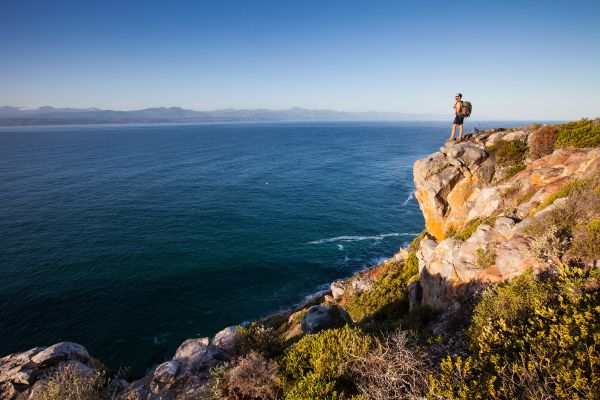
Marine Protected Areas (MPAs) Day was observed on Saturday (1 August), marking a global initiative first introduced in 2021 to highlight the vital role MPAs play in protecting the world's oceans, while supporting the wellbeing of people and communities. The day encouraged greater appreciation of Marine Protected Areas and the many benefits they provided for both marine biodiversity and society.

The 2026 theme, "Ocean Protection Needs Human Connection," emphasised that safeguarding the oceans is a shared responsibility. Individuals, businesses, communities and governments are encouraged to reduce pollution, respect Protected Areas, support sustainable fisheries and make environmentally responsible decisions to help secure the future of marine ecosystems.

The message closely reflected the One Health approach, which recognises that the health of people, animals and ecosystems is interconnected. The concept gained renewed international attention during the IUCN World Conservation Congress 2025, where it was promoted as a key framework for addressing biodiversity loss, climate change and other environmental challenges. Marine Protected Areas remain central to this approach because healthy oceans ultimately support healthy people.

MPAs protect marine and estuarine ecosystems, allowing species to thrive while preserving relatively undisturbed environments where harvesting is restricted or prohibited. These Protected Areas also serve as valuable reference sites for scientists studying long-term ecological changes and demonstrate how intact ecosystems are more resilient to climate change, pollution and extreme weather.

Healthy marine ecosystems also benefit surrounding communities. As fish and other marine species naturally move beyond MPA boundaries through a process known as "spillover", they help replenish nearby fisheries, strengthen marine ecosystems and support food security and local livelihoods.

One example is the Betty's Bay MPA, where a thriving marine environment and its African Penguin colony continue to attract thousands of visitors annually. Tourism generate valuable income for local businesses, including the community-run On the Edge restaurant, demonstrating how healthy oceans support both biodiversity conservation and economic development.

However, experts warned that these benefits could not be taken for granted. Rivers, estuaries and oceans remain closely connected, meaning pollution entering freshwater systems eventually reach coastal waters, threatening marine habitats, wildlife, tourism, public health and local economies.

The One Health approach had already proven its value in the Western Cape when authorities responded to rabies cases detected in Cape fur seals. Human and animal health experts worked together to monitor and manage the disease, highlighting the importance of coordinated action to protect both wildlife and people.

Marine Protected Areas Day ultimately reinforced that protecting the oceans extended far beyond conserving marine life. Healthy marine ecosystems continue to underpin food security, tourism, recreation, cultural heritage and human wellbeing.

The observance served as a reminder that safeguarding South Africa's Marine Protected Areas require collective action to ensure they continue benefiting both nature and future generations.

SAPS Seizes R28 Million Cocaine Shipment at OR Tambo International Airport

The South African Police Service (SAPS) has seized 95kg of cocaine worth an estimated R28 million at OR Tambo International Airport in a major drug bust targeting international drug trafficking.

Police said the cocaine was intercepted on Friday during an intelligence-led operation after SAPS Crime Intelligence's Border Integrity Unit received information about a suspected drug shipment.

The operation involved SAPS Visible Policing officers at OR Tambo International Airport, Customs officials and Menzies Aviation staff.

The cocaine was found in cargo that arrived on a flight from São Paulo, Brazil, shortly after 1pm. Officers seized the 95kg shipment before it could leave the airport.

No arrests have been made, but police have launched an investigation to identify and arrest those behind the attempted drug smuggling operation.

SAPS said the successful operation highlights its ongoing efforts to combat organised crime, drug trafficking and cross-border smuggling. Police added that they will continue working with law enforcement partners to protect South Africa's borders and ports of entry from criminal exploitation.

What have they done to the rain? July 2026 driest on record in parts of Western Cape

July 2026 has gone down as the driest July on record for several areas of the south-western Western Cape, according to the South African Weather Service (SAWS).

SAWS says several severe weather systems during May and early June 2026 significantly improved water storage across much of the province. However, a strong blocking high-pressure system over the Atlantic Ocean later prevented most cold fronts from reaching the Western Cape.

As a result, only three weak cold fronts moved across the south-western Cape during July. Since the region receives most of its annual rainfall between June and August, the lack of frontal systems led to exceptionally dry conditions.

Preliminary rainfall data shows that Cape Town International Airport recorded just 14.4 mm of rain during July – the lowest July total since records began in 1958. This is only about 16% of the airport's average July rainfall. The previous record low was 18.0 mm, recorded in 1987.

The Weather Service says seasonal forecasts had already indicated a strong likelihood of below-normal rainfall during the winter months, with short-term forecasts suggesting the dry pattern could continue into the first week of August.

Several other stations also recorded their driest July on record:

Cape Town International Airport: 14.4 mm (68-year record)
SA Observatory: 15.6 mm (91-year record)
Malmesbury: 3.2 mm (33-year record)
Kirstenbosch: 65.0 mm (29-year record)
Hermanus: 12.0 mm (21-year record)
Paarl: 27.6 mm (17-year record)

SAWS also highlighted the stark contrast between July 2025 and July 2026. Several cold fronts crossed the Western Cape during July 2025, with many stations receiving more than 100 mm of rainfall. In contrast, July 2026 was the driest on record across much of the south-western Cape.

With El Niño expected to strengthen over the coming months, the likelihood of a warmer-than-normal summer over the Western Cape is expected to increase.

Given the uncertainty surrounding rainfall during the 2027 winter season, the South African Weather Service has encouraged residents to continue using water sparingly in the months ahead.

Final voter registration weekend is here

South Africans who have not yet registered to vote or need to update their details, have been urged to do so during the final voter registration weekend on 1 and 2 August.

The Electoral Commission (IEC) said it had completed its preparations for the final voting station-based registration opportunity, with 23 699 voting stations set to operate across the country from 8am to 5pm on both Saturday and Sunday.

IEC Chief Executive Officer Sy Mamabolo called on eligible voters to use the opportunity to secure their place on the voters’ roll, ahead of the 2026 Local Government Elections.

“The Commission calls on all eligible South Africans who have not yet registered as voters; those who are registered but have not yet inspected their address details for completeness, or those who have moved residence since they last registered, to use this final opportunity to secure their place on the voters’ roll,” Mamabolo said.

The IEC will deploy 48 212 trained electoral officials to assist voters with registration, updating their details and verifying their registration information.

The Commission has also adjusted its voting district arrangements following an assessment of voter activity during the first registration weekend, reducing the number of districts from 23 706 to 23 699.

During the first registration weekend on 20 and 21 June, more than three million registration transactions were recorded.
Cooperative Governance and Traditional Affairs Minister Velenkosini Hlabisa has also urged citizens to take part in the final registration drive, stressing that active participation is essential to improving local government.

“Go and vote for people who will serve you. It is not going to help to complain if you don't participate in selecting who should be your candidate,” Hlabisa said.

He said the quality of local government depended largely on the calibre of councillors elected to serve communities.

“If we want to fix municipalities, we must fix who becomes a councillor. That is the bottom line,” Hlabisa said.

Hlabisa also urged voters to participate in the candidate nomination process and elect leaders who will ensure that municipal funds are directed towards essential services and priority needs.

The Department of Home Affairs will align its operating hours with the registration weekend to assist eligible voters who require identity documents.

Following the final registration weekend, the IEC anticipates that the Minister of Cooperative Governance and Traditional Affairs will proclaim the date of the 2026 Local Government Elections.

Mamabolo said the voters’ roll would close at midnight on the day the election is proclaimed.

Thereafter, no new registrations or changes to existing voter details will be permitted until after the elections, and the IEC will cease registration drives and deactivate its online registration portal.

Two firearms seized, two men arrested in Western Cape operation

Police have arrested a 36-year-old man and seized two firearms, ammunition and imitation weapons during an intelligence-driven operation in Ottery, Cape Town.

The operation was conducted on Thursday, 30 July, by members of the South African Police Service (SAPS) Anti-Gang Unit, supported by the South African National Defence Force (SANDF), under Operation Prosper.

Police targeted a residence at Hohenhort Court in the Ottery area after receiving intelligence about suspected illegal firearms.
During a search of the property, officers seized a CZ100 pistol and a Ruger pistol, two imitation firearms, three magazines, 29 rounds of ammunition of various calibres and a blank round.

A 36-year-old man was arrested and is facing charges of illegal possession of firearms and ammunition, as well as the illegal possession of two imitation firearms.

He is expected to appear in the Wynberg Magistrates’ Court.

In a separate operation conducted as part of the same deployment, police tracing wanted suspects arrested a 51-year-old man for allegedly contravening the Domestic Violence Act.

The arrests come as police intensify operations targeting illegal firearms, which authorities have identified as a major contributor to violent and gang-related crime in the Western Cape.

Acting Western Cape Provincial Commissioner Major General Luyanda Damoyi said the recovery of illegal firearms could help prevent further violent crimes.

“The proliferation of illegal firearms continues to fuel violent crime and gang-related violence in our province,” Damoyi said.
He said police could not determine whether the recovered firearms had previously been used in crimes until ballistic testing had been completed.

“Every firearm recovered is one less weapon available to criminals to rob, intimidate or take innocent lives,” Damoyi said.

He added that police would continue conducting intelligence-driven operations to remove illegal firearms from circulation.

SAPS has urged communities to provide information that could assist police in recovering illegal firearms and identifying those involved in their possession and use.

President green-lights report on electricity sector restructuring

President Cyril Ramaphosa has endorsed a landmark report by the Eskom Restructuring Task Team (ERTT), setting out the framework for establishing a fully independent state-owned Transmission System Operator (TSO).

The report sets the stage for a restructuring of the electricity sector to “create competition, unlock investment, reduce electricity prices and ensure energy security for sustained economic growth and job creation.”

“This report shows how government can ensure that the architecture of the electricity sector can change as the sector continues to evolve, creating the foundation for South Africa’s growth.

“It is welcomed that all the key stakeholders are aligned on this objective,” President Ramaphosa said in a statement on Friday.
According to the Presidency, the report sets out recommendations for an “independent Transmission System Operator separate from Eskom.”

“The TSO is a key enabler of a successful competitive wholesale electricity market that is expected to deliver reliable and cost-effective electricity. This reform will support higher rates of economic growth, investment and job creation,” the Presidency said.

The report includes recommendations that:
-show that the restructuring is feasible, in line with international best practice, and can be done in a manner that does not compromise Eskom’s financial sustainability.
-highlight that the growth in municipal arrear debt to Eskom needs to be addressed because of the threat it poses to Eskom and the broader electricity sector.
-identify several actions that can be taken immediately to enable the restructuring.

“In Phase II, which starts immediately, the detailed transaction structure and implementation plan will be developed. Phase II will proceed over the next three months.

“The ERTT has proposed that a working group develop a consolidated action plan, encompassing all initiatives aimed at arresting the growth in municipal arrears and identifying those to be scaled up and accelerated.

“Such initiatives include stronger enforcement of credit controls, rolling out smart meters and Distribution Agency Agreements (DAAs), and stricter license enforcement, as well as the continued implementation of the Municipal Debt Relief Programme, Metro Trading Services Reform and the Electricity Distribution Industry (EDI) Reform Roadmap,” a Presidency statement noted.

Actions that can be implemented immediately include:
-strengthening interim measures to support the existing National Transmission Company of South Africa’s (NTCSA’s) independence and the internal ring-fencing of the NTCSA’s different licensed activities.
-taking first steps toward unbundling tariffs.
-clarifying the payment waterfall within the restructured market environment.
-developing mechanisms to insulate market participants from non-payment.

“The proposals to strengthen NTCSA’s independence during the interim period until the TSO is established include various requirements to ensure good governance and strengthened regulatory oversight.

“Directors serving on the Eskom board will not be appointed to the board of the NTCSA or serve on the boards of both the NTCSA and Eskom. The appointment of the Chief Executive Officer (CEO) and senior management of NTCSA will be the sole responsibility of the NTCSA Board,” the statement read.

Furthermore, there will be “clear delegation of authority from Eskom to the NTCSA of all decision-making related to the market, financial and operational ring-fencing of NTCSA from Eskom”. 

“Decisions on access to the transmission network are to be relocated to the NTCSA and eventually to the TSO. This includes cases in which connections are at the distribution level but have implications for the market or transmission network.

“Eskom Distribution will retain a Grid Access Unit to manage connections to its distribution network where projects connect at this level,” the statement concluded. 

Cabinet approves 10-year driving licences & Publication of Revised Electricity Pricing Policy

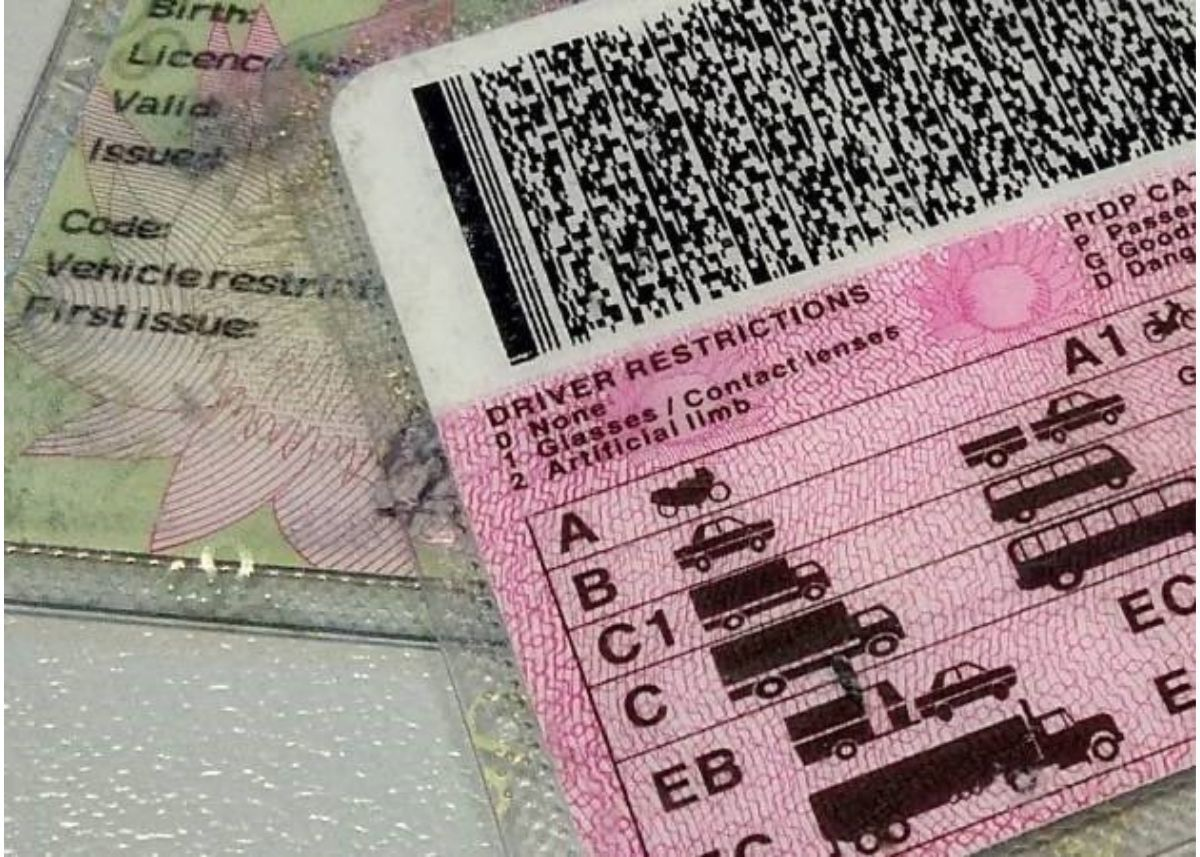
Minister in The Presidency Khumbudzo Ntshavheni has announced that Cabinet has approved the extension of the validity period of driving licences for light motor vehicles and motorcycle licences from five years to 10 years.

Addressing members of the media in Pretoria on Thursday on the outcomes of Wednesday’s Cabinet meeting, Ntshavheni said the extension applies to Codes A, A1, B and EB, increasing the validity period from five to 10 years.

Heavy commercial and public transport vehicles will remain subject to the existing two-or five-year renewal cycles, while Professional Driving Permits will also remain on the two-year renewal cycle.

“The implementation of the extended validity period requires legislative amendments. Motorists must therefore continue to renew expired driving licence cards until the new law takes effect. 

“The change aligns with international best practice, enhances administrative efficiency, reduces the frequency of renewals for motorists and eases service-demand pressures within the licensing system,” the Minister said.

Revised Electricity Pricing Policy

Cabinet also approved the publication of the Revised Electricity Pricing Policy for public comment. The policy strengthens the regulatory framework governing electricity prices, tariffs and charges.

The policy provides tariff transparency through the unbundling of tariffs across generation, transmission, distribution and retail activities. It also consolidates regulatory arrangements for electricity pricing across the various pricing interfaces between generators, traders, the National Transmission Company South Africa (NTCSA), and distributors.

It also establishes the framework through which these interfaces will be enabled and regulated by the National Energy Regulator of South Africa (NERSA).

Ntshavheni said the policy updates the 2008 Electricity Pricing Policy to reflect developments in the electricity supply industry, including ongoing market reforms arising from the unbundling of Eskom and the implementation of the Electricity Regulation Amendment Act, 2024.

“The policy supports the introduction of cost-reflective tariffs while protecting vulnerable users and strategic economic sectors,” the Minister said.

Meanwhile, government is set to publish the draft Electricity Sector Market Transformation Position Paper for public comment, following Cabinet’s approval.

“The position paper provides a framework to guide South Africa’s transition from a predominantly state-controlled electricity system to a more competitive electricity market, in line with the Electricity Regulation Amendment Act, 2024 and the Energy Action Plan.

“The proposed reforms seek to improve energy security and reliability by reducing reliance on a single electricity supplier and enabling greater participation in electricity generation and trading. 

“The reforms are also aimed at attracting investment in electricity generation, transmission and distribution infrastructure supporting job creation and economic growth, and reducing electricity costs over the long term,” Ntshavheni said.

SA tourism records double-digit growth

South Africa's tourism sector continued its strong recovery in the first half of 2026, with international tourist arrivals increasing by 12.3% compared with the same period last year, according to the Department of Tourism.

The latest tourism figures show that South Africa welcomed 5 584 473 international tourists between January and June 2026, reflecting sustained growth across both regional and overseas markets.

The increase was driven by a 14.3% rise in arrivals from the African continent, while overseas arrivals grew by 5.6%, underscoring the country's continued appeal to international travellers.

June also delivered another strong performance, with 823 365 international tourists visiting South Africa during the month, representing a 9.8% year-on-year increase. Tourist arrivals from Africa climbed by 12.1% compared with June 2025.

The United States remained South Africa's leading overseas source market for the second consecutive month in June, with 40 566 American visitors travelling to the country.

Tourism Minister Patricia de Lille attributed the positive results to government's strategy of broadening the country's tourism offering and strengthening partnerships with the industry and international markets.

"The deliberate decision to diversify our tourism products is yielding positive results. The sustained growth in both regional and overseas arrivals reflects the resilience of our tourism sector and the effectiveness of the partnerships we have built with industry and our international markets," de Lille said.

She said government would continue to strengthen partnerships through joint marketing initiatives across the African continent while expanding its presence in strategic overseas markets.

De Lille added that the latest figures reinforced government's commitment to improving ease of access for travellers, expanding air connectivity and positioning South Africa as a preferred destination for both leisure and business travel. 
error:
Scroll to Top