Garden Route Environmental Crisis: Invasive Alien Plants Among the Worst in South Africa

The Garden Route is facing an environmental crisis of alarming proportions, with the region’s invasive alien plant problem described as “among the worst in the country” by veteran environmental manager Dr Guy Preston.

Preston recently visited the Garden Route following the region’s extreme weather events and assessed environmental conditions on the ground.

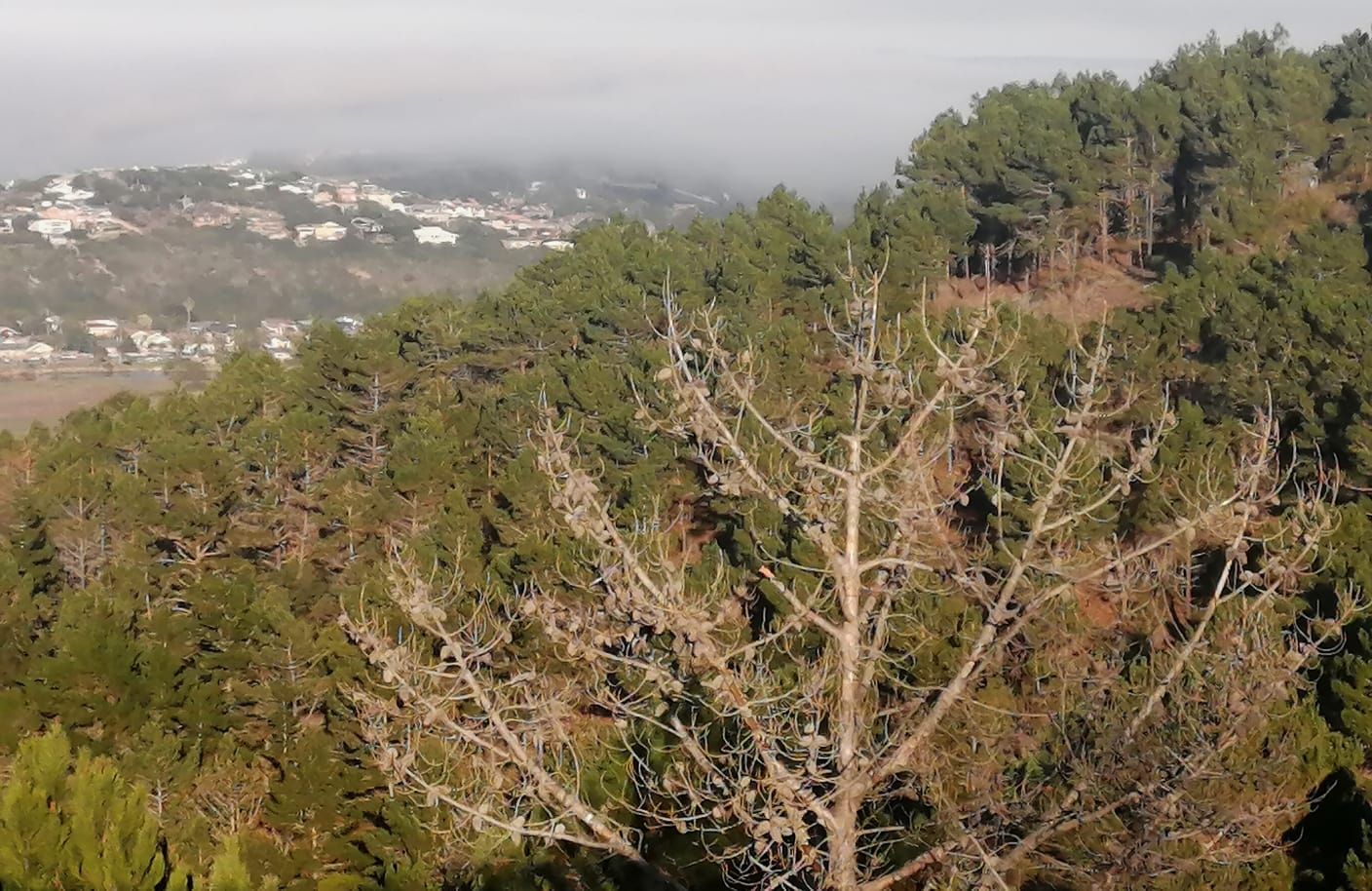
“After seeing conditions on the ground, Preston expressed deep concern at the extent of invasive alien plants (IAPs), describing their prevalence in the Garden Route as among the worst in the country,” said Cobus Meiring of the Garden Route Environmental Forum (GREF).

Preston’s assessment carries significant weight. He is widely recognised for his role in establishing and driving South Africa’s internationally acclaimed invasive alien plant control programmes, including Working for Water, Working for Wetlands and Working on Fire, during his tenure as Director of Natural Resource Management Programmes in the Department of Forestry, Fisheries and Environmental Affairs.

At their peak, these programmes had combined budgets running into billions of rand and created thousands of jobs while restoring ecosystems and tackling invasive species.

During his Garden Route tour, Preston highlighted the serious risks posed by the unchecked spread of invasive vegetation. The threat extends far beyond the displacement of indigenous plants and loss of biodiversity.

Dense stands of invasive alien vegetation create significant amounts of combustible biomass, increasing the risk of intense and destructive wildfires. Invasive species can also outcompete indigenous vegetation, disrupt natural ecosystems and undermine biodiversity.

Water security is another major concern. Invasive alien plants can consume substantial quantities of water, particularly in catchments, potentially affecting streamflow and reducing water availability for both ecosystems and communities.

Preston also raised concerns about the degradation of rivers, wetlands and other natural infrastructure. Healthy catchments and functioning river systems are essential to the Garden Route’s ecological resilience, yet widespread invasive plant infestations are placing these systems under increasing pressure.

For the Garden Route, Preston’s assessment represents a stark wake-up call.

The region’s forests, rivers, wetlands, mountains and coastal ecosystems are among its greatest natural assets, but their long-term resilience cannot be taken for granted.

His visit highlighted the urgent need for coordinated, sustained action involving national and local government, municipalities, landowners, conservation organisations and communities.

The success of Working for Water demonstrated what can be achieved when invasive alien plants are treated as a major environmental and economic priority. GREF believes these lessons should inform a renewed and properly resourced effort to control invasive species and restore the Garden Route’s ecosystems before the environmental and economic costs of inaction become even greater.

The Garden Route Environmental Forum (GREF) is a public platform for environmental managers and serves as a climate-change think tank.

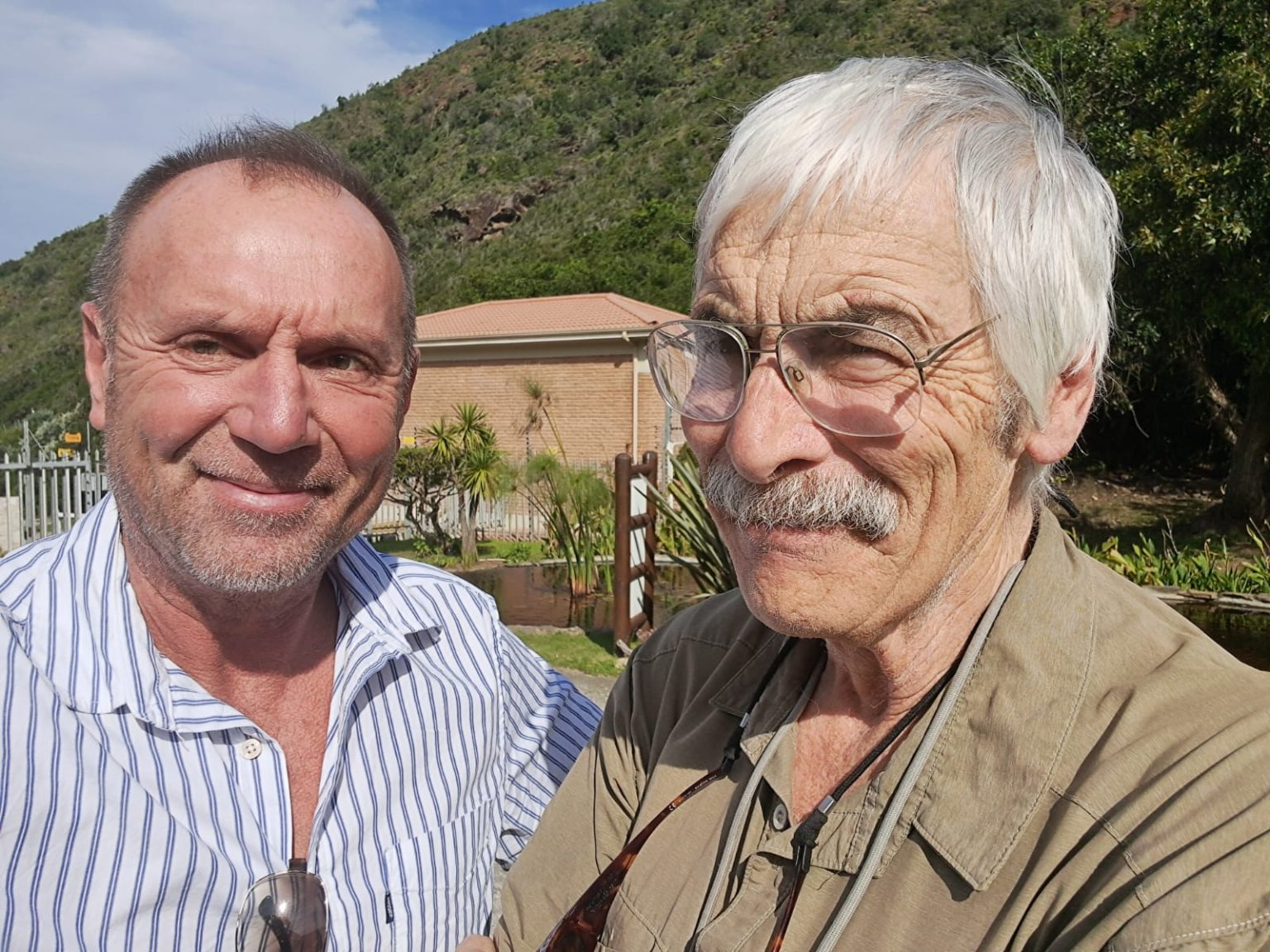
Photo: Cobus Meiring, Chairperson of the Garden Route Environmental Forum, with Dr Guy Preston.

Western Cape Government Strengthens Financial Response to Severe Weather Damage


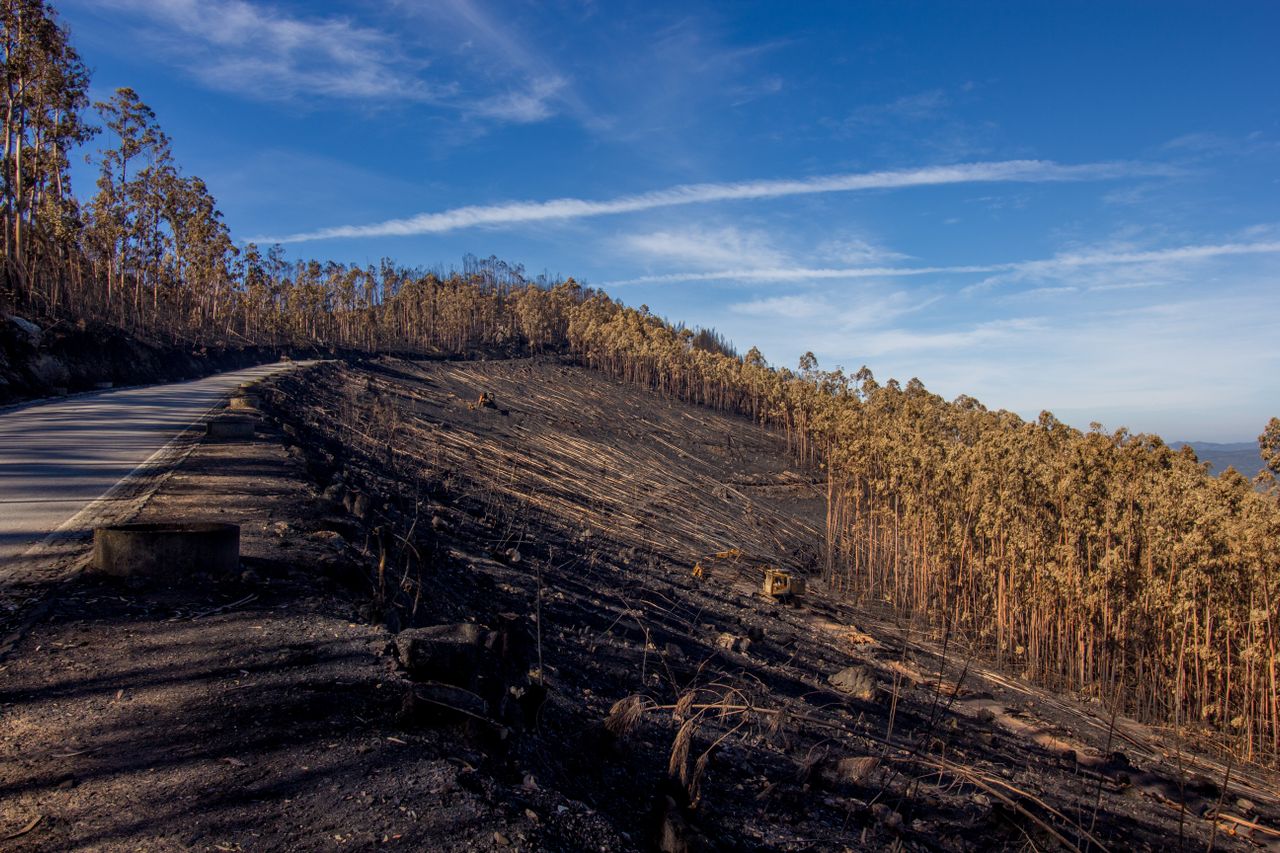
The Western Cape Government is strengthening its financial response to the damage caused by a series of severe weather events that hit the province in May 2026, with total losses estimated at R9.979 billion.

Western Cape Premier Alan Winde chaired a provincial Cabinet meeting on Wednesday, where Cabinet received an update on the ongoing recovery and repair efforts.

The scale of the damage means the cost of rebuilding and restoring infrastructure is expected to exceed the province’s current financial capacity. Provincial departments will therefore need to reprioritise their budgets to ensure critical recovery work continues.

The Western Cape Department of Local Government has submitted a funding application to the Department of Cooperative Governance and Traditional Affairs (COGTA), through the National Disaster Management Centre (NDMC), for financial assistance to address the shortfall in funding for essential infrastructure repairs and restoration.

The provincial government has also asked for its funding application to be considered by the relevant National Treasury Committee under national provisions for unforeseeable and unavoidable expenditure.

In the meantime, Cabinet has approved R480 million in financial commitments to various provincial departments from the province’s 2026/27 Unforeseen and Unavoidable Reserve.

Premier Winde said the province could not afford to wait for national disaster relief processes to be finalised before taking action.
“As a province we cannot wait for lengthy disaster relief processes from National Government to be finalised. We must act decisively. We have excellent financial management mechanisms in place and a contingency reserve which we now have to exhaust because our economy and communities cannot be held ransom by damaged infrastructure.”

The R480 million allocation will allow provincial departments to intensify their response and recovery efforts while the Western Cape awaits confirmation of additional funding from the NDMC.

Winde said the province would continue prioritising interventions aimed at restoring essential services and repairing damaged public infrastructure.

“The magnitude of this disaster requires us to work even harder to secure every available rand needed to rebuild damaged infrastructure and support affected communities. The financial impact extends across multiple departments, which adds urgency to our response. We are committed to doing everything possible to ensure that recovery efforts continue without delay.”

Cabinet also committed to ensuring that the recovery funding process is managed transparently and responsibly.

Winde warned that the increasing frequency and severity of extreme weather events, driven in part by a changing climate, means government must place greater emphasis on disaster prevention and risk reduction.

“We cannot only respond after disaster strikes. We must also do more to reduce the risks before these events happen.”

Preventative measures will include accelerating the cutting and maintenance of firebreaks, clearing invasive alien vegetation from waterways and water bodies, upgrading stormwater systems and strengthening the maintenance of critical infrastructure.

The Western Cape Government says these measures are essential to building greater resilience and reducing the impact of future extreme weather events on communities and infrastructure.

Marine Protected Areas Day 2026: How MPAs Support Oceans, Communities and Human Wellbeing

Marine Protected Areas (MPAs) Day was observed on Saturday (1 August), marking a global initiative first introduced in 2021 to highlight the vital role MPAs play in protecting the world's oceans, while supporting the wellbeing of people and communities. The day encouraged greater appreciation of Marine Protected Areas and the many benefits they provided for both marine biodiversity and society.

The 2026 theme, "Ocean Protection Needs Human Connection," emphasised that safeguarding the oceans is a shared responsibility. Individuals, businesses, communities and governments are encouraged to reduce pollution, respect Protected Areas, support sustainable fisheries and make environmentally responsible decisions to help secure the future of marine ecosystems.

The message closely reflected the One Health approach, which recognises that the health of people, animals and ecosystems is interconnected. The concept gained renewed international attention during the IUCN World Conservation Congress 2025, where it was promoted as a key framework for addressing biodiversity loss, climate change and other environmental challenges. Marine Protected Areas remain central to this approach because healthy oceans ultimately support healthy people.

MPAs protect marine and estuarine ecosystems, allowing species to thrive while preserving relatively undisturbed environments where harvesting is restricted or prohibited. These Protected Areas also serve as valuable reference sites for scientists studying long-term ecological changes and demonstrate how intact ecosystems are more resilient to climate change, pollution and extreme weather.

Healthy marine ecosystems also benefit surrounding communities. As fish and other marine species naturally move beyond MPA boundaries through a process known as "spillover", they help replenish nearby fisheries, strengthen marine ecosystems and support food security and local livelihoods.

One example is the Betty's Bay MPA, where a thriving marine environment and its African Penguin colony continue to attract thousands of visitors annually. Tourism generate valuable income for local businesses, including the community-run On the Edge restaurant, demonstrating how healthy oceans support both biodiversity conservation and economic development.

However, experts warned that these benefits could not be taken for granted. Rivers, estuaries and oceans remain closely connected, meaning pollution entering freshwater systems eventually reach coastal waters, threatening marine habitats, wildlife, tourism, public health and local economies.

The One Health approach had already proven its value in the Western Cape when authorities responded to rabies cases detected in Cape fur seals. Human and animal health experts worked together to monitor and manage the disease, highlighting the importance of coordinated action to protect both wildlife and people.

Marine Protected Areas Day ultimately reinforced that protecting the oceans extended far beyond conserving marine life. Healthy marine ecosystems continue to underpin food security, tourism, recreation, cultural heritage and human wellbeing.

The observance served as a reminder that safeguarding South Africa's Marine Protected Areas require collective action to ensure they continue benefiting both nature and future generations.
error:
Scroll to Top