SANParks Announces Free Access Week for South African Visitors

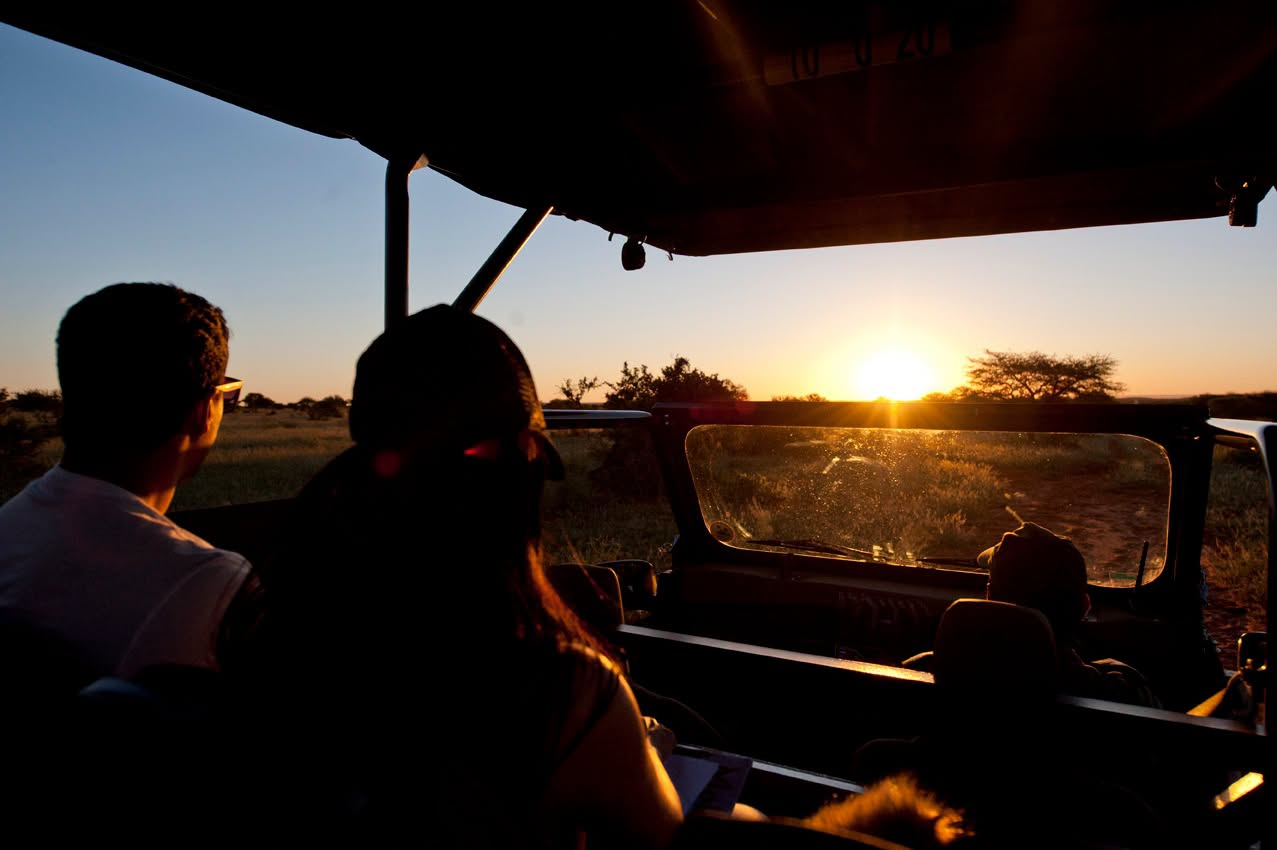
South African day visitors will once again have the opportunity to explore participating national parks for free during the 21st annual SA National Parks Week.

The South African National Parks (SANParks) initiative will take place from 7 to 13 September 2026, offering South African citizens free entry to participating national parks across the country.

However, free access at Kruger National Park, West Coast National Park and Augrabies Falls National Park will only be available from Monday, 7 September to Friday, 11 September, and will not include the weekend.

“This highly anticipated South African National Parks campaign opens the gates of participating national parks to South African day visitors at no charge, creating an opportunity for families, communities, schools, nature lovers and first-time visitors to experience some of the country’s most spectacular protected areas,” SANParks said.

Namaqua National Park, the Boulders Penguin Colony section of Table Mountain National Park and the Table Mountain Aerial Cableway are not included in the free access initiative.

To qualify for free entry, South African visitors must present a valid identity document. Children under the age of 18 will not be required to provide identification.

The free access offer applies to day visitors only and does not include accommodation, guided activities, game drives or other tourism activities, which will continue to be charged at normal rates. SANParks has also warned that individual parks may have different entry requirements and visitor limits.

For the full list of participating parks and their respective free-access dates, visit the SANParks SA National Parks Week 2026 page.

Since its launch in 2006, SA National Parks Week has become one of SANParks’ flagship public awareness initiatives, attracting hundreds of thousands of visitors and helping to build greater appreciation for South Africa’s national parks and their role in conservation.

More than 105,000 visitors took advantage of the free-access initiative in 2025 alone.

Call for Increased Patrols at Garden Route Dam After Latest Attack

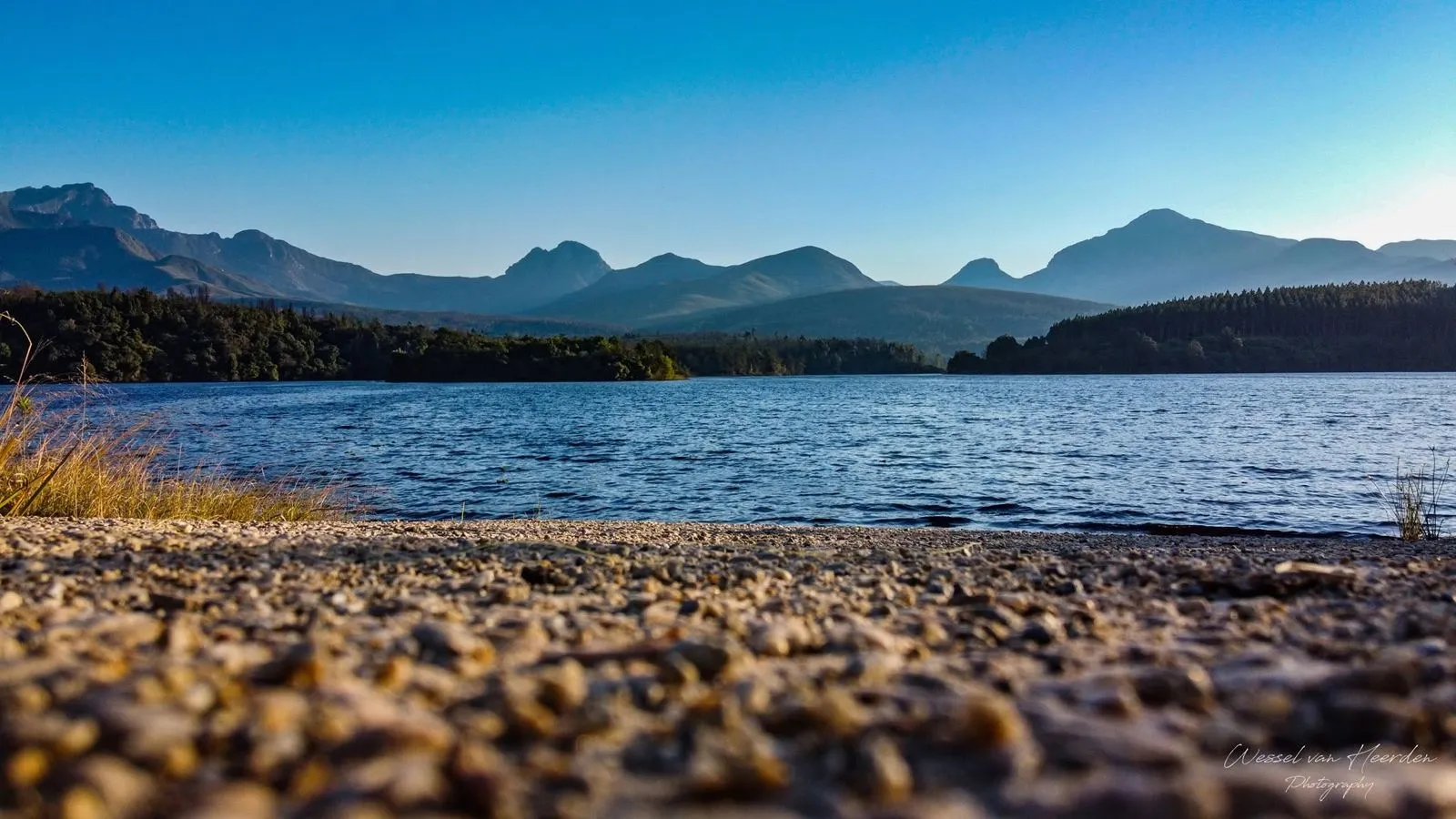
The FF Plus is urgently calling on the police and George municipal law enforcement services to immediately increase visibility and patrols at the Garden Route Dam.

The dam is a popular recreational area where residents and visitors walk, jog and cycle. The latest incident, in which a 22-year-old woman was approached from behind and grabbed around the neck while walking alone to her vehicle, highlights the serious safety risks in the area.

Several incidents in recent times indicate that the current level of visibility is insufficient. The FF Plus is requesting increased patrols at the dam and along the surrounding routes, and that all incidents continue to be reported so that crime patterns can be identified and addressed.

However, the solution cannot be for people to stay away from the dam out of fear. When residents avoid public spaces, it becomes easier for criminals to take control of them.

Visitors are instead encouraged to act responsibly, move in groups where possible and remain vigilant.

"Tourism is an important pillar of George’s economy and supports numerous businesses and jobs. The town cannot afford for a valuable tourism and recreational area to develop a reputation for being unsafe," the FF Plus said in a statement.

The political party is calling on all stakeholders to work together to make the Garden Route Dam safer, so that residents and visitors can enjoy it with greater peace of mind.

Photo by Wessel Van Heerden Photography

Cape Town takes investment campaign to Johannesburg and Durban

The City of Cape Town has taken its investment proposition to two of South Africa’s key economic centres, using a national roadshow to strengthen partnerships, engage businesses and showcase the opportunities positioning Cape Town as one of Africa’s leading investment destinations.

Alderman James Vos, Mayoral Committee Member for Economic Growth at the City of Cape Town, opened the Johannesburg Stock Exchange (JSE) trading floor on Thursday, 13 August, with the ceremonial sounding of the market’s opening horn. The event marked the Johannesburg leg of the City’s national investment positioning roadshow.

Municipal officials from the Economic Growth Directorate joined representatives from industry bodies and business partners, including Wesgro, GreenCape, CapeBPO, UVU Africa, the Atlantis Special Economic Zone, Cape Town Tourism and other sector-focused organisations supporting investment, trade and economic development.

The programme also marked the launch of the City’s new global investment campaign, Cape Town. Built for Business. The campaign will roll out across multiple channels in more than 60 cities worldwide.

The City also showcased Maya, Invest Cape Town’s new AI-powered investment facilitation tool. Maya is designed to help investors navigate municipal processes and connect with relevant suppliers, partners and officials.

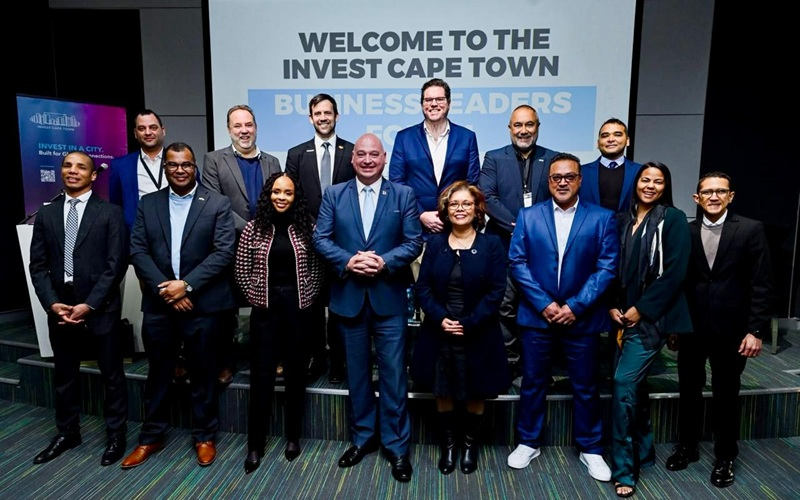
Invest Cape Town, the business and investment brand of the City’s Economic Growth Directorate, hosted business leader engagements in Johannesburg and Durban, bringing together senior representatives from businesses, investors, industry associations, investment promotion agencies and economic development organisations.

“Standing on the JSE trading floor and opening the market is something I will remember. But the real purpose of being here is much bigger. We are here to connect, collaborate and build relationships that can strengthen South Africa’s economic proposition,” said Vos.

“We are not here to compare Cape Town with Johannesburg or Durban. South Africa needs strong economic centres working together. We want to complement what other cities are doing and showcase the sectors and opportunities where Cape Town has a particular competitive advantage.”

These sectors include technology and business process outsourcing, manufacturing, tourism, the blue economy, renewable energy, creative industries and international trade.

The Johannesburg Business Leaders Forum gave the City and its partners an opportunity to engage directly with companies and investors about expansion plans, challenges and opportunities for collaboration.

“We need to get out of our offices and into the boardrooms. We want to hear from businesses about what they need, what is holding them back and where we can work together to unlock investment and jobs,” Vos said.

In Durban, the delegation visited Dube TradePort to learn more about its approach to developing manufacturing, logistics and industrial opportunities around its airport and trade infrastructure.

“We were particularly interested in seeing how Dube TradePort is creating an environment where manufacturing businesses can establish new factories and operations seamlessly,” Vos said.

The Durban programme also included an Invest Cape Town Business Leaders Forum, continuing discussions with businesses and strategic economic partners around investment, collaboration and inclusive growth.

The engagements highlighted the City’s new Manufacturing Support Policy, Business Support Policy and Ease of Doing Business Index, all aimed at making it easier for businesses to operate, grow and invest in Cape Town.

“Cape Town has a very clear proposition: we want to be the easiest place to do business in Africa. That means creating the right conditions for businesses to invest, expand and create jobs, but it also means working with our partners across South Africa.

“Ultimately, when Cape Town attracts investment, creates jobs and grows its economy, it strengthens the South African economy too. That is the message we are taking to the rest of the country and, now, to the world,” Vos said.

Kruger National Park flood repairs estimated at R950 million


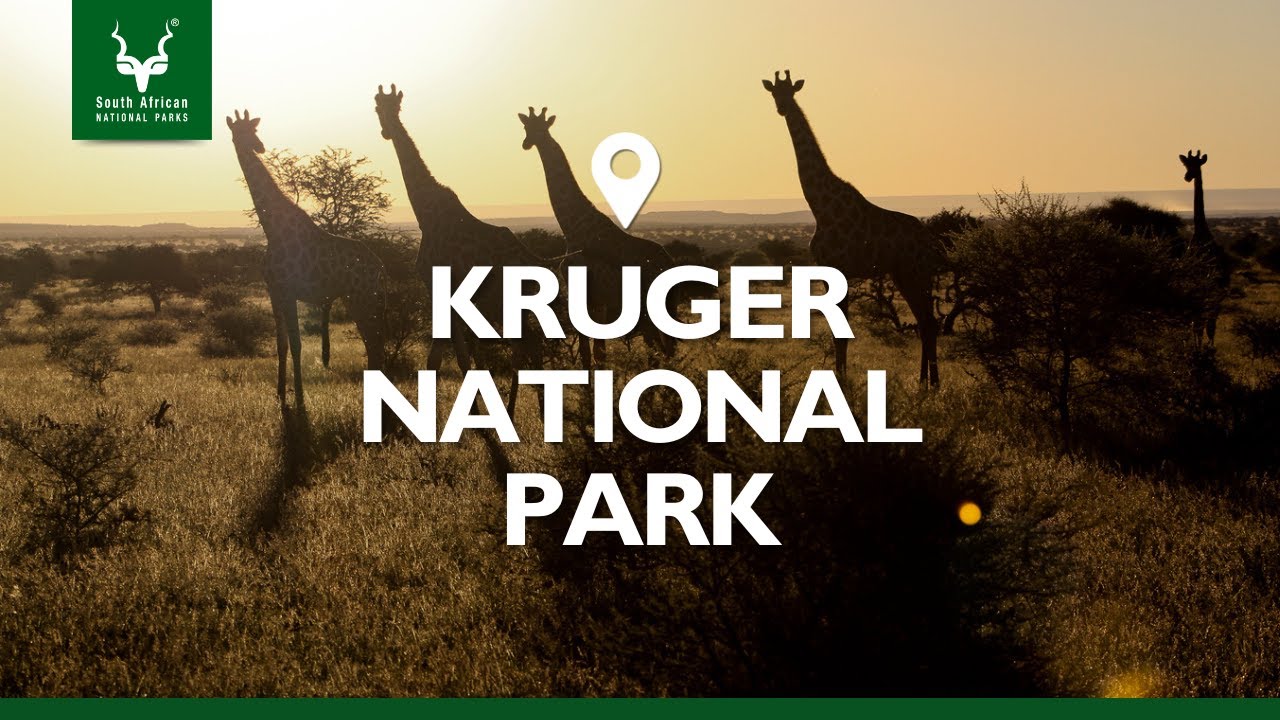
The cost of repairing infrastructure damaged by severe flooding in the Kruger National Park earlier this year is estimated at R950 million.

Heavy rains and flooding in January 2026 caused extensive damage to roads, accommodation facilities and water-related infrastructure across the park.

Since then, the park’s management team and contractors have been working on a phased recovery programme to repair the damage and strengthen infrastructure against future extreme weather events.

Forestry, Fisheries and the Environment Minister David Maynier said the recovery effort is focused not only on restoring damaged facilities, but also on building more modern and resilient infrastructure.

“Our national parks are valuable environmental assets, and the Kruger National Park is the jewel in our crown. We must ensure that they are maintained and revitalised.”

Maynier visited the Kruger National Park last week for briefings on the progress of the flood recovery programme.

He also visited Letaba Rest Camp, one of the areas worst affected by the floods, where repairs are currently underway.

The A and B circles at Letaba are expected to reopen in September 2026.

The Letaba High-Level Bridge, which was also severely damaged, has already reopened, with the final stages of its rebuild nearing completion.

During his visit, Maynier also engaged with guests at Skukuza Rest Camp and the Letaba campsite.

He said maintaining a positive guest experience remains a key priority as investment in the park continues.

“The guest experience must be a key focus for investments going forward, as we want families and friends to come together and create lasting memories of their time at the Park,” Maynier said.

He added that feedback from visitors was overwhelmingly positive, while any outstanding issues would be addressed by park management.

The Department of Forestry, Fisheries and the Environment is expected to provide further updates on the progress of the recovery work.

South Africa launches Electronic Travel Authorisation to make international travel easier and more secure


South Africa has taken a major step towards modernising international travel with the official launch of its Electronic Travel Authorisation (ETA), a digital system designed to make entry into the country faster, easier and more predictable while strengthening border security.

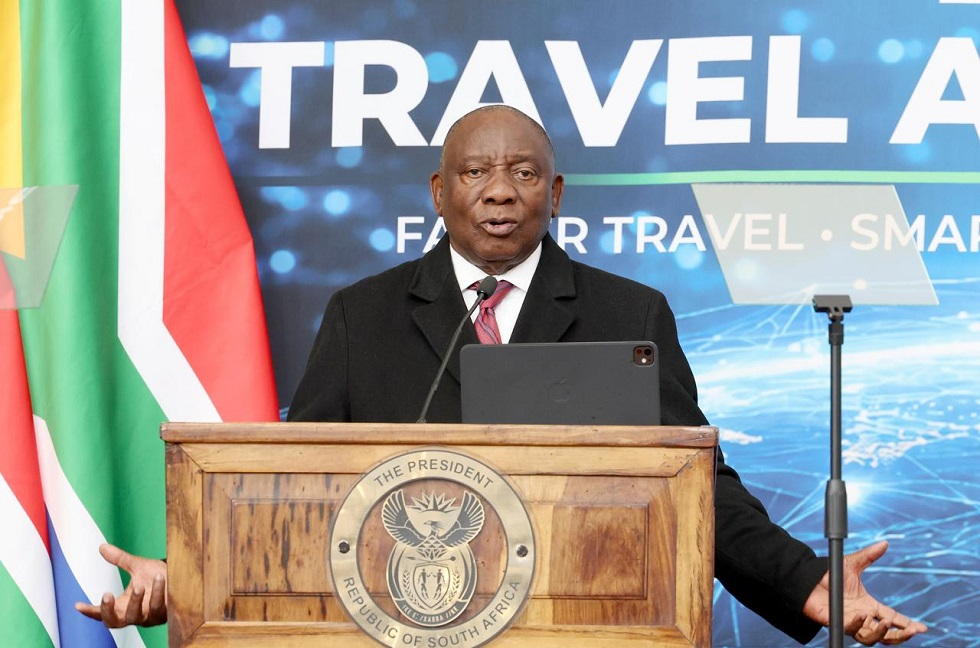
President Cyril Ramaphosa launched the system at OR Tambo International Airport on Wednesday, describing the reform as more than a digital upgrade.

“This is far more than the introduction of a new digital platform. It is a statement about the kind of country we are building,” Ramaphosa said.

He said the ETA would make South Africa more welcoming to legitimate travellers while improving security and strengthening the country's competitiveness in the global economy.

“It is about making South Africa more open to opportunity, more welcoming to legitimate travellers, more secure for our citizens and more competitive in the global economy.”

ETA expected to boost tourism, trade and investment

The launch forms part of government's broader structural reform programme aimed at removing barriers to economic growth, investment and job creation.

Ramaphosa said the ETA would support tourism, trade, investment, skills development and knowledge exchange, while improving the management and integrity of South Africa's borders.

“The Electronic Travel Authorisation system will make travel to South Africa easier, faster and more predictable. It will encourage tourism. It will support trade. It will attract investment,” he said.

The President said visa reform should be viewed as an economic intervention because international visitors contribute to a wide range of industries.

“More visitors mean more hotel bookings, more restaurants filled, more tour operators employed, more flights, more conferences, more exports, more investment, and more opportunities for South Africans to earn an income and build a better future.”

Digital gateway to South Africa

The ETA forms part of the Department of Home Affairs' Home Affairs @ Home vision, which aims to create a fully digital department capable of delivering secure, efficient and accessible public services.

Eligible travellers can apply online from anywhere in the world without having to visit a South African diplomatic mission or visa processing centre.

The digital system is designed to speed up applications, provide more predictable decisions and improve the overall travel experience.

The ETA was initially introduced in four strategic source markets - China, India, Indonesia and Mexico - in support of South Africa's G20 Presidency.

Government plans to expand the system to additional countries. Over time, digital processing is also expected to extend to other immigration services, including work and study visas.

Ramaphosa said the ETA represents the beginning of a much broader transformation of South Africa's immigration system.

Faster travel with stronger border security

While the ETA is intended to make legitimate travel easier, Ramaphosa stressed that greater efficiency does not mean weaker border controls.

“A modern immigration system is not a weaker immigration system. It is a smarter immigration system.”

The President said the use of technology would allow government to obtain more information about travellers before they arrive while strengthening biometric verification, identity management, risk assessment and border security.

The system will also help authorities identify people who may seek to abuse South Africa's immigration system while allowing lawful travellers to enter the country more efficiently.

Ramaphosa said the ETA supports government's Comprehensive Approach to Migration Management, balancing economic openness with national security.

A modern border experience

During his visit to the processing facilities at OR Tambo International Airport, Ramaphosa was taken through the ETA system by Border Management Authority Commissioner Dr Michael Masiapato.

The demonstration included a tourist application being processed through the new system, offering a practical example of the faster and more digitally enabled experience government wants international travellers to have.

Ramaphosa said OR Tambo was a fitting venue for the launch because of its role as South Africa's busiest international gateway and its association with struggle icon Oliver Reginald Tambo.

“For many years, OR Tambo travelled the world to rally support for the struggle against apartheid. He carried South Africa's hopes across continents,” Ramaphosa said.

“He took South Africa to the world. Today, through this new system, we are strengthening the way in which the world comes to South Africa.”

He said the ETA would help ensure that South Africa's welcome is “not only warm, but also modern, efficient and secure.”

The launch also coincides with the country's Milestones of Freedom campaign, themed “Honouring the Past. Delivering the Future.” The year-long initiative promotes social cohesion, reflects on South Africa's democratic journey and links historical remembrance with community service.

ETA forms part of wider economic reforms

The ETA is being implemented as part of the structural reforms under Operation Vulindlela, established in 2020 to address longstanding constraints to South Africa's economic growth.

The programme has focused on areas including electricity, logistics, telecommunications, water infrastructure, the ease of doing business and immigration.

Ramaphosa said the reforms were interconnected and aimed at removing barriers to investment, economic growth and job creation.

“These are not isolated reforms. Together, they are removing barriers to growth, investment and job creation. They are making South Africa a more competitive economy.”

He said the progress showed that meaningful reform was possible when government worked with urgency, purpose and strong partnerships.

Government working together

The President said the success of the ETA would depend on cooperation between the Department of Home Affairs, Border Management Authority, South African Revenue Service, Department of Tourism, South African Tourism, the aviation industry, diplomatic missions, technology partners and the private sector.

He described South Africa's borders as strategic national assets where security, trade, tourism, logistics and economic development intersect.

“Our borders are not merely points of entry. They are strategic national assets. They are where security, trade, tourism, logistics and economic development come together.”

Ramaphosa commended the departments, agencies, technology partners and other stakeholders involved in implementing the ETA.

A new chapter in South Africa's global presence

Ramaphosa said the ETA represents a vision of a South Africa that is both open and secure - welcoming legitimate travellers while protecting its borders and advancing the country's economic interests.

“Today's launch is about much more than visas. It is about the future of our country,” he said.

The President said South Africa must remain a country that welcomes the world with confidence, attracts investment, embraces innovation and delivers efficient, modern and responsive public services.

“This is the country we are building. It is a country that understands that economic growth requires both openness and security. It is a country determined to compete with the best in the world.”

He said the ultimate goal was to create more jobs, expand opportunities and improve the lives of South Africans.
Mossel Bay to Host Ironman African Championship in Major Tourism Boost

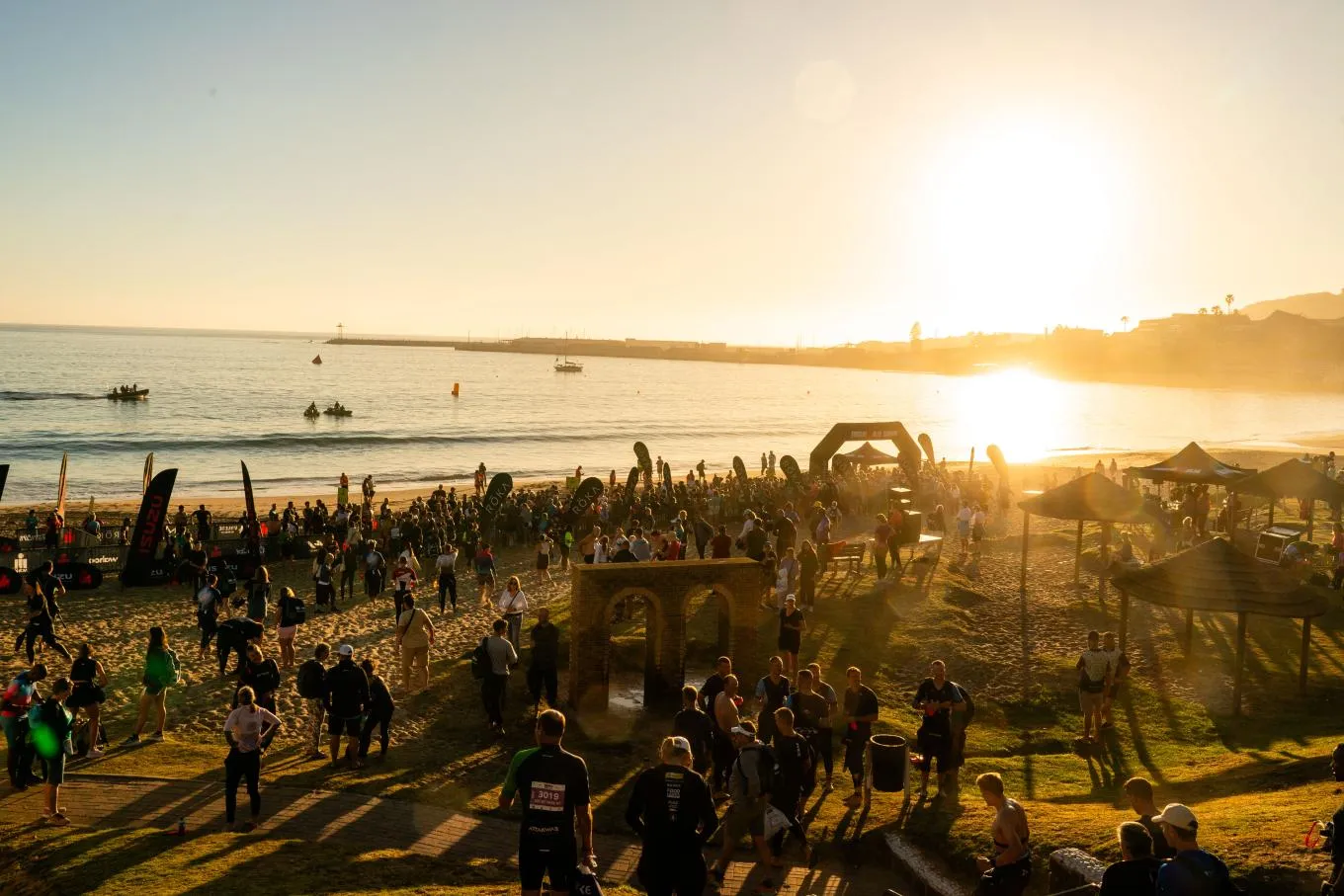
Mossel Bay has received a major tourism boost with the announcement that the Ironman African Championship will be hosted in the Western Cape town from next year.

The internationally renowned triathlon event is relocating after being held in Nelson Mandela Bay for the past 21 years.

The championship is set to make its Mossel Bay debut in April 2027 and is expected to attract thousands of athletes, support crews, and spectators from around South Africa and around the world.

The move is expected to provide a significant boost to the local economy, with increased demand for accommodation, restaurants, tourism attractions, and other local businesses.

The Ironman African Championship is one of the continent's premier endurance sporting events, combining a 3.8km swim, 180km cycle, and a full marathon to test competitors from across the globe.

Marine Protected Areas Day 2026: How MPAs Support Oceans, Communities and Human Wellbeing

Marine Protected Areas (MPAs) Day was observed on Saturday (1 August), marking a global initiative first introduced in 2021 to highlight the vital role MPAs play in protecting the world's oceans, while supporting the wellbeing of people and communities. The day encouraged greater appreciation of Marine Protected Areas and the many benefits they provided for both marine biodiversity and society.

The 2026 theme, "Ocean Protection Needs Human Connection," emphasised that safeguarding the oceans is a shared responsibility. Individuals, businesses, communities and governments are encouraged to reduce pollution, respect Protected Areas, support sustainable fisheries and make environmentally responsible decisions to help secure the future of marine ecosystems.

The message closely reflected the One Health approach, which recognises that the health of people, animals and ecosystems is interconnected. The concept gained renewed international attention during the IUCN World Conservation Congress 2025, where it was promoted as a key framework for addressing biodiversity loss, climate change and other environmental challenges. Marine Protected Areas remain central to this approach because healthy oceans ultimately support healthy people.

MPAs protect marine and estuarine ecosystems, allowing species to thrive while preserving relatively undisturbed environments where harvesting is restricted or prohibited. These Protected Areas also serve as valuable reference sites for scientists studying long-term ecological changes and demonstrate how intact ecosystems are more resilient to climate change, pollution and extreme weather.

Healthy marine ecosystems also benefit surrounding communities. As fish and other marine species naturally move beyond MPA boundaries through a process known as "spillover", they help replenish nearby fisheries, strengthen marine ecosystems and support food security and local livelihoods.

One example is the Betty's Bay MPA, where a thriving marine environment and its African Penguin colony continue to attract thousands of visitors annually. Tourism generate valuable income for local businesses, including the community-run On the Edge restaurant, demonstrating how healthy oceans support both biodiversity conservation and economic development.

However, experts warned that these benefits could not be taken for granted. Rivers, estuaries and oceans remain closely connected, meaning pollution entering freshwater systems eventually reach coastal waters, threatening marine habitats, wildlife, tourism, public health and local economies.

The One Health approach had already proven its value in the Western Cape when authorities responded to rabies cases detected in Cape fur seals. Human and animal health experts worked together to monitor and manage the disease, highlighting the importance of coordinated action to protect both wildlife and people.

Marine Protected Areas Day ultimately reinforced that protecting the oceans extended far beyond conserving marine life. Healthy marine ecosystems continue to underpin food security, tourism, recreation, cultural heritage and human wellbeing.

The observance served as a reminder that safeguarding South Africa's Marine Protected Areas require collective action to ensure they continue benefiting both nature and future generations.
error:
Scroll to Top