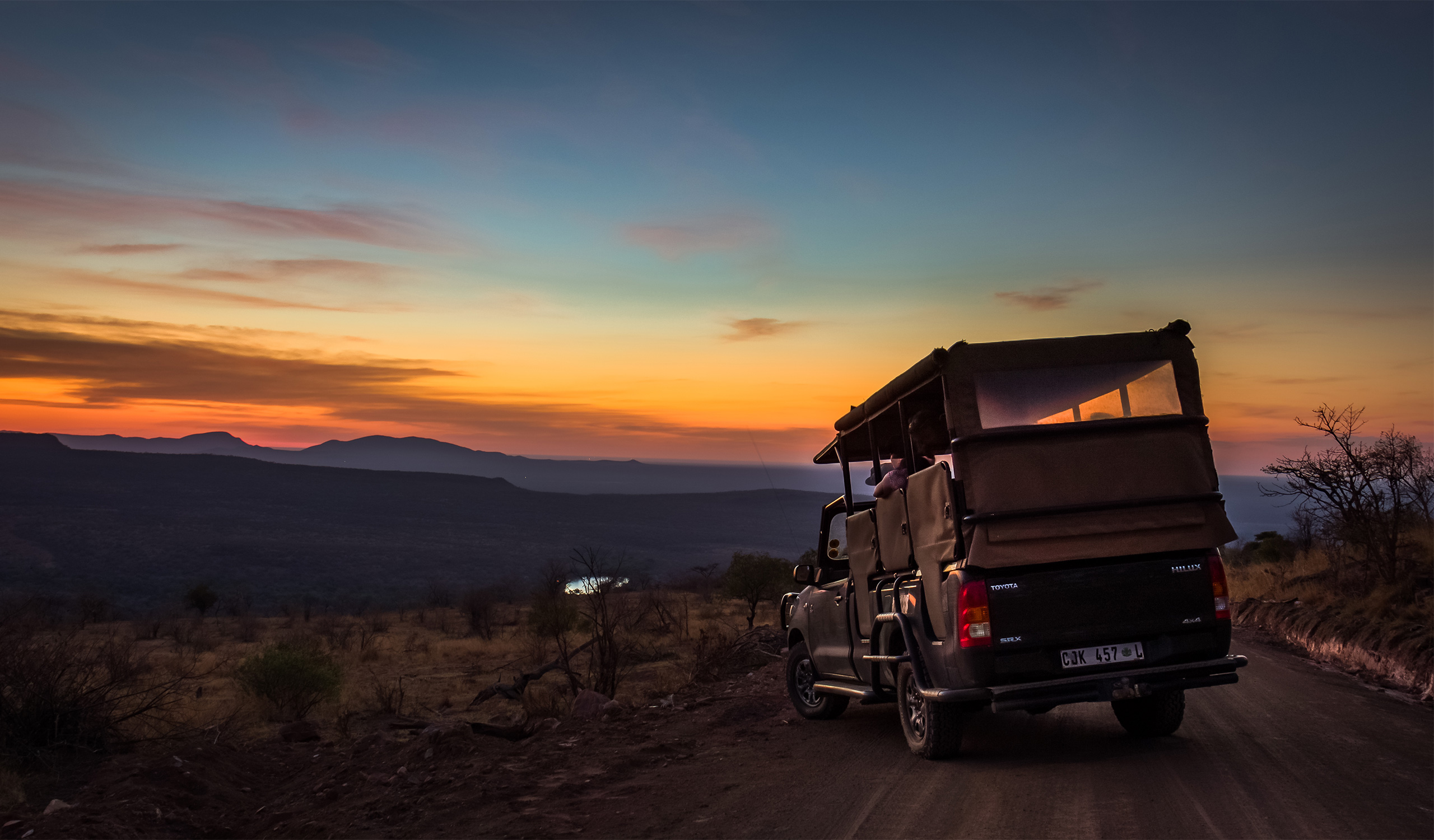
South Africans can explore national parks for free this week

South Africans will once again get the chance to experience some of the country’s most treasured natural spaces without paying an entrance fee when SA National Parks Week returns this week.

The 21st annual campaign will run from 7 to 10 September 2026, giving South African day visitors free entry to participating SANParks reserves.

Some parks will follow a slightly different schedule. Kruger National Park, West Coast National Park and Augrabies Falls National Park will offer free entry from 7 to 11 September, with the promotion not extending into the weekend.

Not every SANParks attraction is included. Namaqua National Park, the Boulders Penguin Colony section of Table Mountain National Park and the Table Mountain Aerial Cableway will be excluded from the initiative.

SANParks says the campaign is designed to give families, schools, communities, nature enthusiasts and people visiting a national park for the first time an opportunity to connect with South Africa’s natural heritage.

Visitors will need to provide valid identification to qualify for free admission, including children.

The free entry applies to day visits only. Visitors will still have to pay the usual fees for accommodation, game drives, guided activities and other tourist experiences.

SANParks has also warned that individual parks may have their own entry requirements and could impose limits on the number of visitors allowed.

Since launching in 2006, SA National Parks Week has grown into one of SANParks’ major public outreach campaigns, drawing large numbers of South Africans to the country’s protected areas and promoting greater awareness of conservation.

More than 105,000 people made use of the free-access initiative in 2025.

Visitors can check the dates and conditions for individual parks on the SANParks SA National Parks Week 2026 page.

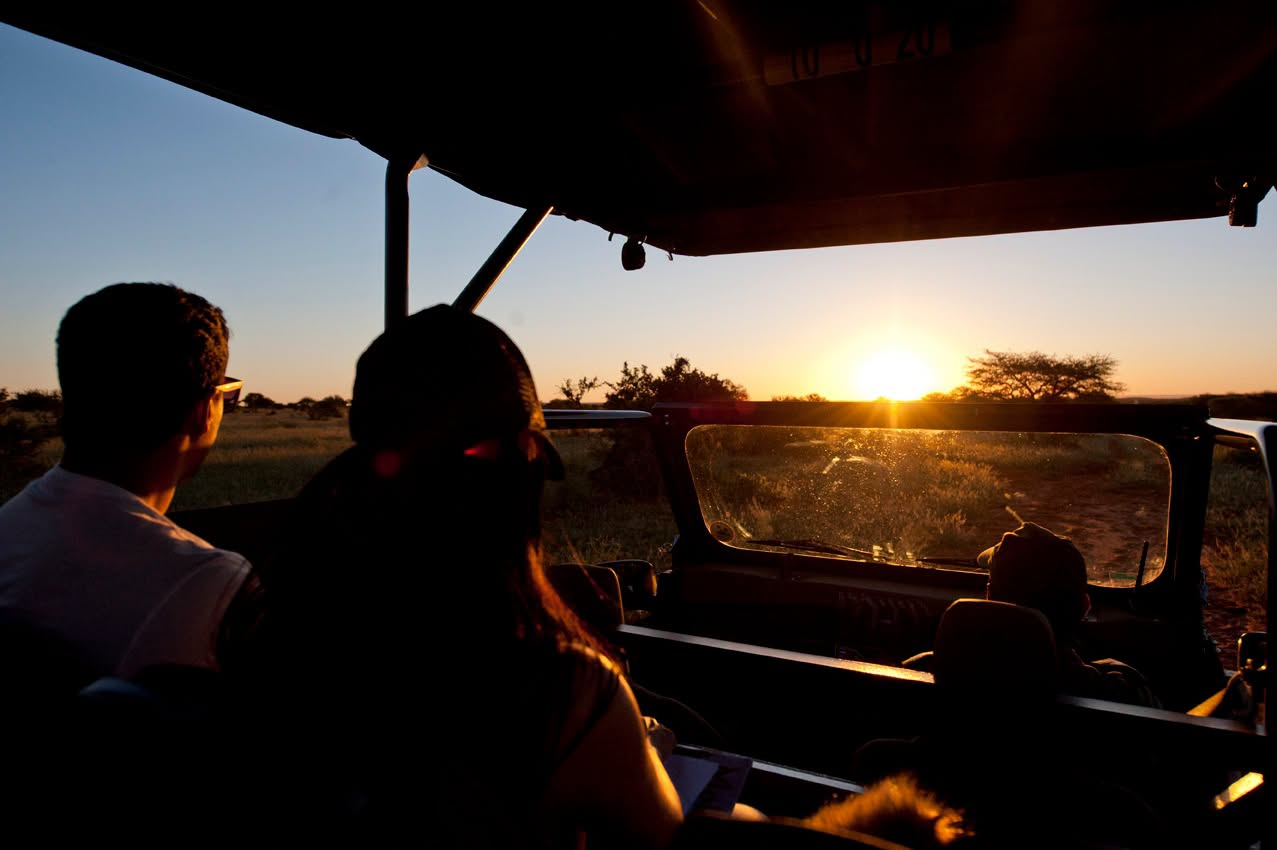
South Africans can explore national parks for free during annual SANParks week

South Africans will once again get the chance to experience some of the country’s most treasured natural spaces without paying an entrance fee when SA National Parks Week returns next week.

The 21st annual campaign will run from 7 to 10 September 2026, giving South African day visitors free entry to participating SANParks reserves.

Some parks will follow a slightly different schedule. Kruger National Park, West Coast National Park and Augrabies Falls National Park will offer free entry from 7 to 11 September, with the promotion not extending into the weekend.

Not every SANParks attraction is included. Namaqua National Park, the Boulders Penguin Colony section of Table Mountain National Park and the Table Mountain Aerial Cableway will be excluded from the initiative.

SANParks says the campaign is designed to give families, schools, communities, nature enthusiasts and people visiting a national park for the first time an opportunity to connect with South Africa’s natural heritage.

Visitors will need to provide valid identification to qualify for free admission, including children.

The free entry applies to day visits only. Visitors will still have to pay the usual fees for accommodation, game drives, guided activities and other tourist experiences.

SANParks has also warned that individual parks may have their own entry requirements and could impose limits on the number of visitors allowed.

Since launching in 2006, SA National Parks Week has grown into one of SANParks’ major public outreach campaigns, drawing large numbers of South Africans to the country’s protected areas and promoting greater awareness of conservation.

More than 105,000 people made use of the free-access initiative in 2025.

Visitors can check the dates and conditions for individual parks on the SANParks SA National Parks Week 2026 page.
Western Cape urged to join #DontBeTrashy Drive


CapeNature and the Department of Environmental Affairs and Development Planning are calling on Western Cape communities, schools, businesses and visitors to join the annual #DontBeTrashy Drive from 1 to 30 September 2026.

The campaign aims to reduce waste and protect the province’s land, rivers, wetlands, estuaries and coastal areas from litter, illegal dumping and plastic pollution.

"The #DontBeTrashy Drive is about inspiring lasting behavioural change. Every item of waste that is reduced, reused or recycled is one less item that can pollute our land and marine-based environment. Protecting the Western Cape’s unique biodiversity begins with the small choices we make every day," said Dr Ashley Naidoo, CEO of CapeNature.

Activities will include school outreach, clean-ups, waste education, social media campaigns and radio interviews.

The public is encouraged to reduce single-use plastics, dispose of waste responsibly, report illegal dumping and support local clean-up initiatives.

Schools, community groups, businesses and conservation partners are urged to get involved throughout September and adopt waste-wise practices year-round.

SANParks Announces Free Access Week for South African Visitors

South African day visitors will once again have the opportunity to explore participating national parks for free during the 21st annual SA National Parks Week.

The South African National Parks (SANParks) initiative will take place from 7 to 13 September 2026, offering South African citizens free entry to participating national parks across the country.

However, free access at Kruger National Park, West Coast National Park and Augrabies Falls National Park will only be available from Monday, 7 September to Friday, 11 September, and will not include the weekend.

“This highly anticipated South African National Parks campaign opens the gates of participating national parks to South African day visitors at no charge, creating an opportunity for families, communities, schools, nature lovers and first-time visitors to experience some of the country’s most spectacular protected areas,” SANParks said.

Namaqua National Park, the Boulders Penguin Colony section of Table Mountain National Park and the Table Mountain Aerial Cableway are not included in the free access initiative.

To qualify for free entry, South African visitors must present a valid identity document. Children under the age of 18 will not be required to provide identification.

The free access offer applies to day visitors only and does not include accommodation, guided activities, game drives or other tourism activities, which will continue to be charged at normal rates. SANParks has also warned that individual parks may have different entry requirements and visitor limits.

For the full list of participating parks and their respective free-access dates, visit the SANParks SA National Parks Week 2026 page.
Since its launch in 2006, SA National Parks Week has become one of SANParks’ flagship public awareness initiatives, attracting hundreds of thousands of visitors and helping to build greater appreciation for South Africa’s national parks and their role in conservation.

More than 105,000 visitors took advantage of the free-access initiative in 2025 alone.

Garden Route Environmental Crisis: Invasive Alien Plants Among the Worst in South Africa

The Garden Route is facing an environmental crisis of alarming proportions, with the region’s invasive alien plant problem described as “among the worst in the country” by veteran environmental manager Dr Guy Preston.

Preston recently visited the Garden Route following the region’s extreme weather events and assessed environmental conditions on the ground.

“After seeing conditions on the ground, Preston expressed deep concern at the extent of invasive alien plants (IAPs), describing their prevalence in the Garden Route as among the worst in the country,” said Cobus Meiring of the Garden Route Environmental Forum (GREF).

Preston’s assessment carries significant weight. He is widely recognised for his role in establishing and driving South Africa’s internationally acclaimed invasive alien plant control programmes, including Working for Water, Working for Wetlands and Working on Fire, during his tenure as Director of Natural Resource Management Programmes in the Department of Forestry, Fisheries and Environmental Affairs.

At their peak, these programmes had combined budgets running into billions of rand and created thousands of jobs while restoring ecosystems and tackling invasive species.

During his Garden Route tour, Preston highlighted the serious risks posed by the unchecked spread of invasive vegetation. The threat extends far beyond the displacement of indigenous plants and loss of biodiversity.

Dense stands of invasive alien vegetation create significant amounts of combustible biomass, increasing the risk of intense and destructive wildfires. Invasive species can also outcompete indigenous vegetation, disrupt natural ecosystems and undermine biodiversity.

Water security is another major concern. Invasive alien plants can consume substantial quantities of water, particularly in catchments, potentially affecting streamflow and reducing water availability for both ecosystems and communities.

Preston also raised concerns about the degradation of rivers, wetlands and other natural infrastructure. Healthy catchments and functioning river systems are essential to the Garden Route’s ecological resilience, yet widespread invasive plant infestations are placing these systems under increasing pressure.

For the Garden Route, Preston’s assessment represents a stark wake-up call.

The region’s forests, rivers, wetlands, mountains and coastal ecosystems are among its greatest natural assets, but their long-term resilience cannot be taken for granted.

His visit highlighted the urgent need for coordinated, sustained action involving national and local government, municipalities, landowners, conservation organisations and communities.

The success of Working for Water demonstrated what can be achieved when invasive alien plants are treated as a major environmental and economic priority. GREF believes these lessons should inform a renewed and properly resourced effort to control invasive species and restore the Garden Route’s ecosystems before the environmental and economic costs of inaction become even greater.

The Garden Route Environmental Forum (GREF) is a public platform for environmental managers and serves as a climate-change think tank.

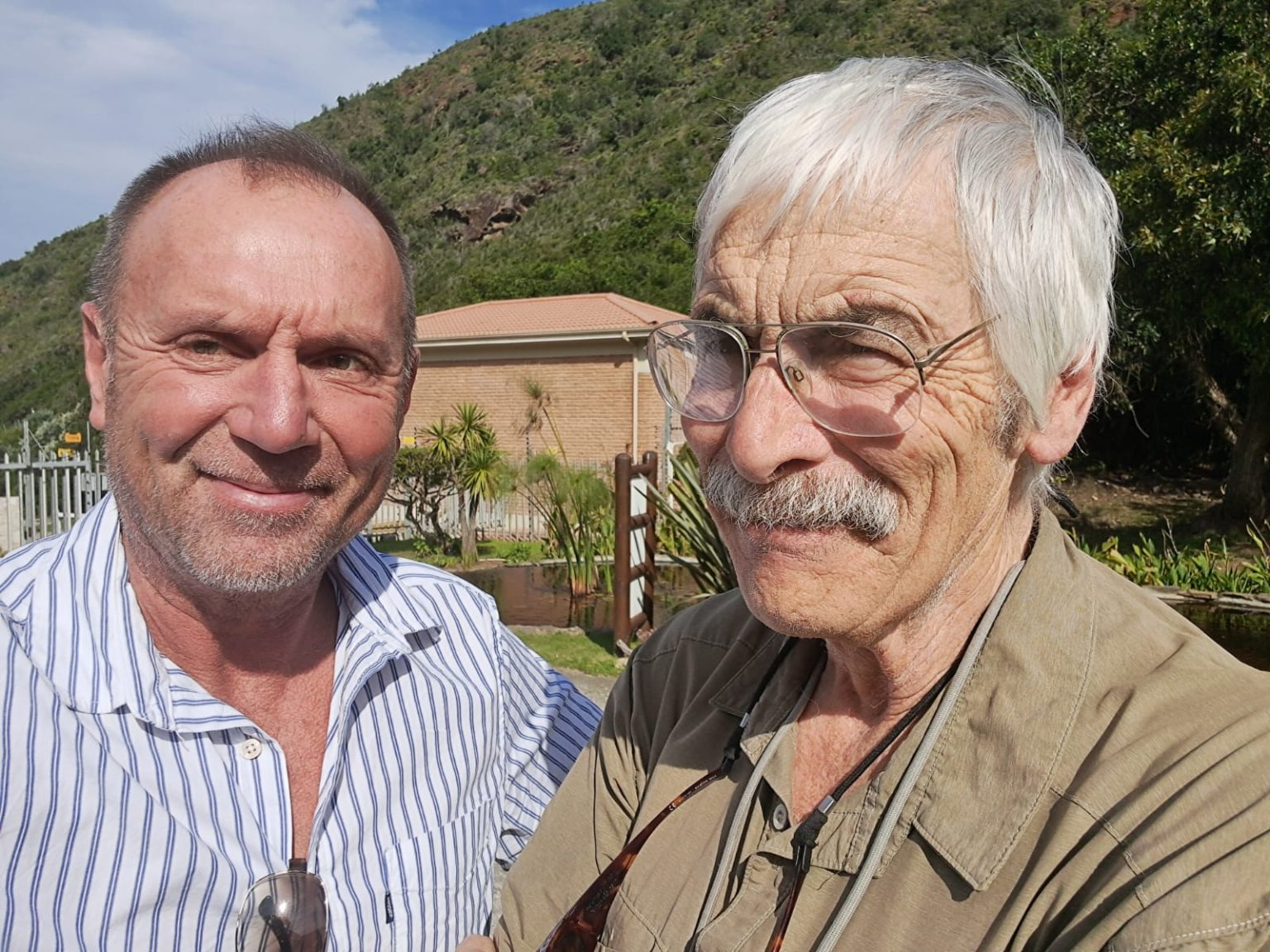
Photo: Cobus Meiring, Chairperson of the Garden Route Environmental Forum, with Dr Guy Preston.
error:
Scroll to Top