The Garden Route is facing an environmental crisis of alarming proportions, with the region’s invasive alien plant problem described as “among the worst in the country” by veteran environmental manager Dr Guy Preston.
Preston recently visited the Garden Route following the region’s extreme weather events and assessed environmental conditions on the ground.
“After seeing conditions on the ground, Preston expressed deep concern at the extent of invasive alien plants (IAPs), describing their prevalence in the Garden Route as among the worst in the country,” said Cobus Meiring of the Garden Route Environmental Forum (GREF).
Preston’s assessment carries significant weight. He is widely recognised for his role in establishing and driving South Africa’s internationally acclaimed invasive alien plant control programmes, including Working for Water, Working for Wetlands and Working on Fire, during his tenure as Director of Natural Resource Management Programmes in the Department of Forestry, Fisheries and Environmental Affairs.
At their peak, these programmes had combined budgets running into billions of rand and created thousands of jobs while restoring ecosystems and tackling invasive species.
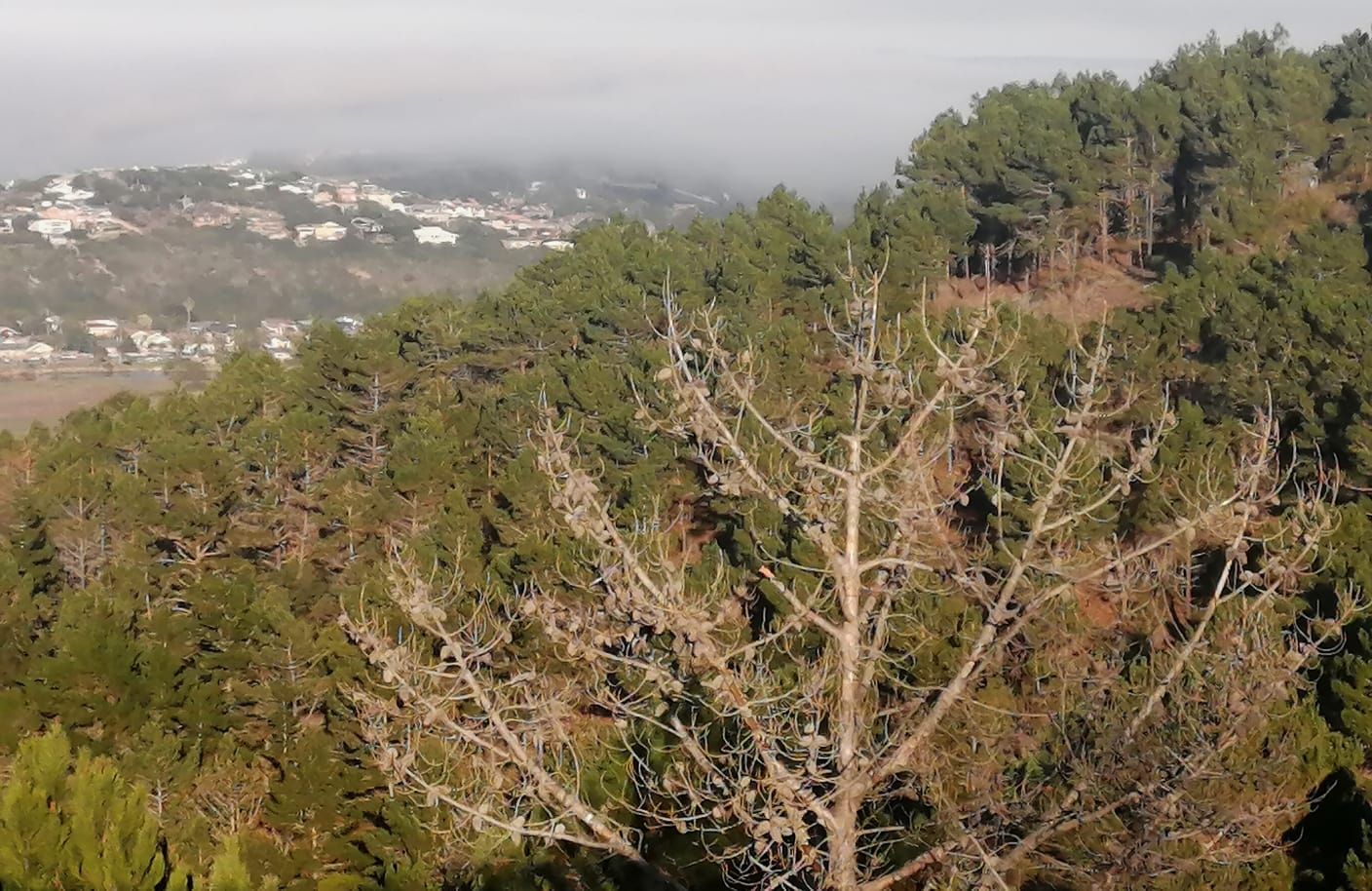
During his Garden Route tour, Preston highlighted the serious risks posed by the unchecked spread of invasive vegetation. The threat extends far beyond the displacement of indigenous plants and loss of biodiversity.
Dense stands of invasive alien vegetation create significant amounts of combustible biomass, increasing the risk of intense and destructive wildfires. Invasive species can also outcompete indigenous vegetation, disrupt natural ecosystems and undermine biodiversity.
Water security is another major concern. Invasive alien plants can consume substantial quantities of water, particularly in catchments, potentially affecting streamflow and reducing water availability for both ecosystems and communities.
Preston also raised concerns about the degradation of rivers, wetlands and other natural infrastructure. Healthy catchments and functioning river systems are essential to the Garden Route’s ecological resilience, yet widespread invasive plant infestations are placing these systems under increasing pressure.
For the Garden Route, Preston’s assessment represents a stark wake-up call.
The region’s forests, rivers, wetlands, mountains and coastal ecosystems are among its greatest natural assets, but their long-term resilience cannot be taken for granted.
His visit highlighted the urgent need for coordinated, sustained action involving national and local government, municipalities, landowners, conservation organisations and communities.
The success of Working for Water demonstrated what can be achieved when invasive alien plants are treated as a major environmental and economic priority. GREF believes these lessons should inform a renewed and properly resourced effort to control invasive species and restore the Garden Route’s ecosystems before the environmental and economic costs of inaction become even greater.
The Garden Route Environmental Forum (GREF) is a public platform for environmental managers and serves as a climate-change think tank.
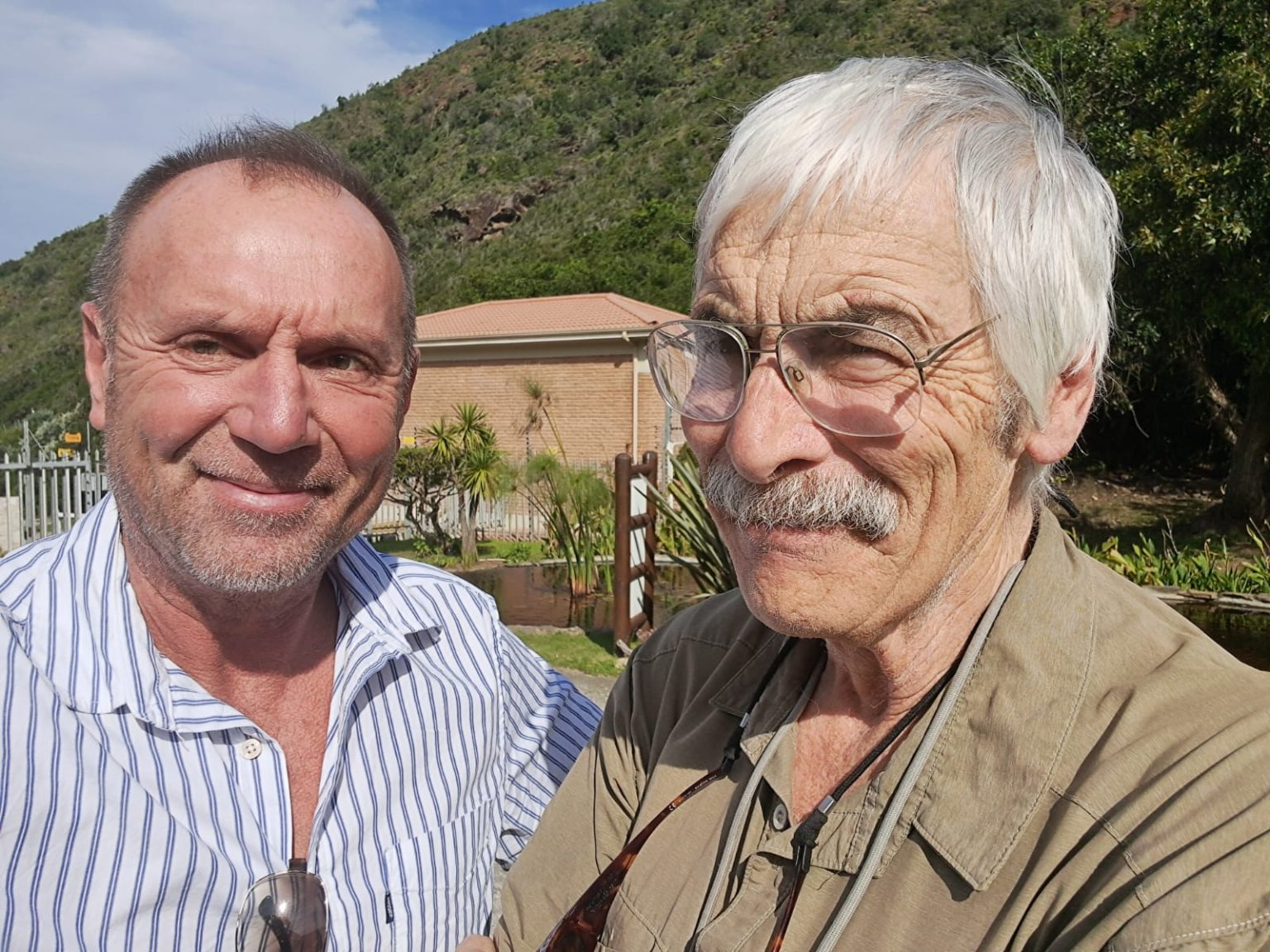
Photo: Cobus Meiring, Chairperson of the Garden Route Environmental Forum, with Dr Guy Preston.
Preston recently visited the Garden Route following the region’s extreme weather events and assessed environmental conditions on the ground.
“After seeing conditions on the ground, Preston expressed deep concern at the extent of invasive alien plants (IAPs), describing their prevalence in the Garden Route as among the worst in the country,” said Cobus Meiring of the Garden Route Environmental Forum (GREF).
Preston’s assessment carries significant weight. He is widely recognised for his role in establishing and driving South Africa’s internationally acclaimed invasive alien plant control programmes, including Working for Water, Working for Wetlands and Working on Fire, during his tenure as Director of Natural Resource Management Programmes in the Department of Forestry, Fisheries and Environmental Affairs.
At their peak, these programmes had combined budgets running into billions of rand and created thousands of jobs while restoring ecosystems and tackling invasive species.
During his Garden Route tour, Preston highlighted the serious risks posed by the unchecked spread of invasive vegetation. The threat extends far beyond the displacement of indigenous plants and loss of biodiversity.
Dense stands of invasive alien vegetation create significant amounts of combustible biomass, increasing the risk of intense and destructive wildfires. Invasive species can also outcompete indigenous vegetation, disrupt natural ecosystems and undermine biodiversity.
Water security is another major concern. Invasive alien plants can consume substantial quantities of water, particularly in catchments, potentially affecting streamflow and reducing water availability for both ecosystems and communities.
Preston also raised concerns about the degradation of rivers, wetlands and other natural infrastructure. Healthy catchments and functioning river systems are essential to the Garden Route’s ecological resilience, yet widespread invasive plant infestations are placing these systems under increasing pressure.
For the Garden Route, Preston’s assessment represents a stark wake-up call.
The region’s forests, rivers, wetlands, mountains and coastal ecosystems are among its greatest natural assets, but their long-term resilience cannot be taken for granted.
His visit highlighted the urgent need for coordinated, sustained action involving national and local government, municipalities, landowners, conservation organisations and communities.
The success of Working for Water demonstrated what can be achieved when invasive alien plants are treated as a major environmental and economic priority. GREF believes these lessons should inform a renewed and properly resourced effort to control invasive species and restore the Garden Route’s ecosystems before the environmental and economic costs of inaction become even greater.
The Garden Route Environmental Forum (GREF) is a public platform for environmental managers and serves as a climate-change think tank.
Photo: Cobus Meiring, Chairperson of the Garden Route Environmental Forum, with Dr Guy Preston.