Mossel Bay to Host Ironman African Championship in Major Tourism Boost

Mossel Bay has received a major tourism boost with the announcement that the Ironman African Championship will be hosted in the Western Cape town from next year.

The internationally renowned triathlon event is relocating after being held in Nelson Mandela Bay for the past 21 years.

The championship is set to make its Mossel Bay debut in April 2027 and is expected to attract thousands of athletes, support crews, and spectators from around South Africa and around the world.

The move is expected to provide a significant boost to the local economy, with increased demand for accommodation, restaurants, tourism attractions, and other local businesses.

The Ironman African Championship is one of the continent's premier endurance sporting events, combining a 3.8km swim, 180km cycle, and a full marathon to test competitors from across the globe.

Update: Tyre Failure Disrupts Operations at Cape Town International Airport

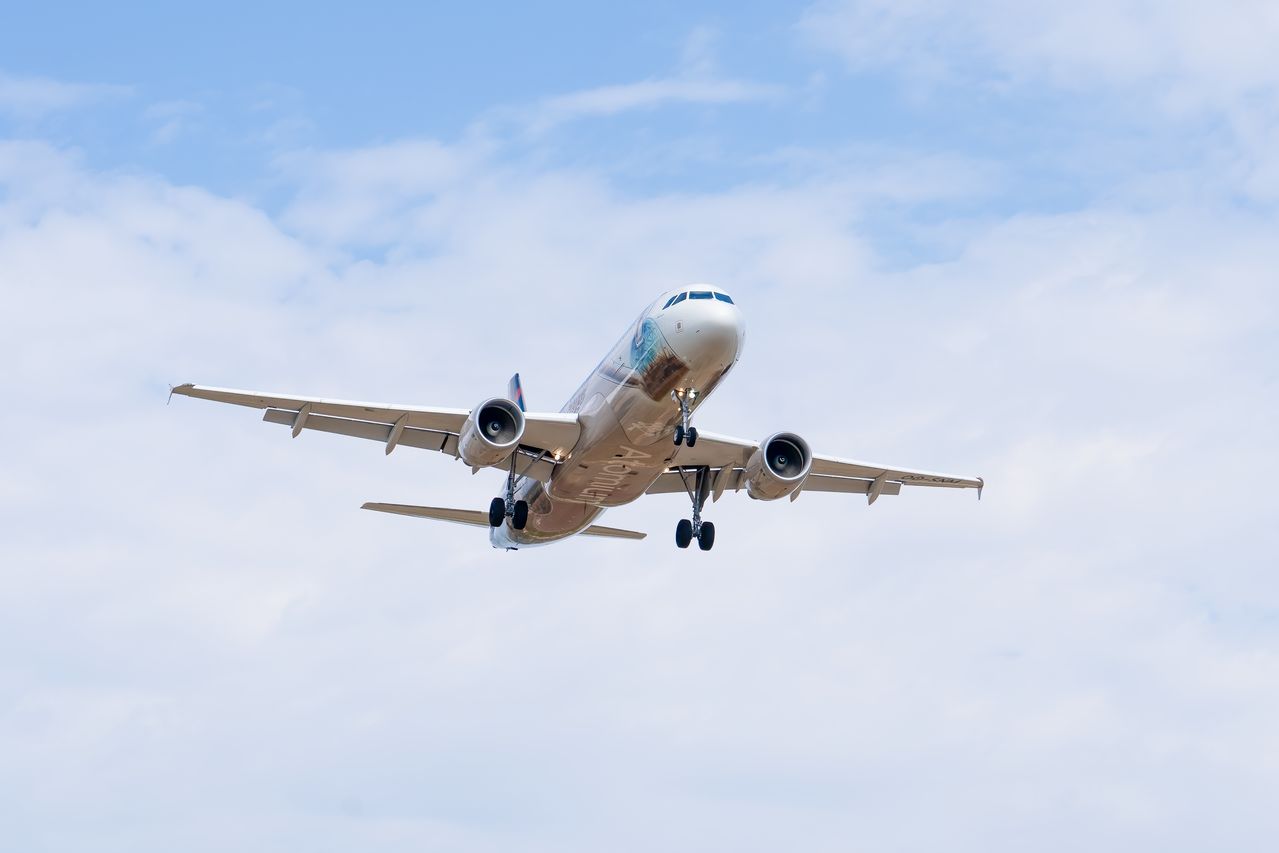
Operations at Cape Town International Airport have been disrupted after a Kenya Airways aircraft experienced a tyre failure during landing on Tuesday afternoon.

According to the airport, Kenya Airways flight KQ784 landed at approximately 3:25pm when the incident occurred, resulting in temporary disruptions to runway operations.

As a result, all arriving flights are being diverted to alternative airports. Domestic departures are continuing to operate, while wide-body international departures have been temporarily suspended until normal runway operations are restored.

Passengers are advised to check the status of their flights before travelling to the airport. Cape Town International Airport has urged travellers to contact its passenger service centre on +27 21 937 1200 for the latest information on delays, diversions and flight schedules.

The airport said further updates will be issued as more information becomes available.
Update: Cape Town International Airport has resumed normal runway operations, after a Kenya Airways aircraft suffered a tyre failure during landing, temporarily closing the airport's main runway and disrupting flights. Flights were diverted to other airports during this time.

Airports Company South Africa said the incident occurred at around 3.25 yesterday afternoon. Emergency and recovery teams responded and the aircraft was safely removed. The runway reopened after mandatory safety inspections confirmed it was safe for operations.

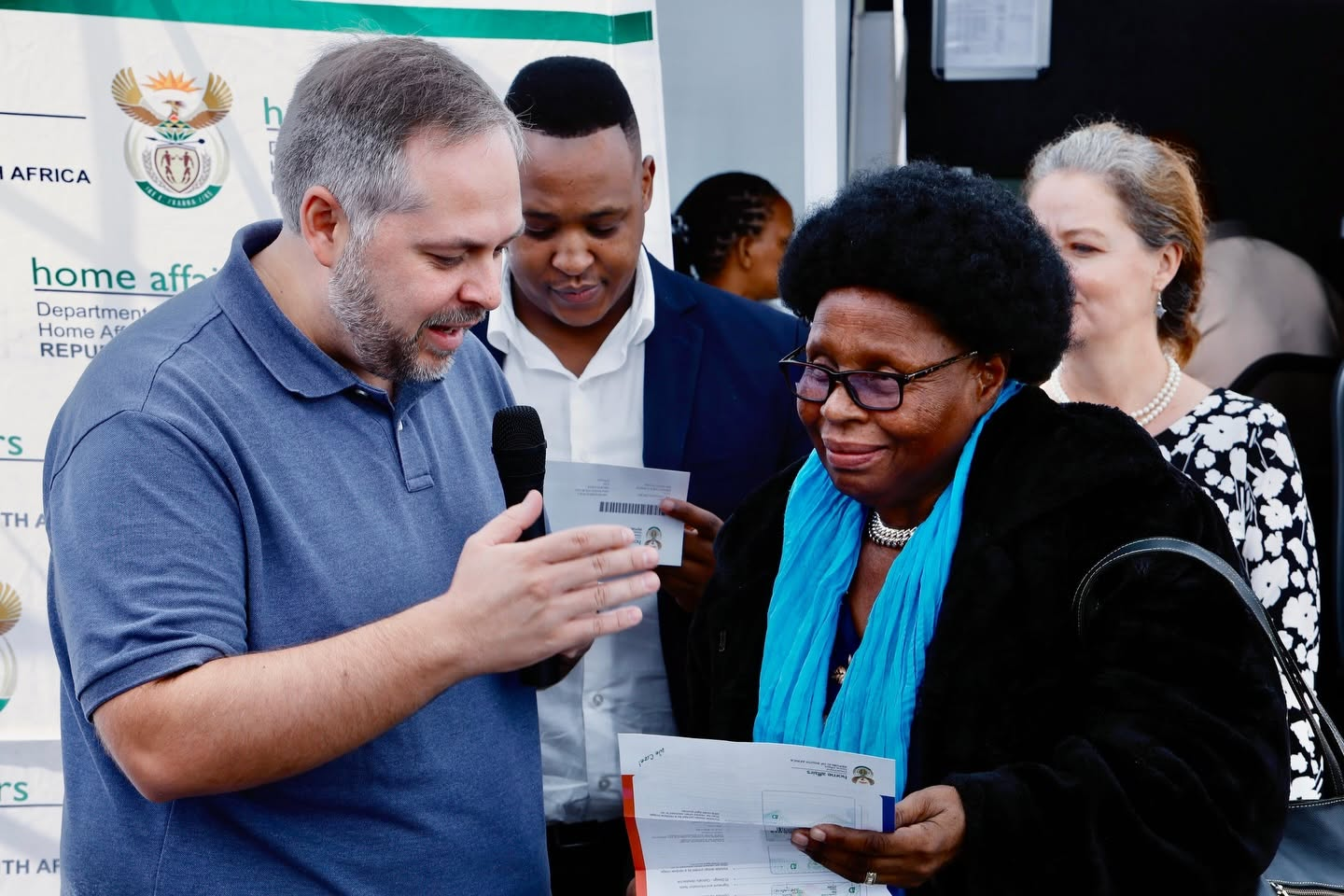
Home Affairs launches online tool to find participating bank branches for Smart ID applications

The Department of Home Affairs has launched a new online service that helps South Africans quickly locate the nearest participating bank branch where they can apply for a Smart ID Card.

Home Affairs Minister Dr Leon Schreiber unveiled the platform on Monday during the department's digital partnership media event with FNB at Canal Walk in Cape Town.

Available at myhomeaffairsonline.dha.gov.za, the online tool allows citizens to instantly search for participating bank branches across South Africa. As more banks join the department's digital partnership, newly added branches will automatically appear on the platform in real time.

The launch forms part of Home Affairs' expanding digital transformation aimed at making government services more accessible and convenient.

According to the department, Smart ID Card services are now available at 372 participating bank branches nationwide, giving more South Africans the opportunity to replace the fraud-prone green barcoded ID book with the more secure Smart ID Card.

Since the banking partnership was introduced on 9 March 2026, more than 500,000 South Africans have applied for Smart ID Cards through participating bank branches, reflecting growing demand for faster and more convenient Home Affairs services.

"This new online service makes it easier than ever for South Africans to find their nearest participating bank branch and switch to the secure Smart ID Card. Every reform we implement should make our services easier to access, and this is another practical step towards achieving that goal," Schreiber said.

The minister urged all South Africans who still use the green barcoded ID book to upgrade to the Smart ID Card.

"More than half a million South Africans have already made the switch from the fraud-prone green barcoded ID book through our banking partners.

"It has never been easier to join them. Home Affairs @ Home is about bringing our services closer to where people live, work and bank, so that secure Home Affairs services fit into the lives of South Africans instead of expecting South Africans to fit into ours.

That is how we will continue delivering dignity for all," Schreiber said.

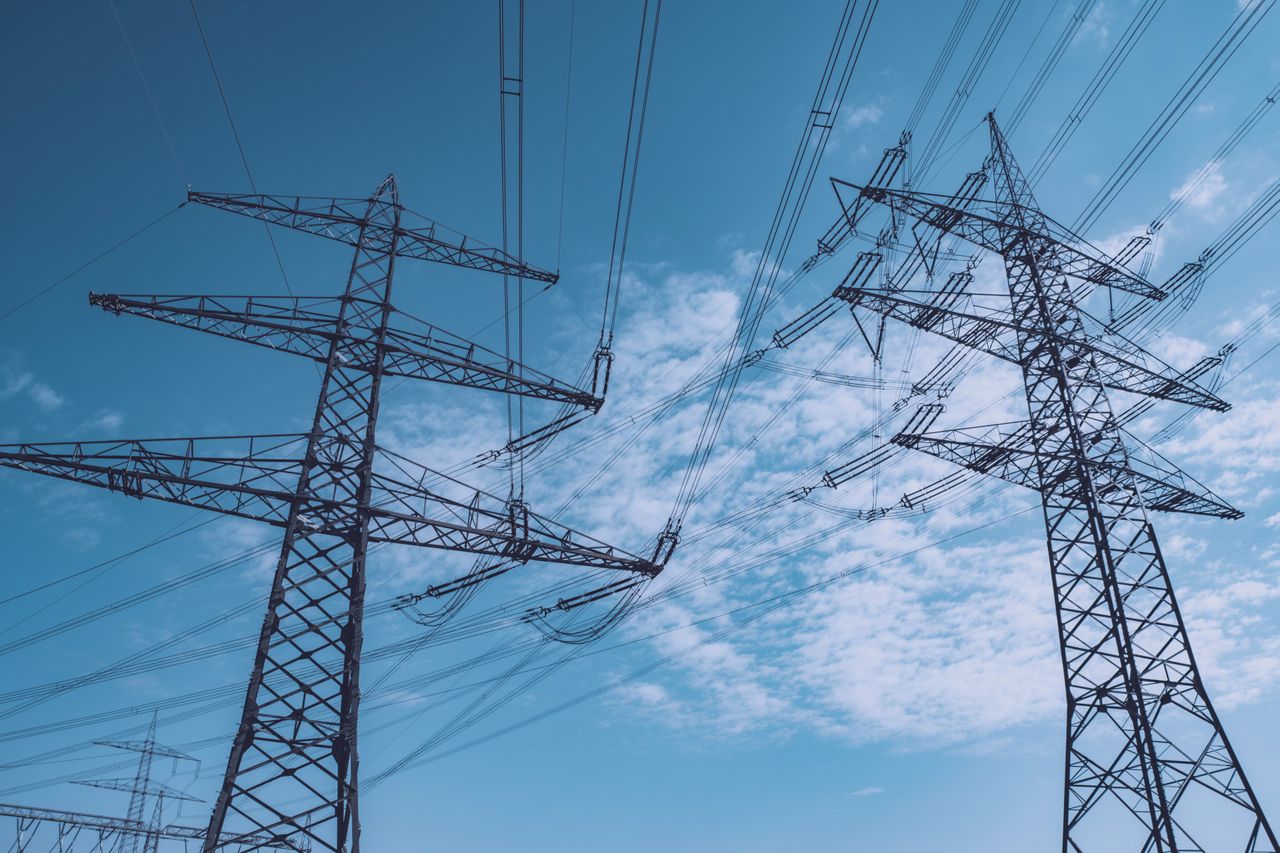
Eskom reports 441 days without load shedding

South Africa has reached 441 consecutive days without load shedding, with Eskom reporting significant improvements in power generation, lower unplanned outages and dramatically reduced diesel usage.

According to the power utility, the country has remained free of load shedding since 16 May 2025. Between 1 April and 30 July 2026, electricity demand was met 100% of the time, while Eskom's Winter Outlook continues to indicate that no load shedding is expected until at least 31 August 2026.

Eskom records highest energy availability since 2017

Eskom said the sustained improvement is the result of its ongoing Generation Recovery Plan, which has boosted generation capacity and strengthened the reliability of the national grid.

A major milestone was achieved on 26 July 2026, when the utility recorded a daily Energy Availability Factor (EAF) of 82.04% — the highest daily performance since 2017.

The financial year-to-date EAF has increased to 66.97%, representing a 7.28% improvement compared with the same period last year and an 11.8% improvement over three years. This has restored approximately 5.9GW of generating capacity to the national grid.

Eskom added that more than 85% of its coal-fired power stations are currently operating at EAF levels between 73% and 97%.
Unplanned outages nearly halved

The utility also reported a significant decline in unplanned breakdowns.

On 26 July, unplanned outages dropped to 4,562MW - the lowest level since 30 June 2018, when outages stood at 4,327MW.
During the week of 24 to 30 July, average unplanned outages measured 5,553MW, down from 10,641MW during the same period in 2025. This represents a reduction of 5,088MW, or 47.8% year-on-year.

The Unplanned Capacity Loss Factor (UCLF) improved to 11.74%, compared with 22.21% a year earlier, while planned maintenance averaged 8.94%, down from 10.40% over the same period.
Diesel spending slashed by more than 85%

Improved plant performance has significantly reduced Eskom's dependence on expensive diesel-fired generation.

The utility confirmed that no diesel was used between 24 and 30 July, marking the second consecutive week without diesel consumption.

From 1 April to 30 July 2026, diesel expenditure totalled R807.41 million, compared with R5.63 billion during the same period last year - an 85.67% reduction.

Open-Cycle Gas Turbines (OCGTs), which are typically used during periods of high electricity demand, operated at an average load factor of just 1.08%, down from 9.71% a year earlier.

Year-to-date OCGT generation reached 105.977GWh, approximately 88.89% lower than the corresponding period in 2025.
Load reduction programme continues despite end of load shedding

Although nationwide load shedding has ended, Eskom continues implementing load reduction in selected communities affected by illegal electricity connections, meter tampering, overloaded networks and infrastructure damage.

The utility's Load Reduction Eradication Programme has removed approximately 1.196 million customers from load reduction schedules, representing 70.8% of the 1.69 million customers originally affected.

Six of South Africa's nine provinces have now been completely removed from load reduction, while work continues in Gauteng, KwaZulu-Natal and the Eastern Cape.

The percentage of Eskom customers affected by load reduction has dropped from 23.5% at its peak to approximately 6.9%.

The utility remains on track to eliminate load reduction in a seventh province by October 2026, with the complete eradication of the programme targeted for 2027.

Smart meter rollout accelerates

Eskom's smart meter rollout is also supporting the reduction programme.
To date, 503,139 smart meters have been installed on load reduction feeders, achieving 87.1% of the 577,347-meter target in high-priority areas.

Approximately 93% of these installations are located in Gauteng, Mpumalanga, Limpopo and KwaZulu-Natal.

The utility has also removed 565 feeders from load reduction, representing 58% of its target of 971 feeders.

According to Eskom, 1,196,657 customers are no longer affected by load reduction, including 670,785 customers in Limpopo and Mpumalanga, 268,902 in Gauteng, 21,835 in the Eastern and Western Cape, 184,907 in KwaZulu-Natal and the Free State, and 50,228 in the North West and Northern Cape.

Final call to register to vote

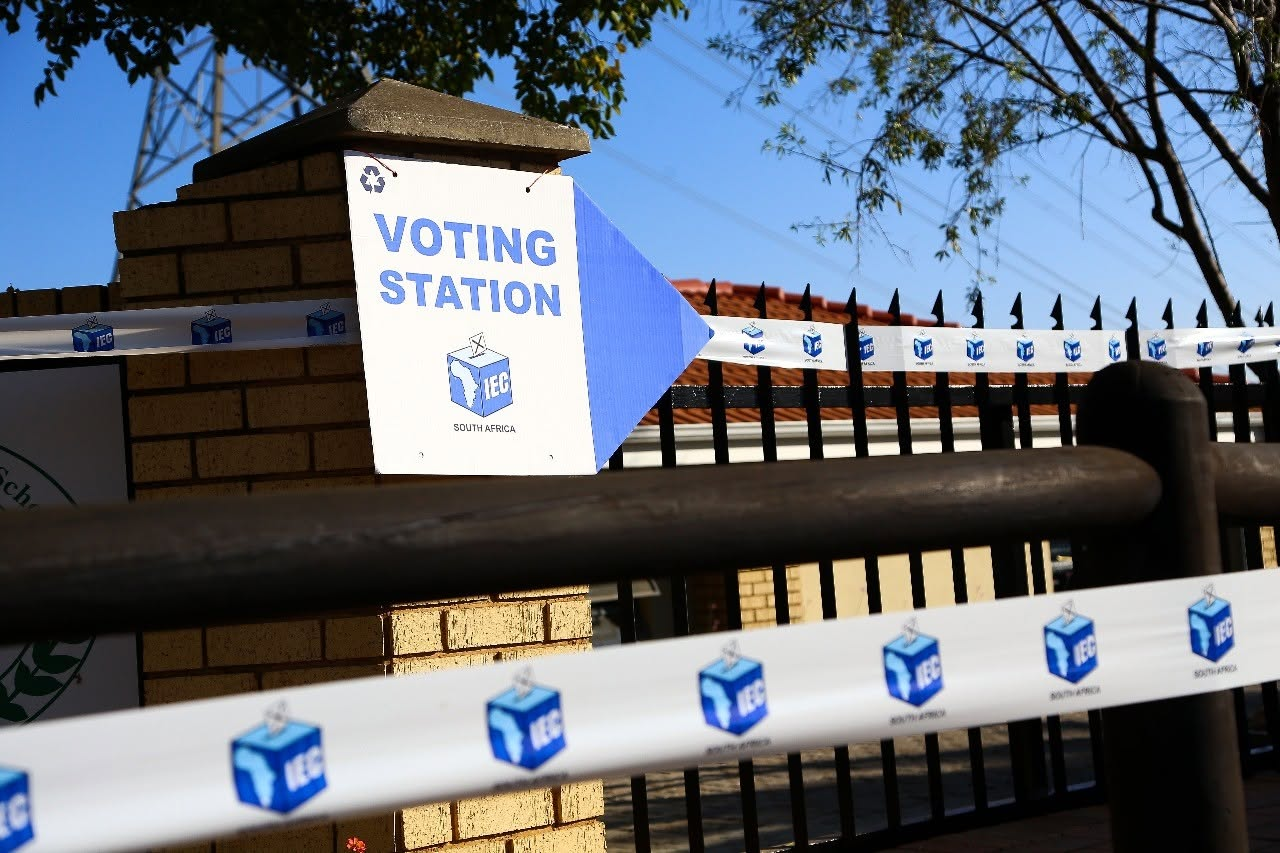
South Africans who have not yet registered to vote are being urged to do so before voter registration closes at midnight on Friday.
.
Electoral Commission Chief Electoral Officer Sy Mamabolo said there was still time for eligible citizens who missed the weekend registration drives to register online or through its newly launched WhatsApp registration service, warning voters not to wait until the final hours before the deadline.

More than 1.7 million people interacted with the IEC during the final voter registration weekend on 1 and 2 August. Of these, nearly 292 000 were first-time voters, while more than 1.5 million existing voters checked or updated their registration details to ensure they are registered in the correct voting district.

Mamabolo stressed that, in local government elections, voters can only cast their ballots at the voting station where they are registered, making it essential for anyone who has moved to update their address before registrations close.

The registration campaign also saw strong participation from young people, with almost 486 000 interactions recorded among citizens aged between 16 and 29. Encouragingly, nearly half of all new registrations were by voters under the age of 29, signalling growing youth participation ahead of the 2026 Local Government Elections.

To make registration even more accessible, the IEC has introduced voter registration via WhatsApp.

The platform allows users to register or update their details using secure identity verification, while some users may be directed to the online registration portal to confirm their residential address through an interactive map.

The Commission has appealed to eligible voters not to delay registering or updating their information, saying experience shows registration channels become increasingly busy as deadlines approach.

Citizens can also check their registration status using the SMS service on 32810 or seek assistance through the IEC's contact centre and WhatsApp support line.

The 2026 Local Government Elections are scheduled for 4 November, with the formal election timetable expected to be announced after the election is proclaimed on Friday, 7 August.
error:
Scroll to Top