Eskom carries South Africa through load-shedding-free winter

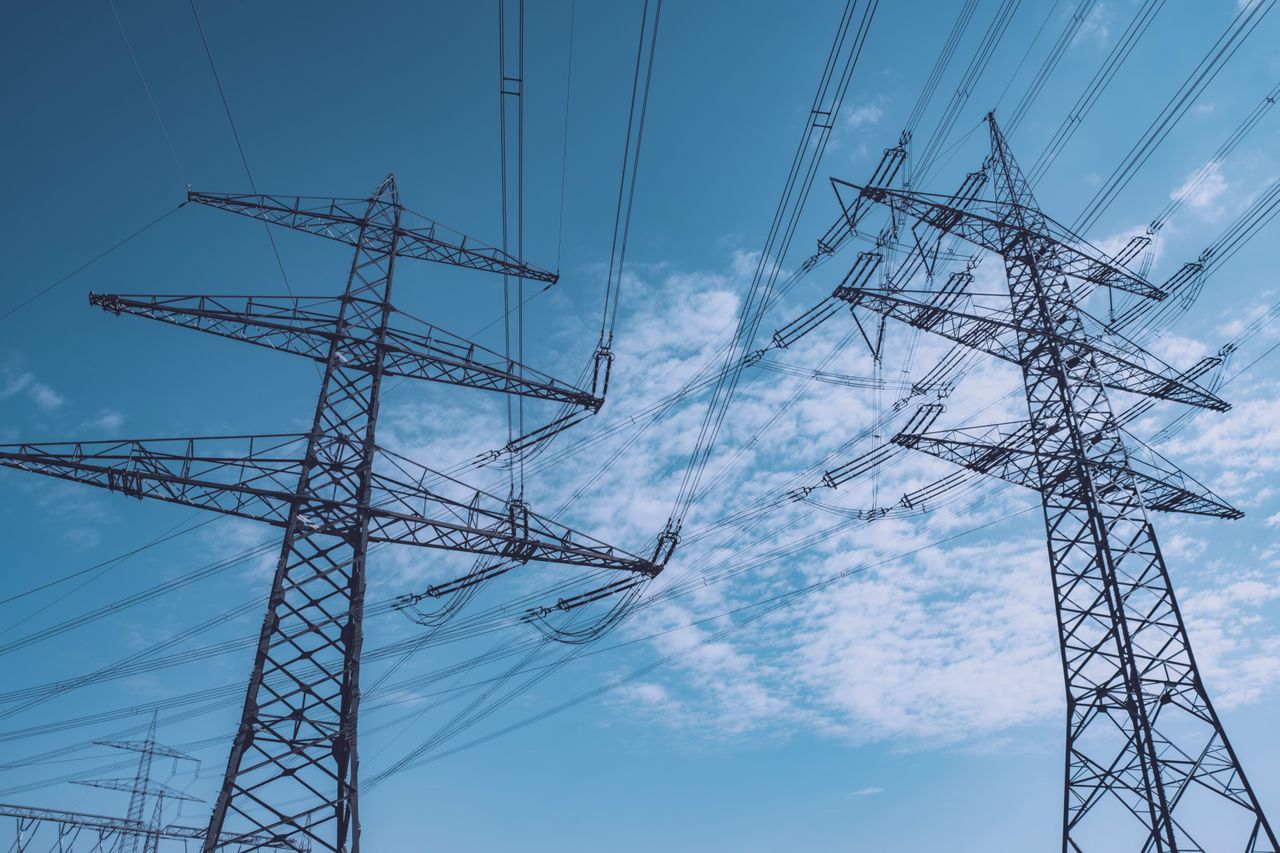
Eskom has powered South Africa through the entire 2026 winter without load shedding, despite periods of heavy cloud cover that reduced rooftop solar generation.

The utility said its improved generation performance had driven the stability, with its year-to-date Energy Availability Factor rising to 67.79% – the highest since 2020. Unplanned outages also fell from 34.48% to 19.47%.

Eskom said these improvements restored 6 888MW of generation capacity compared with three years ago, helping it meet winter demand while reducing reliance on expensive diesel-fired turbines.

The country has now gone about 476 days without load shedding, which Eskom attributed to improved plant reliability, fewer breakdowns and stronger maintenance.

Meanwhile, Eskom’s Load Reduction Eradication Programme has restored around 1.2 million customers to normal supply conditions. Seven provinces are now free of load reduction, with 1.22 million customers - about 72% of the 1.69 million targeted - no longer affected.

Eskom tariffs could increase by almost 9% next year

South African consumers could be paying more for electricity from next year, with the National Energy Regulator of South Africa (NERSA) considering an average tariff increase of 8.8% for Eskom customers from 1 April 2027.

The proposed adjustment is part of NERSA’s consultation process for Eskom’s 2027/28 Retail Tariff Structural Adjustment (ERTSA).

The regulator has invited consumers, businesses and other interested parties to comment on the proposal. Submissions close on 2 October 2026, after which NERSA will make its final decision.

The latest proposal comes after Eskom’s direct customers received an 8.76% tariff increase in April this year. Customers supplied through municipalities saw increases of around 9% from July.

NERSA revises previous tariff decisions

The latest figures are considerably higher than the increases NERSA originally approved for Eskom.

The regulator initially approved increases of 5.36% for 2026/27 and 6.19% for 2027/28. These figures were subsequently reviewed after NERSA identified errors in its calculations.

Following the review, the increases were revised upwards to 8.76% and 8.83%.

NERSA said the revised tariffs were aimed at maintaining Eskom’s financial viability while taking the impact on electricity users into account.

Proposed changes to electricity charges

The consultation is not limited to the overall tariff increase. NERSA is also considering changes to the way Eskom charges customers.

Among the proposals are fixed service charges for residential customers.

Eskom has indicated that certain charges need to be made more cost-effective, with adjustments to energy rates designed to ensure that the overall increase remains around the proposed 8.8%.

Eskom reports stronger financial performance

The proposed tariff hike comes despite Eskom recording a significant improvement in its financial results.

Reuters reported that the power utility made a R30.3 billion profit in the financial year ending March 2026. That is more than twice the R14 billion profit recorded a year earlier.

At the same time, Eskom's electricity sales volumes declined by 6.2%. Money owed to the utility by municipalities also continued to rise, increasing by 17.9% to R111.6 billion.

Eskom has nevertheless made considerable progress in stabilising electricity supply. During the 2025/26 financial year, rolling blackouts were recorded on just four days, compared with 329 days in 2024.

For consumers, however, the improved reliability of the electricity system comes against the backdrop of steadily rising tariffs.

Households and businesses are increasingly looking at alternatives such as solar power to reduce their dependence on Eskom.

It is important to note that the 8.8% figure is still a proposal and has not been approved as the final increase.

NERSA will consider public and stakeholder submissions received by 2 October before announcing its final decision on Eskom's 2027/28 tariffs.

Eskom records second year ‘in the green’

Eskom has recorded its second consecutive year of profitability, with the power utility saying its turnaround strategy is restoring both operational and financial stability.

The utility on Monday announced its results for the 2026 financial year ended 31 March, reporting a group profit after tax of R30.3 billion, more than double the restated R14 billion recorded in 2025.

Eskom’s EBITDA margin also improved, rising to 30.63% from 28.75% in 2025.

Eskom chairperson Mteto Nyati said the profit was the result of improved operations and tighter cost controls.

“Profit is not the opposite of that public purpose. It is what makes the purpose possible,” Nyati said.

He said the improved financial position would allow Eskom to reinvest in its business, including the Eskom Green programme, distribution services, coal fleet reliability and grid expansion.

Group CFO Calib Cassim said the utility’s financial recovery was being matched by its operational turnaround, with South Africa having gone more than a year without load shedding.

Eskom also reported a healthier balance sheet, improved liquidity and positive credit-rating actions from S&P Global, Fitch and Moody’s.

The utility received its first credit-rating upgrade in more than a decade, which Cassim said would improve access to cheaper borrowing to fund future capital expenditure.

He also credited government’s debt-relief support with freeing up cash that could be reinvested into Eskom rather than being used to service debt.

Group CEO Dan Marokane said Eskom was moving from recovery to transformation, with a focus on becoming a financially sustainable, competitive and future-ready utility.

He said sustained profitability and improved efficiencies would help Eskom work with government to address electricity affordability, while the utility aims to keep price increases in the single digits.

Eskom is also reinvesting profits into maintaining and expanding critical infrastructure and developing technologies to support its decarbonisation efforts.

Marokane highlighted the wider economic impact of Eskom’s turnaround.

According to the Council for Scientific and Industrial Research, load shedding cost the South African economy up to R2.8 trillion in 2023, falling by 83% to R481 billion in 2024.

Eskom recorded just four days of load shedding during the 2026 financial year, totalling 26 hours.

Marokane said a financially sustainable Eskom would reduce pressure on the national budget and sovereign credit rating while improving energy security and creating greater confidence for investment.

He said Eskom’s 24/7 baseload electricity supply remained essential to integrating renewable energy into the national grid and supporting economic growth.

Oudtshoorn power outage enters fourth day as Eskom revises restoration time

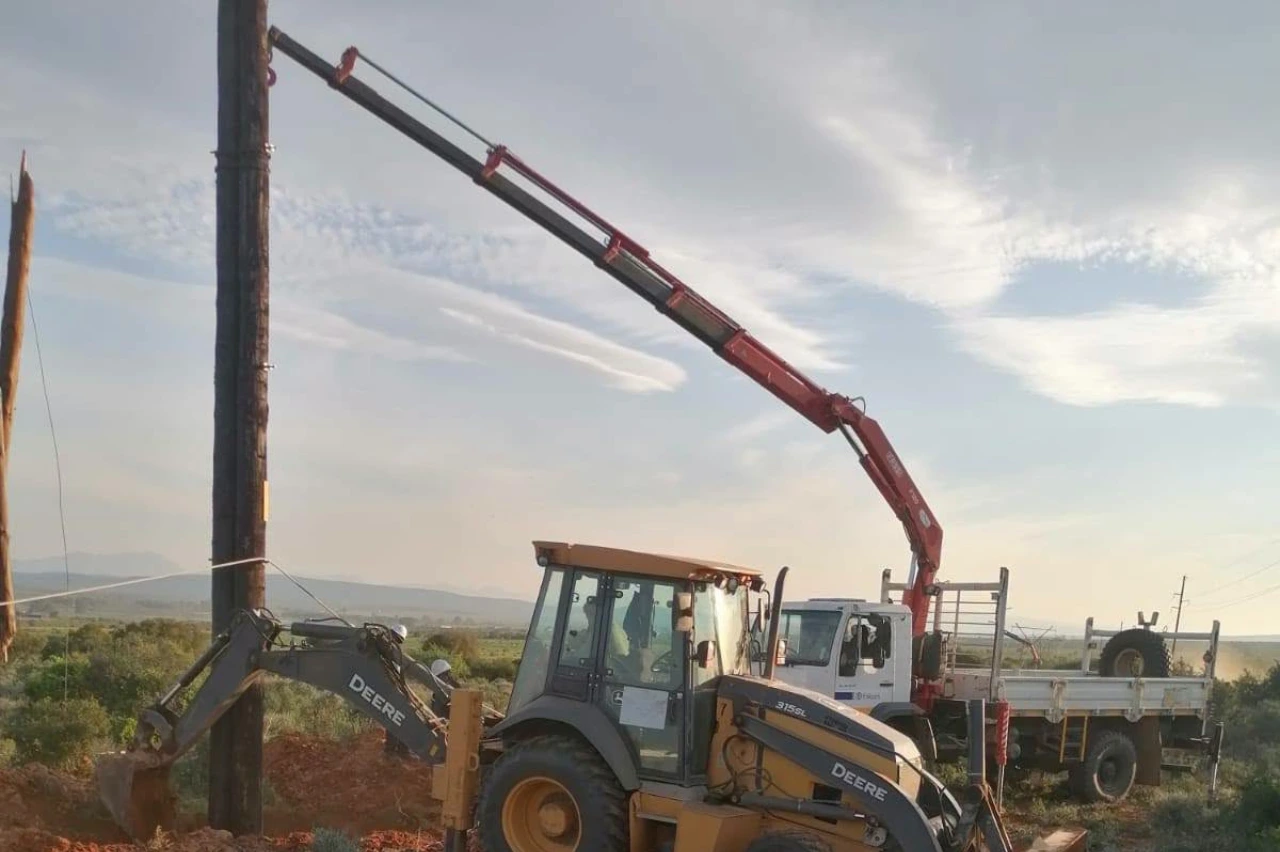
The power outage affecting parts of Oudtshoorn has entered its fourth day, with Eskom revising its estimated restoration time to approximately 18:00 on Tuesday, 18 August.

Eskom said further complex technical problems were encountered during restoration work, requiring additional repairs before the network can be safely energised.

“The safety of Eskom employees and affected communities remains paramount,” the utility said.

Technical teams remain on site and are working to resolve the issues and restore electricity as soon as it is safe to do so.

Eskom has apologised to affected residents for the prolonged outage and repeated changes to the restoration estimates.

“We sincerely apologise for the continued outage and the inconvenience caused. We understand the frustration caused by the interruption and changing restoration estimates,” Eskom said.

The utility said it will continue providing updates as restoration work progresses.

Customers can contact Eskom via the MyEskom Customer app, Alfred Chatbot or the Eskom Contact Centre on 08600 37566.

Eskom reports 441 days without load shedding

South Africa has reached 441 consecutive days without load shedding, with Eskom reporting significant improvements in power generation, lower unplanned outages and dramatically reduced diesel usage.

According to the power utility, the country has remained free of load shedding since 16 May 2025. Between 1 April and 30 July 2026, electricity demand was met 100% of the time, while Eskom's Winter Outlook continues to indicate that no load shedding is expected until at least 31 August 2026.

Eskom records highest energy availability since 2017

Eskom said the sustained improvement is the result of its ongoing Generation Recovery Plan, which has boosted generation capacity and strengthened the reliability of the national grid.

A major milestone was achieved on 26 July 2026, when the utility recorded a daily Energy Availability Factor (EAF) of 82.04% — the highest daily performance since 2017.

The financial year-to-date EAF has increased to 66.97%, representing a 7.28% improvement compared with the same period last year and an 11.8% improvement over three years. This has restored approximately 5.9GW of generating capacity to the national grid.

Eskom added that more than 85% of its coal-fired power stations are currently operating at EAF levels between 73% and 97%.
Unplanned outages nearly halved

The utility also reported a significant decline in unplanned breakdowns.

On 26 July, unplanned outages dropped to 4,562MW - the lowest level since 30 June 2018, when outages stood at 4,327MW.
During the week of 24 to 30 July, average unplanned outages measured 5,553MW, down from 10,641MW during the same period in 2025. This represents a reduction of 5,088MW, or 47.8% year-on-year.

The Unplanned Capacity Loss Factor (UCLF) improved to 11.74%, compared with 22.21% a year earlier, while planned maintenance averaged 8.94%, down from 10.40% over the same period.
Diesel spending slashed by more than 85%

Improved plant performance has significantly reduced Eskom's dependence on expensive diesel-fired generation.

The utility confirmed that no diesel was used between 24 and 30 July, marking the second consecutive week without diesel consumption.

From 1 April to 30 July 2026, diesel expenditure totalled R807.41 million, compared with R5.63 billion during the same period last year - an 85.67% reduction.

Open-Cycle Gas Turbines (OCGTs), which are typically used during periods of high electricity demand, operated at an average load factor of just 1.08%, down from 9.71% a year earlier.

Year-to-date OCGT generation reached 105.977GWh, approximately 88.89% lower than the corresponding period in 2025.
Load reduction programme continues despite end of load shedding

Although nationwide load shedding has ended, Eskom continues implementing load reduction in selected communities affected by illegal electricity connections, meter tampering, overloaded networks and infrastructure damage.

The utility's Load Reduction Eradication Programme has removed approximately 1.196 million customers from load reduction schedules, representing 70.8% of the 1.69 million customers originally affected.

Six of South Africa's nine provinces have now been completely removed from load reduction, while work continues in Gauteng, KwaZulu-Natal and the Eastern Cape.

The percentage of Eskom customers affected by load reduction has dropped from 23.5% at its peak to approximately 6.9%.

The utility remains on track to eliminate load reduction in a seventh province by October 2026, with the complete eradication of the programme targeted for 2027.

Smart meter rollout accelerates

Eskom's smart meter rollout is also supporting the reduction programme.
To date, 503,139 smart meters have been installed on load reduction feeders, achieving 87.1% of the 577,347-meter target in high-priority areas.

Approximately 93% of these installations are located in Gauteng, Mpumalanga, Limpopo and KwaZulu-Natal.

The utility has also removed 565 feeders from load reduction, representing 58% of its target of 971 feeders.

According to Eskom, 1,196,657 customers are no longer affected by load reduction, including 670,785 customers in Limpopo and Mpumalanga, 268,902 in Gauteng, 21,835 in the Eastern and Western Cape, 184,907 in KwaZulu-Natal and the Free State, and 50,228 in the North West and Northern Cape.
error:
Scroll to Top