SAPS sergeant arrested for alleged corruption at Mitchell’s Plain police station

A South African Police Service (SAPS) sergeant has been arrested on corruption charges after allegedly accepting cash to smuggle dagga and tobacco into the holding cells at Mitchell’s Plain SAPS in Cape Town.

The arrest took place on Sunday, 16 August 2026, during a sting operation conducted by members of the SAPS Anti-Corruption Unit.

According to police, the sergeant was caught in the act after allegedly accepting cash in exchange for taking the contraband into the cells. The money was found in his possession, while the dagga and tobacco were confiscated.

Western Cape Provincial Commissioner Lieutenant General Sizakhele Dyantyi has issued a stern warning to police officers involved in corrupt activities, saying SAPS is taking a zero-tolerance approach to bribery and the abuse of police powers.

“The adult male suspect is expected to appear in the Mitchell’s Plain Magistrates’ Court on Tuesday, 18 August 2026, on a charge of corruption,” SAPS said.

The arrest forms part of ongoing efforts by the Anti-Corruption Unit to tackle corruption within the police service.

Peet Viljoen Denied Bail in R27.6 Million Fraud Case

Disbarred lawyer Peet Viljoen has been denied bail yet again by the Specialised Commercial Crimes Court in Pretoria in connection with a R27.6 million fraud case.

Viljoen appeared in court on Monday for his bail decision.

Magistrate Nicca Setshogoe ruled that Viljoen posed a flight risk and ordered that he remain in custody.

His wife, reality TV personality Mel Viljoen, was seen crying after the ruling.

Viljoen was arrested at OR Tambo International Airport on 16 June after being deported from the United States.

Oudtshoorn enters 3rd day of no electricity

Oudtshoorn residents facing a prolonged electricity outage have been told they may have to wait until Monday afternoon for power to be restored, with frustration mounting on social media.

Oudtshoorn residents facing a prolonged electricity outage have been told they may have to wait until Monday afternoon for power to be restored, with frustration mounting on social media.

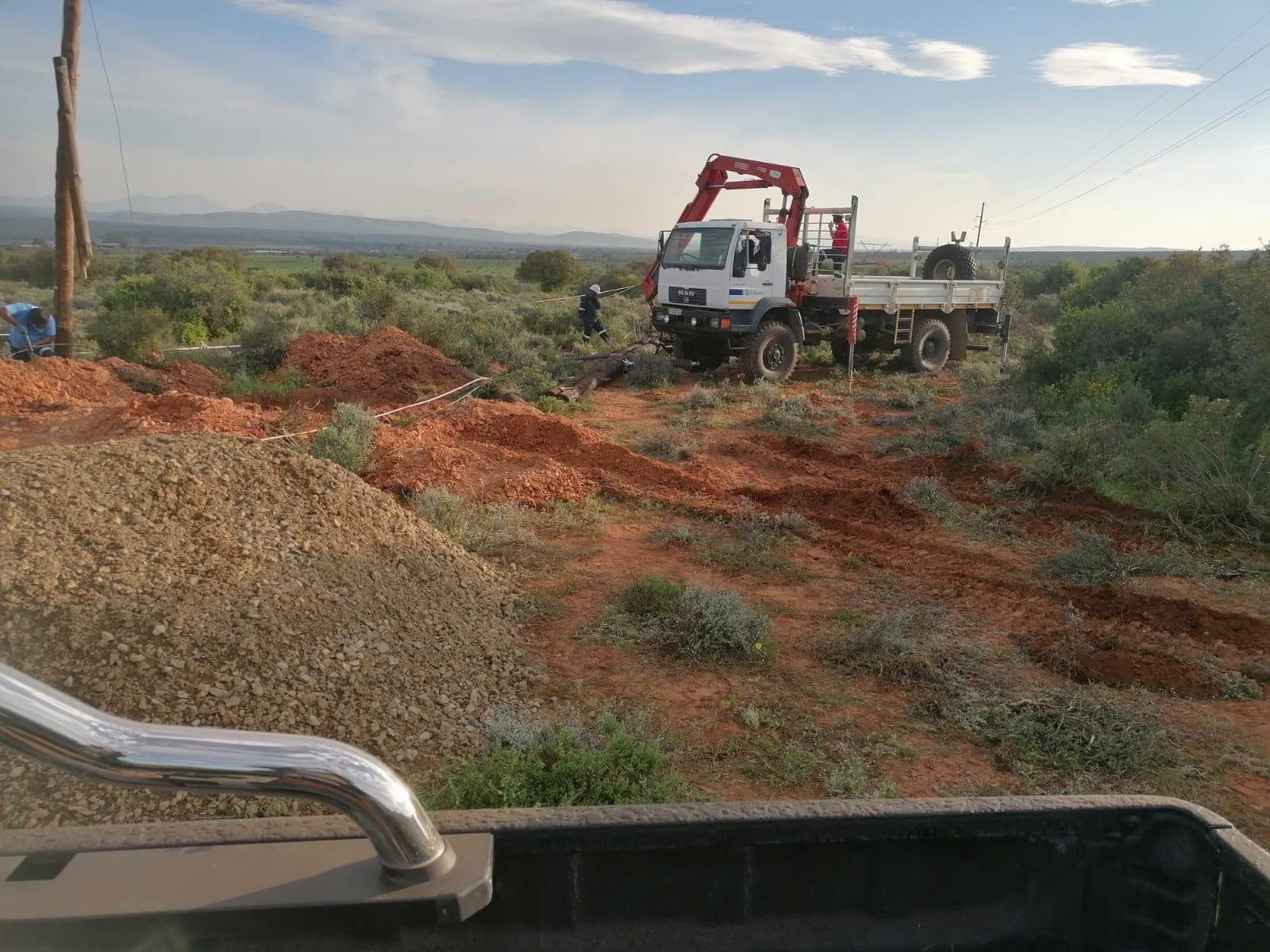
Eskom has extended the estimated restoration time for the Oudtshoorn power outage after technical teams encountered delays during repair work.

In its latest update issued on Sunday, 16 August 2026, Eskom said the restoration of electricity supply had been delayed due to the complexity of the work being carried out.

The estimated restoration time has now been moved to approximately 14:00 on Monday, 17 August 2026.

The outage has left residents without electricity for an extended period, with the disruption affecting households in Oudtshoorn and surrounding areas.

Eskom said its technical teams remain committed to restoring electricity supply as safely and efficiently as possible.

The prolonged outage has sparked anger and concern among residents, particularly those worried about food spoiling and vulnerable people being left without electricity.

One frustrated resident wrote on social media: “And so you just keep moving the time later and later! There are people whose food is going to spoil! And there are elderly people sitting completely alone in their homes! Absolutely heartbreaking!”

The latest extension has added to growing frustration among residents who have already endured a lengthy interruption to their electricity supply.

Eskom apologised to affected customers for the continued outage and the inconvenience caused, while thanking residents for their patience, understanding and cooperation.

Customers can contact Eskom through the MyEskom Customer App, the Alfred Chatbot, or the Eskom Contact Centre on 08600 37566.

Residents are advised to continue monitoring official updates from Eskom and the Greater Oudtshoorn Municipality for further information about the restoration of power.

Tributes pour in for Knysna doctor Dr Johann Viljoen after fatal N2 crash


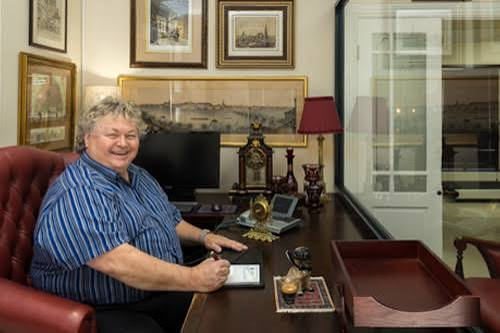
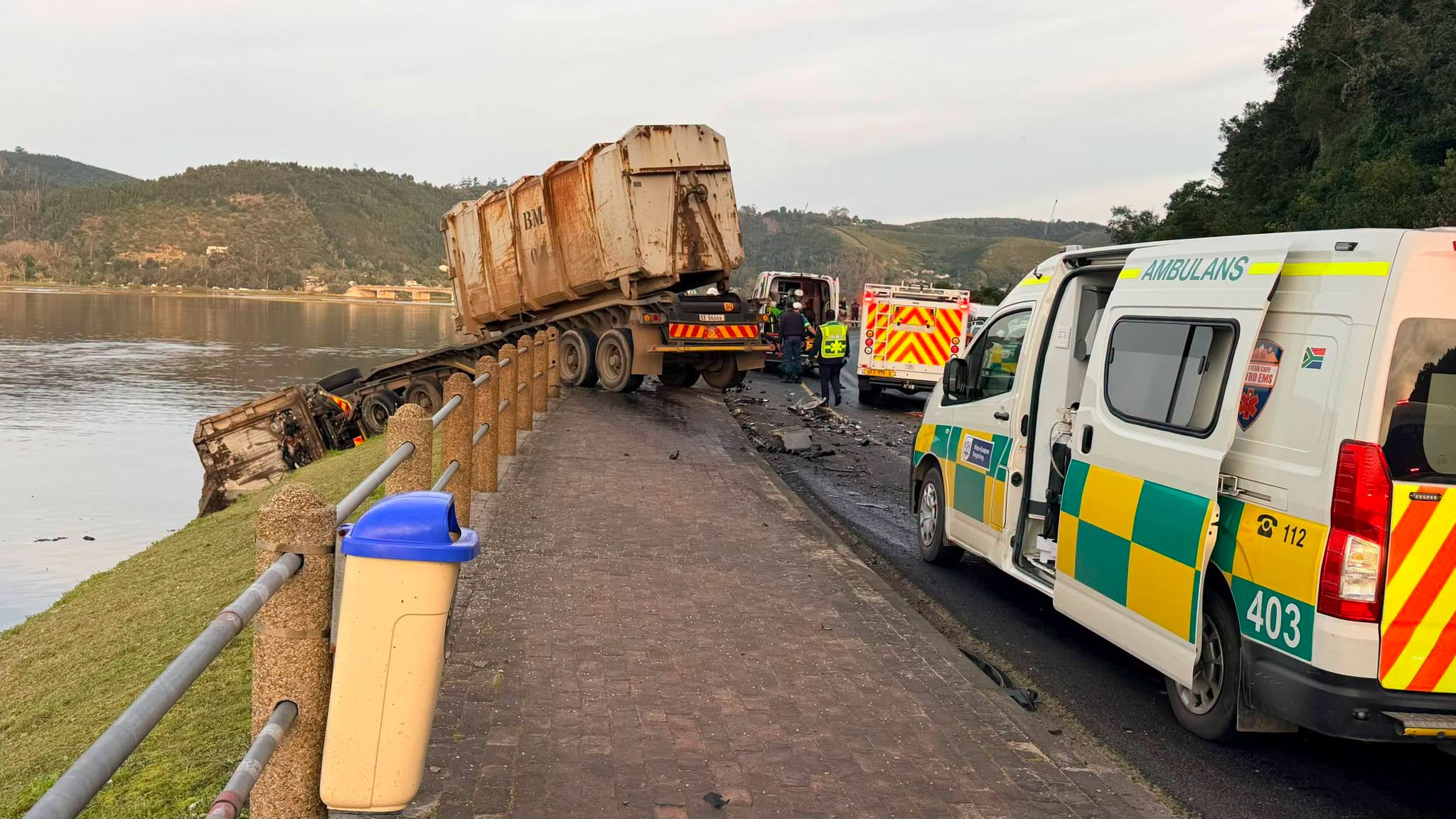
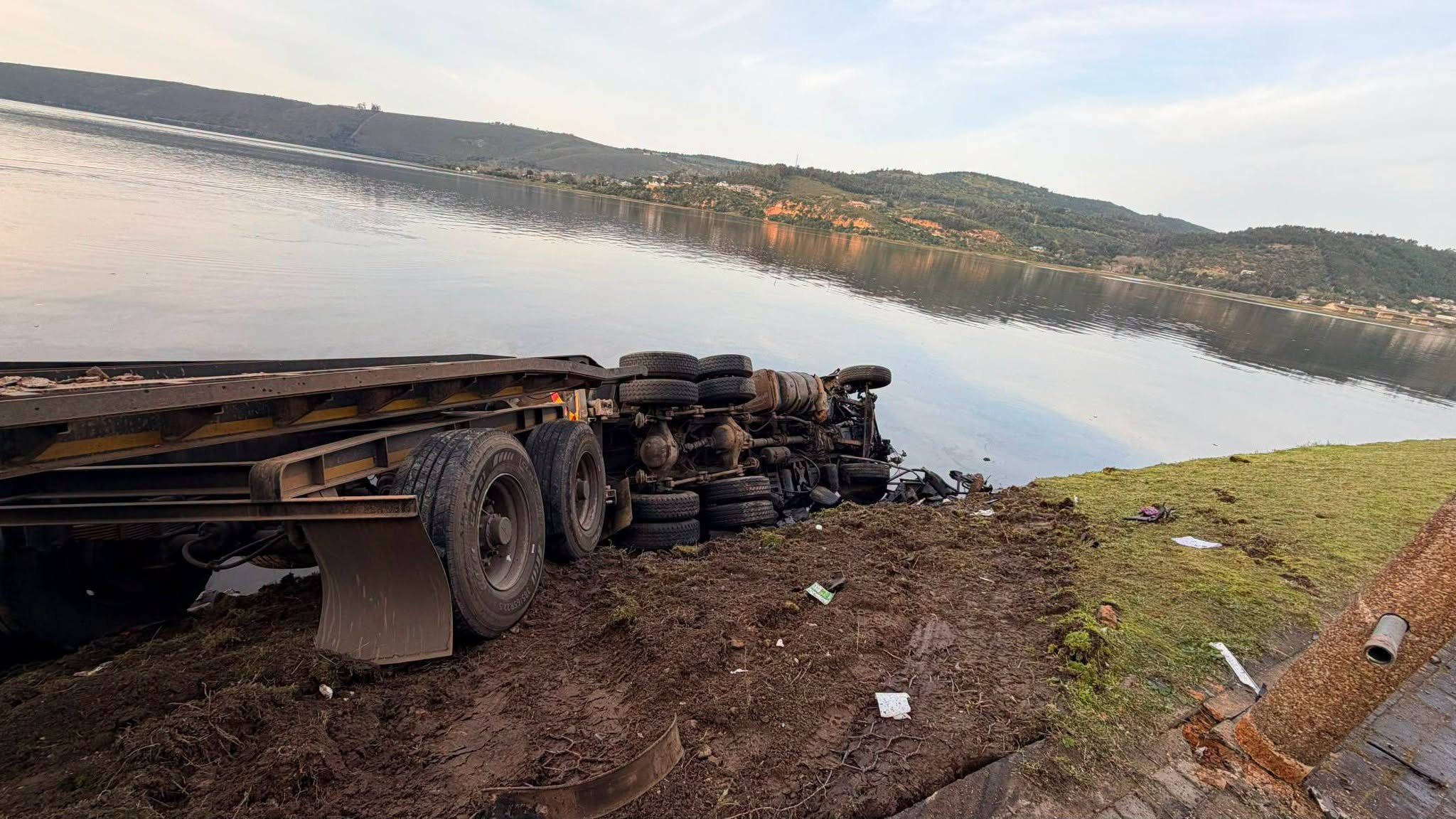
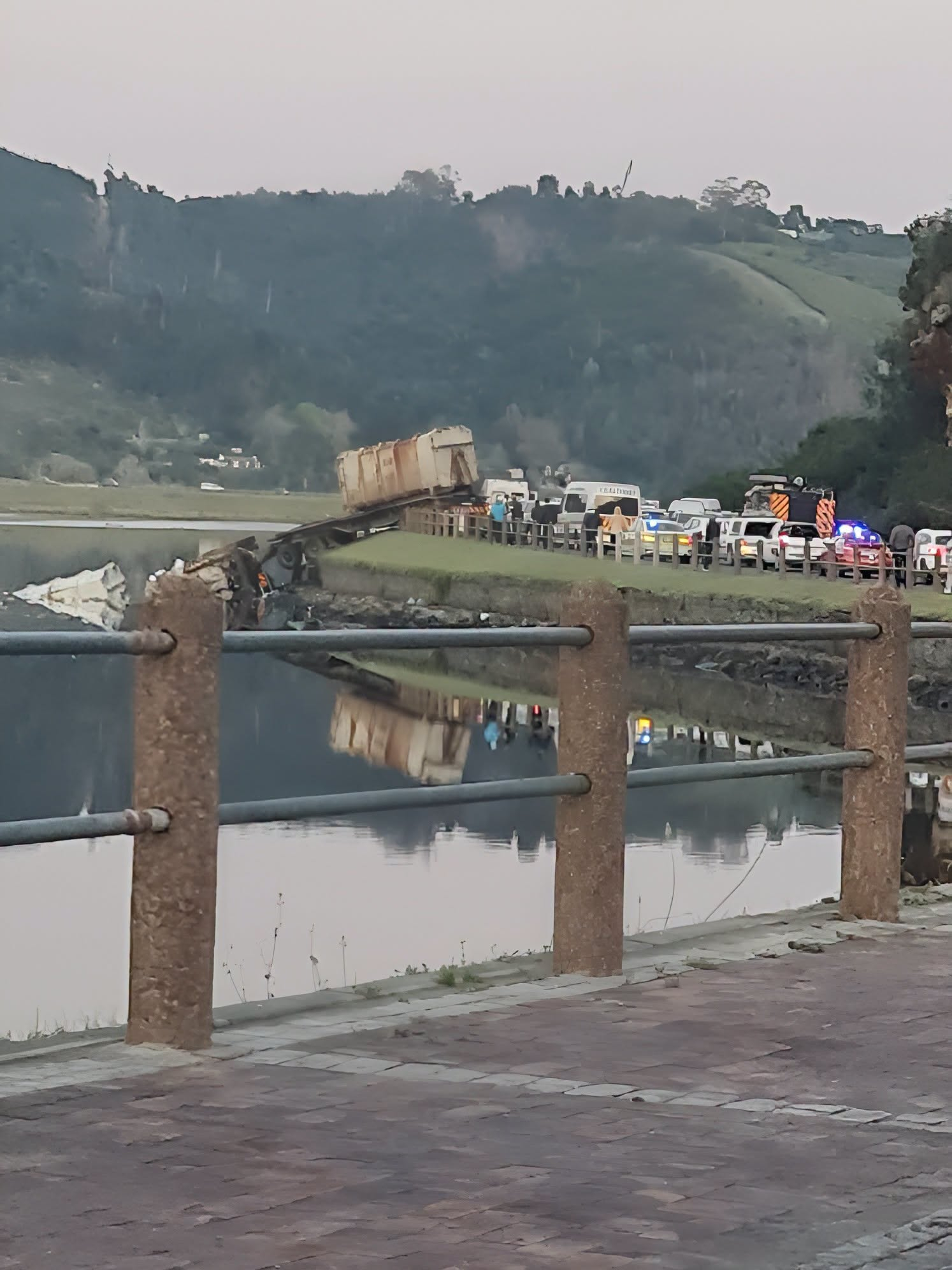
Tributes are pouring in from across the country for well-known Knysna physician Dr Johann Viljoen, who died in Friday morning’s fatal crash involving a Bitou waste truck on the N2 near the Knysna Lagoon.

Viljoen’s partner, Charl Steenekamp, and their beloved dog, CaraMia, also died in the head-on collision.

Dr Viljoen has been remembered by patients, friends and members of the community for his compassion, medical knowledge and professionalism.

“He was just one big teddy bear with a heart of gold,” one patient wrote online.

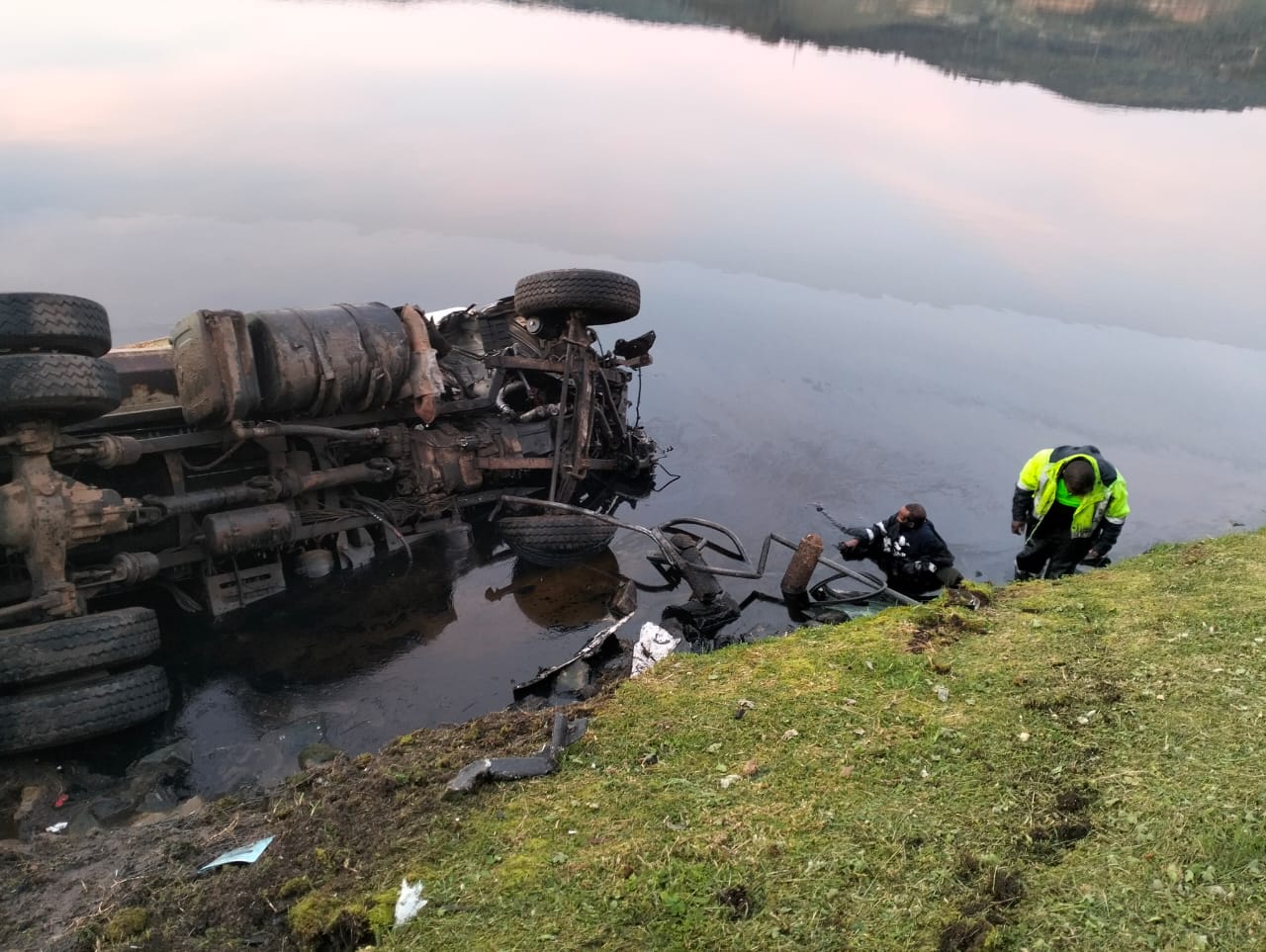
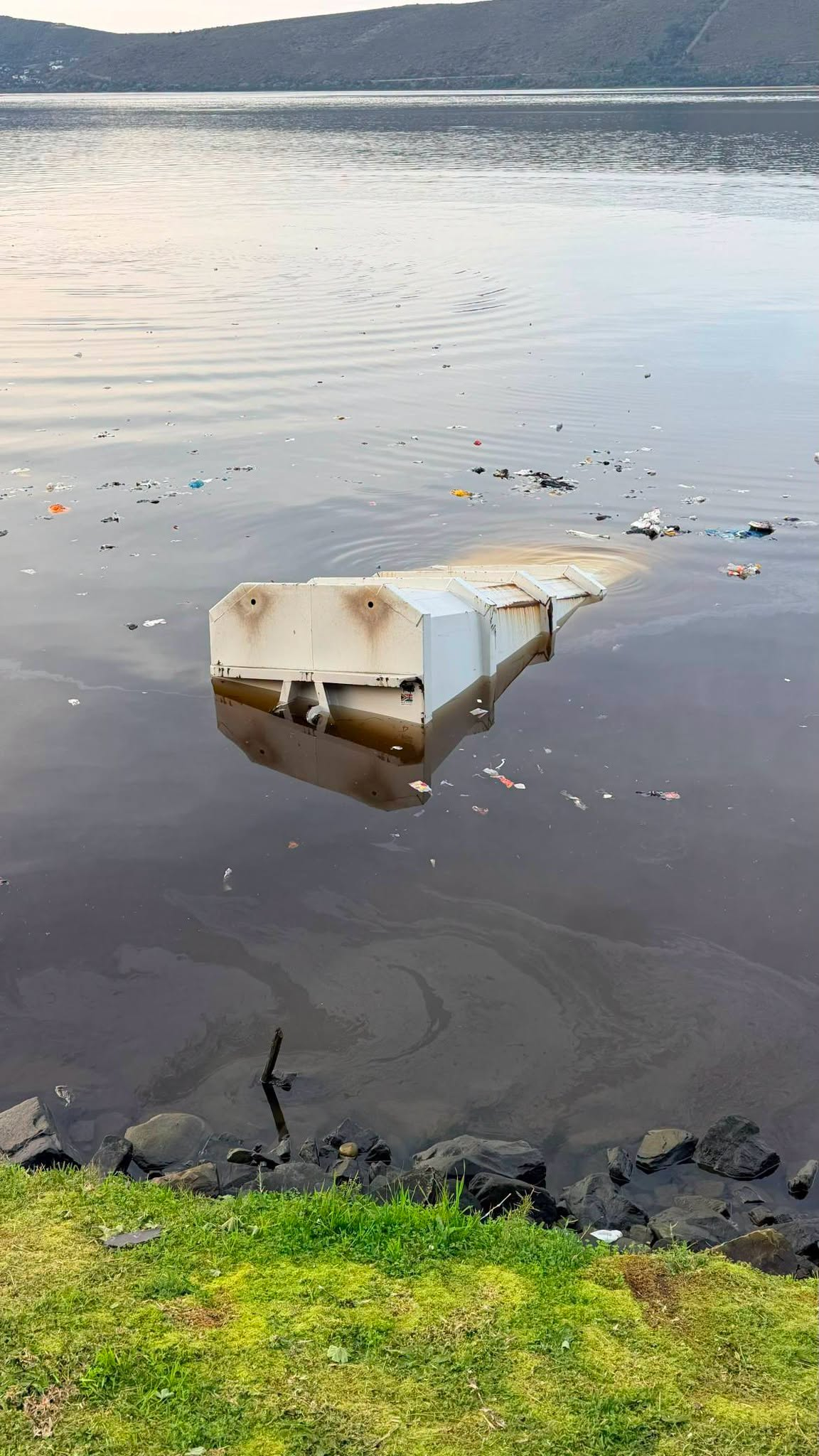
Meanwhile, clean-up operations following the crash are nearing completion after the truck ended up in the Knysna Lagoon, causing a spill in the water.

Authorities have been working to contain and remove the spilled material as part of the ongoing recovery operation.

Details of a memorial service for Dr Viljoen and Steenekamp will be announced in due course.

An investigation into the cause of the fatal Knysna crash is still underway.

N2 Near Knysna Reopens After Crash Claims Two Lives

Both lanes of the N2 near Knysna in the Western Cape have reopened to traffic following a serious crash that claimed two lives.

The road was closed in both directions after a collision between a truck and an SUV near the Knysna Lagoon.

The two occupants of the SUV were declared dead at the scene, while the truck driver sustained serious injuries.

Authorities are continuing efforts to remove the truck from the lagoon. The Garden Route District Municipality, SANParks and the Knysna Fire Services are also working to contain a diesel spill in the lagoon.

The cause of the accident is under investigation.

Photos: Supplied

Western Cape Government Strengthens Financial Response to Severe Weather Damage


The Western Cape Government is strengthening its financial response to the damage caused by a series of severe weather events that hit the province in May 2026, with total losses estimated at R9.979 billion.

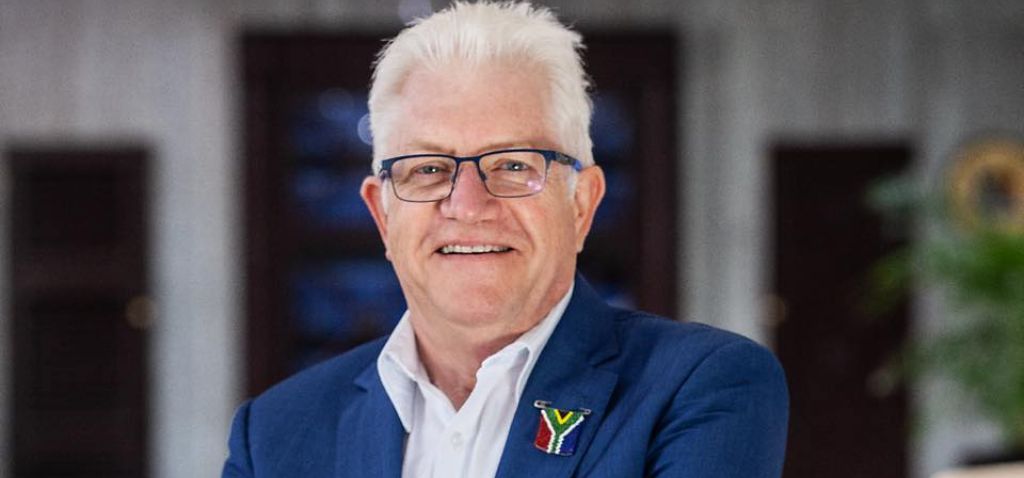
Western Cape Premier Alan Winde chaired a provincial Cabinet meeting on Wednesday, where Cabinet received an update on the ongoing recovery and repair efforts.

The scale of the damage means the cost of rebuilding and restoring infrastructure is expected to exceed the province’s current financial capacity. Provincial departments will therefore need to reprioritise their budgets to ensure critical recovery work continues.

The Western Cape Department of Local Government has submitted a funding application to the Department of Cooperative Governance and Traditional Affairs (COGTA), through the National Disaster Management Centre (NDMC), for financial assistance to address the shortfall in funding for essential infrastructure repairs and restoration.

The provincial government has also asked for its funding application to be considered by the relevant National Treasury Committee under national provisions for unforeseeable and unavoidable expenditure.

In the meantime, Cabinet has approved R480 million in financial commitments to various provincial departments from the province’s 2026/27 Unforeseen and Unavoidable Reserve.

Premier Winde said the province could not afford to wait for national disaster relief processes to be finalised before taking action.
“As a province we cannot wait for lengthy disaster relief processes from National Government to be finalised. We must act decisively. We have excellent financial management mechanisms in place and a contingency reserve which we now have to exhaust because our economy and communities cannot be held ransom by damaged infrastructure.”

The R480 million allocation will allow provincial departments to intensify their response and recovery efforts while the Western Cape awaits confirmation of additional funding from the NDMC.

Winde said the province would continue prioritising interventions aimed at restoring essential services and repairing damaged public infrastructure.

“The magnitude of this disaster requires us to work even harder to secure every available rand needed to rebuild damaged infrastructure and support affected communities. The financial impact extends across multiple departments, which adds urgency to our response. We are committed to doing everything possible to ensure that recovery efforts continue without delay.”

Cabinet also committed to ensuring that the recovery funding process is managed transparently and responsibly.

Winde warned that the increasing frequency and severity of extreme weather events, driven in part by a changing climate, means government must place greater emphasis on disaster prevention and risk reduction.

“We cannot only respond after disaster strikes. We must also do more to reduce the risks before these events happen.”

Preventative measures will include accelerating the cutting and maintenance of firebreaks, clearing invasive alien vegetation from waterways and water bodies, upgrading stormwater systems and strengthening the maintenance of critical infrastructure.

The Western Cape Government says these measures are essential to building greater resilience and reducing the impact of future extreme weather events on communities and infrastructure.

South Africa launches Electronic Travel Authorisation to make international travel easier and more secure


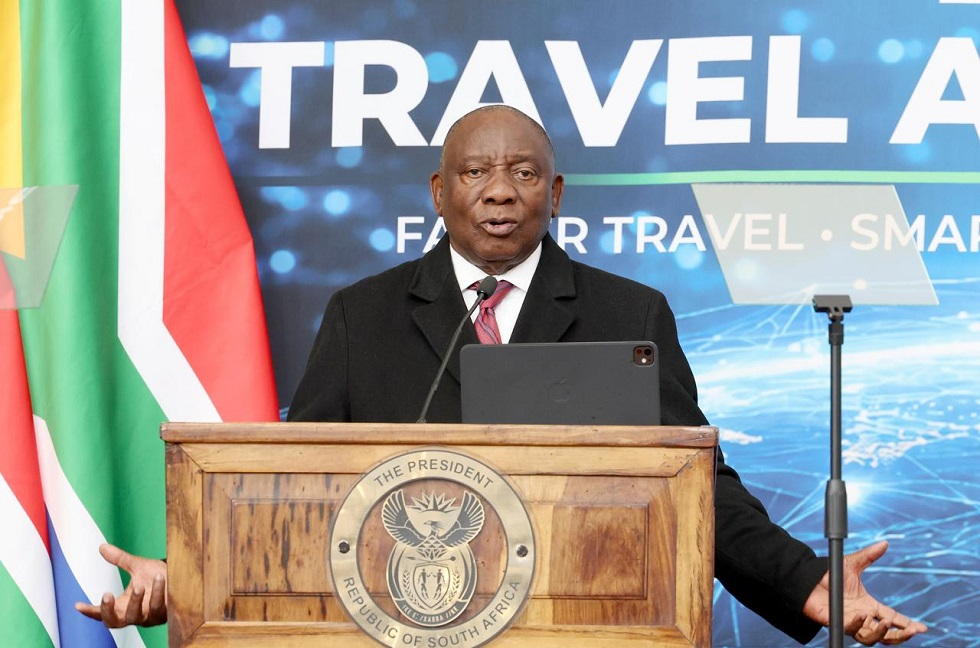
South Africa has taken a major step towards modernising international travel with the official launch of its Electronic Travel Authorisation (ETA), a digital system designed to make entry into the country faster, easier and more predictable while strengthening border security.

President Cyril Ramaphosa launched the system at OR Tambo International Airport on Wednesday, describing the reform as more than a digital upgrade.

“This is far more than the introduction of a new digital platform. It is a statement about the kind of country we are building,” Ramaphosa said.

He said the ETA would make South Africa more welcoming to legitimate travellers while improving security and strengthening the country's competitiveness in the global economy.

“It is about making South Africa more open to opportunity, more welcoming to legitimate travellers, more secure for our citizens and more competitive in the global economy.”

ETA expected to boost tourism, trade and investment

The launch forms part of government's broader structural reform programme aimed at removing barriers to economic growth, investment and job creation.

Ramaphosa said the ETA would support tourism, trade, investment, skills development and knowledge exchange, while improving the management and integrity of South Africa's borders.

“The Electronic Travel Authorisation system will make travel to South Africa easier, faster and more predictable. It will encourage tourism. It will support trade. It will attract investment,” he said.

The President said visa reform should be viewed as an economic intervention because international visitors contribute to a wide range of industries.

“More visitors mean more hotel bookings, more restaurants filled, more tour operators employed, more flights, more conferences, more exports, more investment, and more opportunities for South Africans to earn an income and build a better future.”

Digital gateway to South Africa

The ETA forms part of the Department of Home Affairs' Home Affairs @ Home vision, which aims to create a fully digital department capable of delivering secure, efficient and accessible public services.

Eligible travellers can apply online from anywhere in the world without having to visit a South African diplomatic mission or visa processing centre.

The digital system is designed to speed up applications, provide more predictable decisions and improve the overall travel experience.

The ETA was initially introduced in four strategic source markets - China, India, Indonesia and Mexico - in support of South Africa's G20 Presidency.

Government plans to expand the system to additional countries. Over time, digital processing is also expected to extend to other immigration services, including work and study visas.

Ramaphosa said the ETA represents the beginning of a much broader transformation of South Africa's immigration system.

Faster travel with stronger border security

While the ETA is intended to make legitimate travel easier, Ramaphosa stressed that greater efficiency does not mean weaker border controls.

“A modern immigration system is not a weaker immigration system. It is a smarter immigration system.”

The President said the use of technology would allow government to obtain more information about travellers before they arrive while strengthening biometric verification, identity management, risk assessment and border security.

The system will also help authorities identify people who may seek to abuse South Africa's immigration system while allowing lawful travellers to enter the country more efficiently.

Ramaphosa said the ETA supports government's Comprehensive Approach to Migration Management, balancing economic openness with national security.

A modern border experience

During his visit to the processing facilities at OR Tambo International Airport, Ramaphosa was taken through the ETA system by Border Management Authority Commissioner Dr Michael Masiapato.

The demonstration included a tourist application being processed through the new system, offering a practical example of the faster and more digitally enabled experience government wants international travellers to have.

Ramaphosa said OR Tambo was a fitting venue for the launch because of its role as South Africa's busiest international gateway and its association with struggle icon Oliver Reginald Tambo.

“For many years, OR Tambo travelled the world to rally support for the struggle against apartheid. He carried South Africa's hopes across continents,” Ramaphosa said.

“He took South Africa to the world. Today, through this new system, we are strengthening the way in which the world comes to South Africa.”

He said the ETA would help ensure that South Africa's welcome is “not only warm, but also modern, efficient and secure.”

The launch also coincides with the country's Milestones of Freedom campaign, themed “Honouring the Past. Delivering the Future.” The year-long initiative promotes social cohesion, reflects on South Africa's democratic journey and links historical remembrance with community service.

ETA forms part of wider economic reforms

The ETA is being implemented as part of the structural reforms under Operation Vulindlela, established in 2020 to address longstanding constraints to South Africa's economic growth.

The programme has focused on areas including electricity, logistics, telecommunications, water infrastructure, the ease of doing business and immigration.

Ramaphosa said the reforms were interconnected and aimed at removing barriers to investment, economic growth and job creation.

“These are not isolated reforms. Together, they are removing barriers to growth, investment and job creation. They are making South Africa a more competitive economy.”

He said the progress showed that meaningful reform was possible when government worked with urgency, purpose and strong partnerships.

Government working together

The President said the success of the ETA would depend on cooperation between the Department of Home Affairs, Border Management Authority, South African Revenue Service, Department of Tourism, South African Tourism, the aviation industry, diplomatic missions, technology partners and the private sector.

He described South Africa's borders as strategic national assets where security, trade, tourism, logistics and economic development intersect.

“Our borders are not merely points of entry. They are strategic national assets. They are where security, trade, tourism, logistics and economic development come together.”

Ramaphosa commended the departments, agencies, technology partners and other stakeholders involved in implementing the ETA.

A new chapter in South Africa's global presence

Ramaphosa said the ETA represents a vision of a South Africa that is both open and secure - welcoming legitimate travellers while protecting its borders and advancing the country's economic interests.

“Today's launch is about much more than visas. It is about the future of our country,” he said.

The President said South Africa must remain a country that welcomes the world with confidence, attracts investment, embraces innovation and delivers efficient, modern and responsive public services.

“This is the country we are building. It is a country that understands that economic growth requires both openness and security. It is a country determined to compete with the best in the world.”

He said the ultimate goal was to create more jobs, expand opportunities and improve the lives of South Africans.

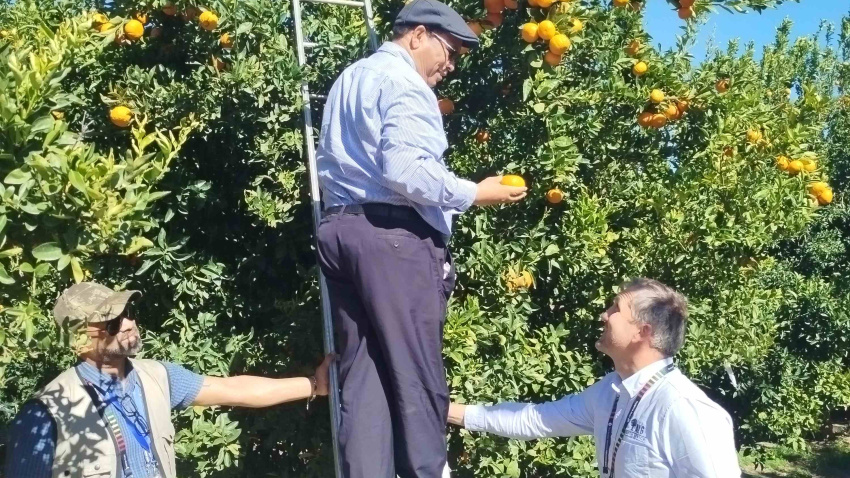
Minister Meyer Welcomes Inaugural Annual Citrus Day Celebrating South Africa’s Citrus Success

Western Cape Minister of Agriculture, Economic Development and Tourism Dr Ivan Meyer has welcomed the inaugural Annual Citrus Day, held in Citrusdal on 11 August 2026, as a major milestone in celebrating the success and contribution of South Africa’s citrus industry.

Hosted by the Citrus Growers’ Association (CGA), the event brought together citrus growers, industry leaders, exporters, researchers, farm workers and other stakeholders to recognise the sector’s contribution to South Africa’s economy and rural communities.

Addressing attendees, Meyer said the event fulfilled a vision he first proposed during his Budget Vote Speech earlier this year to establish a dedicated South African Citrus Day.

“This gathering is about much more than citrus. It is about celebrating the growers, farm workers, researchers, exporters, entrepreneurs and communities whose efforts have made South African citrus a global success story,” Meyer said.

Citrusdal was chosen as the venue for the inaugural celebration because of its importance as one of South Africa’s leading citrus-producing regions and its association with the resilience, innovation and excellence of the industry.

South Africa’s citrus industry reaches record exports

South Africa’s citrus sector remains a major contributor to economic growth, employment and agricultural exports.

According to Citrus Growers’ Association statistics highlighted by Meyer, the industry recorded a record export season in 2025, shipping 203.9 million 15-kilogram cartons, equivalent to approximately 3.06 million tonnes of citrus.

The citrus industry is South Africa’s largest agricultural export sector by value and supports an estimated 140,000 jobs at farm level.

“These figures represent more than commercial success. They reflect the dedication of thousands of people who invest through uncertainty, embrace innovation and continue creating opportunities in rural communities across our country,” Meyer said.

CGA CEO Dr Boitshoko Ntshabele said the annual event provides an opportunity to highlight the broader contribution of the citrus industry.

“We are truly excited to celebrate the wider value of the industry. Minister Ivan Meyer has been a supporter and enabler of the citrus industry for a long time, and his efforts are deeply appreciated,” Ntshabele said.

He added that the event highlighted the industry’s role in rural economies, community development, research and technological innovation.

Protecting the future of South Africa’s citrus sector

Meyer said South Africa could draw inspiration from international initiatives such as California’s Sunkist Citrus Day while developing a uniquely South African tradition that celebrates citrus-producing communities across the country.

However, he warned that continued growth would depend on addressing challenges facing the industry, including rising input costs, water constraints, biosecurity threats, climate variability and increasing international competition.

Reliable logistics are also essential to maintaining South Africa’s position in global citrus markets, with efficient ports, rail infrastructure and freight systems remaining critical to the industry’s competitiveness.

“Our achievements are substantial: record exports, expanding global markets, growing production and a sector that continues to create jobs and generate export earnings,” Meyer said.

“Our responsibility is to build on that success by improving logistics, strengthening biosecurity, supporting innovation, expanding market access and ensuring that growth creates opportunities for more South Africans.”

Meyer reaffirmed the importance of continued collaboration between government, industry, researchers, exporters and workers to secure the long-term sustainability and competitiveness of South Africa’s citrus sector.

“Let us continue building a sector that is globally competitive, environmentally sustainable and socially inclusive. If we continue working together, there is every reason to believe that the best years of South African citrus still lie ahead,” he concluded.

Western Cape Unemployment Rate Falls to 19.5% as Province Adds 91,000 Jobs

The Western Cape’s unemployment rate fell slightly to 19.5% in the second quarter of 2026, down from 19.6% in the previous quarter, according to the latest Quarterly Labour Force Survey (QLFS).

The provincial unemployment rate has remained below 20% for more than a year and continues to sit significantly below South Africa’s national unemployment rate.

The Western Cape Government welcomed the figures, highlighting the province’s relatively strong economic performance despite challenging national and global economic conditions.

Seven of the province’s 10 economic sectors recorded year-on-year employment growth. The biggest gains came from finance and other business services (+41,000 jobs), trade (+41,000) and agriculture (+26,000).

The province’s labour absorption rate also improved by 1.1 percentage points year-on-year to 55.7%, compared with 39.6% nationally.

Western Cape Premier Alan Winde said the decline in unemployment was encouraging, but stressed that more work was needed to grow the provincial economy and create jobs.

“Every decrease in the unemployment rate is encouraging,” Winde said, adding that the province would continue working to attract investment and create employment opportunities.

Western Cape Minister of Agriculture, Economic Development and Tourism Dr Ivan Meyer also welcomed the latest figures.

Meyer said the Western Cape created 91,000 jobs year-on-year, while South Africa as a whole recorded a loss of 68,000 jobs over the same period.

“This achievement reflects the resilience of our economy, the determination of our businesses, and the impact of creating an enabling environment for investment, growth and job creation,” Meyer said.

He said the province would maintain its focus on attracting investment, supporting businesses, expanding exports, improving skills development and building infrastructure to support long-term economic growth.

South Africa’s Unemployment Rate Rises to 33.6% in Second Quarter of 2026

South Africa’s official unemployment rate increased to 33.6% in the second quarter of 2026, rising by 0.9 percentage point from 32.7% in the first quarter.

The latest figures were released by Statistics South Africa (Stats SA) on Tuesday in its Quarterly Labour Force Survey (QLFS) for the second quarter of 2026.

According to Stats SA, the number of unemployed people increased by 345,000 to 8.5 million, while employment declined by 16,000 to 16.7 million.

The changes resulted in the labour force increasing by 329,000, or 1.3%, during the quarter.

“The above changes in employment and unemployment resulted in the official unemployment rate (Labour Underutilisation (LU1)) increasing by 0.9 percentage point from 32.7% in the first quarter of 2026 to 33.6% in the second quarter of 2026,” Stats SA said.

Employment changes by industry

Employment gains were recorded in several industries during the second quarter.

Trade recorded the largest increase, with employment rising by 70,000, followed by Construction, which added 39,000 jobs, and Finance, which increased by 11,000.

However, employment declined significantly in other sectors.

Community and social services recorded the largest decrease, falling by 57,000 jobs. This was followed by Mining, which declined by 26,000 jobs, while Agriculture and Manufacturing each recorded decreases of 15,000.

Employment in the formal sector declined by 41,000, while the household sector decreased by 9,000. Employment in the informal sector, meanwhile, increased by 34,000.

Western Cape among provinces recording job losses

Employment gains were recorded in Mpumalanga, which added 41,000 jobs, followed by the Eastern Cape with 13,000 and the Free State with 9,000.

The largest employment declines were recorded in the Western Cape, where employment fell by 48,000. Gauteng recorded a decrease of 22,000, while North West declined by 15,000.

Potential labour force declines

The number of discouraged job-seekers decreased by 227,000 to 3.7 million during the quarter.

Other available job-seekers declined by 49,000 to 861,000, while unavailable job-seekers decreased by 4,000 to 44,000.
As a result, the potential labour force declined by 280,000 to 4.6 million.

People outside the labour force for other reasons increased by 72,000 to 12.5 million.

Overall, the number of people outside the labour force decreased by 208,000 to 17.1 million in the second quarter of 2026.

Youth unemployment rises to 47.4%

South Africa’s youth unemployment crisis also worsened during the quarter.

Stats SA said the number of unemployed young people aged between 15 and 34 increased by 264,000 to 5 million compared with the first quarter.
At the same time, youth employment decreased by 40,000 to 5.6 million.

As a result, the youth unemployment rate increased by 1.5 percentage points to 47.4% in the second quarter of 2026.

The latest figures highlight continued pressure on South Africa’s labour market, particularly among young people, despite employment gains in sectors such as trade and construction.
error:
Scroll to Top