Government outlines plan to lower electricity costs

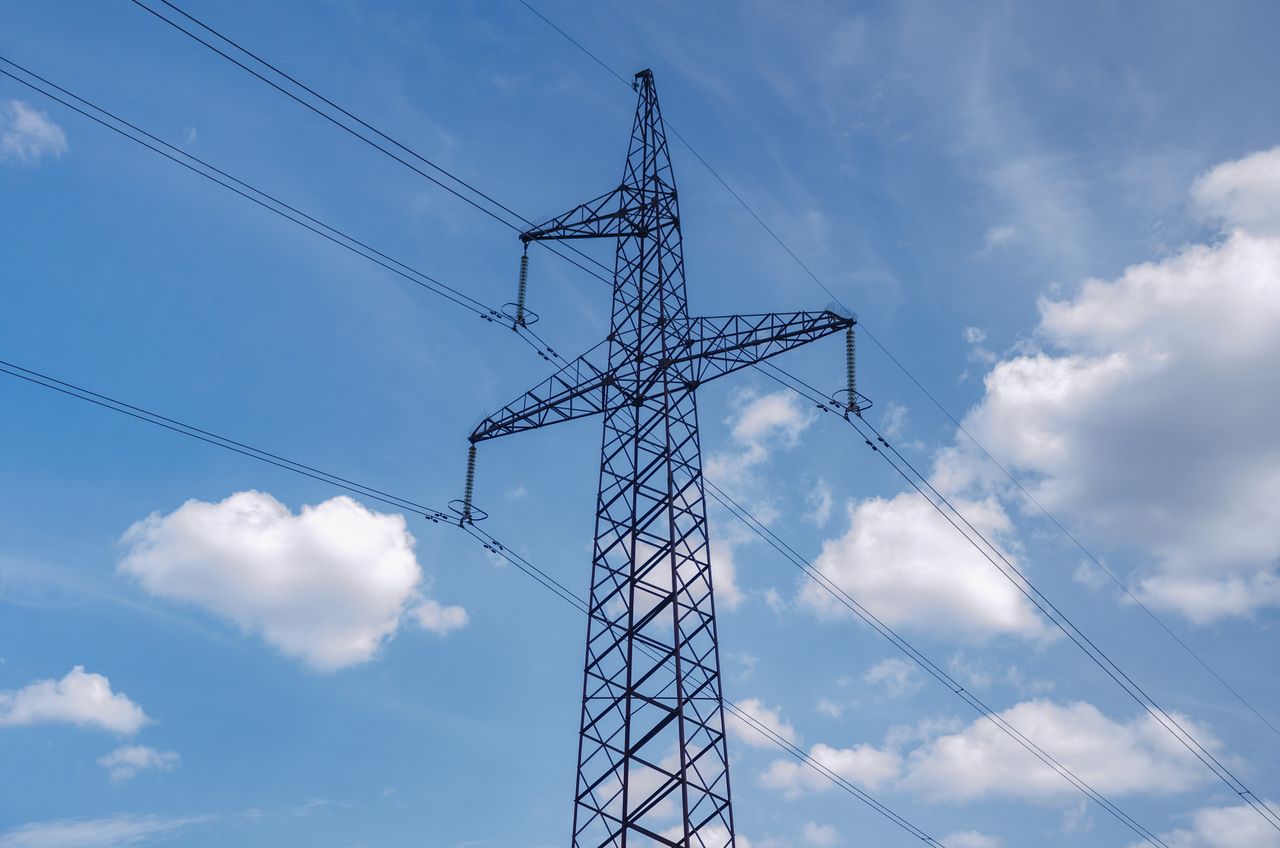
The South African government has outlined measures aimed at reducing electricity costs while keeping tariffs cost-reflective and protecting vulnerable households and key economic sectors.

The proposals are contained in the Revised Electricity Pricing Policy, which updates the 2008 policy and was approved by Cabinet for public comment last month.

Electricity and Energy Minister Kgosientsho Ramokgopa said tariffs have increased by about 977% since 2007, highlighting the need for a new pricing framework.

10-year electricity price forecast

The policy will require the National Energy Regulator of South Africa (NERSA) to publish a 10-year electricity price forecast, giving businesses and investors greater certainty when planning long-term investments.

It will also establish a framework for transparent, efficient and cost-reflective tariffs while preventing hidden costs from being passed on to consumers.

More competition in electricity market

Government is also opening the electricity market to greater competition as part of reforms aimed at reducing Eskom's dominance.
The new framework will allow generators and electricity users to enter into bilateral supply agreements outside of Eskom, supporting the transition towards a wholesale electricity market.

Stronger protection for vulnerable households

The policy will strengthen support for poor and vulnerable households while tackling the impact of unpaid municipal electricity debt.

Ramokgopa said consumers who pay their electricity bills should not be forced to carry the cost of those who do not.

Government also plans to modernise the administration of free basic electricity by creating a central database linked to Home Affairs and social grant records. This is intended to make it easier to identify households that qualify for assistance.

Support for energy-intensive industries

Government will also introduce a Negotiated Pricing Agreement mechanism to support electricity-intensive industries, including businesses that are not currently in financial distress but could contribute to economic growth and job creation if given more competitive electricity prices.

Ramokgopa said the overall objective is to improve efficiency in the electricity sector and create conditions that could ultimately result in lower electricity costs.

Kruger National Park flood repairs estimated at R950 million


The cost of repairing infrastructure damaged by severe flooding in the Kruger National Park earlier this year is estimated at R950 million.

Heavy rains and flooding in January 2026 caused extensive damage to roads, accommodation facilities and water-related infrastructure across the park.

Since then, the park’s management team and contractors have been working on a phased recovery programme to repair the damage and strengthen infrastructure against future extreme weather events.

Forestry, Fisheries and the Environment Minister David Maynier said the recovery effort is focused not only on restoring damaged facilities, but also on building more modern and resilient infrastructure.

“Our national parks are valuable environmental assets, and the Kruger National Park is the jewel in our crown. We must ensure that they are maintained and revitalised.”

Maynier visited the Kruger National Park last week for briefings on the progress of the flood recovery programme.

He also visited Letaba Rest Camp, one of the areas worst affected by the floods, where repairs are currently underway.

The A and B circles at Letaba are expected to reopen in September 2026.

The Letaba High-Level Bridge, which was also severely damaged, has already reopened, with the final stages of its rebuild nearing completion.

During his visit, Maynier also engaged with guests at Skukuza Rest Camp and the Letaba campsite.

He said maintaining a positive guest experience remains a key priority as investment in the park continues.

“The guest experience must be a key focus for investments going forward, as we want families and friends to come together and create lasting memories of their time at the Park,” Maynier said.

He added that feedback from visitors was overwhelmingly positive, while any outstanding issues would be addressed by park management.

The Department of Forestry, Fisheries and the Environment is expected to provide further updates on the progress of the recovery work.

Oudtshoorn power outage enters fourth day as Eskom revises restoration time

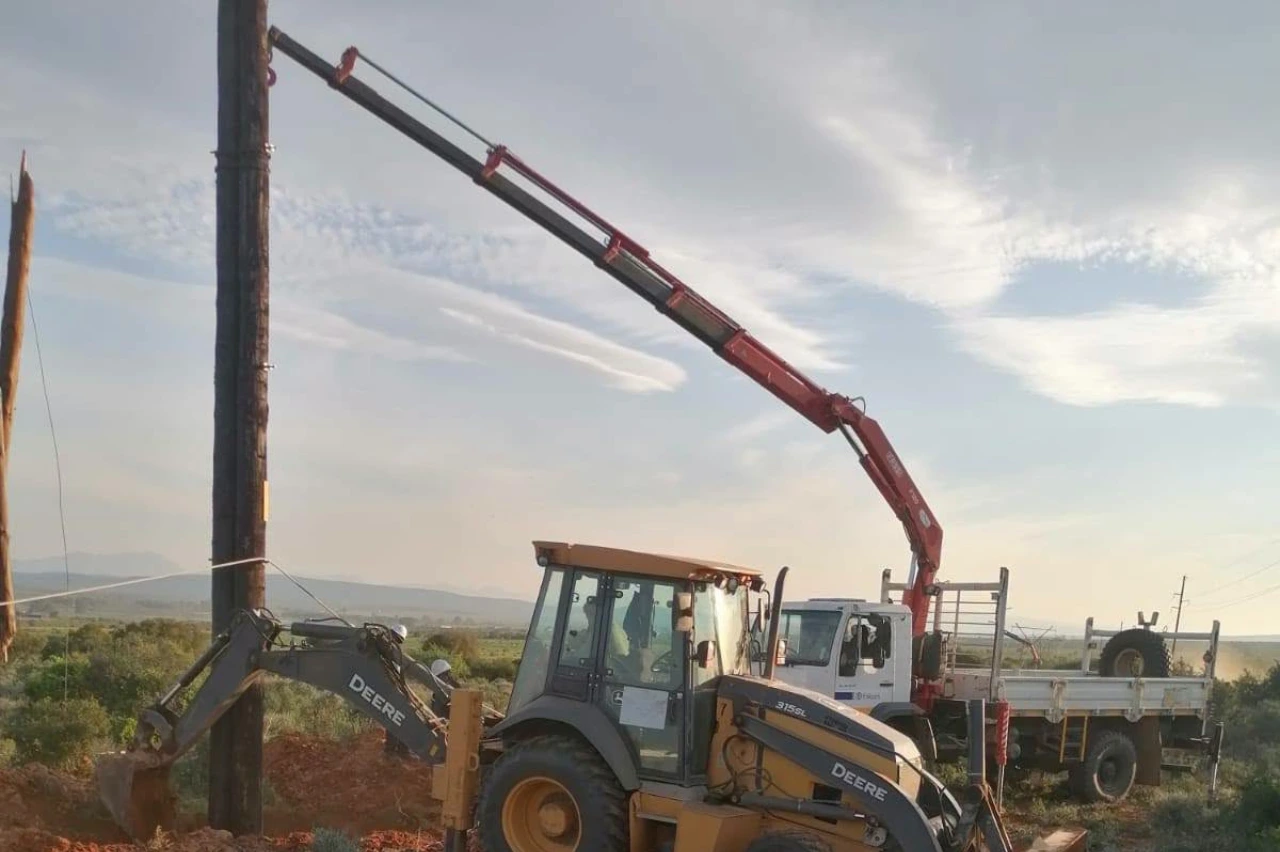
The power outage affecting parts of Oudtshoorn has entered its fourth day, with Eskom revising its estimated restoration time to approximately 18:00 on Tuesday, 18 August.

Eskom said further complex technical problems were encountered during restoration work, requiring additional repairs before the network can be safely energised.

“The safety of Eskom employees and affected communities remains paramount,” the utility said.

Technical teams remain on site and are working to resolve the issues and restore electricity as soon as it is safe to do so.

Eskom has apologised to affected residents for the prolonged outage and repeated changes to the restoration estimates.

“We sincerely apologise for the continued outage and the inconvenience caused. We understand the frustration caused by the interruption and changing restoration estimates,” Eskom said.

The utility said it will continue providing updates as restoration work progresses.

Customers can contact Eskom via the MyEskom Customer app, Alfred Chatbot or the Eskom Contact Centre on 08600 37566.

Western Cape teenager to appear in court over alleged possession of child sexual abuse material

A 16-year-old teenager has been arrested in Malmesbury, Western Cape, for allegedly accessing, possessing, facilitating and downloading child sexual abuse material.

The teenager is expected to appear in the Malmesbury Magistrates’ Court on Tuesday following his arrest on Monday in an operation involving the South African Police Service (SAPS) and international law enforcement agencies.

SAPS said several child victims have been identified as part of the investigation.

“A preliminary on-site analysis of the suspect’s electronic devices uncovered explicit images and videos depicting child sexual abuse and animal mutilation,” police said.

The devices will undergo a full forensic examination to establish the extent of the alleged offences. Investigators are also probing possible charges linked to fraud and money laundering.

The investigation was launched after the SAPS National Serial and Electronic Crime Investigations (SECI) Team received intelligence from the US Federal Bureau of Investigation (FBI), the US Embassy and the National Centre for Missing and Exploited Children (NCMEC).

The intelligence reportedly linked the teenager to “764”, a violent international online network associated with child exploitation and the coercion of minors into sexual abuse, animal torture and other criminal activity.

Following an extensive investigation, the National SECI Team traced the suspect to an address in Malmesbury, where he was arrested.

The operation was supported by SAPS Head Office’s Occult Unit, the Paarl Family Violence, Child Protection and Sexual Offences (FCS) Unit, the Paarl K9 Unit and the Western Cape Crime Scene Investigation Unit.

Agents from the FBI and Homeland Security Investigations (HSI) at the US Embassy also assisted in the operation.

The investigation is continuing, with forensic analysis expected to determine whether further victims or offences can be identified.

Garden Route Environmental Crisis: Invasive Alien Plants Among the Worst in South Africa

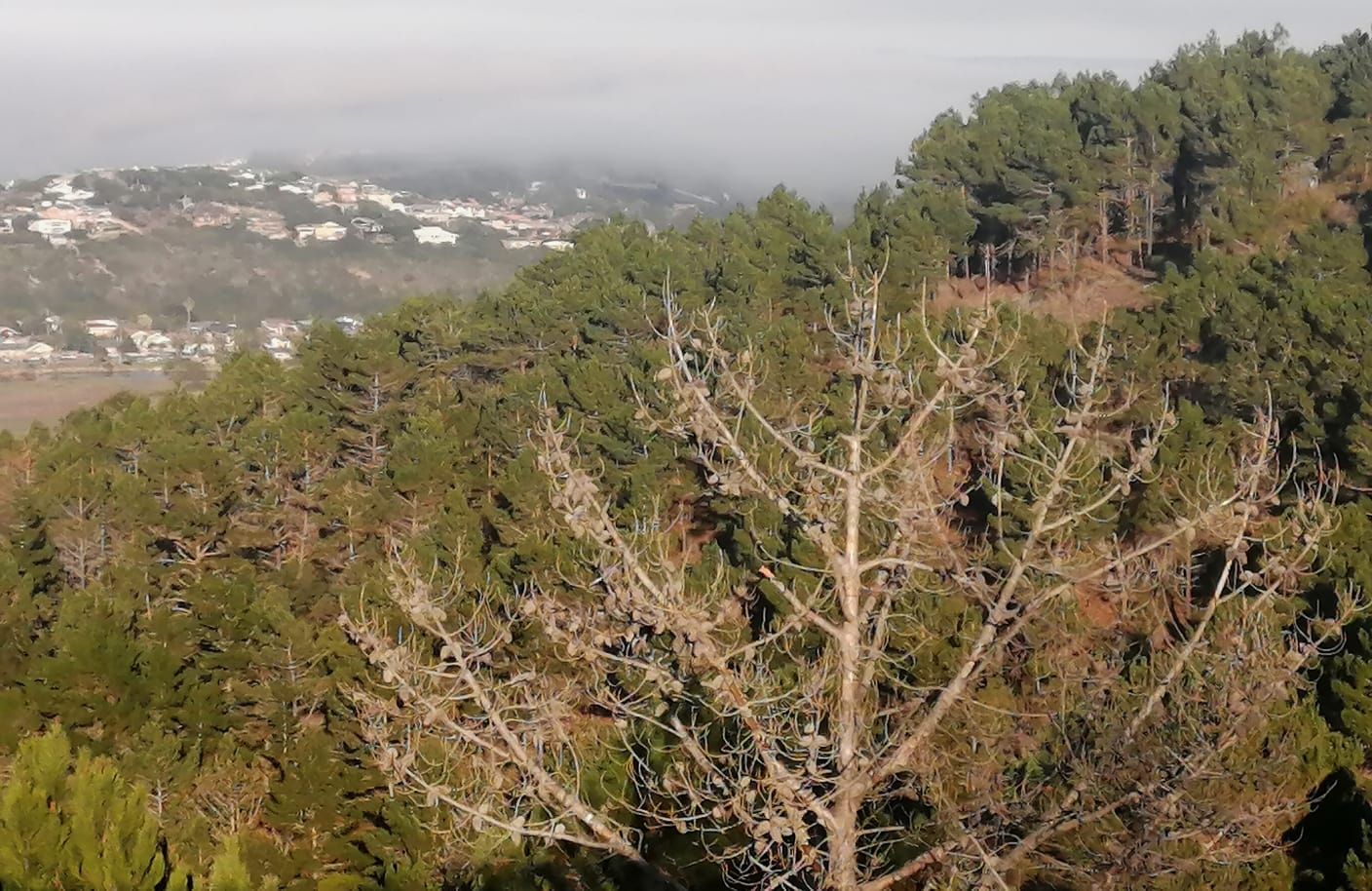
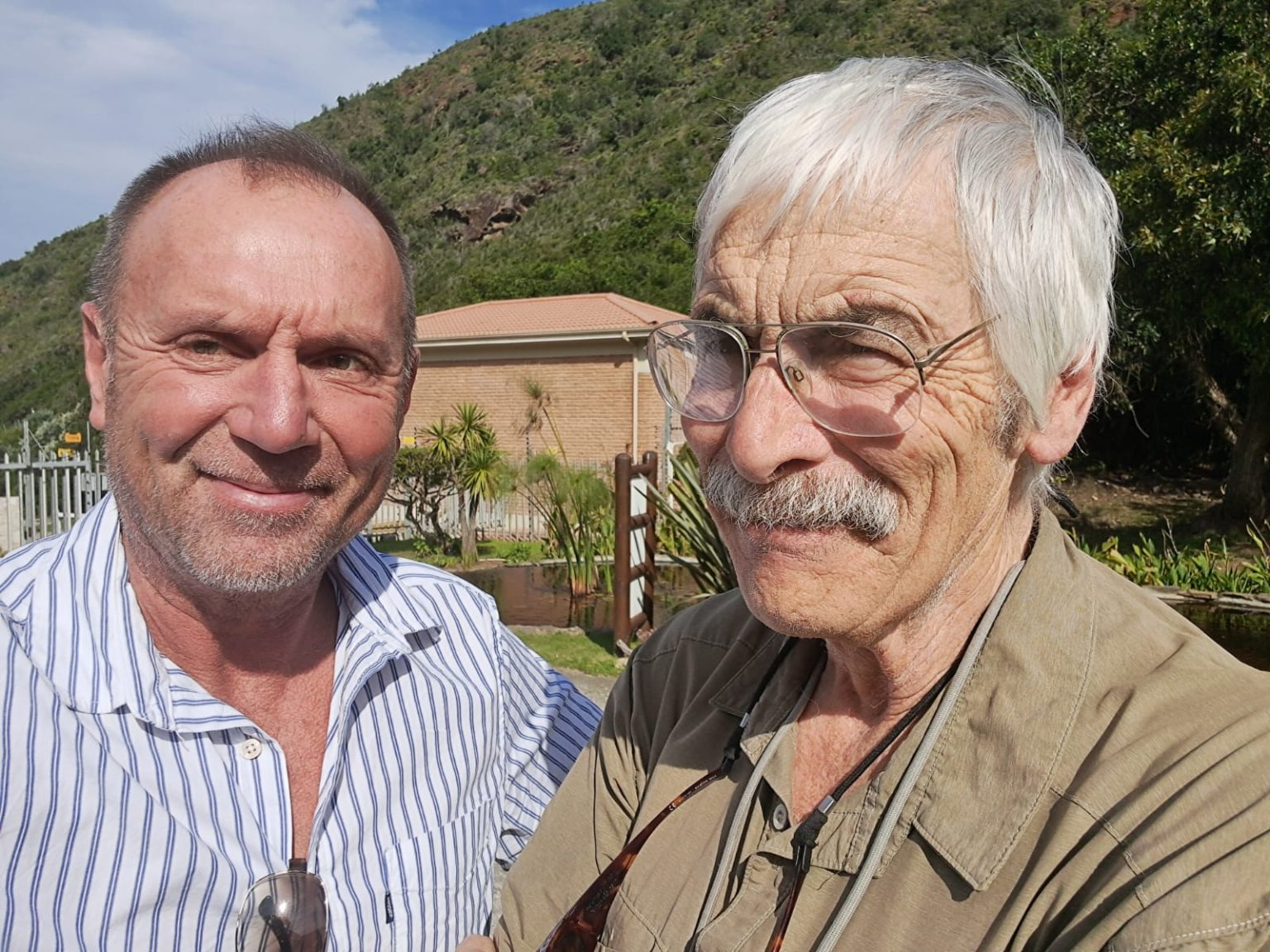
The Garden Route is facing an environmental crisis of alarming proportions, with the region’s invasive alien plant problem described as “among the worst in the country” by veteran environmental manager Dr Guy Preston.

Preston recently visited the Garden Route following the region’s extreme weather events and assessed environmental conditions on the ground.

“After seeing conditions on the ground, Preston expressed deep concern at the extent of invasive alien plants (IAPs), describing their prevalence in the Garden Route as among the worst in the country,” said Cobus Meiring of the Garden Route Environmental Forum (GREF).

Preston’s assessment carries significant weight. He is widely recognised for his role in establishing and driving South Africa’s internationally acclaimed invasive alien plant control programmes, including Working for Water, Working for Wetlands and Working on Fire, during his tenure as Director of Natural Resource Management Programmes in the Department of Forestry, Fisheries and Environmental Affairs.

At their peak, these programmes had combined budgets running into billions of rand and created thousands of jobs while restoring ecosystems and tackling invasive species.

During his Garden Route tour, Preston highlighted the serious risks posed by the unchecked spread of invasive vegetation. The threat extends far beyond the displacement of indigenous plants and loss of biodiversity.

Dense stands of invasive alien vegetation create significant amounts of combustible biomass, increasing the risk of intense and destructive wildfires. Invasive species can also outcompete indigenous vegetation, disrupt natural ecosystems and undermine biodiversity.

Water security is another major concern. Invasive alien plants can consume substantial quantities of water, particularly in catchments, potentially affecting streamflow and reducing water availability for both ecosystems and communities.

Preston also raised concerns about the degradation of rivers, wetlands and other natural infrastructure. Healthy catchments and functioning river systems are essential to the Garden Route’s ecological resilience, yet widespread invasive plant infestations are placing these systems under increasing pressure.

For the Garden Route, Preston’s assessment represents a stark wake-up call.

The region’s forests, rivers, wetlands, mountains and coastal ecosystems are among its greatest natural assets, but their long-term resilience cannot be taken for granted.

His visit highlighted the urgent need for coordinated, sustained action involving national and local government, municipalities, landowners, conservation organisations and communities.

The success of Working for Water demonstrated what can be achieved when invasive alien plants are treated as a major environmental and economic priority. GREF believes these lessons should inform a renewed and properly resourced effort to control invasive species and restore the Garden Route’s ecosystems before the environmental and economic costs of inaction become even greater.

The Garden Route Environmental Forum (GREF) is a public platform for environmental managers and serves as a climate-change think tank.

Photo: Cobus Meiring, Chairperson of the Garden Route Environmental Forum, with Dr Guy Preston.
error:
Scroll to Top